The striking part of this trip is how quickly Kyoto gives way to mountain scenery. The ride climbs in two stages: a steep cable car, then an open-air ropeway with views across the hills. I like the distinctive two-part ascent and the chance to trade city streets for a quieter stretch of nature without committing to a long hike.
I also like that the round-trip ticket keeps the basic plan simple, with time at the top for a walk or a view. One thing to plan around: the ride is short, and service can be infrequent or suspended in winter or bad weather. This is a scenic outing, not a full day of activities by itself.
- Key points before you go
- From Kyoto’s edge to Mount Hiei
- What the two-stage ride feels like
- A little time above the stations
- Continuing to Enryakuji Temple
- The seasonal trade-off
- What the ticket covers, and what it does not
- Who will enjoy this mountain outing
- Should you book the Eizan cable car?
- FAQ
- What does the Eizan Cable Car round-trip ticket include?
- Does the ticket include the Eizan Railway from Kyoto?
- How long should I allow for the experience?
- Where do I exchange the voucher?
- How long is the voucher valid?
- When is the ropeway closed?
- Can weather stop the service?
- Are children charged the same rate as adults?
- The Best Of Kyoto!
- More Tickets in Kyoto
- More Tours in Kyoto
- More Tour Reviews in Kyoto
Key points before you go
 1 / 8
 2 / 8
 3 / 8
 4 / 8
 5 / 8
 6 / 8
 7 / 8
 8 / 8
- Two mountain rides are included: The ticket covers a round trip on the Eizan cable car and ropeway.
- The first climb is notably steep: The cable car route rises 561 meters, then the ropeway carries you farther up.
- Views change with the seasons: Cherry blossoms are a spring draw, while autumn brings maple color; winter can bring cold conditions and snow.
- The train to the mountain is not included: You need separate transport to the Yase area and the cable car station.
- Leave room for a walk at the top: A garden museum, lookout, and bus connections to Enryakuji Temple are among the options mentioned for the summit area.
- Check the operating calendar: The ropeway closes during winter, and weather can stop service.
👉 See our pick of the We Rank Kyoto’s 15 Top Workshops & Classes
From Kyoto’s edge to Mount Hiei
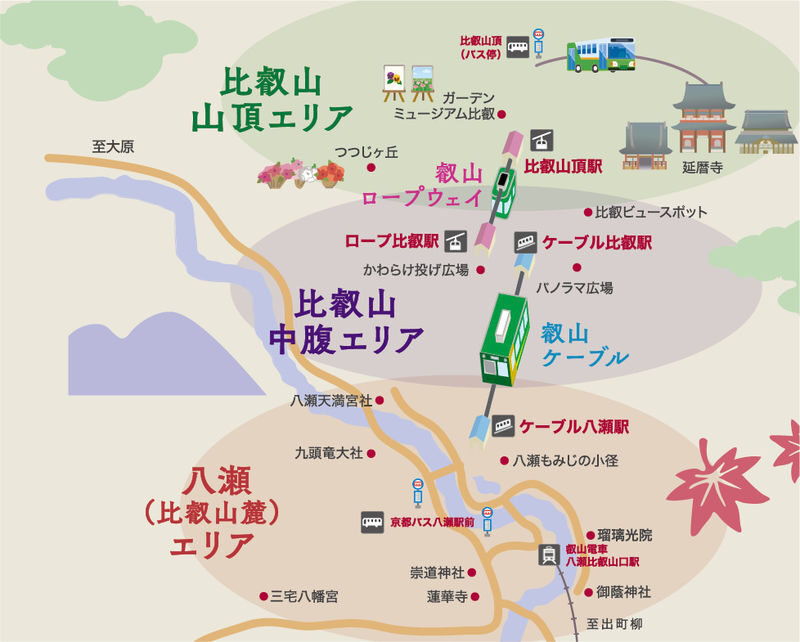
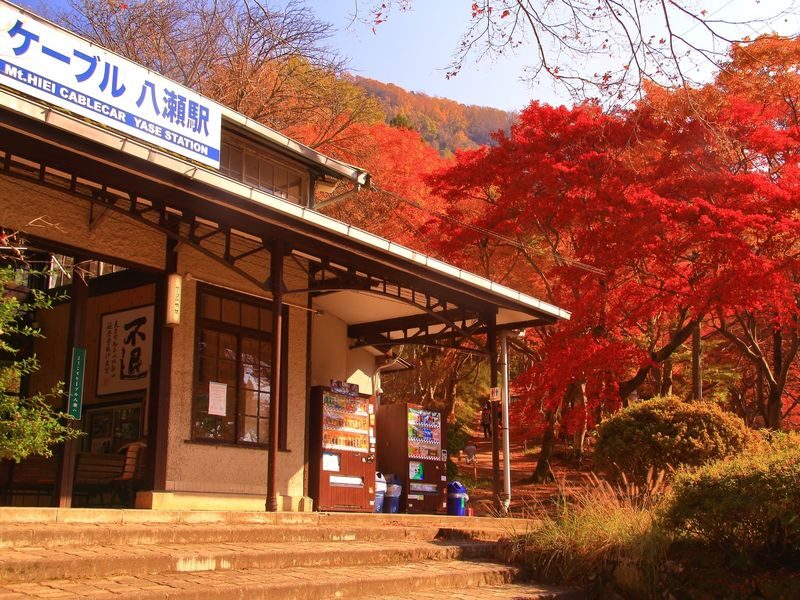
The Eizan cable car makes a useful change of pace from Kyoto’s temples and packed city streets. You board in the Yase area, at the foot of Mount Hiei, and travel up through wooded slopes rather than spending the whole journey on a road or trail. The ascent has a local, old-fashioned feel, but the main attraction is simple: watching the city recede as the mountain takes over.
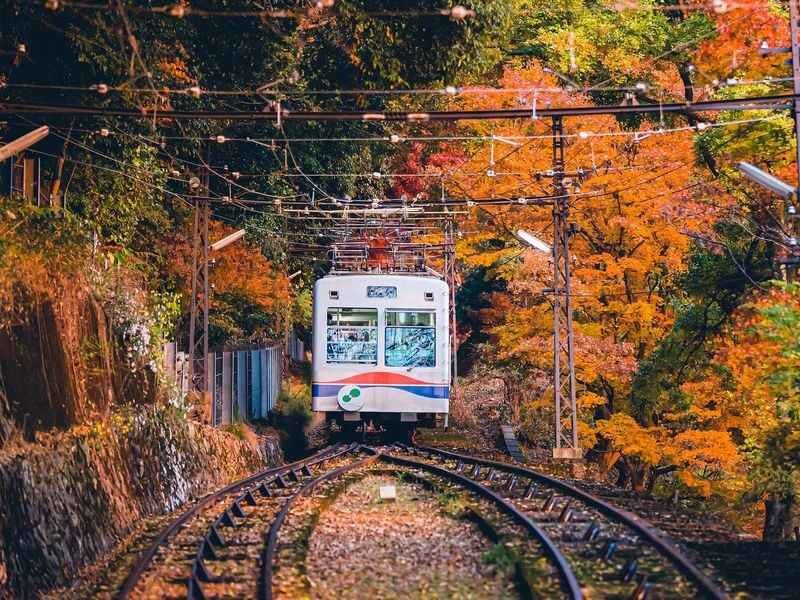
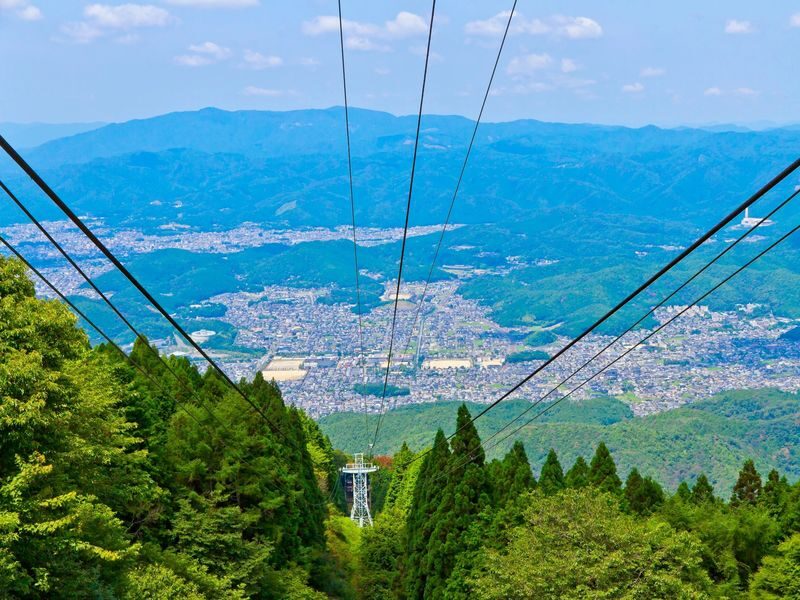
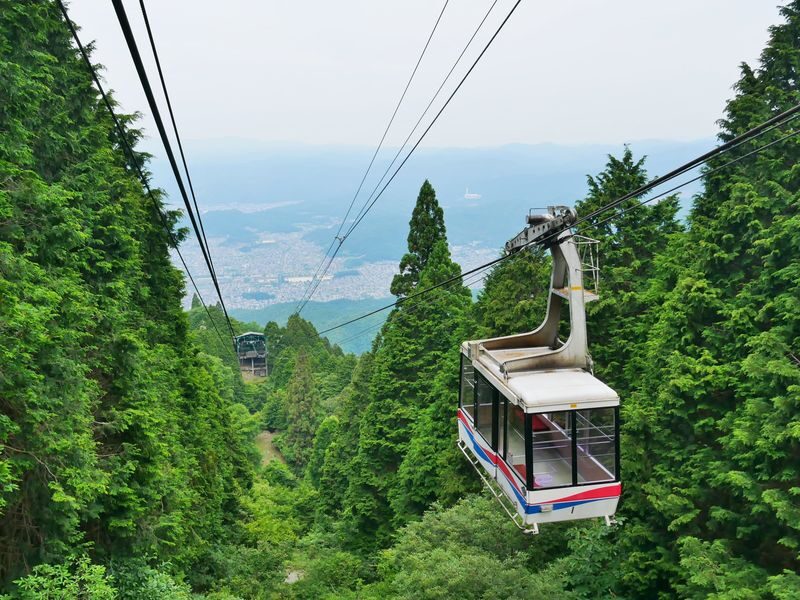
The ride is divided into two sections. First comes the cable car, which climbs a steep track with a stated height difference of 561 meters. Then you transfer to the ropeway, an open-air cable ride that goes farther uphill. Together, the two stages make the trip more varied than a single lift, and each offers a different view of the surrounding slopes.
The overall outing is listed as one to two hours. That is a sensible estimate if you include the rides in both directions and some time at the top, but it is not a promise of a long visit. The uphill journeys themselves are brief. If you want a fuller mountain day, plan to walk around or continue toward nearby sights instead of treating the ride as the entire itinerary.
You can also read our reviews of more tours and experiences in Kyoto


What the two-stage ride feels like
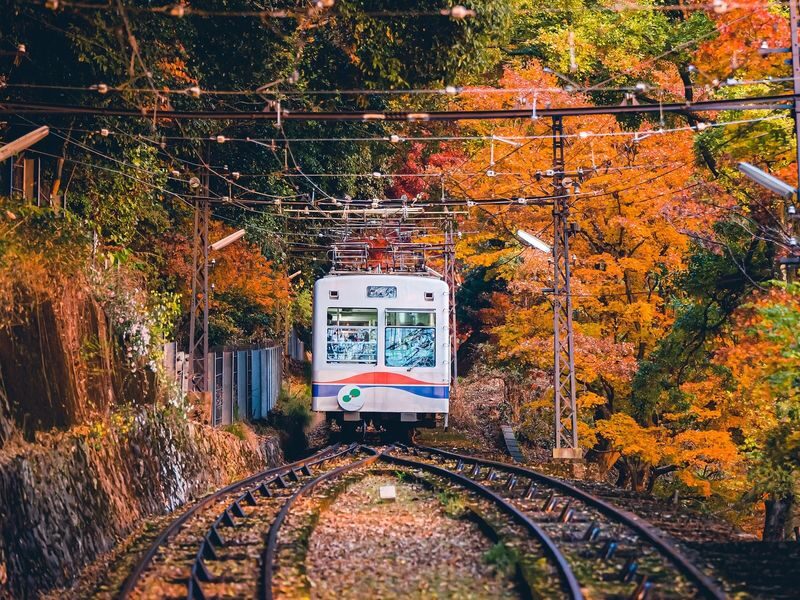
The cable car is the more dramatic of the two rides. The steep incline is part of its appeal, and the route has a long history, with one supplied account describing it as more than a century old. The cabins are described as clean and comfortable, though the seating may feel awkward to some people. If you are uneasy with heights, the ride may still feel manageable, but keep in mind that it climbs sharply.
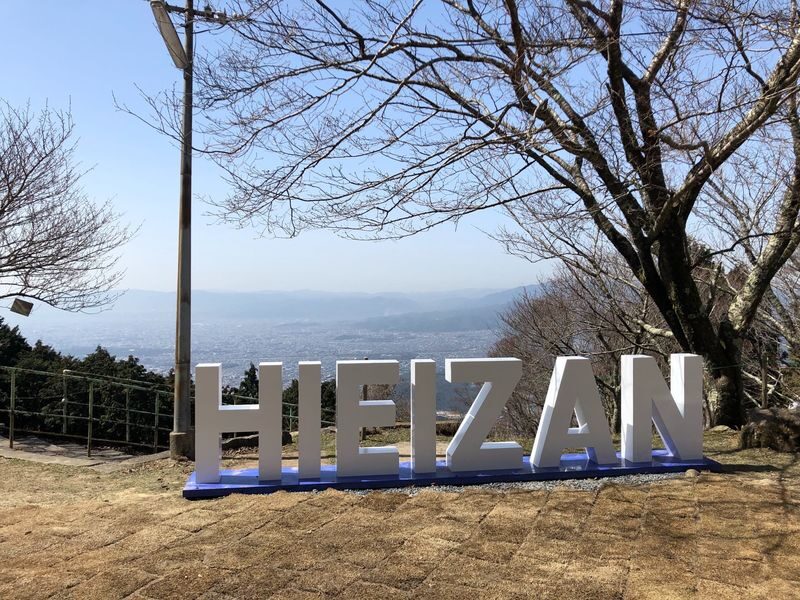
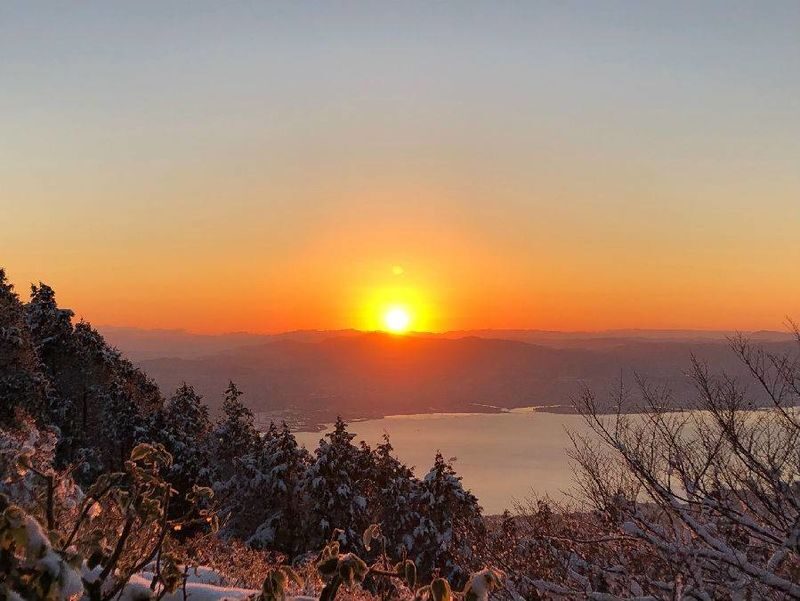
At the upper station, you change to the ropeway for the second leg. This section is short, but it opens up the view as the cabin crosses above the slope. On a clear day, you may see Kyoto and the wider region, with views toward Lake Biwa mentioned from the mountain. Clouds, rain, or poor light can soften those views, so a bright morning is a good bet if the forecast cooperates.
The short travel time is both an advantage and a limitation. You get a scenic mountain ride without needing to be especially fit or to set aside half a day for hiking. But if you only ride up, turn around, and descend, the outing can be over quickly. I would build in time at the top, especially if you have come all the way out from central Kyoto.
A little time above the stations
At the top, take a few minutes to look around before heading straight back down. The summit area offers places to walk and viewpoints, and a garden museum is mentioned as an additional stop. Its entrance costs extra, so treat it as an optional add-on rather than something covered by the cable car ticket. A garden visit can help turn a quick ride into a more rounded outing, particularly in spring or autumn.
The open lookout is another reason not to rush. It can feel quiet, and the views are a reward for waiting for clear weather. Bring a jacket: the mountain can feel cold even when Kyoto is comfortable, and winter conditions can make the outing much less pleasant. Comfortable walking shoes are sensible if you plan to explore on foot. One visitor also noted steep inclines around the area, so avoid flimsy footwear.
Food options may be limited once you reach the top. Do not count on finding an open café or restaurant when you arrive. If a meal matters to your plans, check ahead or eat before you set out. A gift shop and coffee or snacks have been available at the garden museum, but that should not be taken as a guarantee that refreshments will be open on your visit.
Continuing to Enryakuji Temple
Mount Hiei is also a gateway to Enryakuji Temple, a World Heritage site. A shuttle bus is available from the mountain area to reach the temple, making this a possible extension for visitors who want more than a scenic ride. The cable car ticket does not include the bus, and the basic outing information does not include temple admission, so allow for additional costs and check the transport arrangements before you go.
This is the best way to make the trip feel like a substantial day rather than a quick excursion. The mountain rides provide the transition; the temple gives you a destination beyond the stations. If you are interested in temples, walking, or mountain views, the combination makes sense. If you only want the cable car, you can keep the visit much shorter.
Be realistic about timing. The cable car and ropeway do not run like a constant urban metro, and service may be less frequent on weekdays. One reported schedule described the cable car as running about every 30 minutes and the ropeway about every 15 minutes, but timetables can change. Check the official operating information before leaving Kyoto, especially if you plan to connect with a bus or temple visit.
The seasonal trade-off
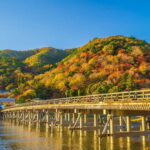
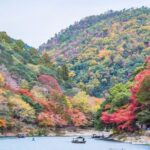
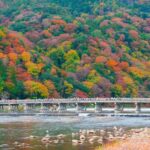
Spring and autumn offer the clearest seasonal reasons to go. Cherry blossoms may color the slopes in spring, and maple leaves bring strong color in autumn. The timing of blooms and foliage varies, of course, so a visit in the right season is no guarantee of peak color. Still, these are the periods when the mountain ride has its most obvious visual appeal.
Winter can be beautiful, too. Snow may cap the surrounding mountains, but cold, rain, and service closures are real considerations. The ropeway is announced as closed from January 4 through March 19, and the tram or cable service may also stop operating in winter. Weather can interrupt operations at other times as well. Confirm dates and conditions before making this the center of your day.
Summer offers a break from the city, but do not expect the same foliage display as spring or autumn. The views and the ride remain the main draw. Whatever the season, visibility matters: a sunny morning gives you a better chance of seeing the scenery than a gray, rainy afternoon.

What the ticket covers, and what it does not
The package is a round-trip ticket for the mountain cable car and ropeway. It does not cover the Eizan Railway ride from Kyoto to the Yase area, despite titles or descriptions that can make the transport sound bundled together. You will need to buy that train ride separately, along with any bus fare, temple admission, or garden museum admission you choose.
The listed starting price is $12.65. At that level, the ticket can be good value if you want both mountain rides and plan to enjoy the view or walk at the top. The main value is convenience and the scenic experience, not a long activity. Since on-site prices may be similar, compare the current fare before booking rather than assuming an online voucher is automatically cheaper.
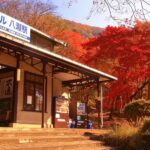
Buying online can still be handy. You exchange the voucher for a physical ticket at Mountain Tram Yase Station, at 12 Higashiyama, Kamikono, Sakyo District, Kyoto. The listed exchange hours are 09:00 to 17:00. The station is about a five-minute walk from the Yase-Hiei Eizan Tram stop. The voucher is valid for 90 days from booking confirmation and expires at 17:00 on its final day. It can be refunded before redemption, but not after you exchange it.
Who will enjoy this mountain outing
I would recommend the ride to anyone who wants a scenic break from Kyoto’s urban sights without taking on a demanding hike. It works well for a relaxed morning or afternoon, and it is particularly appealing if you enjoy views, seasonal foliage, or unusual transport. The short ride also makes it easier to fit into a broader itinerary, provided you allow time for the separate journey to Yase.
It is less suitable if you expect a guided tour, a full day of included activities, or a ticket that covers all transport and attractions. No guide is included, and there is no need to expect one. You set your own pace, decide how long to stay, and pay separately for onward transport and optional stops.
The overall rating is 4.7 out of 5 from 57 reviews, and the strongest points are consistent: the views, the charming ride, courteous staff, and the chance to find a quieter corner beyond central Kyoto. The main cautions are just as useful: brief ride time, service gaps, uncertain weather, and occasional confusion about what the ticket includes. Read the package as a mountain-ride ticket, not an all-in-one Kyoto transport pass.
Should you book the Eizan cable car?
Book it if you want an easy, scenic trip up Mount Hiei and are happy to make your own plans at the top. The two-stage ride is the star, and the outing becomes more worthwhile when you add a walk, garden visit, or trip toward Enryakuji Temple. Before booking, check the seasonal closure dates, the day’s timetable, and the forecast, then budget separately for the train and any extras. If you are short on time and only want a long list of included activities, this is probably not the right fit.
Kyoto: Eizan Cable Car ticket
“The view was really nice, as were the individual cable cars. However, you're done in less than an hour, and apart from riding the cable car, there…”
FAQ
What does the Eizan Cable Car round-trip ticket include?
It includes one round-trip ticket for the Eizan mountain cable car and ropeway. Other personal expenses are not included.
Does the ticket include the Eizan Railway from Kyoto?
No. The railway journey to the mountain area is separate. The ticket covers the mountain cable car and ropeway, not the Eizan Railway ride from Kyoto.
How long should I allow for the experience?
The stated duration is one to two hours. The rides are short, so allow extra time if you want to walk around or visit nearby sights.
Where do I exchange the voucher?
Exchange it for a physical ticket at Mountain Tram Yase Station, 12 Higashiyama, Kamikono, Sakyo District, Kyoto. The listed exchange hours are 09:00 to 17:00.
How long is the voucher valid?
It is valid for 90 days from the booking confirmation date and expires at 17:00 on the last day.
When is the ropeway closed?
The announced winter closure runs from January 4 through March 19. Check the official website before departure, since schedules and operating conditions can change.
Can weather stop the service?
Yes. The tram may stop operating in cases of force majeure, including weather. Check the official operating information before you set out.
Are children charged the same rate as adults?
Children aged 12 and older are charged the same rate as adults.