Imagine stepping into a kitchen that feels like it’s been preserved in time—where chestnut wood floors, traditional tools, and the scent of dashi broth evoke Japan’s past. For just over $36, you and a small group will spend about two hours at Kamado House in Tokyo, donning a simple, functional kimono and learning about the kitchens of days gone by.
Hosted by a guide who clearly loves sharing Japan’s culinary and cultural history, this tour offers a glimpse into the quiet beauty of everyday life that often gets overlooked amid Japan’s more glamorous scenes.
What we really enjoy about this experience is how it combines hands-on participation with storytelling. You’ll get to make rice balls, cook with a kamado (traditional stove), and handle tools like a bonito shaver—small details that give a real sense of how ordinary Japanese households lived and cooked. Plus, the chance to try dashi broth provides a tasty insight into fundamental Japanese flavors.
The atmosphere is warm and intimate, perfect for travelers interested in authentic, rather than touristy, cultural exchanges.
A minor consideration is that transportation is not included. You’ll need to arrange your own ride to Kamado House, but the address is provided for taxis or local transit—most travelers find this manageable, especially with the option of passing the address card to your driver.
The tour’s small size—max five guests—means personal attention and a relaxed setting, making it ideal for those wanting a more genuine, behind-the-scenes look at Japanese domestic life.
It’s especially suited for visitors with an interest in culinary traditions and cultural history who enjoy tactile, immersive experiences.
If you’re looking for a unique, meaningful way to spend a morning in Tokyo that goes beyond typical sightseeing, this tour fits the bill perfectly. It’s also a beautiful way to see a side of Japan that emphasizes simplicity and harmony with nature, which are central themes in Japanese culture.
Whether you’re a foodie, a history buff, or just someone curious about everyday life in Japan, you’ll likely find this experience both enlightening and memorable.
- Key Points
- A Detailed Look at the Experience
- What’s Included and What’s Not
- The Itinerary: Inside Kamado House
- Why This Experience Resonates
- The Cultural and Educational Value
- Practical Considerations
- Who Will Enjoy This Tour?
- Final Thoughts
- Frequently Asked Questions
- The Best Of Tokyo!
- More Tour Reviews in Tokyo
Key Points
- Authentic immersion into Japanese domestic cooking life from a century ago.
- Hands-on participation with traditional tools and techniques.
- Small group setting ensures personalized guidance and a relaxed atmosphere.
- Cultural insights provided by a knowledgeable host who shares stories behind the tools and customs.
- Affordable price offers good value for an authentic experience.
- No transportation included, so plan accordingly but easy to access by taxi or public transit.
👉 See our pick of the Our Picks For The 11 Best Workshops & Classes In Tokyo
A Detailed Look at the Experience
You can also read our reviews of more tours and experiences in Tokyo.


What’s Included and What’s Not
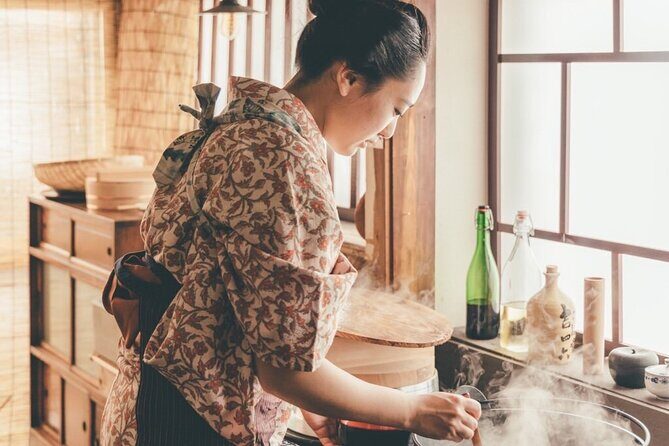
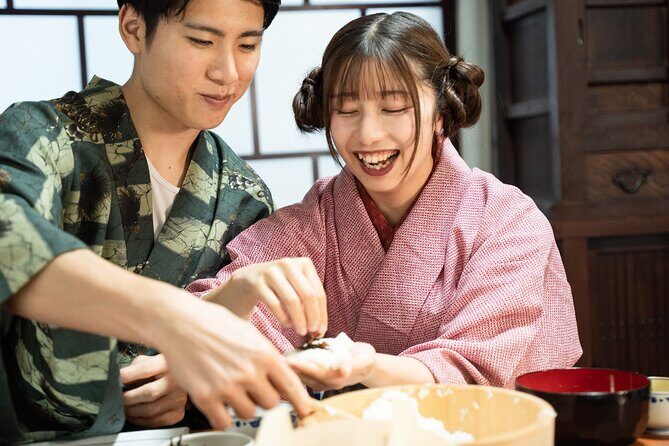
For $36.14, this tour covers about two hours of interactive cultural learning, including lunch. You’ll wear a simple kimono, reminiscent of what everyday Japanese people wore a century ago, which adds a layer of authenticity and fun. Photos are encouraged, and many find that dressing in traditional attire enhances the experience both visually and culturally.
Transportation is not part of the package, but the tour provider supplies the address card to pass to a taxi driver, simplifying the journey. Most travelers find taking a taxi from JR Kamata Station works well, especially if you’re unfamiliar with Tokyo’s transit system. The flexibility allows you to choose your timing and pace, making it easier to fit into your itinerary.
The Itinerary: Inside Kamado House
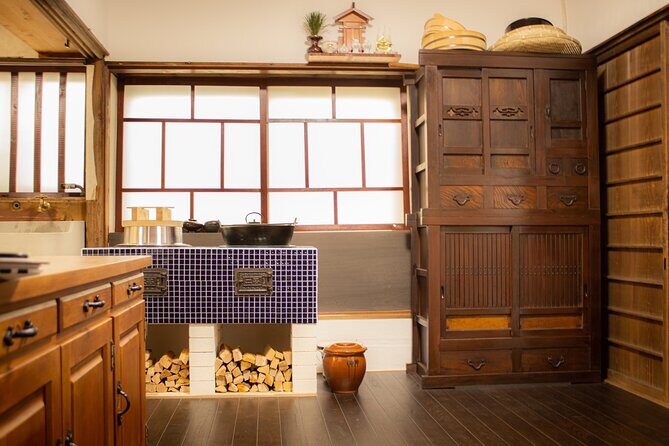
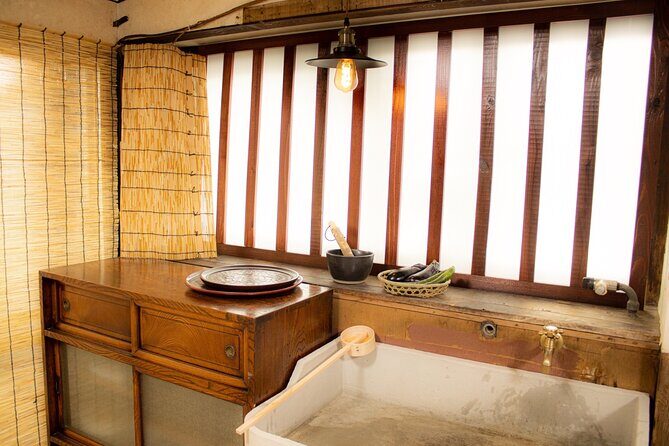
You’ll start at the modest but beautifully preserved Kamado House, where the setting is inspired by a 100-year-old Japanese kitchen. The guide, often deeply knowledgeable about pre-war lifestyles, begins by explaining why chestnut wood was used for floors—its durability and natural properties suited Japan’s humid climate. This gives a tangible sense of how Japanese homes were designed to work harmoniously with nature.
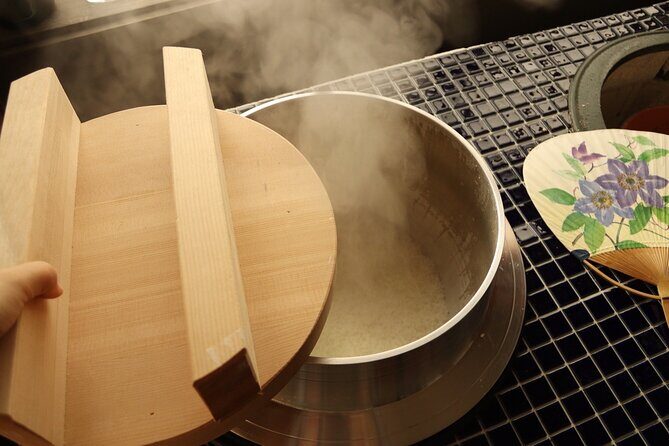
Next, you’ll step into the role of a homemaker, participating in making rice balls (onigiri), which are staples of Japanese everyday cuisine. The process involves using traditional tools like a wooden rice paddle and hands-on shaping, which makes the experience more meaningful. Cooking rice on a kamado, a traditional stove, offers insight into how Japanese households managed heat and humidity with simple, effective technology.
The guide might also demonstrate making dashi broth, a cornerstone of Japanese cuisine, and show how food waste was historically minimized through resourcefulness. Handling a bonito shaver is both fun and educational—seeing how dried bonito flakes are shaved fresh offers a tangible link to Japan’s culinary heritage.
Why This Experience Resonates
Many reviewers have appreciated the depth of knowledge shared by guides, who don’t just show you how but tell stories of daily life, manners, and techniques from pre-war Japan. One said, “We loved the way our host explained how kitchens were designed to cope with Japan’s humid climate—a real eye-opener.” The visual and tactile elements—dressing in kimono, handling tools, tasting broth—make it an engaging, memorable experience.
The Cultural and Educational Value
This experience emphasizes Japanese culture’s understated beauty—the quiet, functional elegance of everyday life rather than flashy entertainment. It reveals how harmony with nature, simplicity, and resourcefulness have been woven into Japanese homes and kitchens for generations. For travelers interested in authentic, hands-on cultural exchanges, this tour offers a rare glimpse into a world not often seen by travelers.
Practical Considerations
While the tour is priced affordably, remember to account for transportation to Kamado House. The small group size ensures you won’t feel rushed or lost in a crowd, and the guide’s attention helps you get the most out of every activity. The experience is scheduled to start at 11:00am, so plan your morning accordingly. The tour ends back at the starting point, making it easy to explore nearby areas afterward if you wish.
Who Will Enjoy This Tour?
This experience is ideal for culture-savvy travelers, culinary enthusiasts, and those who appreciate authentic history. If you’re someone who enjoys learning by doing, you’ll find the hands-on approach very satisfying. It’s also suitable for anyone curious about Japanese daily life beyond the usual tourist spots, especially those interested in traditional tools and cooking techniques.
It’s less suitable if you’re looking for a quick, superficial tour or if mobility is an issue, as the experience involves some standing and handling tools. But overall, it’s a valuable choice for travelers seeking depth, authenticity, and a personal connection to Japan’s past.
Final Thoughts
This Kimono cooking tour in a century-old Japanese kitchen offers a rare window into the everyday life of pre-war Japan. At a reasonable price, you gain not only culinary skills but also a chance to understand how ordinary Japanese people lived in harmony with nature. The experience’s intimacy and storytelling make it more than just a cooking class; it’s a cultural conversation that enriches your understanding of Japan’s traditions.
If you’re interested in history, culture, or cuisine, this tour will deepen your appreciation for Japan’s quiet elegance. It’s especially suited for curious travelers who want to see beneath the surface and connect with the genuine spirit of Japanese everyday life.
Cook in Kimono at a Century-Old Japanese Kitchen
Frequently Asked Questions
Do I need to have cooking experience to join?
No, this tour is designed for all skill levels. It’s more about participation and learning than mastering culinary techniques.
Is the traditional kimono comfortable?
Yes, you’ll wear a simple, functional kimono similar to those worn in daily life a century ago. It’s designed to be easy to wear and move in.
How do I get to Kamado House?
Transportation is not included, but the address card provided makes it straightforward to take a taxi from JR Kamata Station or use local transit.
What should I wear during the tour?
Wear casual, comfortable clothing underneath your kimono. The kimono provided is suitable for the duration of the experience.
Can I take photos during the tour?
Absolutely. Photos are encouraged, especially with your kimono and during the cooking activities.
How long is the tour?
It lasts approximately 2 hours, starting at 11:00am, with the group ending back at the starting point.
Is food included?
Yes, a traditional Japanese lunch is included, featuring dishes like rice balls and dashi broth.
Is this experience suitable for children?
It’s best for those who can comfortably participate in cooking and wearing a kimono, generally older children or teenagers.
This tour offers a calm, insightful, and authentic look into Japan’s domestic traditions—perfect for those who want to connect with the quiet beauty of everyday life and appreciate the craftsmanship behind Japan’s culinary culture.