Furano and Biei are a long way from Sapporo, but this tour links their best-known sights in one day: flower farms, rolling hills, Blue Pond, and a waterfall. In winter, the focus shifts to snow, blue-lit water, and Ningle Terrace after dark. The change of season makes this more than a single fixed trip.
I like two things in particular: you can reach several scattered sights without arranging a rental car, and the route pairs famous photo stops with smaller pleasures, such as lavender soft serve and the warm cabin lights at Ningle Terrace. The main trade-off is time. On the summer version, six or more stops and long drives can make each visit feel like a sample rather than a lingering visit.
- The quick take
- A day that connects Sapporo to Furano and Biei
- Farm Tomita and the color of summer
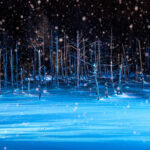
- Blue Pond and Shirahige Falls
- Shikisai-no-Oka and the Biei hills
- Ningle Terrace after dark
- What the pace feels like
- Is .39 good value?
- Practical details before you book
- Should you book this Furano and Biei tour?
- FAQ
- How long does the tour take?
- What sights are included in the summer trip?
- Are the flowers guaranteed to be in bloom?
- Is admission included?
- What language does the guide speak?
- What happens if bad weather affects the trip?
- More Winter Activities in Biei
- More Tours in Biei
- More Tour Reviews in Biei
The quick take
 1 / 10
 2 / 10
 3 / 10
 4 / 10
 5 / 10
 6 / 10
 7 / 10
 8 / 10
 9 / 10
 10 / 10
- A long-distance day made simple: Round-trip transport from Sapporo handles a route that is awkward to cover by public transit in one day.
- Two distinct seasonal experiences: Summer packages focus on flowers and rural views; winter versions center on snow and evening illuminations.
- Blue Pond is a key stop: Its striking color is the draw, though weather, light, and crowds can affect the view.
- Guides can add real value: Recent trips have featured guides including Leo, Grace, Joy, Hayashi, Zoey, and Aoki. Names and language service vary by departure.
- Plan for a full day on the road: The drive takes hours, and stops may be shortened or changed for traffic, weather, and operating conditions.
- Come prepared for the season: Comfortable shoes suit summer’s outdoor paths; winter calls for warm layers and shoes with good grip.
A day that connects Sapporo to Furano and Biei
The tour is sold in several versions, so check the package and departure time before booking. The summer flower trip has options that leave around 8 a.m. or 11 a.m. Winter versions are described as starting around noon and running into the evening. The 10-hour duration is a useful guide, but the exact schedule can shift with traffic, weather, and official illumination hours.
The summer route covers Farm Tomita, a Furano-area herb garden or similar stop, Shirogane Blue Pond, Shirahige Falls, Shikisai-no-Oka, the Roller Coaster Road, and Ningle Terrace. The winter route uses some of the same places but gives more attention to snow scenery, Blue Pond and waterfall illuminations, and a night visit to Ningle Terrace.
That range is the appeal, and also the challenge. The sights are spread across the countryside, so the bus saves you from stitching together multiple transport connections or driving unfamiliar roads. But travel time is part of the day. Take a small bag, keep your phone handy, and do not expect to spend hours at any one stop.
You can also read our reviews of more tours and experiences in Biei


Farm Tomita and the color of summer
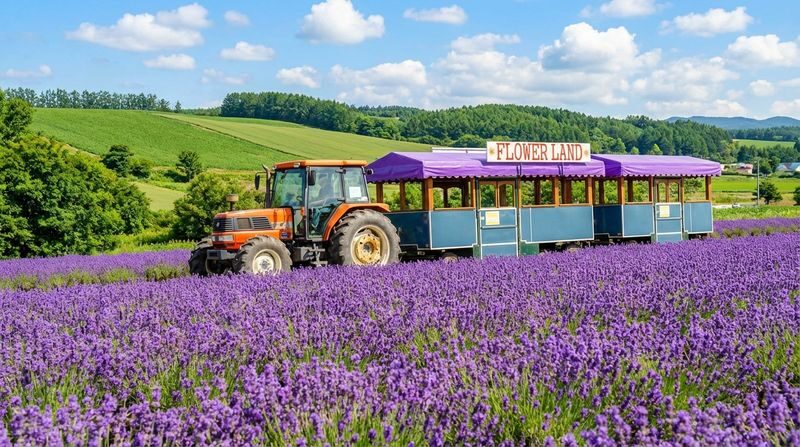
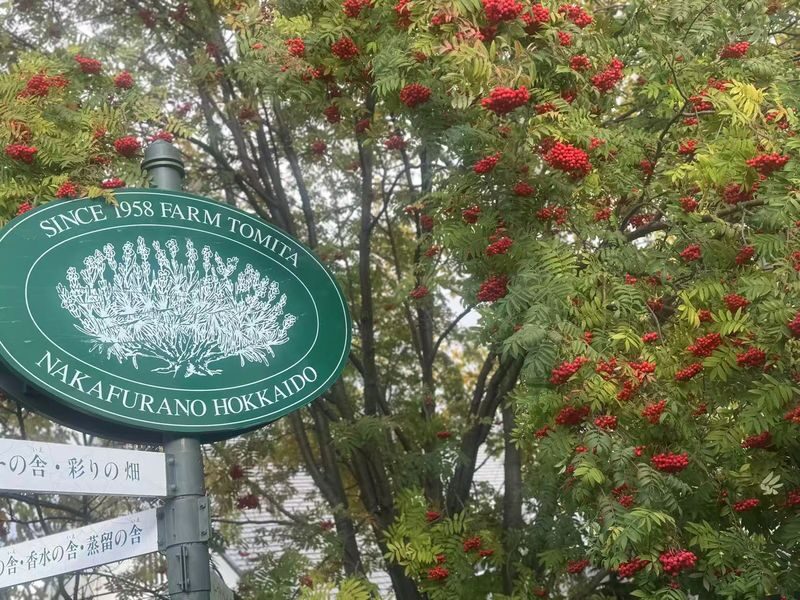
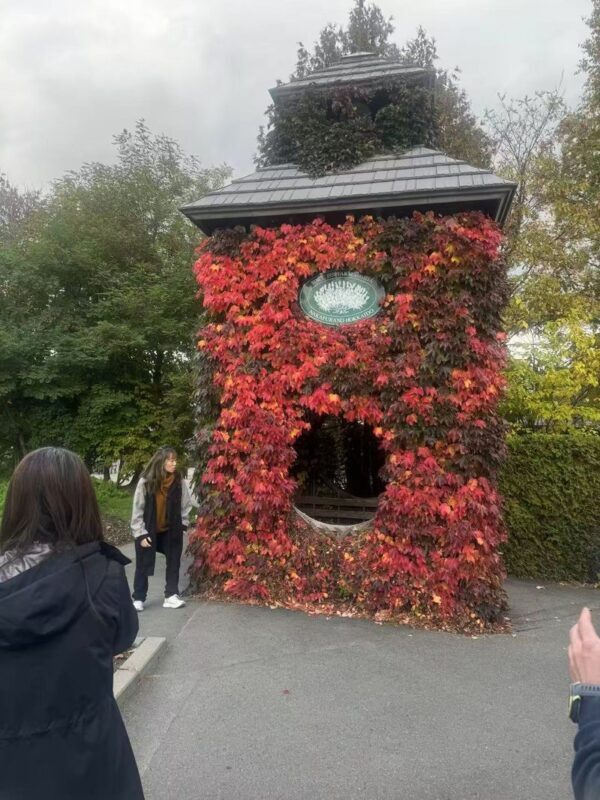
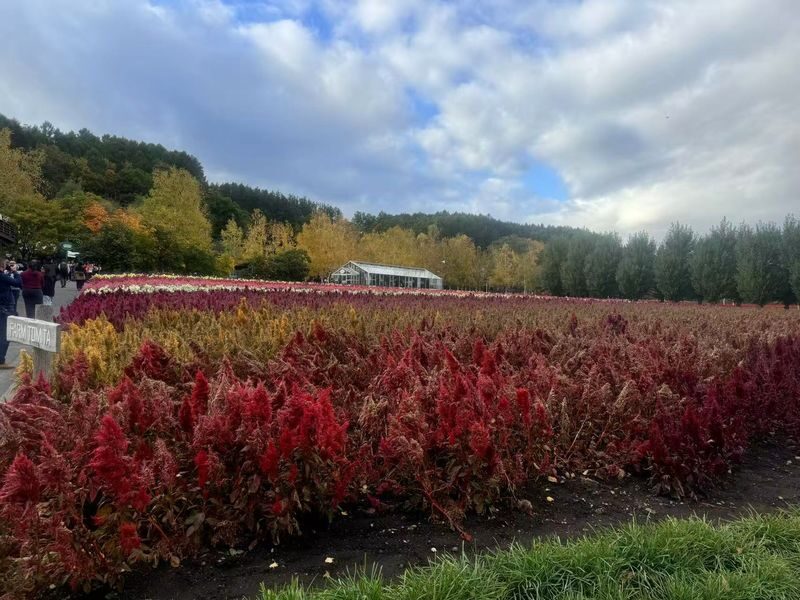
Farm Tomita is one of Hokkaido’s best-known flower farms, with lavender and seasonal plantings. In peak bloom, its rows of color make an easy first taste of Furano’s flower country. The stop is also a good place to try lavender soft serve, a local treat that is more fun than it sounds.
Flower timing is not guaranteed. In April and early to mid-May, many plants are still growing, so you may see green fields and only a few early flowers rather than the full summer show. Bloom dates vary with the year’s weather, and the tour runs even when the flowers are not at their peak.
The schedule allows about an hour at Farm Tomita, though the actual stop can be adjusted. That gives you time to walk around, take photos, and browse, but not necessarily to explore every corner at a leisurely pace. If the flowers are your main reason for coming, aim for the heart of the summer bloom period, while accepting that nature keeps its own calendar.
A second Furano stop is described as a herb garden, with time for lunch at your own expense. The attraction may be replaced if it is full or closed. Confirm the exact package details before departure, since the summer options and stop descriptions differ.
Blue Pond and Shirahige Falls
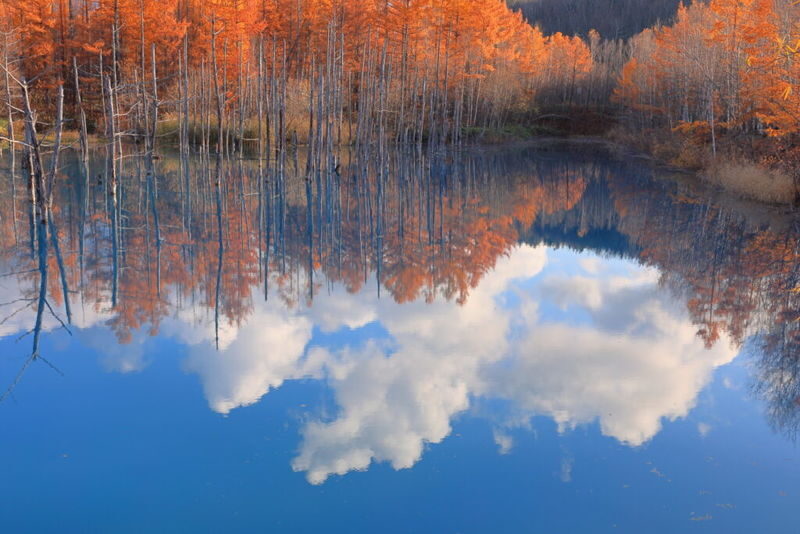
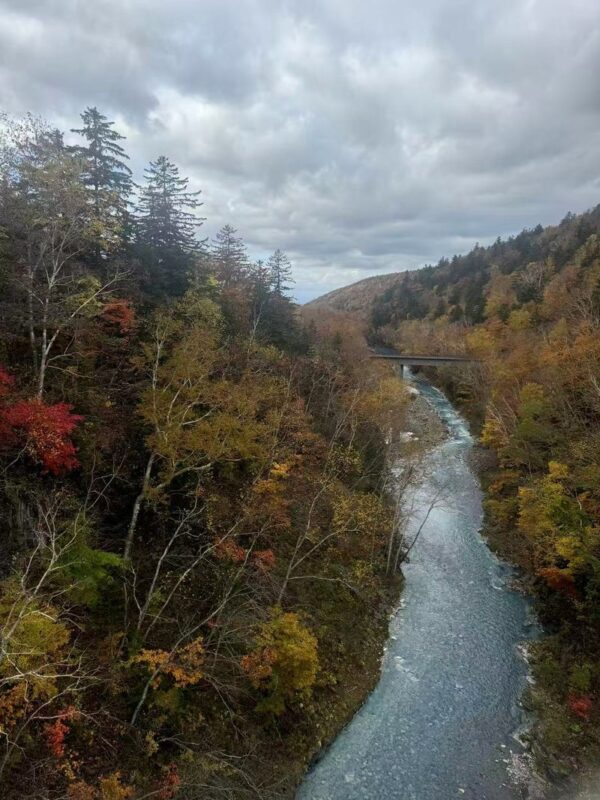
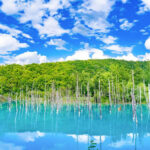
Shirogane Blue Pond is the route’s most distinctive water stop. Its unusual blue appearance and standing tree trunks make it a natural photo magnet. You will have roughly half an hour on the standard summer schedule, enough for a walk around and pictures, but perhaps not enough to wait out a crowd or linger for changing light.
The color can look different from one visit to another. Cloud, rain, and the angle of the light all affect the scene, so do not expect a perfect bright-blue photograph on command. The pond is still worth seeing in less-than-ideal weather, but the real view may not match the most saturated images you have seen online.
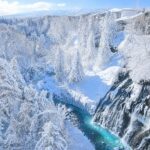
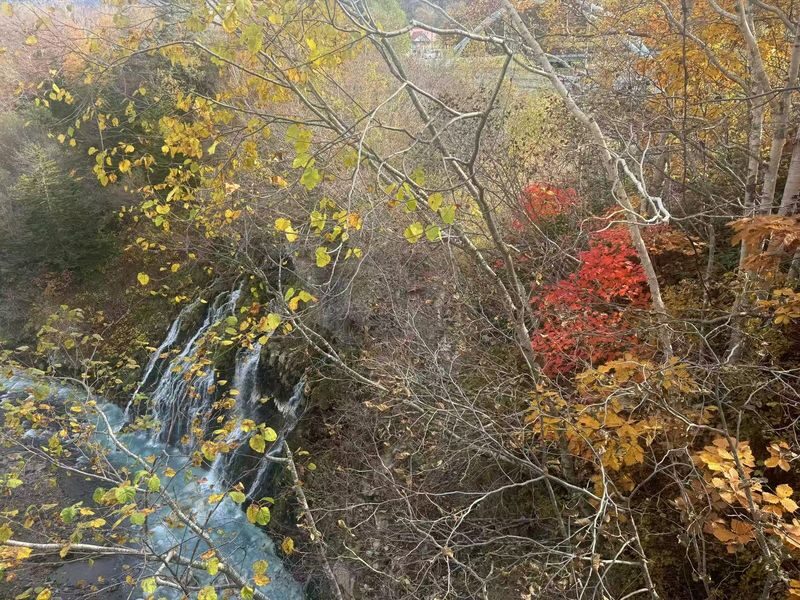
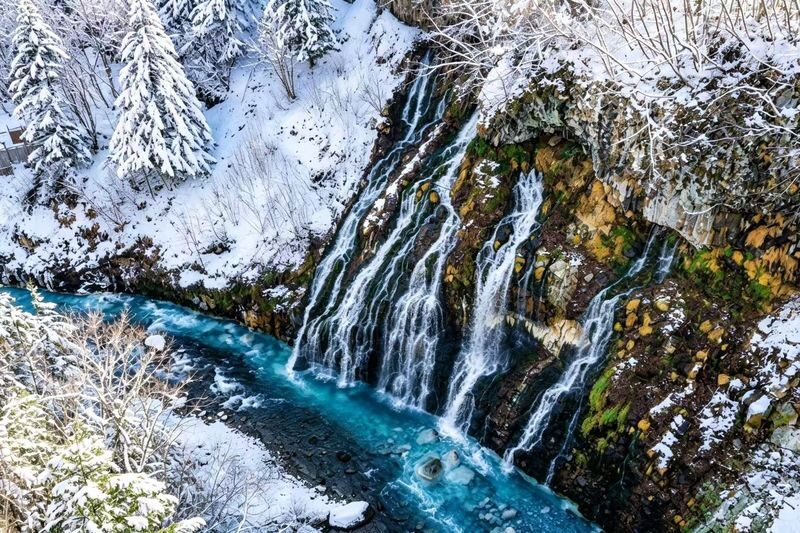
Shirahige Falls is nearby and offers a different kind of spectacle. Groundwater spills from cracks in the rock wall, creating the white, beard-like streams behind its name. The stop is short, around 20 minutes in the summer schedule, and the bridge area gives you a clear view. In winter, the falls and surrounding ice take on a different character under illumination, though the bridge can be cold and slippery.
Crowds can gather at both stops, especially at Blue Pond. Keep your camera ready, but leave room for other people to enjoy the view. In winter, slow down on icy steps and paths, and keep a secure hold on your phone or camera.
Shikisai-no-Oka and the Biei hills
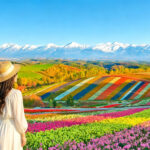
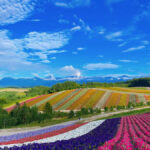
Shikisai-no-Oka is known for broad, rolling flower fields arranged in bands of color. Different flowers come into bloom at different times, so the view changes through the season. In early spring, the fields may still be mostly green; later in summer, the stripes become the classic picture of Biei.
The scheduled visit is about an hour. That is a useful window for a walk and photos, though the grounds are open-air and some areas require walking. Wear comfortable shoes and stay on marked paths. Stepping into planted areas can damage the flowers and spoil the view for everyone behind you.
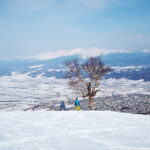
In winter, the same area becomes a quieter scene of snow-covered slopes. The flower colors disappear, but the shape of the land remains. Snowmobile rides may be available at extra cost, offering a more active option if conditions and operations allow. Ask about the price and availability on the day rather than assuming it is included.
The Roller Coaster Road is a quick scenic interlude: a roughly 2.5-kilometer stretch with repeated rises and dips through the Biei hills. The tour views it from the vehicle, without a planned stop. Think of it as a road-side view, not a photo session.
Ningle Terrace after dark
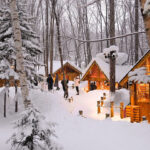
Ningle Terrace is a cluster of small wooden cabins set among trees, linked by forest paths and warmed by lights. It feels especially atmospheric after dark, when the cabins glow against the winter night. In summer, it adds a gentle, wooded finish to a busy day of fields and open views.
Allow about 40 minutes on the listed summer schedule, with timing subject to the day’s conditions. That is enough for a stroll and a look at the cabins, but not a long visit to every shop. Some small shops may prefer cash, and you should ask before photographing items inside.
The winter version puts this stop alongside the Blue Pond and waterfall illuminations. Snow reflects the colored lights and gives the night scene a crisp, layered look. It is a strong choice for couples, families, and photographers who enjoy winter evenings, provided they dress for the cold and are steady on icy paths.
What the pace feels like
The summer tour is best understood as a highlights route. You see several famous places in one day, but every stop has a clock attached. Some groups move smoothly and make each scheduled stop; others may feel pressed for time, especially at the larger flower farms or when a popular viewing area is crowded.
Guide quality can shape how the day feels. Recent trips have featured guides named Leo, Grace, Joy, Hayashi, Zoey, and Aoki, among others. Their strengths have included clear meeting instructions, practical food tips, photo help, and explanations in more than one language. The assigned guide is not guaranteed, however, and the stated service notes say English and Japanese support may be limited to time reminders and attraction names rather than full commentary. If detailed narration in English or Japanese is essential to you, confirm what your chosen departure provides.
The group size and vehicle can vary. Some trips have been described as comfortable groups of around 20 or more, while the tour is also offered as a small-group experience. Follow the seat assignments and gathering times carefully. A late arrival can mean missing the departure, and the tour does not refund late arrivals or no-shows.
Is $47.39 good value?
Starting at $47.39, this can be good value if you want to visit several distant sights without renting a car. The price includes round-trip transport, tolls, parking, fuel, insurance, and admission to Shikisai Hill. Meals, drinks, optional activities such as snowmobiling, and personal purchases are extra.
The value is less compelling if you want a slow, highly flexible day. You are paying for access and convenience, not private time at each stop. A rental car gives you more control, but means handling the long drive yourself and planning the stops. Public transportation is another possibility, though the area’s attractions are spread out and less convenient to connect in a single day.
The tour’s overall rating is 4.8 out of 5 from 410 ratings, and the feedback is strongly positive about guide service, transport, and the chance to see many places in one outing. The recurring caveat is the same one to keep in mind: a packed route can leave you wishing for more time. Treat the day as a sampler, not a slow country escape.
Practical details before you book
Meet at the Sapporo location and departure time stated in your confirmation. The information for the tour gives different departure arrangements, including 7:50 and 8:10 meeting references, and package options at 8 a.m., 11 a.m., or noon for winter. Check the latest email, look for the ISCC guide flag, and arrive at least 10 minutes early.
For summer, bring comfortable walking shoes and a light jacket for cooler mornings or evenings. Keep in mind that April to mid-May may be too early for full flower displays. During the busy bloom season, expect other people at popular stops and possible short waits.
For winter, wear a windproof coat, hat, gloves, thick socks, and snow boots or shoe covers with grip. Paths, steps, and bridges near Blue Pond, Shirahige Falls, and Ningle Terrace can be icy. The night air is cold, and the waterfall bridge can feel especially exposed.
Meals and restrooms are not evenly spaced along the route, so use planned stops when you can. The tour may change the order of visits, substitute a closed attraction, or reduce the number of stops due to road conditions, weather, or other disruptions. In severe weather, the activity may be canceled, with rescheduling or a refund offered.
Should you book this Furano and Biei tour?
Book it if you are based in Sapporo, want a practical way to see Furano and Biei in one day, and are happy with a brisk sequence of major sights. The summer trip suits flower fans and first-time visitors; the winter option is for people drawn to illuminated snow scenes and cold-weather photography.
Skip it if you want hours at one farm, complete control over your timing, or guaranteed peak bloom. For a first look at the region, the convenience is hard to beat. Just pack for the weather, check which seasonal package you are buying, and accept that this is a full day of highlights rather than a slow wander.
Furano & Biei Seasonal One-Day Tour: Summer Flower Fields, Winter Illumination Romantic Route
“We had a little mishap at the start of the trip since our tour was packed and some guests didn't follow the seating arrangements. Overall, the plac…”
FAQ
How long does the tour take?
The experience is listed as 10 hours. Summer options run from morning into the early evening, while winter departures are scheduled for later in the day and may continue after dark.
What sights are included in the summer trip?
The described summer stops include Farm Tomita, a Furano herb garden or replacement attraction, Shirogane Blue Pond, Shirahige Falls, Shikisai-no-Oka, the Roller Coaster Road viewed from the vehicle, and Ningle Terrace. Stops can change with conditions.
Are the flowers guaranteed to be in bloom?
No. Flowering depends on weather and varies each year. From April to mid-May, many plants are still growing and may not be in full bloom.
Is admission included?
Admission to Shikisai Hill is included. Meals, drinks, personal expenses, and optional activities such as snowmobiling are not included.
What language does the guide speak?
Guide language service depends on the package and departure. The tour information describes Chinese-speaking driver-guide service, while English and Japanese support may be limited to practical reminders and attraction names rather than full guided commentary.
What happens if bad weather affects the trip?
The route or stop order may be changed, and some attractions may be replaced or omitted due to weather, traffic, or other conditions. In special weather conditions, the activity may be canceled, with the option to reschedule or request a refund.