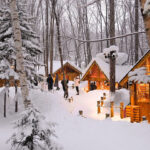
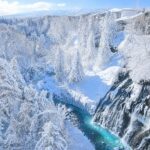
The draw here is the sheer spread of Hokkaido scenery in one day: Furano’s flower farms, Biei’s rolling fields, a mineral-blue pond and a waterfall tucked into the hills. I like that the summer and autumn route also gives you Ningle Terrace after dark, when its little wooden cabins glow among the trees.
I also like the practical value: transport, fuel, tolls and parking are covered, and guides such as Hikaru, Joy and Chen Ling have been praised for clear explanations and helpful local advice. The trade-off is a long bus day with fixed stop times, and some seats can feel cramped on the roughly four-hour round trip.
- What makes this day trip worth considering
- A lot of Hokkaido in one coach day
- From Furano’s fields to Biei’s blue water
- Shikisai-no-Oka: a changing flower carpet
- The Blue Pond and Shirahige Falls
- Ningle Terrace after dark
- What the price covers, and what it does not
- Choosing the right season and departure
- Small details that make the day run better
- Should you book this Furano and Biei tour?
- FAQ
- How long is the tour?
- Where does the tour leave from?
- Are meals included?
- What is included in the price?
- When do Farm Tomita and Shikisai-no-Oka have flowers?
- Does every package visit the same attractions?
- Is travel insurance included?
- More Zoos in Biei
- More Tours in Biei
- More Tour Reviews in Biei
What makes this day trip worth considering



- A full circuit from Sapporo: See several famous Furano and Biei sights without arranging a rental car or connecting local transport.
- Flowers change with the season: Farm Tomita and Shikisai-no-Oka are at their best in summer, but the flowers are not in bloom year-round.
- A blue pond and a mountain waterfall: The route pairs the still water at Shirogane Blue Pond with the more active flow of Shirahige Falls.
- A forest stop after sunset: The summer and autumn afternoon route reaches Ningle Terrace in the evening, when its cabins are lit.
- Four seasonal route themes: Summer and autumn options focus on flowers, while winter routes can include Asahiyama Zoo, snow scenery and a Blue Pond illumination.
- A good price for transport-heavy sightseeing: Fares start at $47.39, though food, drinks and optional activities cost extra.
A lot of Hokkaido in one coach day
Furano and Biei are spread across central Hokkaido, and the sights on this tour are not clustered around one town center. The day trip solves the main practical problem: getting between the flower fields, pond, waterfall and forest cabins without driving yourself.
The summer and autumn afternoon package described here runs from about 10:50 or 11:00 until roughly 21:10. That makes it a full day, but the later start can suit you if you would rather not set an early alarm. The compromise is less time at each stop than you would have on a self-drive trip.
This is a shared coach tour, not a private outing. The exact vehicle depends on the group size. For fewer than 12 people, the operator says a smaller vehicle may be used with a driver only; larger groups have a driver and guide. That distinction matters if you are counting on live explanations throughout the journey.
The tour advertises Chinese and English-speaking support. Some guides, including Hikaru, Joy, Lucy and Chen Ling, have also been praised for switching between Chinese, English and Japanese. Still, the guide may speak more Mandarin than English, so if English is your only language, keep in mind that the amount of commentary can vary.
You can also read our reviews of more tours and experiences in Biei

From Furano’s fields to Biei’s blue water
The summer and autumn afternoon route starts with a stop at HERB GARDEN FURANO or elsewhere in the Furano area for lunch and free time. You have about 30 minutes, so bring a snack or plan a quick meal rather than expecting a leisurely restaurant break. Meals and drinks are not included.
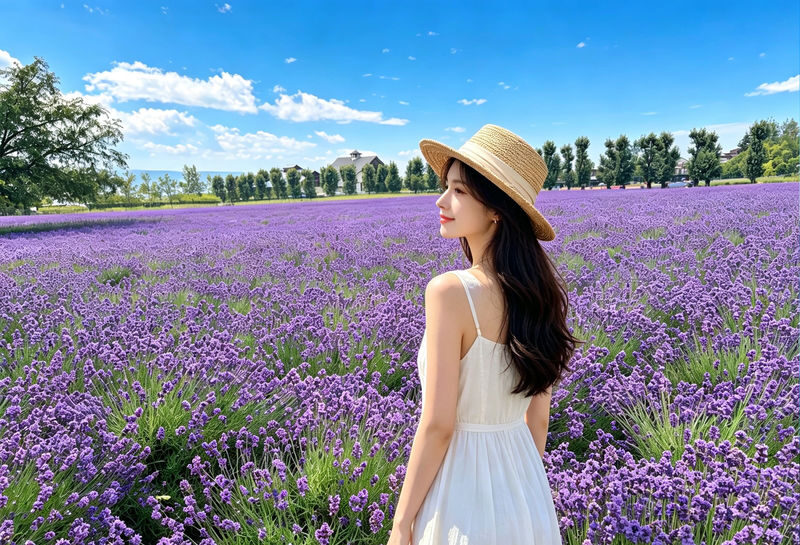
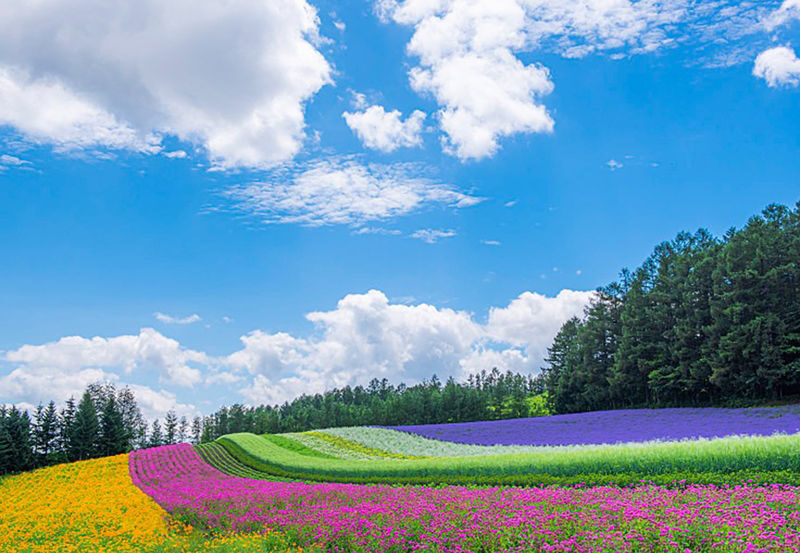
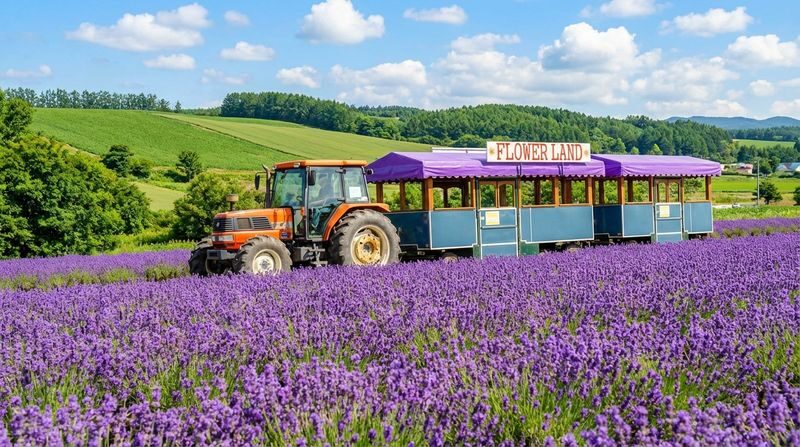
Next comes Farm Tomita, with about an hour to explore. This is one of Furano’s best-known flower farms, famous for lavender and its colorful rows of seasonal blooms. Lavender is not a safe bet outside its short summer season. From April through June, the main flower displays may not yet be in bloom, and by late September they may have faded. Other flowers can remain in bloom later, depending on the weather.
An hour gives you time to see the fields and take photographs, but not necessarily to linger over every path, shop and snack. If the flowers are your main reason for booking, check the expected bloom period before choosing a date. Natural flowering shifts from year to year, so treat seasonal dates as a guide, not a guarantee.
The coach then passes Roller Coaster Road, a short photo stop along a famously undulating stretch of road. The stop is listed as five minutes. Think of it as a quick look and picture, not a walk or a scenic break.
Shikisai-no-Oka: a changing flower carpet
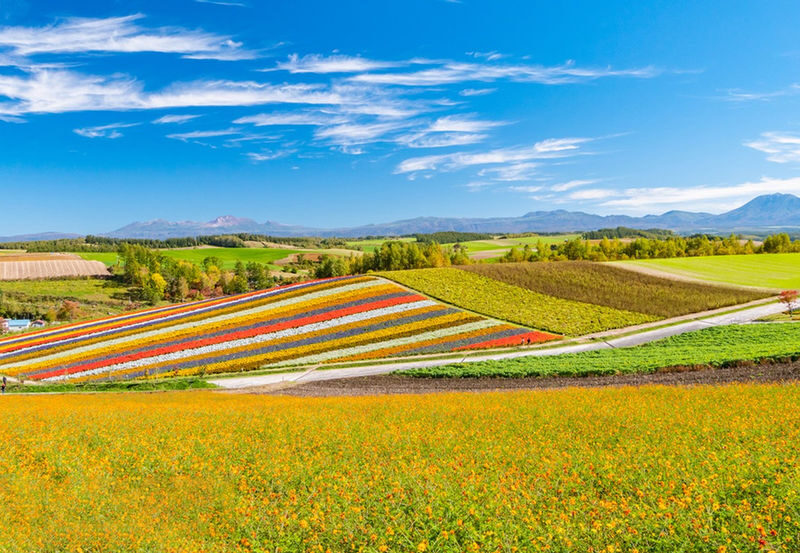
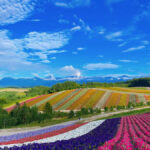
Shikisai-no-Oka gives you about an hour among Biei’s broad, sloping flower fields. In the warmer months, flowers bloom in bands across the hills, creating the rainbow effect the farm is known for. The view is the main event: the color and pattern change with the season, so the scene you get depends heavily on your visit date.
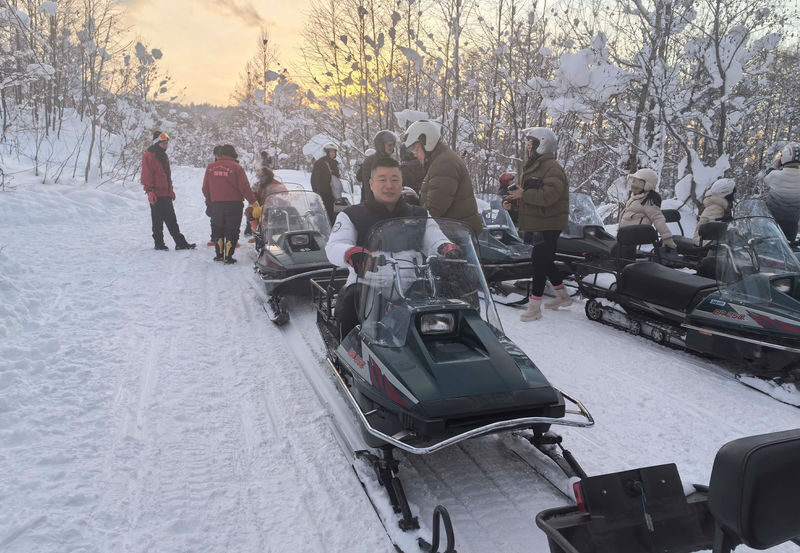
This is also a winter stop on some route options. The fields then become open snow country, and snowmobiling may be offered for an extra fee. That activity is optional, not part of the included tour price. Follow the on-site safety instructions and choose it only if it suits your comfort and ability.
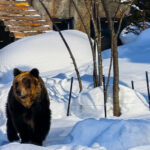
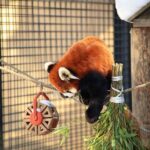
The winter routes have different priorities from the summer afternoon tour. A morning option pairs Asahiyama Zoo with Shikisai-no-Oka, with a chance to see the zoo’s penguin parade and the Biei Christmas Tree. A winter midday route is built around the Blue Pond illumination. Do not assume every seasonal route visits every attraction: the package you select determines the stops.
The Blue Pond and Shirahige Falls
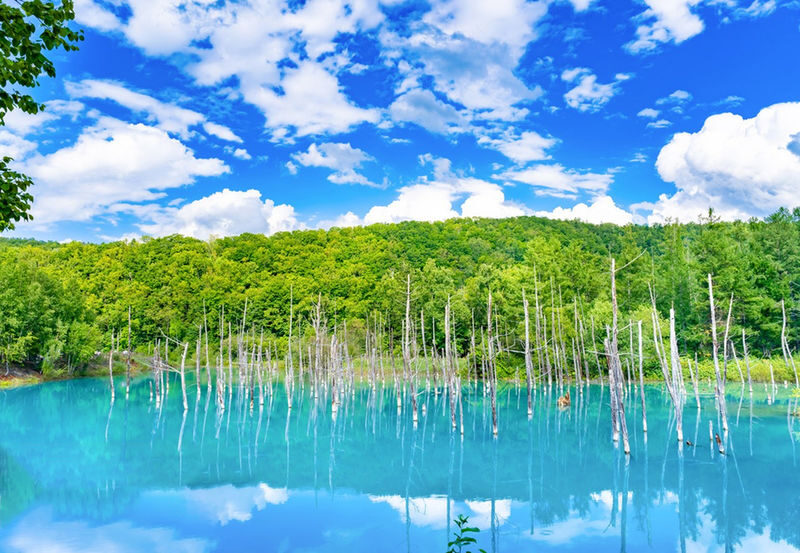
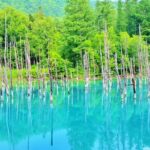
The summer and autumn route allows about 20 minutes at Shirogane Blue Pond. Its unusual blue color comes from minerals in the water, and the surrounding trees make a striking contrast. The color can shift with weather and light, so a cloudy day may look quite different from the bright blue images often used to promote the area.
Twenty minutes is enough for a short visit and photographs, but it is not a long pause. Keep track of the meeting time, especially if the pond is busy. The tour may change the order of stops or shorten visits if weather, traffic or crowds disrupt the schedule.
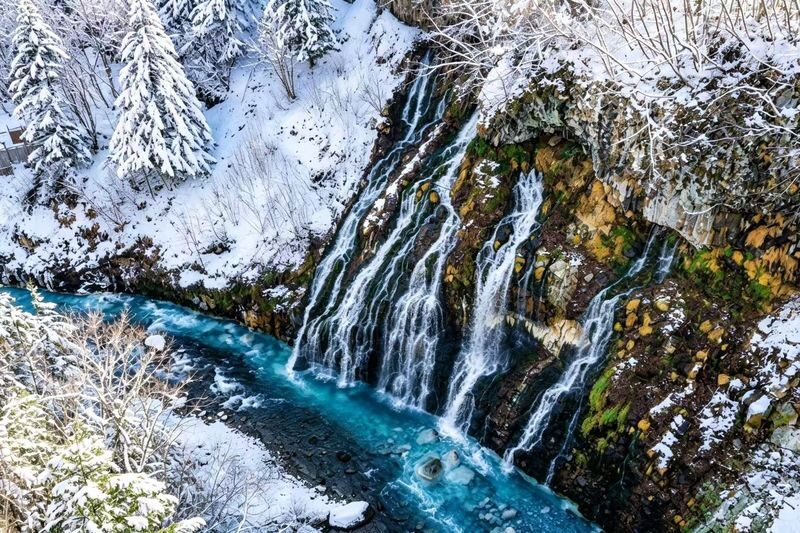
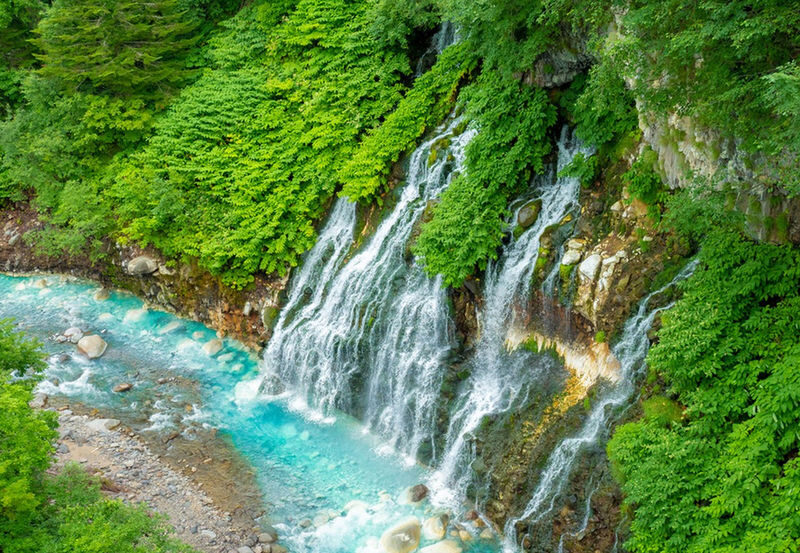
A short drive later, you have about 20 minutes at Shirahige Falls. Water spills through cracks in the rock, giving the falls their name, which refers to a white beard. The setting is more enclosed and wooded than the open pond, so the two stops offer a welcome contrast in a compact amount of time.
In winter, the Blue Pond can be visited after dark on the illumination route. That is a different experience from the daytime summer stop, with artificial lights shaping the view. Weather and road conditions can affect whether the planned stop goes ahead; if a site closes, the operator may substitute another attraction without a separate refund.
Ningle Terrace after dark
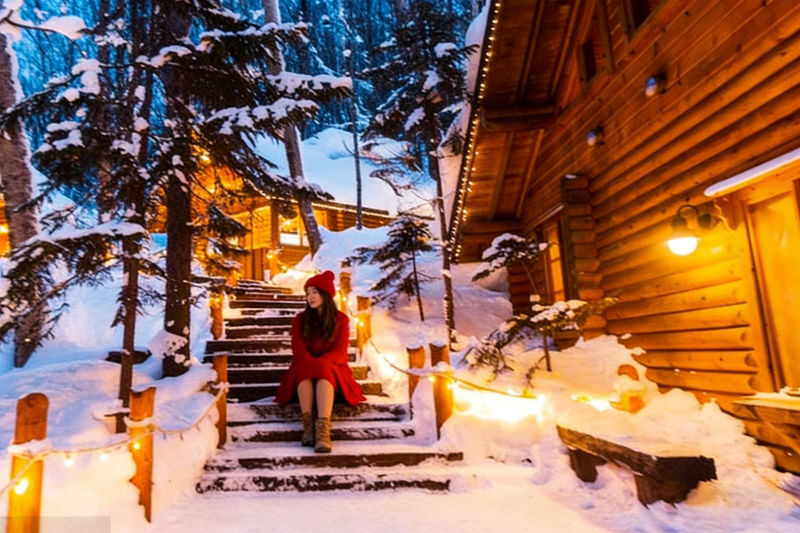
The final major stop on the summer and autumn afternoon route is Ningle Terrace, with about 40 minutes to explore. Its small wooden cabins sit among the trees, and evening lighting gives the forest a storybook feel. This is the part of the day that makes the later departure worthwhile: you see the fields in daylight, then finish in a softer, illuminated setting.
The stop is short if you want to browse every cabin or shop at an unhurried pace. Guides have been praised for keeping the group organized and explaining where to go first, which helps when time is limited. But this is still a timed group visit, so plan to enjoy the atmosphere rather than attempting a detailed visit to every corner.
The return to Sapporo is scheduled for around 21:10. Traffic can push that later, particularly on weekends, holidays or busy public holidays. The operator warns that delays of two to five hours are possible, so avoid booking a tight evening connection or a fixed late-night plan.
You can also read our reviews of more tours and experiences in Biei
What the price covers, and what it does not
Prices start at $47.39, though rates and promotions vary by package and date. For that fare, the value lies in the distance covered: round-trip transport from Sapporo, fuel, tolls and parking are included, along with guide service on applicable group arrangements. You avoid the cost and effort of renting a car, navigating rural roads and working out transport between dispersed attractions.
The price does not include meals, drinks, personal purchases or snow-related activities. Lunch is brief and flexible, so bringing your own food is a sensible option. Guides may suggest local specialties and places to buy snacks, ice cream or souvenirs, but purchases are optional. You can decide for yourself where to shop.
The bus is the tour’s biggest comfort question. Many people value having a professional driver on long rural roads, but some vehicles are small, with limited legroom. If you are tall, have back discomfort or dislike long coach rides, take that into account. Motion-sickness medicine is advised if you are prone to feeling unwell on winding roads.
Choosing the right season and departure
The summer and autumn morning route focuses on Roller Coaster Road, Shikisai-no-Oka, the Blue Pond, Shirahige Falls and Farm Tomita. It is the better fit if daylight sightseeing and flowers matter more to you than a lit forest stop.
The summer and autumn afternoon route visits Farm Tomita and Shikisai-no-Oka, then continues to the pond and falls before Ningle Terrace after dark. It trades an early start for an evening finish. If you want both flower fields and the illuminated cabins, this is the route to compare first.
Winter packages have separate themes. The morning option includes Asahiyama Zoo, with a chance of the penguin parade, plus snow scenery and Ningle Terrace. The midday option centers on the illuminated Blue Pond. Snowfall, road closures and seasonal conditions can lead to changes; the Biei Christmas Tree may be replaced by the Ken and Mary Tree if winter roads are closed, and Ningle Terrace may be replaced by Takushinkan in poor conditions.
For flower-focused visits, timing is crucial. The operator notes that Farm Tomita and Shikisai-no-Oka generally have no flowers from April through June, with fuller blooms expected after early July and flowers fading by the end of September. Nature does not follow a booking calendar, so check current conditions close to your travel date.
Small details that make the day run better
You meet at one of two Sapporo locations, depending on your booking: Exit 31 at Odori Station at 10:50, or Platform 5 at the Sapporo Station North Exit Bus Terminal at 11:00. Arrive 10 minutes early. The exact meeting time, vehicle details and guide contact are sent by email the day before, so check your inbox and spam folder and keep your phone available.
The group has fixed stop times. The guide waits up to five minutes for late arrivals, after which you may have to continue on your own. Keep valuables with you, and tell the operator in advance if you have large luggage, since vehicle space is limited.
Children aged 2 and older pay the adult rate. Children under 3 can ride free only if they do not need a separate seat, and you must tell the operator ahead of time. The tour is not suitable for people with certain conditions, including heart disease, high blood pressure, asthma, epilepsy or pregnancy, according to the participation rules. Travel insurance is not included.
Should you book this Furano and Biei tour?
I would choose this trip if you have limited time in Hokkaido, want to see several signature sights in a day and do not plan to rent a car. Its strongest points are the practical route, the variety of scenery and guides who can add useful context and local food tips. The price can be good value when transport costs are included.
I would skip it if you prefer long, unhurried visits, need generous legroom or want complete control over where you stop. Choose the package by season, check flower timing, and leave your evening flexible for the return drive. That small bit of planning will help you enjoy the countryside without expecting a private tour’s freedom.
Hokkaido Biei Furano Exclusive | Shikisai-no-Oka, Ningle Terrace, Farm Tomita, Asahiyama Zoo | Depart from Sapporo
“The itinerary was tight, but we still had a wonderful time.”
FAQ
How long is the tour?
The summer and autumn afternoon trip runs approximately from 10:50 or 11:00 to 21:10, about 10.5 hours. Traffic and weather can change the schedule and return time.
Where does the tour leave from?
Depending on your booking, the meeting point is Exit 31 of Odori Station at 10:50 or Platform 5 of the Sapporo Station North Exit Bus Terminal at 11:00. Arrive 10 minutes early and confirm your location in the email sent the day before.
Are meals included?
No. Meals and beverages are not included. The route allows about 30 minutes for lunch in the Furano area, and you may bring your own meal.
What is included in the price?
Round-trip transfers, tolls, parking and fuel are included. Guide arrangements depend on group size. Personal purchases, food, drinks and optional activities such as snowmobiling cost extra.
When do Farm Tomita and Shikisai-no-Oka have flowers?
Flower displays vary with natural conditions. The operator says the fields generally have no flowers from April through June, bloom more fully after early July and begin to fade by the end of September.
Does every package visit the same attractions?
No. Summer and autumn routes focus on flower fields, the Blue Pond and waterfalls, with one route including Ningle Terrace after dark. Winter packages have separate themes, including Asahiyama Zoo or Blue Pond illumination.
Is travel insurance included?
No. Travel insurance and personal accident insurance are not included. The operator recommends arranging your own coverage.