A private car makes Hokkaido’s long distances easier to manage: start in Sapporo, choose your stops, and leave the route and driving to someone else. I like the freedom to linger instead of racing for a bus, and the hotel pickup is especially useful when you’re traveling with children, older relatives, or a group.
I also like that you can pick a trip to suit the day, from Sapporo sights to Otaru or the farther reaches of Furano and Biei. The trade-off is that this is driver service, not a guaranteed guided tour. English communication may rely on translation software, and long-distance day trips leave limited time at each stop.
- At a glance
- A private car changes the shape of a Hokkaido day
- Pick a trip that fits the day you want
- What the Sapporo day can look like
- What the longer drives ask of you
- The driver, the car, and the language question
- What the price covers, and what it does not
- Is this the right Hokkaido day trip for you?
- FAQ
- How long does the private tour last?
- Which destinations can I choose?
- Does the driver act as a tour guide?
- Are admission tickets and meals included?
- Can I bring a child seat?
- What is the luggage limit?
- What happens if the tour runs overtime?
- More Tours in Biei
- More Tour Reviews in Biei
At a glance

- Your own route: Choose a Sapporo city day or select a package for Otaru, Furano and Biei, Lake Toya and Noboribetsu, or Asahikawa and Furano.
- Hotel pickup: The standard trip includes round-trip transfers to hotels or guesthouses in Sapporo.
- A full day on the road: The standard service lasts 10 hours, usually from 8 a.m. to 6 p.m., with a 300-kilometer limit.
- Flexible stop times: You can adjust how long you stay, but your total drive and visit time still have to fit the charter.
- Mind the language gap: Drivers speak Chinese or Japanese. English may be handled with translation software, though individual drivers have sometimes spoken English.
- Check the vehicle fit: Passenger and luggage limits vary by vehicle, and child seats take up extra room.
A private car changes the shape of a Hokkaido day
Hokkaido is large enough to make a simple day trip feel like a logistics puzzle. Public transport can work well between major towns, but linking several outlying sights in one day may mean watching timetables, changing vehicles, and cutting visits short. A private charter trades those transfers for a car and a driver who stays with your group.
That convenience matters most when you have a clear list of places you want to see, or when your group includes people who would rather avoid repeated station changes. The driver handles the roads and the pickup, while you decide where to stop and how long to spend there. It’s a more relaxed way to cover ground, though not a magic shortcut: long distances still take time.
The service is best understood as a private car with a flexible route, not a fully guided sightseeing tour. Some drivers have shared practical tips or helped explain how long to spend at a stop. But the driver’s main role is transportation, and you shouldn’t book expecting a fluent English-speaking guide.
You can also read our reviews of more tours and experiences in Biei.
Pick a trip that fits the day you want
The Sapporo city option is the least ambitious choice, and that can be a virtue. The suggested stops include Sapporo Beer Garden, Shiroi Koibito Park, and Hokkaido Shrine. Another sample route names Hokkaido Jingu, Jyogai Market, and Shiroikoibito Park. Treat these as examples, not a fixed schedule: the route is customizable, so confirm your preferred stops before the day.
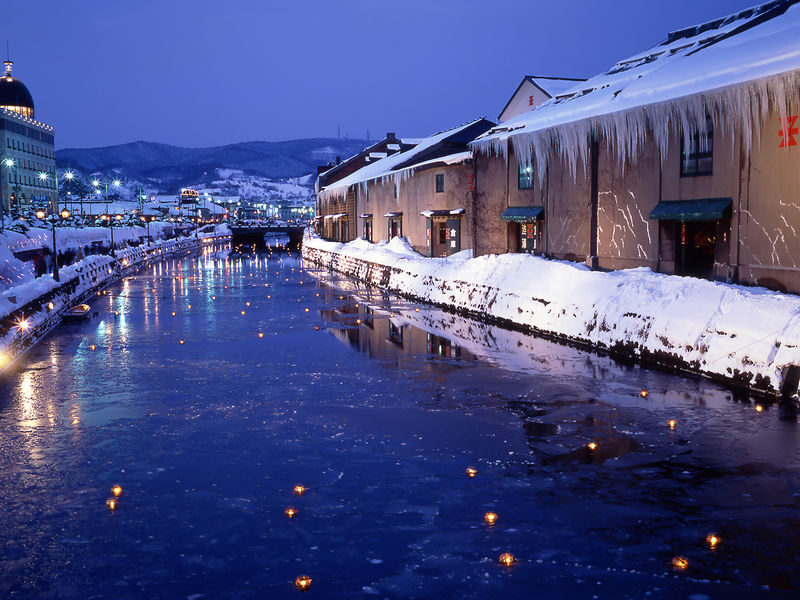
For a change of pace, the Otaru day trip starts at $592.59. The town’s canal is a natural choice for a stroll, and it’s an appealing option if you want to leave Sapporo without spending the day on the longer drive to central or eastern Hokkaido. Note that Otaru is considered cross-regional for this service and may bring an extra fee. Ask for the full cost when setting the route.
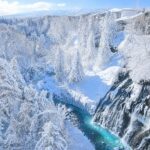
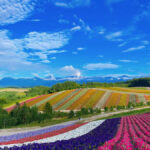
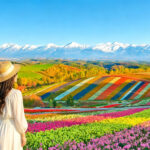
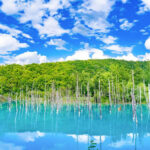
The Furano and Biei trip also starts at $592.59. It suits you if open countryside and seasonal scenery are the main draw, including the lavender farms mentioned by visitors who went in summer. Keep the distance in mind: one person estimated the drive at about two and a half hours each way and said an overnight stay would have allowed more time at the sights. The day trip is possible, but you’ll trade some time on the ground for the comfort of returning to Sapporo.
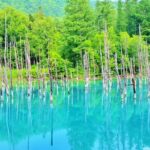
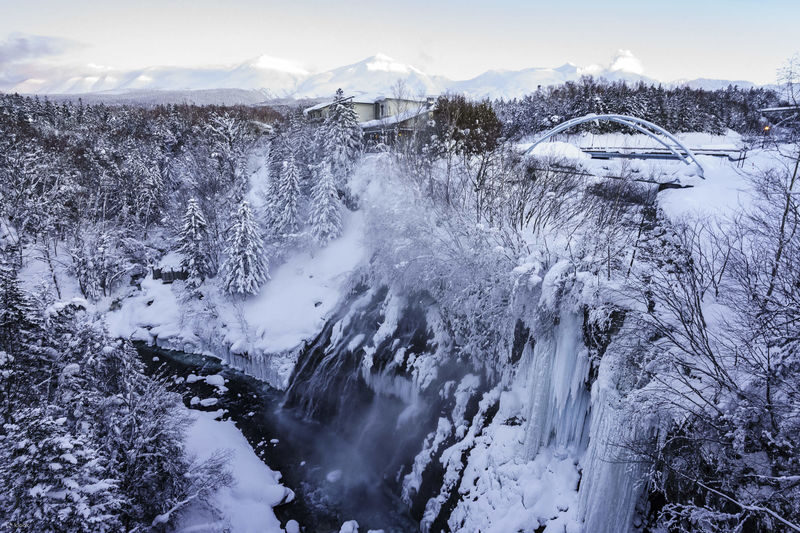
Other choices include Lake Toya and Noboribetsu, from $592.59, and an Asahikawa Zoo and Furano trip, from $632.09. The latter can include Asahiyama Zoo, where the penguins were a highlight for one family, though crowds made the visit less easygoing. The same outing included Shirogane Waterfall, Biei River, and Ningle Forest. These are examples of what a broad route might cover, not guaranteed stops for every booking.
What the Sapporo day can look like
The standard day runs from an 8 a.m. pickup to a planned return at 6 p.m. For the city package, one possible plan begins at the Sapporo Beer Garden. From there, you might visit Shiroi Koibito Park and Hokkaido Shrine, or adjust the route to include Jyogai Market. You have a car between stops, so you don’t need to work out each connection by train or bus.
Hokkaido Shrine, also called Hokkaido Jingu, offers a quieter contrast to city attractions. The listed stop is self-guided, so expect to explore on your own rather than receive a formal explanation from the driver. At Jyogai Market, you can make time for a look around and a meal, but meals and drinks are not included in the charter price.
Shiroi Koibito Park is another self-guided stop. It’s a popular attraction, but admission is separate, as it is for other paid attractions. If you have a particular interest in one stop, tell the operator in advance and build the day around it. A customized route works best when you prioritize a few places rather than trying to squeeze in everything.
The exact order and length of each visit can change with traffic and weather. That flexibility is useful, but the 10-hour clock still applies. If you ask to stay longer somewhere, you may need to shorten another stop or pay overtime.
What the longer drives ask of you
A private vehicle removes transfers, but it doesn’t make Hokkaido smaller. Furano and Biei are a substantial day from Sapporo, and a route that also includes several separate attractions can mean hours in the car. If you’re set on seeing the scenery, the charter lets you make the most of a single day without navigating multiple connections. If your priority is lingering, consider whether an overnight stay would better suit your plans.
The same calculation applies to Asahikawa and Furano. A zoo visit can take a good share of the day, especially if it’s busy, and adding other stops means choosing where to spend your time. Decide which place matters most before departure. The driver can help you keep to the schedule, but the pace is still your group’s to manage.
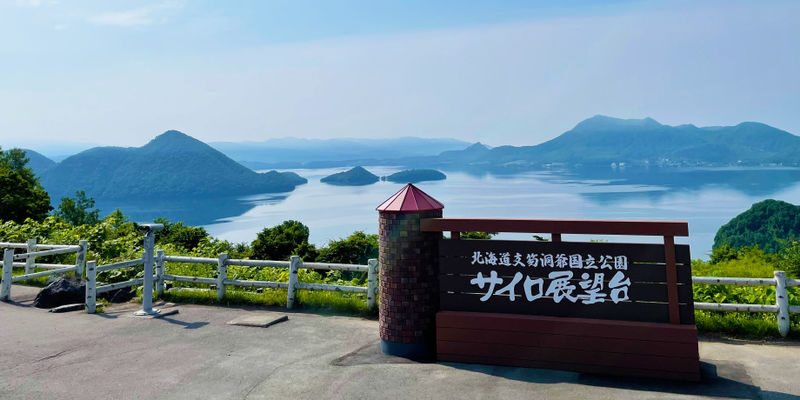
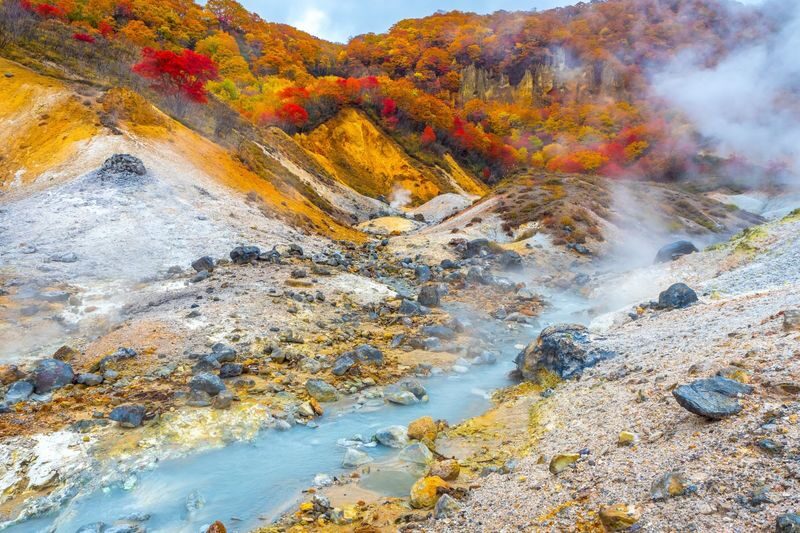
For a relaxed road-trip feel, Lake Toya and Noboribetsu are also available as a package. You can tell the operator where you want to go, and a flexible schedule makes it easier to adapt the day. Still, confirm the route and any cross-regional charges ahead of time. A plan that sounds simple on a map can take longer once driving and stop time are included.
The driver, the car, and the language question
The most consistent strengths of this service are punctual pickup, comfortable vehicles, and the ability to adjust the route. Drivers have included Dong, who was praised for safe driving on a Furano trip; Ms Yasuda, described as friendly and on time; and Qiuqiu, who helped a family travel comfortably around Furano and Biei. These are individual drivers, not a promise that you’ll be assigned one of them.
Language is worth sorting out before you book. The stated arrangement is a driver who speaks Chinese or Japanese and can use translation software to support English. Some past customers have had English-speaking drivers, but you should not count on that. A few saved place names, a written itinerary, and a clear agreement about stop lengths can make the day easier to coordinate.
Vehicles range from a 7-seat model, such as a Serena, Alphard, or van, to a 10-seat Hiace and an 18-seat Coaster. Exact models cannot be requested, and the vehicle may be changed for an equivalent type depending on dispatch. A 7-seater fits up to six passengers and two pieces of luggage; a 10-seater fits up to nine passengers and ten pieces. The 18-seater fits up to 18 people with 18 pieces of luggage, or up to 23 people with auxiliary seats and no more than ten pieces of luggage.
Those are maximum capacities, not a promise of generous room for every combination. If six adults are carrying large bags, the operator recommends upgrading from a 7-seater to a 10-seater for comfort. Standard luggage is 24 to 28 inches. Oversized bags and strollers count as two pieces, and a child seat takes up roughly the space of one and a half passengers. One child seat can be provided free if requested in advance, and infants and children count toward the passenger total.

What the price covers, and what it does not
The Sapporo city package starts at $553.09. Otaru, Furano and Biei, and Lake Toya and Noboribetsu start at $592.59, while the Asahikawa Zoo and Furano option starts at $632.09. These are starting prices, so check the checkout details for the package and vehicle you need. The supplied information does not specify whether a displayed price is per person or for the whole group, so confirm that point before you pay.
The price includes a 10-hour vehicle booking, hotel transfers within the stated service area, fuel, highway tolls, and the driver’s meal expenses. For a group, that can be good value compared with arranging separate transport for several people, particularly when your route covers multiple stops. The real benefit is less about a guided commentary and more about saving time and avoiding complicated connections.
Admission tickets, meals and drinks, parking, tips, personal expenses, overtime, and cross-regional fees are not included. The stated driving limit is 300 kilometers from the departure hotel, and extra charges may apply for travel beyond the charter area. Sapporo plus Otaru is given as an example of cross-regional travel, so don’t assume a flexible route means every destination is covered at the same price.
The normal service period is 10 hours, within a stated operating range of 8 a.m. to 8 p.m. Overtime is charged by the hour, with any overrun beyond 15 minutes counting as an hour: ¥5,000 for 7-seat and smaller vehicles, ¥8,000 for 10-seat and larger vehicles, and ¥10,000 for 18-seat and larger vehicles. Traffic, passenger delays, and other unforeseen holdups can count, too. Leave a little breathing room in your plan.
Is this the right Hokkaido day trip for you?
I’d choose this charter if you’re traveling as a family or small group, want a private ride, and have several specific stops in mind. It’s also a sensible option if coordinating public transport would take time away from the places you came to see. The comfort and freedom to adjust the schedule are the main value.
I’d think twice if you want a full English-language tour, expect admission and meals to be included, or hope to visit far-flung places without spending much of the day in transit. For a long drive to Furano and Biei, be realistic about how much you can cover. Before booking, confirm the exact route, the total price including any cross-regional or parking fees, your vehicle’s luggage capacity, and how you’ll communicate with the driver.
Private Customizable Day Tour to Sapporo & Otaru (From Sapporo)
“The appointment time was precise, and most importantly, I had a very comfortable trip. I highly recommend it.”
FAQ
How long does the private tour last?
The standard service is 10 hours, generally from 8 a.m. to 6 p.m. The stated operating window is 8 a.m. to 8 p.m. Some different-location arrangements have an 8-hour service period, so confirm the details for your route.
Which destinations can I choose?
Package options include Sapporo city, Otaru, Furano and Biei, Lake Toya and Noboribetsu, and Asahikawa Zoo with Furano. Fully customizable tours are also offered in areas including Niseko.
Does the driver act as a tour guide?
A tour guide is not included. The driver’s stated languages are Chinese or Japanese, with translation software available to support English. Individual drivers may speak English, but this is not guaranteed.
Are admission tickets and meals included?
No. Attraction admission, meals and beverages, parking, tips, and personal expenses are not included.
Can I bring a child seat?
You can request one child seat free of charge when booking. It takes up about the space of one and a half passengers, and children and infants must be included in the passenger count.
What is the luggage limit?
It depends on the vehicle. A 7-seater allows up to two pieces, a 10-seater up to ten, and an 18-seater up to 18 pieces when carrying up to 18 passengers. Oversized luggage and strollers count as two pieces, and you should tell the operator about them in advance.
What happens if the tour runs overtime?
Overtime is charged for each hour beyond the limit, with any time over 15 minutes counted as a full hour. Rates are ¥5,000 for 7-seat and smaller vehicles, ¥8,000 for 10-seat and larger vehicles, and ¥10,000 for 18-seat and larger vehicles. Traffic delays may also count.