The best part of this day is seeing how quickly Hokkaido’s scenery changes beyond Sapporo: rolling farm country, Biei’s famous blue water and waterfall, and, in season, Furano’s flower fields. You can cover several far-flung sights without piecing together rural buses and train connections yourself.
I like two things in particular: the range of scenery in one day, and the practical ride from Sapporo that makes these places reachable without a car. Guides such as Eric, Chen Ling, and Hikari have been praised for helpful explanations and local food tips, though the assigned guide changes.
The trade-off is time. This is a roughly 10-hour group outing with long stretches on the bus and short visits at some stops. The routes also change by season, so check your selected package carefully rather than assuming every attraction in the title is included on the day you go.
- What to know before you book
- Leaving Sapporo for Biei’s open country
- Shikisai-no-Oka: flowers on the Biei hills
- Blue Pond and Shirohige Falls: two quick Biei stops
- Lunch in Furano: a useful pause, not a included meal
- Farm Tomita: Furano’s signature flower stop
- Winter routes: zoo, snowfields, and forest cabins
- The guide, the bus, and the pace of the day
- What the price does and does not cover
- Who should take this tour
- FAQ
- How long is the tour?
- Where does the tour depart from?
- Are Blue Pond and Shirohige Falls included in every version?
- When is the best time to see flowers?
- Is lunch included?
- Is the tour conducted in English?
- Are snowmobiling and other optional activities included?
- Can infants join for free?
- What happens if weather or road conditions change the plan?
- More Zoos in Biei
- More Tours in Biei
- More Tour Reviews in Biei
What to know before you book





- Flower season is best in July and August: Shikisai-no-Oka and Farm Tomita are most colorful in midsummer. Bloom timing shifts with weather, and some fields may have little to see earlier or later.
- Summer and winter are different tours: Summer and autumn options visit Biei and Furano sights such as Blue Pond, Shirohige Falls, and Farm Tomita. Winter packages focus on Asahiyama Zoo, snow scenery, and Ningle Terrace.
- You save on rural transport planning: Round-trip transfers from Sapporo, fuel, tolls, and a guide are included, but meals and personal purchases are not.
- Stops run on a clock: You get around an hour at Shikisai-no-Oka, 30 minutes at Blue Pond, and 45 minutes at Farm Tomita on the described summer route.
- Guide arrangements can vary: The tour is advertised in Chinese and English, but groups under 12 may travel with a driver only, without a tour guide.
- Weather can change the plan: Road controls, traffic, and closures may mean a stop is replaced, reordered, shortened, or removed.
Leaving Sapporo for Biei’s open country
The day starts early, with meeting points at Odori Station or the Sapporo Station North Exit Bus Terminal. You should arrive 10 minutes before departure: the bus leaves on schedule, and late arrivals do not receive a refund. The return is planned for about 5:50 p.m., though traffic can push that later.
The first stretch is part of the appeal. The bus carries you out of the city and toward the broad farm country of Biei and Furano, where the scenery is a marked change from Sapporo’s streets. It also saves you the work of coordinating trains and local buses across a wide rural area.
The tour is shared, not private. Vehicle size depends on the number of people, and with fewer than 12 passengers the operator may send a vehicle with fewer than 14 seats and a driver only. If you want a guide’s commentary throughout, this detail is worth checking before booking.
The listed summer route includes a brief drive along Patchwork Road, also described as Roller Coaster Road. It is a quick look from the bus rather than a long sightseeing stop, so treat it as a scenic interlude on the way to the main visits.
You can also read our reviews of more tours and experiences in Biei

Shikisai-no-Oka: flowers on the Biei hills
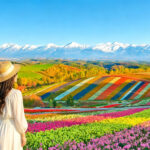
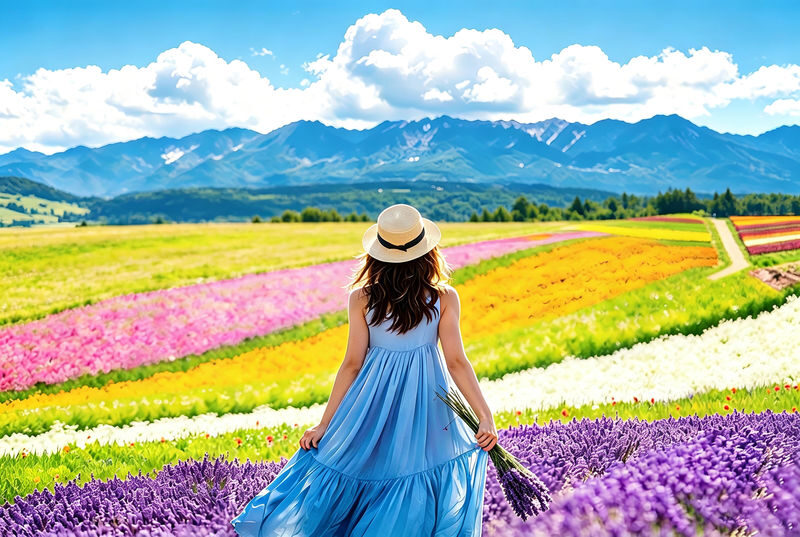
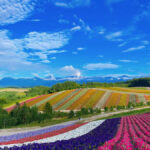
Shikisai-no-Oka gets about an hour on the summer route. Set among Biei’s rolling hills, it is known for wide flower beds that form bands of color across the slopes. The setting is open and photogenic, but the view depends heavily on the month and the season’s weather.
July and August are generally the safest choice if flowers are your main reason to go. Lavender, sunflowers, and other varieties are among the summer sights. September and October can bring dahlias and cosmos, while the supplied season notes warn that flowering is not reliable earlier in the year. Bloom schedules are estimates, not guarantees.
Allow time to walk, take photos, and enjoy the view without expecting a long visit. There may be an admission charge of 500 yen per person from July through September; check the details for your selected package to see what is covered. The farm also becomes a snowfield in winter, when some options include an optional snowmobile activity at extra cost.
Blue Pond and Shirohige Falls: two quick Biei stops
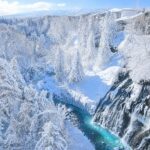
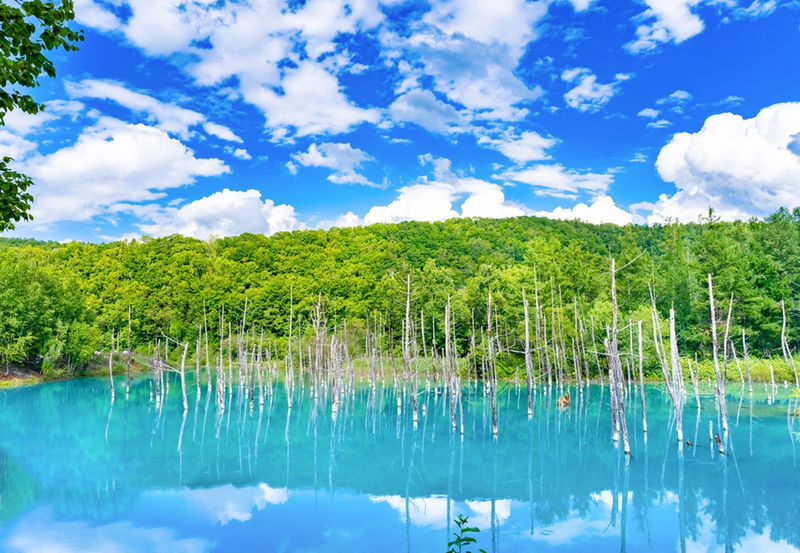
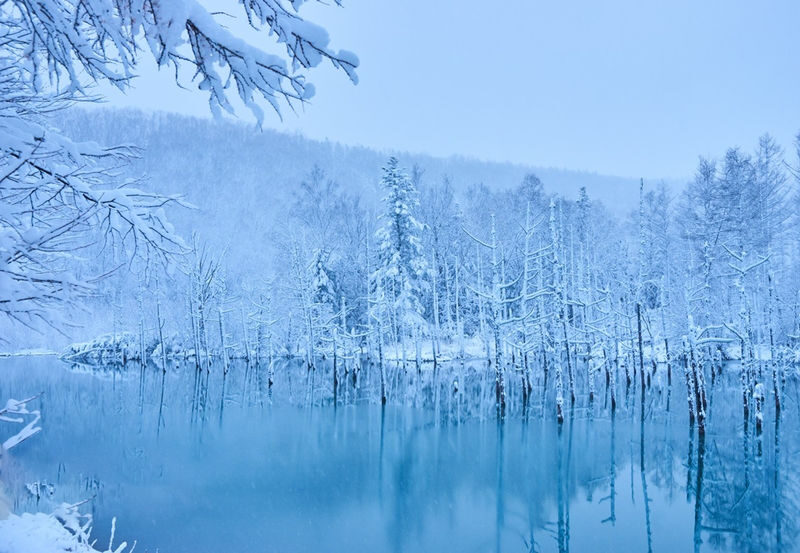
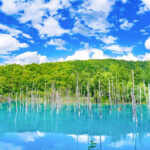
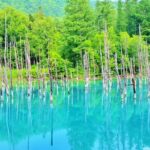
Aoiike, or Blue Pond, is scheduled for about 30 minutes. Its striking color is the reason for the stop, and the water looks different across seasons and conditions. This is a short visit, so you have time to see the pond and take photos, not to linger for a long walk.
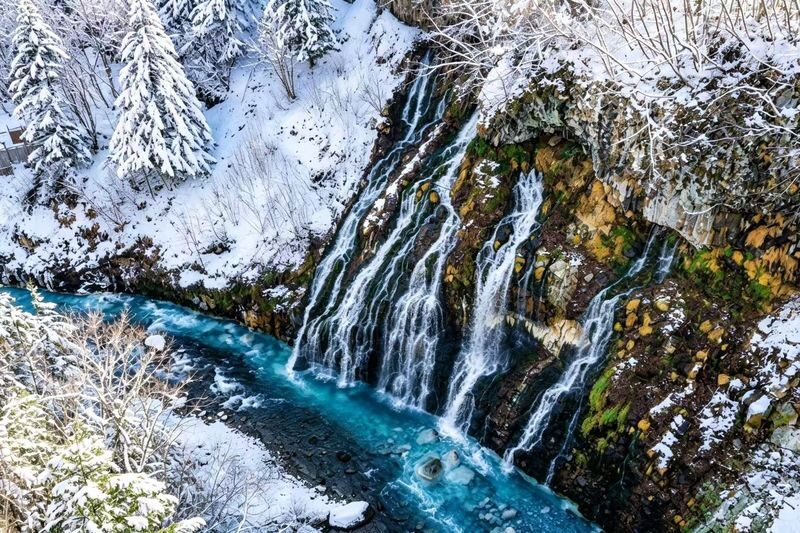
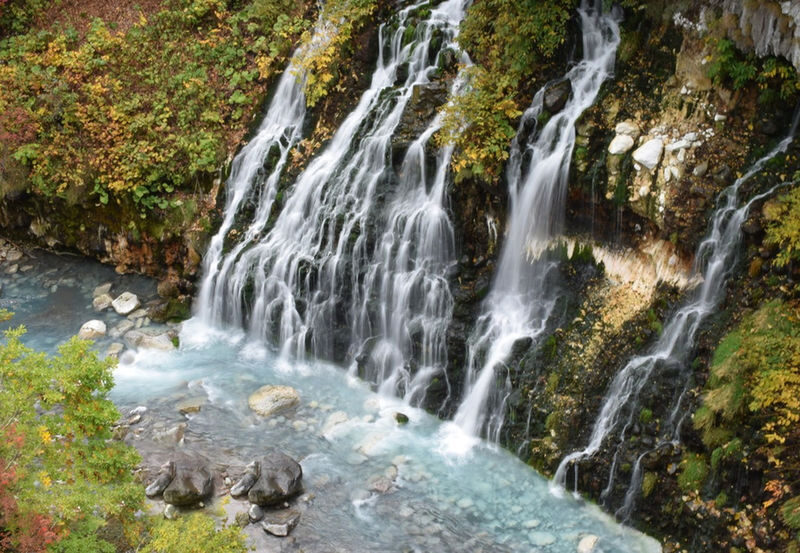
Next comes Shirohige Falls, with around 15 minutes on the schedule. The water flows through the Shirogane area, and winter can bring ice formations. The stop is brief, but it gives the day a different kind of scenery from the flower fields and open farmland.
These two visits help explain the tour’s value: they are not places you can easily stitch together with a quick local bus ride from Sapporo. The downside is that you have little control over how long you stay. If you prefer to explore at your own pace, a hired car or overnight stay in the area would offer more freedom.
Lunch in Furano: a useful pause, not a included meal
The schedule leaves about an hour around Furano for lunch or free time. The guide may suggest local restaurants and specialties, and you can also bring your own food. Meals and drinks are not included in the tour price, so budget for lunch and any snacks or treats.
There are options for vegetarians, but the tour information says halal restaurant choices are not currently available. If you have strict dietary needs, plan ahead rather than relying on finding a suitable meal during this short stop.
Some guides have been praised for recommendations on local food and purchases, including ice cream and regional specialties. These suggestions can make the break more useful, but shopping is optional and there is no forced spending.
Farm Tomita: Furano’s signature flower stop
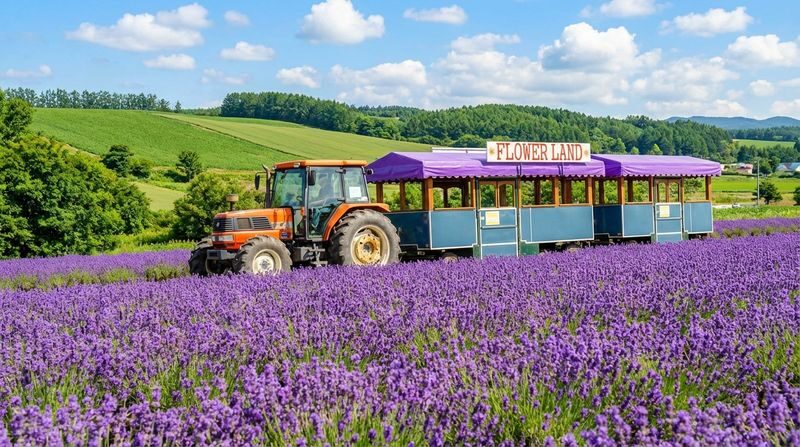
Farm Tomita gets about 45 minutes. It is one of Furano’s best-known flower farms, with rows of different blooms arranged in bands across the fields. In summer, lavender is the main draw, though other flowers contribute to the color and pattern.
The short visit is enough for a look around and a few photos, but not a slow wander through every corner. The farm’s lavender ice cream is a popular treat, and Furano cantaloupe desserts and juice are other local specialties to look for. Food and souvenirs are at your own expense.
As with Shikisai-no-Oka, timing matters more than a perfect itinerary on paper. The fields are generally at their strongest in midsummer, while blooms arrive and fade in stages. By autumn, some fields may already be harvested, though the surrounding countryside can still be attractive.
You can also read our reviews of more tours and experiences in Biei
Winter routes: zoo, snowfields, and forest cabins
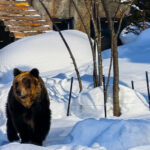
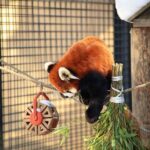
The winter packages follow a different plan from the summer flower route. They focus on Asahiyama Zoo, where you may see the penguin parade, then snowy Biei sights such as Shikisai-no-Oka or Chiyoda Farm. The exact stops depend on the package and on road or weather conditions.
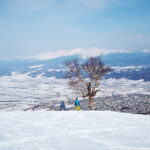
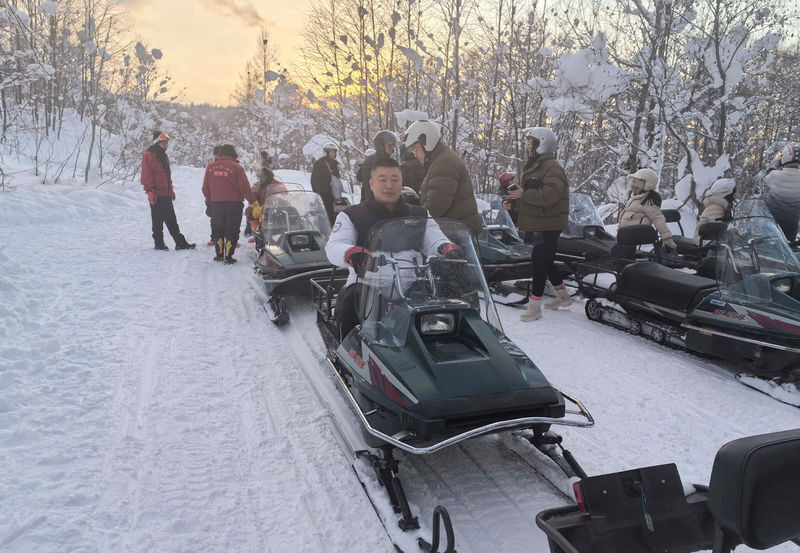
At Shikisai-no-Oka, the broad summer flower beds give way to white snowfields. Snowmobiling may be available as an optional, self-funded activity. Follow the on-site safety instructions and take part only if you are comfortable with the conditions.
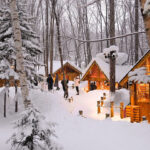
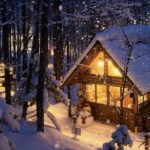
Other winter stops may include the Biei Christmas Tree, viewed from the roadside, and Ningle Terrace, a group of small forest cabins. If access or road conditions make a planned stop impractical, the operator may substitute another sight, such as Ken & Mary’s Tree or Takushinkan. Check the package name closely: some winter options include the zoo and Ningle Terrace, while others have a different combination.
The guide, the bus, and the pace of the day
The strongest practical advantage is having transport and a day plan handled for you. You do not need to rent a car or work out how to connect several rural sights by public transport. Toll fees and fuel are included, and the tour provides a Chinese and English-speaking guide when one is assigned.
Guides vary. Names praised in trip accounts include Eric, Chen Ling, Hikari, and Kevin Shao, with comments noting clear explanations, local tips, and help with food choices. That is encouraging, but it does not guarantee a particular guide or an identical level of English commentary. One account raised a concern that English explanations were shorter than the Mandarin commentary, so English-speaking passengers who need detailed interpretation should keep that possibility in mind.
The itinerary is fixed, and the driver or guide may wait no more than five minutes after a scheduled stop. This keeps the group moving, but it means you need to watch the time and return promptly to the bus. Keep your phone accessible, check the operator’s message the day before, and make sure you know the meeting point and vehicle details.
Driving time is substantial, and the advertised schedule is an estimate. Weekends, holidays, weather, and road conditions can delay the return or lead to shorter visits. Leave your evening plans flexible, especially if you have a dinner reservation or train to catch.
What the price does and does not cover
At a starting price of $47.39, the tour can be good value if you want to see several distant sights in one day. You are paying for round-trip transport from Sapporo, fuel, tolls, and guide service when the group arrangement includes a guide. For people without a car, the saved planning and transport costs are a meaningful part of the value.
The price is not an all-inclusive day out. Meals, drinks, personal purchases, tips, and optional activities such as snowmobiling are extra. The listed Shikisai-no-Oka admission fee of 500 yen per person applies from July through September, so confirm whether your selected package includes it.
There are also limits to what the low price buys. This is a shared ride with timed visits, not a private tour, and traffic can affect the schedule. If you want long, unhurried visits or the freedom to change direction, the savings may not outweigh the group pace.
Who should take this tour
I would choose this trip if I had one day based in Sapporo and wanted a practical introduction to Biei and Furano without driving. It suits first-time visitors, people travelling without a car, and anyone happy to trade freedom for an efficient route through several well-known sights.
It is also a sensible choice for flower fans who can visit in July or August, when the odds of seeing strong blooms are better. Autumn can still bring attractive scenery, but fields may have been harvested. Winter visitors should book a winter package specifically and understand that its stops differ from the summer route.
I would hesitate if you need a slow pace, have a strict evening appointment, or expect every attraction named in the overall tour title to appear in your chosen version. Compare the package options before paying, check the season-specific stops, and be realistic about the long bus day. If that sounds right, the tour offers a straightforward way to reach Hokkaido’s countryside highlights from Sapporo.
Hokkaido One-Day Tour | Shikisai no Oka & Farm Tomita & Asahiyama Zoo & Ningle Terrace | Depart from Sapporo
“The tour guide (Kevin Shao) was very professional, sharing many travel tips for Hokkaido and explaining the attractions in both Chinese and English…”
FAQ
How long is the tour?
The tour lasts about 10 hours, with a planned departure around 7:50 or 8:00 a.m. and a return to Sapporo at about 5:50 p.m. Traffic and weather can change the timing.
Where does the tour depart from?
Meeting points are listed at Odori Station Exit 31 and Platform 5 of the JR Sapporo Station North Exit Bus Terminal. Your booking details will specify the meeting point for your selected option.
Are Blue Pond and Shirohige Falls included in every version?
No. The summer and autumn route described here includes both, but winter packages follow a different plan. Check the stops for the package and date you are booking.
When is the best time to see flowers?
July and August are generally the best months for the flower fields. Bloom timing varies with weather, and the fields may have few flowers earlier in the season or be partly harvested later.
Is lunch included?
No. Meals and drinks are not included. The tour allows time in the Furano area for dining, and you may bring your own food.
Is the tour conducted in English?
The tour is advertised with Chinese and English guidance, but groups under 12 may have a driver only, without a guide. English commentary may vary by guide and group.
Are snowmobiling and other optional activities included?
No. Snowmobiling at Shikisai-no-Oka is an optional activity and is self-funded. Follow the on-site safety guidance and assess your ability before taking part.
Can infants join for free?
Children under 2 can join without charge if they do not need a separate seat, but you must notify the operator in advance. Children aged 2 and older are charged the adult rate.
What happens if weather or road conditions change the plan?
The operator may change the order of stops, shorten visits, or substitute attractions because of weather, road controls, or closures. Individual refunds are not provided when a planned stop is replaced or cancelled.