
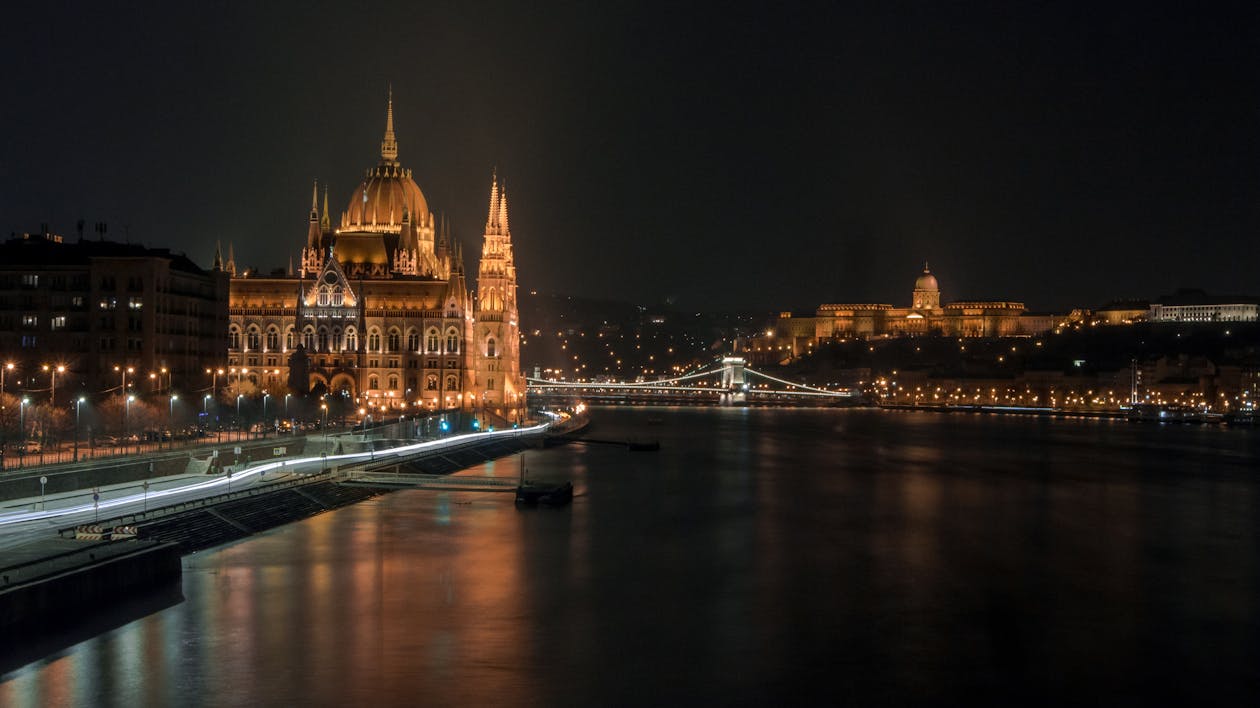
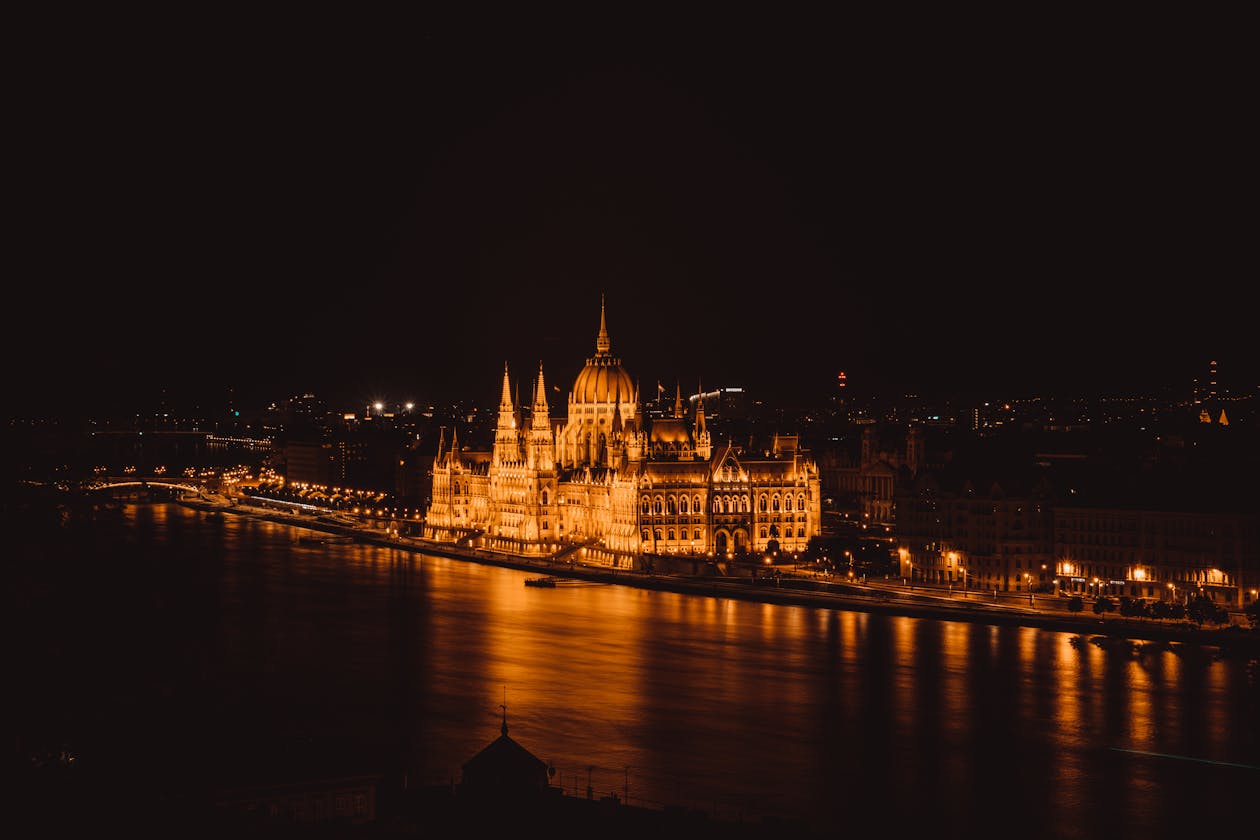
The Hungarian Parliament building is 268 meters long. That fact means almost nothing until you see it from the water at 9pm, when every one of its neo-Gothic arches is lit gold and the whole thing stretches across your entire field of vision like a palace dropped from another century. I was standing on the open top deck of a cruise boat with a glass of something fizzy, and for about thirty seconds I genuinely forgot I was on a budget trip.
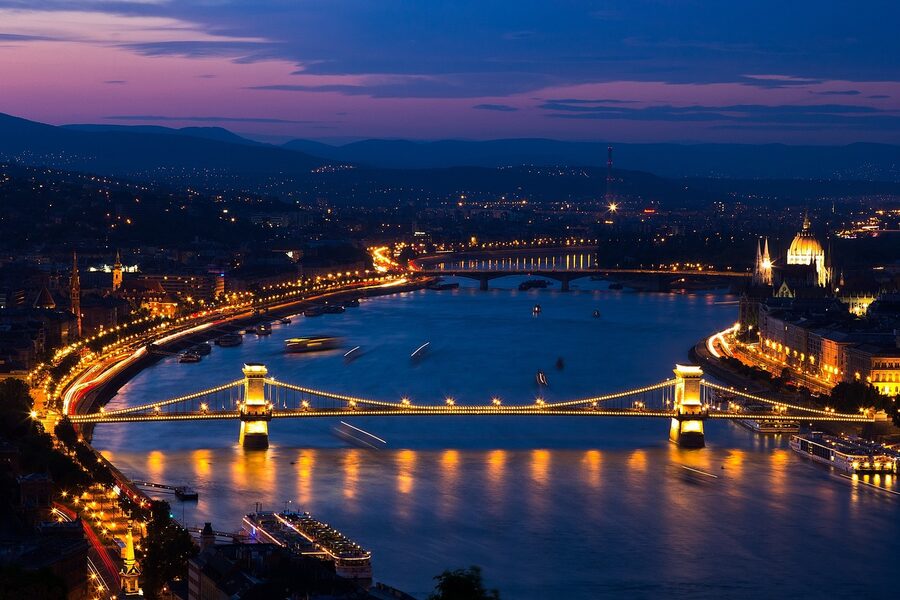
That is the pitch for a Danube cruise in Budapest, and it delivers. The river splits the city in two — hilly Buda on one side, flat Pest on the other — and from the water you get both banks at once. Buda Castle above you to the left, Parliament glowing to the right, the Chain Bridge connecting them like a postcard that somehow turned out to be real.
The good news is that booking a Danube cruise in Budapest is one of the easiest things you will do on your entire trip. The bad news is that there are so many options — daytime, nighttime, dinner cruises, unlimited drinks cruises, combined bus-and-boat deals — that choosing the right one takes longer than the actual cruise. I have been on three of them and have opinions about all of them.
Best overall: City Highlights Sightseeing Cruise — $18. One hour, open deck, welcome drink included. The one to book if you only do one thing on the Danube.
Best for a night out: Unlimited Prosecco, Beer and Aperol Spritz Cruise — $29. Seventy-five minutes of open bar with the Budapest skyline as your backdrop.
Best budget pick: Nighttime or Daytime Sightseeing Cruise — $14. No-frills one hour on the water. Pick the night slot.
- How Danube Cruises in Budapest Actually Work
- Night Cruise vs. Daytime Cruise: An Honest Take
- The Best Budapest Danube Cruises to Book
- 1. City Highlights Sightseeing Cruise —
- 2. Unlimited Prosecco, Beer and Aperol Spritz Cruise —
- 3. Nighttime or Daytime Sightseeing Cruise —
- 4. By Night Sightseeing Cruise with Welcome Drink —
- 5. Danube Cruise with Buffet Dinner, Performances and Music —
- When to Take a Danube Cruise
- How to Get to the Danube Cruise Piers
- Tips That Will Save You Time and Money
- What You Will See from the Water
- While You Are in Budapest
How Danube Cruises in Budapest Actually Work
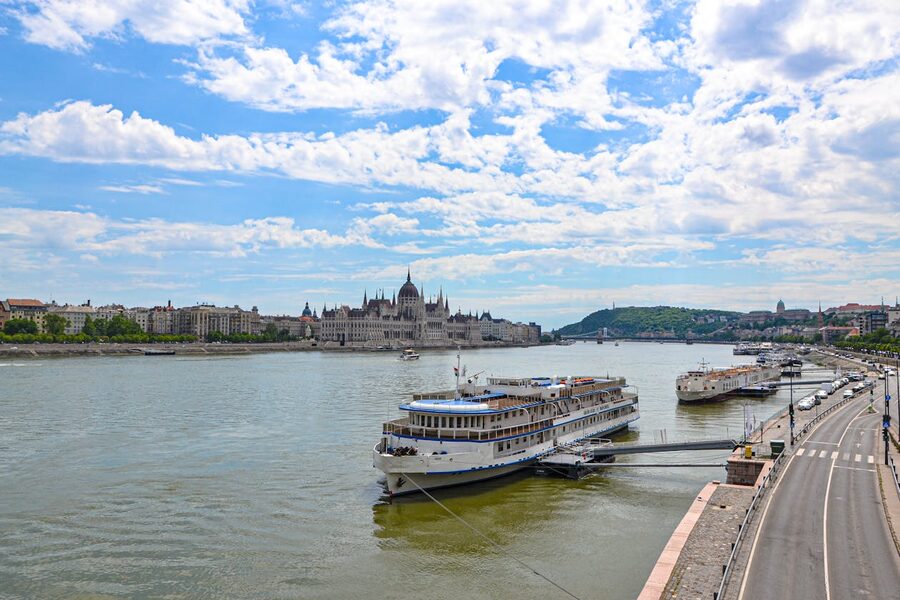
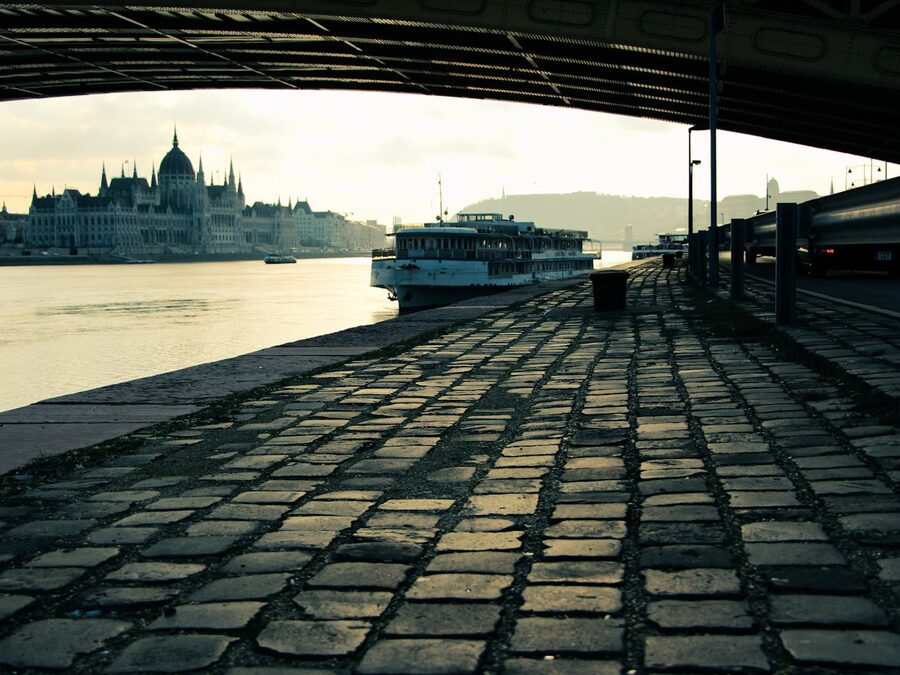
Almost every Danube cruise in Budapest departs from one of the piers along the Pest side of the river, between the Chain Bridge and the Parliament building. The main embarkation points are Dock 7 (near the Shoes on the Danube Bank memorial) and the Vigado Square pier. Your booking confirmation will tell you exactly which one.
Most cruises run the same basic route: south from Parliament past the Chain Bridge, Elisabeth Bridge, and Liberty Bridge, then back north again. The whole stretch covers roughly 3-4 kilometers in each direction, and the boats are slow enough that you get a proper look at everything. Some dinner cruises extend a bit further toward Margaret Island.
You do not need to book weeks in advance for a standard sightseeing cruise — same-day booking usually works fine except on summer Saturday nights. But if you want a dinner cruise or a specific time slot on a weekend, booking 2-3 days ahead is smart.
There are three broad categories, and the prices are lower than you would expect for what you get:
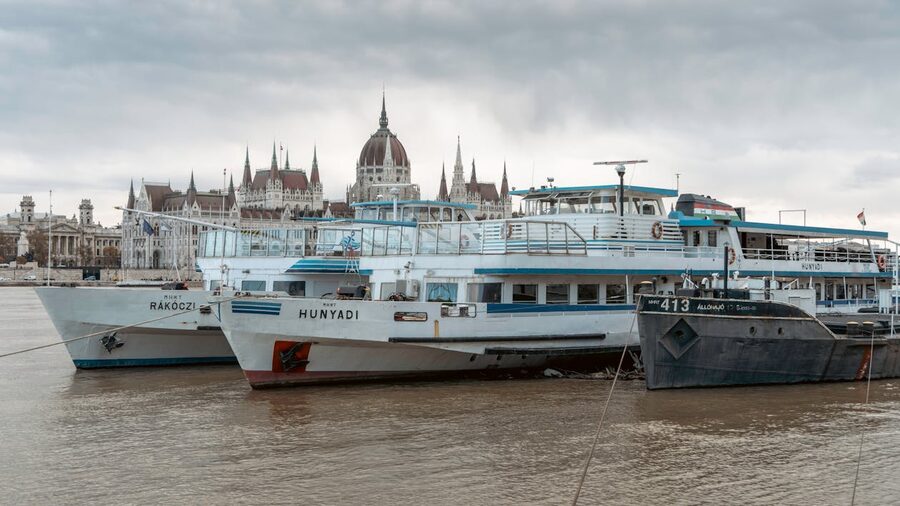
Standard sightseeing cruises ($14-18): One hour on the water, usually with a welcome drink. Open deck for photos, enclosed lower deck if the weather turns. This is the sweet spot for most visitors.
Drinks cruises ($25-35): Same route, slightly longer (75 minutes typically), with unlimited beer, prosecco, or cocktails. These are popular for groups and couples looking for a social evening on the water.
Dinner cruises ($50-80): Two hours with a buffet or plated meal, live music, and sometimes folk dance performances. These are proper evenings out and feel more like an event than a boat ride.
Night Cruise vs. Daytime Cruise: An Honest Take
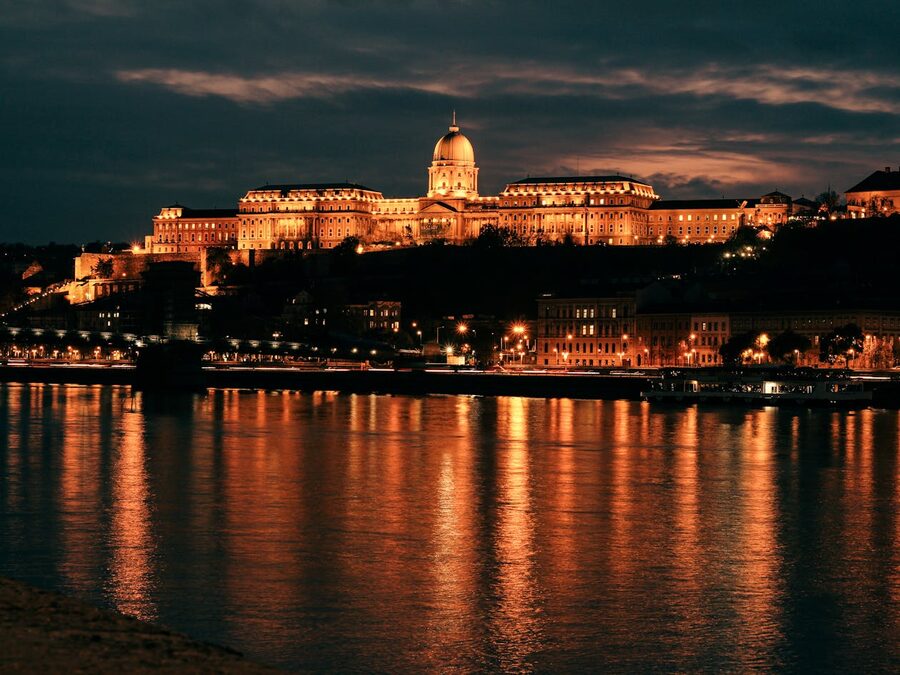
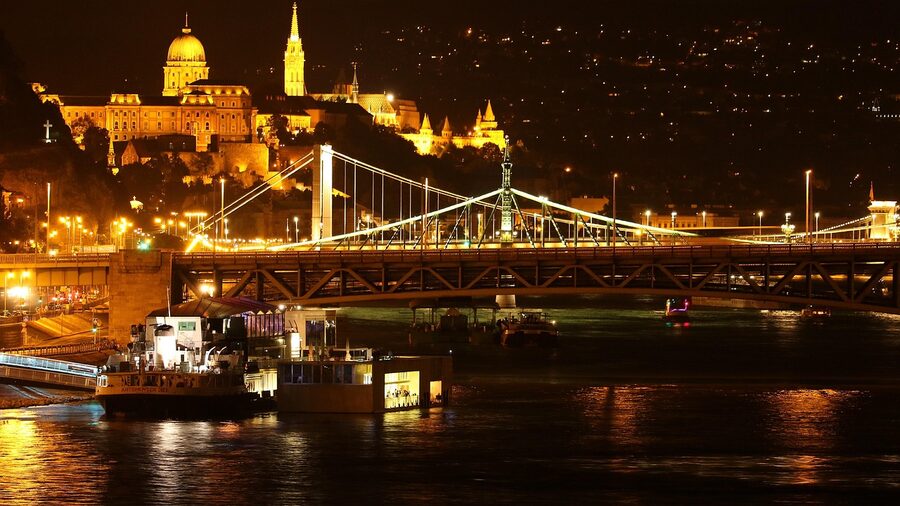
I will keep this simple: take the night cruise. Budapest at night from the water is one of the best urban views in Europe, full stop. The Parliament, Buda Castle, the Fisherman’s Bastion, and every bridge between them are all lit up, and the reflections on the Danube double everything. In daylight the same route is pleasant — you can see the architectural details better and the hills of Buda are green and pretty — but it is not the same experience.
The one exception is if you are visiting in winter and temperatures are below zero. The open top decks are brutal in January wind, and half the appeal is standing outside with a drink watching the lights slide past. In that case, book a dinner cruise with an enclosed deck and heating, or save the outdoor cruise for a spring or autumn evening.
Sunset cruises (departing around 7-8pm in summer) split the difference nicely. You get the golden hour light on the buildings, then watch everything switch on as the sun drops. These fill up faster than late-night departures, though, so book a day or two ahead if that is your plan.
The Best Budapest Danube Cruises to Book
I have narrowed this down to five options that cover every budget and style. All of them are well-reviewed, actually available to book right now, and depart from central Budapest.
1. City Highlights Sightseeing Cruise — $18
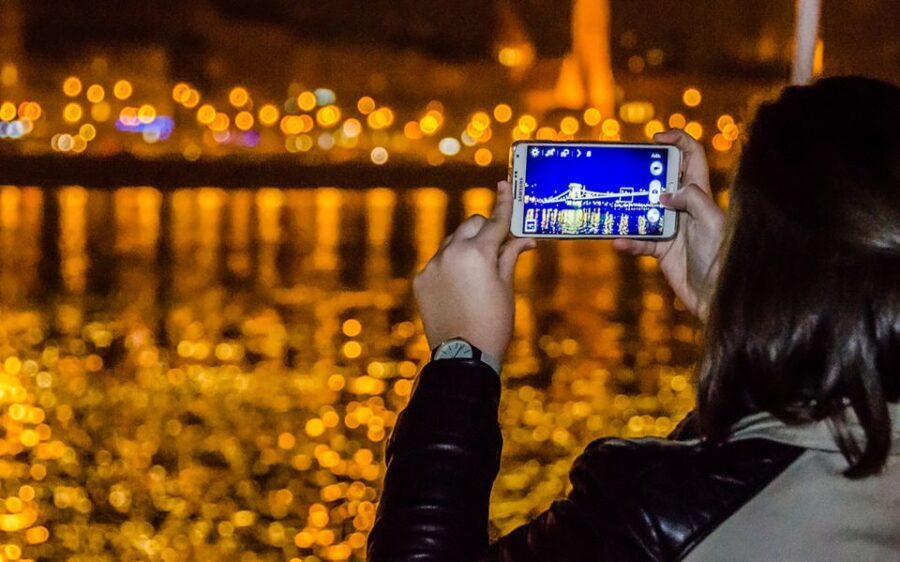
This is the one that most people should book, and it is the most popular Danube cruise in Budapest by a wide margin. One hour on the water, a welcome drink when you board, and the full Parliament-to-Liberty-Bridge route. The top deck is open-air, which is exactly where you want to be for photos — the enclosed lower deck has large windows but you lose the full panoramic effect.
At $18 per person this is absurdly good value. You are essentially paying the price of two coffees for an hour of the best urban scenery in Central Europe. The boat runs both daytime and evening departures, but I would specifically book the night slot. The audio commentary is available in multiple languages and covers the basics without being overbearing.
What sets this apart from cheaper alternatives is the boat quality — modern fleet, proper seating on the top deck, and a bar where you can buy extra drinks at reasonable prices. It feels polished without feeling corporate.
2. Unlimited Prosecco, Beer and Aperol Spritz Cruise — $29
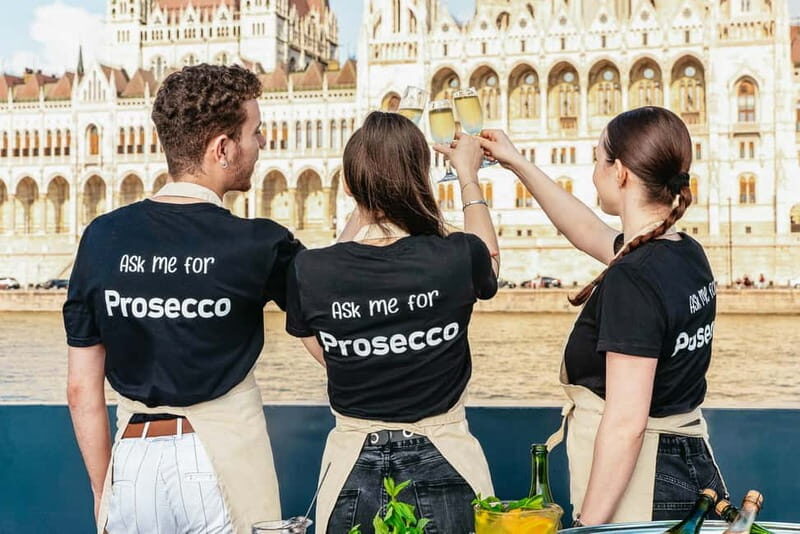
If you want the sightseeing plus a proper night out, this is the one. $29 per person gets you 75 minutes with unlimited prosecco, beer, and Aperol Spritz — no drink tickets, no limits, just walk up to the bar. The staff is quick and the pours are generous, which is either a warning or a selling point depending on your evening plans.
The boat runs the same scenic route along both banks, and the extra fifteen minutes compared to the standard cruise means you actually have time to enjoy both the views and the drinks without rushing. The crowd tends to be younger and more social than the regular sightseeing cruises — couples, small groups, people in good moods. It is genuinely fun.
One honest note: this is a party boat with scenery, not a quiet contemplative cruise. If you want peace and a glass of champagne, the Tokaj Frizzante cruise is more your speed. But for most people under 45 who want the best bang-for-buck evening on the Danube, this is hard to beat.
3. Nighttime or Daytime Sightseeing Cruise — $14
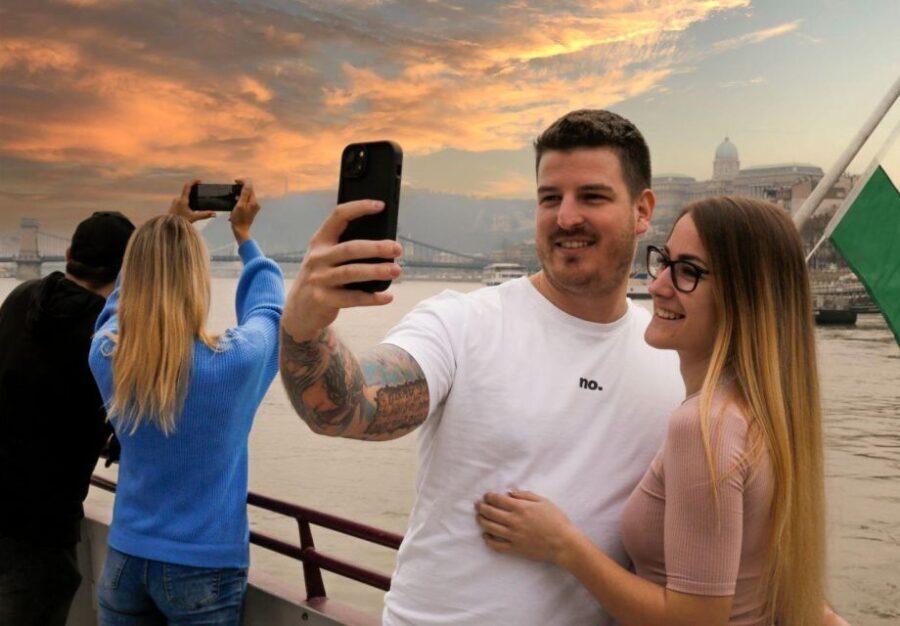
This is the stripped-back, no-frills option and honestly one of the best values in Budapest. $14 per person for a one-hour cruise along the full Danube route. No welcome drink included (you can buy drinks on board), no audio guide — just you, the boat, and the Budapest skyline.
The boat offers both daytime and nighttime departures, and the flexibility is a plus. You can choose your time slot when booking, so if a specific sunset or late-night departure works better for your schedule, you have options. The boats are comfortable — not flashy but perfectly fine for an hour.
I would recommend this to anyone who wants the Danube experience without the extras. The views are identical to the $18 cruise (it is literally the same river), and if you are happy to bring your own drink from a nearby shop, you will not miss the welcome glass of wine. Pick the night departure — that is non-negotiable.
4. By Night Sightseeing Cruise with Welcome Drink — $15
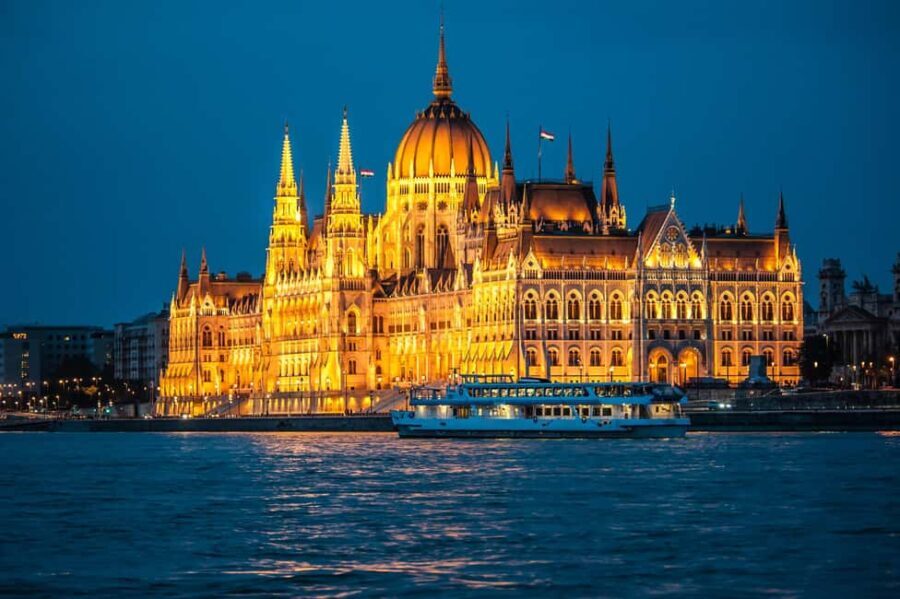
This is a smart middle ground. $15 per person gets you a night-only cruise (50 minutes), a welcome glass of prosecco, and multilingual audio guides available through an app on your phone. It is just one dollar more than the bare-bones option above, and that dollar gets you a drink and a commentary that actually adds context to what you are seeing.
The boarding process is well-organized — you check in, grab your prosecco, and head up to the open deck. The audio guide covers Parliament, the Chain Bridge, Buda Castle, and the other landmarks along the route. It is not riveting storytelling, but it fills in the history without getting in the way of the views.
At 50 minutes it is slightly shorter than the one-hour cruises, but frankly you barely notice the difference. The route covers the same highlights, and there is less dead time at the far ends of the loop. Fast boarding is a consistent plus here — you are on the water quickly, not standing in a queue on the dock.
5. Danube Cruise with Buffet Dinner, Performances and Music — $54
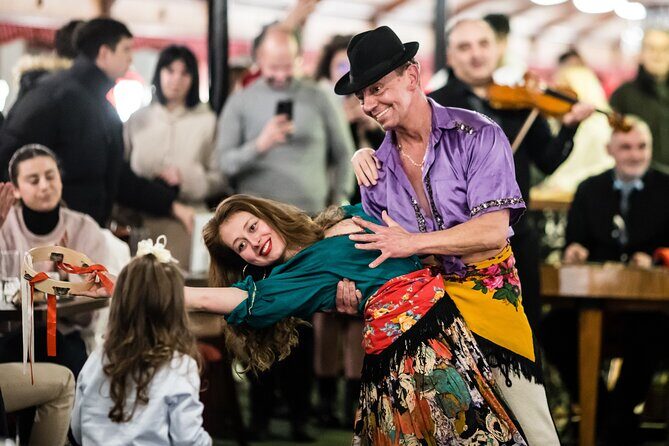
If you want to make an evening of it rather than just an hour on the water, this dinner cruise is the full production. $54 per person gets you two hours on the Danube with a buffet dinner, live Hungarian folk music, dance performances, and a welcome drink. It is a different experience entirely from the sightseeing cruises — this is dinner and a show that happens to float.
The buffet includes traditional Hungarian dishes alongside international options, and the quality is better than you might expect from a cruise buffet. The live folk music and dance performances are a genuine cultural highlight — not cheesy tourist entertainment but actual traditional performance that gives context to what you are seeing on the banks. The boat runs via Viator rather than GetYourGuide, which matters only for cancellation policies (check before booking).
The honest caveat: at three times the price of a standard cruise, this makes more sense for a special occasion — anniversary dinner, birthday, last night in Budapest — than as your default Danube experience. If budget matters, the $18 sightseeing cruise plus a good Hungarian restaurant on land will give you a better total evening for less money.
When to Take a Danube Cruise
Budapest cruise season runs year-round, but the experience varies dramatically by season. Here is what to actually expect:
April through October is prime season. Evening temperatures are comfortable enough for the open top deck, sunset is late enough to catch golden hour on a 7pm or 8pm departure, and the outdoor bars along the Danube banks add to the atmosphere. The flip side is that summer weekends (especially July and August) are the busiest, and the most popular evening slots can sell out. Book 2-3 days ahead in peak summer.
November through March is quieter and cheaper, but the cold changes the equation. January and February nights in Budapest can hit -5 to -10 degrees Celsius, and standing on an open deck loses its appeal fast. If you are visiting in deep winter, a dinner cruise with an enclosed heated deck is the better call. The city is still lit up beautifully — arguably even more atmospheric with snow on the castle — you just need to be realistic about the cold.
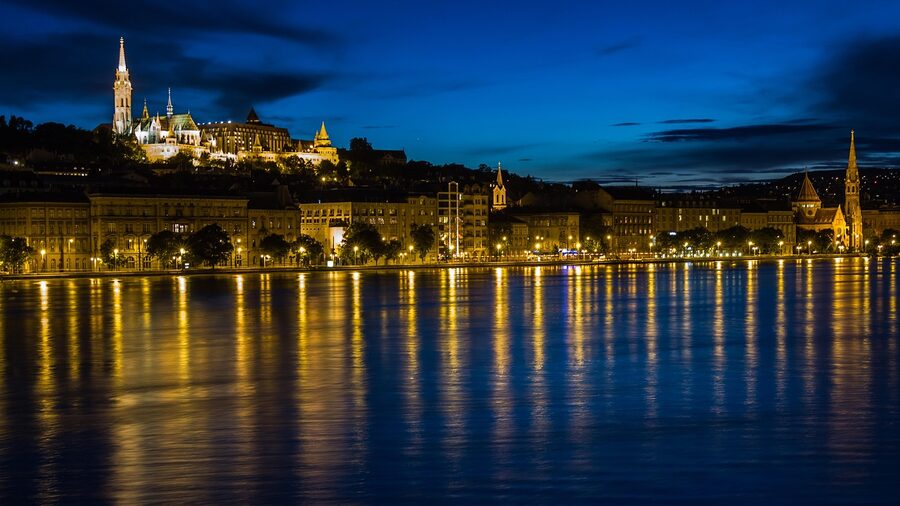
The absolute best time? Late September or early October. Summer crowds have thinned, evening temperatures hover around 15-18 degrees, and the sunset timing means you can catch a 7pm departure that transitions from golden hour to full nighttime illumination during your cruise. That golden-to-dark transition is the single best visual experience on the Danube.
How to Get to the Danube Cruise Piers
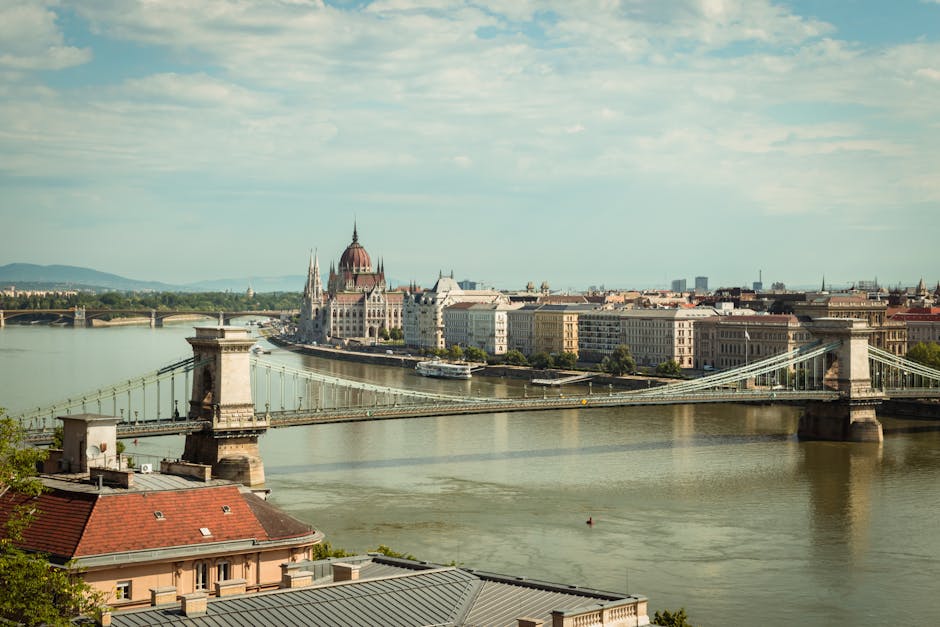
Most cruises depart from the Pest side of the river, between the Chain Bridge and the Parliament building. The two main embarkation areas are:
Vigado Square Pier (Vigado ter): The most common departure point. It is a 5-minute walk from Vorosmarty Square (M1 metro, yellow line) and an easy 15-minute walk from the Deak Ferenc ter interchange station (M1, M2, M3). Tram 2 runs right along the Danube embankment and stops here — it is one of the most scenic tram rides in Europe on its own.
Dock 7 (near Parliament): Some cruises, particularly the larger dinner boats, depart from piers closer to the Parliament building. Kossuth Lajos ter metro station (M2, red line) puts you within a 3-minute walk. From the Jewish Quarter hotel district, it is about a 20-minute walk along the river, which is actually a pleasant pre-cruise warm-up in good weather.
Taxis from central Pest hotels should cost 1,500-3,000 HUF (roughly $4-8) — Budapest taxis are regulated and use meters. Bolt (the local Uber equivalent) is even cheaper and widely available.
Tips That Will Save You Time and Money
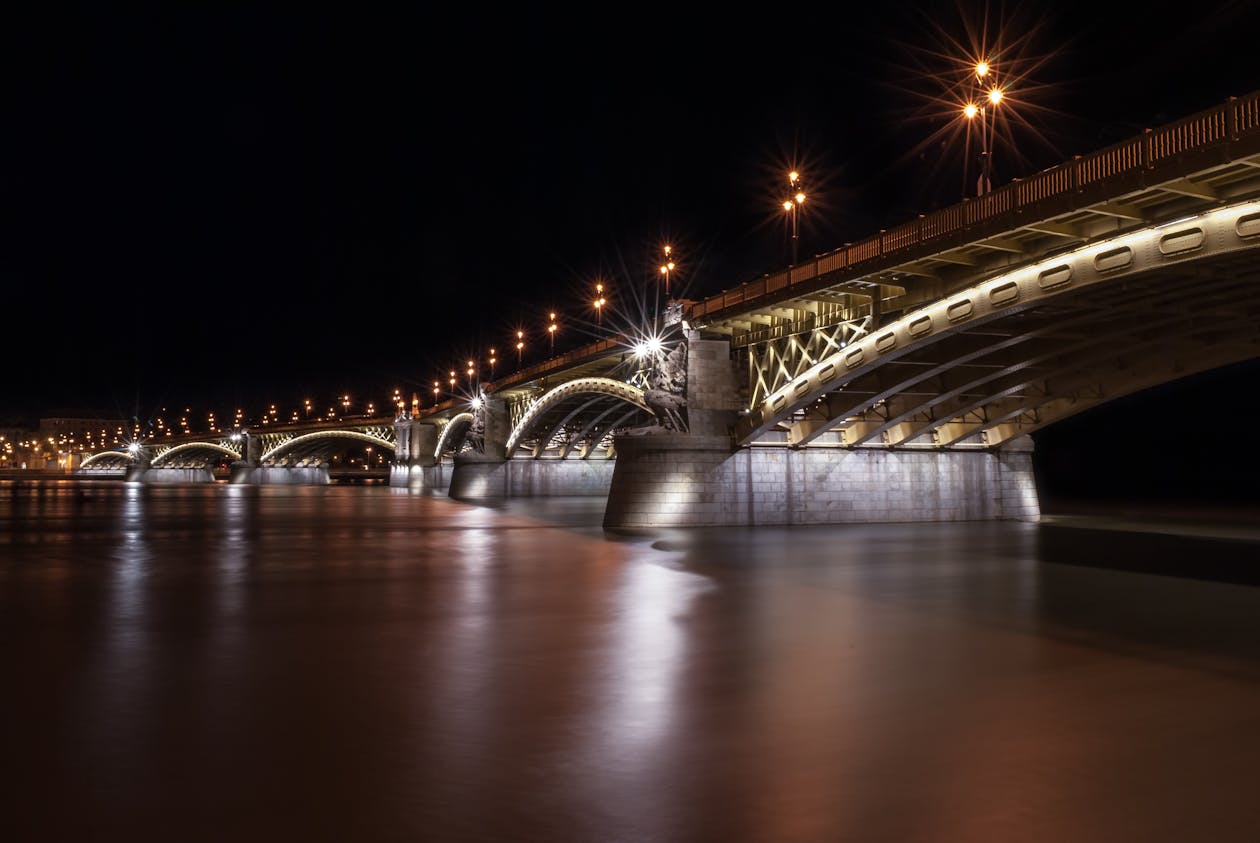
Book the night cruise, not the daytime. I keep saying this because it is the single most important decision. The same $14-18 gets you a completely different experience after dark. Daytime is fine. Nighttime is unforgettable.
Arrive 15-20 minutes early. Boarding starts before the listed departure time, and the best seats on the open top deck go to whoever gets there first. If you want a front-row spot on the right side (facing the Parliament on the return leg), early arrival matters.
Right side of the boat for Parliament, left side for Buda Castle. On the outbound leg heading south, Parliament is on your right and Buda Castle is on your left. On the return it flips. Most boats are small enough that you can move around, but knowing this helps you position yourself for photos during the first pass.
Bring a light jacket even in summer. The river creates its own breeze, and the top deck is exposed. A July evening at 25 degrees on land can feel more like 18 degrees on the water once the boat gets moving.
Skip the hop-on hop-off combos unless you genuinely want the bus tour. The combined bus-and-boat packages exist and they are fine if you want both, but the cruise portion is usually a shorter, less scenic route than the standalone options. Buy them separately if the cruise is the priority.
Dinner cruises need pre-booking. Unlike the sightseeing cruises where you can often get same-day tickets, dinner cruises have limited seating (especially window tables) and specific boarding times. Book at least 3-4 days ahead, a week in peak summer.
Window seats on dinner cruises go fast. If the booking platform lets you request a window table, do it at checkout. Otherwise, arrive at boarding time (not 5 minutes late) and ask the host. The view from a center table is still good — the boats are not that wide — but the window spots are noticeably better for photos.
What You Will See from the Water
The Danube cruise route through central Budapest passes more UNESCO World Heritage sites per kilometer than almost any other urban river stretch. Here is what appears on each bank, roughly in order from the standard northbound departure:
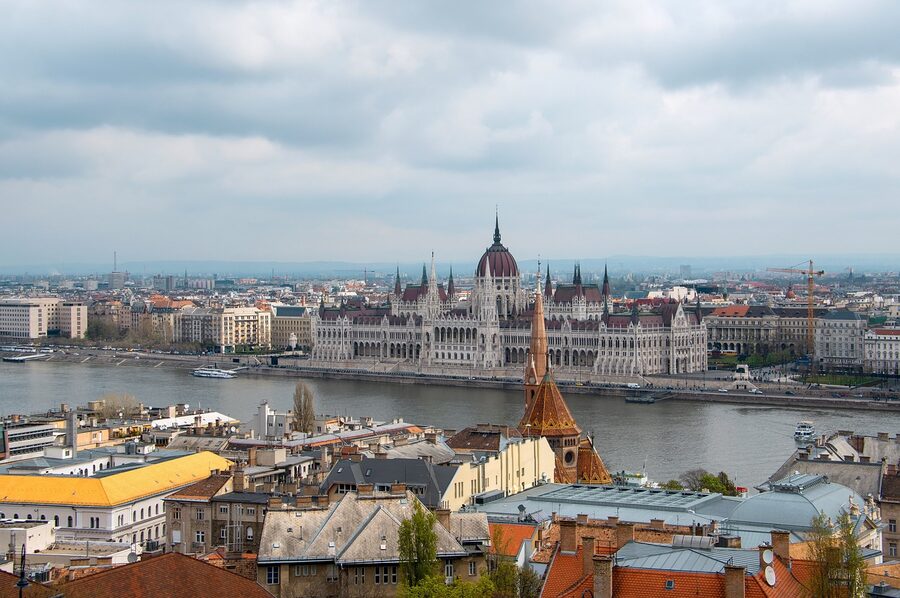
Pest side (east bank): The Hungarian Parliament Building dominates everything. It is the third-largest parliament building in the world and was modeled partly on the Palace of Westminster in London, though at 268 meters it is actually longer. Past Parliament, you will see the Gresham Palace (now a Four Seasons hotel) at the foot of the Chain Bridge, then the Vigado Concert Hall, the Central Market Hall area near Liberty Bridge, and the Hotel Gellert at the southern end of the route.
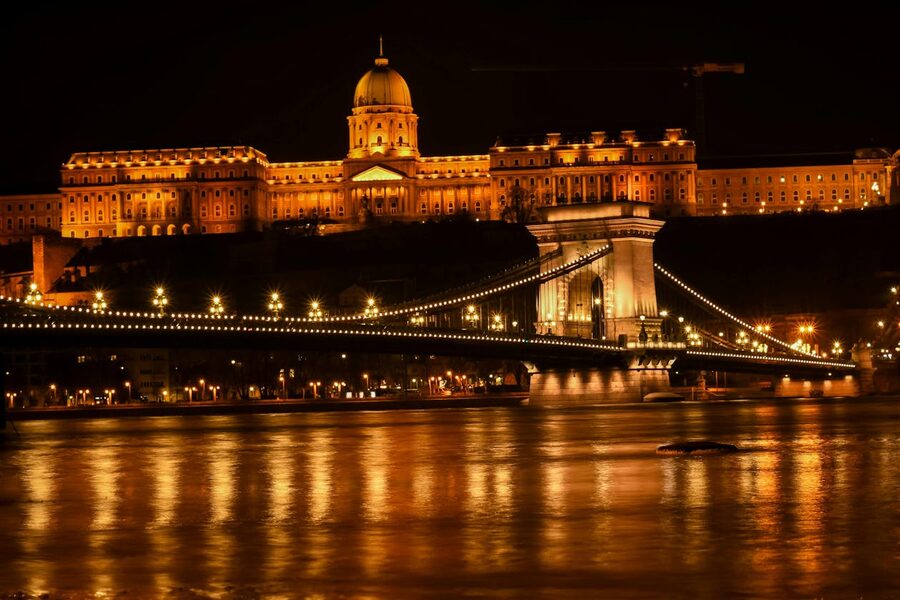
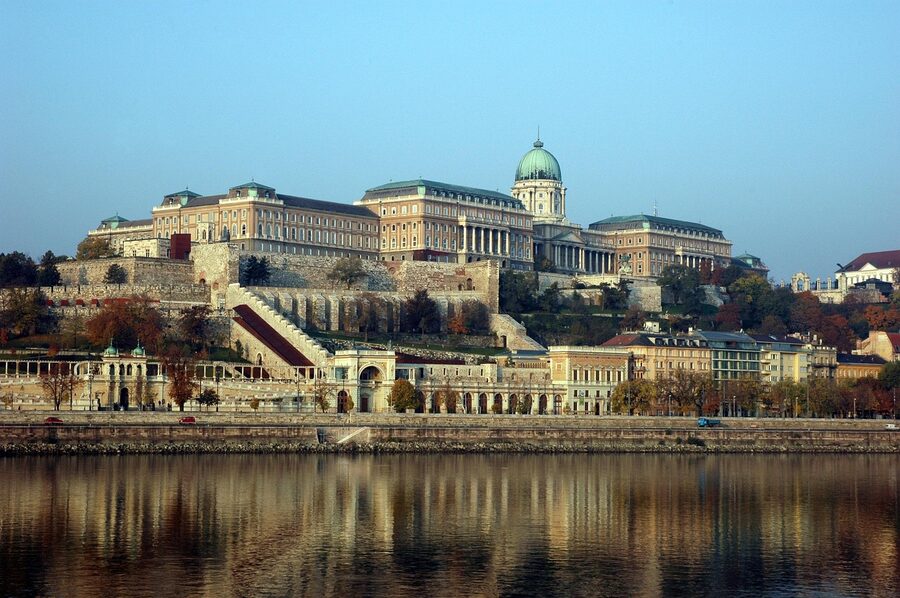
Buda side (west bank): The elevated position of everything on this side is what makes it dramatic from the water. Buda Castle (the Royal Palace) sits on Castle Hill and stretches across the skyline. The Fisherman’s Bastion and Matthias Church are visible above it — the Bastion’s white neo-Romanesque turrets are unmistakable, especially when lit up at night. Gellert Hill with the Citadella and Liberty Statue rises further south. The cave church built into the hillside is visible from the river if you know where to look.
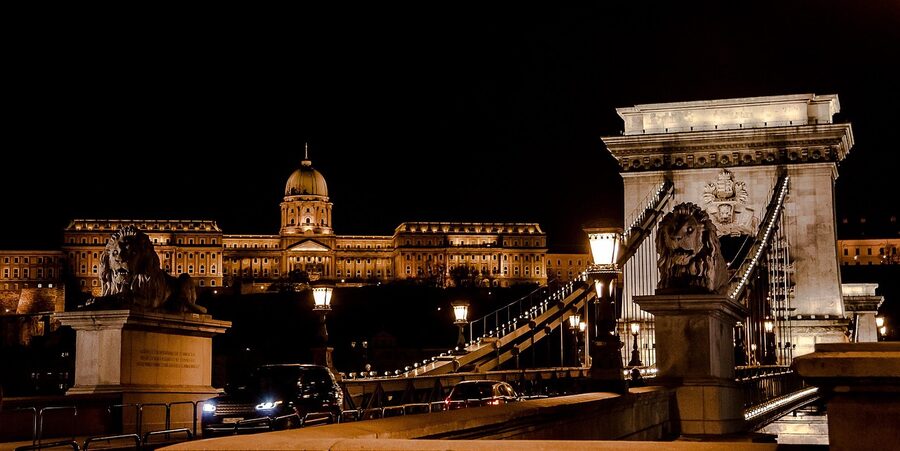
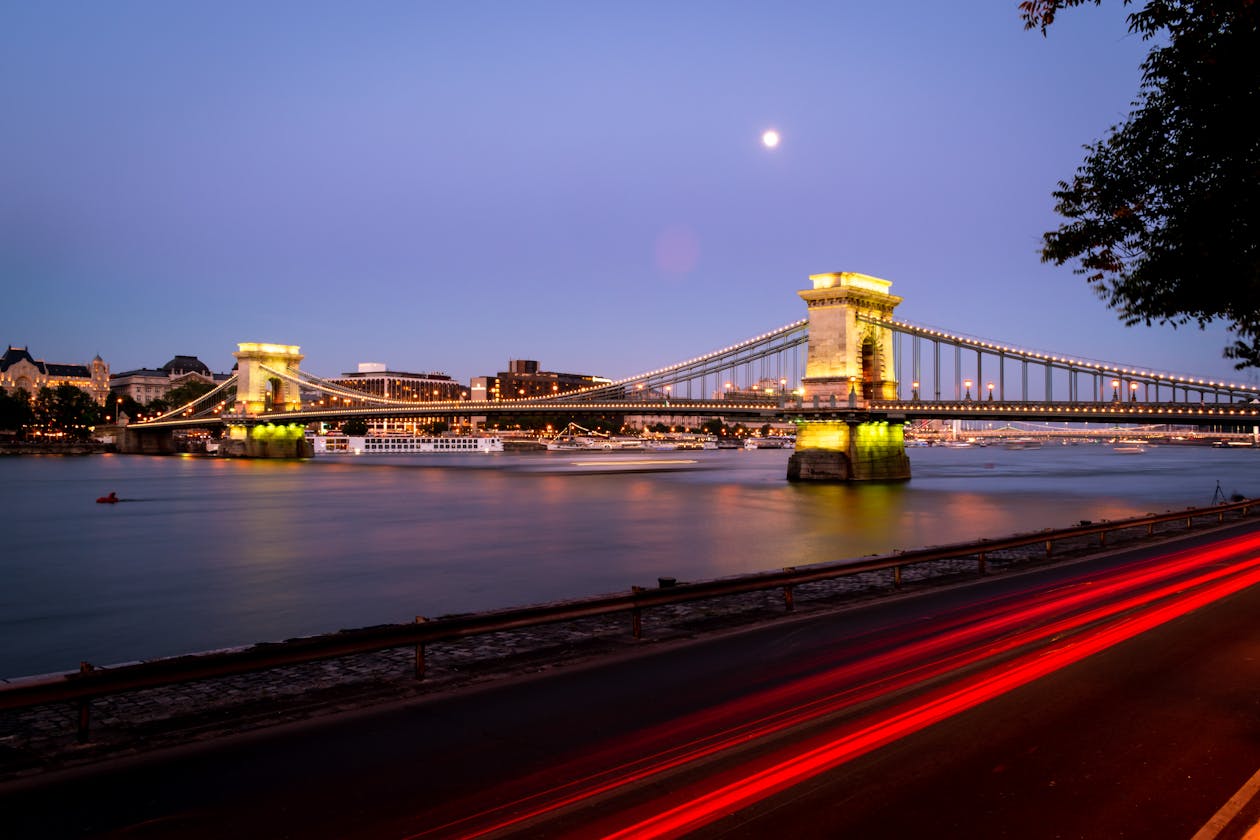
The bridges: You will pass under (or near) the Chain Bridge, Elisabeth Bridge, Liberty Bridge, and sometimes Margaret Bridge depending on the route. The Chain Bridge is the famous one — the first permanent crossing between Buda and Pest, opened in 1849, with its lion statues at each end. Liberty Bridge (the green one with the phoenix on top) is arguably more photogenic, especially at sunset when the green ironwork glows.
While You Are in Budapest
A Danube cruise is the kind of thing that makes you want to stay longer in this city. The thermal baths are the other unmissable Budapest experience — the Szechenyi Baths on the Pest side and the Gellert Baths on the Buda side are both walkable from the cruise piers, and sinking into 38-degree mineral water after an evening on the river is one of the best one-two punches any city in Europe can offer.
If the Parliament building left you speechless from the water, the interior is even more dramatic. Guided tours of the Hungarian Parliament run daily and take you through rooms covered floor to ceiling in 40 kilograms of gold leaf — book a morning slot for the day after your cruise while the building is still fresh in your mind.
Buda Castle is the other landmark that dominates the skyline from the river. Walking the Castle District the morning after seeing it lit up from the water gives you a completely different perspective — the cobblestone streets and Matthias Church are worth a proper half-day on foot.
For a different way to see the same landmarks, a Budapest bike tour covers both banks of the Danube in a few hours, passing the Parliament, crossing the Chain Bridge, and climbing up to the Castle District. It is the perfect complement to the river perspective — ground level instead of water level.
And if you are near the Danube embankment on the Pest side, St. Stephen’s Basilica is a ten-minute walk inland. The dome observation deck gives you yet another angle on the city, and the rooftop view across to Buda Castle makes for a fitting bookend to the cruise.
This article contains affiliate links. When you book through these links, we may earn a small commission at no extra cost to you. This helps us keep producing free travel guides.