
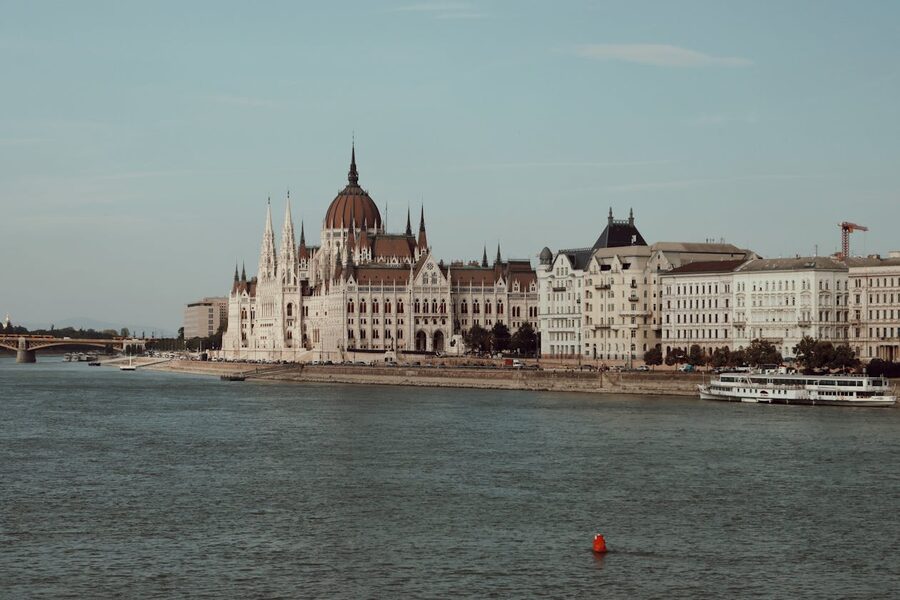
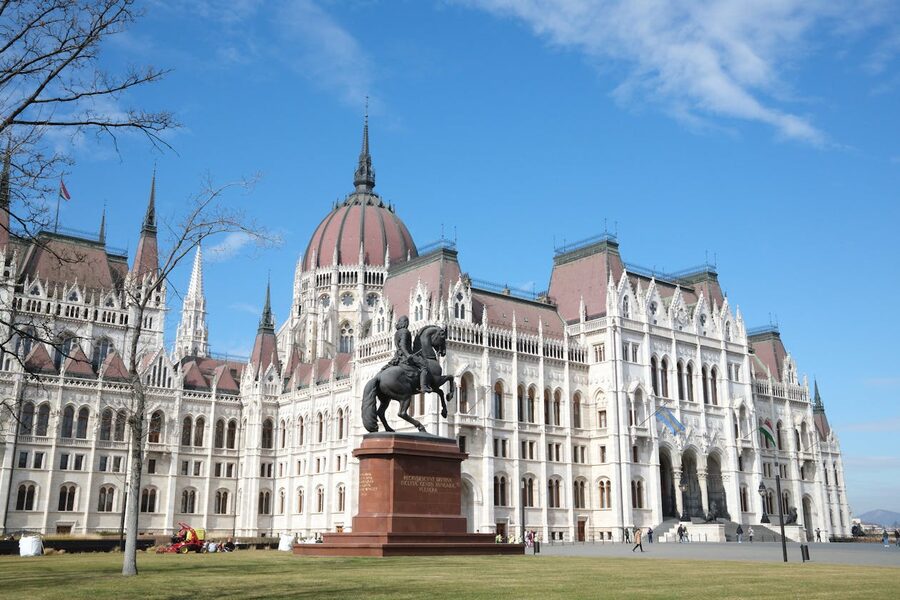
There are 691 rooms inside the Hungarian Parliament Building. I mention this not because it matters to your visit — you will see maybe six of them — but because it gives you a sense of the scale. This is the third-largest parliament building on Earth, 268 meters of Gothic Revival stonework stretched along the Danube, and from inside it feels like someone decided to build a cathedral and then kept going for another two hundred years.
The building took 17 years to complete (1885 to 1902), used 40 million bricks, and the gilded interior makes the Palace of Westminster look restrained by comparison. The main attraction inside is the Hungarian Crown Jewels — the Holy Crown of Hungary, the coronation sword, the scepter, and the orb — displayed under a domed ceiling that soars 96 meters above the ground. That 96 is deliberate: it matches the year (896 AD) when Magyar tribes first settled the Carpathian Basin.
Visiting is straightforward, but there are a few things that trip people up. You cannot just walk in — every visitor needs a ticket for a specific time slot, and the guided tours are the only way to see the interior. EU citizens get a significant discount (and Hungarian citizens get in free). The tours run in multiple languages but English fills up fastest, so booking a day or two in advance is smart between April and October.
Best overall: Parliament Entry Ticket with Audio Guide — $45. Skip-the-line entry with a self-paced audio guide covering all the major halls and the Crown Jewels. The one most people should book.
Best for context: Grand City Tour with Parliament Visit — $70. Half-day bus tour plus the Parliament interior. Good if you want the building in the context of the wider city.
Best budget pick: Parliament Audio Guide Tour (Viator) — $44. Similar format, slightly cheaper, booked through Viator if you prefer their cancellation policy.
- What You Actually See Inside
- Tickets, Prices, and How to Avoid the Queue
- The Best Budapest Parliament Tours to Book
- 1. Parliament Building Entry Ticket and Audio Guide —
- 2. Grand City Tour with Parliament Visit —
- 3. Parliament Tour with Audio Guide (Viator) —
- Getting There and Practical Details
- The Best Views of Parliament from Outside
- When to Visit
- While You Are in Budapest
What You Actually See Inside
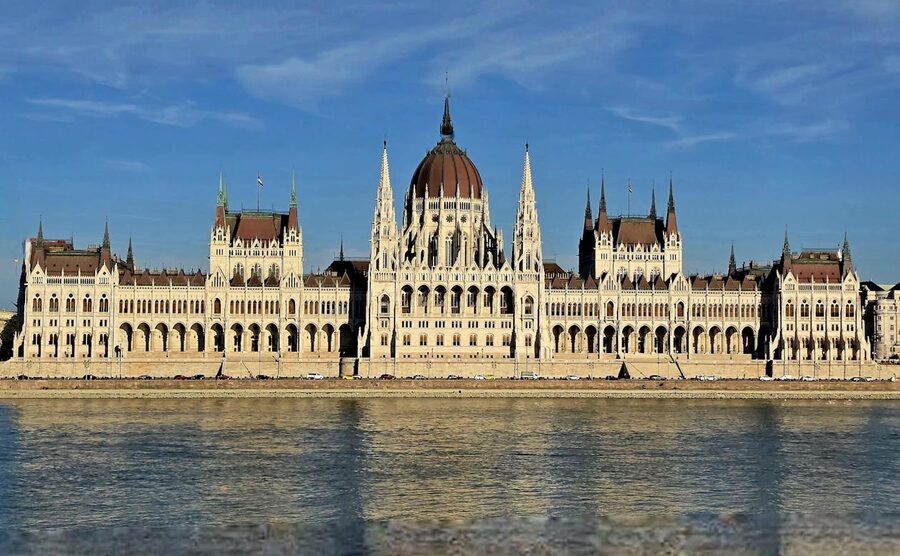
The tour covers roughly 45-50 minutes and takes you through the most impressive parts of the building. The Grand Staircase is the first jaw-drop moment — red carpet, gold-leaf everything, and ceiling frescoes by Karoly Lotz that would be the star attraction in most buildings but here are just the hallway.
Then you move into the Old Upper House Hall, which is where the House of Lords used to sit before Hungary became a unicameral parliament in 1945. The wooden benches, stained glass, and coat-of-arms gallery make it feel more like a medieval great hall than a government chamber. The current working chamber (National Assembly Hall) is the mirror image on the other side of the building, and you visit one or the other depending on whether parliament is in session.
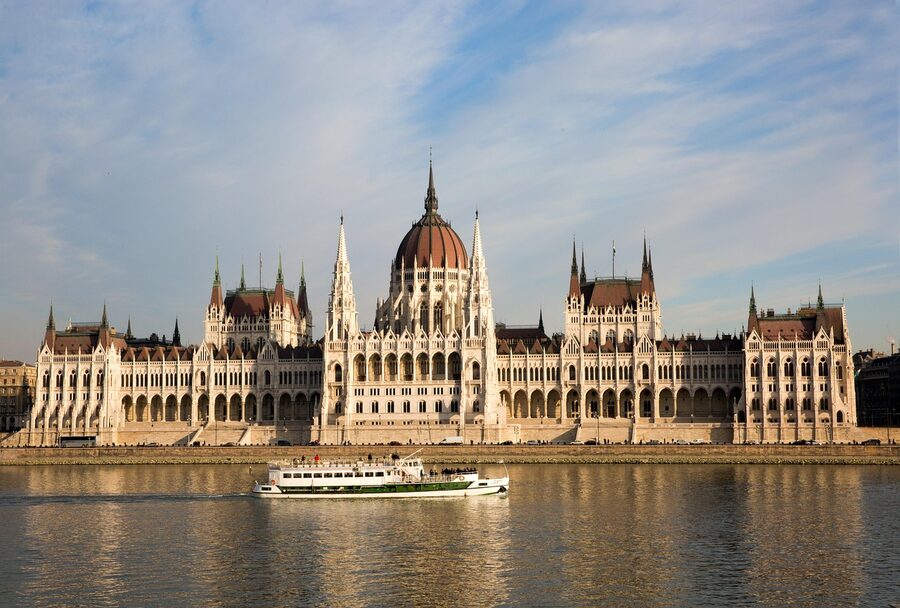
The highlight for most people is the Dome Hall, where the Crown Jewels are displayed behind glass. The Holy Crown of Hungary has a famously crooked cross on top — it has been bent since at least the 17th century, and nobody is entirely sure how it happened. There are theories involving hasty storage in a chest that was too small, or damage during one of the many times it was smuggled out of the country. The crown itself is over a thousand years old and is one of the few medieval crowns still recognized in a modern constitution as a symbol of national sovereignty.
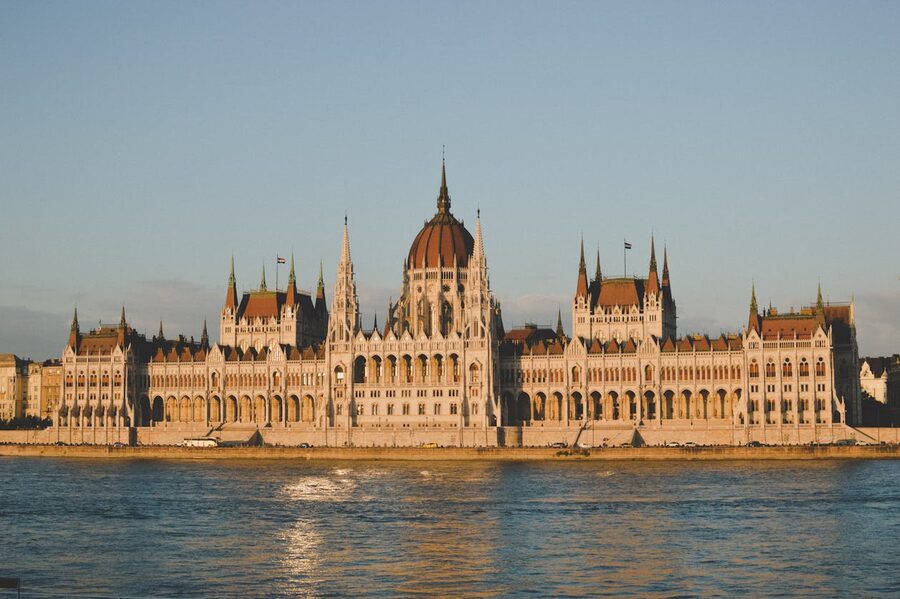
You are not allowed to photograph in the Dome Hall where the crown is kept. Guards enforce this strictly. The rest of the building is fair game for photos, and you will want them — the level of decorative detail on the ceilings, walls, and floors borders on absurd. Forty kilograms of gold were used in the interior decoration. That is not a typo.
Tickets, Prices, and How to Avoid the Queue
There are two ways to get inside: the official ticket office on-site, or pre-booking through a tour platform. The official ticket office on Kossuth Square opens at 8am and sells tickets for that day only. In summer, the English-language tours can sell out by mid-morning, which means you either arrive early or risk getting a slot in a language you do not speak.
Pre-booking through GetYourGuide or Viator costs slightly more than the official price but gets you skip-the-line entry and a guaranteed English time slot. For the difference of a few euros, this is worth it between May and September. In winter you can usually walk up and buy tickets without issues.
Official prices (at the ticket office): EU citizens pay around 4,000 HUF (~$11). Non-EU citizens pay about 8,600 HUF (~$23). Students (with valid ISIC card) get 50% off. Children under 6 are free.
Pre-booked tour prices: $43-45 through tour platforms, which includes the entry ticket plus audio guide or guided commentary. The premium covers the skip-the-line access and the guarantee of an English tour.
Security takes 10-15 minutes (bag check, metal detector, the usual), so add that to your arrival time. Tours depart on a strict schedule and they will not wait for you. Show up 30 minutes before your slot if you booked online, or allow 45 minutes if you are buying tickets on-site.
The Best Budapest Parliament Tours to Book
I have picked three tours that cover the main ways to visit. All are well-reviewed and available to book right now.
1. Parliament Building Entry Ticket and Audio Guide — $45
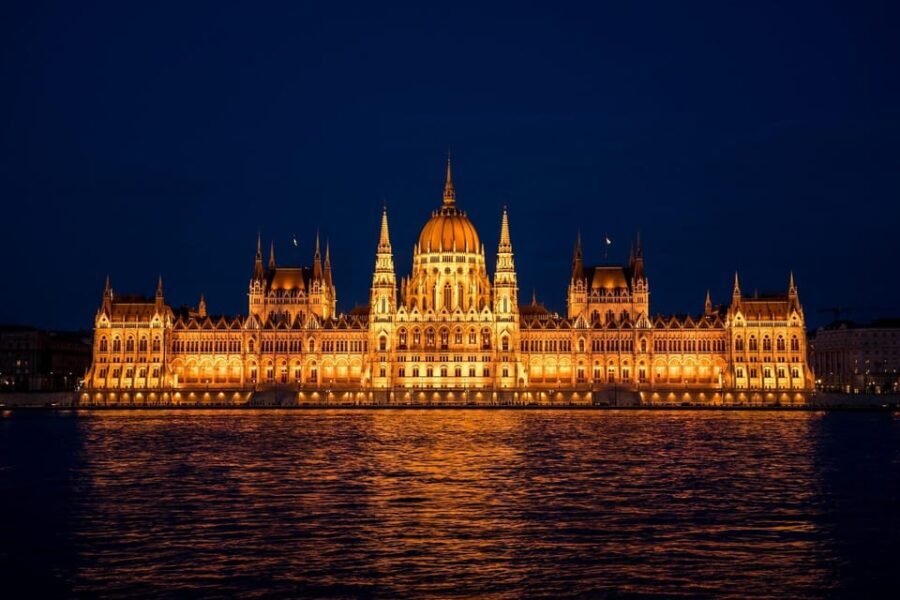
This is the standard way in and the one I would recommend to most visitors. $45 per person gets you skip-the-line entry, a self-paced audio guide, and access to all the tour-route highlights including the Dome Hall with the Crown Jewels, the Grand Staircase, and the Old Upper House Hall.
The audio guide format means you move at your own pace rather than waiting for a group to finish gawking at each room. The commentary is solid — not the most engaging narration you have ever heard, but it covers the history and architecture without dumbing things down. Allow about an hour from entry to exit, though you could rush it in 45 minutes if you are on a tight schedule.
The skip-the-line element is real. In July and August the ticket office queue can stretch for 30-40 minutes, and by the time you get to the front the next English tour might be two hours away. Pre-booking eliminates both problems. You walk past the queue, scan your voucher, clear security, and you are in.
2. Grand City Tour with Parliament Visit — $70
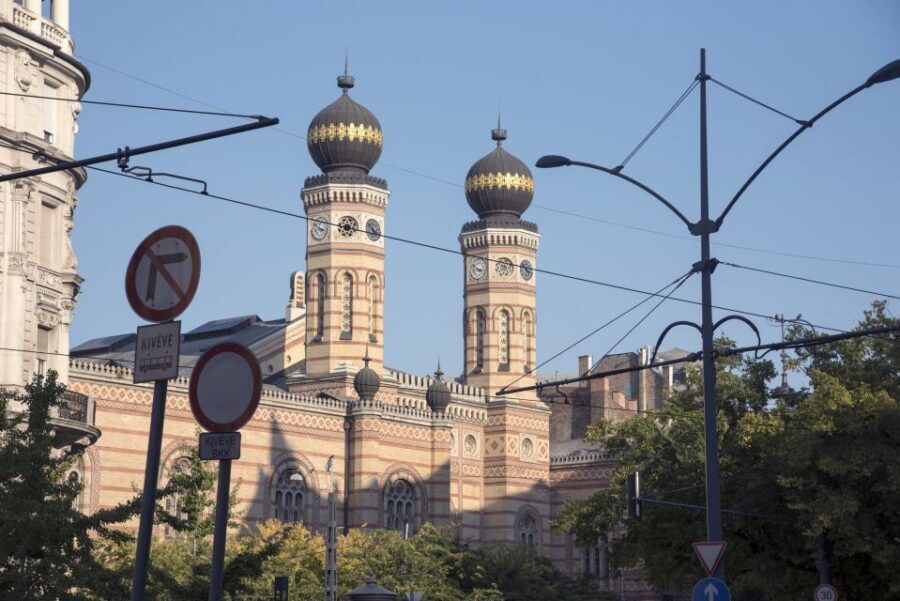
If you just arrived in Budapest and want to get your bearings while also seeing Parliament, this half-day tour combines a guided bus tour of the city with a Parliament interior visit. $70 per person for 4.5 hours — the first half on a coach hitting the major landmarks (Heroes Square, Andrassy Avenue, Castle District, Fishermans Bastion), the second half inside Parliament.
The Parliament portion includes a live English-speaking guide rather than an audio guide, which means you get the stories and context that a recording cannot provide. The guides know the building well and can answer the questions that come up about the crooked crown, the gold, and why two identical parliamentary chambers were built when only one was ever needed.
The trade-off is flexibility. You are on a group schedule, and the bus portion covers a lot of ground quickly without deep stops. It is best suited for first-time visitors who want a city overview plus the Parliament interior in a single morning. If you already know Budapest and just want Parliament, the standalone entry ticket above is the better call.
3. Parliament Tour with Audio Guide (Viator) — $44
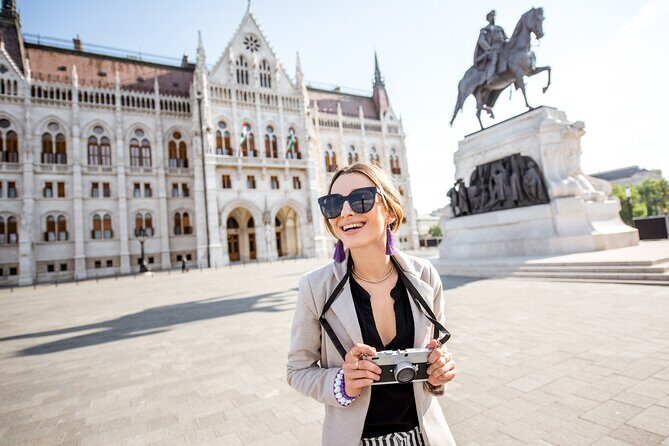
This is essentially the same Parliament audio guide experience as option 1, booked through Viator instead of GetYourGuide. $44 per person — a dollar less. You get the same skip-the-line entry, the same audio guide, and access to the same rooms. The building does not care which platform sold you the ticket.
So why list it separately? Cancellation policies. Viator and GetYourGuide have different refund windows and terms, and if your travel plans are uncertain, the flexibility difference could matter. Check both at booking time — these terms change seasonally.
The reviews confirm what you would expect: the experience is identical. Same entry point, same security process, same route through the building. Pick whichever platform you prefer or whichever has the better cancellation policy for your trip.
Getting There and Practical Details
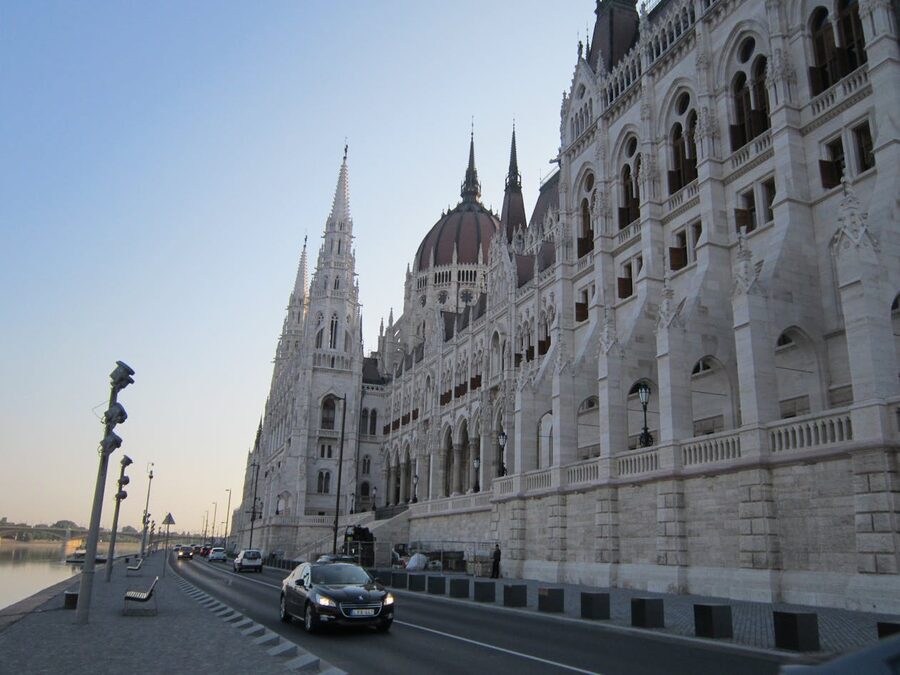
The Parliament sits on the Pest side of the Danube, directly on the riverbank at Kossuth Lajos ter (Kossuth Square). Getting there is easy from anywhere in central Budapest:
Metro: Kossuth Lajos ter station on the M2 (red) line drops you right at the front entrance. From Deak Ferenc ter (the main interchange), it is two stops. From Keleti Station, four stops.
Tram: Tram 2 runs along the Danube embankment on the Pest side and stops at Kossuth Lajos ter. This tram ride has some of the best river views in any European city and you pass Parliament on the way.
On foot: From the Chain Bridge it is about a 15-minute walk north along the riverbank. From St. Stephens Basilica, roughly 10 minutes heading west toward the river.
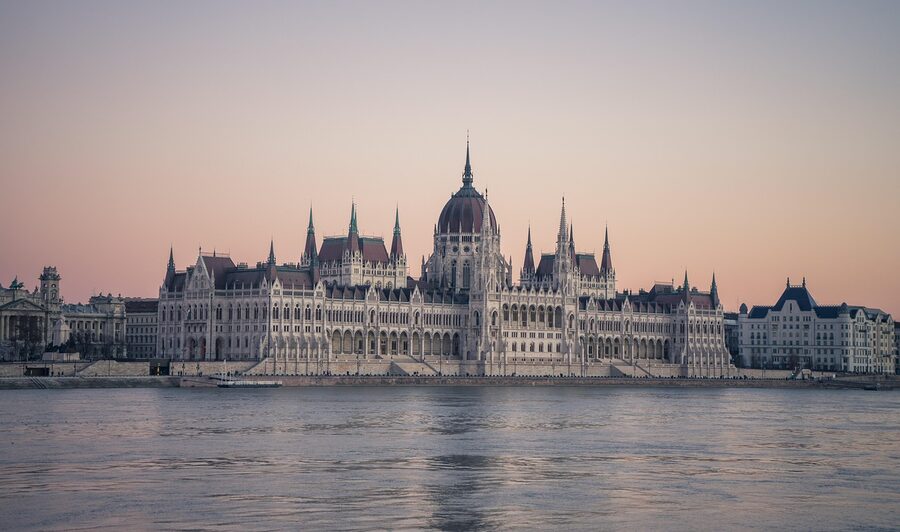
Opening hours: The building is open for tours daily from 8am to 6pm (April-October) and 8am to 4pm (November-March). It closes on national holidays and when parliament is in session for special events. Always check the official website the day before if you are buying tickets at the door.
What to bring: Valid ID (passport for non-EU visitors, national ID card for EU citizens — you need this for the discounted price). Leave large bags at the hotel; there is a small coat check but no bag storage for backpacks. Phone and camera are fine everywhere except the Dome Hall.
Accessibility: The building has elevator access and ramps for wheelchair users. Let them know at the ticket office and they will route you accordingly. The main tour route is manageable, though some corridors are narrow.
The Best Views of Parliament from Outside
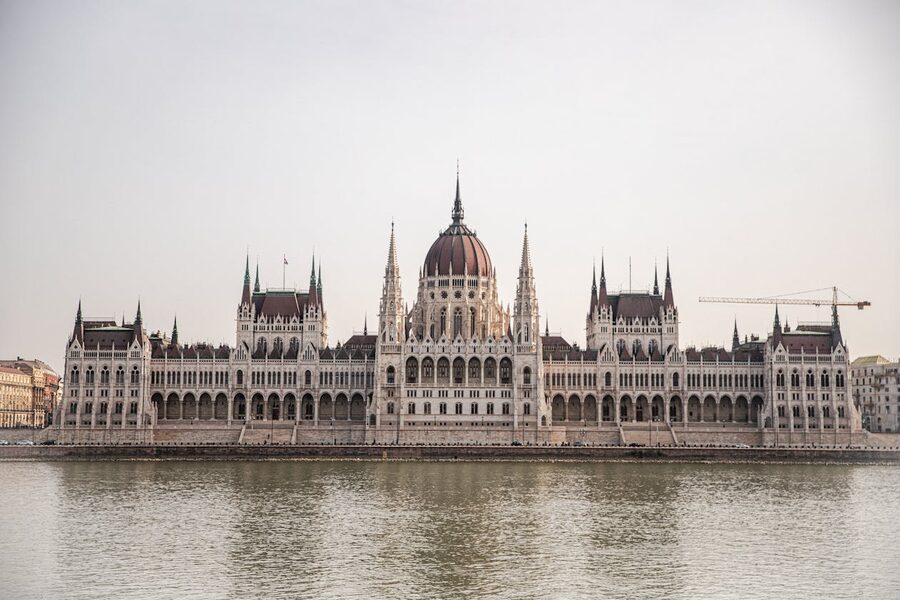
Even if you do not go inside, Parliament is worth visiting for the exterior alone. Here are the best vantage points:
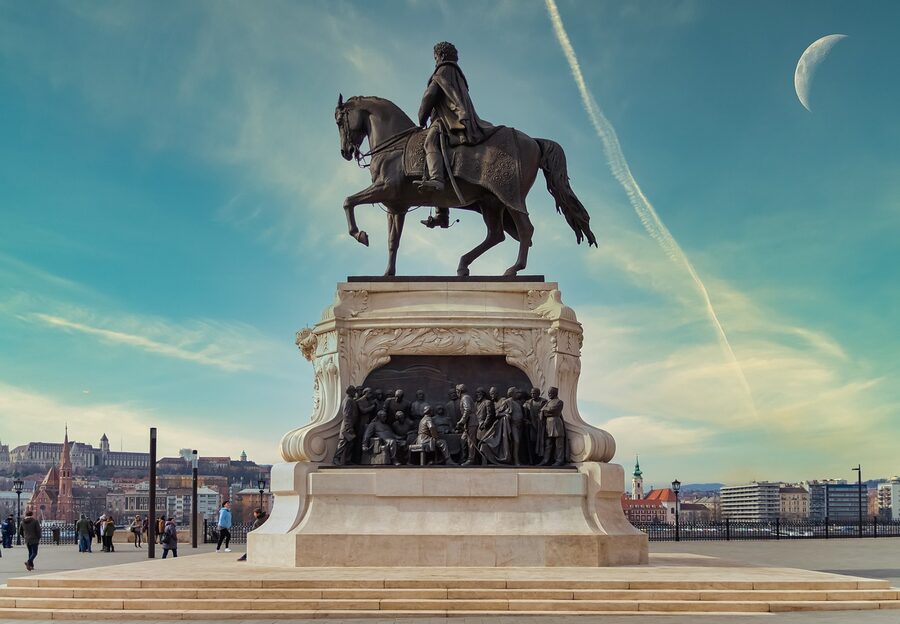
Batthyany Square (Buda side): This is the classic postcard angle. From the M2 metro station exit or the riverside promenade, you get the full facade with the Danube in the foreground. Best at sunset or after dark.
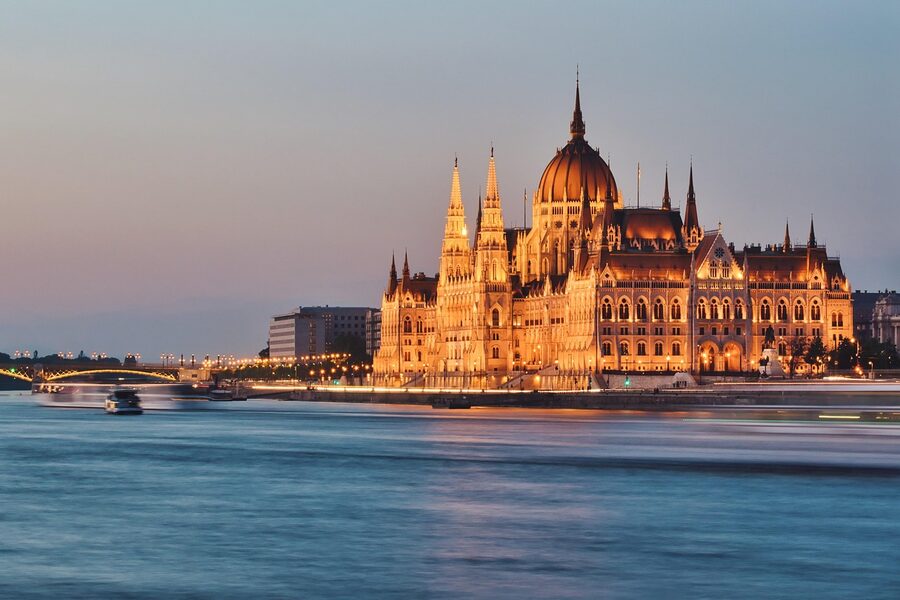
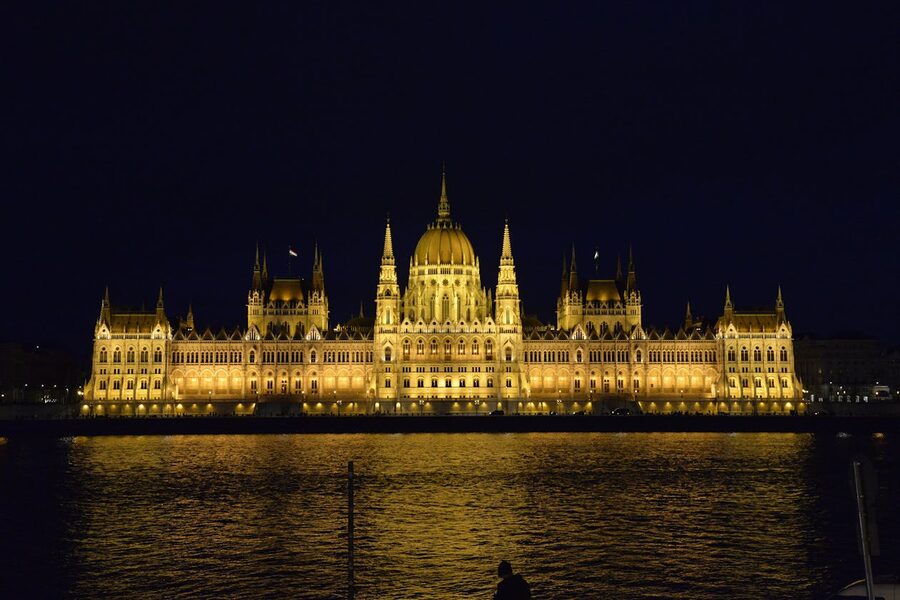
From a Danube cruise: The river gives you a perspective that land cannot match. The building is designed to be seen from the water — the architects knew what they were doing. A Danube cruise at night is the single best way to see it.
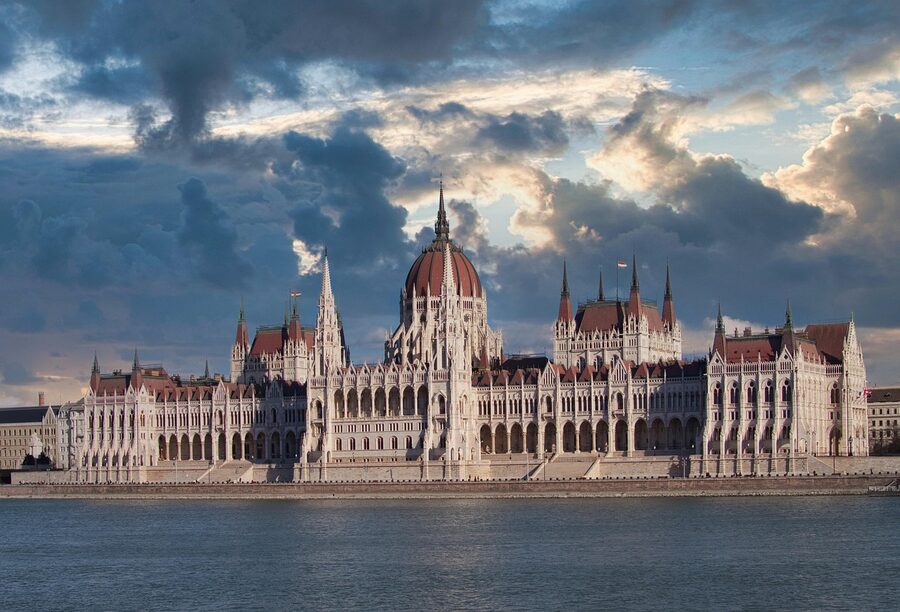
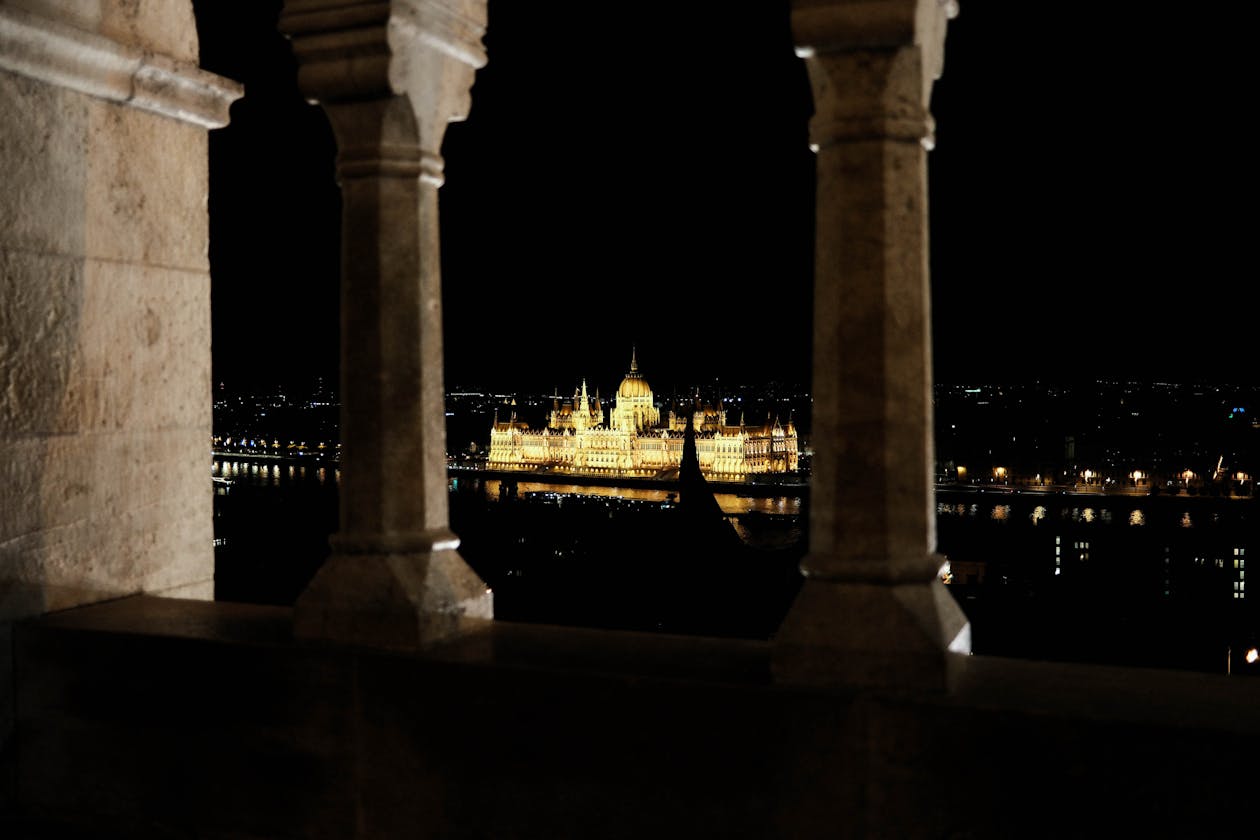
Fishermans Bastion (Castle Hill): The elevated terrace on the Buda side gives you a panorama with Parliament directly across the river. Go early morning before the tour groups arrive — by 10am in summer you will be shoulder to shoulder with selfie sticks.
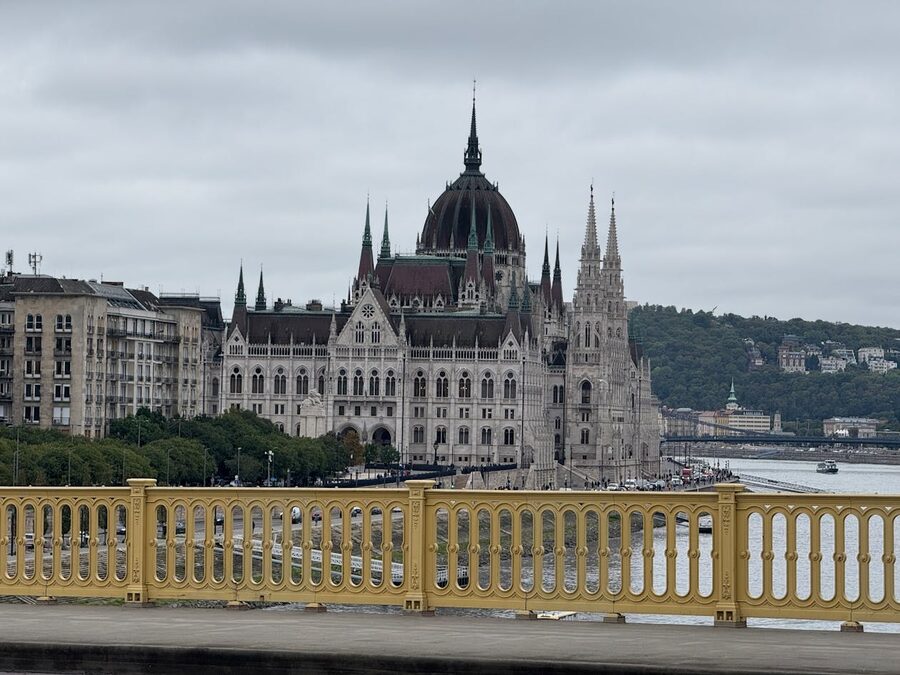
Margaret Bridge: Walking across from the Buda side toward Pest, Parliament appears on your left getting larger with every step. At night this walk is genuinely impressive.
When to Visit
Best months: April through June and September through October. Comfortable temperatures, manageable crowds, and the light is excellent for photos. July and August bring peak tourist numbers and 35-degree heat that makes the un-air-conditioned interior somewhat uncomfortable (it is a 19th-century building — modern climate control was not in the original plans).
Best time of day for the tour: First thing in the morning. The 8am or 8:30am English slots are least crowded, and you beat the bus tour groups that arrive from 10am onward. Plus the morning light on the eastern facade (Kossuth Square side) is beautiful for photos before you go in.
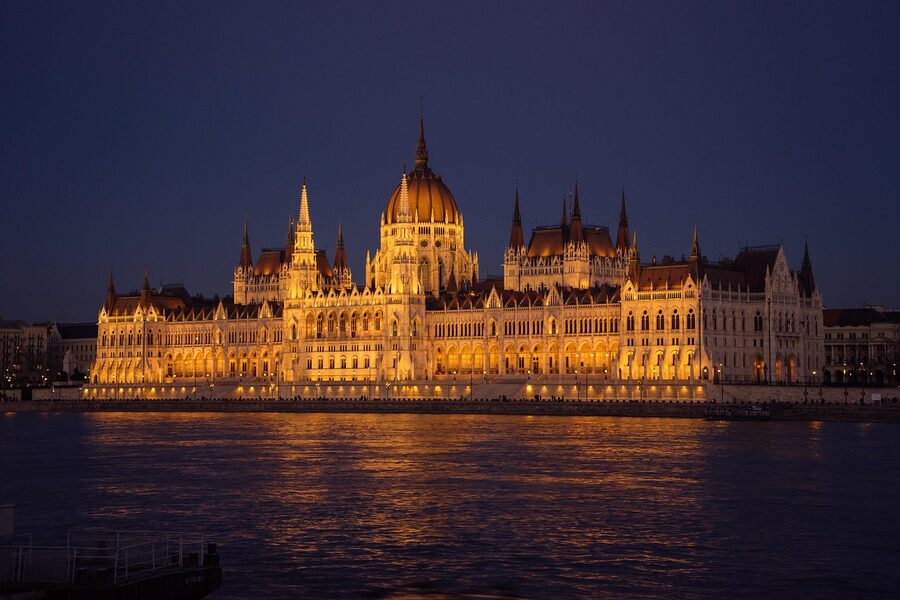
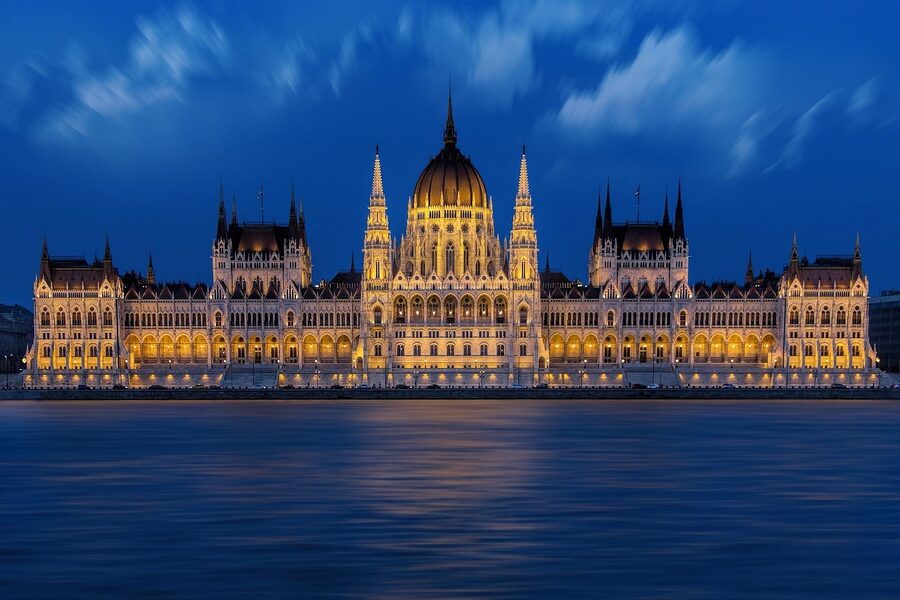
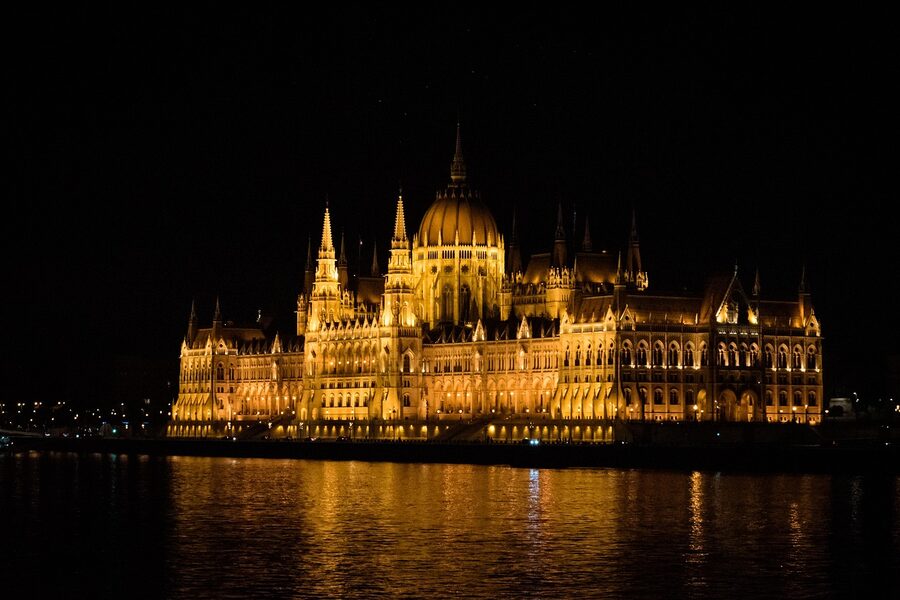
Best time for exterior photos: Sunset from the Buda side, or anytime after dark. The floodlighting makes the building look twice as dramatic as it does in daylight, and the Danube reflections add a dimension that the daytime view simply does not have.
While You Are in Budapest
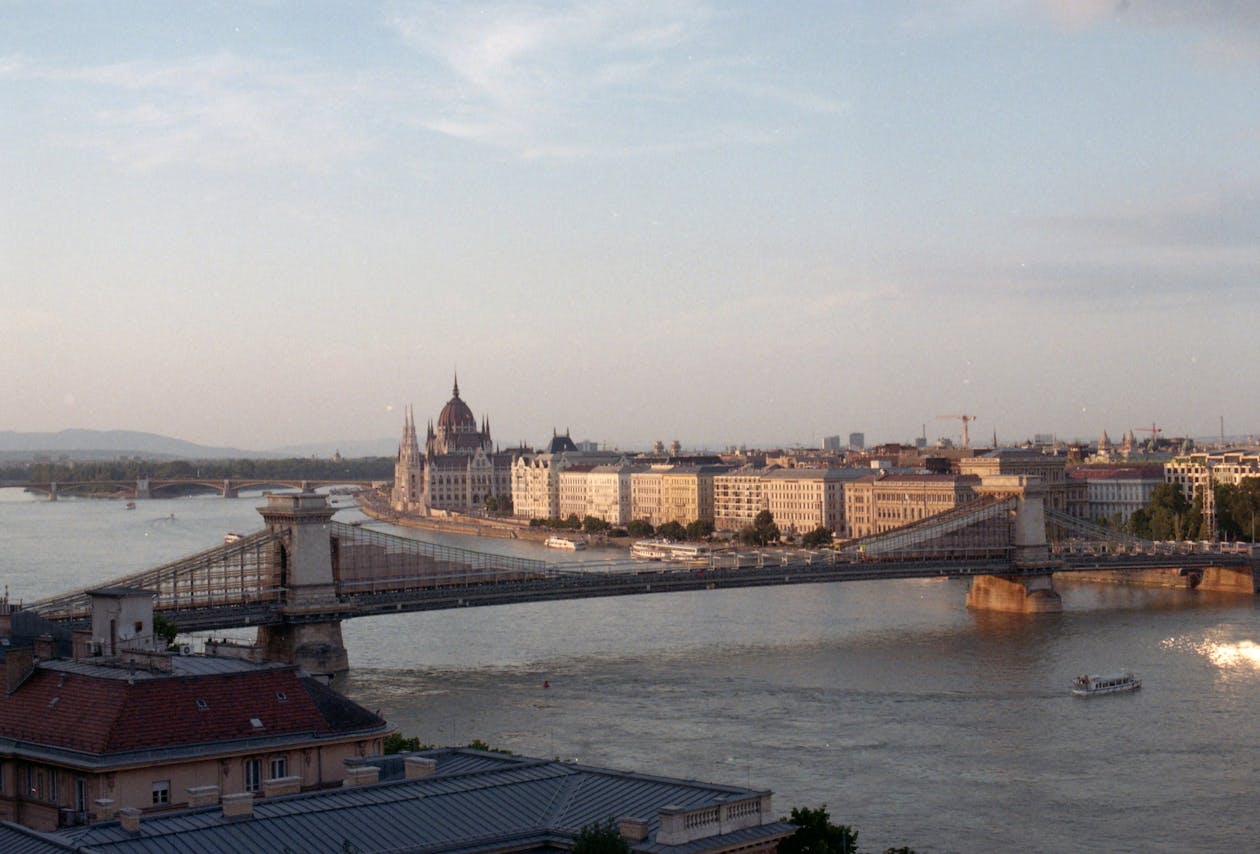
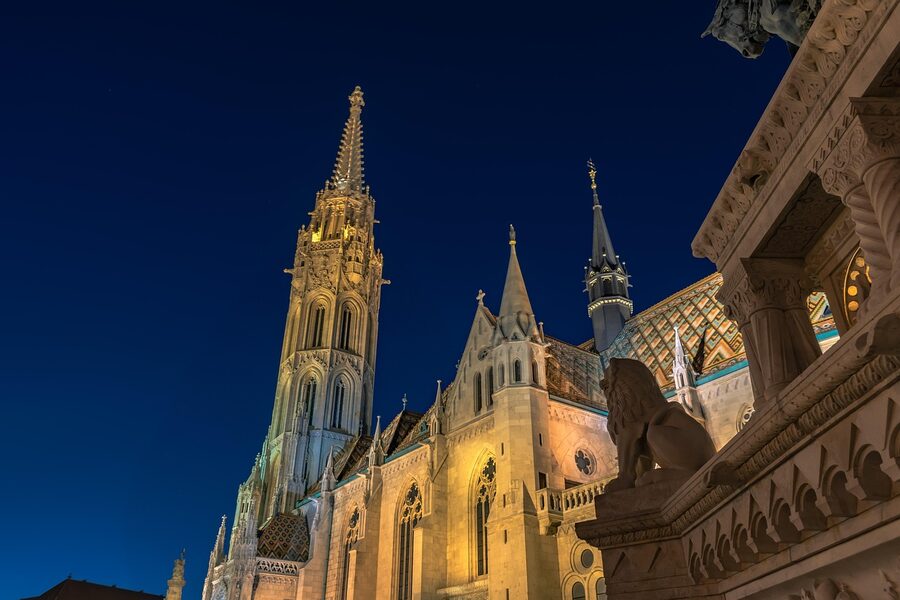
Parliament sits at the center of a city that rewards walking. The Buda Castle complex across the river is a natural pairing — take the Siklo funicular up from the Chain Bridge or walk up through the old castle tunnels. The thermal baths are the other thing Budapest does better than almost anywhere in Europe, and the Szechenyi Baths are a 20-minute walk from Parliament through the city park.
For the best view of the building you just walked through, a Danube cruise after dark shows you what 268 meters of illuminated Gothic Revival architecture looks like from the water — which, honestly, is the view the whole building was designed for.
St. Stephen’s Basilica is a 15-minute walk south along the Pest embankment. The two buildings share a deliberate connection — both stand at exactly 96 meters, a symbolic nod to 896 AD when Hungary was founded. The basilica dome terrace offers one of the best elevated views of Parliament from the Pest side, and visiting them back-to-back gives you a sense of how Budapest uses architecture to tell its own national story.
If you want to cover more ground efficiently, a guided bike tour rolls past Parliament, crosses the Chain Bridge to the Castle District, and loops through the Pest side in about three hours. It is a good way to see how the river, the bridges, and the landmarks on both banks connect — context that makes every individual visit richer afterwards.
This article contains affiliate links. When you book through these links, we may earn a small commission at no extra cost to you. This helps us keep producing free travel guides.