
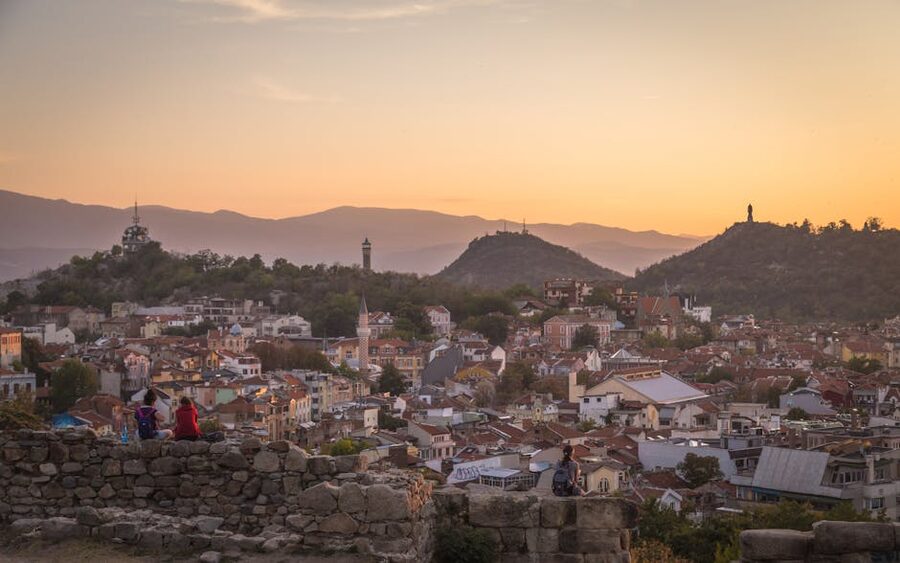
My friend Tom rang me from Sofia on his second night, half complaining. He’d planned three days in the capital, was already restless after one, and the hostel kid behind the counter had told him to “just go to Plovdiv tomorrow, you’ll thank me.” Tom phoned me that evening from a stone bench in the Roman amphitheatre, the Old Town descending in red-tile waves behind him, and said the only thing he could think to say. “I had no idea this place existed.”
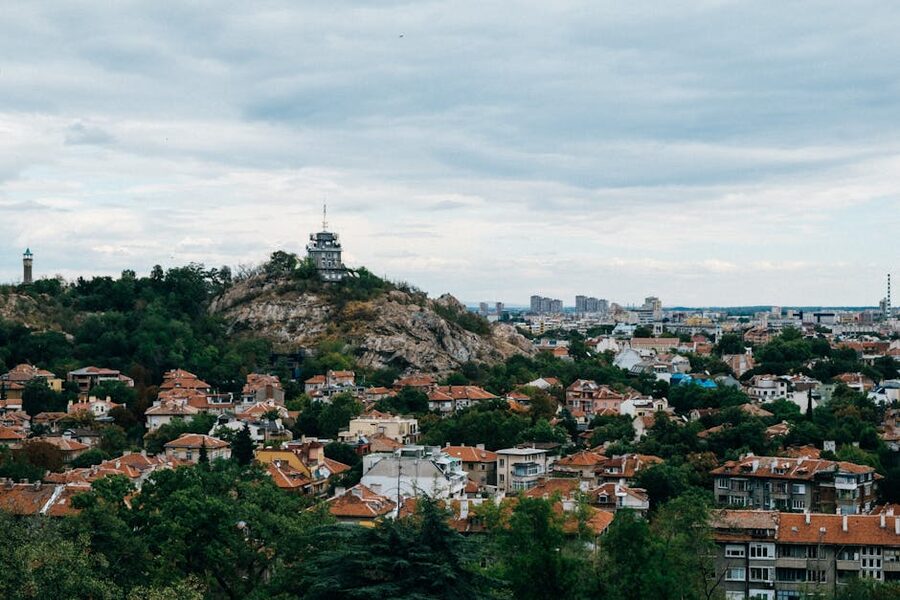
That’s the thing about Plovdiv. Bulgarians know it’s older than Rome, older than Athens, older than just about every city in Europe. Most travellers don’t, until they come down off the bus 145 km southeast of Sofia and a 6,000-year-old Thracian acropolis is just sort of sitting there above a coffee shop.
Best for ruins lovers: Plovdiv + Asen’s Fortress, around $45. Adds a clifftop medieval church and Bachkovo Monastery to the standard route.
Best two-town day: Plovdiv + Koprivshtitsa, around $80. Eleven hours covering both Bulgaria’s second city and its Revival-era museum village.
- Why bother with a day trip when you’ve come for Sofia
- What “the oldest city in Europe” actually means here
- The three tours worth booking
- 1. From Sofia: Plovdiv Day Tour:
- 2. Plovdiv and Asen’s Fortress Full-Day Tour:
- 3. Plovdiv and Koprivshtitsa 11-Hour Day Tour:
- The Roman Amphitheatre
- The Old Town isn’t medieval, it’s Bulgarian Revival
- Hisar Kapia and the medieval gate
- Kapana, the creative quarter you almost miss
- How a typical tour day actually unfolds
- Asen’s Fortress, if you take the longer tour
- If you take the Koprivshtitsa option
- Practical bits nobody tells you
- Plovdiv on your own vs with a tour
- Other Bulgaria day trips and what to do next
Why bother with a day trip when you’ve come for Sofia
That’s the question I’d ask myself, and almost every traveller I’ve sent to Plovdiv has come back with the same answer. Sofia is interesting, but it’s a working capital. Plovdiv is the one that feels like a holiday. The Old Town is small enough to walk top to bottom in a couple of hours and dense enough that you’ll still find a corner you missed on the way back.
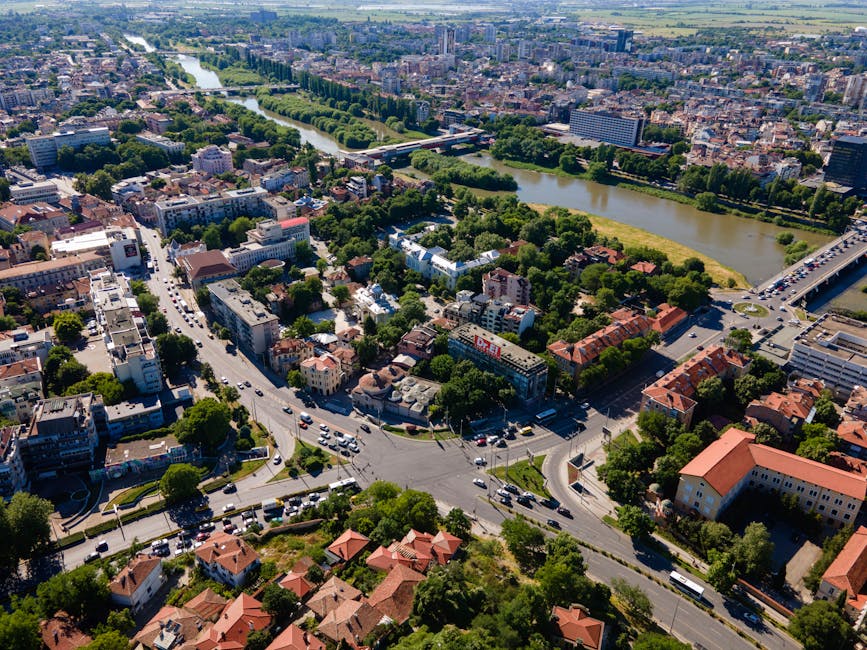
The other reason is timing. Plovdiv is 145 km from Sofia, about 1.5 hours each way by minibus. Driving it yourself sounds tempting until you realise you’ll spend the whole day stressed about the return drive, parking inside the pedestrian Old Town, and hunting for petrol. A guided minibus solves all three. You get four to five hours on the ground, which is genuinely enough for the Roman amphitheatre, the Old Town, Kapana, and one museum if you skip a long lunch.
What “the oldest city in Europe” actually means here
Plovdiv has been continuously inhabited for around 6,000 years. The Thracians settled the rocky hill at Nebet Tepe well before Athens existed. Philip II of Macedon (Alexander’s father) took it in 342 BC and renamed it Philippopolis. The Romans called it Trimontium and built the amphitheatre that still stands. Then Byzantines, Bulgarians, Ottomans, and Bulgarian revivalists all left their layers on top of each other.

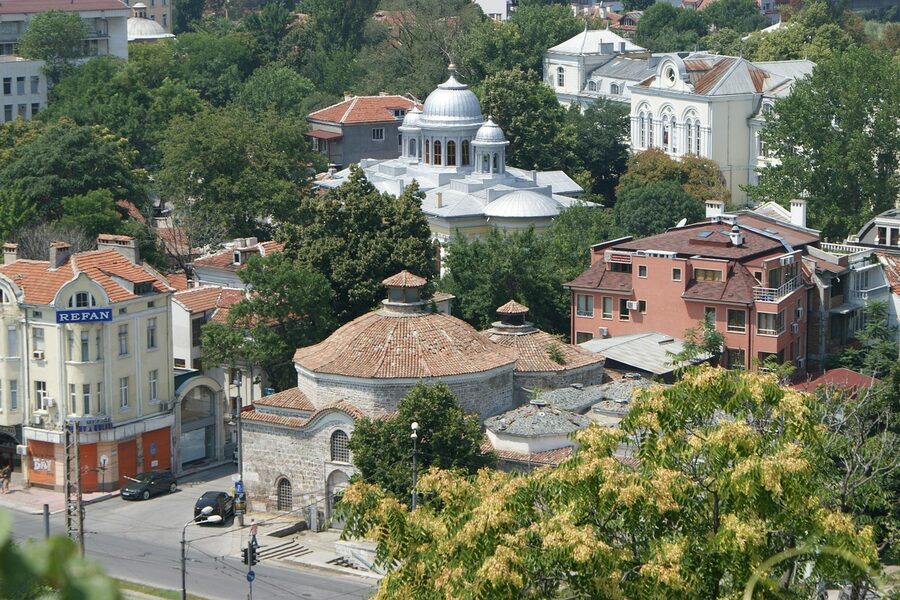
You don’t need to know any of that to enjoy walking around. But it does explain why a single fifteen-minute walk takes you past Thracian wall foundations, a Roman stadium under the modern shopping street, an Ottoman bath converted to a gallery, and a 19th-century Bulgarian Revival mansion painted lavender. Every layer just stayed.
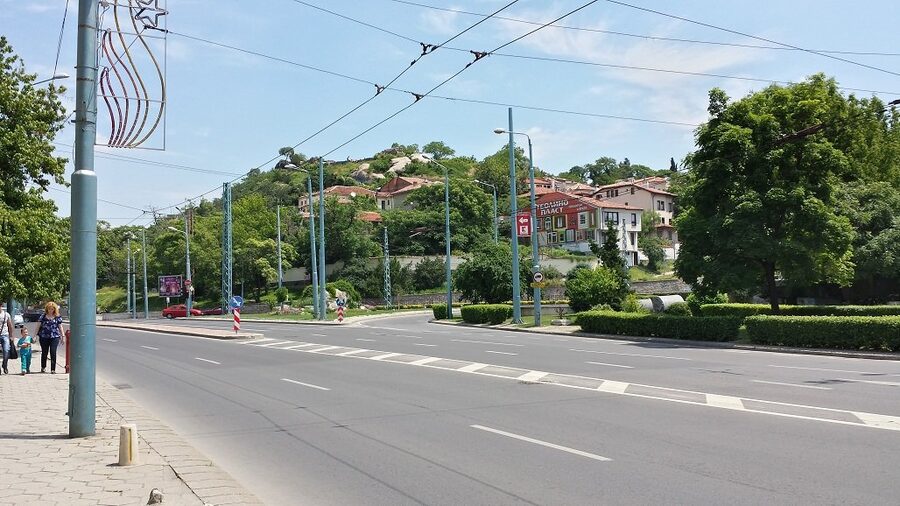
The three tours worth booking
Around twelve operators run Plovdiv day trips from Sofia. Most are functionally identical (same coach company, different reseller), so there’s no point listing all of them. Three stand out as genuinely different products. Pick whichever matches the day you actually want.
1. From Sofia: Plovdiv Day Tour: $23
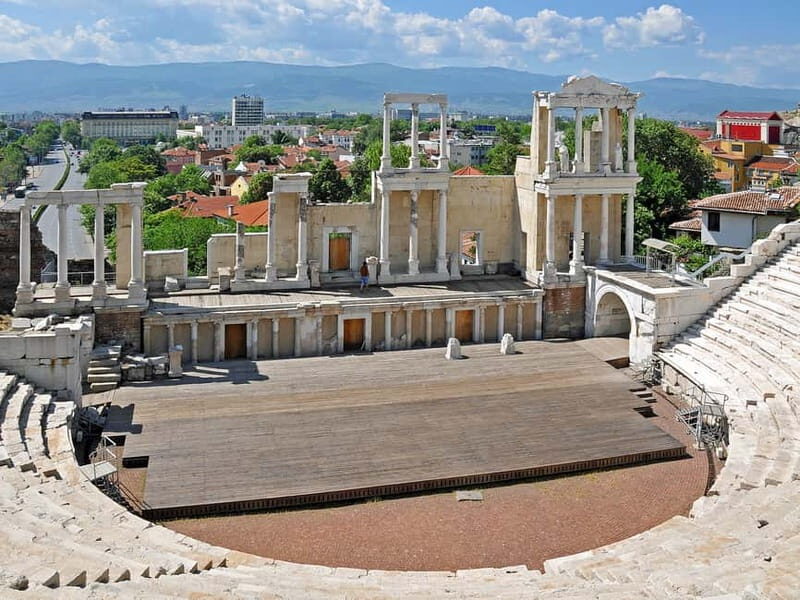
This is the default Plovdiv day trip and the one I’d send most people on. It’s a proper guided coach tour for the price of a hostel bed. The morning includes two photo stops on the road (Trayanovi Vrata pass, sometimes a roadside Thracian site), then four to five hours in Plovdiv with a walking tour of the Old Town and Roman amphitheatre, plus free time for lunch and Kapana. Our full review covers the small-group format and which guides are best.
The honest caveat: at this price you’re sharing the bus with a mixed crowd. If a couple of people show up late from lunch, the whole group waits, and you lose Kapana time on the return. Set your phone alarm fifteen minutes before any meeting time.
Check Availability
Read our full review
2. Plovdiv and Asen’s Fortress Full-Day Tour: $45
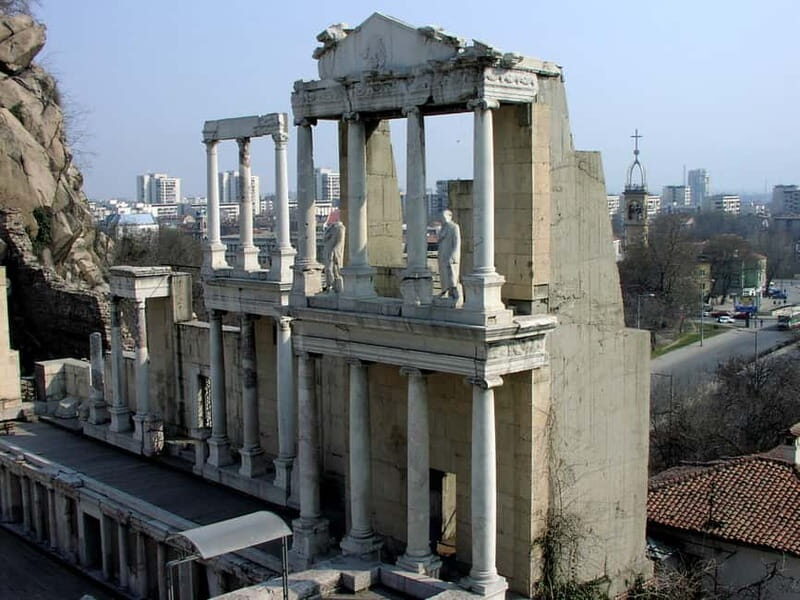
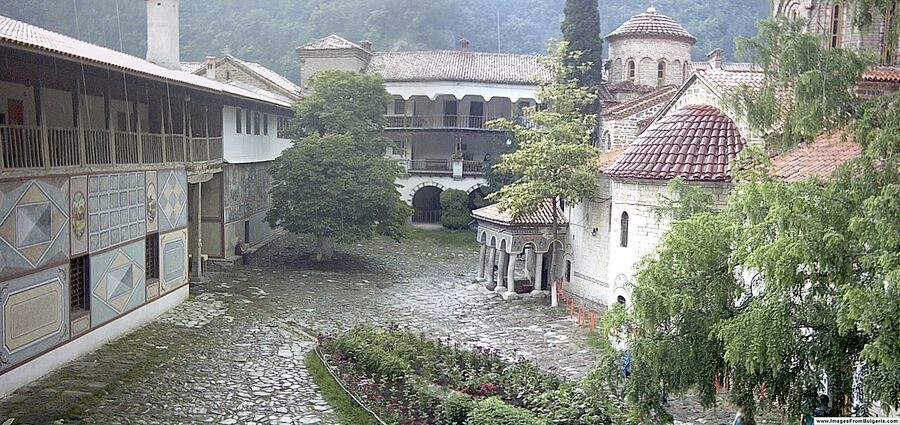
Twice the price of the standard tour, and worth it if you actually like ruins and monasteries. The Plovdiv portion is shorter (around three hours), but you add Asen’s Fortress (a 12th-century clifftop church) and usually Bachkovo Monastery, the second-largest in Bulgaria after Rila. We compare the two formats in our detailed review.
Skip this one if you’re a casual traveller who’ll find a third stone church redundant. Book it if you’ve already done Rila Monastery and want to see how a smaller clifftop church compares (smaller, more dramatic, fewer crowds).
Check Availability
Read our full review
3. Plovdiv and Koprivshtitsa 11-Hour Day Tour: $80
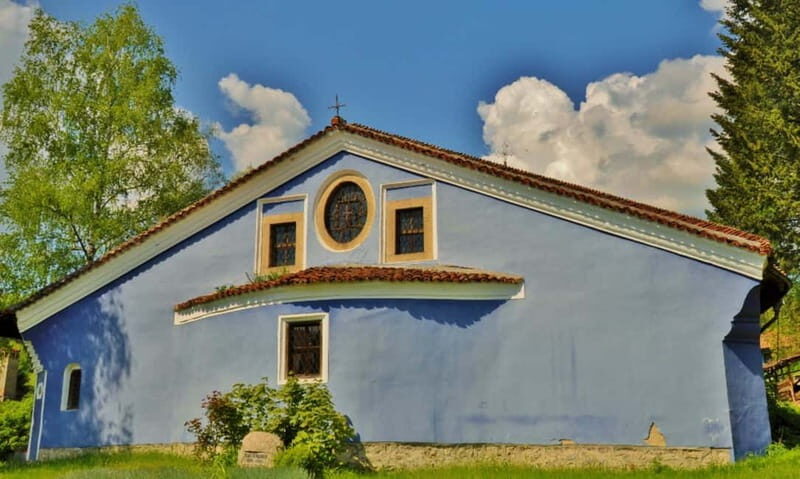
The eleven-hour tour is the heaviest day-trip option from Sofia, but the only way to see two of Bulgaria’s most loved towns in a single trip. Koprivshtitsa is a Revival-era museum village (no traffic in the centre, painted timber houses, crystal mountain air at 1,060 m altitude). The depth of its place in Bulgarian national identity is hard to overstate, and our tour review goes into the history.
The trade-off is real fatigue. You leave Sofia at 7:30am and don’t return until after 6pm. If you’re already road-weary from a multi-country Balkans trip, do the standard Plovdiv tour instead and save Koprivshtitsa for a different day.
Check Availability
Read our full review
The Roman Amphitheatre
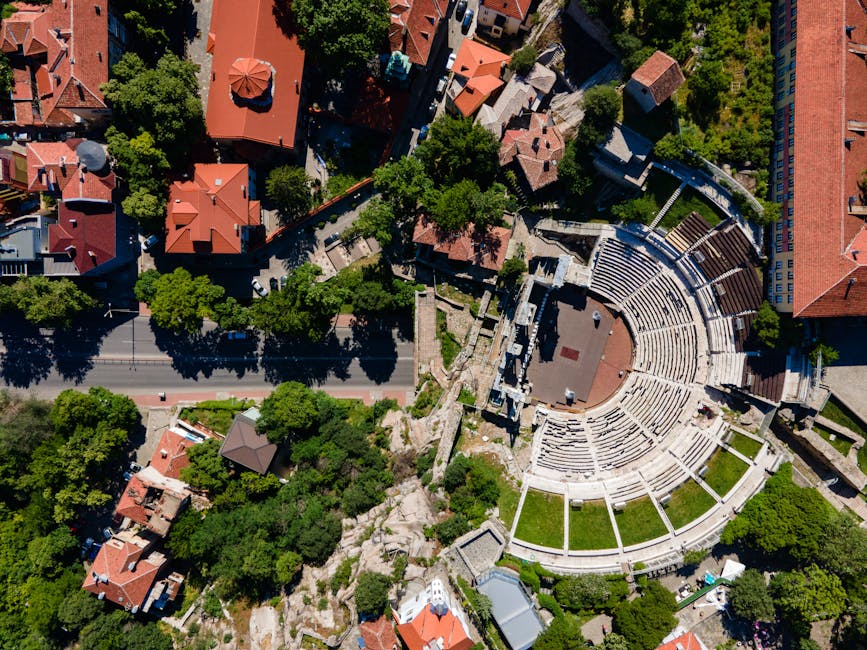
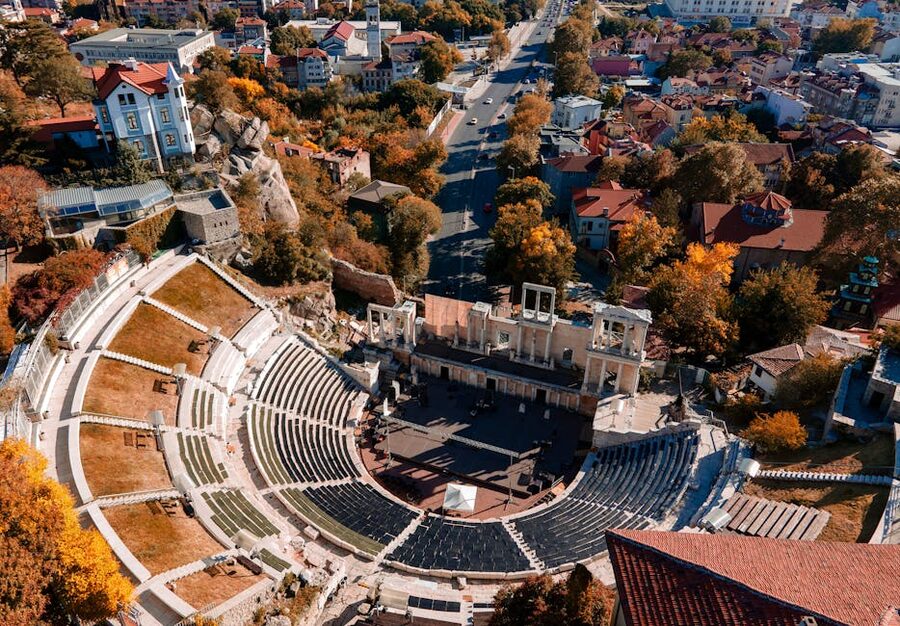
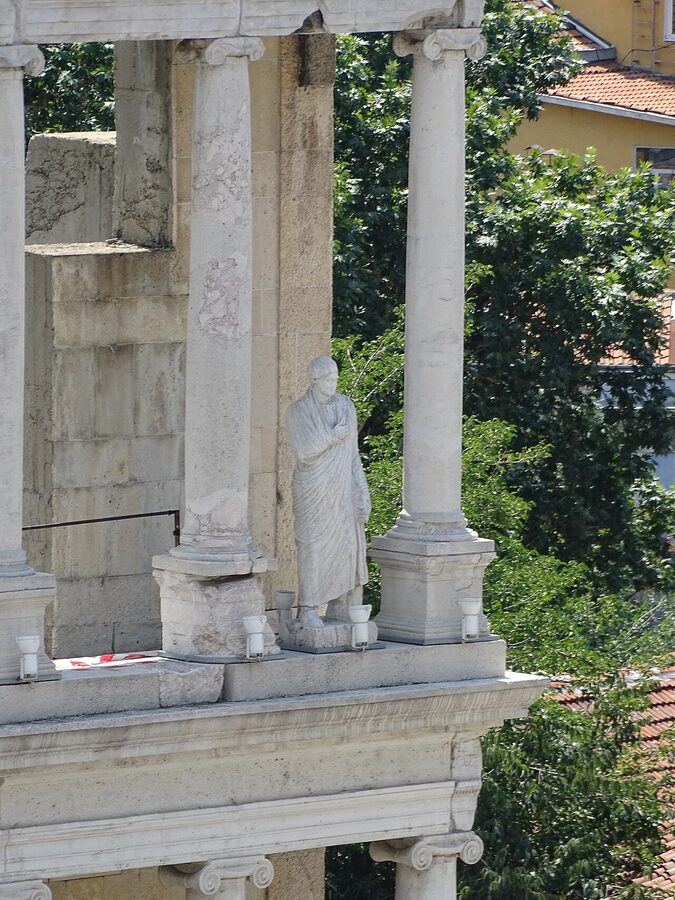
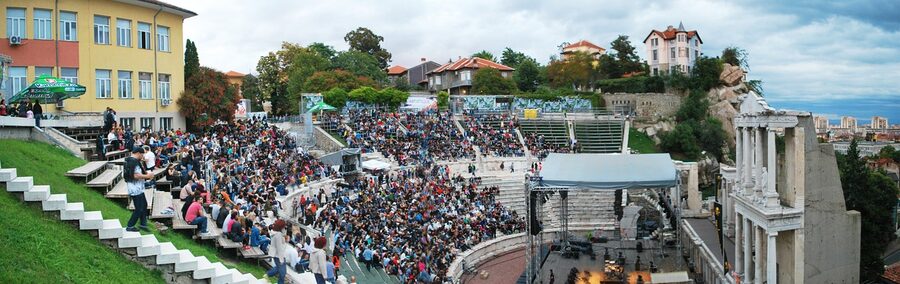
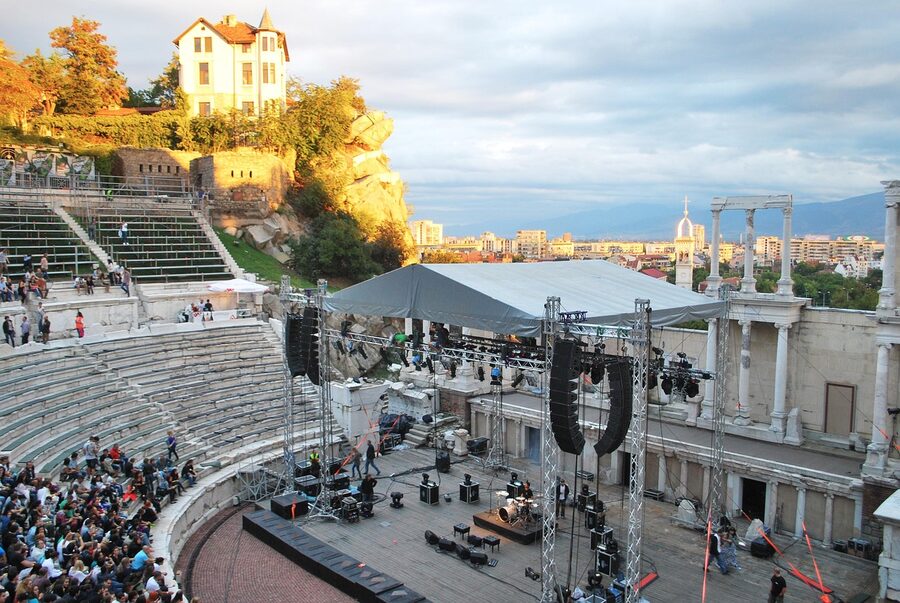
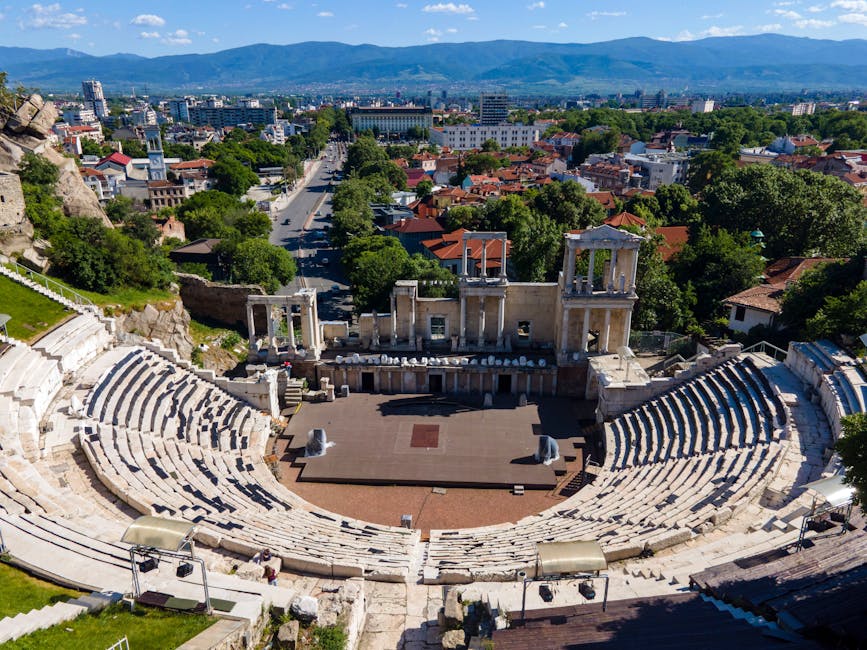
This is the headline. A Roman theatre built in the 90s AD under Trajan or Domitian, then forgotten for fifteen centuries because it was buried under a landslide, then accidentally rediscovered by a 1972 Bulgarian construction crew building a tunnel. They saved it. It’s now restored, partially reconstructed, and still hosting concerts and Verdi operas every summer. Roughly 5,000 seats.
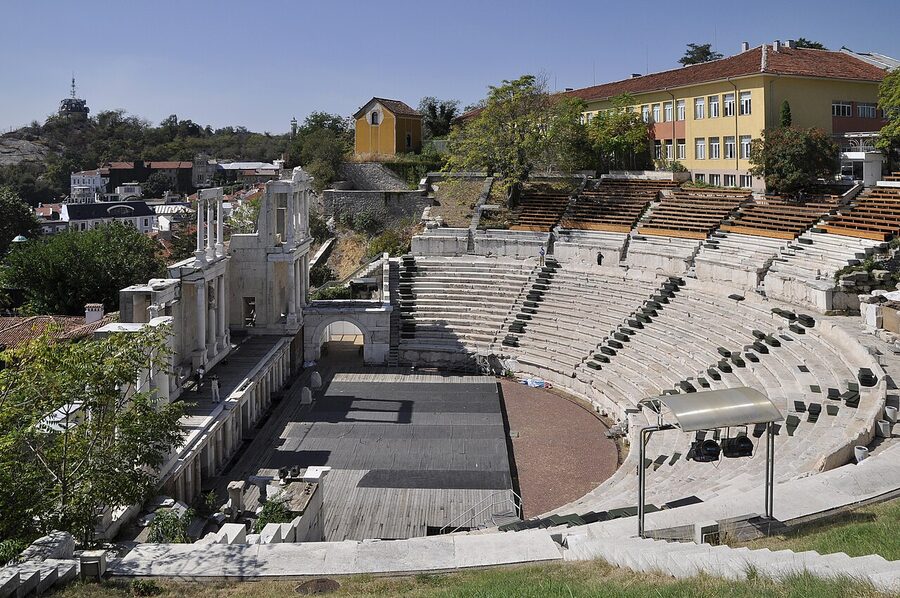

Entry is 5 BGN (about €2.50) on the standard ticket if your tour doesn’t include it. Most tours do include it. Worth checking the tour description before booking. The thing nobody tells you: there’s a footbridge above the theatre that gives you the best aerial photo, and tour groups almost always skip it. If you have ten minutes of free time at the end, walk up to it.

The Old Town isn’t medieval, it’s Bulgarian Revival
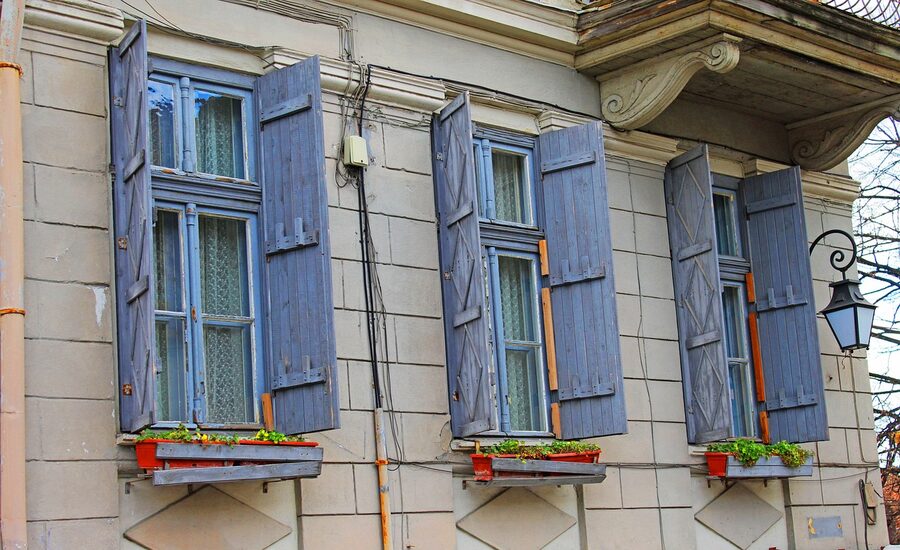
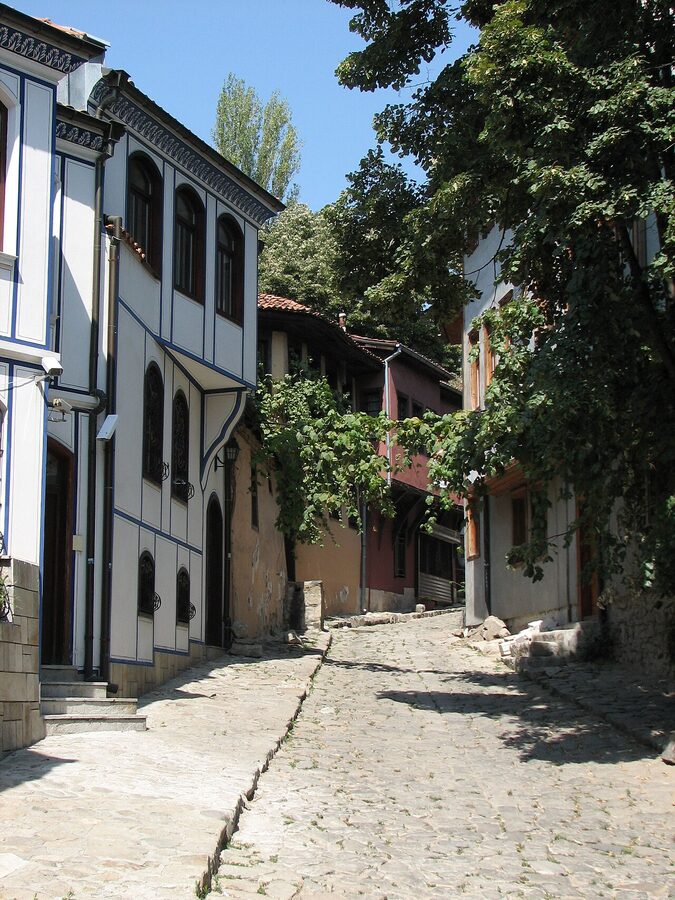
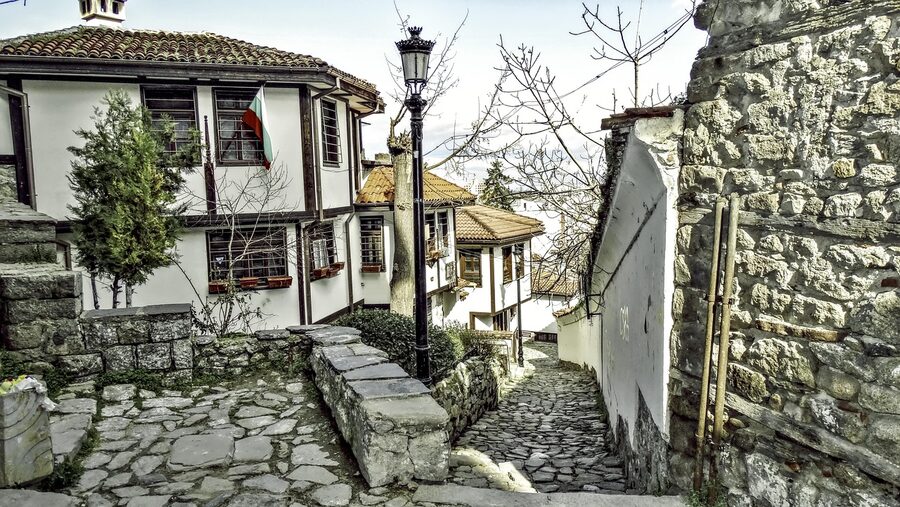
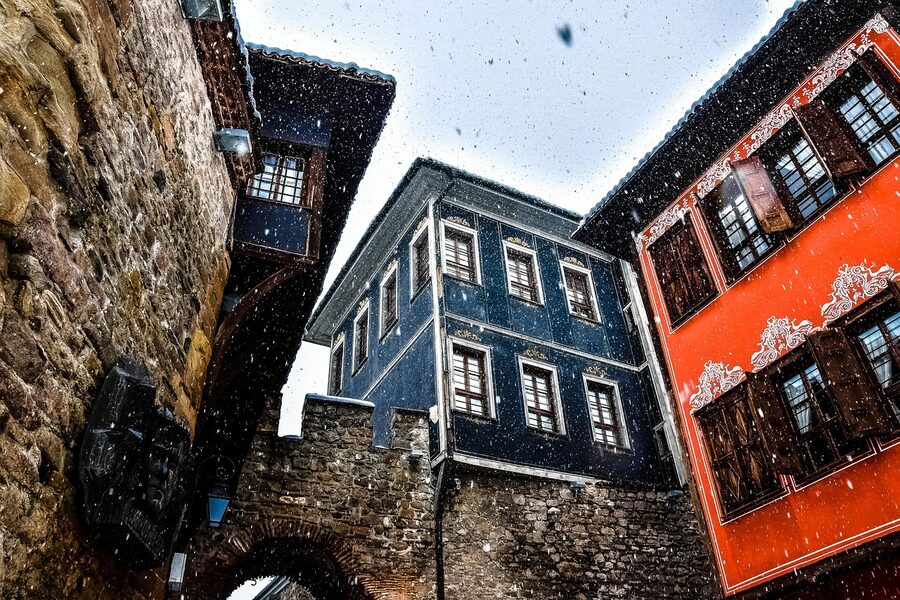
Most travellers expect cobbled medieval lanes and find something completely different. Plovdiv’s Old Town is a 19th-century National Revival quarter (1762-1878), the period when wealthy Bulgarian merchants started building dramatic timber-and-plaster mansions on top of the older Roman and medieval foundations. The houses lean over the cobblestones, painted in pinks, yellows, blues, and greens, with overhanging upper floors that nearly touch across narrow lanes.
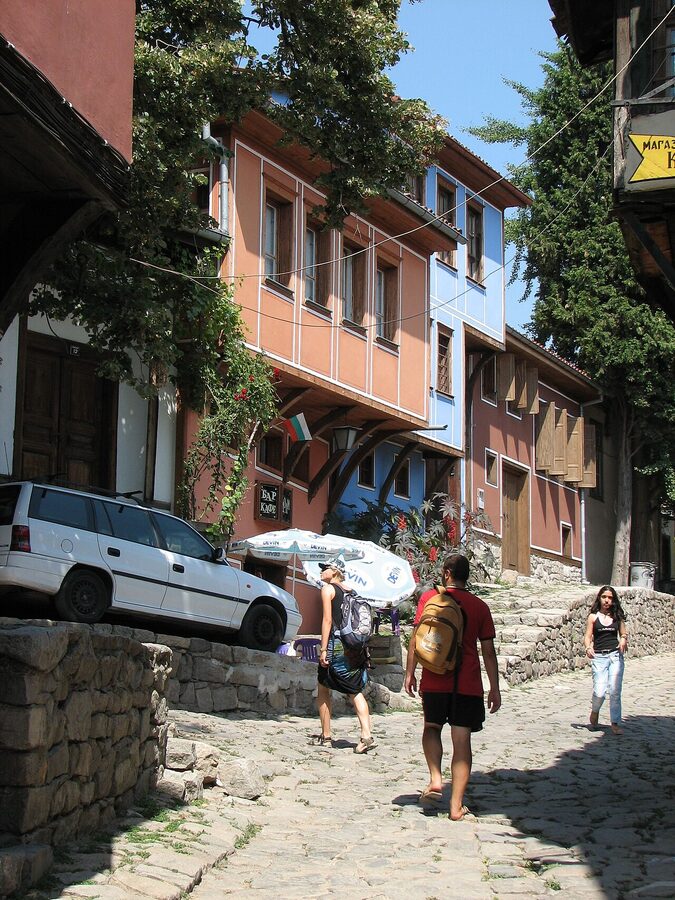

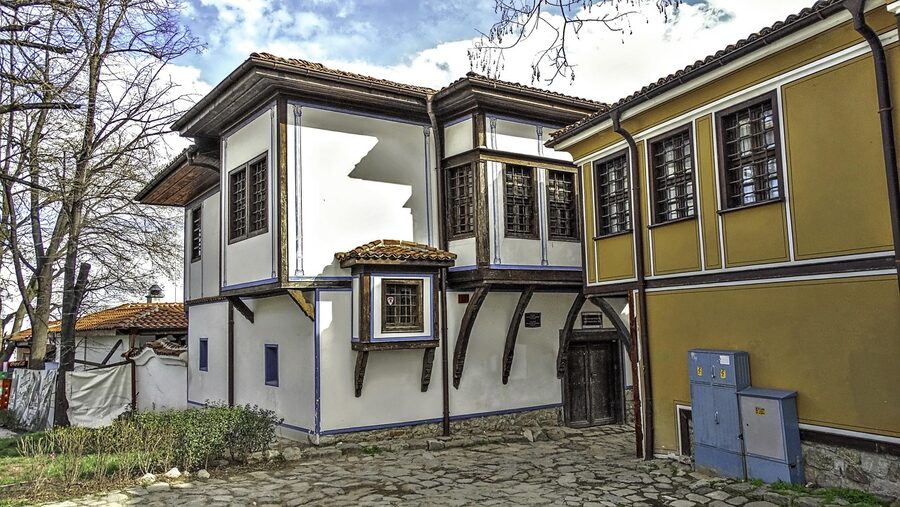
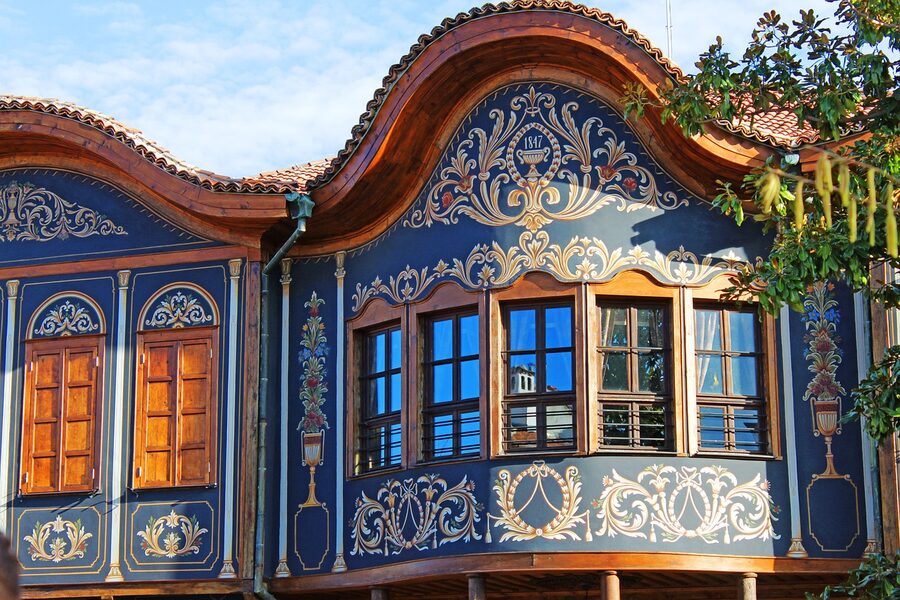
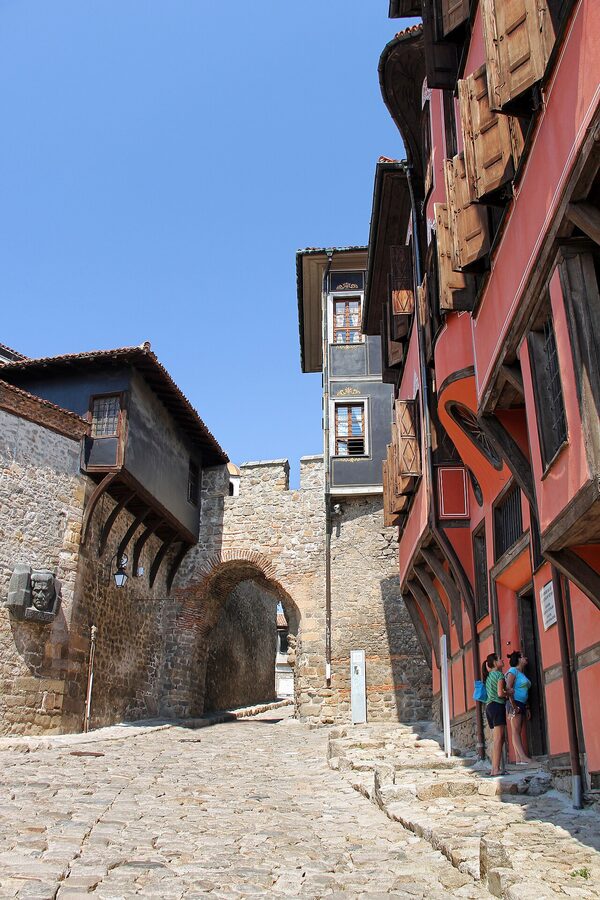
.jpg)
Hisar Kapia and the medieval gate
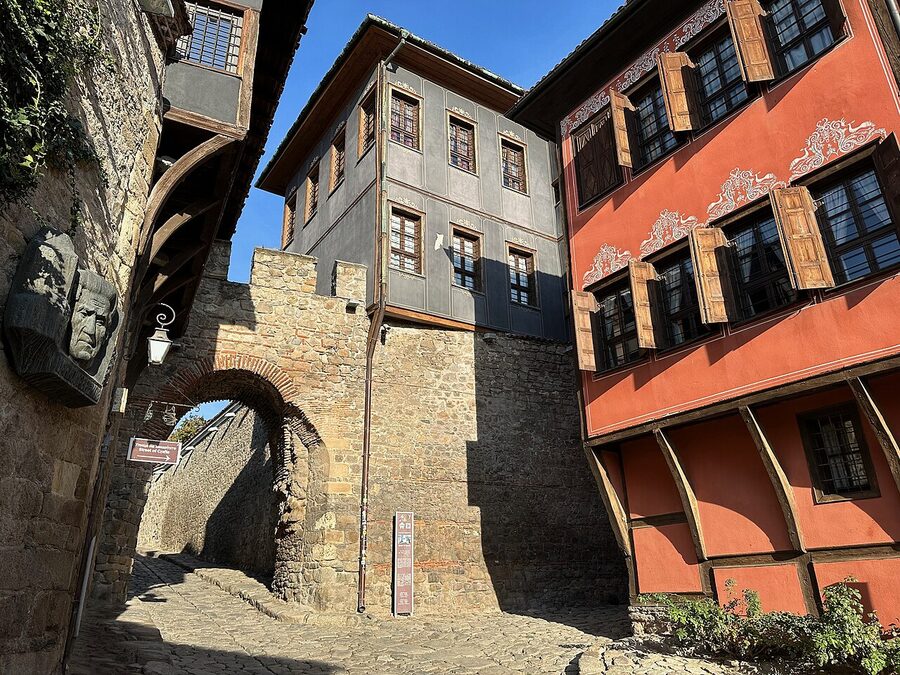
One section of the Old Town does predate the Revival period. Hisar Kapia is a stone gate from the Byzantine era (built 11th-13th centuries on Roman foundations), set into a section of preserved fortification wall. Most walking tours pass through it but don’t dwell. Walk through, then turn around and look up. The frame is the perfect Old Town photograph.

Kapana, the creative quarter you almost miss
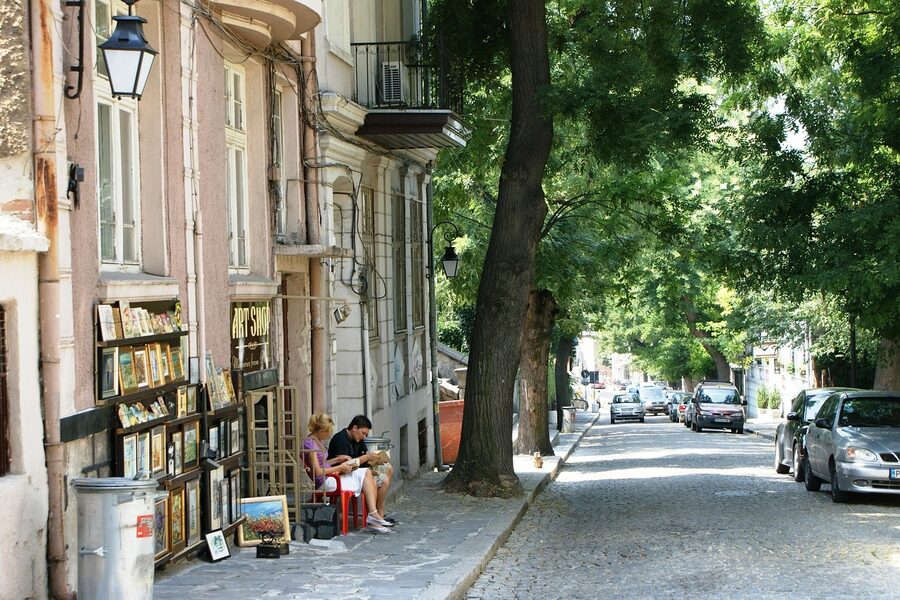
Kapana means “the trap” in Bulgarian, supposedly because the alleys are so tangled that medieval visitors got lost in them. It’s now Plovdiv’s coffee-and-bar district. Painted murals on every other wall, indie cafes, vinyl shops, ceramic studios, and a Friday-night street-art scene that genuinely competes with anything in Sofia.
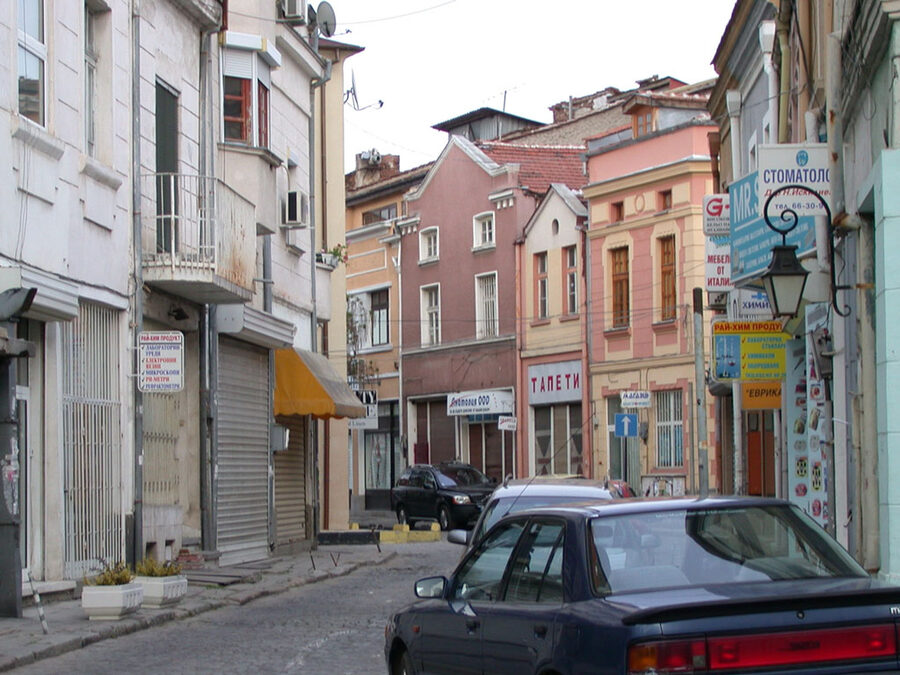
Most day tours give you 60-90 minutes of free time after the official walking tour ends. Spend it here, not in another museum. Two recommendations: Pavaj for craft beer (Bulgaria’s craft scene is small but real), and Monkey House if you want strong specialty coffee that costs less than a London Pret. Both are in the heart of Kapana, two minutes apart.
How a typical tour day actually unfolds
Pickup is usually around 8am from a central Sofia point (often the National Theatre or Eagles Bridge area). The minibus seats 8-15 depending on operator. Drive south on the A1 motorway, past the Vakarel hills and through the Trayanovi Vrata pass, where most operators stop for ten minutes of photos. Arrive Plovdiv around 9:30-10am.
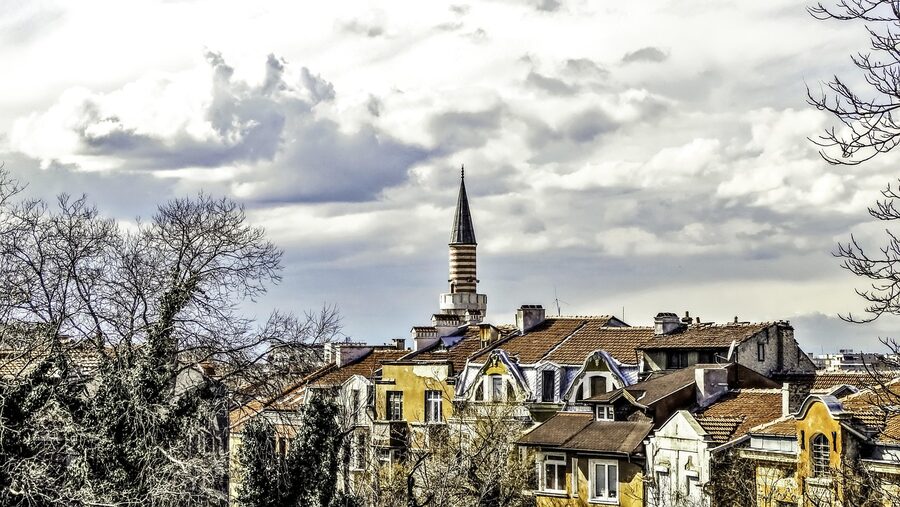
The walking tour starts at the Roman amphitheatre, drops down through Hisar Kapia into the Old Town, swings past two or three revival mansions (one or two of which you can enter), then ends near the Roman stadium ruins on the main pedestrian street. That whole loop takes about two and a half hours. Free time follows: lunch in Kapana, free wandering, optional museum visit.
Pickup back at the bus is usually around 4pm, with the return drive getting you to Sofia by 5:30 or 6pm. The standard tour runs 8.5 to 11 hours total. The Asen’s Fortress version adds an hour. The Koprivshtitsa version adds two and a half.
Asen’s Fortress, if you take the longer tour
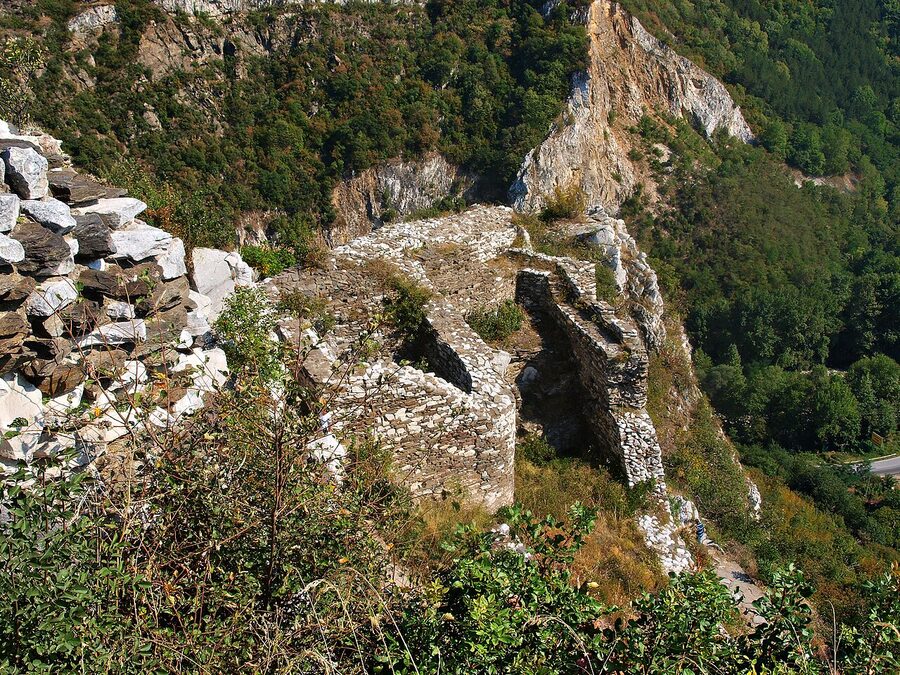
Worth a paragraph because most travellers haven’t heard of it. Asen’s Fortress is a small medieval Bulgarian fortress 30 km south of Plovdiv, with a 12th-century church (the Church of the Holy Mother of God) hanging off a 280m clifftop above the Asenitsa River. You can climb up to it in about ten minutes from the parking lot. The view is spectacular and the church interior has fragments of original frescoes from the 1300s. Combined visits with Bachkovo Monastery (just down the road) typically last 2.5-3 hours.


If you take the Koprivshtitsa option
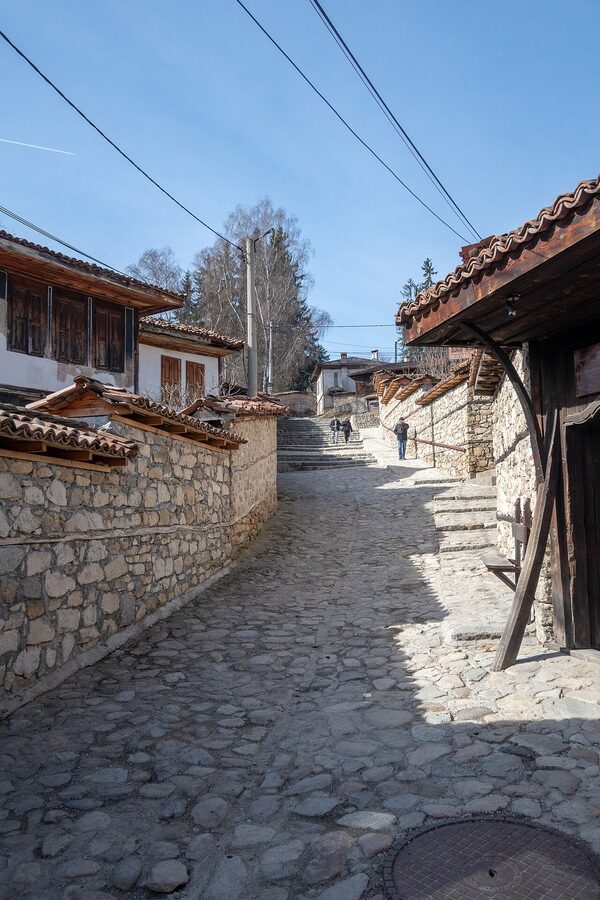
Koprivshtitsa is a different beast. A village of about 2,000 people in the Sredna Gora mountains at 1,060m altitude, basically frozen at the moment of the 1876 April Uprising against the Ottomans. Most of the central streets are pedestrian-only with a 19th-century atmosphere preserved through strict architectural codes (you literally cannot build a new house there in any modern style). Six historic house museums, all walkable in an afternoon.

The downside of the two-town tour is you only get about two hours in each town. That’s enough for the headline sights, not enough for a proper unhurried lunch in either. If you’d rather pick one and do it properly, do the standard Plovdiv day tour and save Koprivshtitsa for a separate trip.
Practical bits nobody tells you
Cash. Plovdiv’s Old Town has fewer ATMs than you’d expect. The big bank branches are all in the modern centre. Pull out leva from a Sofia ATM before you leave. Most cafes take cards, but the small museums and the entrance to the Roman amphitheatre often only accept cash.
Time of day. Plovdiv heats up brutally in July and August. The Old Town stones radiate heat and there’s no shade for long stretches. If you can pick a tour that arrives early (around 9:30) instead of late (11am-ish), you’ll get the cooler hours for the climb. The Asen’s Fortress tour does this naturally because it has more ground to cover.
Off-season. Plovdiv in winter is genuinely lovely (light snow on the red roofs, no crowds, half the museums still open) but most of the open-air attractions close at 4pm. The Roman amphitheatre is open year-round; Nebet Tepe is technically open but slippery and not worth the climb in ice. If you go between November and March, prioritise the indoor revival houses and skip the hilltop walk.
Food. Bulgarian food in Plovdiv is genuinely better than Sofia at the same price point. Three things to look for on menus: Shopska salad (the cucumber-tomato-feta classic, but ask for the local Plovdiv variant which adds roasted red pepper), banitsa (filo cheese pastry, breakfast usually but available all day), and kavarma (slow-cooked pork stew in a clay pot). A lunch of all three plus a glass of mavrud wine should run around 25-35 BGN total.
Plovdiv on your own vs with a tour
Independent travel is doable. Trains run roughly every 90 minutes from Sofia Central Station to Plovdiv, take about 2.5 hours, and cost around 12-15 BGN one way. Buses are slightly faster (1.5-2 hours) and similarly priced. The downsides: you lose the guided context (and Plovdiv genuinely benefits from a guide explaining the layered history), you lose time on transfers and ticket-buying, and you have to navigate the Bulgarian-language station signage.
For a single-day visit from Sofia, the math favours the tour. $23 for the basic version is less than two return train tickets, and you get a guide and a minibus drop directly at the Old Town walking start. Go independent only if you’re staying overnight in Plovdiv (which is a great call, and a different article) or if your Bulgarian is good enough to handle the trains.
Other Bulgaria day trips and what to do next
If Plovdiv is part of a longer Sofia stay, you’ll want at least one more day trip on the calendar. The two unmissable options are the Rila Monastery and Boyana Church day trip (UNESCO frescoes, mountain monastery, completely different atmosphere from Plovdiv) and the Seven Rila Lakes hiking tour if you’ve got summer dates and reasonable fitness. For a contrast back in Sofia itself, the Sofia Communist Walking Tour covers the city’s Cold War layer in a way that Plovdiv doesn’t really show. Travellers chaining together second-city day trips around Europe might also like Toledo from Madrid, Bath from London, Sighisoara from Brasov, or Cordoba from Seville. They share the same DNA as Plovdiv: a smaller, older city that beats the capital on character.
Affiliate disclosure: Some links above are affiliate links. If you book through them, we earn a small commission at no extra cost to you. We only recommend tours we’d send our own friends on.