
The trail crests one last lichen-blotched ridge, the wind pushes flat against your jacket, and there they are. Seven alpine lakes stacked down the cirque below, each one a different shade of blue depending on how the light hits it. You catch your breath. This is the moment everyone climbs for, and Bulgaria’s Seven Rila Lakes pay it off whether you’ve hiked five hours or just stepped off the chairlift twenty minutes ago.
The trick is getting there from Sofia in a single day. Most travellers do it on a guided tour, because public transport is unreliable for this route and the chairlift queues fill fast on weekends. Below is everything you need to pick the right tour, plus the three best operators currently running this trip.

Two-in-one: Seven Rila Lakes and Rila Monastery, $53. Long day, less time at the lakes, ticks two UNESCO sites.
Most time at the lakes: 7 Rila Lakes and Rila Monastery Extended Trip, $64. 13 hours total, gives you a full six hours at the lakes.
- Why this hike matters more than other day trips from Sofia
- The three tours actually worth booking
- 1. Seven Rila Lakes Full-Day Hiking Tour:
- 2. Seven Rila Lakes and Rila Monastery Day Tour:
- 3. 7 Rila Lakes and Rila Monastery Extended Trip:
- What the day actually looks like
- The seven lakes, in the order you’ll see them
- Dolnoto (the Lower) and Ribnoto (the Fish)
- Trilistnika (the Trefoil) and Bliznaka (the Twin)
- Babreka (the Kidney)
- Okoto (the Eye)
- Salzata (the Tear)
- How fit do you actually need to be?
- What to bring
- When to go
- Combining with Rila Monastery
- Going independently
- What you might not know about Rila
- Where to stay before or after
- What about the rest of the trip?
Why this hike matters more than other day trips from Sofia
Bulgaria has plenty of mountains. Vitosha sits right at the edge of Sofia and you can be on its slopes inside an hour. Pirin and the Rhodopes are both world-class. But if you only have one day from Sofia and you want the single most photographed view in Bulgaria, it’s the Seven Rila Lakes.
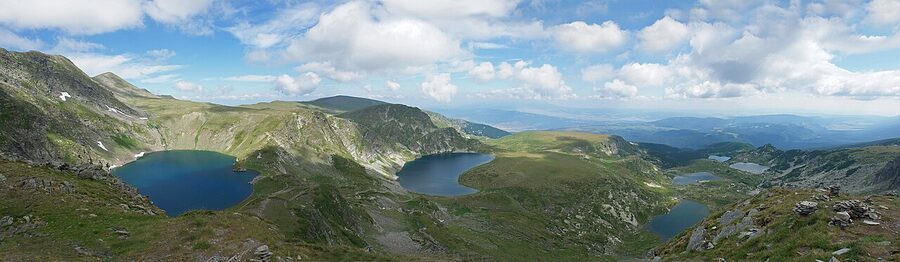
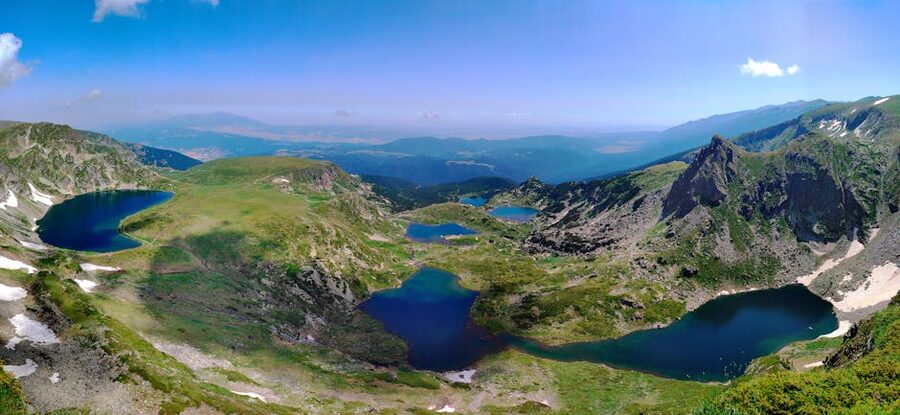
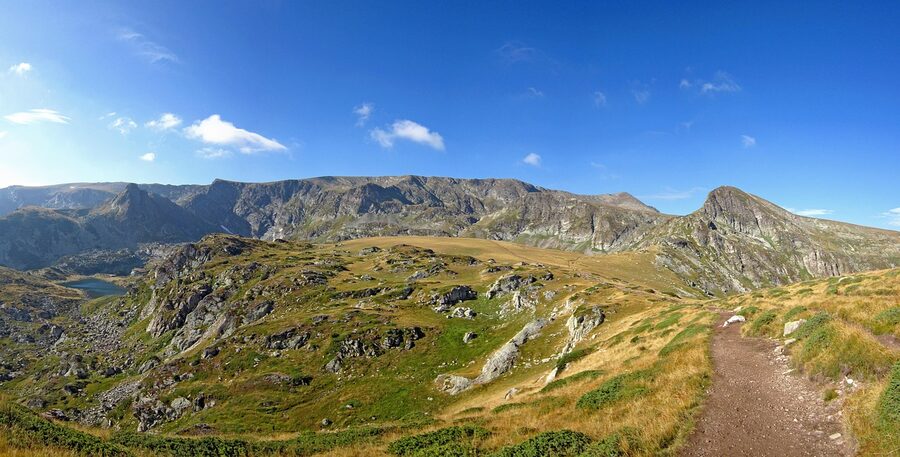
The reason is the cirque. A cirque is a glacier-carved bowl, and at the head of this one, seven small lakes are stacked vertically over about 500 metres of altitude gain. Each one has a Bulgarian poetic name. Bottom to top: Dolnoto (the Lower), Ribnoto (the Fish), Trilistnika (the Trefoil), Bliznaka (the Twin), Babreka (the Kidney), Okoto (the Eye), and Salzata (the Tear). They sit between roughly 2,100 and 2,535 metres above sea level.

You can climb to a viewpoint where you see all seven at once. That photo is the one most travellers come for, and it’s the reason the lakes draw thousands of hikers a day during the short summer season.
The three tours actually worth booking
Most Sofia operators run some version of this trip, but the differences matter. Some give you the full hike. Some bundle in Rila Monastery and squeeze the lake time. The three below cover the realistic range of how you might want to spend the day.
1. Seven Rila Lakes Full-Day Hiking Tour: $47
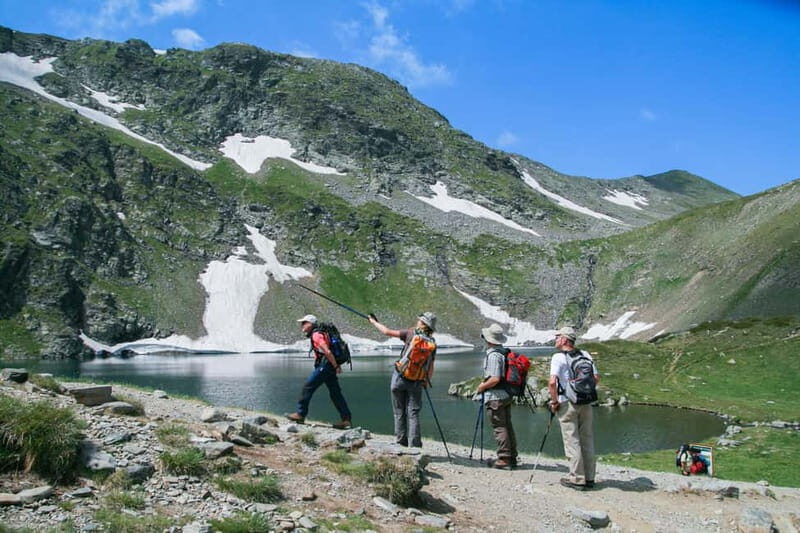
If your only goal is the hike, this is the one to book. Our full review of the Seven Rila Lakes Full-Day Hiking Tour covers the chairlift logistics and what to bring. The pace is genuine moderate hiking, the guide knows the trail variants, and you get enough time to do the full upper-lakes loop without rushing back to the chairlift.
Check Availability
Read our full review
2. Seven Rila Lakes and Rila Monastery Day Tour: $53
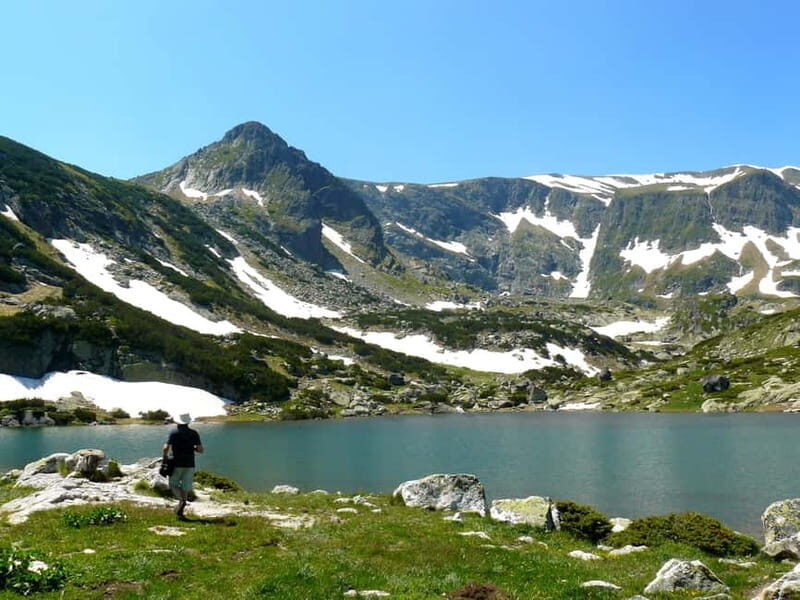
Pick this if you only have one full free day in Sofia and you want both UNESCO sites in one go. Our review of this combined tour has the full breakdown of how the time splits between the two stops. The honest catch is that the monastery visit is short (about an hour) and the lake hike gets capped at four to five hours, which usually isn’t enough to reach The Tear at the top.
Check Availability
Read our full review
3. 7 Rila Lakes and Rila Monastery Extended Trip: $64
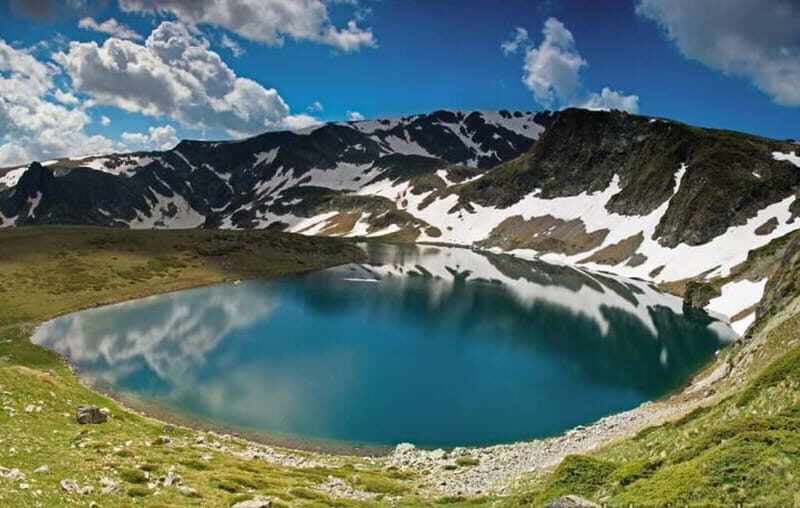
Worth the extra cost if you want both Rila highlights without compromising the hike. Our review of the extended trip goes into the day’s pacing and how the self-guided sections work. Note that this is structured as transport plus instructions, so you’re hiking on your own up at the lakes (good for confident walkers, not ideal if you’d rather follow a guide).
Check Availability
Read our full review
What the day actually looks like
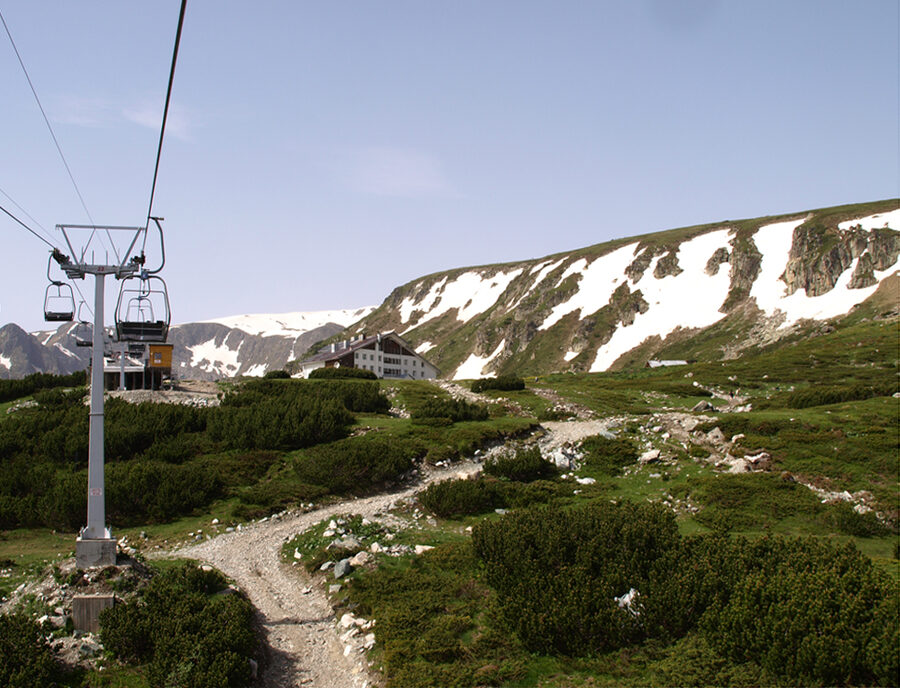

Most tours follow the same general shape. Pickup is between 5:30 and 7am from a meeting point in central Sofia, near the Alexander Nevsky Cathedral or the National Palace of Culture. The drive south takes about two hours along the A3 motorway, then a winding mountain road into the spa village of Sapareva Banya. From there you continue up to Panichishte, where the chairlift station sits at around 1,500 metres.
The chairlift ride takes around 25 minutes and drops you at roughly 2,100 metres, right next to the lowest of the seven lakes. From there it’s a 5-mile loop that climbs about 500 metres of altitude. Most people take three to five hours to complete it, depending on how often you stop for photos. The trail is well marked but rocky in places, with some steep scrambles near the top.
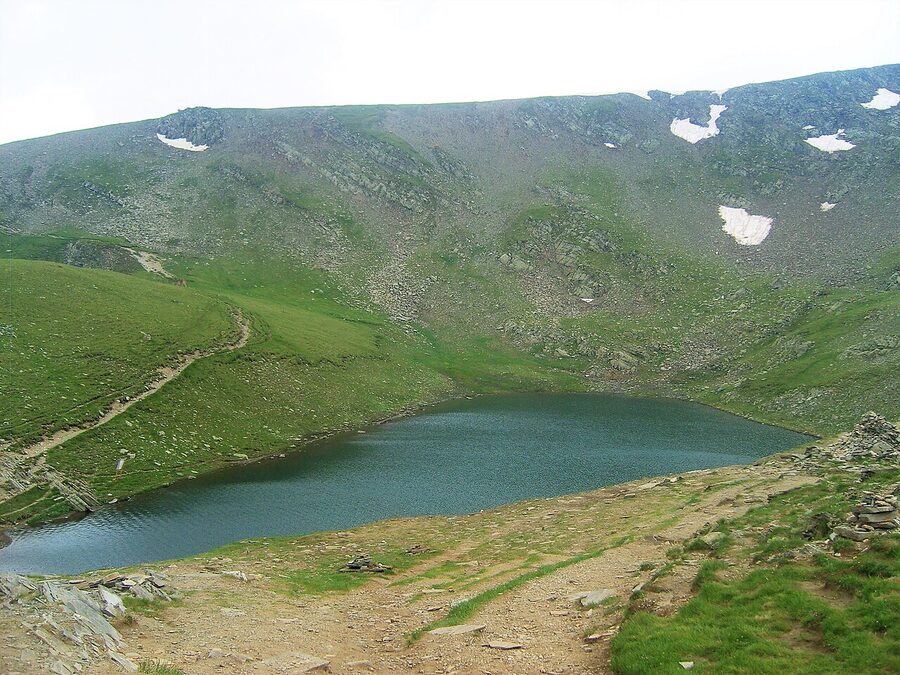

You usually have a hard cut-off time at the chairlift, normally around 4 or 5pm. Miss it and you’re walking down. Tour guides pace the group around this, which is partly why combined Rila Monastery tours often skip the top two lakes (you simply run out of clock).
The seven lakes, in the order you’ll see them
The trail starts at the bottom and works its way up. The names are descriptive, not random. Once you’ve matched a few of them to their shape from the ridge, the whole thing makes more sense.
Dolnoto (the Lower) and Ribnoto (the Fish)
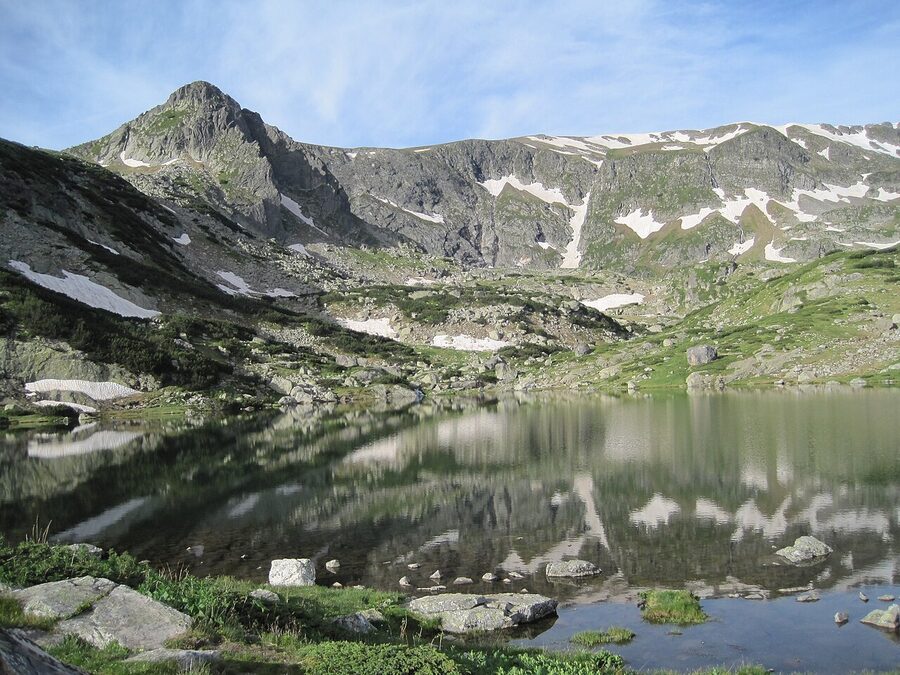

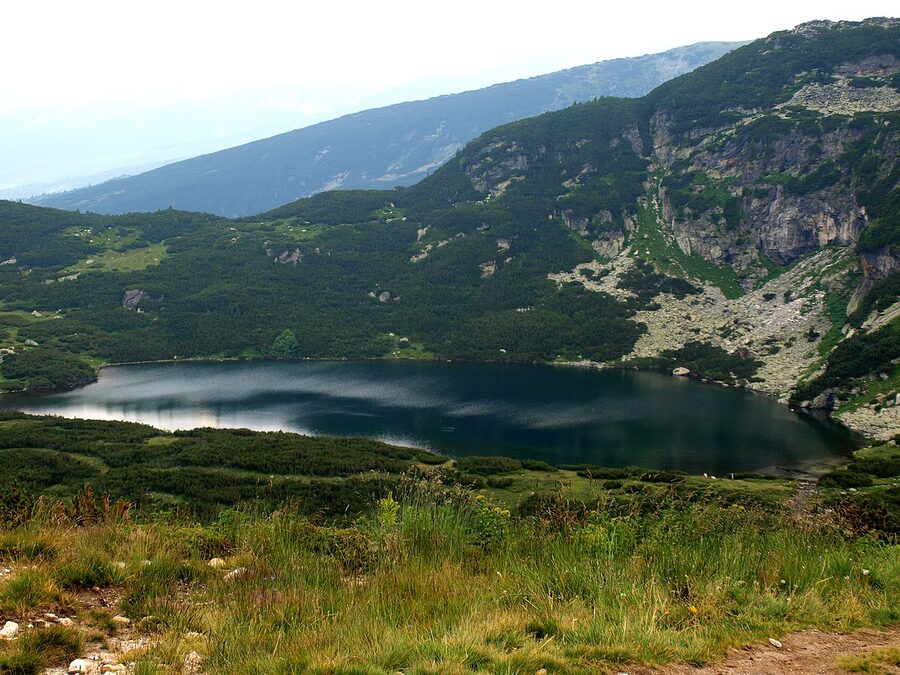
The Lower is just that, the bottom lake closest to the chairlift drop-off. You won’t spend long here. Ribnoto, just above, is the shallowest of the seven. Its colour shifts from clear turquoise to deep teal as cloud shadows pass over. Both lakes are an easy stroll from the chairlift, and on busy weekends most casual day-trippers don’t go much further than here. The trail starts climbing properly past Ribnoto.
Trilistnika (the Trefoil) and Bliznaka (the Twin)
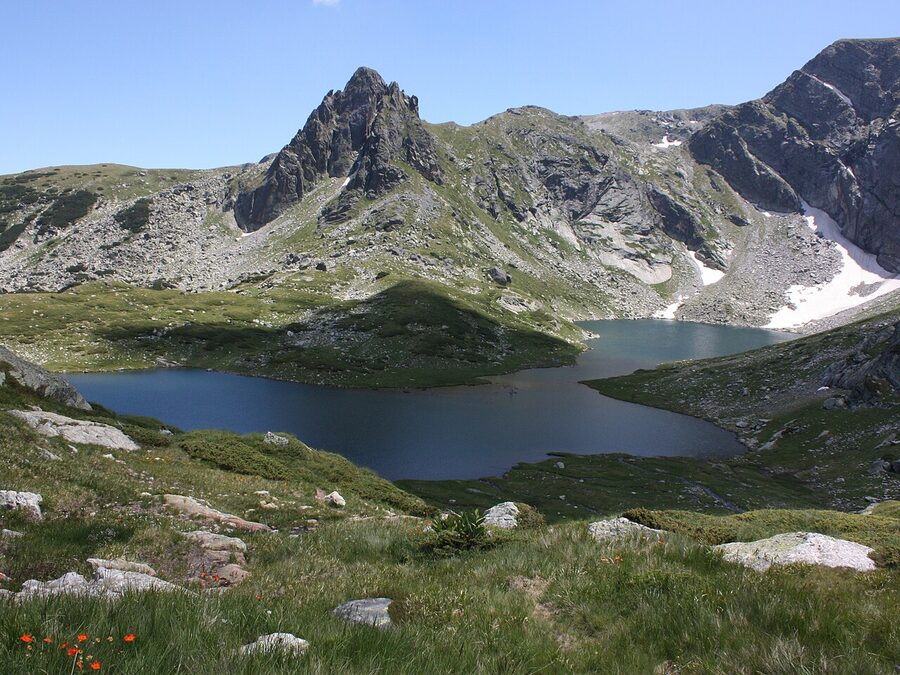

Trilistnika earned its name from a clover-shaped outline. It’s also where the trail starts to feel less like a meadow walk and more like a real mountain hike. Bliznaka, the Twin, is the biggest of the lakes, and it’s the natural lunch stop. Plenty of flat shoreline, decent shelter from the wind, and a clear view back down the valley.
Babreka (the Kidney)
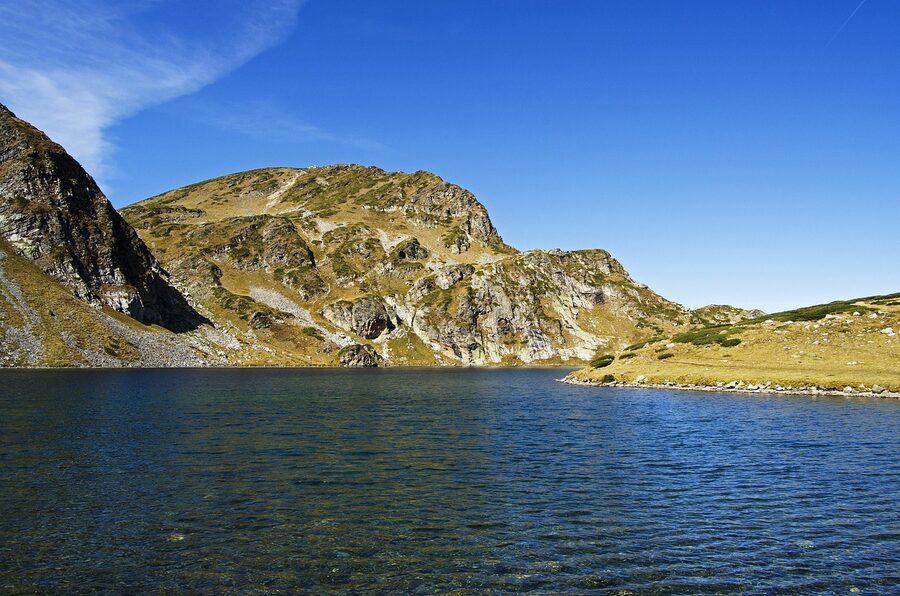
Roughly halfway up the cirque. Curved like a kidney, hence the name. Past Babreka, the trail steepens noticeably and the air thins. Anyone struggling tends to turn around here, which is fine; the view from this lake back towards Bliznaka is one of the best in the circuit.
Okoto (the Eye)
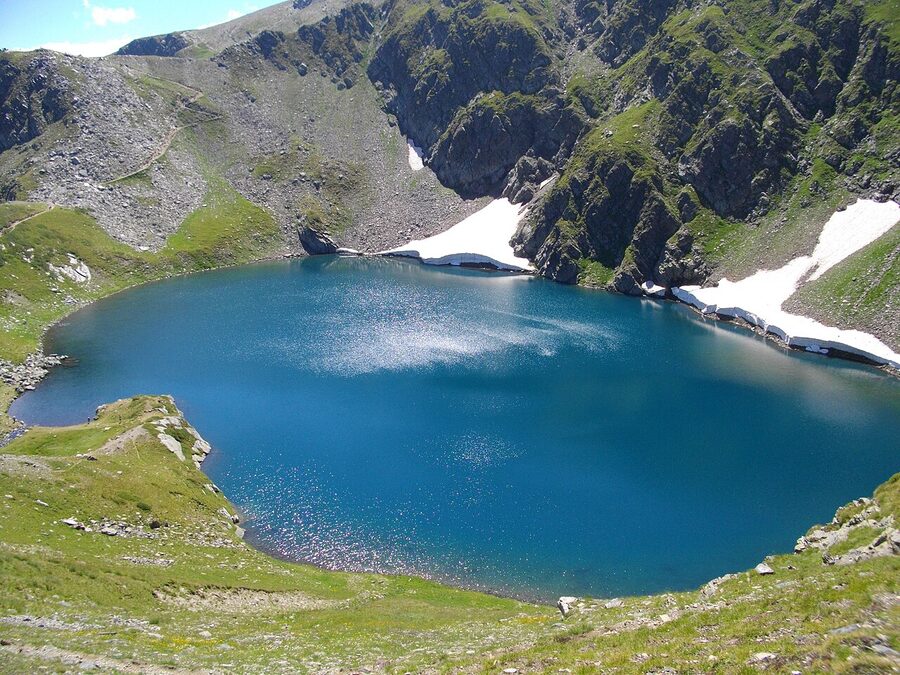
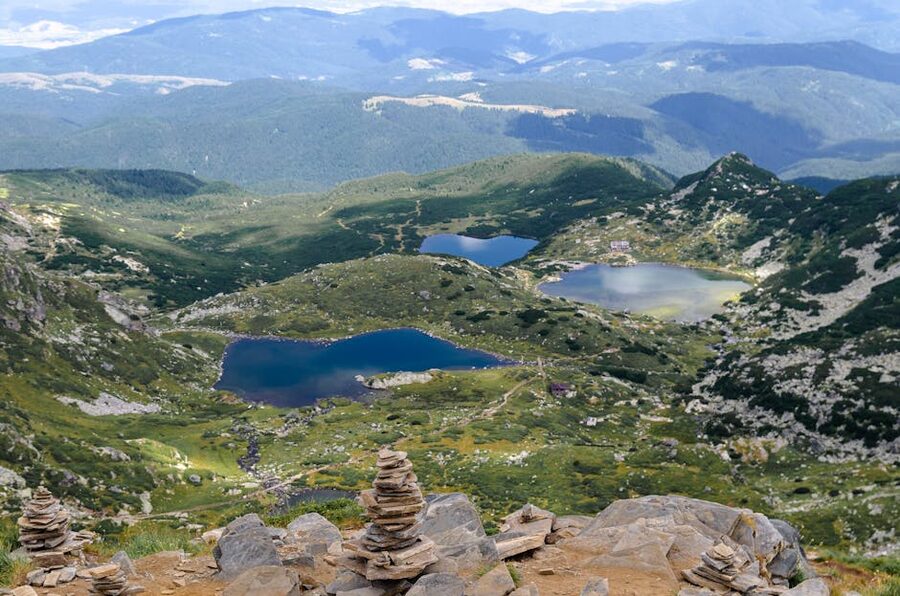
Okoto is the headline shot for many photographers because of how perfectly round it is. Don’t try to swim. The water is around 8 to 12 degrees Celsius even in August, and there’s no easy way out if you cramp.
Salzata (the Tear)
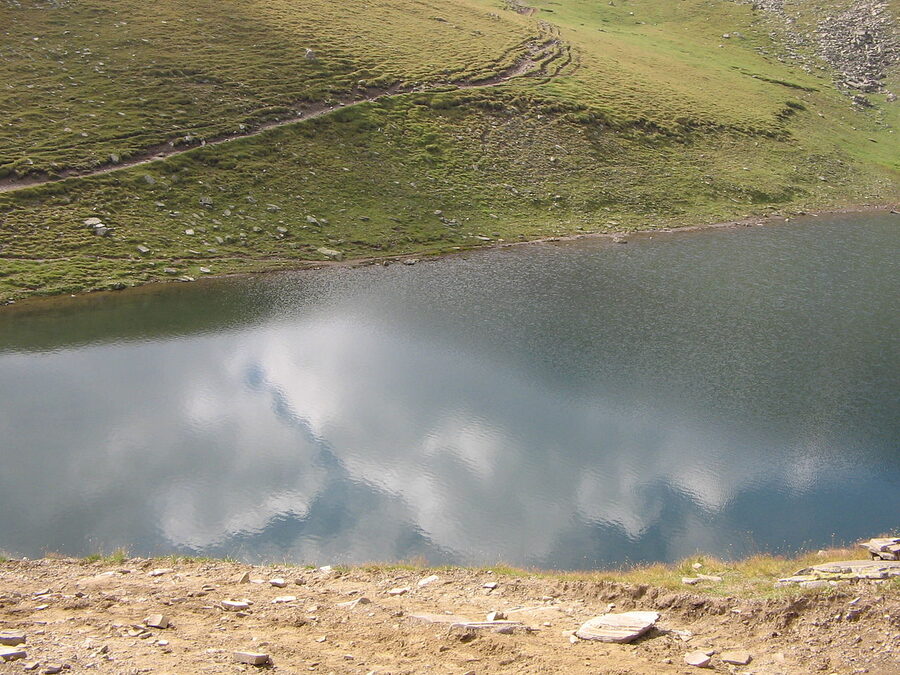

Salzata is small, but reaching it matters because the ridge just above is the only spot where you can see all seven lakes at once in a single frame. That’s the photo. Most people who push this far spend twenty or thirty minutes up here just looking.
How fit do you actually need to be?
The hike is rated moderate. You don’t need to be a regular trail runner. You do need to be comfortable walking for five or six hours with some uphill, and able to handle altitude changes. The chairlift drops you at 2,100 metres, and Salzata sits at 2,535. If you’re sensitive to altitude, expect to feel it on the climb between Babreka and Okoto.
Beginner hikers do this trail every day. Older travellers do it. Kids over about ten do it. What it’s not is a casual stroll. The footing is rocky in places, parts of the upper section have loose scree, and weather can shift fast above 2,300 metres.
If you’re seriously not sure, do the easier version: chairlift up, walk to Bliznaka, eat lunch, walk back down. That’s a comfortable two-to-three hour trip and you’ll still get a sense of why people come.
What to bring
Most operators list this as basics-only, which can be misleading because the weather is unpredictable. Pack as if you’re going up a real mountain, because you are.
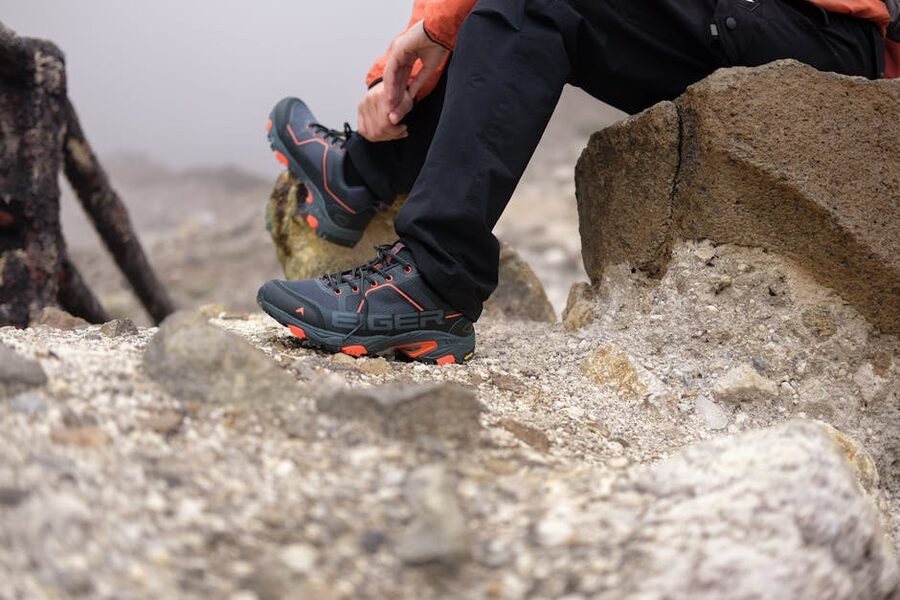
- Hiking boots with ankle support. The rocks above Babreka will eat trainers.
- Layers. A fleece and a windproof shell are non-negotiable, even in July. The temperature at Salzata can be 15 degrees colder than in Sofia, and the wind is constant.
- Two litres of water per person minimum. There’s nowhere reliable to refill on the trail.
- Sunscreen and a hat. The UV at altitude is brutal even when it feels overcast.
- Cash for the chairlift. Around €16 return. The card reader at the lower station is unreliable, especially mid-week.
- Snacks. Tour lunches are usually a sandwich at best. You’ll want chocolate or trail mix on the climb.
- A small daypack for the above. Don’t try to carry everything in a tote bag.
When to go
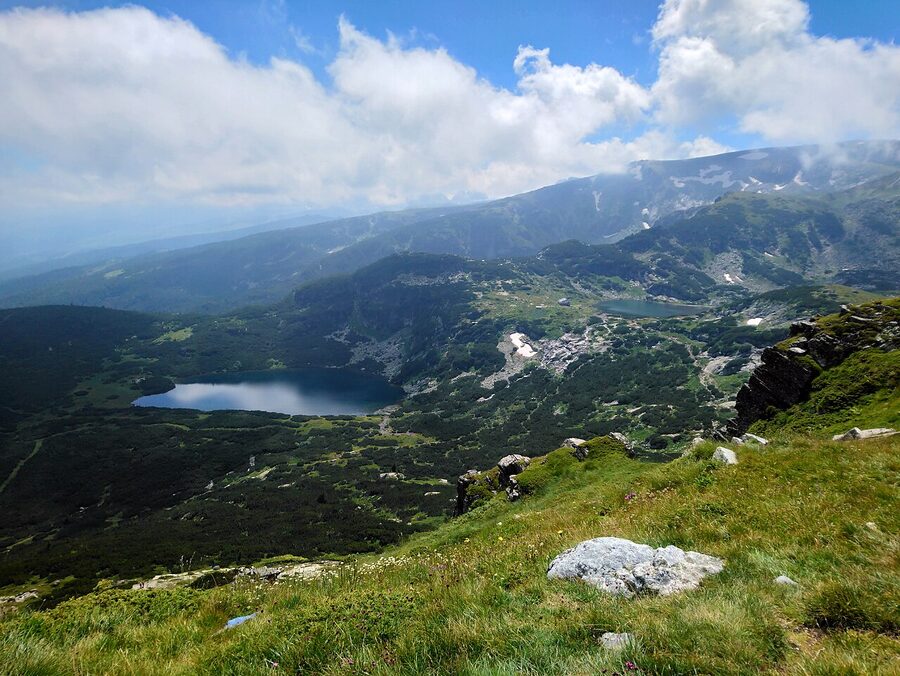

The realistic season is mid-June to mid-October, with the sweet spot being mid-July through early September. The chairlift typically runs limited days outside that window, and the upper trail can be snowed over until late June. Snow patches near Okoto and Salzata are normal even in July.
Weekends in July and August are the busiest days at the chairlift, with queues that can hit an hour at the lower station around midday. Most tours start early specifically to beat that queue. If you’re booking yourself, aim for the first chairlift of the day on a weekday.
One date to know about: 19 August. That’s when followers of Peter Dunov, a Bulgarian spiritual teacher, gather at the lakes to perform a sunrise dance ritual called paneurhythmy. Hundreds of people in white form circles around Bliznaka. It’s photogenic and harmless, but the trail is much more crowded that morning. Avoid 19 August if you want a quieter hike.
Combining with Rila Monastery

Rila Monastery is Bulgaria’s most important religious site, founded in 927 AD by the hermit Ivan of Rila and rebuilt in its current form in the 19th century. It’s also a UNESCO site, and the every-surface-painted Church of the Nativity is one of the great Orthodox interiors in the world.
If you only have one day in Sofia and you genuinely want both, take the longer extended-trip option (around 13 hours). The shorter combined tours cap your hiking time too tightly, and you’ll come away from the lakes feeling rushed.
If you have two days, go the other way. Do the lakes hike on day one with a lakes-only tour, and book the Rila Monastery and Boyana Church day trip on day two. Each gets the full attention it deserves, and Boyana Church alone is worth the slot (the 1259 frescoes are an art-history landmark in their own right).
Going independently
You can do this trip without a tour, but the logistics are awkward enough that most people don’t bother. Driving is the cleanest non-tour option: rent a car in Sofia, drive the two hours to Panichiste, park at the chairlift, walk the trail, drive back. Total cost lands around the same as a tour once you factor petrol and parking, but you set your own pace and don’t have to coordinate with a group.
Public transport is technically possible but punishing. Buses from Sofia’s Serdika terminal go to Dupnitsa or Sapareva Banya, but onward connections to Panichiste are inconsistent. Plan on a taxi for the last leg and budget around €25 each way for that. Working it backwards on a tight chairlift schedule turns into a mild ordeal.
What you might not know about Rila
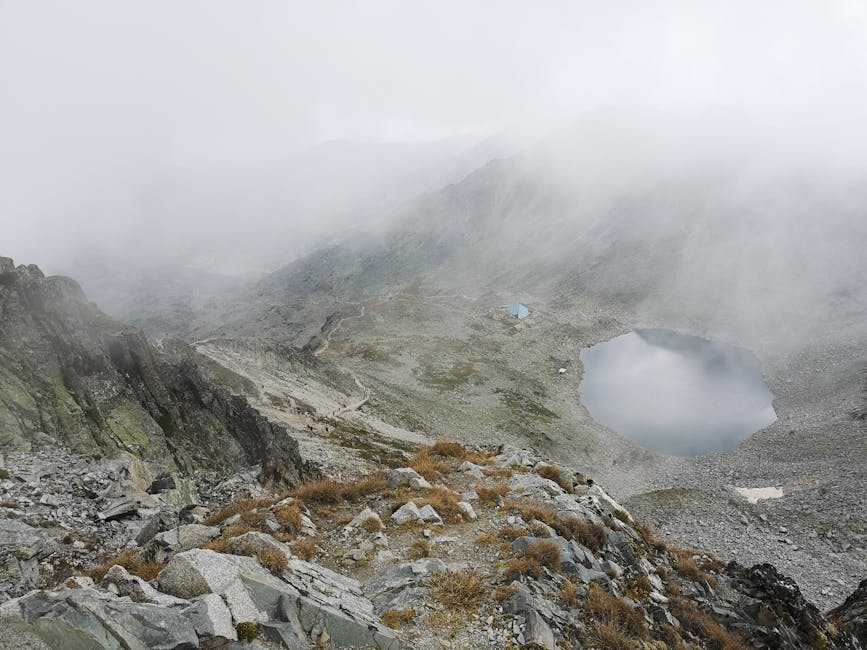
The lakes are part of the Rila massif, the highest mountain range in the Balkans. Mount Musala, just to the north, is the tallest peak in southeastern Europe at 2,925 metres. The whole massif was carved by glaciers during the last Ice Age, which is what created the cirque shape and the lakes themselves; they’re glacial tarns, fed by snowmelt and a few small springs.
The water in each lake is at least technically drinkable, though tour guides will tell you not to bother (livestock graze the lower slopes in summer). The fish lake earns its name because Ribnoto contains brown trout, introduced in the 20th century. The Tear at the top is fishless because it freezes solid in winter.
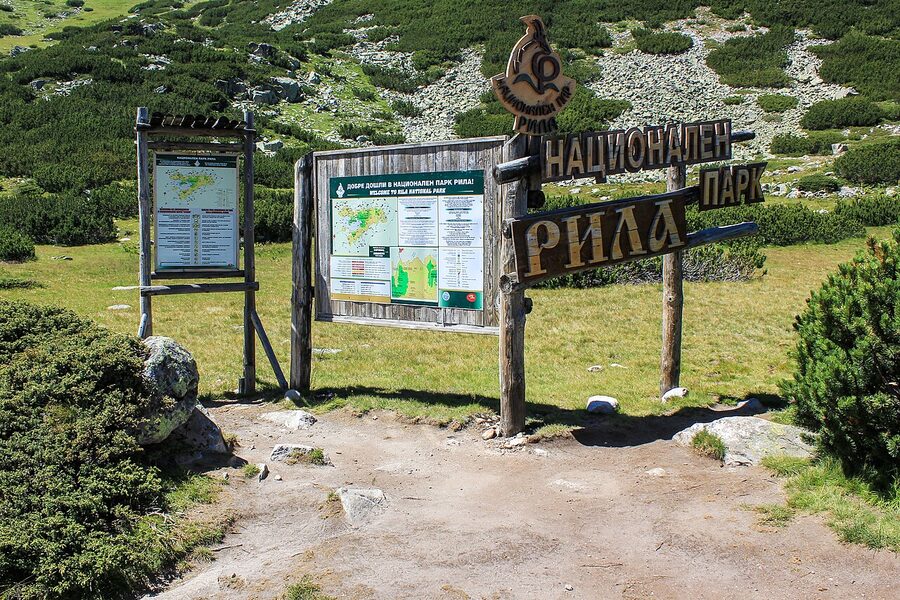
One more thing worth knowing: the entire Rila massif is a national park, established in 1992, and the lakes specifically sit inside a stricter protected reserve. Camping above the chairlift station is technically restricted, drones are banned without a permit, and any rubbish you bring in needs to come back out with you. Tour groups generally observe this more reliably than independent hikers, which is one of the better reasons to take a guided trip.
Where to stay before or after
Most people do this as a day trip from Sofia, which is the easiest setup. Sofia has plenty of hotel options at every price point, and getting back to the city the same evening means you can do something on day two without coordination headaches.
If you want to stay closer to the trail, Sapareva Banya is a small spa town about 20 km below Panichiste. It has thermal baths (the natural geyser there is one of the hottest in Europe at 103°C) and a handful of guesthouses. Staying overnight in Sapareva Banya means an earlier start at the chairlift and a guaranteed first-tour-of-the-day position. The trade-off is you’ve added a day of logistics and lost the city evening in Sofia.
What about the rest of the trip?
Most travellers building a Bulgaria itinerary pair the Seven Rila Lakes hike with one or two other Sofia day trips. The natural pair is the Rila Monastery and Boyana Church day tour if you’d rather give the monastery its own day instead of squeezing both into one. For something completely different, a Communist walking tour of Sofia covers the city’s harder edges and gives you a sense of what the country looked like behind the Iron Curtain. And if you’ve still got a day to spare, the Plovdiv day trip from Sofia takes you to Bulgaria’s second city, which has a Roman amphitheatre still hosting concerts and an old town of preserved Bulgarian Revival mansions.
If your trip extends across the Balkans, the closest comparable hike is the Lake Bled day trip from Ljubljana in Slovenia, though that’s a gentler outing focused on a single lake. Adventure seekers who liked Rila tend to also book Soča rafting in Bovec, which gives you another high-alpine day in Slovenia. Further afield, the Abisko aurora chase in Swedish Lapland is a different kind of into-the-wilds day trip but pulls the same kind of traveller, the one who’d rather be on a mountain than in a museum.
Affiliate disclosure: Some links in this guide are affiliate links. If you book through them, we may earn a small commission at no extra cost to you. We only recommend tours we’d take ourselves.