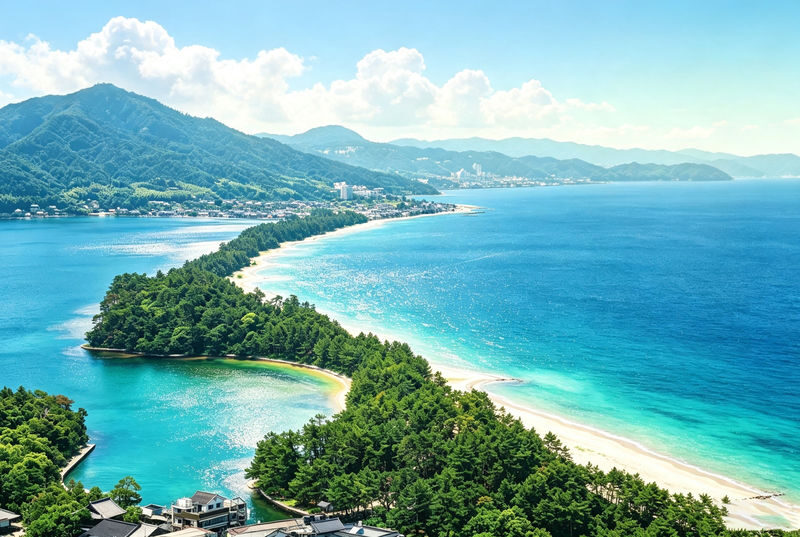
Amanohashidate is a long, pine-covered sandbar that seems to float between two bays. From above, the traditional upside-down view makes it look like a dragon rising into the sky. Pair that with Ine’s boat garages, built right at the water’s edge, and you get a memorable taste of Japan’s northern Kyoto coast in a single day.
I like this tour’s access to places that are awkward to reach without a car, and the choice of a train-focused or Miyama route gives you a way to shape the day. I also like that the main stops offer different kinds of scenery: sea views, a boat ride, and, on the Miyama option, a traditional thatched village. The trade-off is a long day with fixed stop times, so you’ll need to keep an eye on the clock.
- The day’s highlights
- A practical way to reach the northern Kyoto coast
- The Tango Railway makes the journey part of the trip
- Amanohashidate: pine trees, sea air, and a topsy-turvy view
- Ine’s boathouses are best seen from the bay
- Miyama adds a quieter, more rural stop
- What the schedule feels like in practice
- Is the .19 starting price good value?
- Who should book this day trip?
- FAQ
- How long is the tour?
- Where does the Osaka departure meet?
- Can I depart from Kyoto instead of Osaka?
- What route options are available?
- Are the cable car and Ine boat tickets included?
- Is the Tango Railway fare included?
- Are meals included?
- Is feeding the gulls included?
- What should I know about the guide?
- Is travel insurance included?
- The Best Of Miyazu!
- More 1-Day Tours in Miyazu
- More Tours in Miyazu
- More Tour Reviews in Miyazu
The day’s highlights
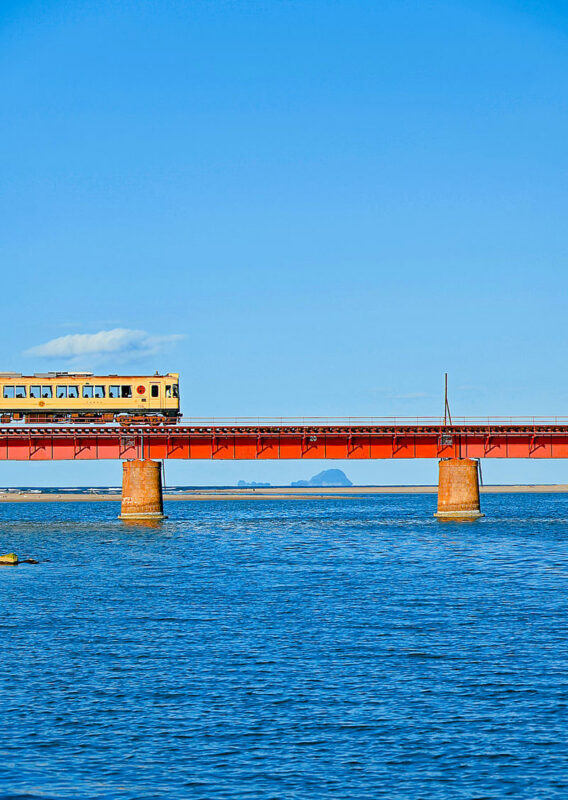
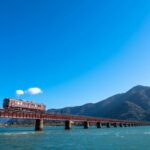
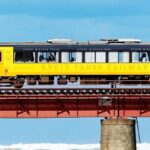
- The Tango Railway crosses the Yura River: A scenic train segment connects Nishi-Maizuru and Amanohashidate, with coastal views from the window.
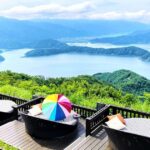
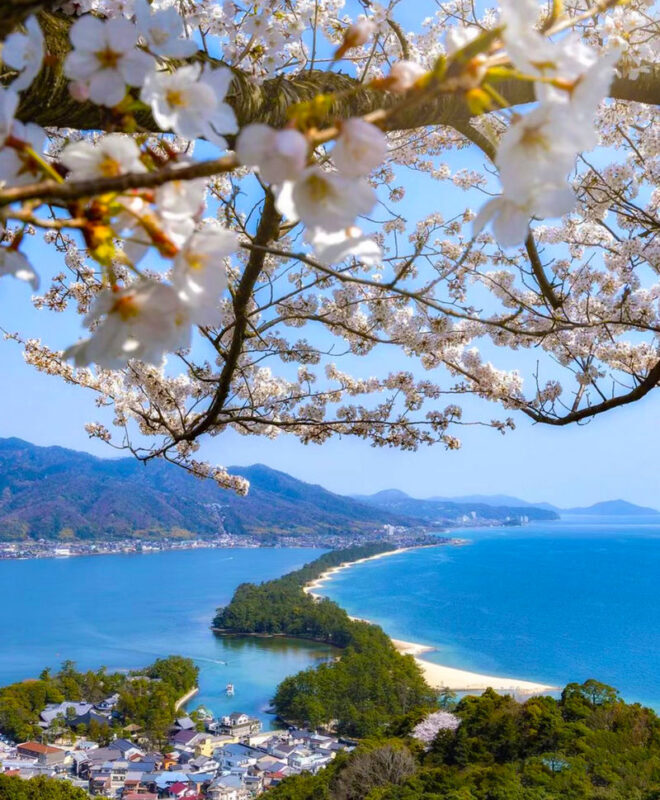
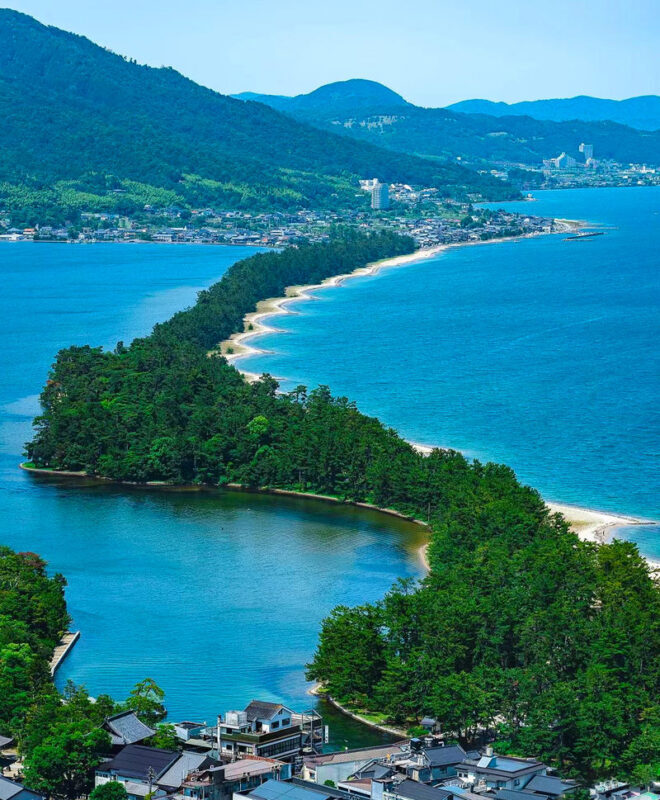
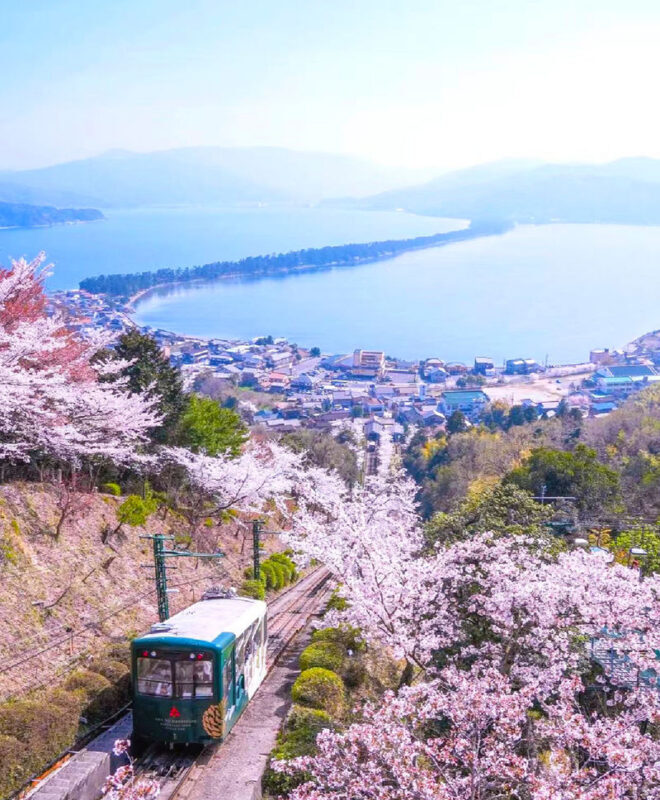
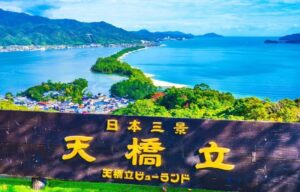
- Amanohashidate’s famous upside-down view: At the observation park, bend forward and look at the sandbar between your legs for the traditional dragon-like perspective.
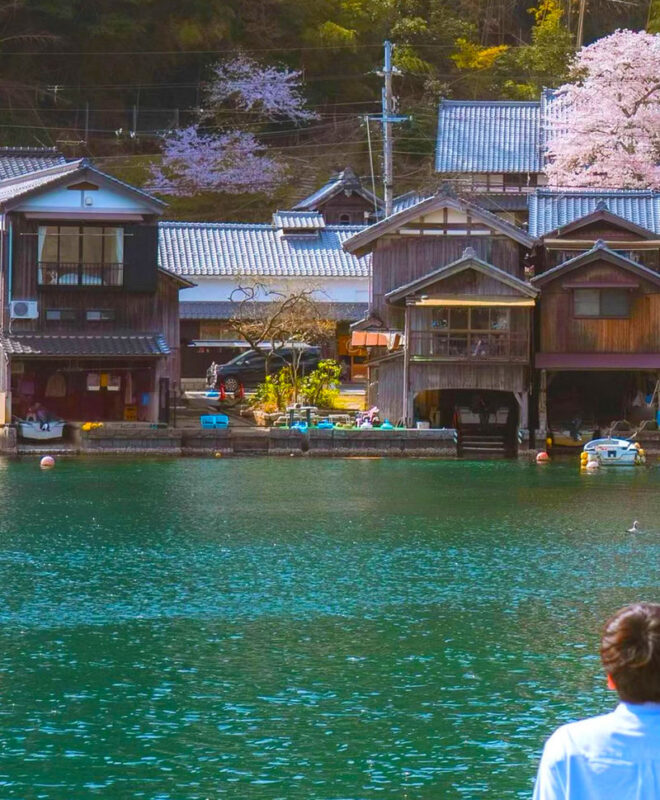
- Ine’s funaya sit at the water’s edge: A bay cruise brings you close to the distinctive boathouses and gives you the chance to feed gulls.
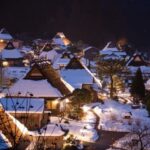
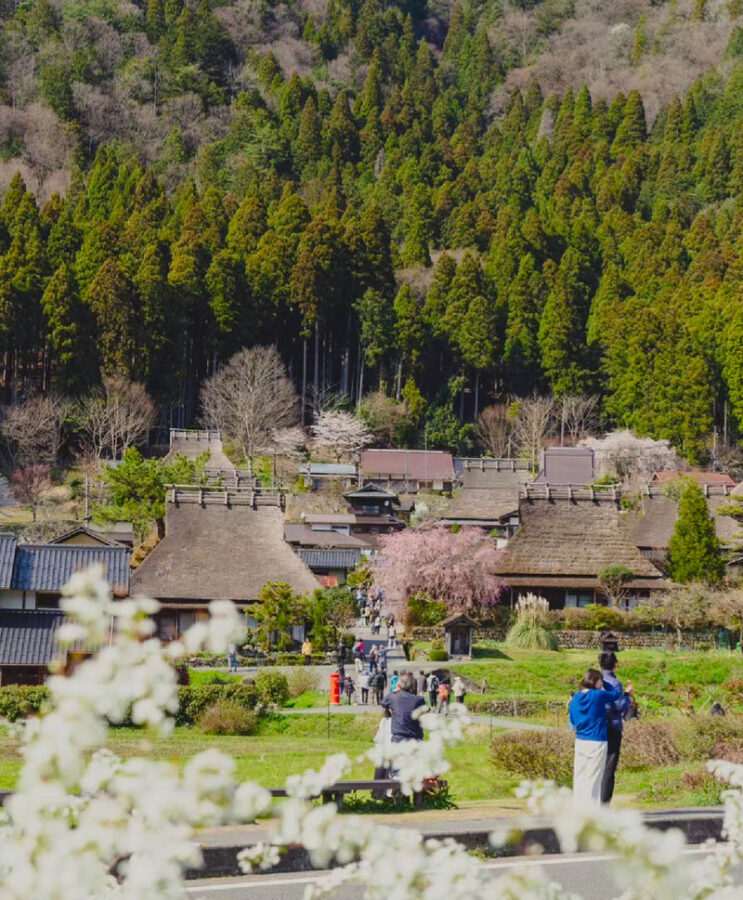
- The Miyama option adds a rural village: Kayabuki no Sato preserves about 40 traditional thatched-roof homes, with a red postbox that makes a classic photo stop.
- You can depart from Osaka or Kyoto: Package choices vary, so check your selected start point and route before booking.
- Plan for a long, tightly timed outing: The tour runs about 10 hours, but traffic and weather can change the schedule and shorten stops.
👉 See our pick of the What Are The Best Tours In Miyazu? Our Top 5 Picks
A practical way to reach the northern Kyoto coast
Amanohashidate and Ine are beautiful, but getting between them and Osaka or Kyoto by public transport takes planning. This shared day tour handles the long-distance connections and leaves you free to focus on the sights. It costs from $51.19, though that starting price does not necessarily cover the cable car or monorail and Ine Bay sightseeing boat. Some packages include those tickets; others do not.
You can choose a standard route, a Miyama route, or a Tango Railway route, with departures from Osaka or Kyoto available for certain options. These are not interchangeable details. The selected route determines what you see and how you travel, so check the package name and included tickets carefully before paying.
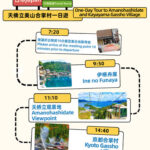
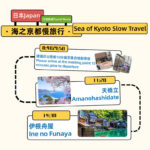
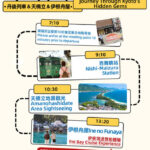
The advertised day starts around 7:20 and returns to Osaka around 17:15. The sample schedule includes a train from Nishi-Maizuru to Amanohashidate, but timings and the order of stops can change. Traffic, weather, crowds, and operating conditions can affect how much time you have at each place.
You can also read our reviews of more tours and experiences in Miyazu
The Tango Railway makes the journey part of the trip
On the train-focused route, the schedule allows about 25 minutes at Nishi-Maizuru Station before the local train departs for Amanohashidate. The listed train runs from 9:44 to 10:28, a ride of roughly 44 minutes. It crosses the Yura River bridge, where the water and coast open up beyond the train windows. The route is often compared with the over-water train scene in Spirited Away.
That stretch is more than a transfer. It gives you a change of pace after the early departure and long road journey, and it brings a little scenery into the travel time itself. If you enjoy trains, this option has a clear appeal. But check the details of your package: the ticket inclusions listed for the train-focused option specifically call out the cable car and boat as included or excluded, not the train fare.
If you choose a standard route, don’t assume you will get the same train ride. The train is a feature of the Tango Railway option, not a guaranteed part of every version.
Amanohashidate: pine trees, sea air, and a topsy-turvy view
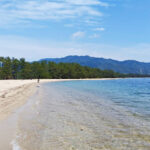
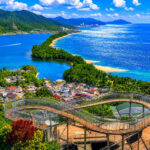
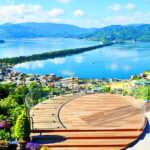
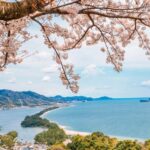
Amanohashidate is one of Japan’s three celebrated scenic views. Its narrow sandbar, covered with pine trees, runs across the bay. The best-known viewpoint is at Amanohashidate View Land, reached by cable car or monorail, depending on the route and operating arrangements. From the top, try the old custom of bending forward and looking at the sandbar between your legs. The unusual angle can make the sandbar appear to rise like a dragon.
You’ll have about two and a half hours here in the sample schedule. That sounds generous, but it must cover the ascent, viewpoint, and time at the foot of the hill. If you prefer not to ride up, the area also offers a pine-forest stroll, beach access, and sights such as the revolving bridge and a spring. Cycling is mentioned as an alternative way to explore, though you should check rental availability and leave enough time to return to the group.
The cable car or monorail ticket may be an extra, depending on your package. Check the ticket option before booking, and bring some cash or another suitable payment method for costs not included in your fare. The ride and viewpoint are central to the classic experience, so it is worth understanding the added cost rather than deciding at the last minute.
There is room to explore at your own pace, but not to lose track of it. Your guide will set a meeting time, and the tour rules say the group waits a maximum of five minutes. Put the return time in your phone before you set off.
Ine’s boathouses are best seen from the bay
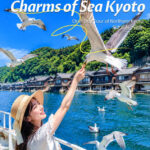
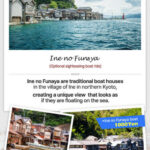
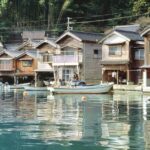
Ine’s funaya are wooden houses that meet the water, with boat storage built into the lower level. From the shore, you can walk the lanes and look for small shops; from a sightseeing boat, you get a broader view of the village and its line of waterfront buildings. The cruise is the most direct way to appreciate how closely the community is tied to the bay.
The sample schedule gives you about 70 minutes in Ine. That time includes getting to the boat, taking the cruise if you choose it, and returning to the meeting point. The boat ticket is not included in every package. If you want the cruise, select a package that includes it or budget for the separate fare.
Feeding the gulls is a playful extra, and shrimp crackers for that purpose are included. Keep your fingers clear and hold on to your belongings; the birds can swoop close to the boat. The bay ride is also where people with a history of motion sickness or seasickness should take precautions, as the tour’s guidance recommends.
Ine is a living village, not a theme park. Keep to public areas and be considerate around homes and working waterfronts. If the boat is delayed, weather changes, or the group needs to adjust the schedule, your time to wander may be shorter than planned.
Miyama adds a quieter, more rural stop
The Miyama route adds Kayabuki no Sato, a village with about 40 traditional thatched-roof houses. Thick roofs and wooden walls give the place a very different feel from the coastal stops. The red postbox is an easy landmark for a photo, and a short walk through the village lanes is the main attraction.
The scenery shifts with the seasons: green fields in spring and summer, autumn color, and snow in winter. The tour’s images may show peak conditions, so don’t expect the same colors year-round. Miyama milk ice cream and pudding are worth looking for if you have time, but remember that meals, snacks, and drinks are not part of the tour price.
There is a timing trade-off. A day that includes Amanohashidate, Ine, and Miyama has more variety, but each stop gets a smaller share of your attention. If you value time to linger, the standard route may suit you better. If you’re keen to see a rural village as well as the coast, the Miyama option makes a fuller, more varied day.
What the schedule feels like in practice
The tour begins early, with an Osaka meeting time of 7:20 in front of the Kani Doraku Dotonbori East Store. You’re asked to arrive 10 minutes ahead. For Osaka departures, the stated return point is the same spot, with a planned arrival around 17:15. Kyoto departures have their own meeting arrangements, so check the details attached to your chosen package.
The travel distances are substantial. The bus ride is what makes these far-flung places practical in one day, but it can also be the day’s least comfortable part. One person reported cramped legroom when the seat in front reclined. Bring a small cushion or neck pillow if you like one, and avoid planning a fixed evening activity that depends on a precise return time.
The operator says vehicles are assigned according to group size. For groups under 12, the vehicle may have fewer than 14 seats and a driver without a separate tour guide; larger groups have a driver and guide. That matters if you’re counting on live explanations throughout the journey. Guides such as Takahashi, Ba, Huahua, Abu, and Xie have led trips, but assignments vary and are not guaranteed.
Guides typically give practical instructions about meeting times and where to go, and the tour may be conducted in several languages. Still, stay alert to the schedule and keep your phone available. The operator sends guide and vehicle details by email the day before, sometimes through a LINE group link. Check your inbox and spam folder, and contact the operator if the information has not arrived by 21:00.
Is the $51.19 starting price good value?
For the base price, this is a convenient way to reach several places that would take effort to connect independently. The price becomes more useful when you compare it with the time, transport planning, and possible transfers you would otherwise manage yourself. The tour is especially appealing if you want to see the coast without renting a car.
But $51.19 is a starting price, not a promise that every major activity is covered. Cable car or monorail access and the Ine cruise may be excluded. Meals, beverages, insurance, gratuities, and personal expenses are also extra. Compare the ticket-included and ticket-excluded versions before booking, rather than judging value by the headline price alone.
The most praised elements of the experience are the scenery, the smooth organization of the day, and guides who keep the group informed and help people stay on schedule. Families and solo visitors can both make use of the shared transport. The main complaints to plan around are the long drive and the occasional feeling of being rushed, especially if you want to fit three stops into one day.
Who should book this day trip?
I’d consider it if you have limited time, want to see both Amanohashidate and Ine, and would rather not work out the transport connections yourself. The train route suits anyone who wants the scenic rail crossing; the Miyama route is for people who prefer a village stop as well as the coast.
It is less suitable if you want a slow day, dislike long bus rides, or need a flexible schedule. The stops are self-guided, and the group moves on at set times. Families with children or older relatives should weigh the early start and walking at each stop against the convenience of a single transport plan. The tour information also excludes people with certain health conditions, including heart disease, high blood pressure, asthma, epilepsy, acrophobia, and pregnancy.
My call: book it if covering several distant sights in one day matters more to you than lingering at any one of them. Choose the route that matches your priorities, confirm which tickets are included, and leave your evening open in case traffic pushes the return later.
Kyoto Amanohashidate & Ine Funaya Day Trip (Optional Tango Train and Miyama Route)
“a very amazing experience! with funny guide: carter sasaki. something to improve maybe on the bus, because the leg room was a bit small (someone in…”
FAQ
How long is the tour?
The tour is listed as about 10 hours, with an example schedule running from 7:20 to 17:15. Traffic, weather, and crowd conditions can change the actual timing.
Where does the Osaka departure meet?
The Osaka meeting point is in front of Kani Doraku Dotonbori East Store. Arrive 10 minutes before departure. The Osaka return point is the same location.
Can I depart from Kyoto instead of Osaka?
Yes. Kyoto departure options are available for some packages. Check the specific package details for its meeting point and route.
What route options are available?
Options include a standard Amanohashidate route, a Miyama route, and a Tango Railway route. Departures from Osaka or Kyoto are available for selected options.
Are the cable car and Ine boat tickets included?
Some packages include the Amanohashidate cable car or monorail and the Ine Bay sightseeing boat, while others exclude them. Check the inclusions for your selected package.
Is the Tango Railway fare included?
The package details specify whether the cable car and boat tickets are included or excluded, but do not clearly state the Tango Railway fare. Check with the operator before booking if this matters to you.
Are meals included?
No. Meals and beverages are not included. Personal expenses are also extra.
Is feeding the gulls included?
Shrimp crackers for feeding the gulls are included. The Ine Bay sightseeing boat ticket is included only with selected packages.
What should I know about the guide?
The tour is advertised with English, Chinese, Japanese, or Korean-speaking guide support. Vehicle arrangements vary by group size; groups under 12 may have a driver without a separate guide.
Is travel insurance included?
No. The tour does not include travel insurance or personal accident insurance. The operator recommends arranging your own coverage.