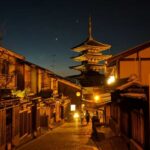
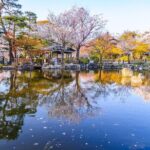
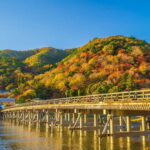
Kyoto’s big sights sit far apart, and this one-day bus tour links five of them in a single circuit: Kiyomizu-dera, Sanjusangendo, Arashiyama, Kinkaku-ji and Fushimi Inari. It’s a practical way to get your bearings if you have only one day for the city.
I like two things in particular: you get transport between distant sites, and admission to four temples is included. The audio commentary comes in several languages, while an English-speaking guide or attendant is there to help with the day.
The trade-off is time. You’ll have set stops, substantial walking and stairs, and little room to linger. One past comment praised an attendant named An Cha for being friendly and accommodating, but staff can vary. The tour’s overall rating is 3.0 from two ratings, so treat the tightly timed format as a real consideration.
- Five major stops in one day: Kyoto’s temples, shrine and bamboo woods make a wide-ranging introduction.
- Four admissions included: Kiyomizu-dera, Sanjusangendo, Tenryu-ji and Kinkaku-ji are covered.
- Arashiyama gets a 1-hour-20-minute window: That time includes the lunch stop, so plan your priorities.
- Choose your lunch package: The no-lunch option starts at $189.19; the lunch package starts at $197.09.
- Audio in eight languages: English, Chinese, Spanish, Russian, French, Italian, Ukrainian, Bahasa Indonesia and Thai.
- A full day on foot: Wear walking shoes and be ready for stairs as well as bus travel.
- Five Kyoto highlights, one packed route
- Starting at Kiyomizu-dera
- Sanjusangendo’s long hall
- Lunch and the Arashiyama window
- Kinkaku-ji in a brief stop
- Fushimi Inari’s red gates
- What the guide and audio can, and can’t, do
- Is the bus tour worth the price?
- FAQ
- Where does the tour depart from?
- When does the tour return?
- Which places are included?
- Which admissions are covered?
- Is lunch included?
- What languages are available for the audio commentary?
- Is there an English-speaking guide?
- How much walking is involved?
- Can children join the tour?
- What happens if I arrive late?
- The Best Of Kyoto!
- More 1-Day Tours in Kyoto
- More Tours in Kyoto
- More Tour Reviews in Kyoto
Five Kyoto highlights, one packed route
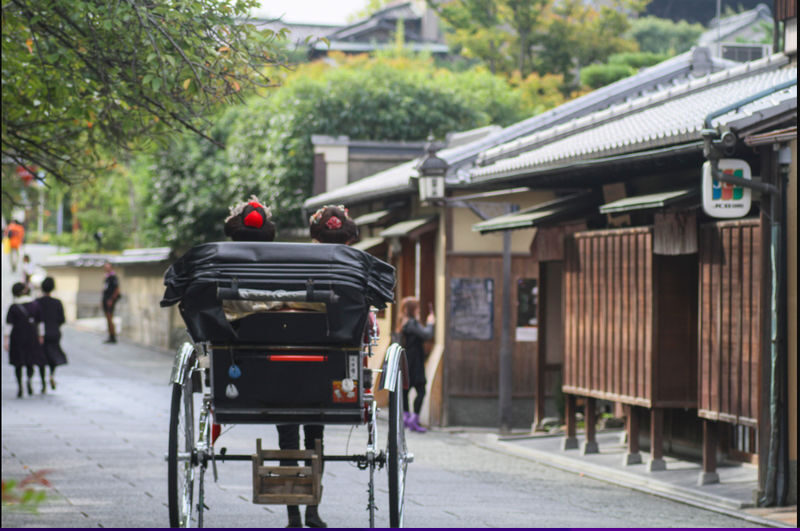
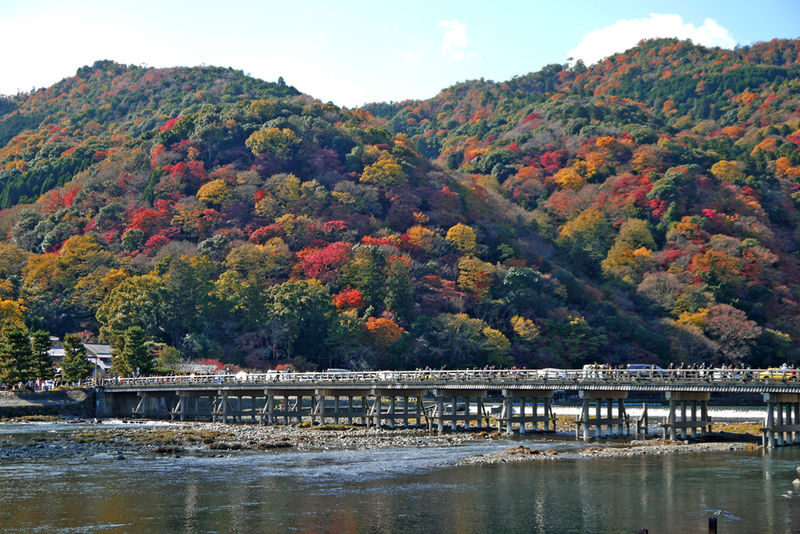
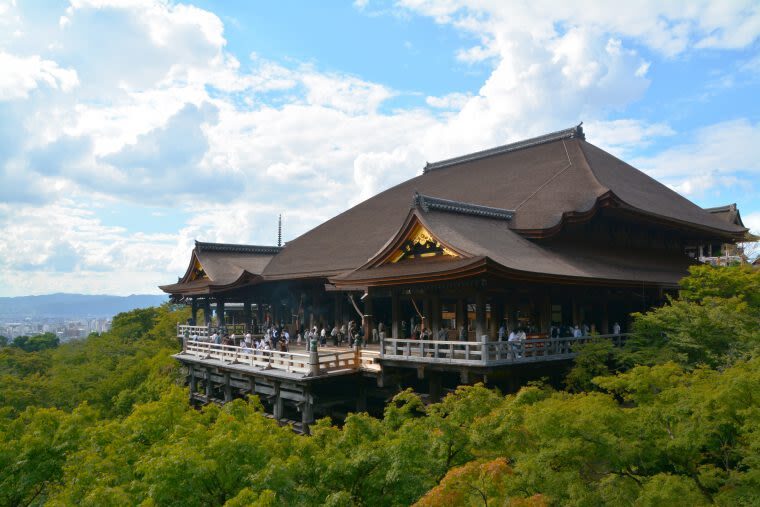
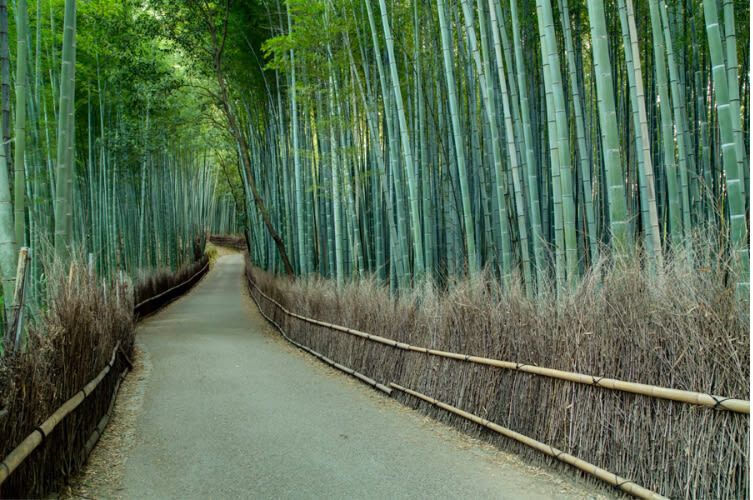
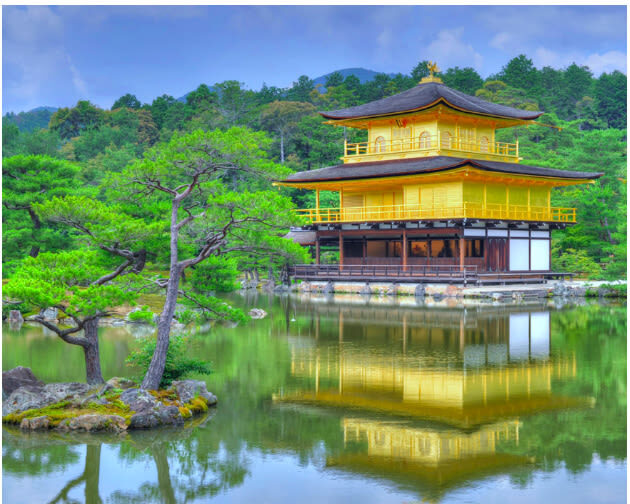
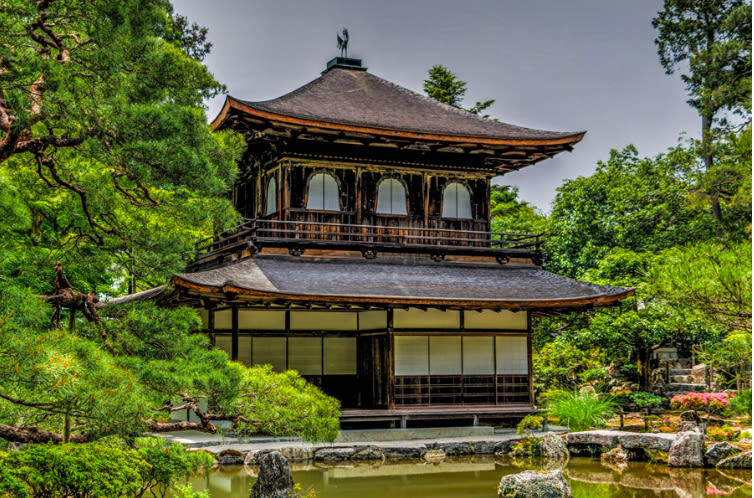
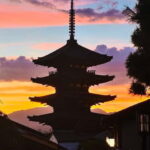
This is a sampler, not a slow visit to each place. The bus connects sights that would take more planning to link on your own, and the schedule gives you a taste of Kyoto’s varied character: hillside temple views, a hall of Buddhist statues, Arashiyama’s natural setting, a gold-covered pavilion and Fushimi Inari’s red gates.
That range is the tour’s main value. If Kyoto is your first stop in Japan, or your time in the city is short, it can help you decide which places deserve a longer return visit. The flip side is that your day follows the group’s clock. If you prefer long temple visits, quiet side streets or time to stop whenever a view catches your eye, this format may feel hurried.
The listed price starts at $189.19 without lunch and $197.09 with lunch. Both options include round-trip transport and admission to four temples, which makes the fare easier to weigh than a bus ride alone. It is still a premium for a day trip, so the real question is whether you value having the route organized more than having the freedom to set your own pace.

👉 See our pick of the We Rank Kyoto’s 15 Top Workshops & Classes
Starting at Kiyomizu-dera
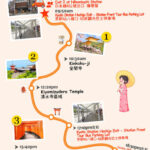
The bus departs at 8:00 from Kyoto Avanti. Arrive at least 10 minutes early: late arrivals and no-shows are not eligible for a refund. The first stop, Kiyomizu-dera, begins at about 8:25 and lasts 1 hour and 5 minutes.
Kiyomizu-dera is one of Kyoto’s best-known temples, and a morning visit gives you an early look at one of the city’s signature sights. Admission is included. You’ll want comfortable shoes, since the tour involves considerable walking and stairs, and a temple visit is not simply a matter of stepping off the bus for a photo.
An hour is enough to see some of the grounds, but not to explore at an unhurried pace. Keep an eye on the time and listen for the group’s meeting instructions. The value here is straightforward: you can visit a major temple without arranging your own transport, but you won’t control how long you stay.
You can also read our reviews of more tours and experiences in Kyoto



Sanjusangendo’s long hall
At about 9:45, the tour moves to Sanjusangendo Temple for 45 minutes. Its admission is included, and it offers a different kind of temple visit from Kiyomizu-dera. Rather than a broad circuit of grounds, this stop centers on the temple itself and its famed collection of Buddhist figures.
The short visit makes this a focused stop. You’ll need to use the time well, especially if you like to read displays or pause to take in details. The guide and audio commentary can add context, but the tour does not specify how much time is spent on live explanation at each attraction. Keep your expectations flexible and follow the attendant’s directions.
Lunch and the Arashiyama window
The schedule places lunch around 11:00 for 50 minutes, followed by an Arashiyama segment listed at 11:55 for 1 hour and 20 minutes. The package with lunch starts at $197.09; the no-lunch option starts at $189.19. Food and drinks are otherwise excluded, so check which option you selected before you go.
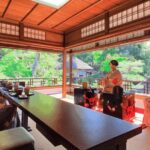
Lunch is described as a buffet in Arashiyama, though the menu can change with the season and ingredient availability. If you choose the no-lunch package, budget separately for your meal. In either case, this is a short break in a day with several more stops, rather than a leisurely meal.
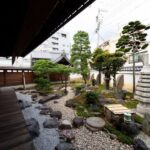
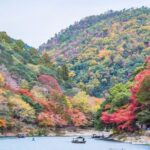
Arashiyama is a welcome change of scene after the morning temples. You can stroll through the Sagano and Arashiyama bamboo woods, see Togetsu-kyo Bridge and visit Tenryu-ji, whose admission is included. The bamboo paths are the kind of place where a few extra minutes can make a difference, but the scheduled window also covers lunch. Decide what matters most to you before the group arrives: the bamboo, the temple, the bridge or a little of each.
That time pressure is worth taking seriously. A past participant described being rushed through some lovely places and spending much of the day on the bus. The schedule does contain several bus transfers, as you’d expect on a route across Kyoto, and traffic or weather can shift the timing further. If you’re drawn to Arashiyama in particular, a separate visit gives you more control.
Kinkaku-ji in a brief stop
The bus reaches Kinkaku-ji, the Golden Temple, at about 13:45. The stop is listed as 30 minutes, and admission is included. The pavilion’s gold exterior is the quick visual payoff, while the grounds provide the setting for the familiar view across the pond.
Half an hour is enough for a concise visit, not a long wander. This is one of the clearest examples of the tour’s bargain: you get to see a major Kyoto landmark without working out the transport, but you must accept a short visit and stay close to the group’s timetable.
If you’re hoping to spend time photographing the temple or walking the grounds slowly, the stop may feel brief. If your goal is to see Kinkaku-ji as part of a broad first look at Kyoto, the time can work.
Fushimi Inari’s red gates
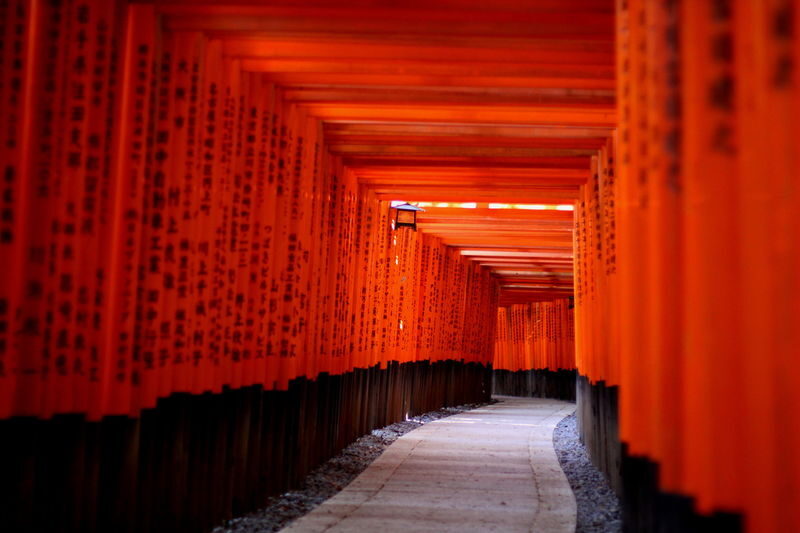
The final major stop is Fushimi Inari Taisha, scheduled for 15:00 with about 1 hour and 10 minutes on site. The shrine is known for its more than 1,000 red torii gates, which line paths up the hillside. This is the tour’s one major shrine visit, and it gives the day a different feel from the temple stops.
You can walk through part of the gate-lined route, but the time allowance does not mean you can see every stretch. The shrine paths include stairs and slopes, so pace yourself and wear proper walking shoes. If you have limited mobility or find stairs difficult, note that the tour involves considerable walking and stairs before booking.
Fushimi Inari closes out the route before the bus returns to Kyoto Station at about 17:00. The day can run until around 4:30 or 5:00, depending on traffic and weather. Don’t plan a tight onward connection based on the earliest estimated return.

What the guide and audio can, and can’t, do
The experience combines an English-speaking guide or attendant with recorded audio commentary. The audio is available in Chinese, English, Spanish, Russian, French, Italian, Ukrainian, Bahasa Indonesia and Thai. That range is useful if you’re travelling with people who prefer different languages, though audio commentary is not the same as a live guide speaking in each language.
A past note singled out An Cha as friendly and accommodating. That’s a welcome sign, but one named staff member cannot guarantee who will lead your departure. Another past participant had trouble with the guide’s English and felt the recorded commentary was not useful. Those contrasting experiences point to a sensible approach: use the audio as support, ask the attendant for help when needed, and don’t rely on detailed live interpretation as the sole reason to book.
The operator, Beauty of Japan, has 2,625 total provider ratings and a 91% good-review rate, while this specific tour has a 3.0 rating from two ratings. These figures describe different things. The provider’s broader record is reassuring context, but the small number of ratings for this particular route means the tour-specific score is a limited guide to what your day will be like.
Is the bus tour worth the price?
At $189.19 without lunch, the price pays for transport, an English-speaking guide, multilingual audio and admission to four temples. Add the lunch option for a listed starting price of $197.09. Meals and drinks are not included in the no-lunch package, and personal expenses are extra.
The route is most valuable if you want to cover a lot of ground with little transport planning. Five major stops in one day is a strong list, and the bus makes the far-flung sights easier to combine. It is less compelling if you want to set your own pace or spend a long time at any one site. You’re paying for convenience and breadth, not a private or slow-paced experience.
I’d consider this a good fit for a first-time visitor with limited time, a traveller comfortable with walking and stairs, or someone who wants an organized overview before exploring more independently. I’d look for another option if Arashiyama or one particular temple is your main reason for coming, or if a rushed schedule would spoil the visit.
Book it if you value a broad Kyoto introduction and can accept fixed stop times. Skip it if you want freedom to linger. Either way, check the package carefully, arrive early at Kyoto Avanti, and bring walking shoes.
Kyoto One Day Highlight Bus Tour
“An cha is very friendly and accomodating. Good job. keep up the work. stay safe.”
FAQ
Where does the tour depart from?
The meeting point is Kyoto Avanti, at Kyoto Station. Be there at least 10 minutes before the 8:00 departure.
When does the tour return?
The scheduled return is around 17:00 at Kyoto Station. Traffic and weather can affect the schedule.
Which places are included?
The route includes Kiyomizu-dera, Sanjusangendo Temple, Arashiyama and the Sagano bamboo woods, Kinkaku-ji and Fushimi Inari Taisha.
Which admissions are covered?
Admission is included for Kiyomizu-dera, Sanjusangendo, Tenryu-ji and Kinkaku-ji.
Is lunch included?
Only if you select the Bus Tour with Lunch package. The no-lunch package excludes meals and beverages, and the tour description places lunch in Arashiyama.
What languages are available for the audio commentary?
Audio commentary is available in Chinese, English, Spanish, Russian, French, Italian, Ukrainian, Bahasa Indonesia and Thai.
Is there an English-speaking guide?
Yes. The tour includes an English-speaking guide or attendant, along with multilingual audio commentary.
How much walking is involved?
The tour involves considerable walking and stairs. Walking shoes are recommended.
Can children join the tour?
Children aged 0 to 3 can join free if they do not occupy a separate seat. Children aged 12 and older pay the adult rate.
What happens if I arrive late?
Late arrivals and no-shows cannot receive a refund. Arrive at least 10 minutes before the scheduled departure.