
The day’s most unusual stop is the Miho Museum, where I.M. Pei placed much of the building inside a mountain, reached by a tunnel and a path through the trees. Later, you’ll see a quiet garden or, if it is closed, Hiyoshi Taisha Shrine, then finish beside Lake Biwa’s torii gate rising from the water.
I like the contrast between the museum’s art and architecture and the calm outdoor stops, and I like that round-trip transport takes care of a route that is awkward to manage by public transit. The trade-off is a long day with set stop times, plus separate costs for entry and meals. Check the museum and garden closure dates before you book.
- At a glance
- A mountain museum worth the journey
- A garden visit, with a shrine as the backup
- Shirahige Shrine and the torii in Lake Biwa
- What the schedule means in practice
- Price, extras, and the real value
- Check dates, pack light, and arrive early
- Should you book this day tour?
- FAQ
- Where does the tour depart from?
- Is Osaka hotel pickup available?
- Is admission to the Miho Museum included?
- What happens if Old Chikurin-in is closed?
- Are meals included?
- How long is the tour?
- Can I bring luggage?
- Is the tour wheelchair-accessible?
- More Museum Experiences in Koka
- More Tours in Koka
- More Tour Reviews in Koka
At a glance
- Miho Museum’s mountain approach: See a building designed by I.M. Pei, with about 80 percent of it hidden within the mountain.
- Two possible stops near Mount Hiei: Visit Old Chikurin-in’s moss garden, or Hiyoshi Taisha Shrine if the garden is closed.
- A lakeside finish: Spend about 30 minutes at Shirahige Shrine, where its torii stands in Lake Biwa.
- A full day without a shopping stop: The planned visits are focused on the museum, garden or shrine, and lake.
- Useful for non-drivers: Round-trip transport, tolls, parking, and fuel are included, with Osaka and Kyoto meeting points.
- Budget extra for admission and food: Museum and site entry, lunch, and drinks are not part of the starting price.
A mountain museum worth the journey
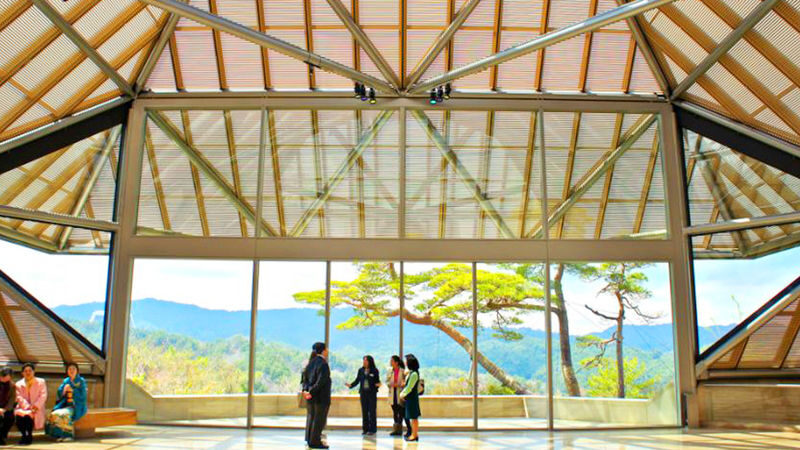
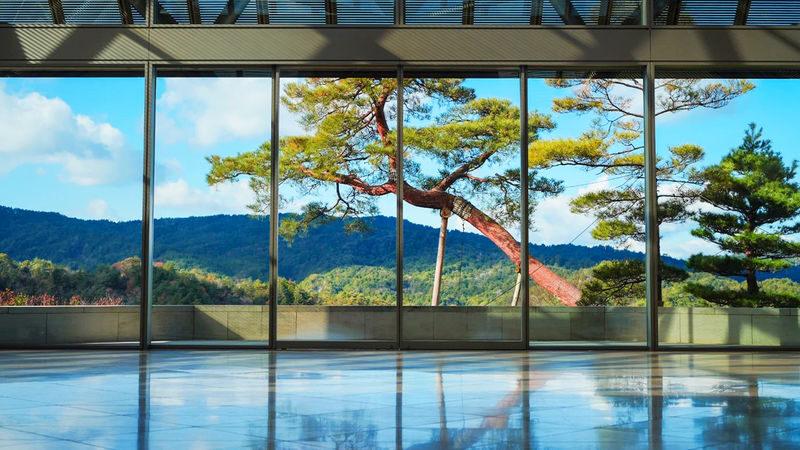
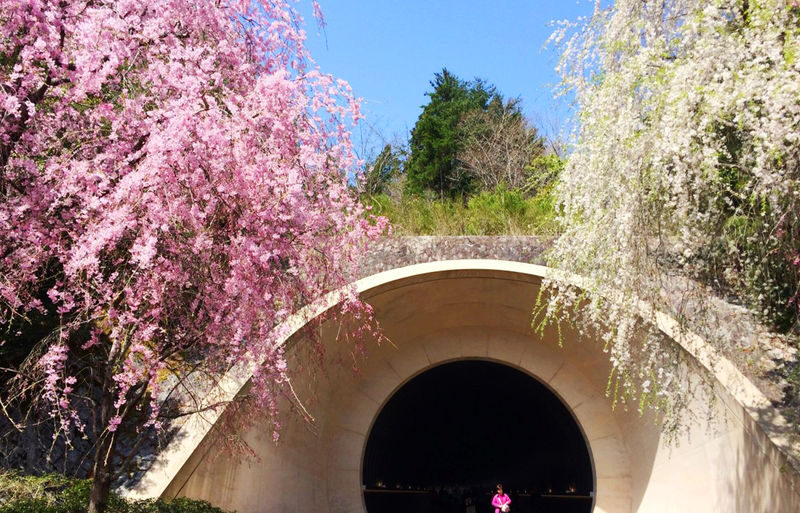
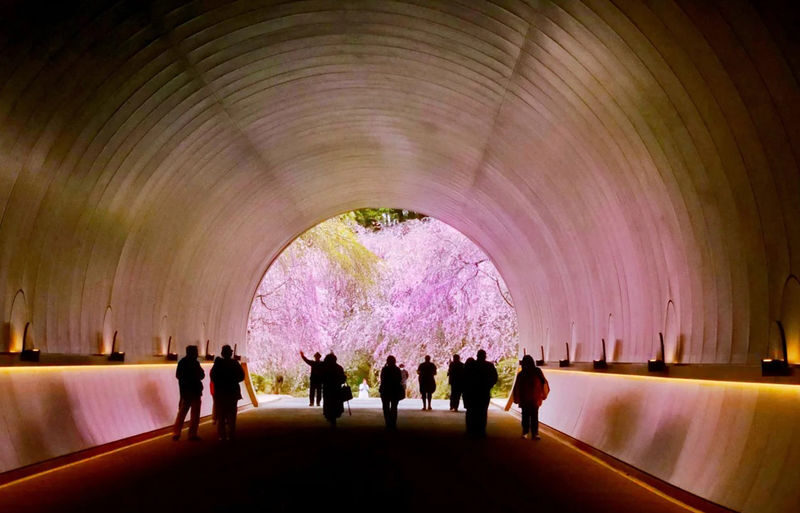
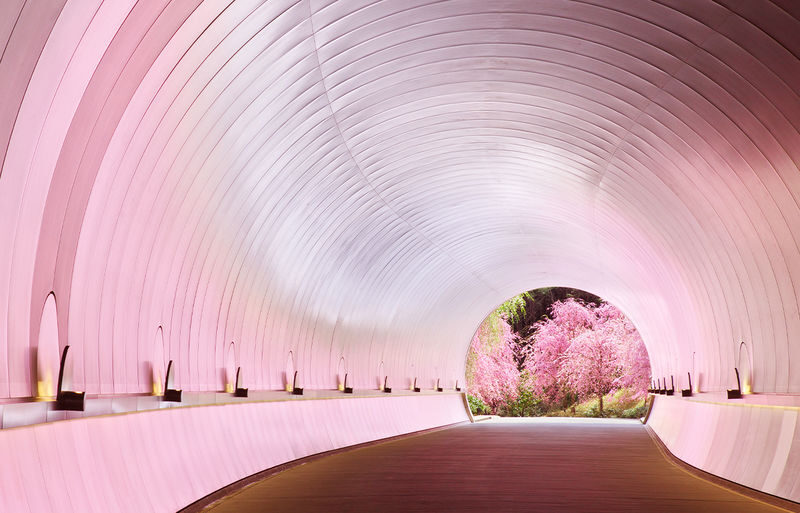
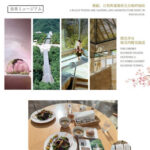
The Miho Museum is the anchor of this trip, and its setting is part of the visit. Designed by I.M. Pei with inspiration from the story of the Peach Blossom Spring, it is largely concealed within the mountain. The route from the ticket area includes a tunnel and a walk toward the museum, with cherry blossoms along the approach in spring.
You have about two and a half hours here, exploring on your own. That gives you time to see the architecture and browse the collection, which includes works from Japan, China, South Asia, Central Asia, West Asia, Egypt, Greece, and Rome. The exact exhibition on view depends on the date, so check what is showing if a particular collection or special exhibition matters to you.
The building and its mountain setting offer plenty for architecture and photography fans, but this is not just a scenic photo stop. Give yourself time to look at the art, too. The museum has a restaurant and café, but lunch is at your own expense. Food choices may be simple, so eating breakfast or bringing a snack is sensible if you need more than a light meal.
The museum stop is self-guided, so you can set your own pace within the allotted time. That freedom is useful if you want to spend longer with an exhibition, but it also means you are responsible for keeping track of the meeting time. The tour must continue on schedule, and a missed departure can leave you without the rest of the day’s transport.
You can also read our reviews of more museum experiences in Koka
A garden visit, with a shrine as the backup
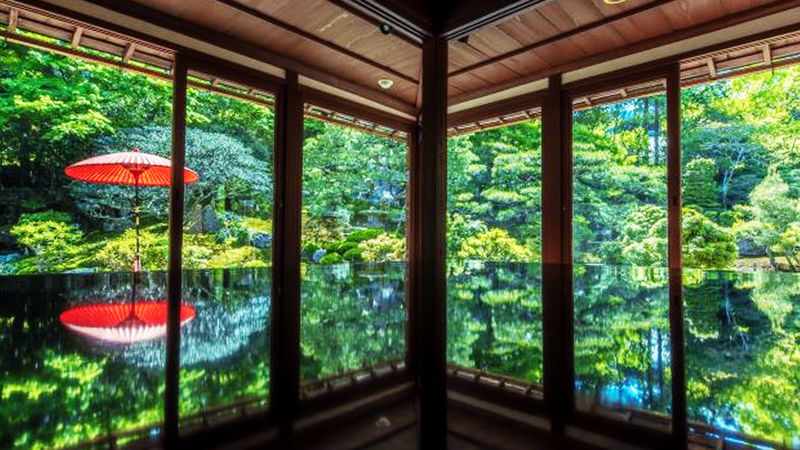
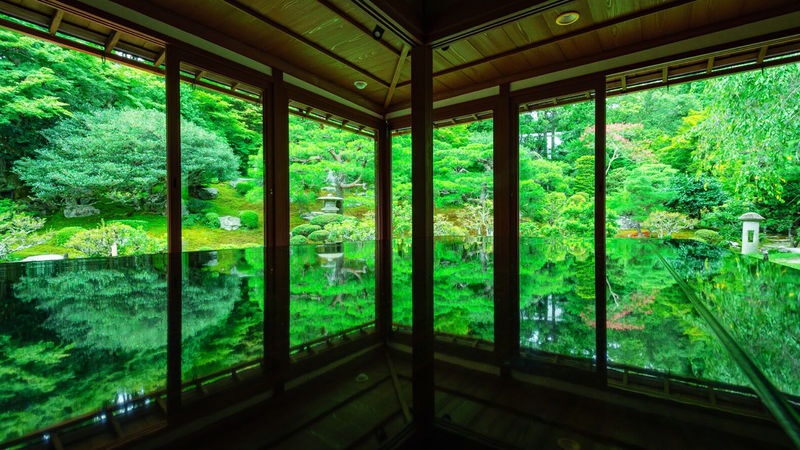
The second stop is Old Chikurin-in, a former retreat for high monks of Mount Hiei and a nationally designated scenic garden. Its moss, trees, and pavilion are the draw. From inside the pavilion, the garden can reflect in the polished floor, creating the mirror-like view that makes this a popular place for photographs.
You have about an hour here, and the stop is self-guided. There is no fixed route through the garden, so you can take your time looking for a quiet angle rather than rushing from one marked viewpoint to the next. Entry costs 330 yen, and matcha with wagashi in the garden is an optional 400 yen extra.
The garden changes with the seasons. Moss and greenery suit summer, while spring and autumn bring their own colors. But do not assume this stop is guaranteed: Old Chikurin-in is closed on Mondays except holidays, the day after a holiday, December 26 to 31, and from July 1 to September 30, 2026. If it is closed, the tour visits Hiyoshi Taisha Shrine instead.
Hiyoshi Taisha is the head shrine for more than 3,800 Hiyoshi, Hie, and Sanno shrines across Japan. Its Sanno Torii has a distinctive triangular structure above the main arch, and sacred monkeys serve as guardians in place of the guardian dogs found at many shrines. Admission is listed at 500 yen for adults, 300 yen for junior high and high school students, and free for younger children.
The switch is a real change of mood, not a like-for-like replacement. Chikurin-in is a small garden visit; Hiyoshi Taisha is a shrine visit with a broader religious context and distinctive architecture. If the garden is the main reason you booked, check its opening calendar carefully. One visitor on a July trip found the garden closed for renovation and was redirected to the shrine.
Shirahige Shrine and the torii in Lake Biwa
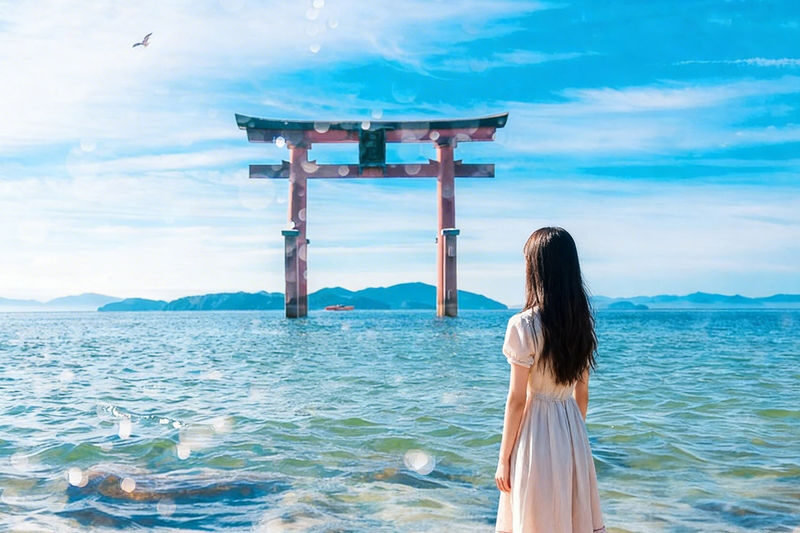
The final sightseeing stop is Shirahige Shrine, on the shore of Lake Biwa. Its torii gate stands in the water, with Oki Island visible in the distance. Light on the lake changes through the day, making the setting especially appealing to photographers.
The visit lasts about 30 minutes. That is enough for a look and a few photographs if conditions cooperate, but it is a short stop, not a long lakeside walk. The view can also depend on weather and light, so treat the torii as a memorable final scene rather than a guaranteed sunset spectacle. The tour description mentions sunset, but the actual timing and conditions will vary.
Shirahige Shrine is said to be about 1,900 years old and is among the oldest shrines in the Omi region. The lake itself is Japan’s largest, and the combination of a centuries-old shrine and a gate rising from the water gives the stop a strong sense of place. If you want a particular photo, follow the guide’s instructions and stay within the designated area.
What the schedule means in practice
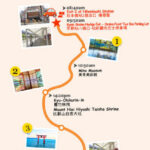
The day begins at 8:40 a.m. in Osaka at Kintetsu Nippombashi Station Exit 2, near Daikoku Drugstore, or at 9:50 a.m. at Kyoto Station’s Hachijo Exit sightseeing bus parking area. Arrive at least 10 minutes early. This is a shared tour, and the vehicle cannot wait for late arrivals.
The listed museum arrival is 10:50 a.m., followed by the 2.5-hour museum visit, an hour at Chikurin-in or Hiyoshi Taisha, and 30 minutes at Shirahige Shrine. The return is expected at Kyoto Station around 5:30 p.m. and Osaka’s Nipponbashi area around 7:20 p.m. These are estimates, not guarantees; traffic and weather can change the order or shorten a stop.
The road transfers are a major part of the value. The Miho Museum is not especially convenient to reach without a car, and this route links it with places around Lake Biwa that sit well beyond a simple city-centre day out. A guide and driver handle the transport, tolls, parking, and fuel, so you can focus on the stops rather than connecting local services.
This is a shared group tour, and the vehicle may be a commercial van, minibus, or coach depending on the number of people booked. Seats are assigned on a first-come basis, and the group may include people speaking different languages. Guides may speak Chinese, Japanese, or English, but the guide assigned to your departure can vary. Past guides have included Naomi, Mia, Nick, and Kuwahara-san; those names are examples, not a promise of who will lead your tour.
The route may be adjusted to fit traffic, conditions at the sites, or the driver’s legal working hours. If you have a flight, show, or appointment that evening, do not plan a tight connection. The return times are useful for planning, but they are not a safe basis for a same-day deadline.
Price, extras, and the real value
The meeting-point package starts at US$63.85, while an Osaka hotel-transfer option starts at US$78.85. For a day that covers a remote museum and several sites around Lake Biwa, transport is the main value. If you are comfortable driving in Japan, you might prefer more control over how long you stay; if not, the guided ride saves the effort of arranging the route yourself.
Admissions are extra. The stated Miho Museum reference fee is 1,300 yen for adults, 1,000 yen for high school and university students, and free for elementary and junior high school students. The information also lists 1,100 yen for a permanent exhibition and 1,300 yen for a special exhibition, so confirm the applicable ticket price for your date.
Add 330 yen for Old Chikurin-in if it is open, or 500 yen for an adult visit to Hiyoshi Taisha if that is the replacement stop. Matcha and wagashi at the garden cost 400 yen. Lunch, drinks, and other personal spending are also on you, so carry cash and allow room in your budget beyond the advertised starting fare.
Check dates, pack light, and arrive early
The Miho Museum closes on many dates, and no tour visit is available when it is shut. Its listed 2026 closure calendar includes January, February, March 1 to 13, and September 1 to 25, along with numerous Mondays and other dates throughout the year. Check the full calendar before booking; a museum closure can change the central part of the day.
Old Chikurin-in’s closure dates matter as well, since the tour substitutes Hiyoshi Taisha when the garden is unavailable. The museum can also close in the event of heavy snow in winter. Weather or traffic may lead the guide to change the order, shorten a visit, or cancel a stop.
The day is not recommended for people with limited mobility or pregnant people, and the activity is not wheelchair-accessible. Child seats are unavailable. Children aged three and over pay the adult rate, while children aged zero to three ride free if they do not need their own seat.
You may bring one standard-size piece of luggage, but tell the operator in advance. The vehicle type depends on group size, and unannounced luggage may not fit. The night before the trip, check your email and spam folder for the guide’s contact details, driver information, meeting-point map, and final instructions.
Should you book this day tour?
I would choose this trip if the Miho Museum is high on your list and you want to pair its architecture and art with a garden or shrine and Lake Biwa’s water torii, without driving. Its best features are the varied stops, the scenic setting, and the practical transport. The day also avoids shopping stops, leaving the schedule for the sights.
Think twice if you want a slow visit at every site, need a guaranteed stop at Old Chikurin-in, or have a fixed evening commitment. The tour is long, the lakeside stop is brief, and extra costs add up beyond the base fare. Check both closure calendars, eat breakfast, bring cash, and arrive early. If those terms suit you, this is a useful way to see several places that are not simple to connect on your own.
Miho Museum & Old Chikurin-in & Hiyoshi Taisha Shrine on Mount Hiei & Lake Biwa-Shirahige Shrine One-Day Tour (Osaka/Kyoto pick-up and drop-off available)
“A very beautiful museum, well worth a visit.”
FAQ
Where does the tour depart from?
You can meet at Kintetsu Nippombashi Station Exit 2 in Osaka at 8:40 a.m., or at Kyoto Station’s Hachijo Exit sightseeing bus parking area at 9:50 a.m. Arrive 10 minutes before your departure time.
Is Osaka hotel pickup available?
An Osaka hotel-transfer option is listed from US$78.85. The hotel pickup plan is for round trips from Osaka. The meeting-point package starts at US$63.85.
Is admission to the Miho Museum included?
No. Museum admission is paid separately. The stated reference prices are 1,300 yen for adults, 1,000 yen for high school and university students, and free for elementary and junior high school students. The applicable ticket price may depend on the exhibition.
What happens if Old Chikurin-in is closed?
The tour visits Hiyoshi Taisha Shrine instead. The garden is closed on Mondays except holidays, the day after a holiday, December 26 to 31, and July 1 to September 30, 2026.
Are meals included?
No. Lunch and drinks are at your own expense. The Miho Museum has a restaurant and café, and the tour information recommends eating breakfast or bringing snacks.
How long is the tour?
The schedule starts at 8:40 a.m. in Osaka or 9:50 a.m. in Kyoto. Expected returns are around 5:30 p.m. in Kyoto and 7:20 p.m. in Osaka, though traffic and weather can affect timing.
Can I bring luggage?
Each person may bring one standard-size piece of luggage at no extra charge, but you need to note it when booking. Unannounced luggage may not fit in the vehicle.
Is the tour wheelchair-accessible?
No. The activity is not wheelchair-accessible and is not recommended for people with impaired mobility. Child seats are also not available.