- Discovering Quito’s Hidden Indigenous Roots: A Detailed Review of the Quito Inca Tour
- Key Points
- A Closer Look at the Itinerary: What You Can Expect
- Start at the Basilica del Voto Nacional
- Ñucanchi Shop: Indigenous Handicrafts and Living Museum
- Plaza de la Independencia (Plaza Grande)
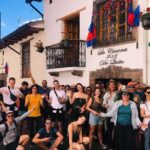
- La Casa del Higo: Architectural Fusion
- Fundación Iglesia de la Compañía: Religious Symbolism
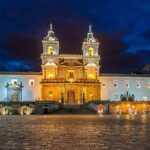
- Iglesia y Convento de San Francisco: The Cultural Heart
- Why This Tour Is a Great Value
- Who Should Take This Tour?
- In-Depth Look at the Experience
- The Guide’s Role
- The Sites’ Significance
- Authentic Experiences
- Practical Considerations
- Final Thoughts: Who Will Love This Tour?
- Frequently Asked Questions
- More City Tours in Quito
- More Tour Reviews in Quito
Discovering Quito’s Hidden Indigenous Roots: A Detailed Review of the Quito Inca Tour
 1 / 7
1 / 7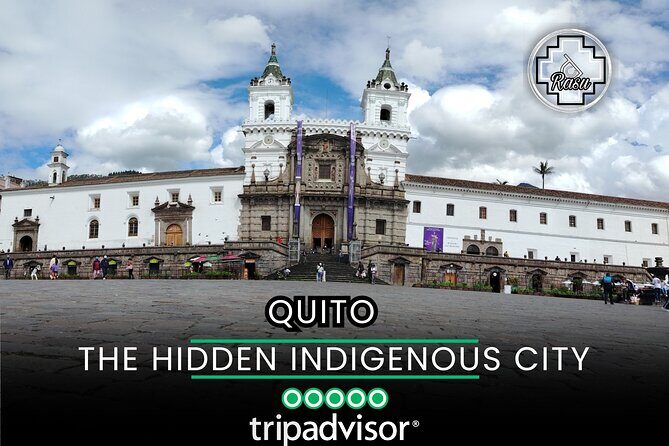 2 / 7
2 / 7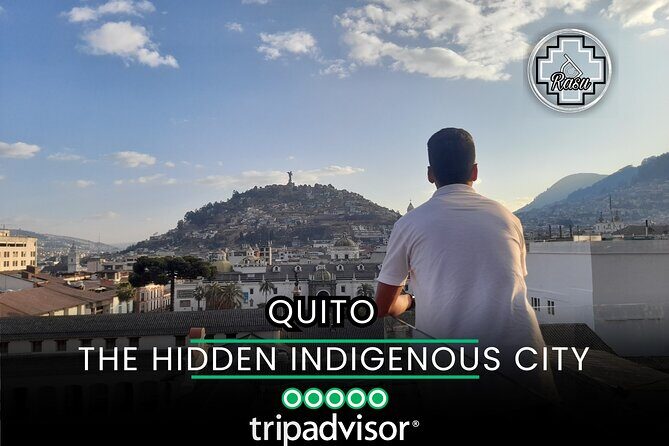 3 / 7
3 / 7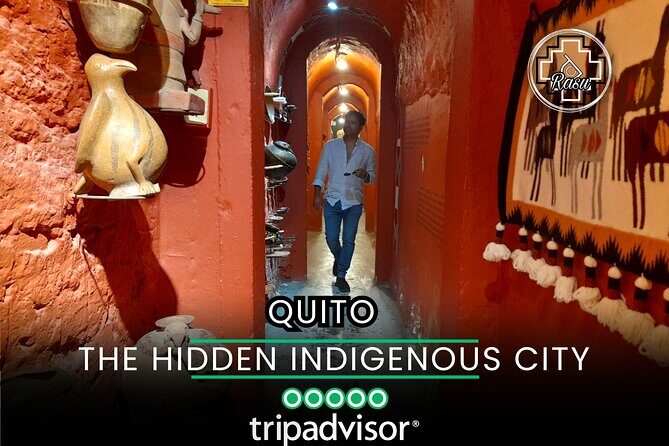 4 / 7
4 / 7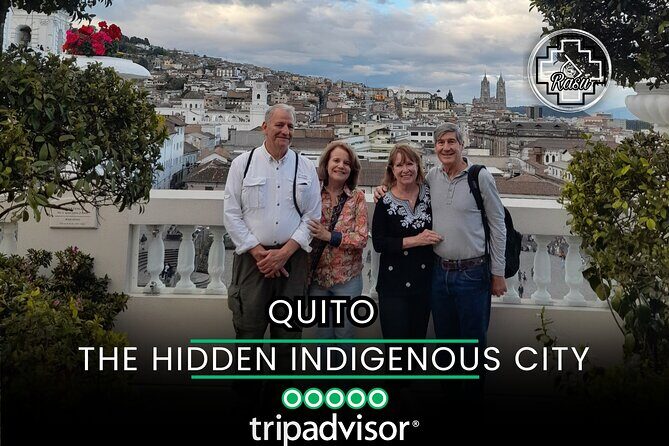 5 / 7
5 / 7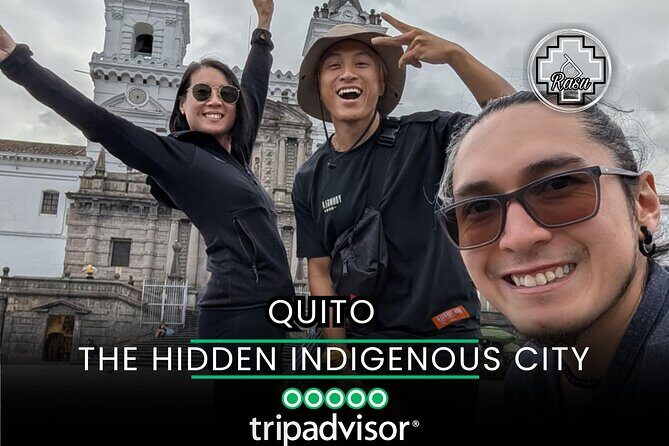 6 / 7
6 / 7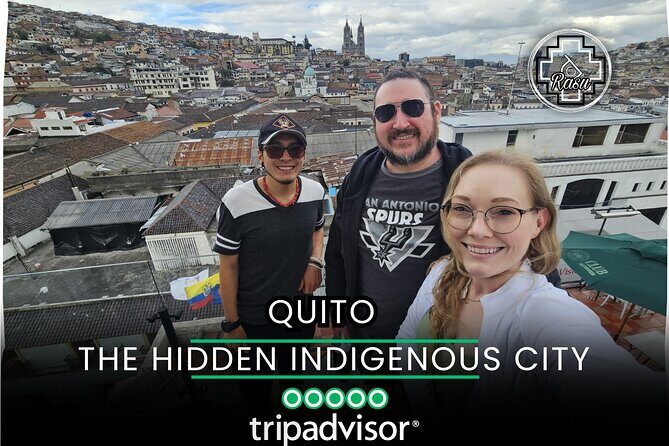 7 / 7
7 / 7Imagine walking through a city where every corner whispers stories of ancient peoples and colonial blends. That’s exactly what you get with the Quito Inca: Discovering the hidden indigenous city tour. Priced at just under $23 per person, it lasts around 2 to 3 hours and offers a deep dive into Quito’s indigenous and colonial layers—without breaking the bank.
The tour is known for its small group size (maximum 8 travelers), which means more personalized attention and meaningful conversations.
What immediately draws us in is how this tour seamlessly combines historical sites, indigenous craftsmanship, and local stories. The guided experience is led by knowledgeable guides like Rasu, who impressively shares both historical facts and personal insights, especially about Quito’s indigenous heritage.
Two things we love: First, the authentic visits to places like La Casa del Higo and San Francisco Church, which reveal architectural fusions and religious symbolism. Second, the cultural tastings and local artisan shop bring the history alive through tactile and flavorful experiences.
A potential consideration is the walking pace and duration—while manageable for most travelers, some might find it a little brisk, especially if they want more time at each site. Still, the compact itinerary keeps the experience lively and engaging, avoiding long waits or overly touristy stops.
This tour suits travelers who value authentic stories, local craftsmanship, and stunning city views, especially those interested in indigenous culture and history. If you’re looking for a well-rounded glimpse of Quito with a cultural twist, this tour hits the mark.
Key Points
- Authentic Cultural Insight: Guided by passionate locals, you’ll learn about indigenous practices and Quito’s colonial fusion.
- Comprehensive Itinerary: From the Basilica del Voto Nacional to San Francisco, each stop offers a unique perspective.
- Free Tastings and Artisans: The Ñucanchi Shop and local food experiences add flavor to your visit.
- Affordable Price: For just under $23, you gain a multi-layered understanding of Quito’s heritage.
- Small Group Advantage: Limited to 8 travelers, ensuring personalized attention and engaging storytelling.
- Stunning Views and Architectural Fusion: Some stops feature rooftops and architectural details that tell their own stories.
You can also read our reviews of more city tours in Quito
A Closer Look at the Itinerary: What You Can Expect
Start at the Basilica del Voto Nacional
Your journey begins at this iconic church, which is more than just an impressive Gothic structure. The guide offers an introduction to indigenous knowledge and history, setting the tone for understanding how Quito’s indigenous roots intertwine with its colonial architecture. The best part? Entry is free, and the space’s intricate stonework and gargoyles make for a memorable photo backdrop.
We loved how the guide connected the church’s design with Ecuadorian symbolism, offering insights you might overlook on your own.
Ñucanchi Shop: Indigenous Handicrafts and Living Museum
Next, you visit the Ñucanchi Shop, a vibrant hub for Ecuadorian handicrafts and cultural storytelling. This isn’t just a souvenir shop—it’s a living museum of Ecuador’s ancient and modern cultures. You’ll see traditional textiles, crafts, and artifacts, and likely get to try some local tastings.
The guide highlights how these crafts reflect indigenous traditions, making it a meaningful stop where you can connect with the country’s cultural roots. Travelers rave about the personal stories shared here, making it a memorable part of the tour.
Plaza de la Independencia (Plaza Grande)
This bustling square is central to Quito’s history and urban life. But what makes it special on this tour is the millennial perspective offered by your guide, who explains its significance from indigenous, colonial, and modern viewpoints.
Expect a lively atmosphere, with street performers and locals, but also a deeper understanding of how this space has witnessed Quito’s evolution over hundreds of years.


La Casa del Higo: Architectural Fusion
Here, you’ll explore a building that embodies architectural fusion, blending colonial Spanish styles with indigenous influences. The guide will point out details and symbols that tell stories of cultural confluence. It’s a quick visit—only about 10 minutes—but packed with visual cues that deepen your appreciation for Quito’s layered history.
Fundación Iglesia de la Compañía: Religious Symbolism
This stop unveils the architectural and symbolic richness of Ecuador’s religious heritage. The symbolism and stories embedded in its design reflect a blend of indigenous and Christian elements, creating a visual narrative of cultural syncretism. It’s a space that invites reflection on how indigenous beliefs and colonial Christianity have merged over centuries.
Iglesia y Convento de San Francisco: The Cultural Heart
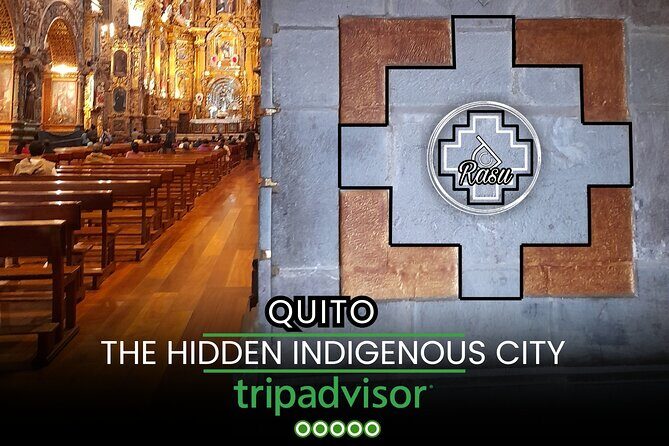
This massive complex is the epicenter of Quito’s cultural and historical identity. It’s also the place where Ecuadorian mestizaje—the mixing of indigenous and Spanish heritage—began to take shape. Expect impressive Baroque architecture, vibrant plazas, and a palpable sense of history.
Our review highlights that this site often leaves visitors with a profound appreciation for Ecuador’s complex identity.
Why This Tour Is a Great Value
At just $22.86, the tour offers a well-balanced blend of history, culture, and personal stories. The inclusion of a guide and tastings significantly enhances the experience, making each site more meaningful. While transportation isn’t provided, the walkable nature of the stops means you won’t miss out on much—just a bit of comfortable footwear and readiness for some steps.
The small group size fosters a more intimate environment, which was a common highlight in reviews. One visitor noted, “This was one of the most personal and culturally enriching tours we took in Quito,” emphasizing how the guide’s storytelling made the experience special. The price, when compared to the depth of insight and the authentic local connections, offers solid value.
Who Should Take This Tour?
This experience is ideal for travelers eager for authentic cultural stories, those interested in indigenous arts and architecture, and anyone who appreciates personalized guided tours. It works well for first-time visitors wanting an overview that’s both comprehensive and deeply rooted in local tradition.
It’s particularly recommended if you’re curious about the blending of indigenous and colonial influences and want to understand Quito beyond its surface.
In-Depth Look at the Experience
The Guide’s Role
Guides like Rasu are praised consistently for their knowledge and personal storytelling. They bring a personal perspective, especially since Rasu shared his indigenous background, which added layers of authenticity to the narrative. Travelers mention that guides not only shared facts but also stories and cultural insights that truly brought Quito’s history to life.
The Sites’ Significance
Each stop offers a different facet of Quito’s identity. For example, the Basilica’s architecture is more than just aesthetic; it’s a symbol of Ecuador’s spiritual and national identity. The indigenous craft shop offers more than souvenirs; it’s a living showcase of traditional craftsmanship that’s still vital in Ecuadorian culture today.
The plazas and religious buildings reveal how indigenous beliefs and colonial Christianity have historically intertwined—something you might not grasp from a standard tour. The architectural details at La Casa del Higo and the symbolism at La Compañía deepen your understanding of Quito’s layered history.
Authentic Experiences
A highlight reported in reviews is the hands-on nature—tastings of local foods, visits to artisan workshops, and rooftop lookout points with panoramic views. These elements transform a simple sightseeing walk into an engaging cultural exchange.
Practical Considerations
The tour’s duration and pace are manageable for most, and the meeting point is accessible near public transportation. Since the tour ends at San Francisco Square, you can easily explore more of Quito afterward or continue your day without hassle. The free cancellation policy adds peace of mind, allowing flexibility in planning.
Final Thoughts: Who Will Love This Tour?
If you’re a traveler who appreciates authentic stories, local craftsmanship, and architectural beauty, you’ll find this tour rewarding. It’s a great way to connect with Quito’s indigenous roots and see the city’s colonial charm through a culturally rich lens. The small group size and passionate guides ensure your experience feels intimate and insightful.
For those interested in learning about Ecuador’s history from a personal perspective, especially if you’re keen on understanding the blending of indigenous and colonial influences, this tour offers exceptional value. Its moderate price, combined with the depth of content, makes it an excellent choice for travelers who want more than just a superficial overview.
Quito Inca : Discovering the hidden indigenous city
Frequently Asked Questions
How long is the tour?
The tour lasts approximately 2 to 3 hours, making it a manageable and engaging experience without taking up your entire day.
What sites are included?
You’ll visit the Basilica del Voto Nacional, Ñucanchi Shop, Plaza de la Independencia, La Casa del Higo, Fundación Iglesia de la Compañía, and San Francisco Church, each offering unique insights into Quito’s indigenous and colonial history.
Is the tour suitable for everyone?
Yes, most travelers can participate. The group size is limited to 8, and the tour is designed to be accessible, though it involves some walking and standing.
What’s included in the price?
Your guide and tastings are included. Entry to sites like the Basilica and churches is free, so additional costs are minimal.
Are transportation arrangements made?
No, transportation isn’t included, but sites are close enough to walk between comfortably.
Can I cancel if my plans change?
Yes, you can cancel for free up to 24 hours in advance, giving you flexibility if needed.
Will I get good local insights?
Absolutely. Guides like Rasu are praised for their storytelling and personal background, which deeply enriches the experience.
Is this tour good for first-time visitors?
Yes, it offers a well-rounded introduction to Quito’s history, culture, and architecture, especially focused on indigenous roots.
In the end, this tour offers a thoughtful, affordable way to see Quito through the lens of its indigenous and colonial past, with a personal touch that makes the city’s stories resonate. Whether you’re a history buff, a culture lover, or simply curious, you’ll walk away with a deeper appreciation for Ecuador’s vibrant tapestry.