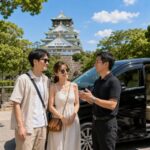
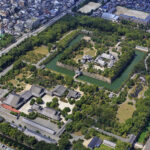
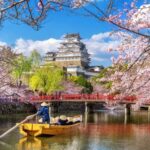
The day’s biggest contrast is part of its appeal: you move from Kyoto’s ancient temple lanes and famous vermilion gates to Nara, where deer wander among park paths and temple grounds. One day gives you a quick, vivid introduction to three very different Kansai sights without asking you to plan the connections yourself.
I like two things in particular: round-trip transport makes a busy multi-stop day much simpler, and a guide can add context about Japanese customs as you go. Recent tour feedback specifically praised guides for patient explanations, cultural commentary and helpful service, with one guide named Rick.
The trade-off is time. Kiyomizu-dera, the old streets, Fushimi Inari and Nara all compete for one day, and several stops are self-guided. If you want long, quiet visits or a full climb up the mountain trails, this schedule may feel brisk.
- Three major sights in one day: Visit Kiyomizu-dera, Fushimi Inari Taisha and Nara Park, with time for Todai-ji as well.
- Two departure choices: Meet at Osaka Nipponbashi Station at 8:40 or in the Kyoto Station area at 9:50.
- Free time at key stops: Explore independently rather than following a guide every minute.
- Deer, with a practical warning: You can buy crackers to feed Nara’s deer, but the animals may crowd around you.
- Budget for extras: Transport, tolls, parking and a guide are included, but temple admission, meals and drinks are not.
- A full Kansai day without stitching together the transport
- Kiyomizu-dera and the old lanes below it
- Fushimi Inari’s red gates, on your own schedule
- Nara Park’s deer and Todai-ji’s Great Buddha
- What the .79 starting price does and does not cover
- Make the most of a tightly timed day
- Should you book this Kyoto and Nara day trip?
- FAQ
- Where does the Osaka departure meet?
- Is there a Kyoto departure option?
- What time does the Osaka tour return?
- Which languages can the guide speak?
- Are temple admission fees included?
- Is lunch provided?
- Can children join the tour?
- How long do you get at Nara Park?
- Can I cancel for a full refund?
- The Best Of Osaka!
- More Tours in Osaka
- More Tour Reviews in Osaka
A full Kansai day without stitching together the transport
This tour links Kyoto and Nara, two former capitals with very different moods, in a single day from Osaka or Kyoto. The operator supplies round-trip transfers, fuel, tolls and parking, so you avoid figuring out several train journeys and local connections. That convenience matters most when you have limited time and want to see the region’s headline sights.
The Osaka departure meets at Exit 2 of Nipponbashi Station. Be there by 8:30 for the 8:40 departure. The Kyoto option meets in the Kyoto Station area at 9:50. The Osaka itinerary is scheduled to return at about 18:00, though traffic and weather can change the timing.
A Chinese-, English- or Japanese-speaking guide is included. The tour does not state its group size, so do not assume that the title’s one-person wording means a private trip. It indicates a booking option, not a promise that you will have the vehicle to yourself.
Recent feedback puts the guide’s role in focus. Rick was praised for patient explanations, while another guide was noted for talking about Japanese customs and culture. One customer also appreciated patient help resolving a problem the day before. Those details suggest that the guide can make the bus time more useful, though the specific guide you get is not guaranteed.
👉 See our pick of the The Top 15 Workshops & Classes In Osaka
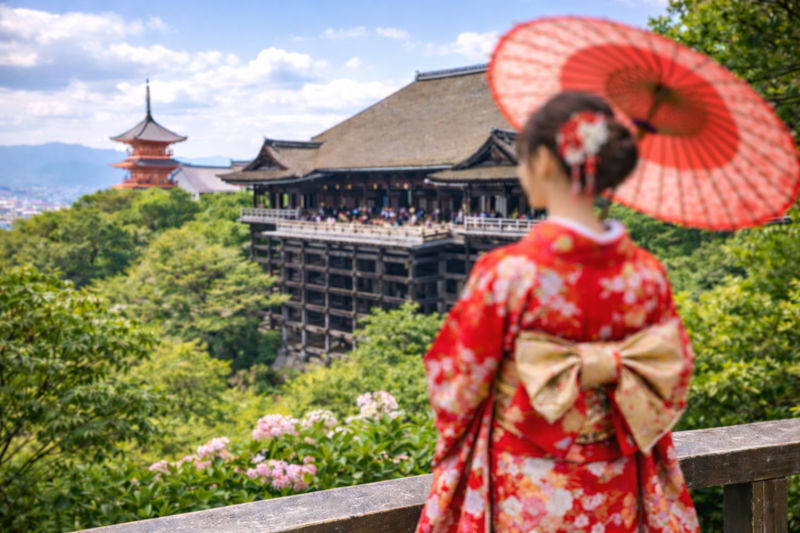
Kiyomizu-dera and the old lanes below it
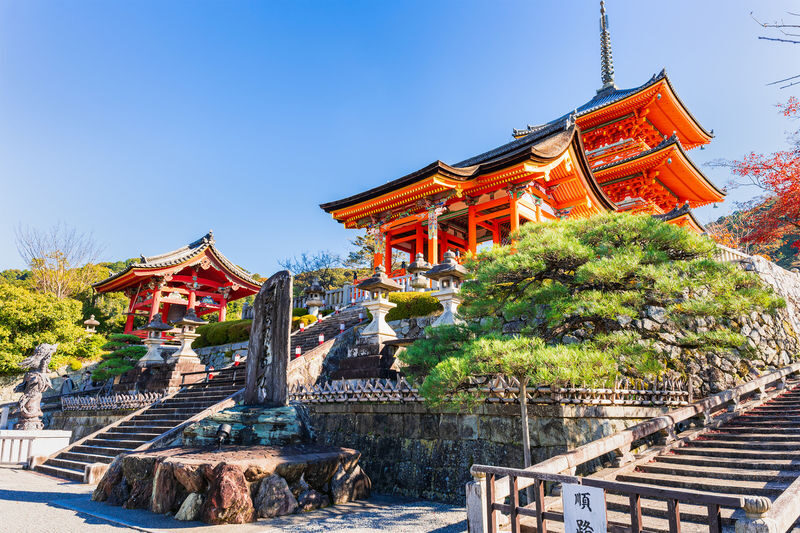
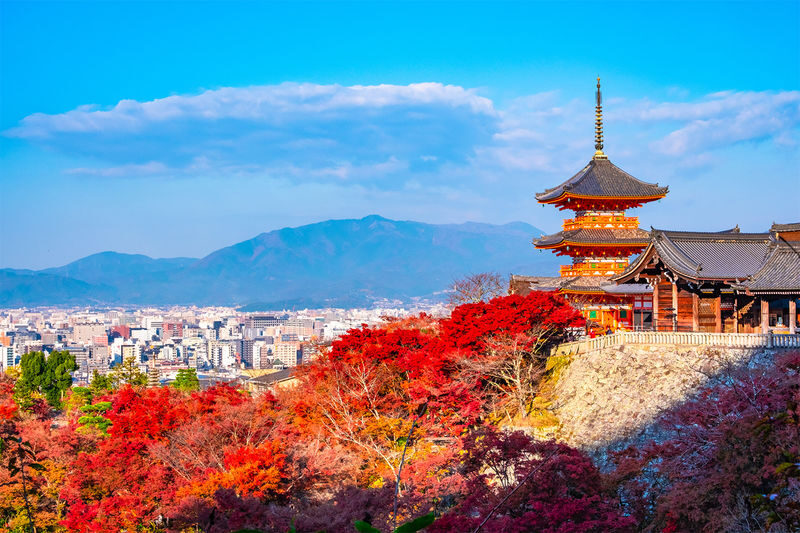
Kiyomizu-dera is the first major Kyoto stop. Founded in 778, it is described as Kyoto’s oldest temple and is recognized as a World Cultural Heritage site and an important national treasure of Japan. The temple’s wooden stage gives you a broad view over Kyoto, and the height and open outlook make this more than a quick photo stop.
The grounds also include Jishu Shrine, north of the main hall, known for prayers for love and good relationships. If that matters to you, allow a little time for the shrine as well as the main hall. The tour’s stated plan leaves you to explore independently here, so keep an eye on the group’s return time rather than assuming you can linger.
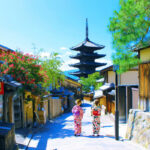
Below the temple, Ninen-zaka and Sannen-zaka offer a different sort of visit. These sloping, stone-paved lanes are lined with traditional wooden buildings, shops and tea houses. You can browse for Kyoto snacks, paper fans, dolls, chopsticks and other handicrafts, or simply take in the old-town setting.
This is also where you arrange your own lunch. That gives you the freedom to choose what appeals, but you will need to manage your meal and sightseeing within the available stop time. Kiyomizu-dera’s admission is not included, and the tour information says to pay any worship fee yourself. Check current charges before you go, since no amounts are specified here.
You can also read our reviews of more tours and experiences in Osaka.

Fushimi Inari’s red gates, on your own schedule
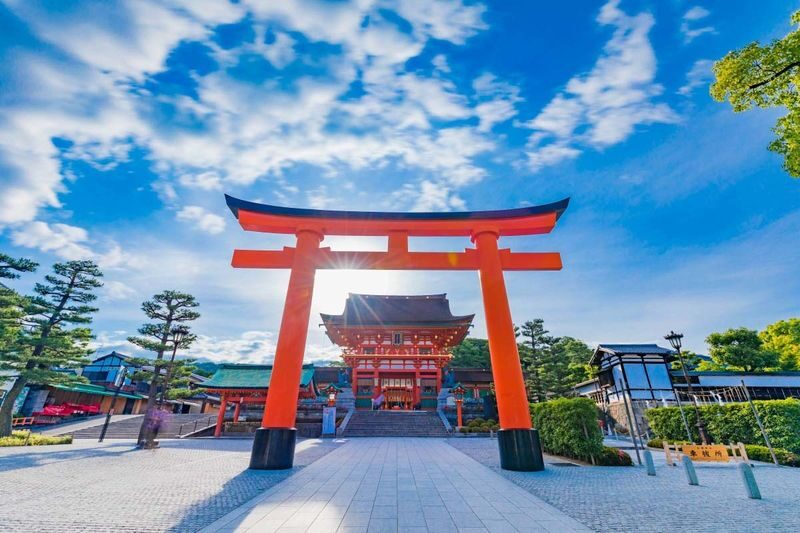
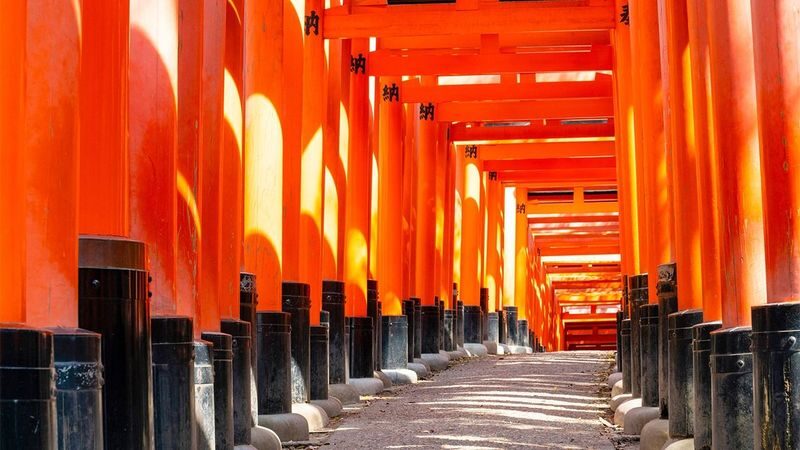
In the afternoon, the tour visits Fushimi Inari Taisha, the head shrine of Inari shrines in Japan. Its rows of vermilion torii gates form a striking passage through the shrine grounds and are among Kyoto’s most recognizable sights. You have about 70 minutes for free exploration.
That time is enough to see the well-known gates and get a feel for the shrine, but it is not an invitation to take a leisurely walk through every part of the grounds. If you want a longer walk, decide in advance how far you plan to go and turn back with enough time to meet the group.
Look for the white fox-shaped ema, the wooden plaques visitors can write on and leave with a wish. The fox motif is a distinctive detail at this shrine, and a small, hands-on ritual can make the stop more personal than simply passing through the gates.
The main strength of this visit is that it gives you time to explore without requiring a guided procession. The limitation is the same: you need to watch the clock, and there is no promise of a quiet visit at a famous attraction. Be ready to share the path and focus on the parts you most want to see.
Nara Park’s deer and Todai-ji’s Great Buddha
Nara Park is the day’s final major stop, with around 1.5 hours listed for free activities. At the foot of Mount Wakakusa, it is known for its open parkland and free-roaming sika deer. The deer are regarded as messengers of the gods, and seeing them move among people gives the park a character unlike Kyoto’s temple streets.
You can buy deer crackers and feed them, but approach with care. The deer are described as playful and can gather around people enthusiastically. Keep food put away until you are ready, and do not mistake a crowd of curious animals for a calm, one-at-a-time feeding line.
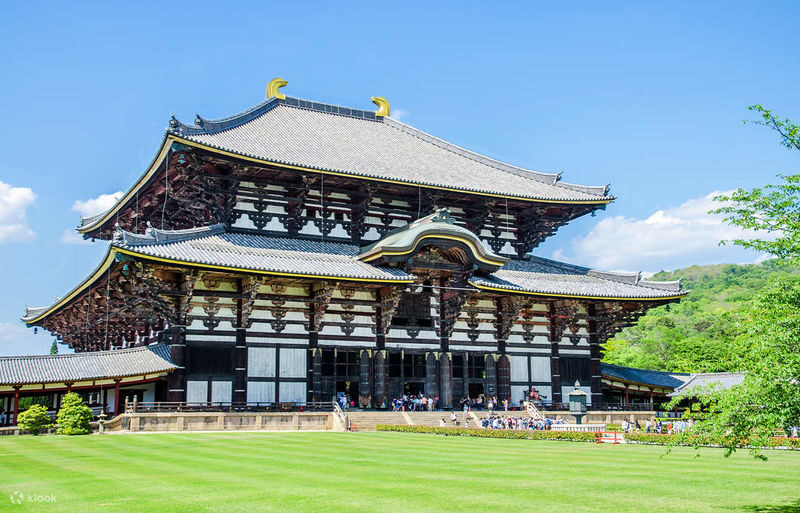
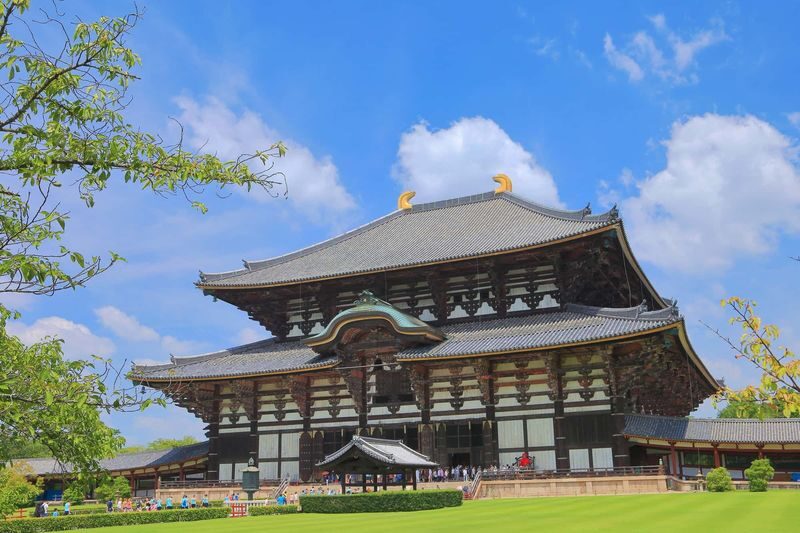
Todai-ji is another major reason to use your time well. Built in 752 by order of Emperor Shomu to enshrine the Rushana Buddha, it is the head temple of Japan’s Huayan sect. Its Great Buddha Hall is 57 metres wide and 50 metres deep, and houses a golden Buddha about 15 metres high. The scale is the point: the hall and statue make a powerful impression even if you have already seen many temples.
The temple’s buildings were damaged by fire and the main hall was rebuilt in 1692. Other important structures include Nandaimon, Nigatsudo and Sangatsudo. Todai-ji admission is extra, so decide how much of your Nara time you want to spend inside the temple and how much you want to leave for the park and deer.
The schedule gives Nara about 1.5 hours in one part of the description and 1 hour 10 minutes in the brief itinerary. Treat that as a reminder that stop times may be tight and subject to change. If Todai-ji is a priority, head there promptly rather than spending the entire stop with the deer.
What the $44.79 starting price does and does not cover
At a starting price of $44.79, this tour offers useful value if you want transport between the major stops and a guide without arranging a day trip yourself. The included costs are round-trip transfers from the meeting point, tolls, parking and fuel, along with a guide who speaks Chinese, English or Japanese. You are paying for the convenience of connecting several sites, not for an all-inclusive day.
Set aside extra money for Kiyomizu-dera and Todai-ji admission, any worship fee, lunch, drinks and personal purchases. No admission prices or meal arrangements are provided, so check current costs and bring enough for the experiences you choose. The old streets around Kiyomizu-dera are a natural place to find food, but your meal is your responsibility.
The tour is best suited to someone who values breadth over depth: a first-time visitor, a short-stay guest based in Osaka, or anyone who would rather leave intercity transport to a guide. It is less suited to someone who wants to spend half a day at one temple, take a long walk at Fushimi Inari or move entirely at their own pace.
The information says there is no age limit, but children aged three and older pay the same rate as adults. Infants and children must be included in the passenger headcount. The activity is not recommended for people with impaired physical mobility, and you should dress for the day’s weather.
Make the most of a tightly timed day
Choose the Osaka departure if you are staying there and want a direct start from Nipponbashi. Choose Kyoto if that meeting point works better for your plans; its listed meeting time is 9:50. In either case, arrive early. Latecomers and no-shows are not eligible for a refund, so the meeting point is not a place to cut timing close.
Pack light, wear weather-appropriate clothes and keep your lunch plan simple. You will be moving between several sites, and the stops are largely self-guided. A short list of priorities helps: the Kiyomizu stage, a stroll down the old lanes, the torii gates at Fushimi Inari, then Todai-ji or time with the deer in Nara.
The schedule may change with traffic and weather. Changes to a booking are allowed until 48 hours before the activity starts, with some exceptions, including bookings made with Klook Pass or certain special offers. If extreme weather or another unforeseen event leads the operator to cancel, you can reschedule or request a full refund. Check the current terms when booking, especially if your plans may change.


Should you book this Kyoto and Nara day trip?
I would book it if you have one day to cover Kyoto and Nara and want transport, a guide and a straightforward route from Osaka or Kyoto. The combination is strong: a hilltop temple, Kyoto’s historic lanes, Fushimi Inari’s red gates, a huge Buddha hall and Nara’s roaming deer.
I would skip it if your ideal day means lingering, making frequent detours or walking at a slow pace. The tour’s value comes from fitting a lot into one day, and that means accepting short visits, extra admission costs and some time pressure. Go in with priorities, budget for the temple fees and let the guide handle the road connections.
1 Person Group: Meet adorable deer, stroll through ancient capitals: Kyoto, Nara, Osaka Kansai classic panoramic one-day tour
“Tour guide Rick was very professional and patiently explained everything, making it a very enjoyable experience.”
FAQ
Where does the Osaka departure meet?
The Osaka departure meets at Exit 2 of Nipponbashi Station. The listed departure time is 8:40, and you should gather 10 minutes beforehand.
Is there a Kyoto departure option?
Yes. The Kyoto option meets in the Kyoto Station area at 9:50. The exact meeting point is not specified in the tour details.
What time does the Osaka tour return?
The listed return time is about 18:00 at Nipponbashi Station. The schedule may change because of traffic or weather.
Which languages can the guide speak?
A Chinese-, English- or Japanese-speaking guide is included.
Are temple admission fees included?
No. Admission to Kiyomizu-dera and Todai-ji is not included. The listed information also says to pay any Kiyomizu-dera worship fee yourself.
Is lunch provided?
No. Meals and beverages are not included. You arrange and pay for lunch yourself.
Can children join the tour?
There is no age limit. Children aged three and older are charged the same rate as adults, and infants and children must be included in the passenger headcount.
How long do you get at Nara Park?
The tour details give about 1.5 hours for Nara Park, while the brief itinerary lists 1 hour 10 minutes. Stop times may change, so plan to follow the guide’s timing on the day.
Can I cancel for a full refund?
A full refund is available if you cancel at least 48 hours before the activity date, based on local time at the destination. If the operator cancels because of extreme weather or an unforeseen event, you can reschedule or request a full refund.