
In a bar in Gaia watching FC Porto vs Benfica, a stranger spent 90 minutes explaining each player to me in broken English. When I asked why the crowd sang “Porto, Porto, Porto” rather than a proper club anthem, he shrugged: “because we beat Europe twice and never needed one.” That’s the club the stadium tour sells you.
In a Hurry? Pick One of These
- Best value: FC Porto: Museum & Tour on GetYourGuide — main ticket, covers the museum and the guided stadium walk. Around $20 per person.
- Skip-the-line: Skip the Line: FC Porto Museum & Tour on Viator — the same thing via Viator if that’s your booking habit. Minor queue advantage in August.
- Pair it with Porto: grab a Porto Card to cover the metro fare out to Dragão plus free entry to the old town museums on the same day.
- In a Hurry? Pick One of These
- Who Actually Enjoys This Tour
- The Three Ways to Book
- 1. FC Porto: Museum & Tour — around
- 2. Skip the Line: FC Porto Museum & Tour — around
- 3. Pair with Benfica — Lisbon’s Stadium Tour
- What You Actually See on the Tour
- The Mourinho Factor
- The 2004 Story, Briefly
- Why It’s Called the Dragon Stadium
- Getting to the Stadium
- When to Book and When to Go
- How Long to Budget
- What to Eat Near the Stadium
- Kids on the Tour
- Photography Rules
- FC Porto vs Benfica vs Sporting
- Matchday Tickets — If You’re Feeling Brave
- Accessibility
- The Short Version
- Pairing the Tour with the Rest of Your Porto Day
- What I’d Change About the Tour
- The Other Stuff in Porto Worth Doing
- Souvenirs and the Club Shop
- One More Thing
Who Actually Enjoys This Tour
Straight answer first. If you don’t care about football at all, you can skip this and not feel you missed Porto. The stadium is interesting architecture and the trophy room is a decent 30 minutes, but it’s not Livraria Lello or the Port wine caves — you’re not going to walk out changed.
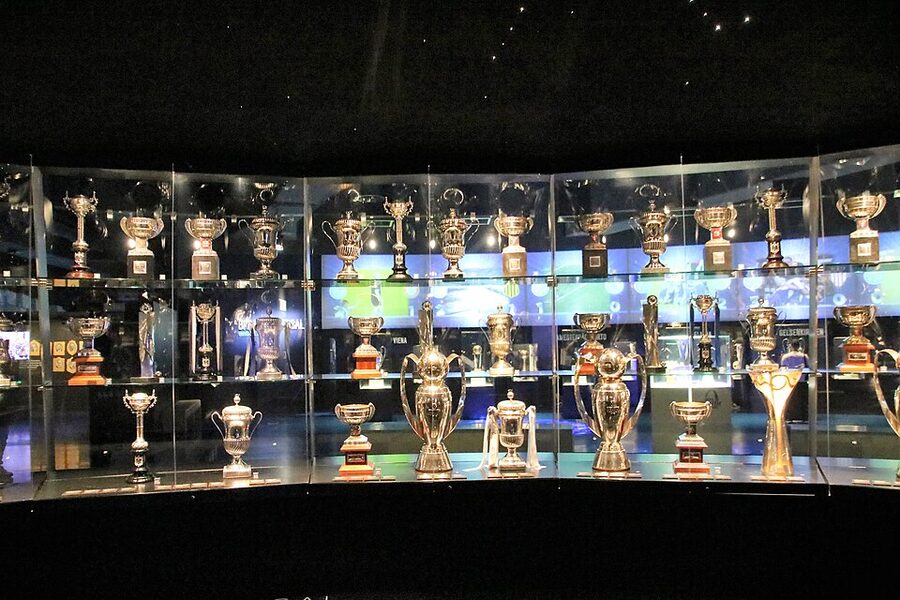
But if you care about football even a little — you watch a league, you’ve been to a match, you have opinions about Mourinho — the tour earns its two hours. You stand at the edge of a pitch that has hosted Manchester United and Bayern Munich. You walk past seven international trophies, all won in your lifetime (unless you’re very old), lined up in a single glass case. The whole thing is compact, well-paced, and priced like a museum ticket in most other European cities.
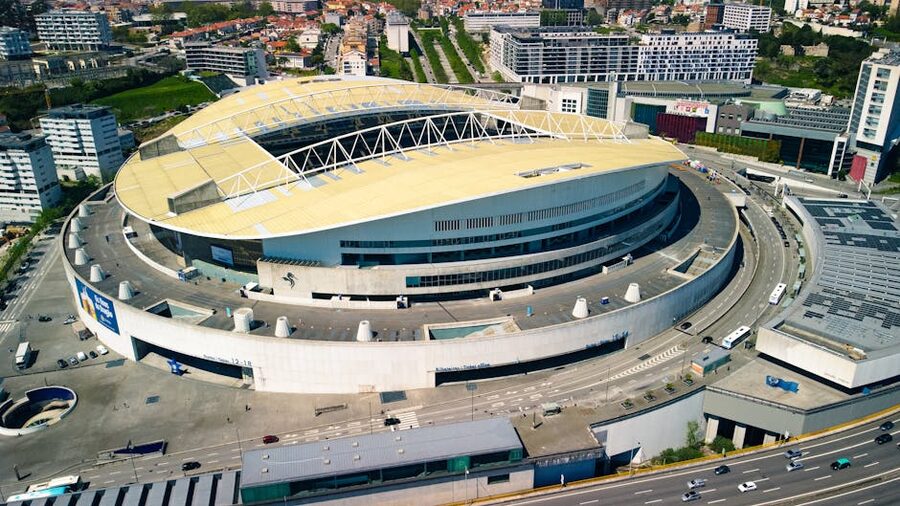
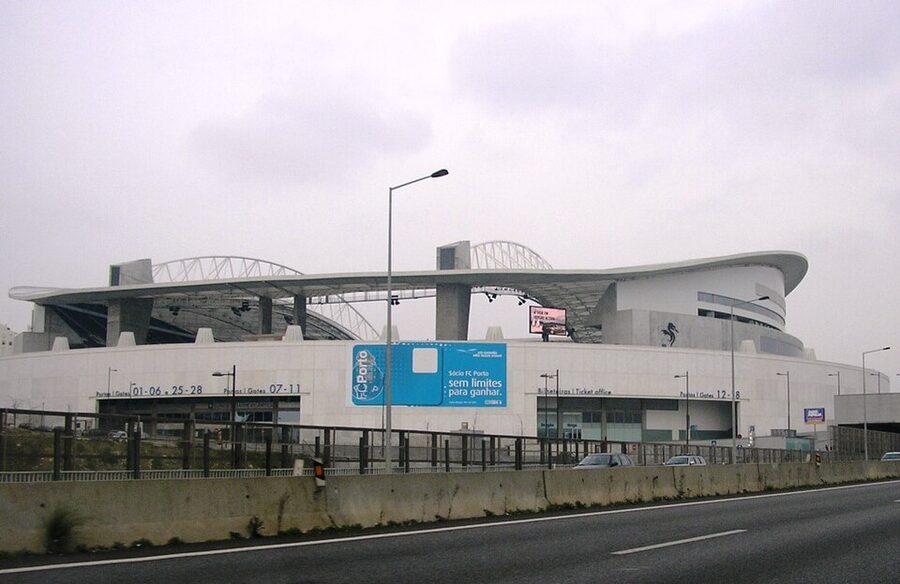
The people I’d specifically recommend it to: anyone doing a Portugal trip that also includes the Benfica stadium tour in Lisbon (the two together are the proper football-tourism pairing), parents travelling with a football-mad kid aged 8+, and architecture nerds who want to see what a 2003 Euro-tournament stadium looks like 20 years on.
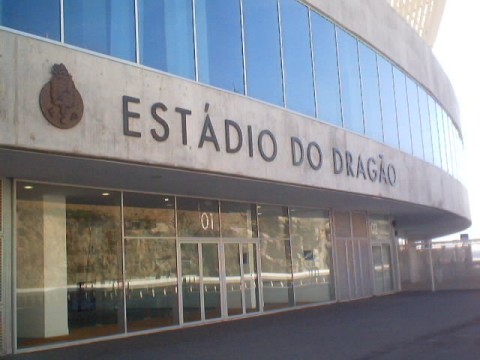

The Three Ways to Book
1. FC Porto: Museum & Tour — around $20
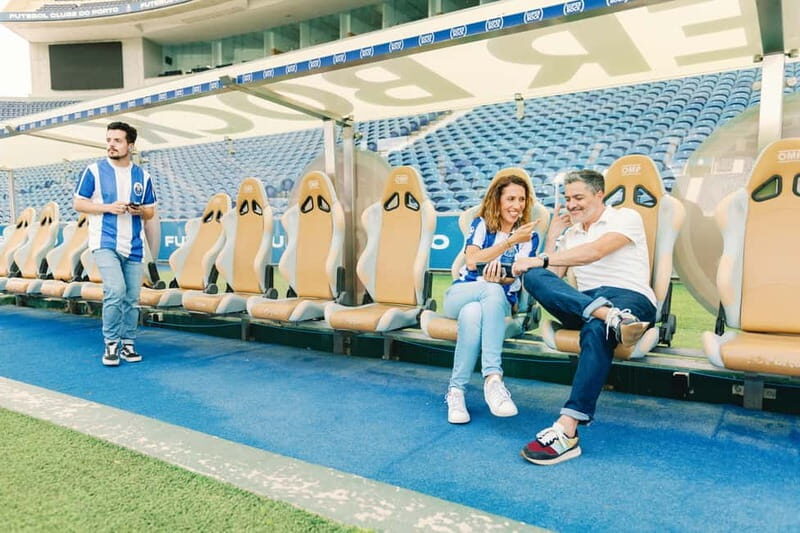
The main product, and what most people should book. You get the full 27-room museum (trophies, jerseys, interactive rooms, a short film) plus the guided stadium section where they take you out through the tunnel, onto the pitch edge, into the dressing rooms, and up into the press box. About two hours door to door. Our full review has the room-by-room breakdown and which parts are worth lingering over.
2. Skip the Line: FC Porto Museum & Tour — around $20
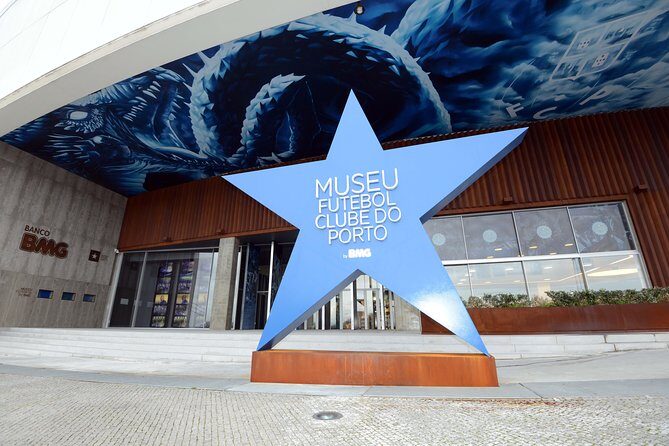
Functionally identical to option one, just booked through Viator instead of GetYourGuide. I’d only bother if you’re booking a bunch of other Porto activities on Viator and want everything in one account. In August and on Saturdays the “skip the line” part matters; in February it absolutely does not. Our review compares the two platforms for this specific tour.
3. Pair with Benfica — Lisbon’s Stadium Tour
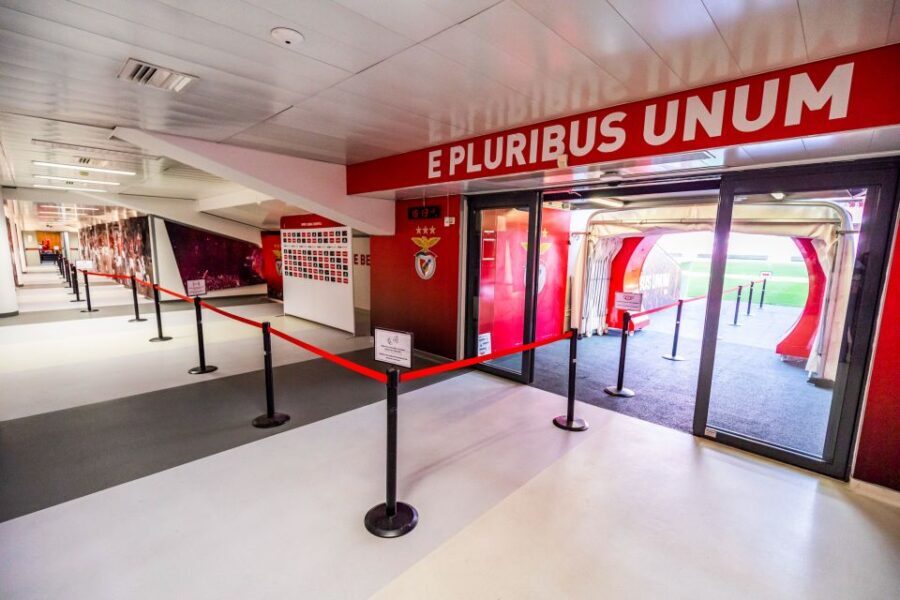
Not a Porto tour — but worth flagging. If you’re in Portugal for more than a week and hitting both Porto and Lisbon, doing the Benfica Luz tour and the FC Porto tour in the same trip is the proper way to understand the country’s football culture. Benfica sells scale and history (38 league titles, the Eusébio museum); Porto sells European glory (2x Champions League, Mourinho). Our Benfica guide covers that one in detail.
What You Actually See on the Tour
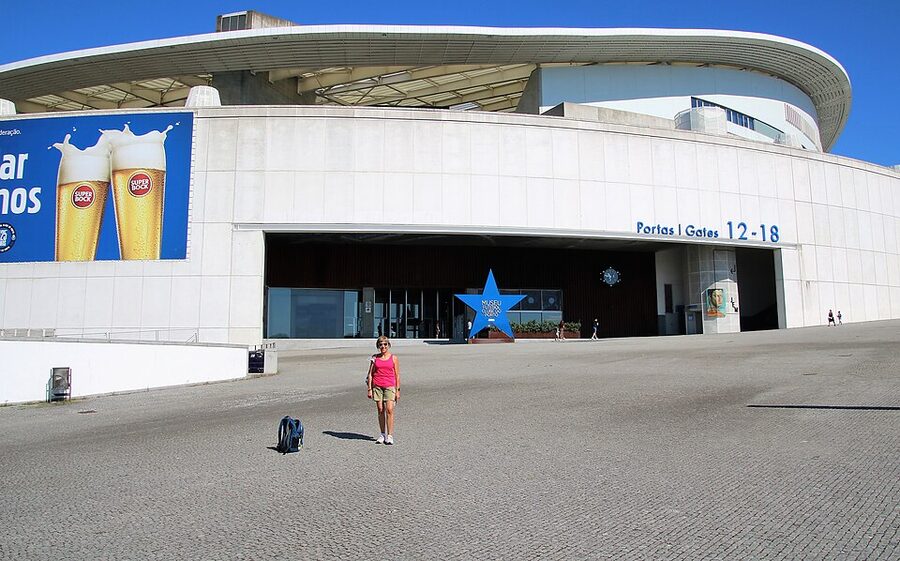

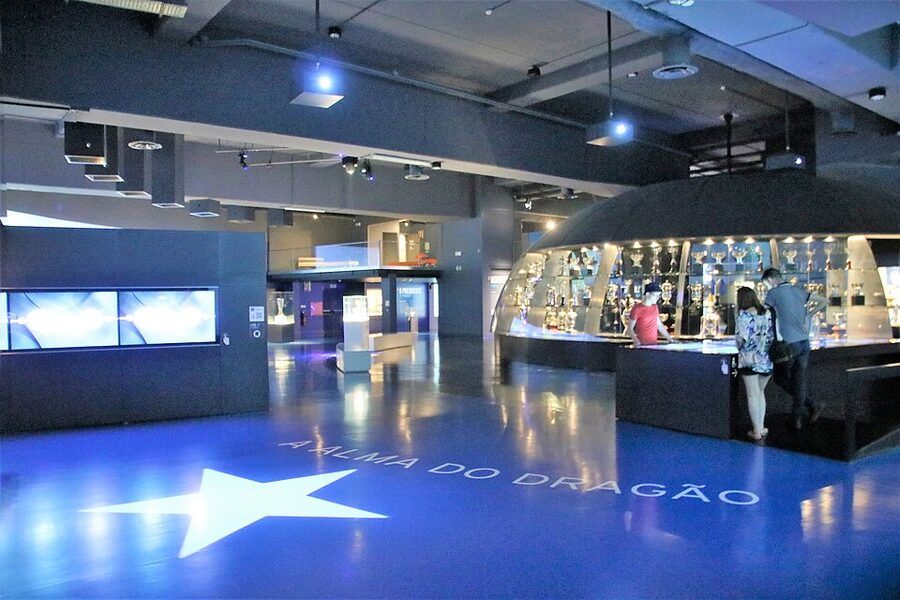
The tour is split into two halves, and the museum half is self-guided. You scan your ticket, pick up an audio guide if you want one (it’s included, in seven languages including English), and walk through 27 themed spaces at your own pace.
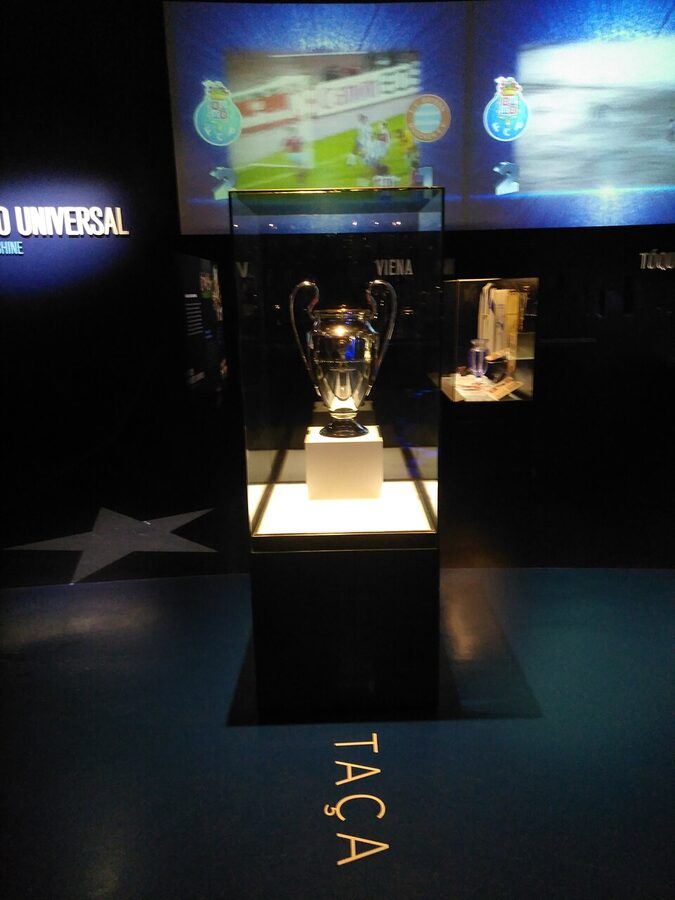
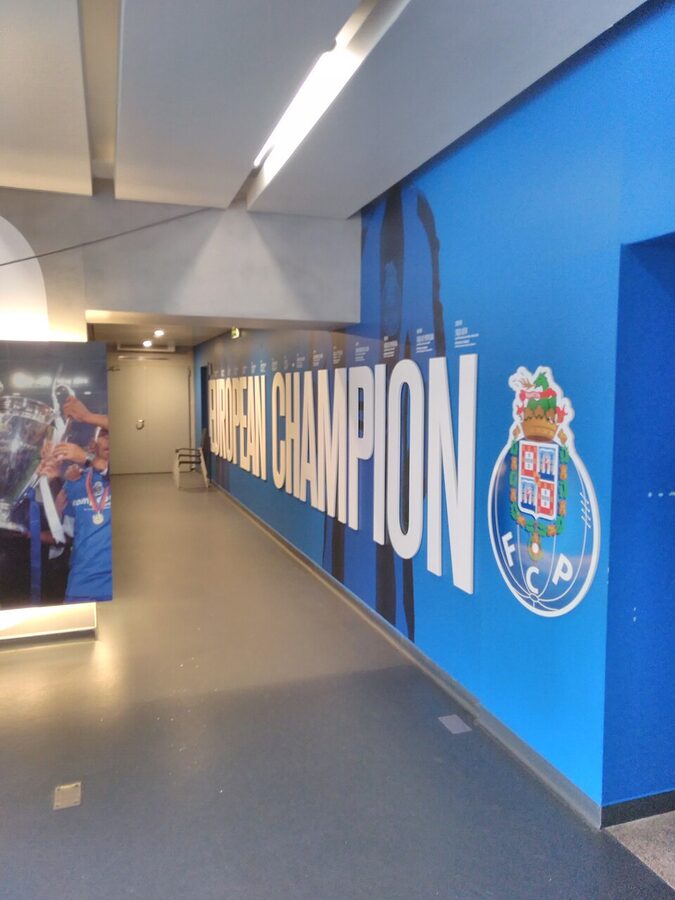
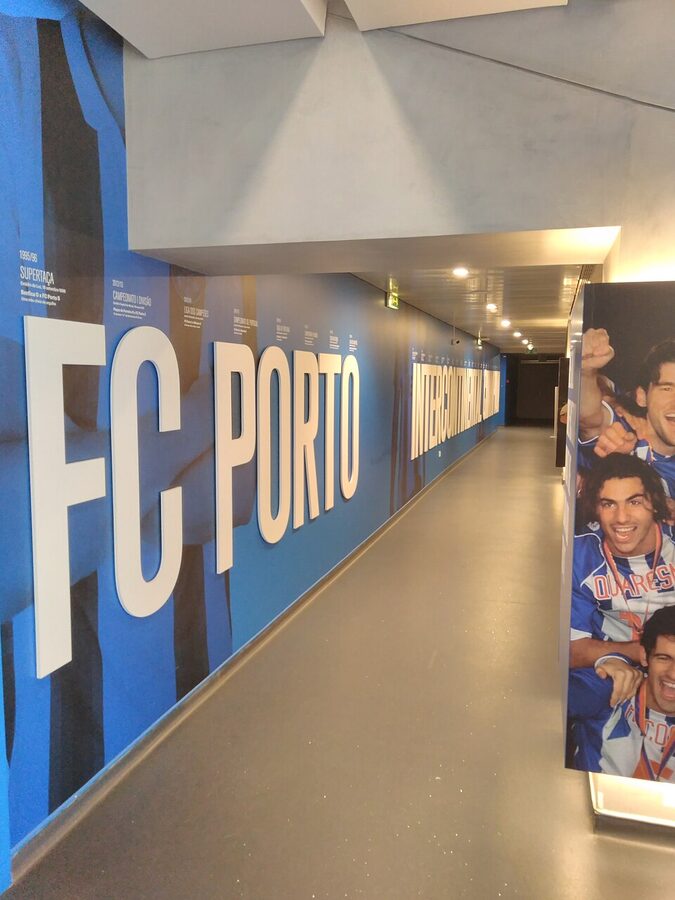
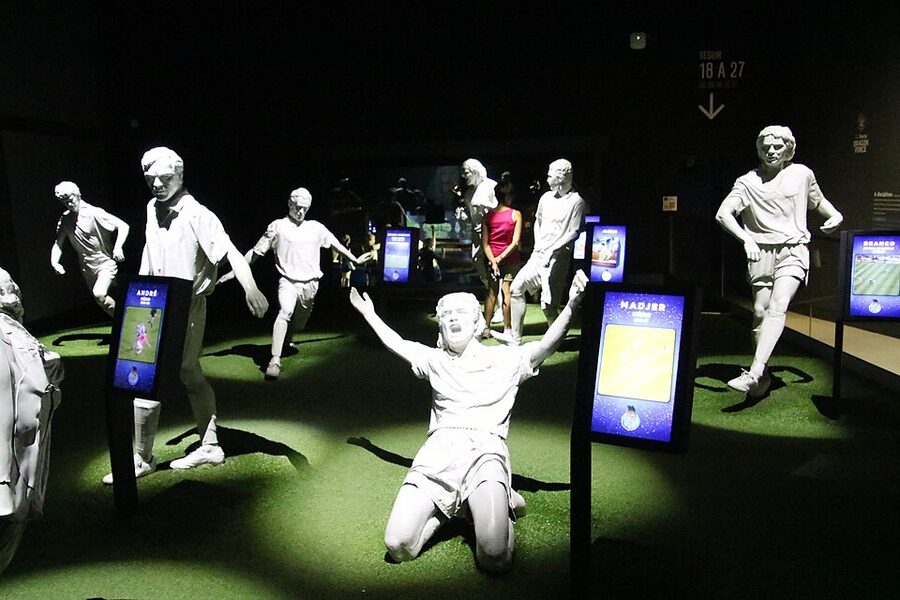
First half — the museum (about 60-75 minutes): the club’s founding in 1893, the amateur era, the first league titles, the Bobby Robson years, the Mourinho era, the modern squad. There’s a wall of every jersey ever worn. There’s a ball-weight room where you can pick up and compare balls from different decades. There’s an interactive passing/shooting game the kids in my group queued for. And there’s the trophy hall, which is the one bit nobody should rush.
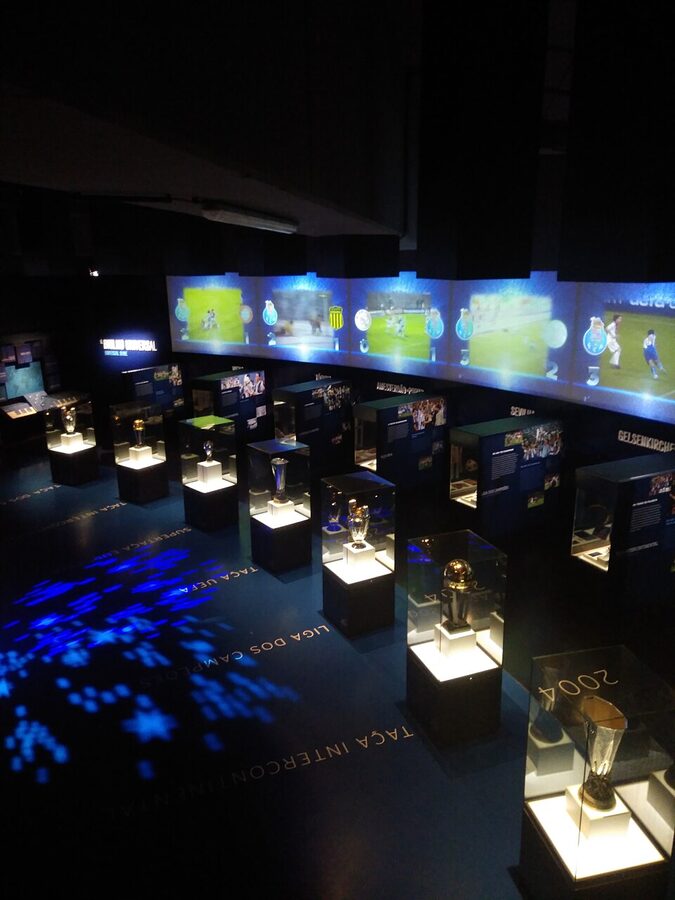



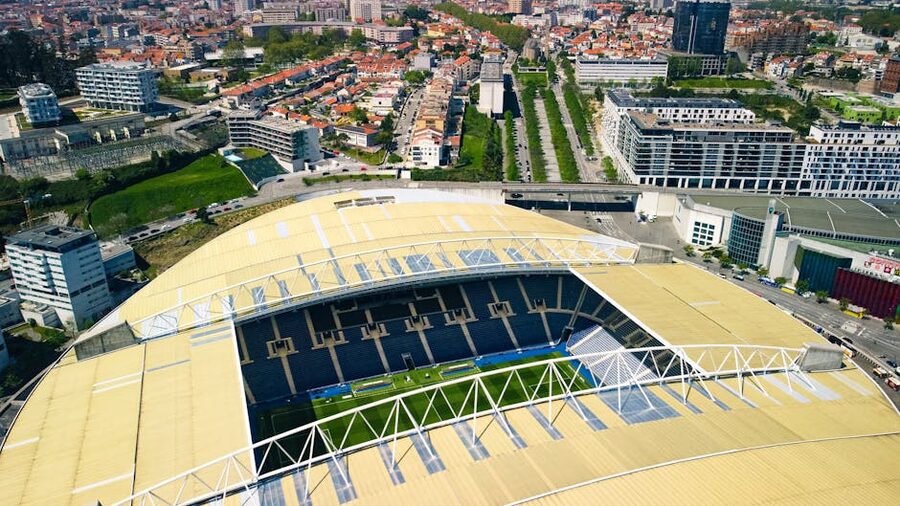
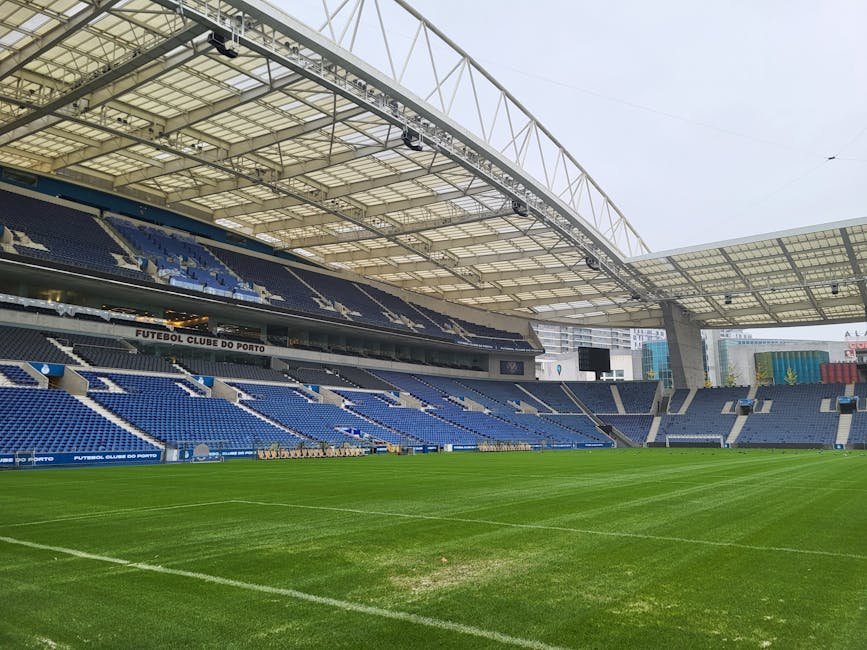
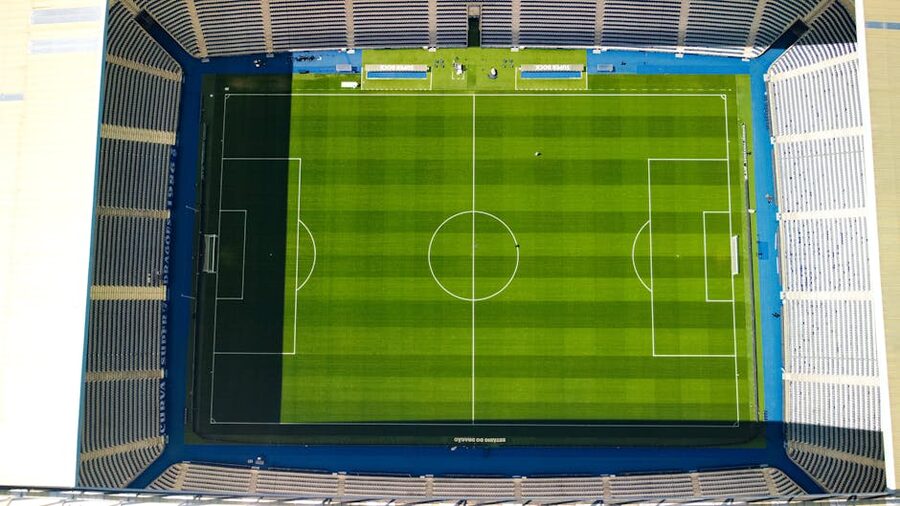
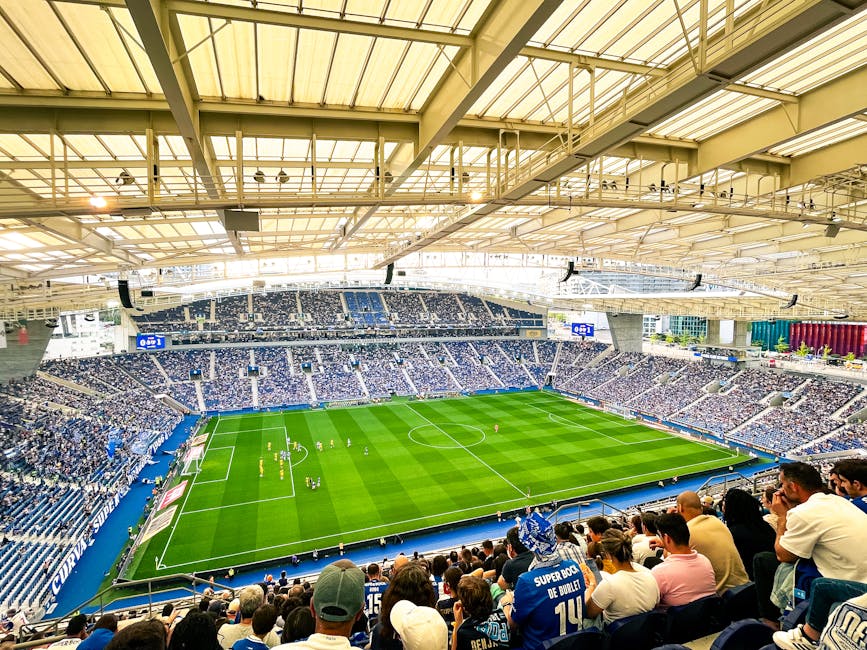
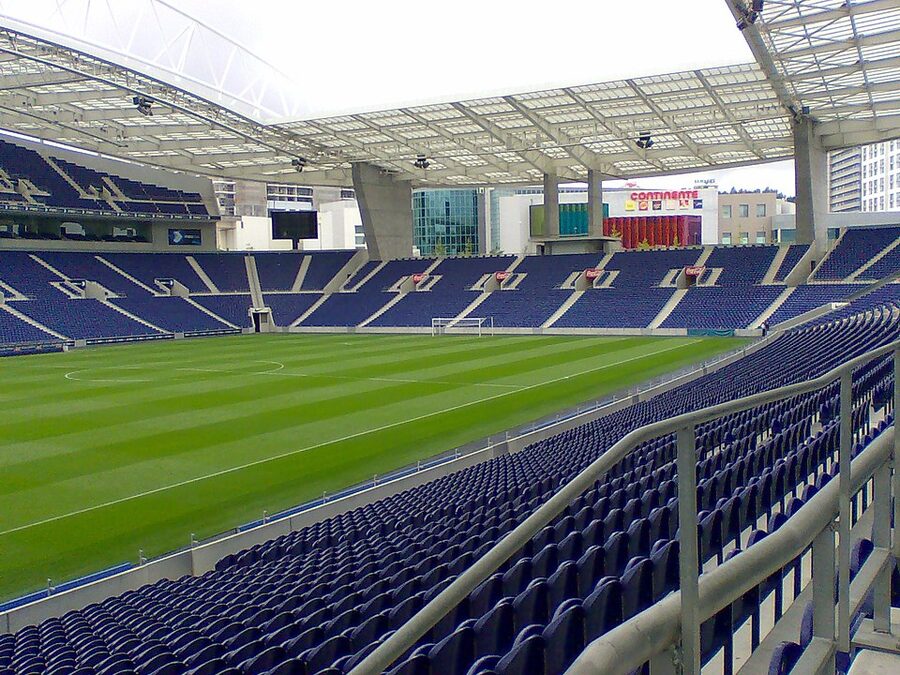
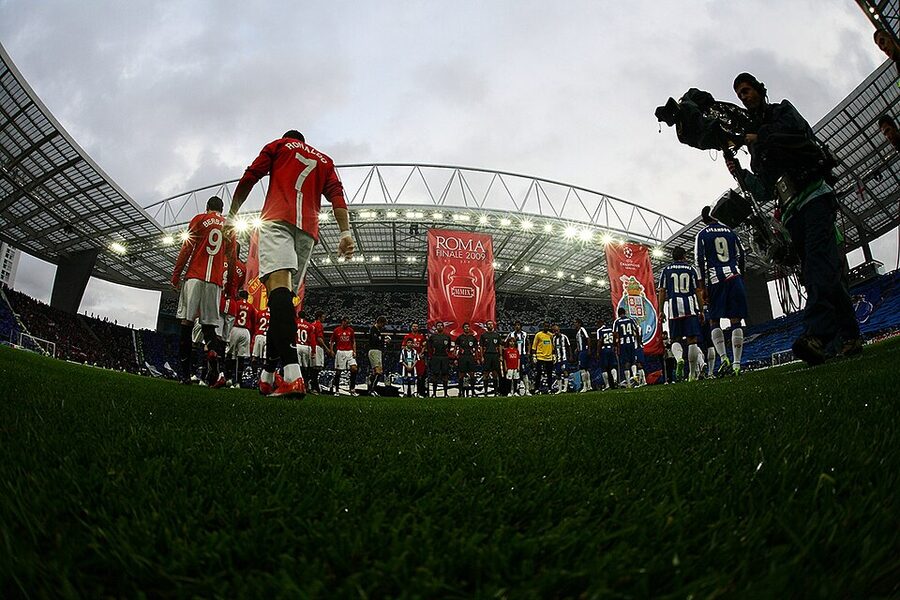
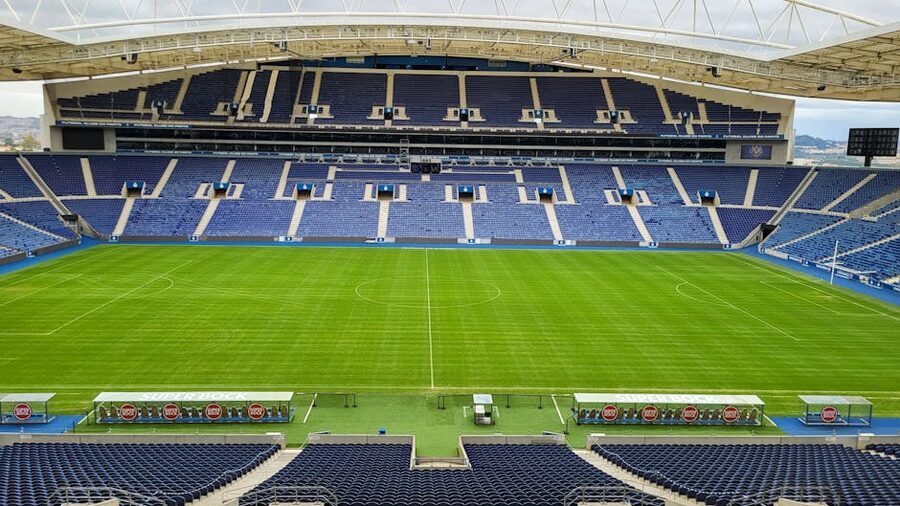
Second half — the stadium (about 45 minutes, guided): a guide takes groups of maybe 20-30 people from the museum exit through a door you don’t notice on your way in, down a short corridor, and into the stadium bowl itself. Then up the stands for the pitch view, down into the tunnel, through the home dressing room, past the away dressing room (they don’t let you in), into the press conference room where you can sit at the top table, and out to the pitch edge for photos. No walking on the grass itself — that’s guarded and you’ll get reminded quickly.


The Mourinho Factor
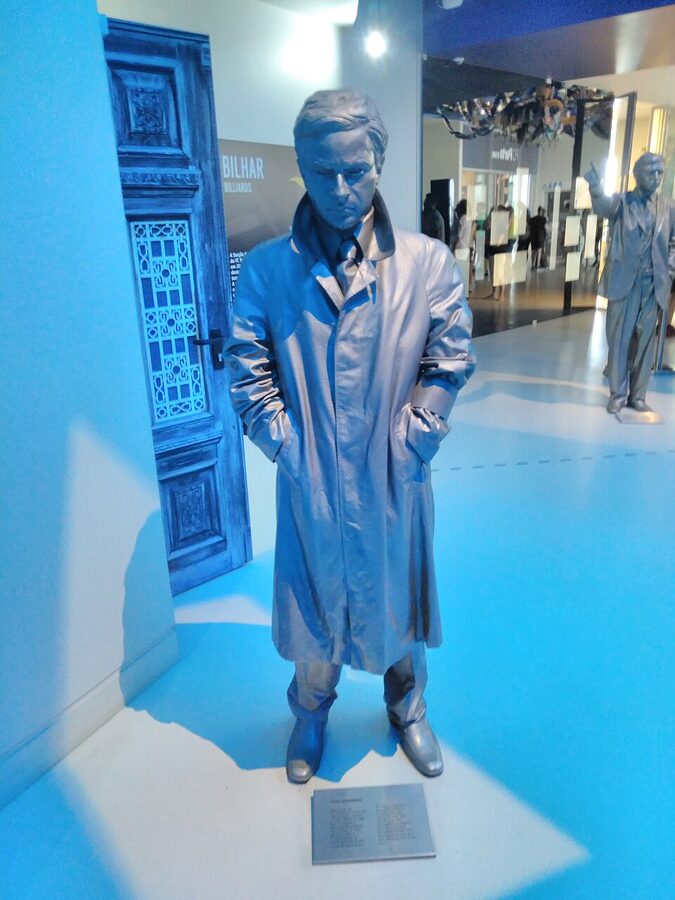

Let’s say it plainly — a big chunk of international visitors are here because of José Mourinho. He managed Porto from 2002 to 2004, won the UEFA Cup in his first year, won the Champions League in his second, and then walked into Chelsea as the “Special One” and changed European football for a decade.
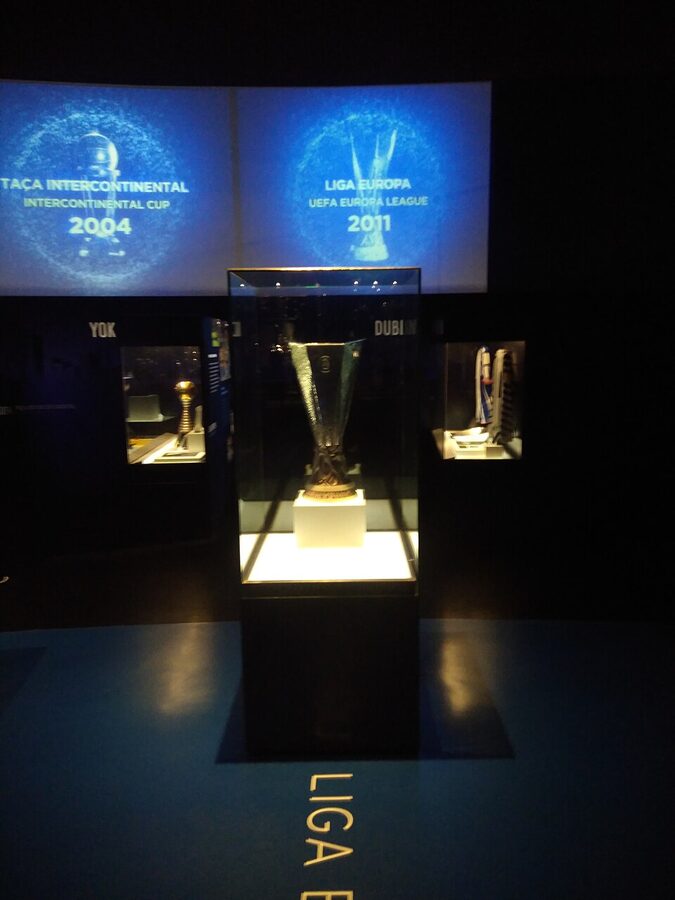
The museum handles him well. There’s a dedicated section, the sculpture gets pride of place, and the guide will talk about his tactical approach if you ask. What they don’t do is dwell — Mourinho left for Chelsea in 2004 and the club has won plenty since, including another Champions League in, well, wait, no, they haven’t. They’ve come close. They’ve won the Europa League again in 2011 under André Villas-Boas (another manager Chelsea later poached). But 2004 was the peak and everyone in the museum knows it.
Worth knowing: Mourinho is genuinely divisive in Porto. Ask five locals and you’ll get five different takes on his legacy. The museum presents him as the great modern figurehead; at least one of the bar conversations I had after the tour was about how “he won things, yes, but he was never really one of us.” That’s Porto for you — a city that’s precise about the difference between winning and belonging.
The 2004 Story, Briefly
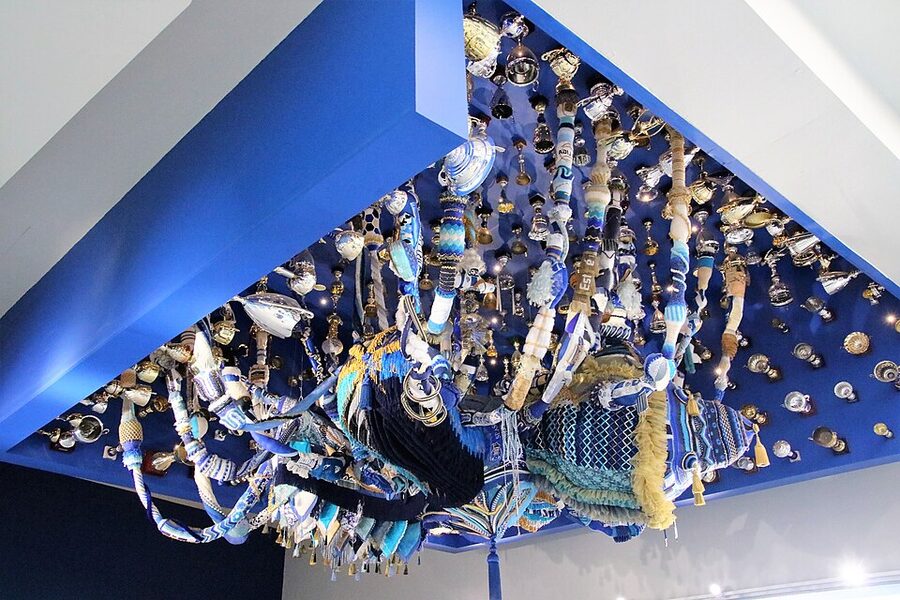

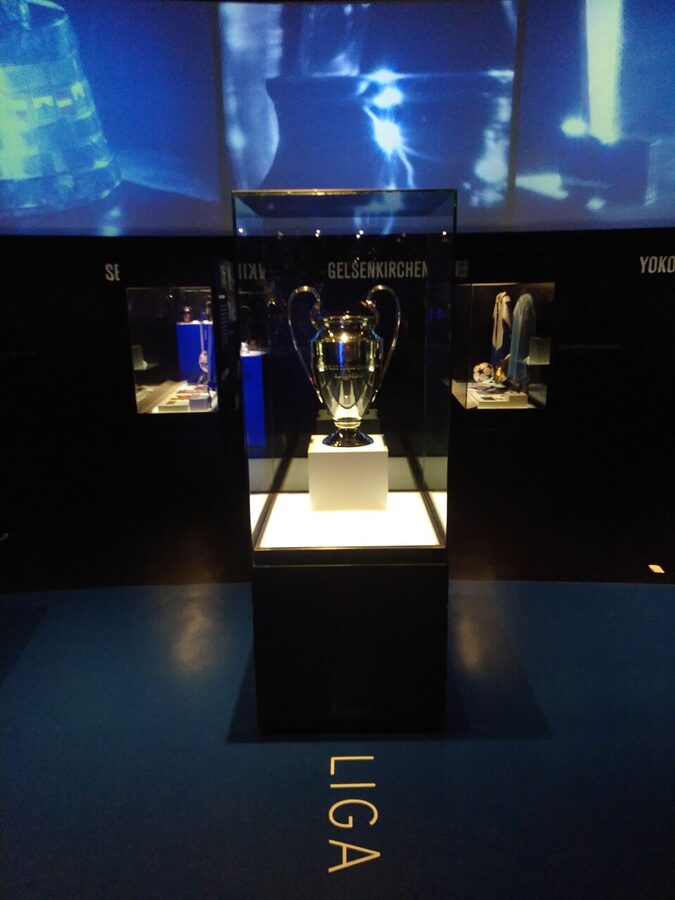
Because it’s the story everyone on the tour asks about: Porto’s 2004 Champions League run went through Manchester United (infamous Scholes offside goal disallowed), Lyon, Deportivo La Coruña, and Monaco in the final. 3-0 at the Arena AufSchalke in Gelsenkirchen. Two goals from Deco-era genius, one from Dmitri Alenichev. Mourinho ran down the Old Trafford touchline after an earlier round. Nobody outside Portugal had heard of half the squad; within 18 months Chelsea, Barcelona, and Real Madrid had bought four of them.
The museum has shirts from the final, match programmes, a framed ticket from the Gelsenkirchen final, and the trophy itself — not a replica. That’s the thing worth slowing down for.
Why It’s Called the Dragon Stadium
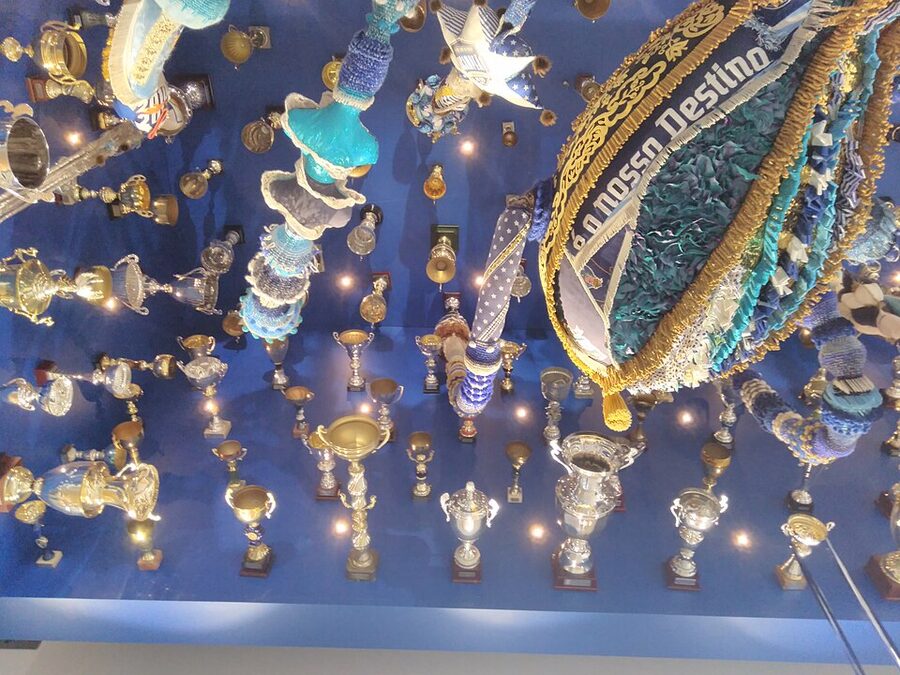

The dragon isn’t invented marketing — it comes from the city’s medieval coat of arms. Porto was granted its arms in 1386, including a dragon crest, and the club adopted the image as part of the official emblem in 1922. When the new stadium opened in 2003 (replacing the older Estádio das Antas, which locals still talk about with a mix of affection and relief — it was a bit of a dump) the name followed.
Small detail that’s fun on the tour: the guides will tell you the stadium’s capacity is 50,033, and that the “33” at the end is intentional — a small tribute to the 33rd league title the club was expected to win the year the stadium opened. They did. Porto won the 2002/03 Primeira Liga with Mourinho in his first full year.
Getting to the Stadium
.jpg)
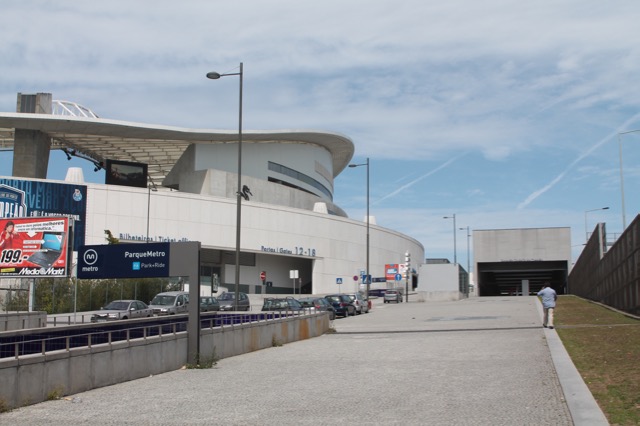
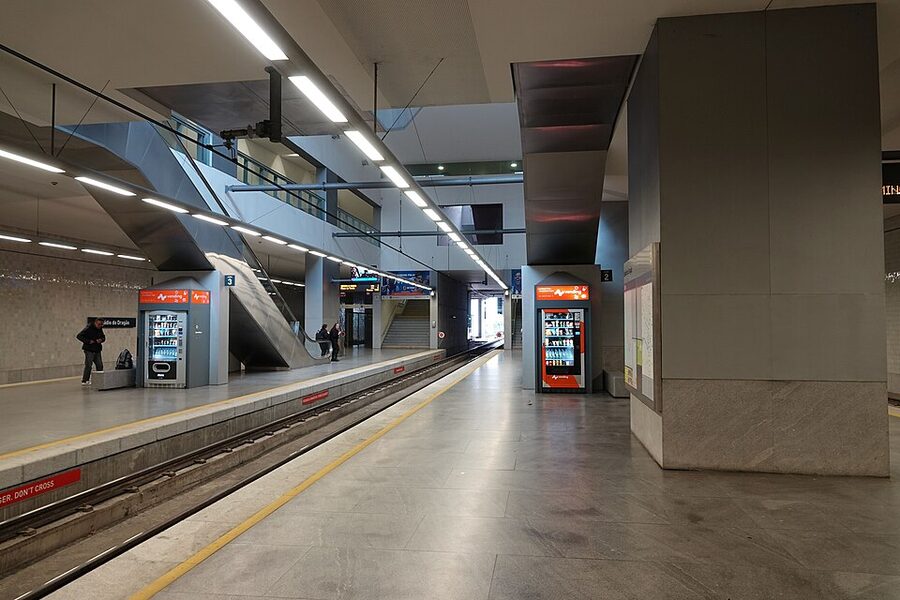
Metro Dragão station, blue line (Linha A). It’s literally the last stop on the eastern spur of the line — you can’t miss it. From Aliados or Trindade in the city centre, the ride is 10-15 minutes and costs around €1.50 one way. You need to buy an Andante card at the machine (one-time €0.60) and top it up; the same card works for the bus system.
.01.jpg)
Driving isn’t worth it. There’s a car park at the stadium but on match days it’s closed to tourists, and on non-match days the metro is faster than fighting Porto traffic. Uber or Bolt from Ribeira is about €8-10, quicker than the metro if you’re in a rush.
The walk from the station to the entrance is maybe 90 seconds. The stadium plaza has a small cafe, a club shop, and a kiosk selling cold drinks and sandwiches — useful because there’s not much else in the immediate area. Bring water in summer; the plaza bakes in the afternoon sun.
When to Book and When to Go
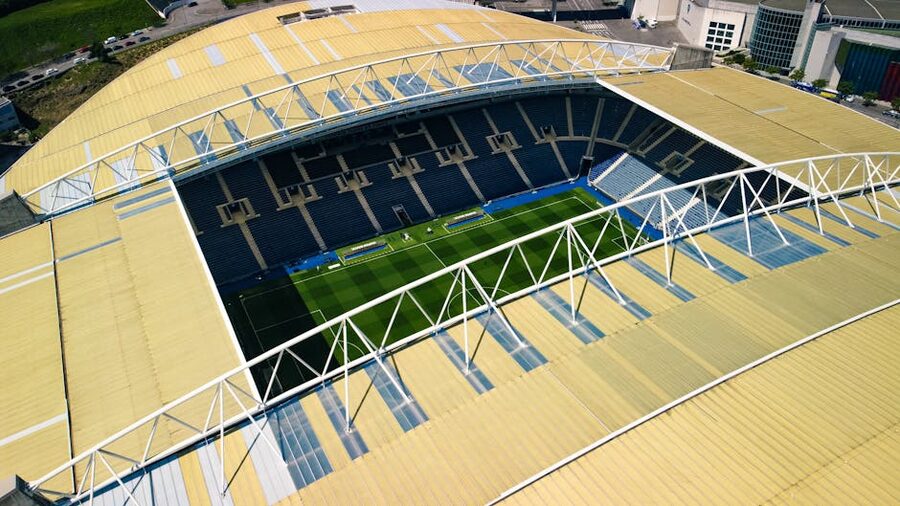
Tours run daily except match days and the occasional training day. Standard hours are 10am-6pm with English-guided sections starting roughly every 90 minutes. The first slot (usually 10:30 English) is the quietest and most comfortable — you get the trophy hall with breathing room, and the guided portion typically has fewer than 20 people.
Weekday mornings are always easier than weekends. Saturdays in July and August sell out 2-3 days in advance for the afternoon slots; if you’re travelling then, book online at least a week ahead. Off-season (November-March), you can walk up to the ticket window and join the next slot. I’ve done it both ways — booking ahead is low-stakes insurance for about €20.
Match-day warning: if Porto has a home match, the stadium tour is cancelled that day. Check the fixture list before booking. The club website lists home matches a couple of months ahead; a quick Google of “FC Porto next match at home” usually tells you what you need to know.
How Long to Budget
Two hours is realistic. The official tour description says “90 minutes to 2 hours” and I’ve seen both. If you skim the museum (30 minutes of jerseys and trophies) and do the guided section at pace, you can be out in 90 minutes. If you watch the short film, try the interactive games, and read the panels in the Mourinho section, you’ll push past two hours.
Add 30 minutes of metro travel each way from the old town, and you’re looking at a three-hour block in your Porto day. That’s the main thing to know before you plan — it’s not a quick stop, it’s a half-day commitment.
What to Eat Near the Stadium
Limited options. The Dragão area is east Porto, not a food destination. There’s a decent cafeteria inside the stadium complex (the restaurant “O Trono” — meaning “The Throne” — does a solid €12 lunch menu on weekdays), and the plaza has a couple of standard Portuguese fast-food counters doing bifanas and pastel de nata.
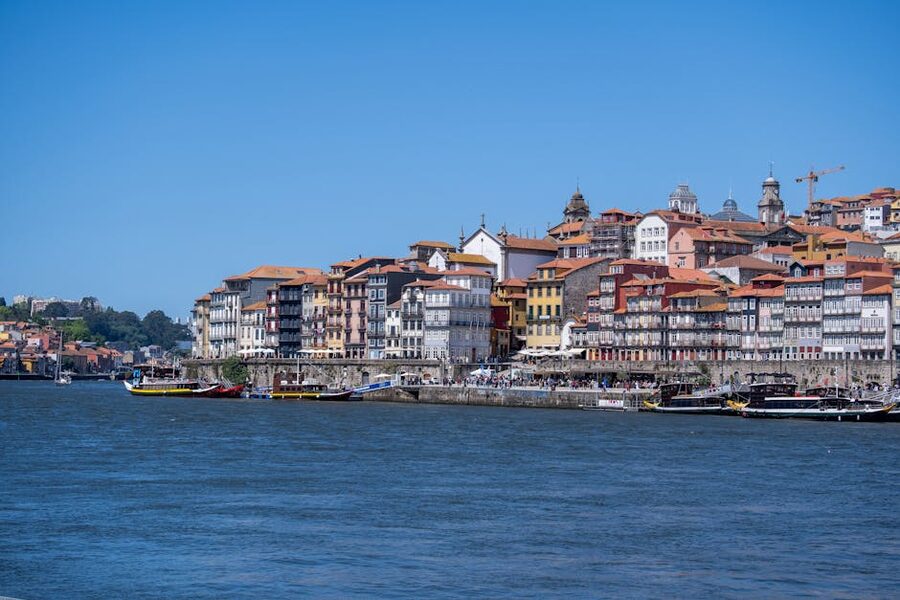
For anything memorable, head back to the old town. The Bolhão market is reopening rounds of food stalls near Trindade station, one stop closer to Aliados on the same metro line. Or push all the way down to Ribeira and one of the port wine lodges across the river in Gaia does tasting-plate lunches that pair well with the experience you just had.
Kids on the Tour
Works from age 7-8. Under that, the museum has too many plaques and not enough things to touch, and the guided stadium portion expects kids to stay with the group. Age 8 to 14 is ideal — there’s enough interactive content (passing game, goal-scoring simulator, a VR booth that was working when I visited and broken when my friend went three months later), and the trophy hall genuinely impresses children who play football.
The Benfica tour has slightly better kids’ facilities (a larger dedicated play area, more interactive screens). If you’re touring both, Benfica is the more child-friendly of the two; Porto is the more football-nerd one.
Tickets for under-12s are about half price. Under-6s are free. Strollers aren’t great on the tour itself — there’s a short flight of steps in the stadium section — but you can park them at the museum entrance.
Photography Rules
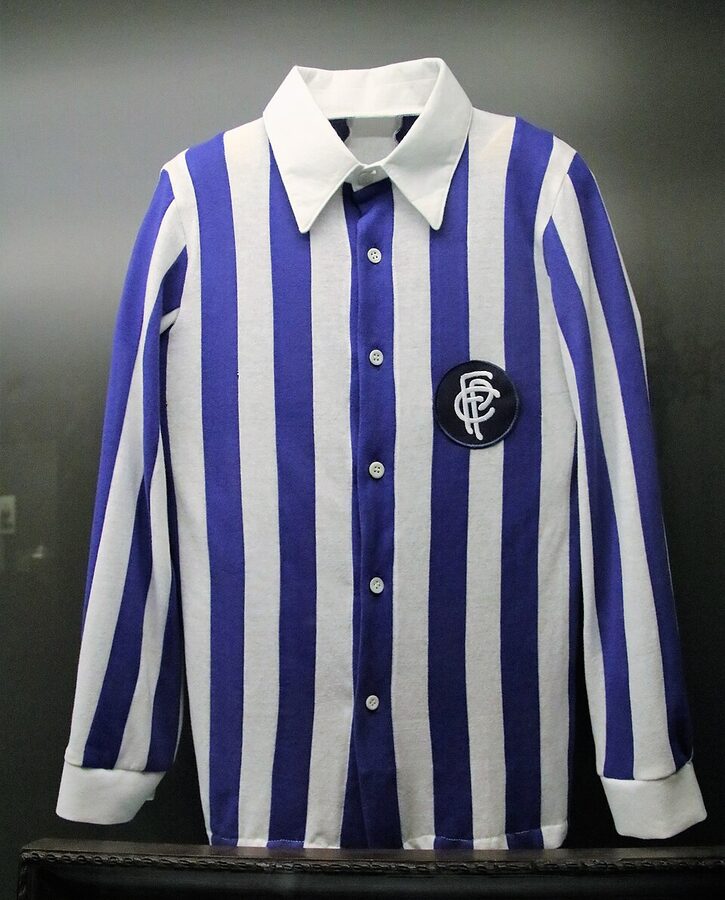

Photos allowed throughout. No flash in the film room and the VR booth area. On the stadium guided portion, the guide will stop and wait for people to get their tunnel-shot and pitch-edge photos — they’re used to it. No tripods; drones specifically banned (there’s a small UEFA security overlay near the pitch).
One practical note: the dressing room is not well-lit. If you’re shooting on a phone, the shots come out grainy. If you have a mirrorless camera, bring a prime lens or prepare to push ISO.
FC Porto vs Benfica vs Sporting
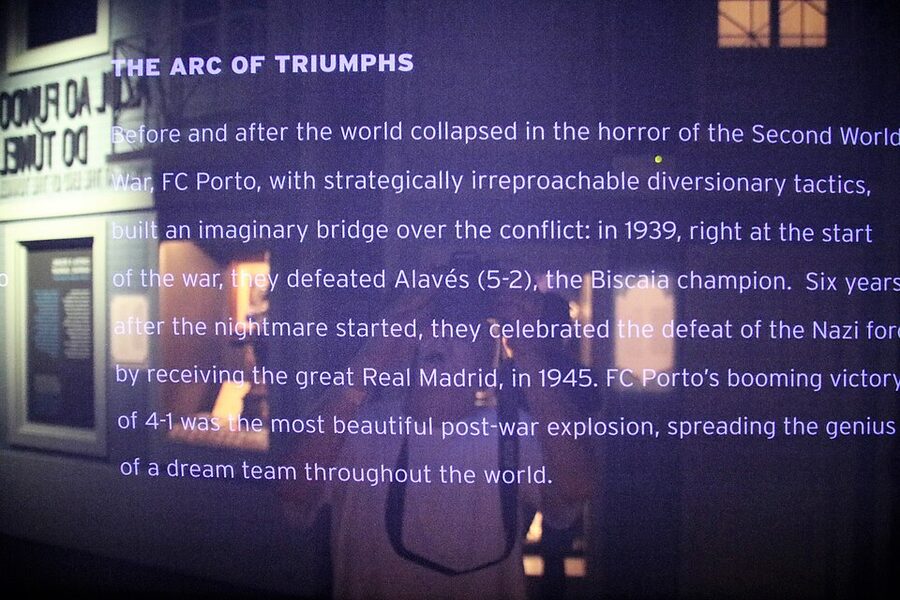

Quick context for visitors. The “Big Three” of Portuguese football are FC Porto (Porto), SL Benfica (Lisbon), and Sporting CP (also Lisbon). They split almost every league title between them — the last team outside the Big Three to win the Primeira Liga was Boavista in 2001 (also from Porto, small side of town). Everything else is noise.
FC Porto’s case for being the best of the three rests almost entirely on European results. Two Champions Leagues (1987, 2004) against Benfica’s two from the 1960s (1961, 1962) and Sporting’s zero. Two UEFA Cup / Europa League titles (2003, 2011) against Benfica’s zero and Sporting’s zero. That’s why the tour sells you the trophy hall so hard — it’s genuinely the thing Porto has that Lisbon doesn’t.
Domestically it’s closer. Benfica has more league titles (38 to Porto’s 30 as of 2025). Sporting is third on both counts. In Porto people will tell you titles won “under communism” don’t really count. In Lisbon they’ll say the same about anything after 2004. This is mostly for fun.

Matchday Tickets — If You’re Feeling Brave
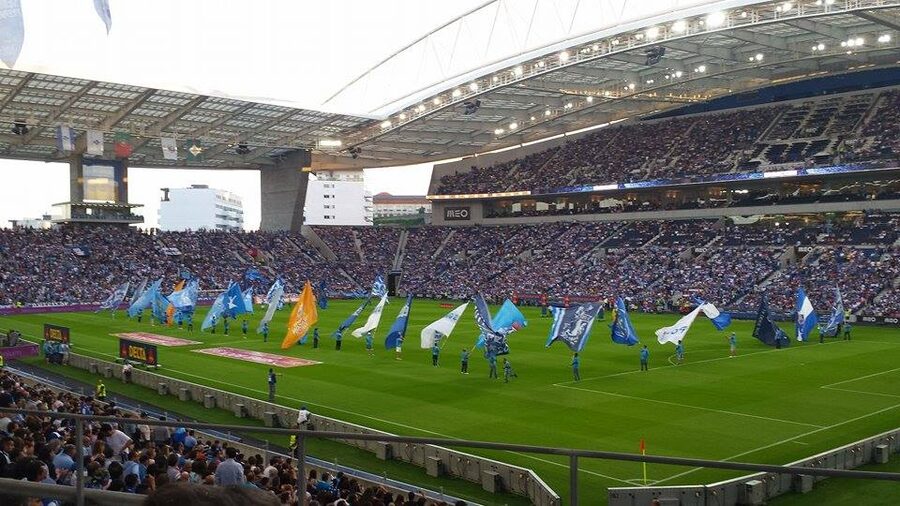
The stadium tour covers everything except the one thing that makes the stadium famous, which is 50,000 people singing. If you can get match tickets, the tour becomes a “before” to a real “after” — you’ve walked the tunnel empty, and now you get to watch players walk it for real.
Tickets: easiest via FC Porto’s official website (portalfcporto.pt) about 2-3 weeks before a match. Prices start around €15 for the upper tier in a mid-season league game, €40+ in the lower tier, and €80-150 for Champions League nights or games against Benfica/Sporting. Non-members (tourists) get the second wave of releases after club members, so popular games sell out.
Secondary market (Viagogo, StubHub) works but you’ll pay 2-3x face for the rivalry games. Europa League nights are usually available; the Superliga games against mid-table sides are almost always available walk-up.

Accessibility
The museum is fully wheelchair accessible. Lifts, wide doors, ramps where needed. The stadium tour portion has one section — the descent to the dressing rooms — that requires about a dozen stairs, and the club has a lift alternative for wheelchair users. Email ahead ([email protected]) if you want to confirm the lift is operating that day; it occasionally gets serviced.
Audio guides are available in seven languages including English, Spanish, French, German, and Japanese. No sign-language guide is available as standard; a hearing-impaired visitor will get most of the museum value but may miss commentary on the stadium walk.
The Short Version
Book the basic €20 Museum & Tour on a non-match day, take the metro, allow two hours plus transit. If you care about football, this is among the best-value stadium tours in Europe. If you don’t, skip it and spend the afternoon at Clérigos Tower or Livraria Lello instead.
Pairing the Tour with the Rest of Your Porto Day
Two hours at the stadium plus 30 minutes of metro each way means a three-hour block. Pair it with a morning walking tour of the old town (9am-11am), a quick lunch in Trindade around midday, and the Dragão from 2pm onwards. By 5pm you’re back in Ribeira for sunset.
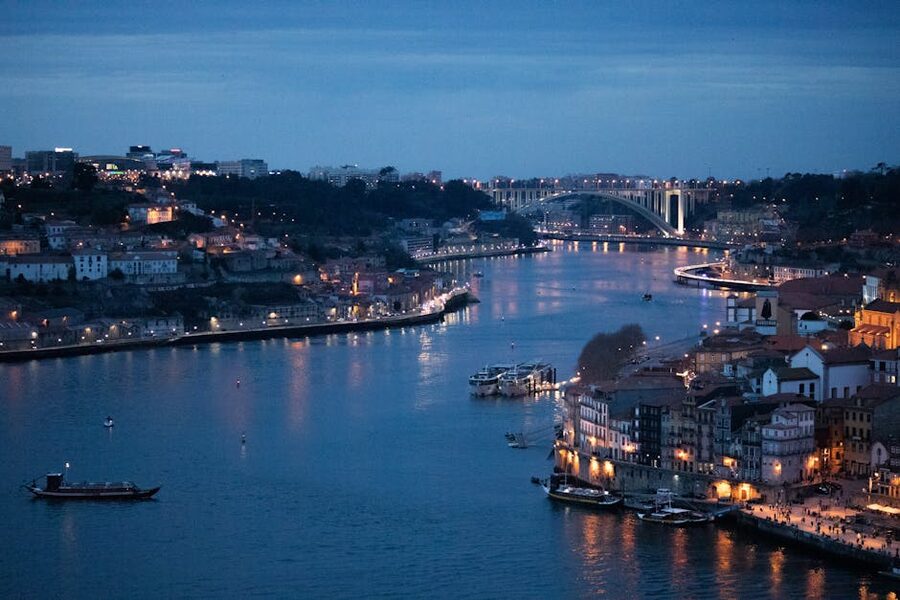
If you’re in Porto for three or four days, don’t do the stadium on your first day — it’s a niche choice that benefits from you already having a feel for the city. Ideal day two or three, after you’ve walked the old town, crossed the Dom Luís I bridge, and had a proper fado night. That way the stadium sits as its own story, not a random modern interruption.
What I’d Change About the Tour
One genuine criticism: the guided stadium portion moves too fast. You get about three minutes on the pitch edge, two minutes in the dressing room, a minute in the press conference room. If you want to sit in the manager’s chair and soak it in, you can — but you’re going to feel the group moving around you.
The fix is to go at the least busy slot (10:30am in off-season, or a late afternoon slot on a weekday) when the guided groups are smaller. With 10-15 people instead of 25-30, the pace feels properly contemplative instead of rushed.
Second criticism: the museum’s chronology breaks down in the 1990s. There’s a clear narrative from 1893 to the 1987 European Cup, then a bit of a jump, then Mourinho, then everything-since-Mourinho gets compressed. It reads like a museum put together by people who are still slightly surprised by 2004.

The Other Stuff in Porto Worth Doing
If you’re in the city for 3-4 days, the stadium is one thing of several. The walking tour covers the old town in half a day. Port wine cellars across the river are a full afternoon. A Douro river cruise gives you the view from below. The six-bridges cruise is the budget version of that. And a fado evening is the right way to close a Porto week — different tradition from the Lisbon fado style, and the Porto venues feel less tourist-polished.
If you’re also going to Lisbon, the best walking tour in Lisbon and the Benfica Luz stadium tour are the two direct counterparts. Do both cities, do both stadiums, and you’ve got a proper Portugal trip that’s not just Pena Palace and Instagram tile walls.

Souvenirs and the Club Shop
The shop sits between the museum exit and the main stadium entrance. Current-season shirts around €90, retro shirts (1987 European Cup replica is the popular one) around €70, scarves €18-25, dragon-emblem keyrings €5. The dragon logo on Porto memorabilia is distinctive — a scarf from Dragão identifies you to football fans anywhere in the world in a way that a generic souvenir doesn’t.
Small tip: the club shop has a specific port wine range — bottles labelled with the FC Porto crest, produced by one of the Gaia lodges. €15-25 a bottle. They’re drinkable, and they’re the only sports-team port wine in the world (as far as I know). If you need an unusual gift for a football-loving adult, that’s your answer.

One More Thing
If you have only one hour instead of two, you can do the museum without the guided stadium portion — it’s about €8 cheaper and perfectly fine on its own. But you’ll miss the tunnel, the dressing rooms, and the pitch-edge moment, which are collectively the reason most people book the tour in the first place. If you’re already going, pay the full €20.
Affiliate disclosure: Some links in this article are affiliate links. If you book through them we may earn a small commission at no cost to you. All recommendations are based on my own visits and research.