
I once tried to walk Warsaw end to end on a single Saturday. Old Town to Wilanów Palace, my phone said. Easy. About an hour and a half on foot. What it didn’t say was that the route is nearly nine kilometres of mostly dull arterial road, half of it under construction the year I went, and that by the time I reached Wilanów I gave the gardens twelve minutes before slumping back on a city bus.
That was the rookie mistake. Warsaw is not Krakow. Krakow you can walk in an afternoon. Warsaw is sprawled out, with Old Town in one corner, the Palace of Culture downtown, Łazienki well to the south, and Wilanów further south still. A hop-on hop-off bus is one of the rare cases where the touristy option is also the smart one.
In a Hurry? Here Are the Picks
Best for most people: City Sightseeing Hop-On Hop-Off (24/48/72h): the proper open-top bus with two routes covering 25 stops. From around $41.
Best for atmosphere: Retro Jelcz Bus Tour with Live Guide: a 2.5-hour guided ride in a communist-era Jelcz “Cucumber” bus, around $42.
Best for guided depth: Three-Hour Panoramic Bus with Hotel Pickup: a guided coach tour with hotel collection, around $58.
- In a Hurry? Here Are the Picks
- Why a Hop-On Hop-Off Actually Makes Sense in Warsaw
- The Two Routes (and Which One You Want)
- Red Route: East Side, Praga, the Big Museums
- Blue Route: Old Town, Royal Stuff, Łazienki
- How the Tickets Actually Work
- The One Thing Nobody Tells You
- Three Hop-On (and Hop-On Adjacent) Tours Worth Booking
- 1. Warsaw: City Sightseeing Hop-On Hop-Off Bus Tour: from
- 2. Warsaw City Sightseeing in a Retro Jelcz “Cucumber” Bus: from
- 3. Warsaw 3-Hour Panoramic City Bus Tour with Pickup: from
- What You Actually See From the Top Deck
- How to Plan Your Days Around the Bus
- Where the Bus Is Genuinely Better Than Walking
- Where Walking Actually Wins
- The Reconstruction Story (Why Warsaw Looks the Way It Does)
- When to Ride (Weather and Crowds)
- Practical Stuff That Trips People Up
- What to Pair With the Hop-On
- Common Questions
- How It Stacks Against Other Capitals
- If You Want More Warsaw
Why a Hop-On Hop-Off Actually Makes Sense in Warsaw
I know how this sounds. The hop-on bus is the most touristy thing in any city. In a smaller, denser place I’d tell you to skip it. Warsaw is the exception.
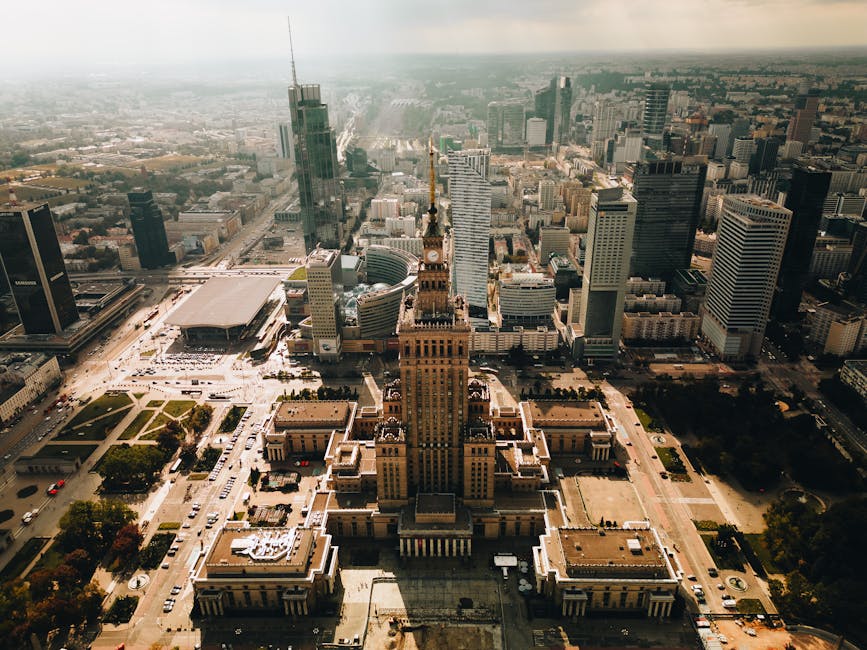
The distances are real. Old Town Square to Wilanów Palace is about 9km. Old Town to Łazienki is about 4km. Palace of Culture to the Uprising Museum is a flat 2km that looks doable until you’re actually walking it past freight depots and motorway junctions. None of these walks is scenic. The interesting parts of Warsaw are concentrated; the bits between them are not.
The metro and trams are good. Cheap, frequent, locals use them well. The catch is that they don’t connect the tourist circuit. The metro has two lines, neither of which lands you at Łazienki, Wilanów, the Uprising Museum, or POLIN. You’d be hopping between bus, tram, and metro, with stop names you can’t pronounce. The hop-on does that connecting work for you.
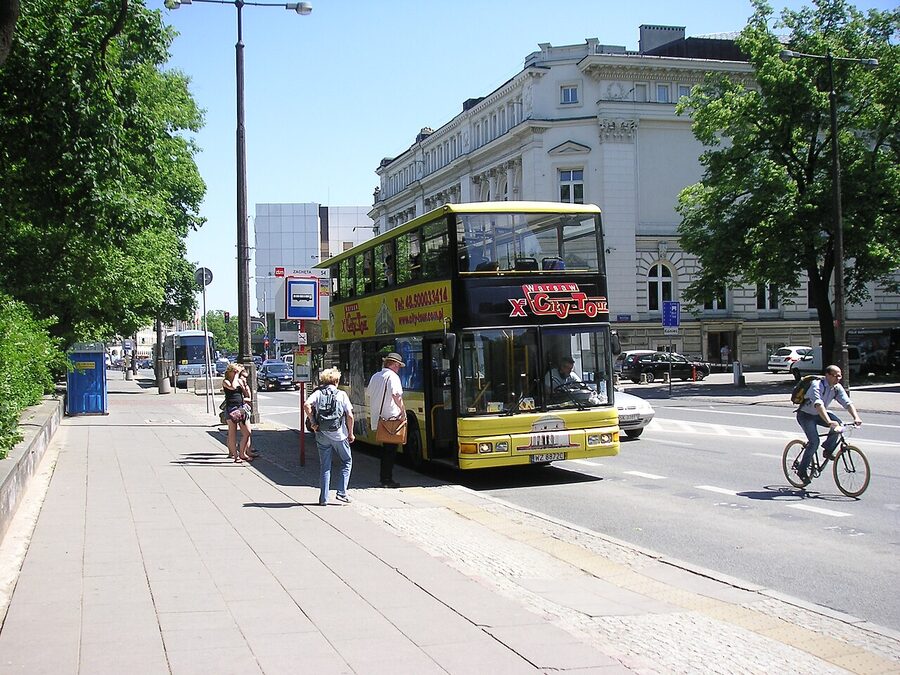

The other thing the bus gives you that walking doesn’t: orientation. Warsaw was 85% destroyed in WWII, rebuilt twice, and rearranged again after 1989. After one full loop on the bus you have a mental map of the city. After three days of walking you still don’t.
The Two Routes (and Which One You Want)
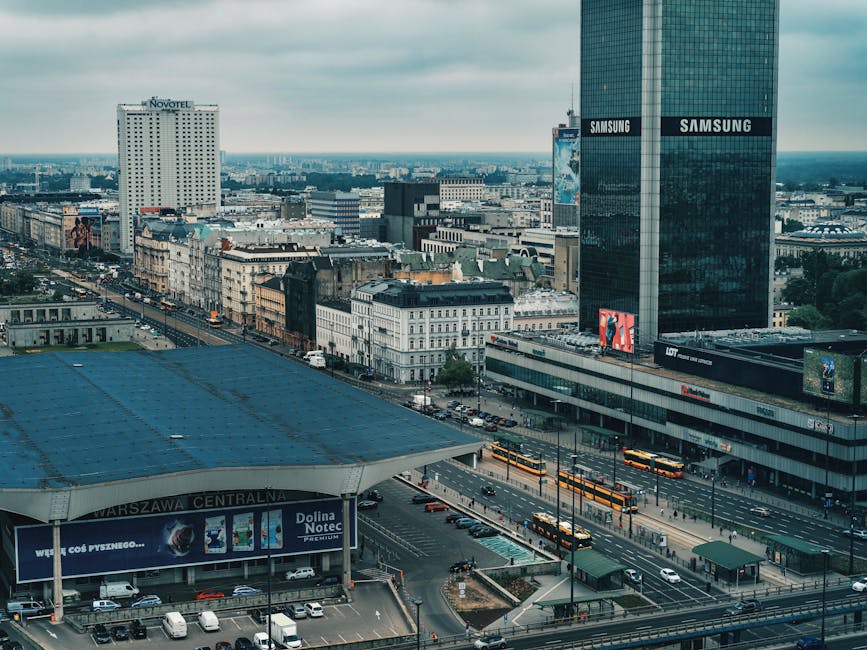
City Sightseeing Warsaw runs two routes, both starting from the Palace of Culture and Science at Dworzec Centralny 14 (right next to the main station). Your ticket works on both lines for its whole validity period. Here’s what each one actually covers.
Red Route: East Side, Praga, the Big Museums
.jpg)
The Red Route does eleven stops. It crosses the Vistula to Praga, the gritty creative district on the right bank, then loops back through the museum quarter. Full circuit takes about 70 minutes. Operating hours 10:00 to 15:50.
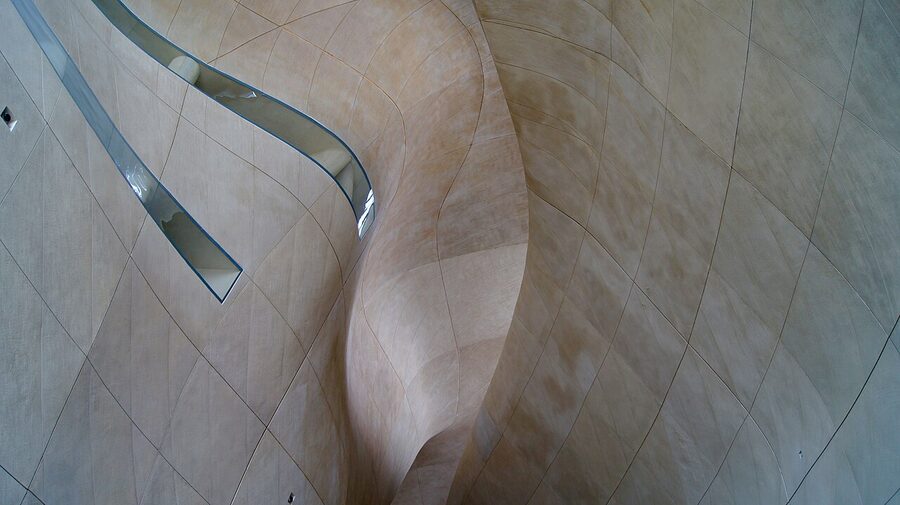
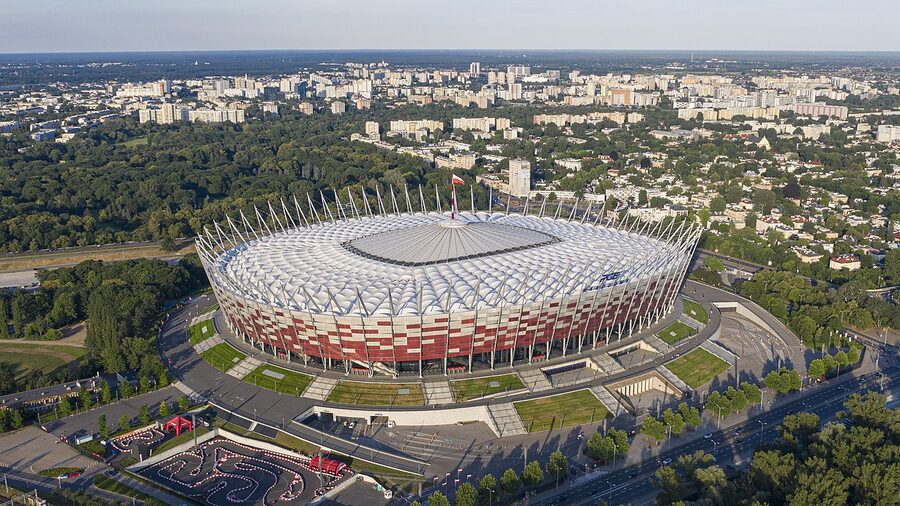
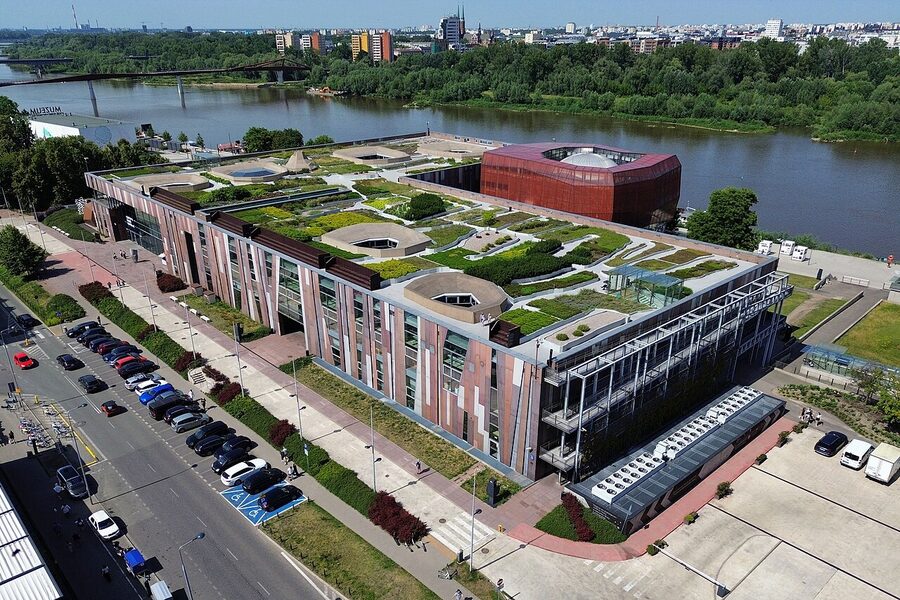
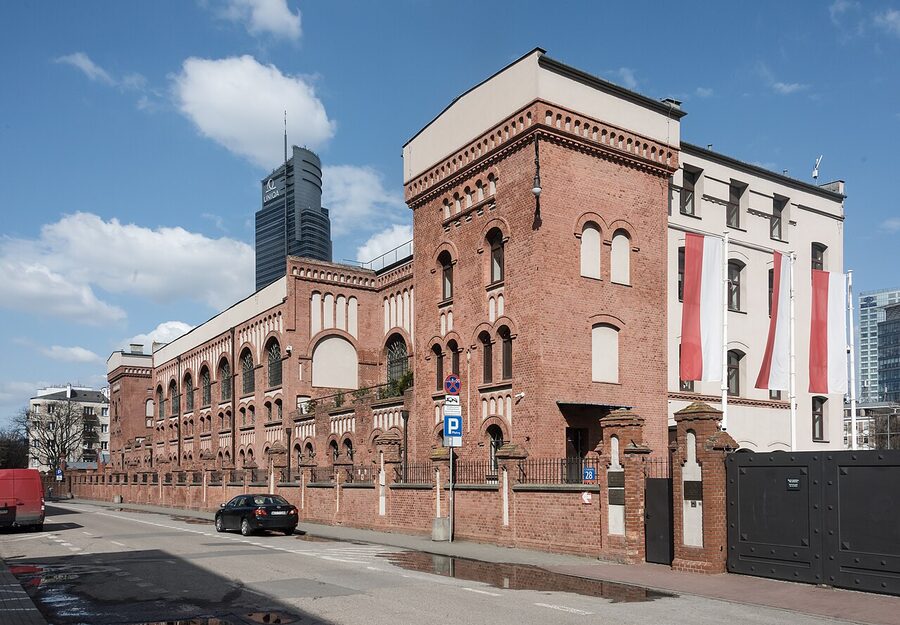
The Red Route is what you ride if you care about big modern museums and bigger views. POLIN, the Museum of the History of Polish Jews, is on this route. So is the Copernicus Science Centre, which is genuinely fun for kids and not bad for adults either. The route also crosses the Vistula and gives you the only easy look at Praga, the district that’s gone from no-go to up-and-coming and is now where younger Varsovians actually want to drink.

.jpg)
Blue Route: Old Town, Royal Stuff, Łazienki
.jpg)
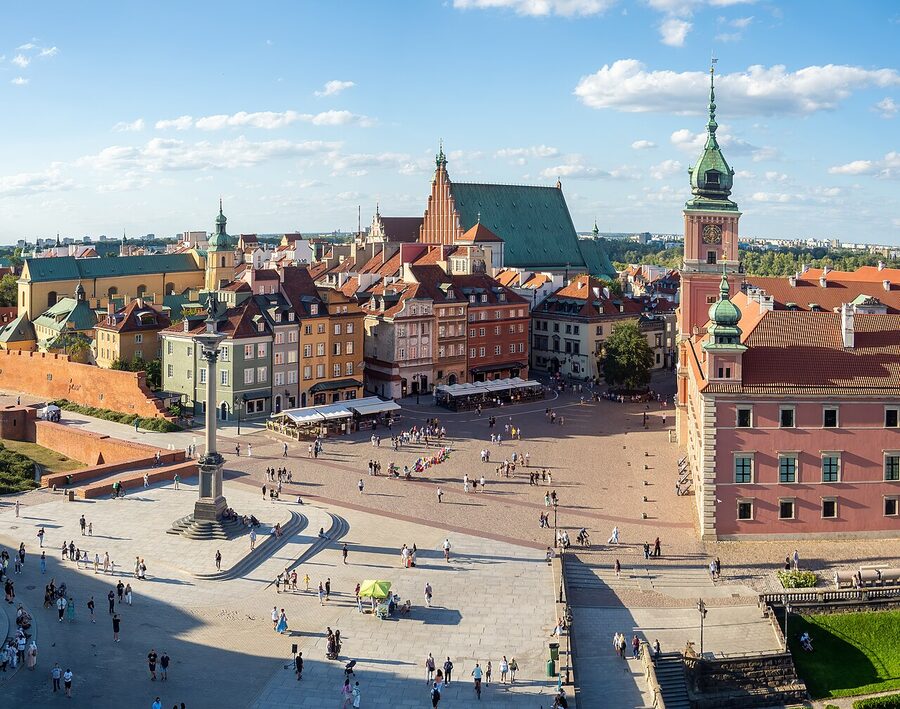
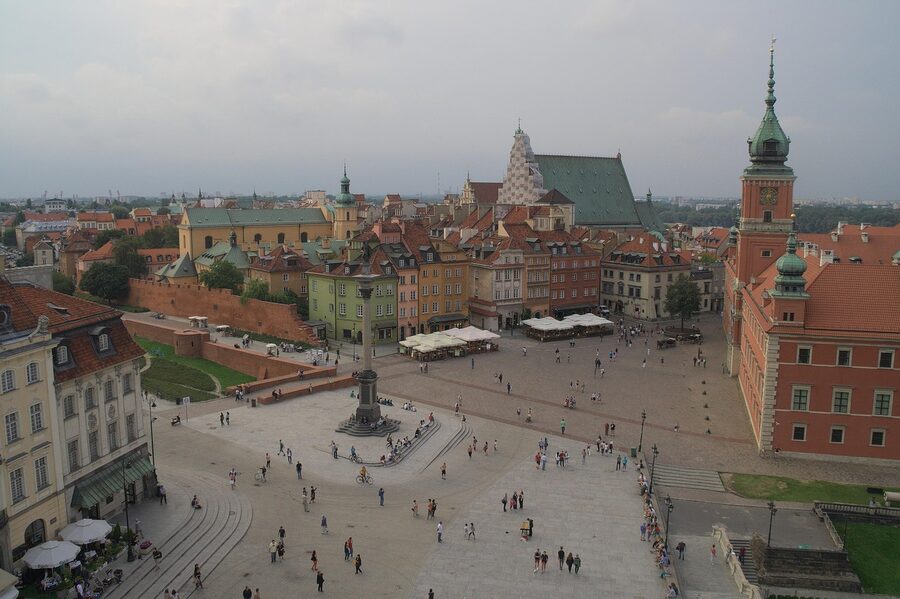
The Blue Route does fourteen stops and takes about 60 minutes for the full loop. It runs 10:30 to 15:50. This is the route most first-time visitors actually want. It hits the Old Town, Castle Square, the Chopin Museum, the National Museum, the Warsaw Rising Museum, and Łazienki Royal Park.
If you only have time for one route, take this one. The Old Town is the obvious tourist anchor, the Royal Castle is genuinely worth an hour or two inside (the throne room is something), and Łazienki at the southern end is the best park in the city. Free Chopin concerts happen there on Sunday afternoons in summer. Peacocks wander the lawns. It’s a real green lung.

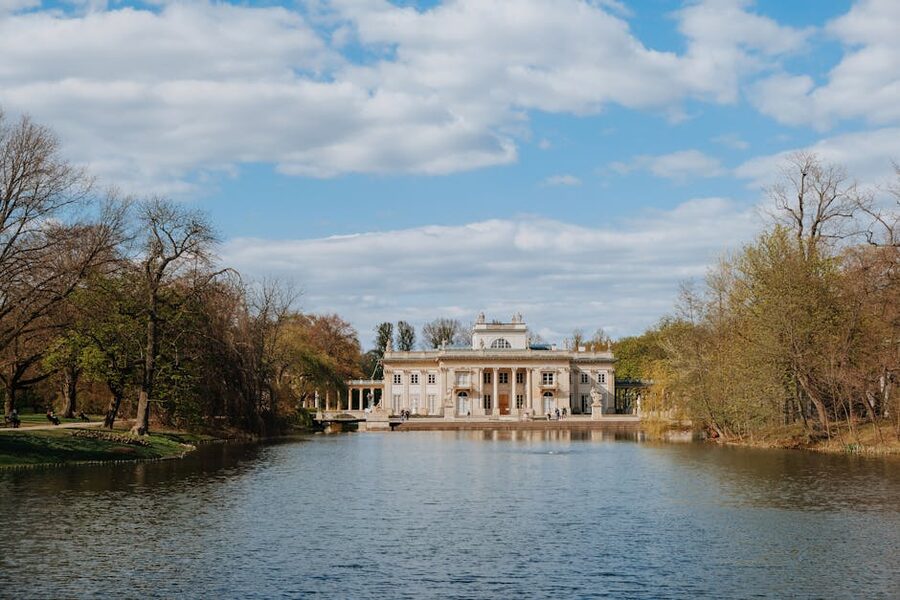
The catch with the Blue Route: it doesn’t go to Wilanów. Almost no hop-on bus in Warsaw does, because Wilanów is so far south it would blow the timing. If you specifically want Wilanów, take the public 116 or 180 bus from Castle Square. It’s a 30-minute ride and costs less than a coffee.
How the Tickets Actually Work
Three durations: 24, 48, or 72 hours. All include both routes and the audio guide. Adult prices: around €35 for 24 hours, €42 for 48, €46 for 72. The 72-hour ticket works out to around €15 a day, the best per-day rate by far.
Kids 5 and under ride free. Kids 6 to 15 pay reduced rates (around €28 for 24 hours), as do students with ID and seniors over 65. Bring your student card.
You can buy on the bus from the driver. Don’t. Book online beforehand because availability matters during summer weekends, and the queues at the Palace of Culture stop on a sunny July afternoon are genuinely long. Mobile voucher is fine. Free cancellation up to 24 hours.
The One Thing Nobody Tells You
Buses come every 2.5 to 3 hours. That’s not a typo. It is the single biggest planning fact about the Warsaw hop-on, and it changes how you should think about the ticket entirely.
In Lisbon or Porto the hop-on bus is more like a glorified shuttle: hop off, walk around for half an hour, next bus comes by. In Warsaw, if you hop off, you’re committed to that area for at least two hours, often three. Not a problem if you’ve planned for it. A real problem if you’ve imagined hopping six stops in a single afternoon.
The way to think about it: the hop-on bus is for spending half a day at one big sight, then catching the next bus to another. The Warsaw Rising Museum easily fills three hours. POLIN is two to three hours. Łazienki is at least two hours if you actually walk the park. The infrequent buses sync up reasonably well with how long these places take, but only if you don’t try to cram more than two stops into a day.
The 24-hour ticket is a poor deal for this reason. By the time you’ve ridden one full loop and stopped at one museum, your day is gone. The 48-hour ticket is the realistic minimum. The 72-hour ticket is what I’d recommend for a first visit.
Three Hop-On (and Hop-On Adjacent) Tours Worth Booking
The market is small. One true hop-on hop-off operator (City Sightseeing) plus two guided alternatives that work in similar ways. I’ve ridden all three.
1. Warsaw: City Sightseeing Hop-On Hop-Off Bus Tour: from $41
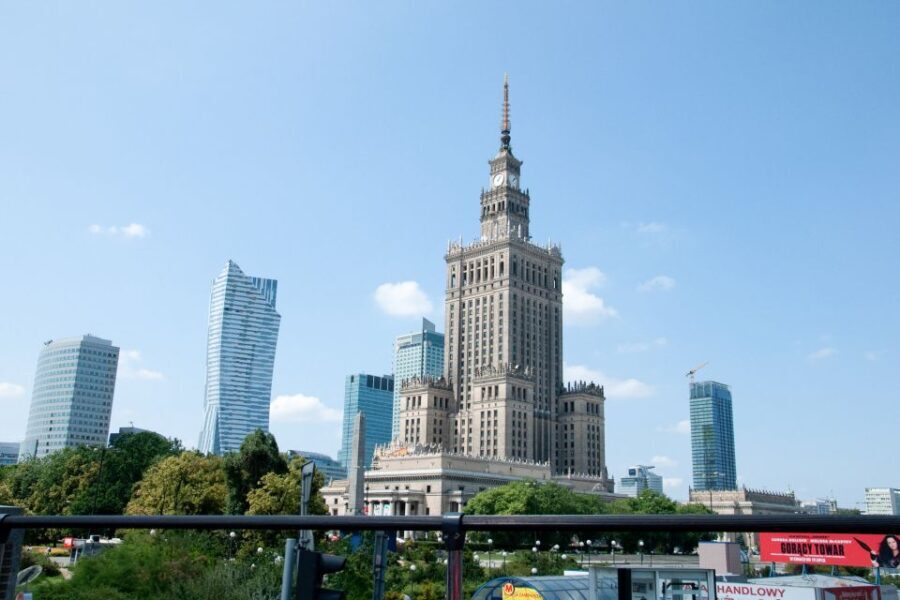
This is the default booking and the one I’d take for any visit longer than a single day. The flexibility of getting on and off at any of 25 stops is the actual value. Our full review goes into the route timings and which stops are actually worth using. The 72-hour ticket gives you the cheapest per-day rate by a wide margin.
2. Warsaw City Sightseeing in a Retro Jelcz “Cucumber” Bus: from $42
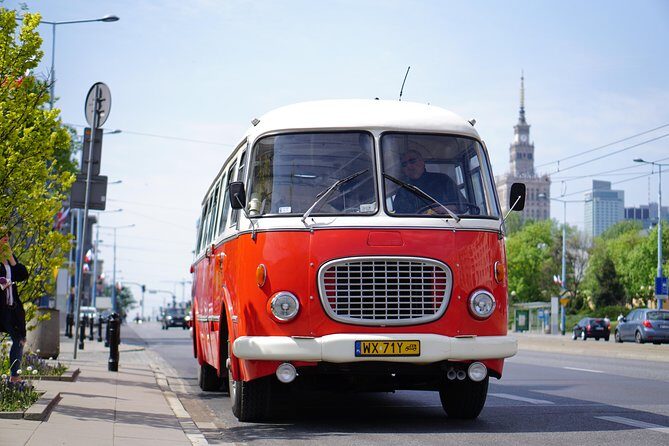
This one isn’t strictly hop-on hop-off. It is a 2.5-hour guided ride with a live English-speaking guide rather than recorded audio. Smaller groups, more personality, a more genuine sense of place. Our full review covers what the guides typically include and why the retro angle isn’t a gimmick if you care about the communist-era story.
3. Warsaw 3-Hour Panoramic City Bus Tour with Pickup: from $58
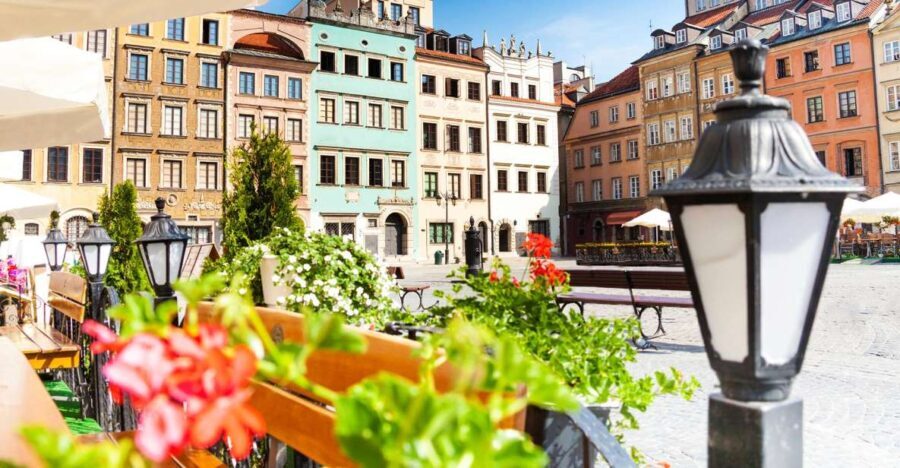
This is the option I’d pick if I had limited time and wanted a structured introduction with hotel pickup baked in. It’s a single 3-hour guided coach ride, not flexible like the hop-on, but you don’t have to navigate to a stop. Our full review covers the route and the kind of guide you typically get.
What You Actually See From the Top Deck
Some of the best parts of the hop-on aren’t the stops. They’re the bits between, when the bus rolls past something you wouldn’t have walked to.
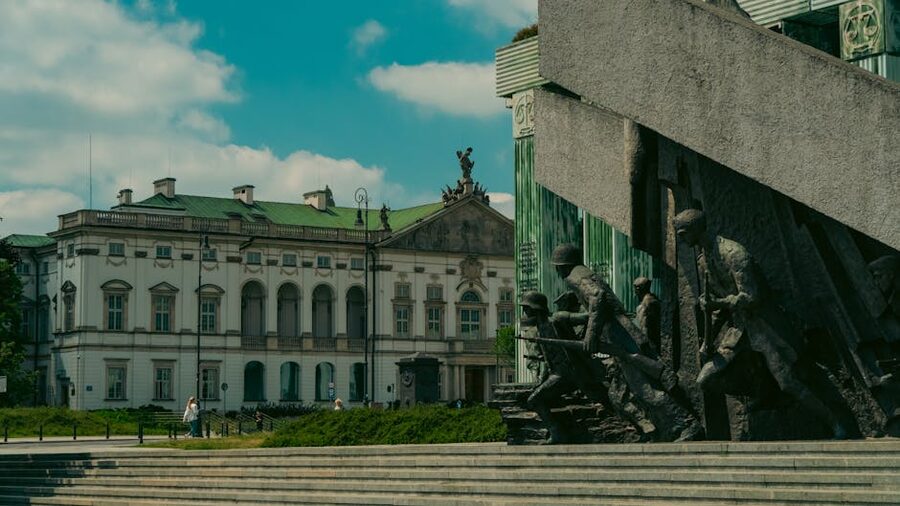
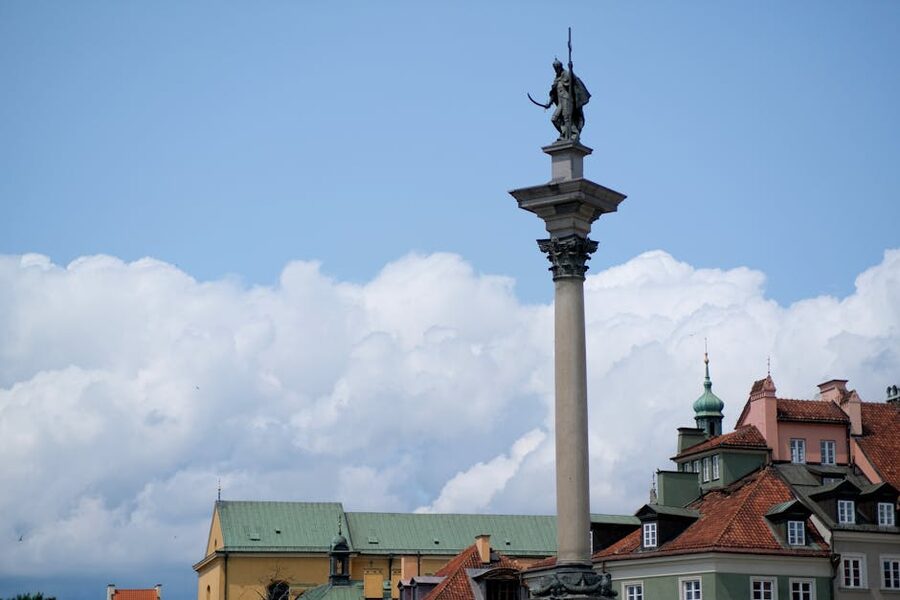
The audio is fine. Eleven languages, automatic playback as you approach landmarks, decent depth on the WWII story. There’s a kids’ commentary in Polish my friend’s eight-year-old didn’t fully follow but enjoyed anyway. Basic headphones, but they work.
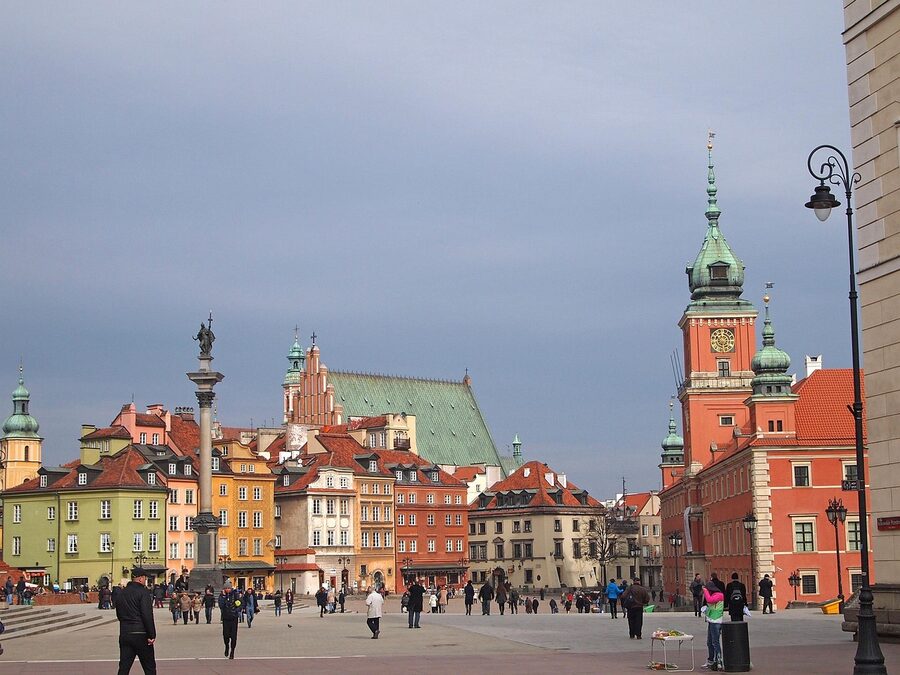
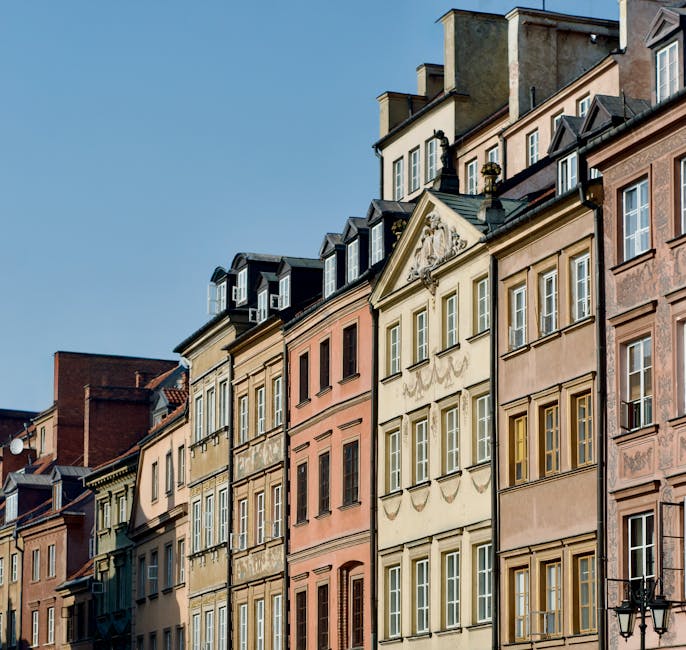
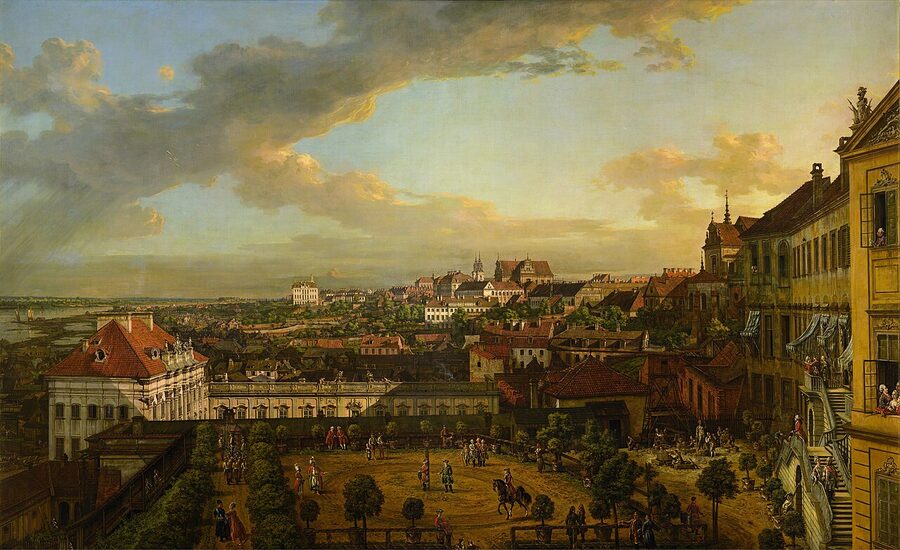
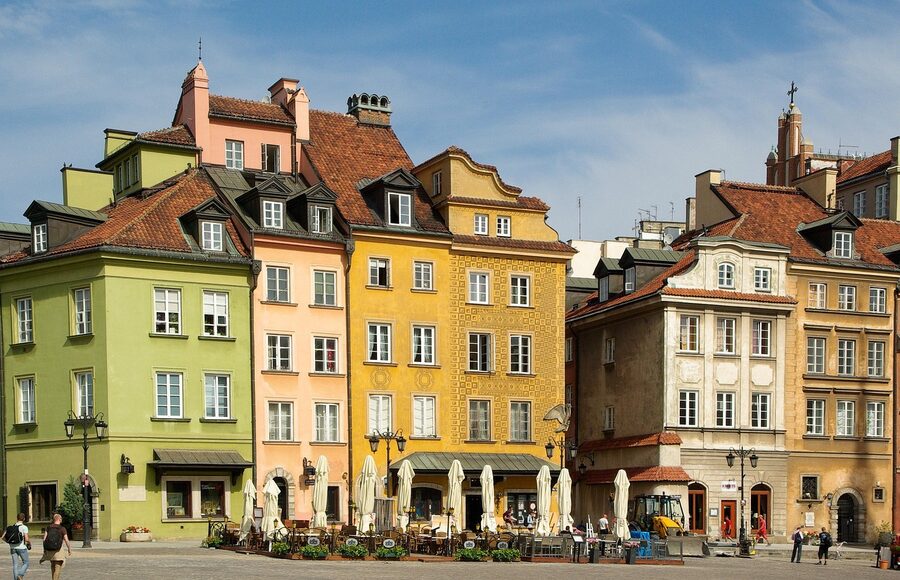
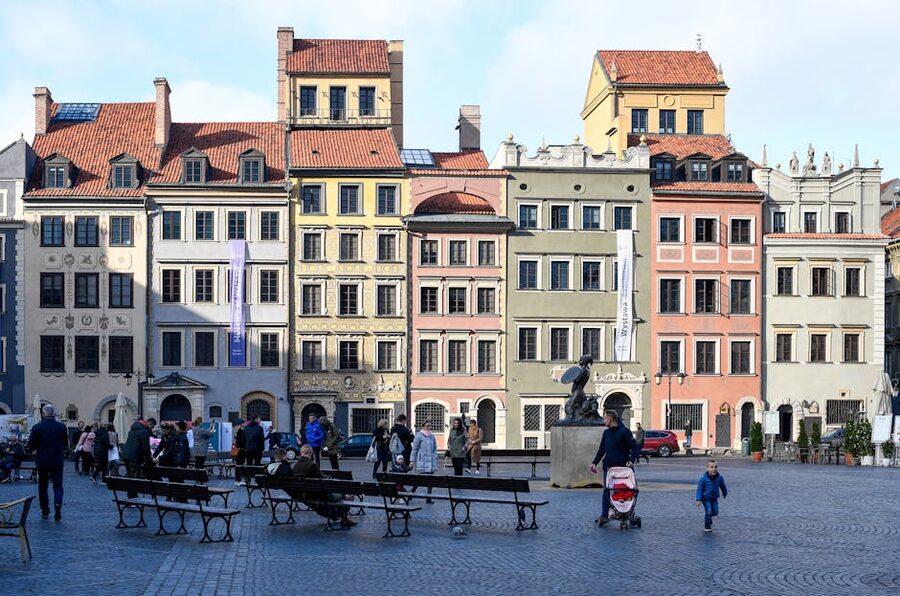
The audio’s best move: explaining the rebuild without overdoing it. You learn that 85% of the city was destroyed in the war, that the Old Town was rebuilt using paintings by Bernardo Bellotto (called “Canaletto” in Poland) as blueprints, and that the result is now UNESCO-listed despite being barely seventy years old.
How to Plan Your Days Around the Bus
Here’s the timing puzzle: the bus runs 10:00 to 15:50, with departures every 2.5 to 3 hours. You essentially get three usable departures per day. So plan in big blocks, not little ones.
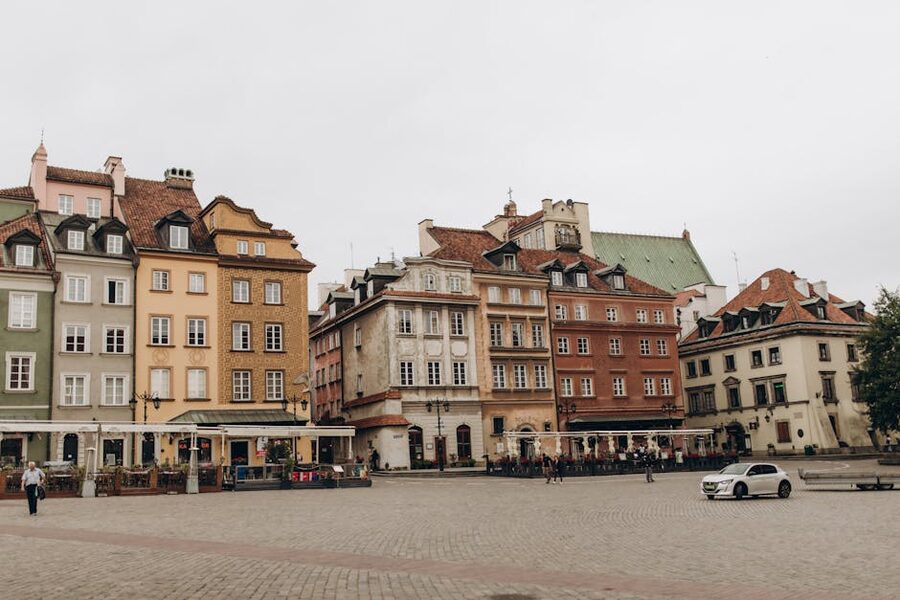
Day 1 (Blue Route): Catch the first 10:30 bus from the Palace of Culture, ride the full Blue loop to get oriented (60 minutes), then hop off at Castle Square at the start of the next loop. Spend the afternoon walking the Old Town and the Royal Castle. Tram or walk back.
Day 2 (Blue Route, museum day): Bus to the Warsaw Rising Museum first thing, stay at least three hours, lunch nearby. Catch the early-afternoon bus south to Łazienki, walk the grounds, see the Palace on the Isle, listen to a free Sunday concert if it’s the right day.
Day 3 (Red Route): Bus to POLIN Museum, two to three hours inside, then hop on the next bus across the river to Praga. The Red Route’s Praga stops are short walks from the district’s good bars and the murals along ulica Stalowa. Catch the late-afternoon bus back, or take the metro home from Stadion station.
What to avoid: trying to do both routes in a single day. Technically possible. In practice you’ll spend more time waiting at stops than seeing anything. Two days minimum.
Where the Bus Is Genuinely Better Than Walking
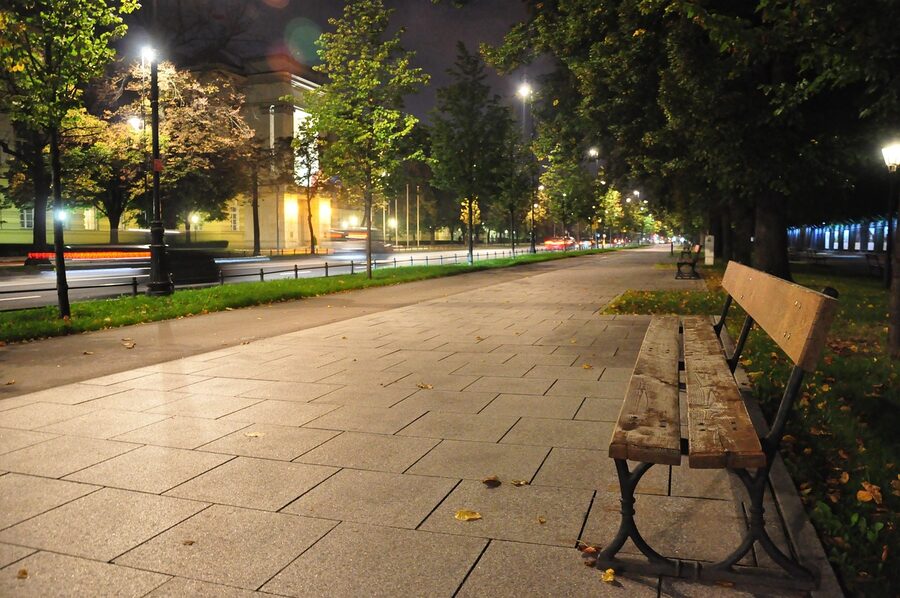
Old Town to Łazienki Park: 4km along Aleje Ujazdowskie. Nice enough avenue, but a long walk if you’re already tired. The Blue Route does it in 12 minutes from the top deck. Palace of Culture to the Uprising Museum: 2km that looks walkable but takes you past Warsaw Central Station’s western flank and across unpleasant junctions. Across the Vistula to Praga: walking the Świętokrzyski Bridge is fine, but the Red Route gives you the views without the slog.
Where Walking Actually Wins
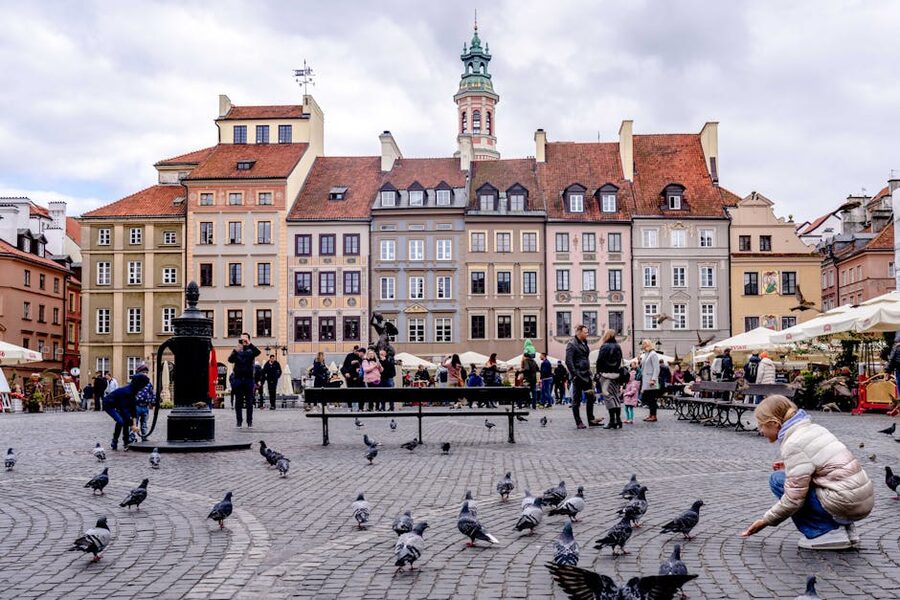
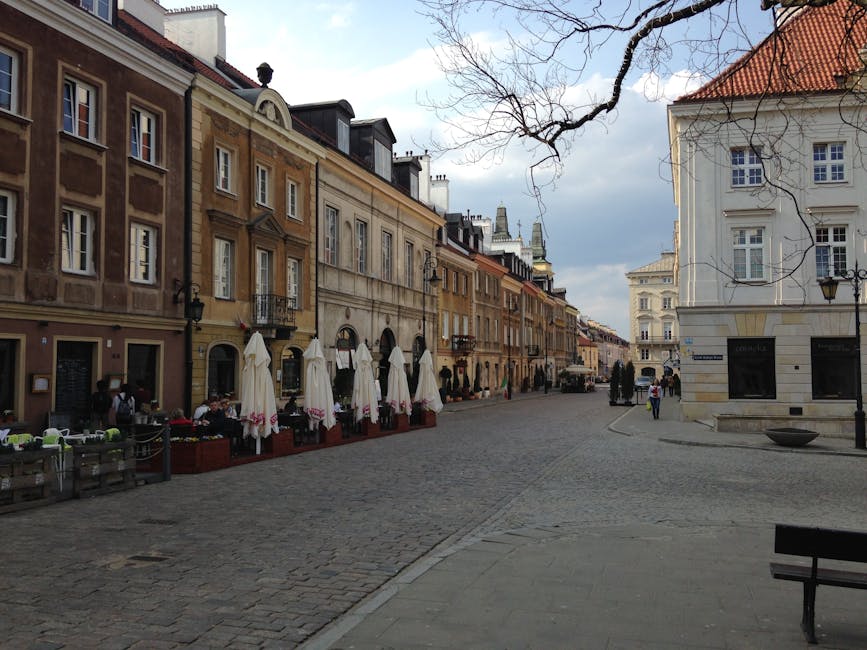
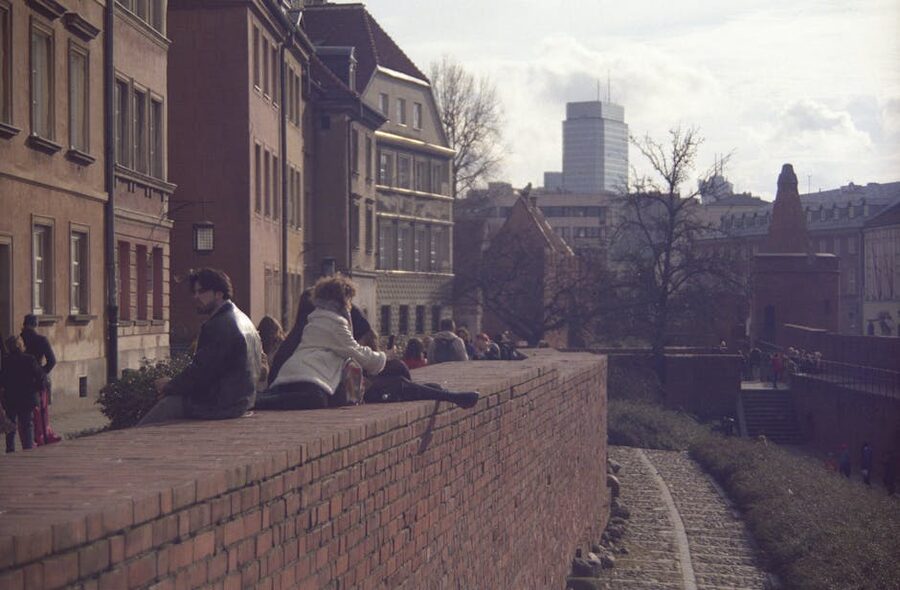
The Old Town itself. Don’t ride a bus through this. Hop off at the Old Town stop, walk the Royal Route from Castle Square down Krakowskie Przedmieście to Nowy Świat, and back. It’s about 2km of the prettiest street in Poland and the bus does the perimeter rather than the inside.
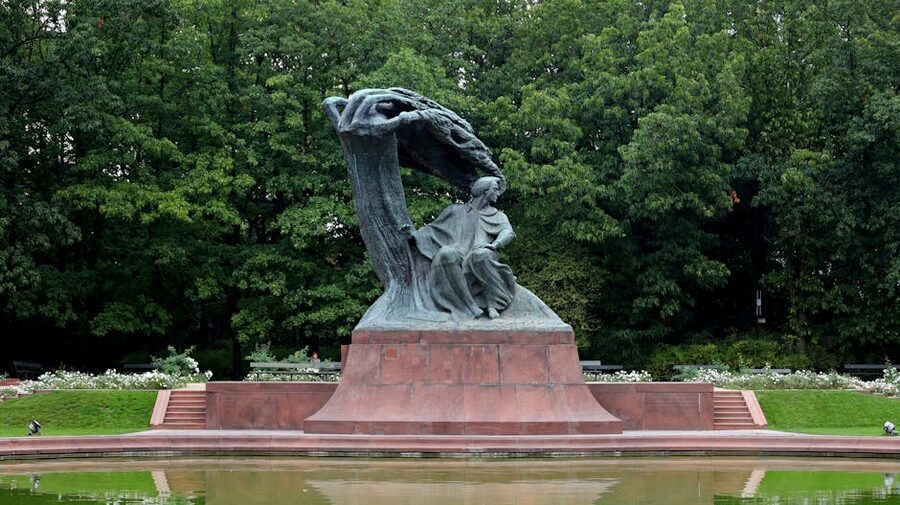
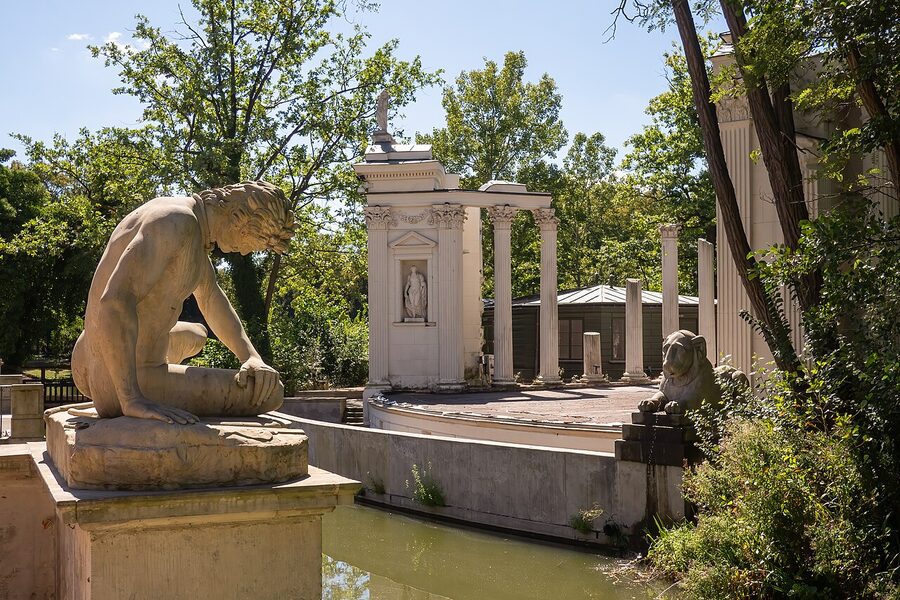
Łazienki Park, once you’ve taken the bus to the gate, is a walking park. The Palace on the Isle, the Old Orangery, the amphitheatre, the Chopin monument. All are connected by paths through woodland. Don’t try to drive between them.
.jpg)
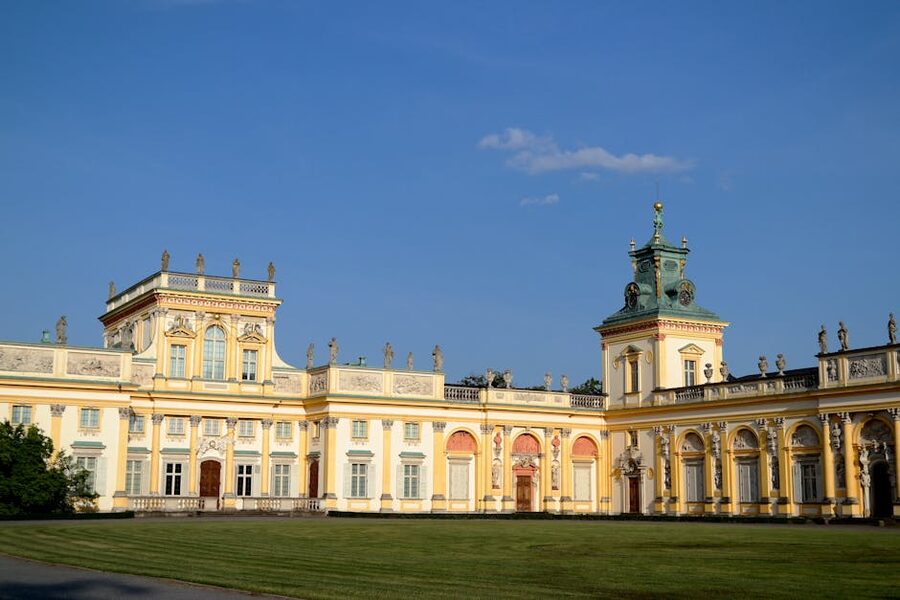
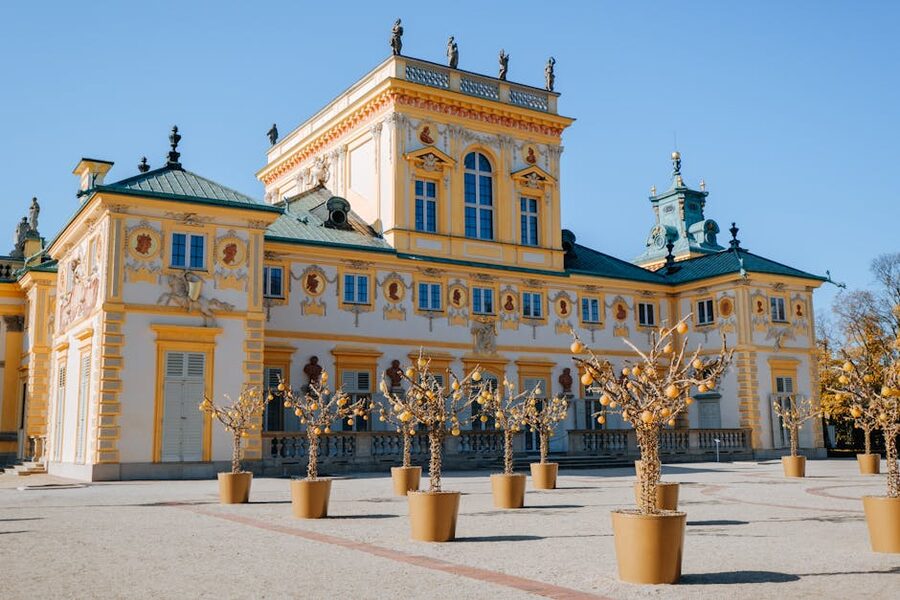
And Wilanów Palace, if you go, is a walking destination. The bus doesn’t reach it. You’ll take public transport (bus 116 or 180 from Castle Square, around 30 minutes). The grounds are vast. Give yourself two hours plus the time inside the palace.
The Reconstruction Story (Why Warsaw Looks the Way It Does)
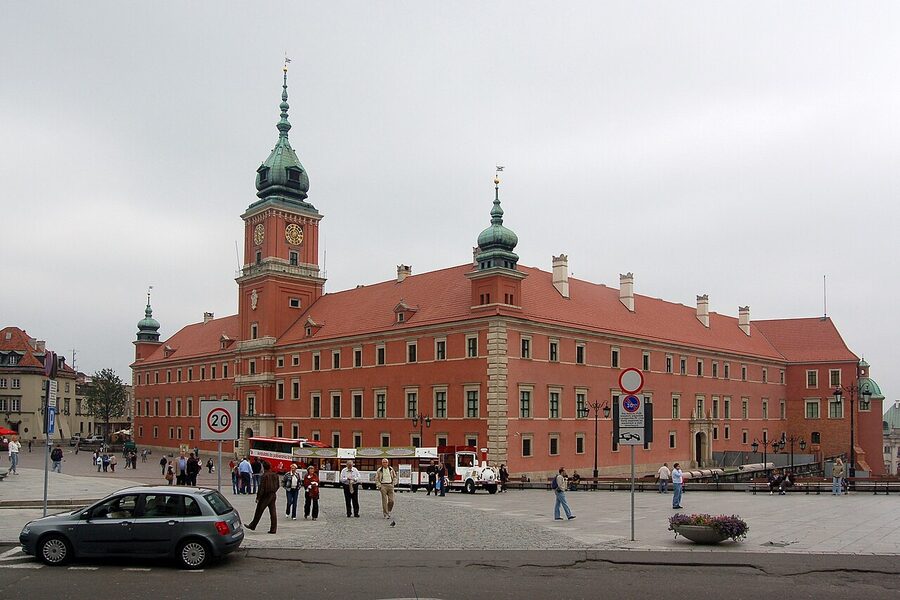
This part isn’t strictly bus-related but it’s the context that makes the tour meaningful. By January 1945, after the failed Warsaw Uprising of 1944 and the Nazi reprisals that followed, around 85% of the city was rubble. The Old Town was almost completely flat. The Royal Castle had been deliberately blown up brick by brick on Hitler’s orders.
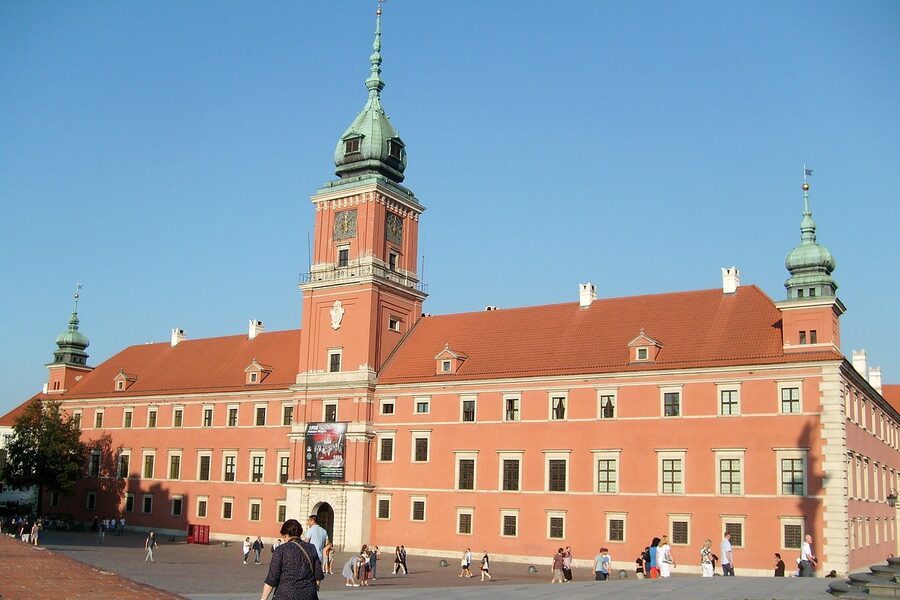
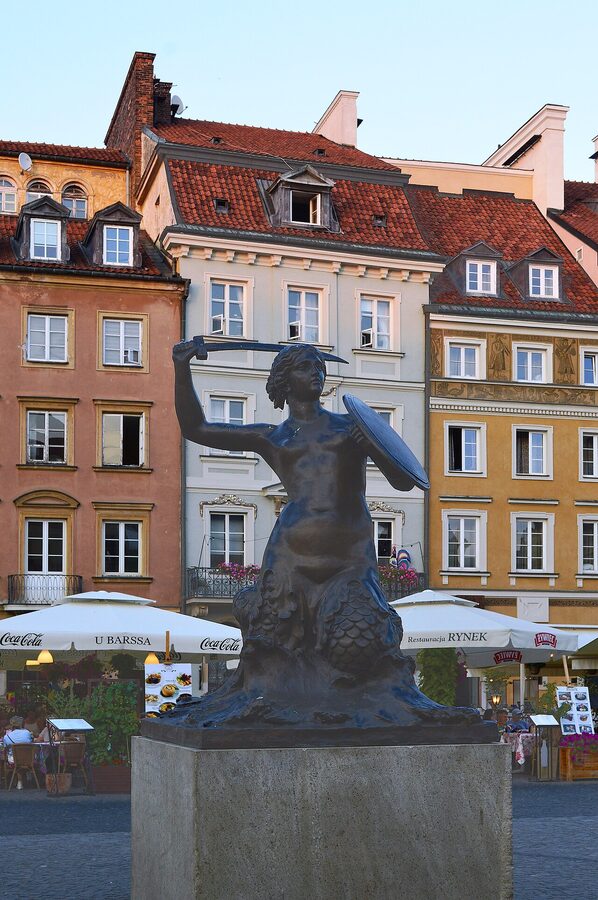
Then the strange decision: rebuild it exactly. From 1947 to 1962 the Old Town went up almost stone by stone, using Canaletto’s paintings, prewar photographs, and the memories of architecture students who had hidden their drawings during the war. The result is technically not old, but it is not a Disney version either. The decision was philosophical: this place mattered, so we will have it again.
.jpg)
UNESCO inscribed the Old Town in 1980 specifically because of the reconstruction. A one-off ruling. Normally heritage status requires authenticity of fabric. Warsaw’s was authenticity of intent.

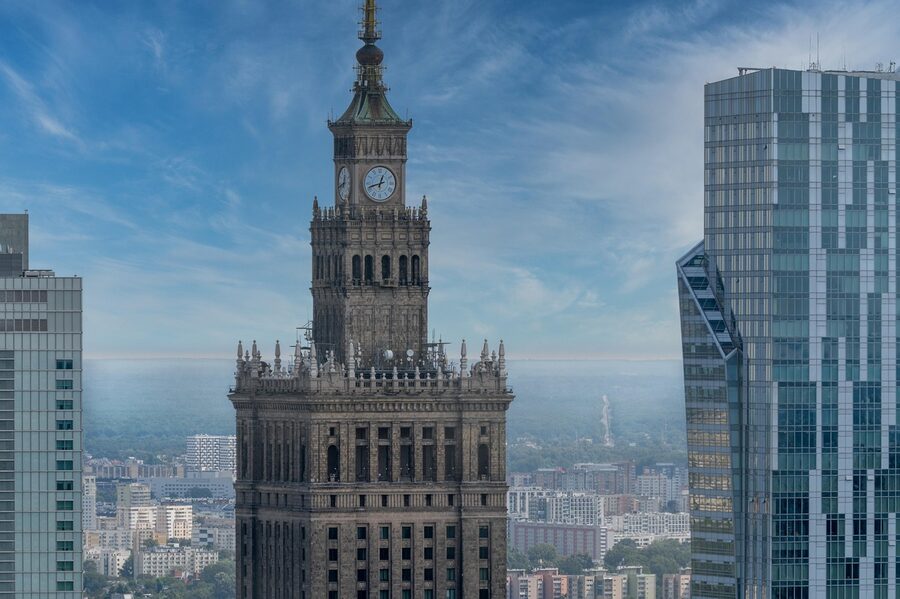
The communist-era buildings around the Palace of Culture are part of the story too. Stalin’s “gift” tower has its enemies, but not all of them. Warsaw’s relationship with its 20th century is complicated, and the bus audio nudges at this without preaching.
When to Ride (Weather and Crowds)
Best month: late May to early June, or September. Warm but not hot, the open top is genuinely pleasant, and the schools haven’t fully broken up yet so the queues at major stops are manageable.
July and August: the weather is hot, the bus runs full, and you’ll want to pre-book to guarantee an upper deck seat. Bring water and a hat. The open top has no shade.
Winter: I wouldn’t bother. The buses still run when there’s no snow but the open top is closed in. You’re paying premium prices for what amounts to a slow city bus. Take a regular tram instead and use the savings on warm zurek soup.
Spring and autumn shoulder seasons (April, October): excellent weather, low crowds, pleasant light. October specifically has spectacular light through the trees in Łazienki. Bring a camera.
Practical Stuff That Trips People Up
The bus does not run on certain holidays. 1st January, Easter Sunday, 1st November, 11th November, 25th December, and 26th December. Polish Independence Day on the 11th is a particularly busy tourist day in the city centre, ironically a day when the bus is parked.
The audio guide is automatic. You don’t have to press anything. As the bus approaches a landmark, the relevant track plays in your selected language. If it isn’t playing, your headphone jack might not be in fully. Try the other side of the dual-jack socket.
The route can divert. Warsaw runs frequent street closures for marathons, parades, and political demonstrations. Drivers reroute on the day. The schedule may slip 20 to 40 minutes when this happens. Bring a backup plan.
Wheelchair accessibility is mixed. The newer buses have ramps and low-floor entry. Older units in the fleet do not. Contact the operator before booking if this matters to you.
Toilets are not on the bus. They’re at the major stops. The Palace of Culture has paid public toilets in the basement (around 4 PLN). The Royal Castle and Łazienki both have facilities for ticketed visitors.
What to Pair With the Hop-On
The bus gets you around but it doesn’t tell you the city’s soul. The pairings that work best in my experience: do the bus on day one for orientation, then pick two or three deeper experiences for the rest of the trip.
An Old Town walking tour on day two will fill in the medieval-but-not-medieval story that the bus only sketches. A two-hour guided walk at street level is the right scale for the cobbled core, and a local guide will tell you which buildings are originals and which are 1950s reconstructions. That is a question you cannot ask the bus audio.
If you’re in town in the evening, a Chopin concert in one of the Old Town’s small recital halls is the cultural pairing. Warsaw treats Chopin as essentially a national religion. Born just outside the city in Żelazowa Wola, he is buried (heart only, body in Paris) in Holy Cross Church on Krakowskie Przedmieście. The Blue Route passes the church.
For the river, a galar boat cruise on the Vistula is the slow-moving counterweight to the bus. Galars are restored historic Polish wooden boats, and an evening cruise gives you the city from water level, a totally different angle from the open top of a double-decker.
Common Questions
Can I do both routes in one day? Technically. With 2.5 to 3 hour gaps between buses you’d be on board for over two hours and get off at maybe one stop. Get the 48-hour ticket.
Does the audio cover Praga? Yes, in 11 languages, and the Praga commentary on murals, workshops, and cafés is actually one of the better sections.
Is the bus suitable for kids? Yes for kids who can sit still for an hour. The kids’ commentary is in Polish only, which is a drawback for non-Polish-speaking children. Children 5 and under ride free.
How do I find the Palace of Culture stop? Walk to the south side of the Palace. The pickup point is on Emilii Plater street near the south entrance. Look for the red City Sightseeing flag and a small kiosk.
How It Stacks Against Other Capitals
If you’ve done the hop-on bus elsewhere, Warsaw will feel different. Lower frequency than most. Bigger distances to cover. The audio leans into the WWII story rather than fluff. Compared to Budapest’s hop-on bus with its dense Pest routing and Buda Castle loop, Warsaw is much more linear. Compared to the Lisbon hop-on, Warsaw is flat, so you skip the vertigo viewpoints, but the audio is sharper and the history more thoroughly narrated. The Porto hop-on rewards you with views and tile facades; Warsaw rewards you with stories.
If You Want More Warsaw
Once you’ve done the bus, the obvious next moves are the things the bus doesn’t quite get to. The Old Town walking tour is the best follow-up. Small group, two hours, a local guide who can tell you the reconstruction story up close. For evenings, a Chopin recital in one of the Old Town’s intimate venues is the experience most visitors wish they’d booked. And if the weather’s right, the galar cruise on the Vistula gives you the river angle that no land tour can.
If you’re heading further into Poland, our Krakow Old Town walking guide is the natural next stop. The contrast between Warsaw’s reconstructed Old Town and Krakow’s surviving medieval one is one of the best lessons in how Poland’s history played out. Krakow bike tours work where Warsaw’s hop-on works. Both are good ways to cover ground in a city that’s bigger than it looks. And if you’re booking a Krakow pub crawl for the evenings, that’s the cultural counterweight to Warsaw’s quieter classical scene.
The two big day trips from Krakow are worth knowing about even if you’re based in Warsaw and might extend the trip: Wieliczka salt mine is unlike anything else in Europe, and Auschwitz is the heaviest but most necessary stop in the country.
Affiliate disclosure: some of the booking links above are affiliate links. If you book through them, we receive a small commission at no extra cost to you. It helps us keep writing.