
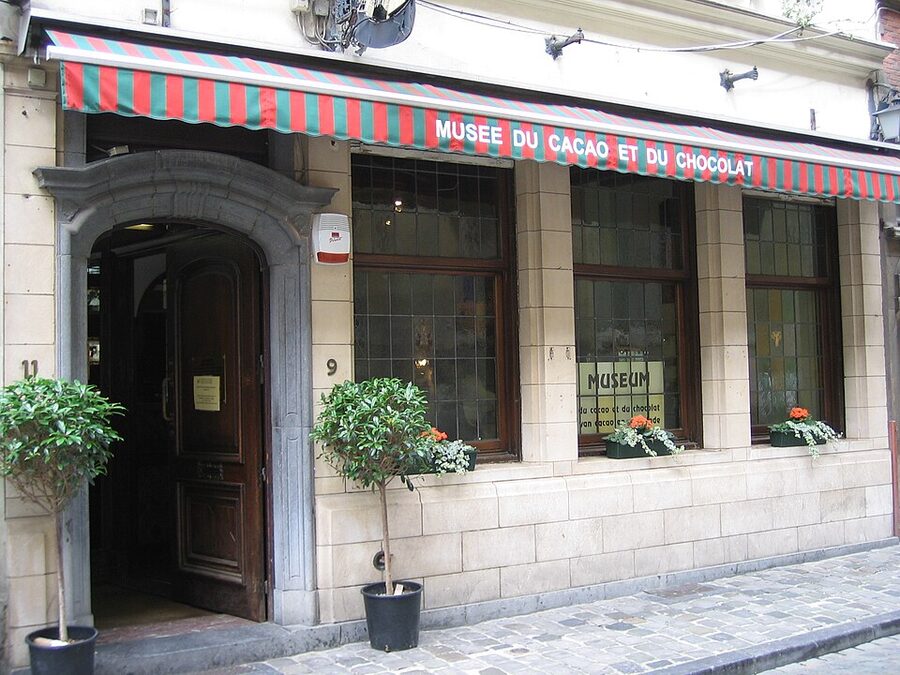
The first thing that hits you isn’t the sound or the lighting or the displays. It’s the smell. Walk through the front doors of Choco-Story Brussels and you step into a wall of warm couverture and the slow toasted edge of roasting cocoa beans, layered together like a bakery and a coffee roaster decided to share a kitchen. The museum sits about a two minute walk from Grand Place, and you catch a hint of it on the cobbled street before you even reach the entrance. That smell tells you everything you need to know about the next hour and a half of your life.

- In a Hurry? My Top Picks
- What Choco-Story Brussels Actually Is
- Where the Museum Is and How to Get There
- Opening hours and last entry
- The Tickets You Can Actually Book
- 1. Choco-Story Brussels: Entrance with Tasting and Live Demo: from
- 2. Museum + Chocolate Making Workshop: from
- 3. Choco-Story + Brussels Hop-On Hop-Off Combo: combined save
- What’s Actually Inside the Museum
- Origins: cacao and the Aztec and Maya
- Cocoa production: from pod to powder
- Belgian innovations
- The live demonstration
- The Workshop: Should You Pay the Extra?
- Pricing in Plain Numbers
- When to Visit and Crowd Patterns
- Rainy day strategy
- The History Bit: Why Belgium and Not Switzerland
- Practical Tips From My Visit
- Eat lightly beforehand
- Audio guide language matters
- Strollers stay outside
- Combine with Manneken Pis
- Bring a small bag
- Skip This If
- If You’re Doing More in Brussels
- Final Take
In a Hurry? My Top Picks
Best for most visitors: Choco-Story Brussels: Entrance + Tasting + Live Demo from $18. You get the full museum, the praline demonstration, and the chocolate tastings in one ticket.
Best if you want to make your own: Museum + Praline Workshop from $53. That’s 45 minutes hands on with a chocolatier, then the full museum afterwards.
Best with a city loop: The Brussels hop-on hop-off bus can be paired with Choco-Story tickets at a small discount, useful if you also want to swing past the Atomium and the EU quarter without walking the whole city.
What Choco-Story Brussels Actually Is
Quick clarification before you book anything. There are two things called “chocolate experiences” in Brussels and they are very different.
One is a walking tour around several chocolatier shops, where you stroll between Pierre Marcolini, Mary, Neuhaus and a couple of smaller boutiques and taste a few pralines at each. That’s a city tour with chocolate on the side.
The other is Choco-Story Brussels, which is a museum. One building, one address, one ticket. You go inside and you stay there. There’s a self guided exhibit covering chocolate history from the Aztec and Maya right through to Belgian pralines, a live praline making demonstration by an actual chocolatier, and a tasting at the end. Some tickets also include a hands on workshop where you make your own chocolate.
.jpg)
If you only have time for one chocolate thing in Brussels and you want to learn how it’s made before you start eating it, this is the better pick. If you’d rather just taste your way around the city and skip the history, the walking tour is the better pick. Don’t try to do both in the same day. You’ll be in chocolate fatigue by lunchtime.
Where the Museum Is and How to Get There
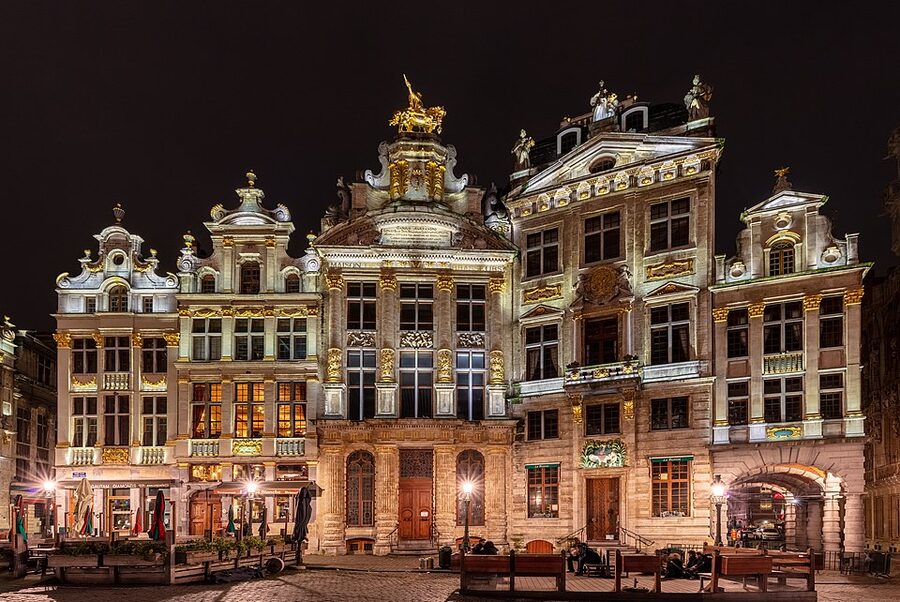
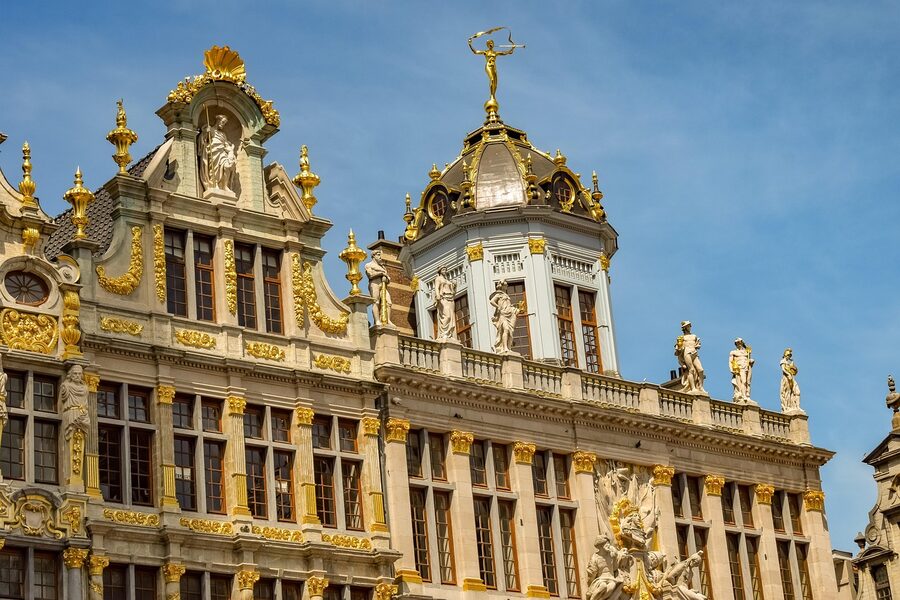
Choco-Story Brussels lives at Rue de l’Etuve 41, which is the same street as the Manneken Pis statue and one of the corners that empties out of Grand Place. From the central square you walk past the Town Hall, take the small alley exit and you’re there inside three minutes. From Bruxelles-Central station it’s about a seven minute walk through the lower town. Most visitors are walking from Grand Place anyway, so the location is genuinely convenient.

If you’re coming in from outside the city, Bruxelles-Midi (Brussels-South) is where Eurostar and Thalys arrive. Take the local train one stop to Bruxelles-Central, then walk. Don’t try to walk the whole way from Midi unless you’ve got an hour. The neighbourhood between Midi and the centre isn’t the prettiest part of the city.
Opening hours and last entry
The museum is open every day from 10:00 to 18:00. Last entry is 17:00. That hour buffer matters because the audio guide loop and the live demo together take about an hour minimum. Show up at 17:30 thinking you’ll do a quick visit and you’ll be politely turned away at the door.
The praline demonstration runs roughly every half hour throughout the day. You don’t need to time your arrival to it, just walk in and the next demo starts soon enough.
The Tickets You Can Actually Book
Choco-Story keeps the ticket structure simple, which I appreciate. You essentially have three choices: just visit the museum, visit plus do a workshop, or pair the museum with a city tour or pass. Below are the booking options I’d actually pick from, in the order I’d suggest them.
1. Choco-Story Brussels: Entrance with Tasting and Live Demo: from $18
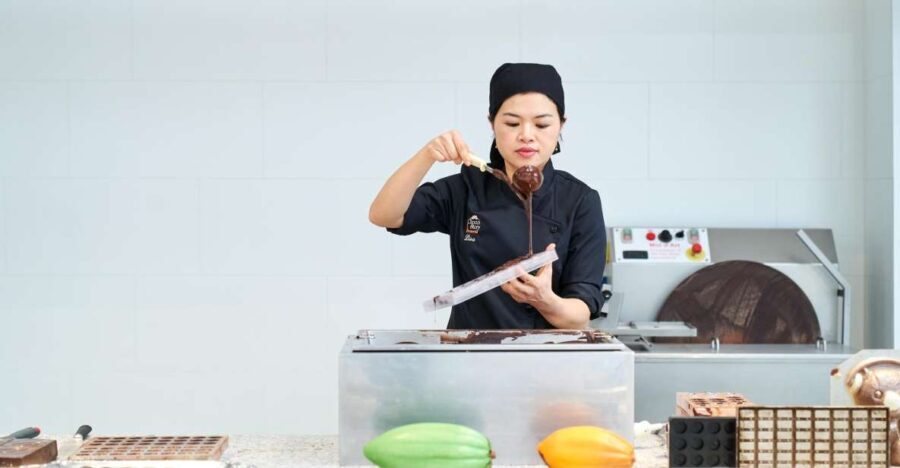
This is the standard entry ticket and the one I’d send most people to first. For roughly $18 you get full museum access, the live praline making demonstration by a master chocolatier, an audio guide in eleven languages and chocolate tastings at multiple stations along the route. Our full review walks through what’s actually in each room and how long the visit takes. If you’re under thirty and just want to see what Brussels chocolate culture is about without spending the price of a meal, this is the pick.
.jpg)
2. Museum + Chocolate Making Workshop: from $53

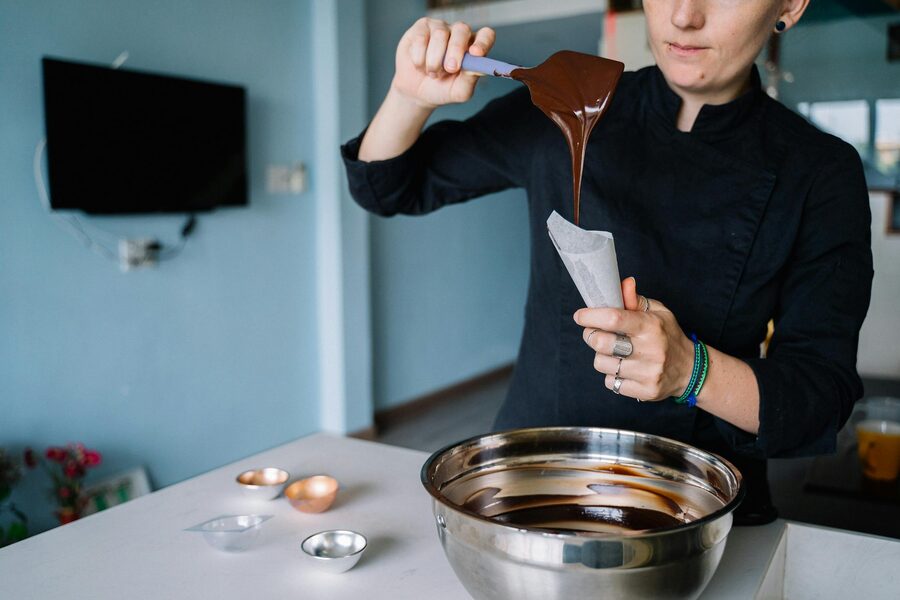
This is the one to book if you’ve got two and a half hours and want to actually do something rather than just walk around looking. You spend the first 45 to 60 minutes in a small group with an English, French or Dutch speaking chocolatier making your own chocolate tablets and lollipops, then you do the full museum visit afterwards. My review of the workshop tour gets into what the small group setup actually feels like and how much chocolate you walk out with. Group size caps at ten people, so it doesn’t feel like a school field trip. Worth the price jump if you’re travelling with kids over seven, or with anyone who likes making things with their hands.
3. Choco-Story + Brussels Hop-On Hop-Off Combo: combined save
.jpg)
Brussels is more spread out than people expect. The Atomium is a half hour metro from the centre, the EU quarter is a thirty minute walk and Cinquantenaire Park is further again. The hop-on hop-off red route covers all of this plus Mont des Arts, with audio commentary in eleven languages and 24 or 48 hour passes. Pairing it with a Choco-Story ticket gives you a small bundle saving over buying both separately. Read more about the routes in our guide to booking the Brussels hop-on hop-off bus. Pick the 24 hour pass if you’re in town for two or three days. Pick the 48 hour if you arrived early Friday and leave Sunday.
What’s Actually Inside the Museum
The visit is broken into roughly four sections. None of them is enormous, which is part of why this works as an hour and a half rather than a full afternoon.
Origins: cacao and the Aztec and Maya
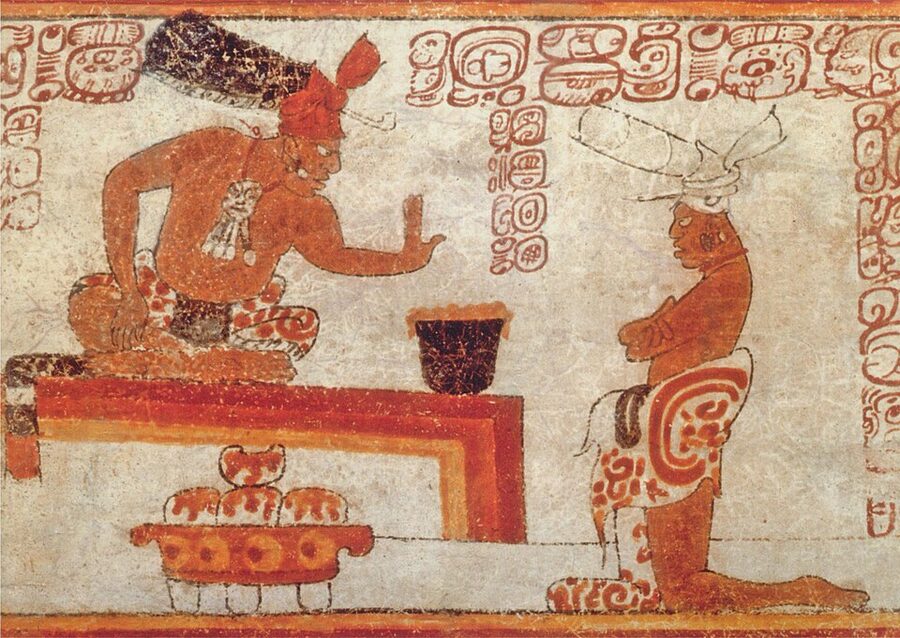
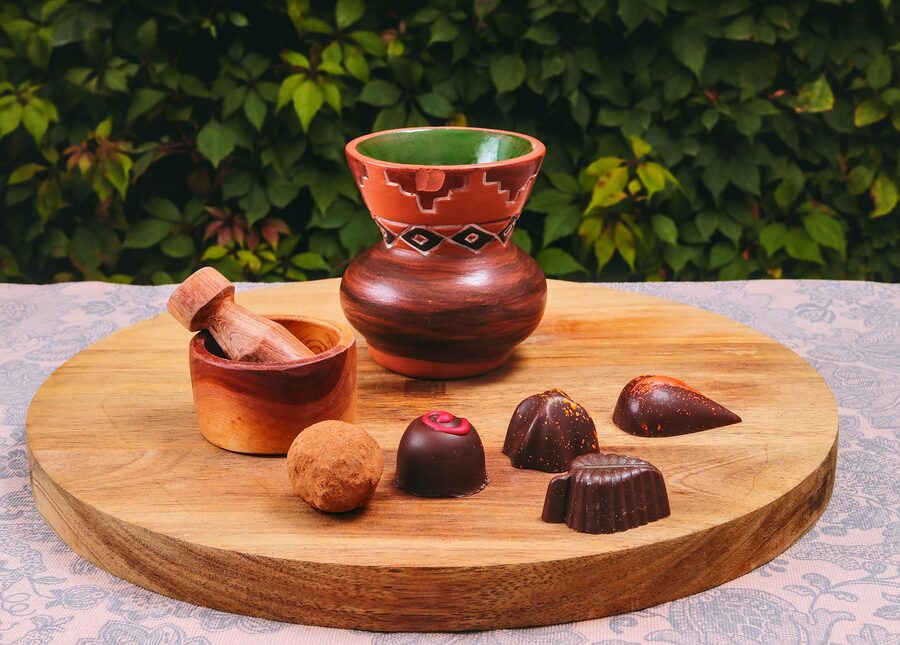
The first room handles the history. Cocoa wasn’t a sweet treat for most of its existence. The Maya drank it bitter and frothy, sometimes mixed with chilli, and used the beans as a currency. The Aztec did the same. There’s a small archaeological display, replicas of pre Columbian vessels and a section explaining how the Spanish first encountered cocoa in the early sixteenth century and what they did with it once they took it back to Europe.
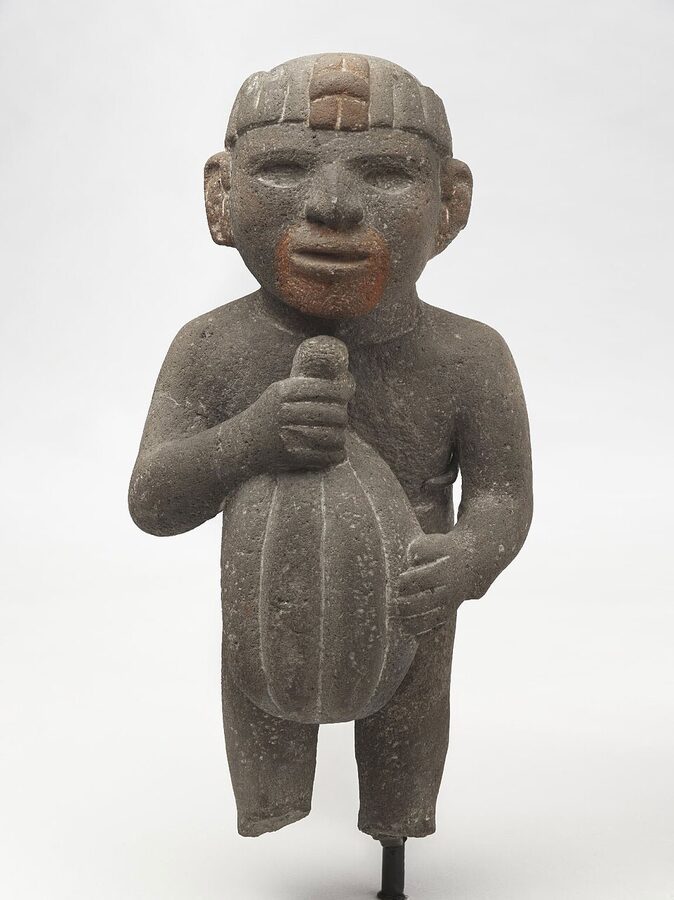
It sounds heavy but it’s not. The text is short, the displays are visual and the whole section is a fifteen minute walk through. If you’ve ever had a half formed thought about who actually invented chocolate, this part answers it efficiently.
Cocoa production: from pod to powder
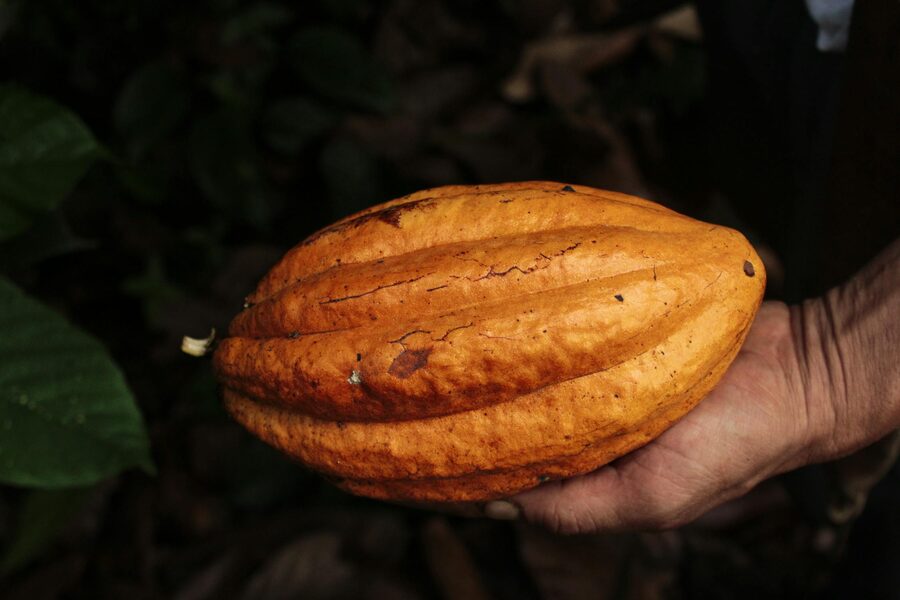
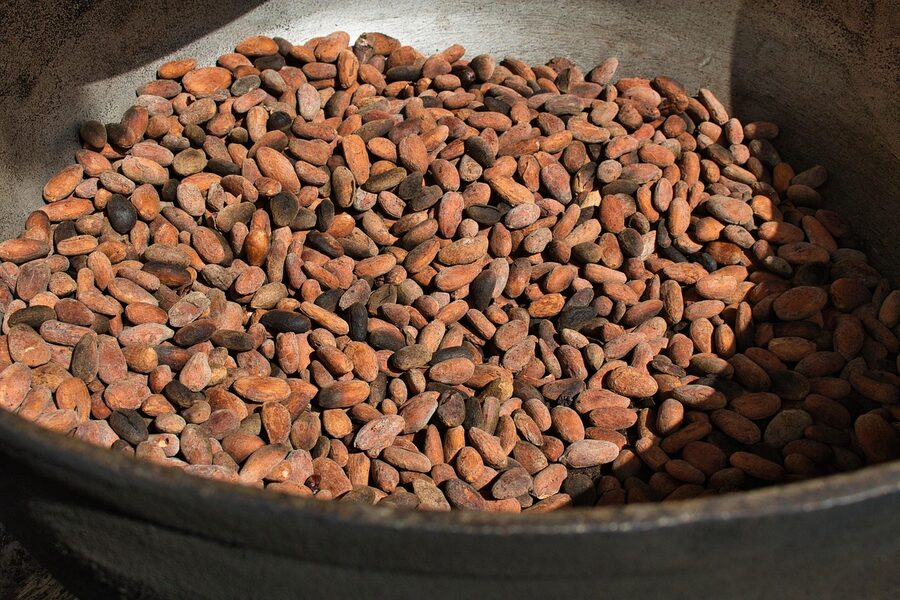
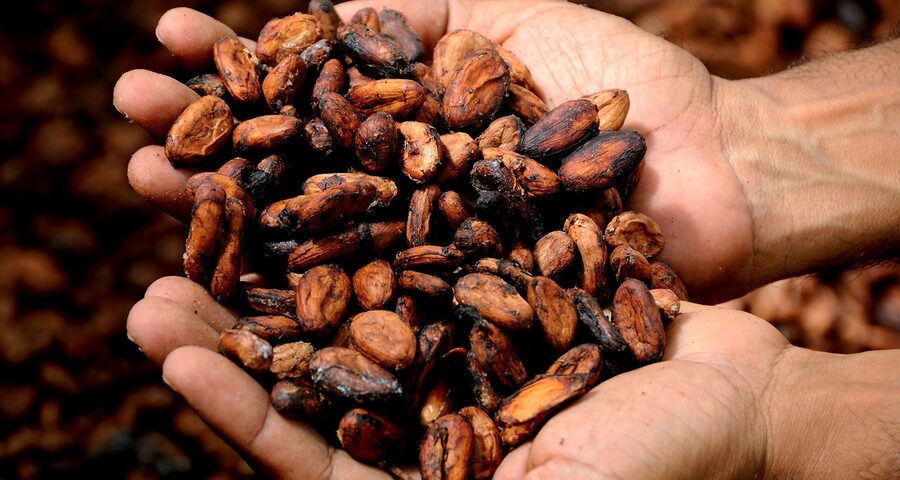
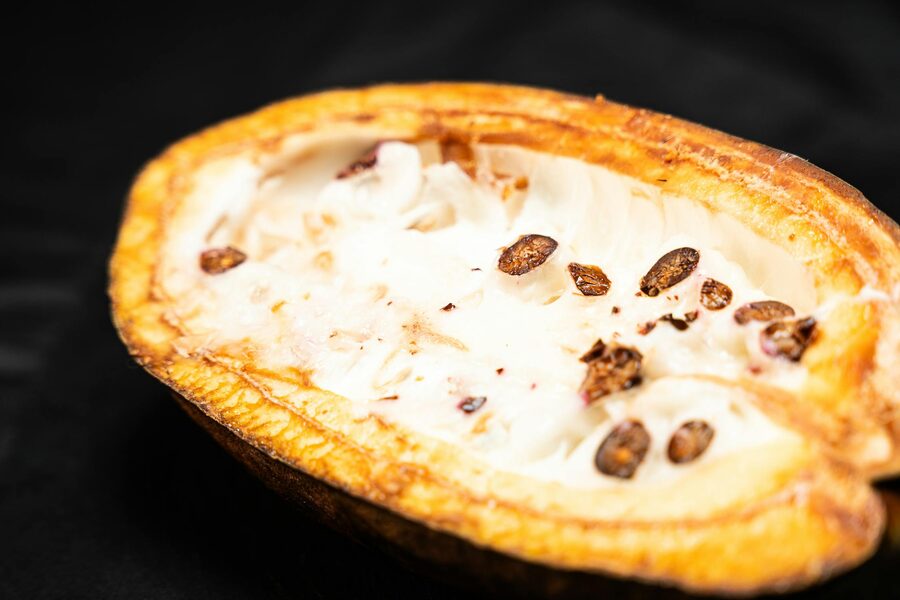
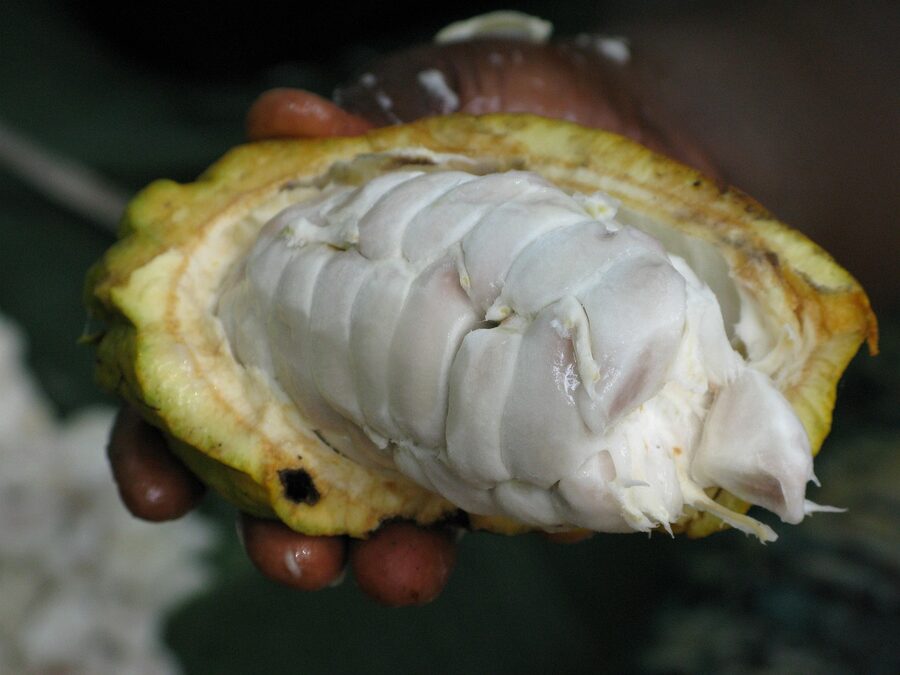
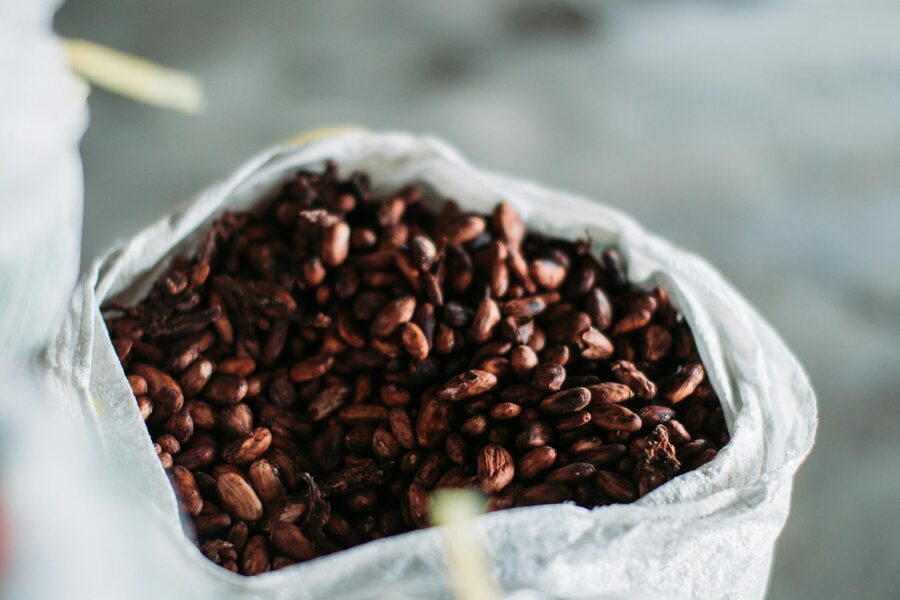
The second section is the production room and this is where I personally spent the longest. There’s a real cocoa pod display and you can see what’s inside one of them. Then it walks you through fermentation, drying, roasting, winnowing, conching and tempering, which sounds like a list of brewing terms because the steps are almost as old. There’s a working scaled down conching machine for visitors to see in operation, and the audio guide explains why this stage matters more than any other for the final flavour.
Belgian innovations
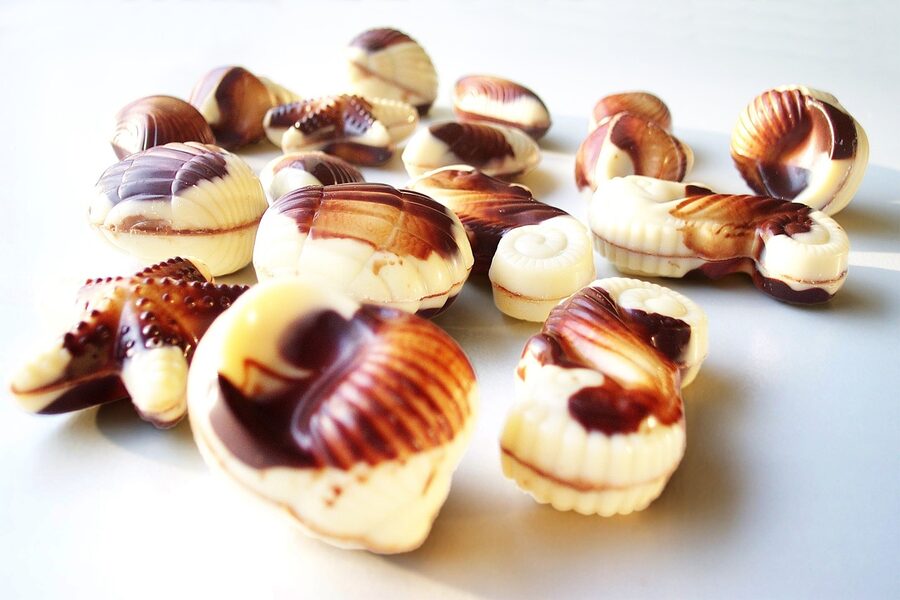
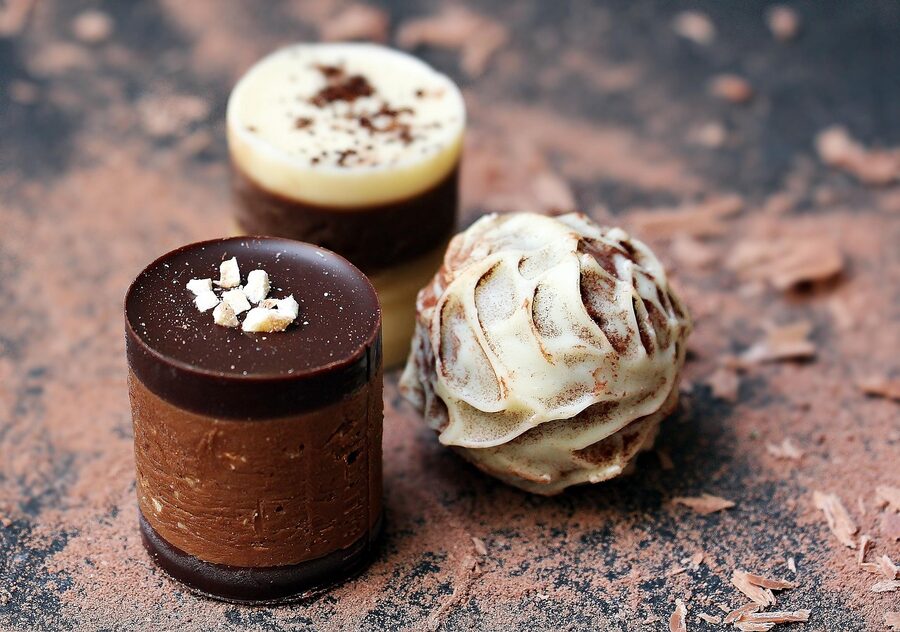
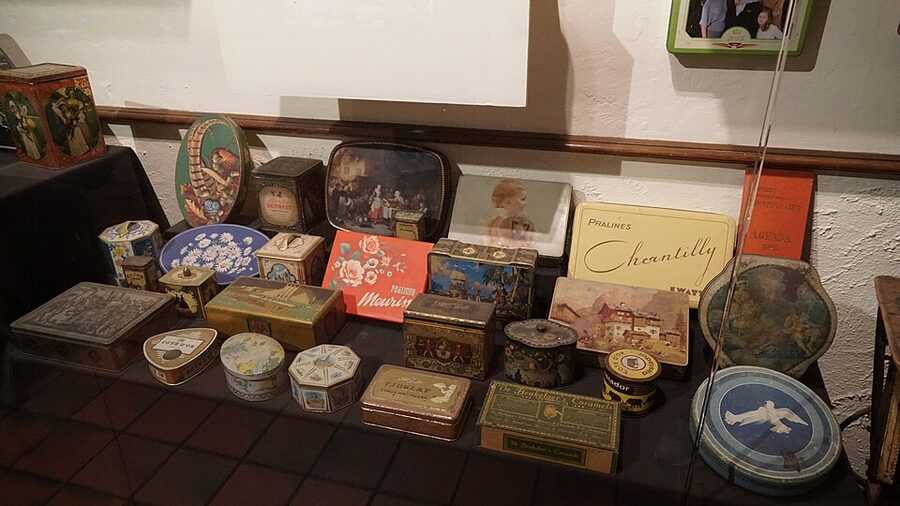
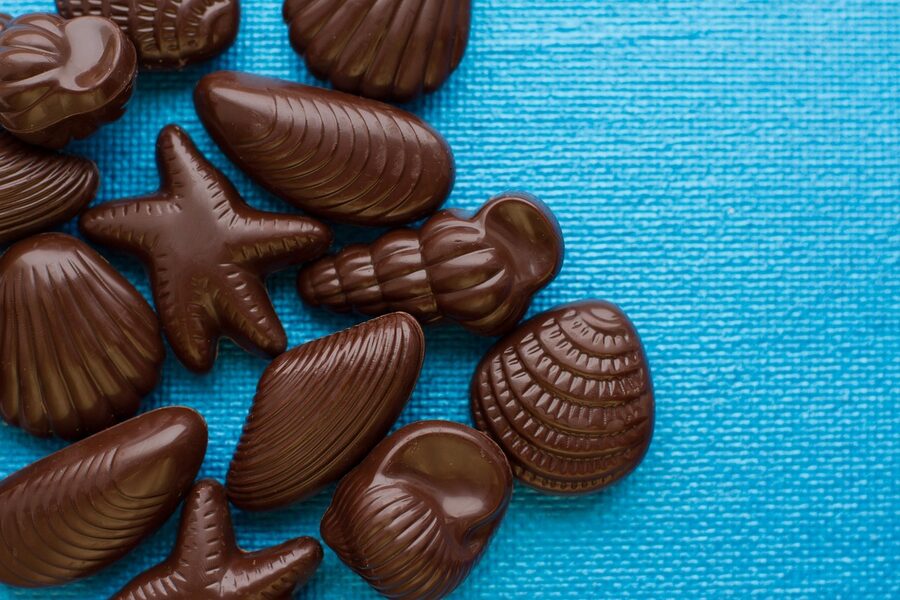
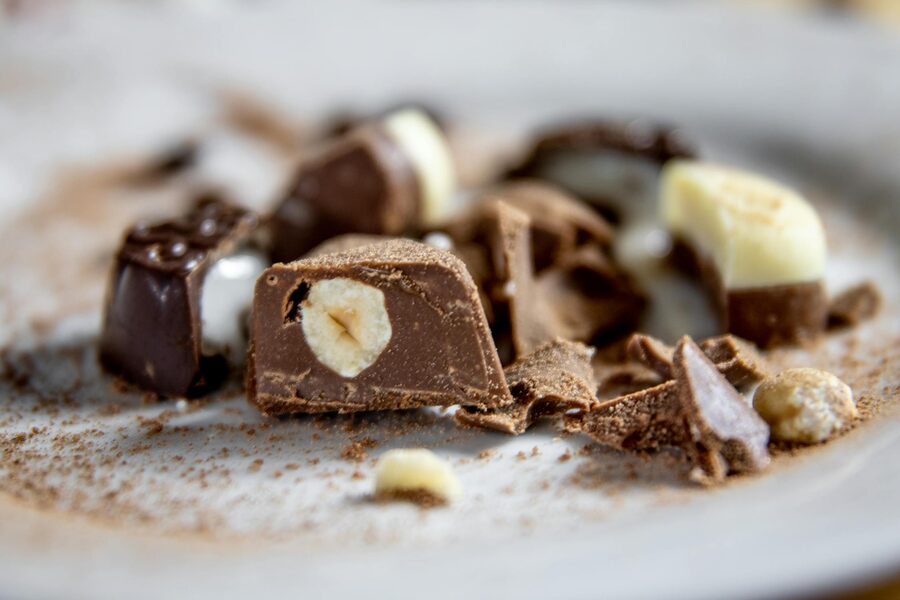
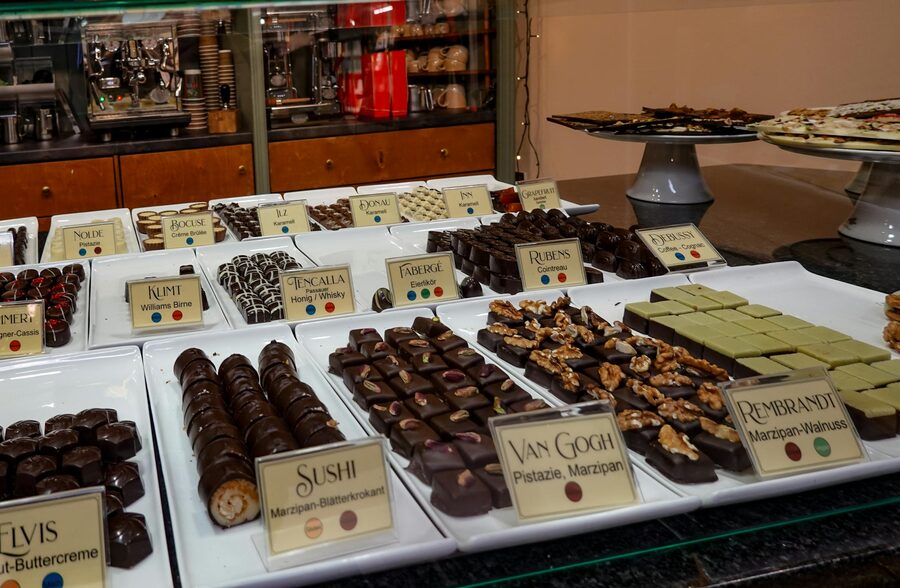
The third section is where it gets specifically Belgian. Belgium didn’t invent chocolate. It did, however, fundamentally change it. The display covers the praline, which Jean Neuhaus II patented in 1912 by enclosing a soft filling inside a hard chocolate shell. Before that, chocolates with fillings were just truffles or rolled bonbons, messy to handle and inconsistent in shape. Neuhaus’s invention let chocolatiers make small bite sized chocolates with controlled liquid or cream centres. It’s basically the foundation of every Belgian chocolate box you’ve ever bought in an airport.
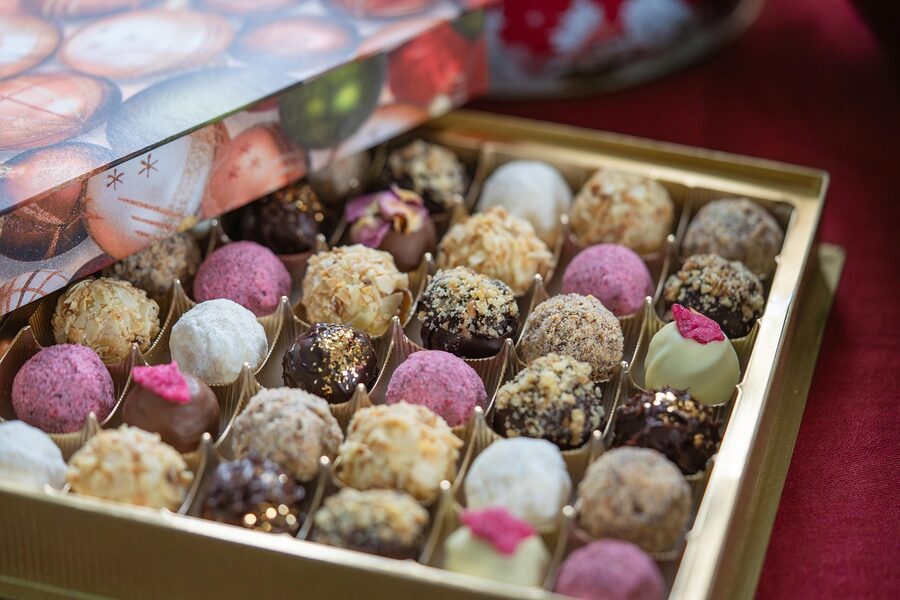
This room also covers Brussels’s specific history of chocolatier dynasties. The story of how Galler, Neuhaus, Mary, Wittamer and the rest carved up the city’s chocolate trade between the 1850s and the 1930s. It’s more interesting than I expected, partly because Brussels chocolate culture is much more recent than people assume. Most of the iconic shops are not even two hundred years old.
The live demonstration
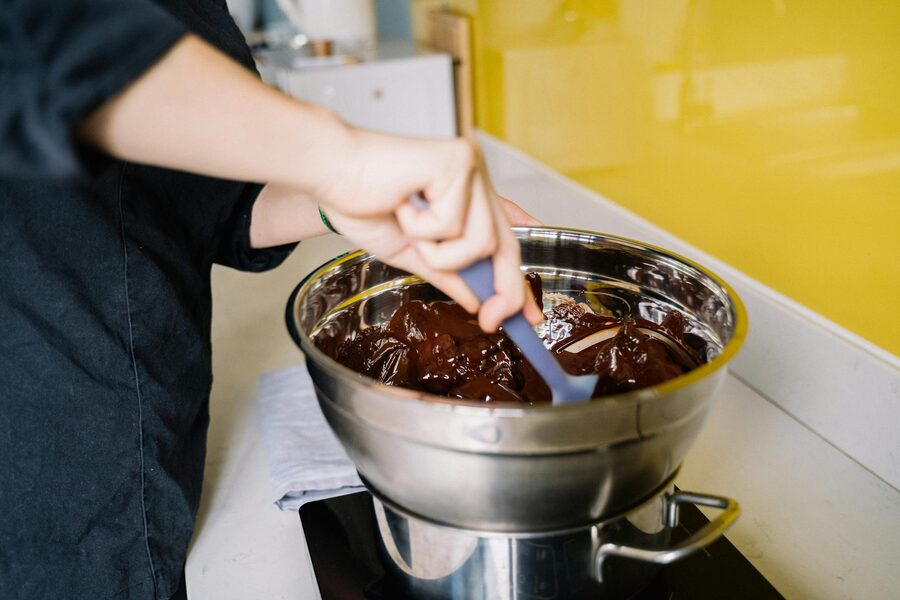
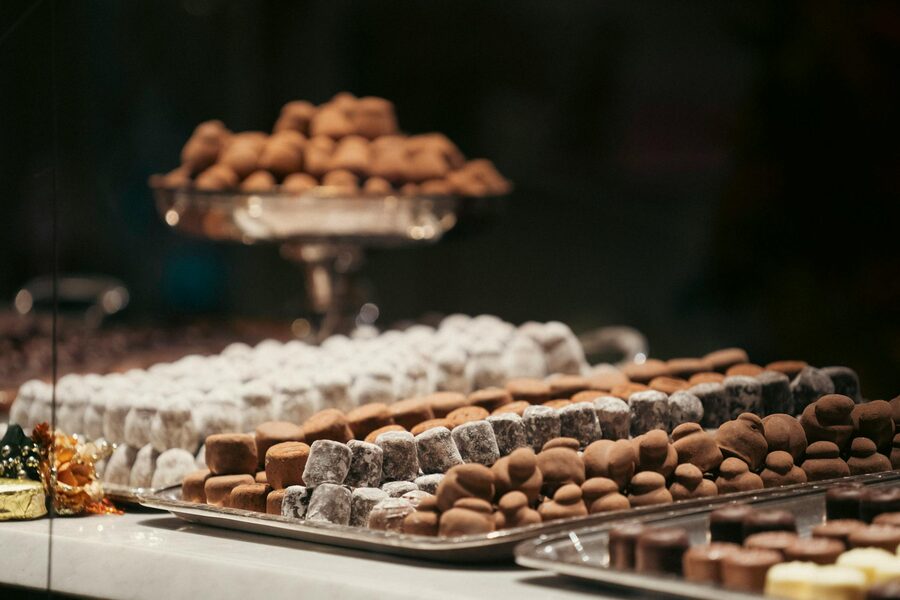
This is the bit that sticks with most people, including me. A chocolatier stands at a small marble table in front of you and makes pralines from melted couverture, walking you through each step. Tempering, moulding, filling, sealing. The whole thing takes about fifteen minutes and you get a praline at the end.
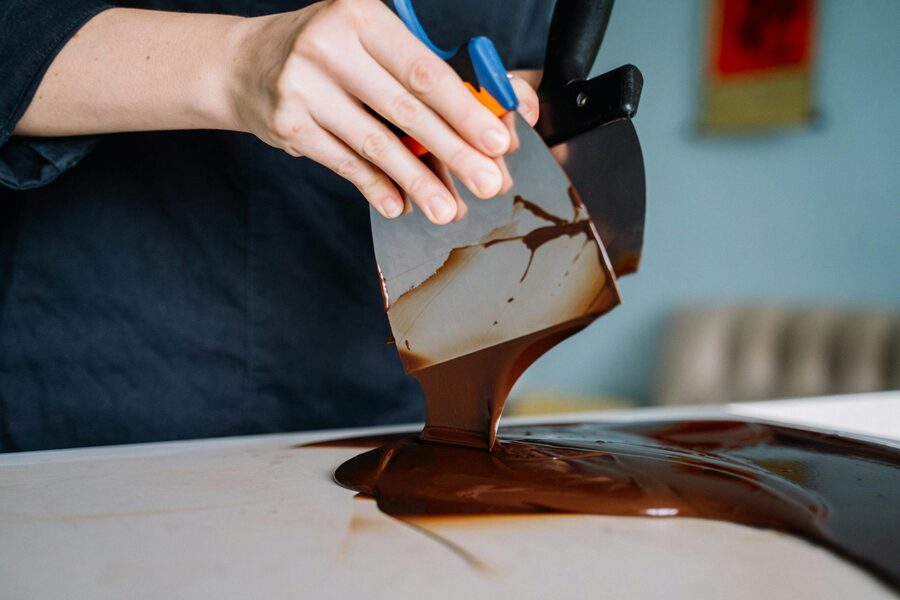
Demos run in English, French or Dutch depending on the audience that day. If you’re in a heavily English speaking group it’ll be in English. If you arrive on a quiet Tuesday afternoon and there’s only one French family ahead of you, it might be in French with an English summary at the end. Don’t stress about timing. Just go when you arrive and watch whichever demo runs.
The Workshop: Should You Pay the Extra?
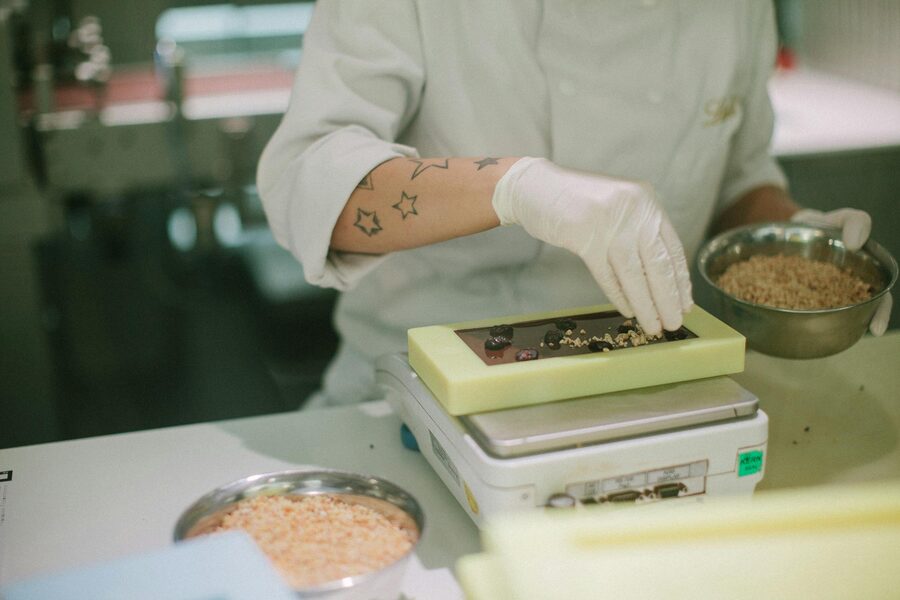
If you’re on the fence about the workshop, here’s what tips it. Your group is small. You’re either alone, with one or two friends or with kids over the age of seven. You don’t mind getting your hands a bit messy. And you actually want a souvenir more meaningful than a fridge magnet.
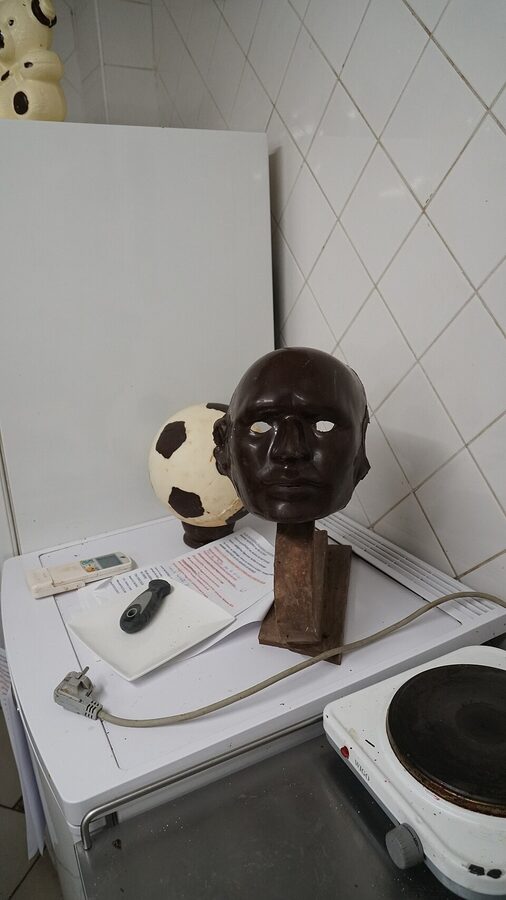
What you actually do in the workshop: you shape and pour your own chocolate tablets, decorate lollipops, and craft small mendiants. The chocolatier does the tempering work for you, so you don’t need any prior skill. You take home a small box of everything you made.
The downside is that this section runs separately from the museum visit, so the total time on site is closer to two and a half hours rather than ninety minutes. If you’ve got a tight schedule and only one morning in Brussels, skip the workshop. Do the standard ticket and use the saved time for waffles at Maison Dandoy or a beer at A La Mort Subite.
Pricing in Plain Numbers
Booking direct or through aggregators usually lands within a euro or two of each other for the standard ticket. Here’s what to budget:
- Adult standard ticket: around 16 to 18 euros, depending on the booking channel
- Youth (12 to 26) and seniors (65+): roughly 14 euros
- Child ticket (3 to 11): around 10 euros
- Workshop ticket (museum + 45 minute workshop): 45 to 53 euros depending on language and slot
- Combo with Brussels hop-on hop-off bus: bundle saving of roughly 15 to 20 percent over buying both separately
Children under three are free. Booking online avoids the queue at the door, which can stretch on weekends and during school holidays. The free cancellation up to 24 hours ahead is genuinely useful if you’re not sure about your Brussels timing yet.
When to Visit and Crowd Patterns
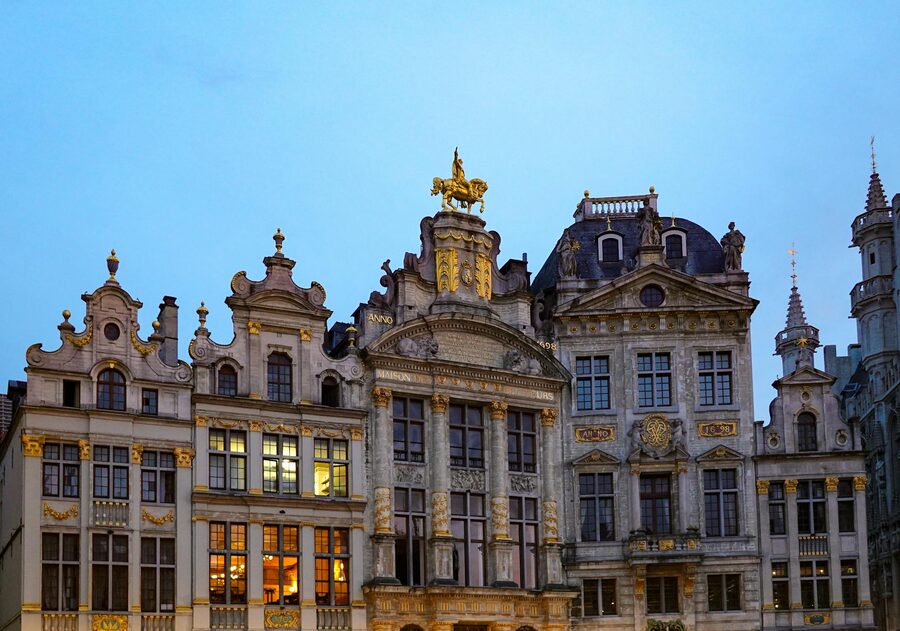
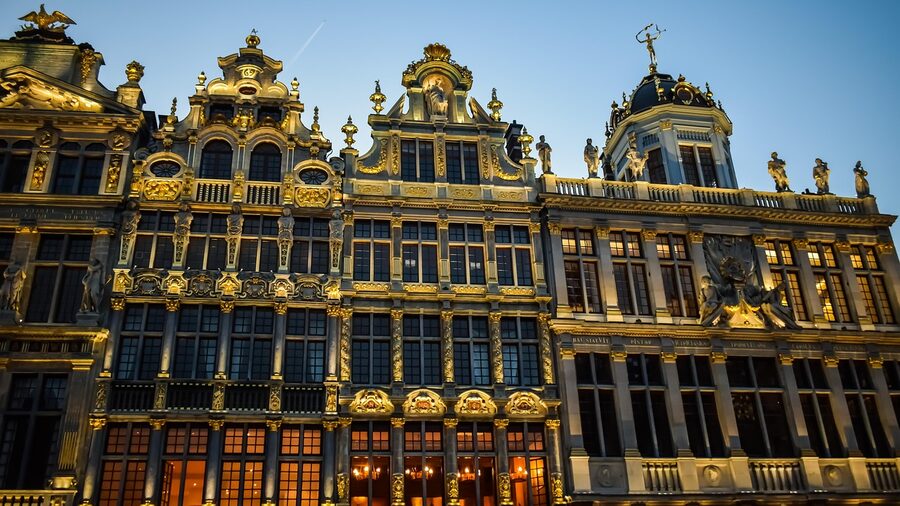
The museum is busiest from late morning to early afternoon, especially on weekends. Saturdays in summer get genuinely crowded around midday. The two windows I’d aim for are right at 10:00 opening or after 15:30 in the afternoon. Both are quieter and you get the demos with less of a crowd. The afternoon slot has the bonus that you walk out into Grand Place at the end and the late sun hits the gold leaf on Maison du Roi at exactly the right angle.
Avoid visiting on the morning of a public holiday. The museum stays open most public holidays but the central tour groups often pile in at the same time. Tuesday and Thursday afternoons are the quietest slots.
Rainy day strategy
Brussels is wet. Plan around it. Choco-Story is one of the better wet weather options in the centre because you spend the entire visit indoors and the smell hits hardest when the air is damp. If your weather forecast shows a rainy afternoon, save the museum for that slot rather than burning a sunny morning on it.
The History Bit: Why Belgium and Not Switzerland
.jpg)
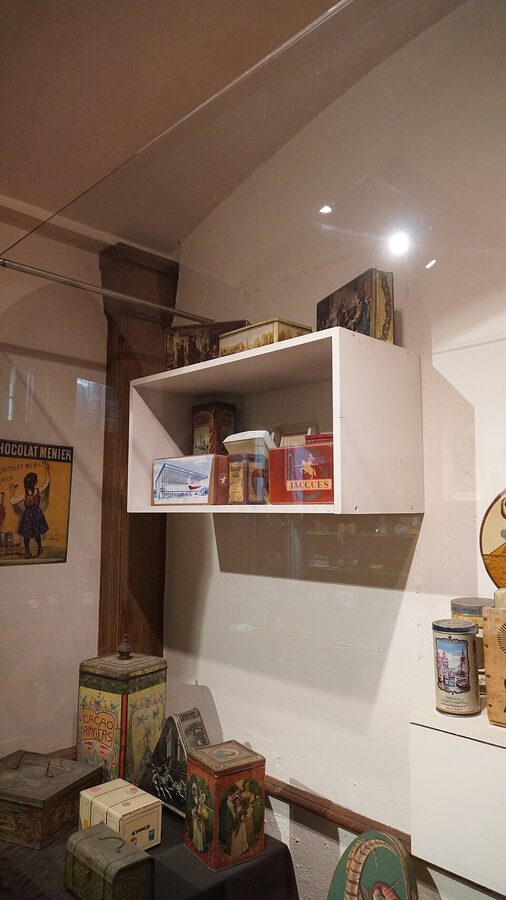
If you’ve ever wondered why Brussels is the chocolate capital and not Geneva or Vienna, the museum gives you a partial answer. The short version: Belgium got cocoa at scale through its colonial trade with the Congo from the late 1800s, which gave Brussels chocolatiers steady access to high quality beans at a moment when Swiss chocolate was still focused on milk innovations. While Suchard and Lindt were perfecting milk chocolate in the Alps, the Belgian shops were going hard on dark, complex pralines and refining the moulded shell technique.
By the 1920s Brussels had a recognisable chocolate culture: small family run chocolatiers, daily fresh production, hand finished pralines. That culture survived two world wars, a postwar boom in industrial chocolate and the late twentieth century arrival of supermarket brands. Today there are still around 2,000 chocolate shops in Belgium, more per capita than anywhere else in Europe.
This is also why the museum makes more sense in Brussels than the Choco-Story branches in Bruges or Paris. The city is the actual home of the praline. The story isn’t a bolt on, it’s the local industry’s origin story.
Practical Tips From My Visit
A few things I wish someone had told me before I went the first time.
Eat lightly beforehand
You’ll get tastings throughout the visit, plus a praline at the demo, plus whatever you buy on the way out. If you’ve just had a heavy waffle from Maison Dandoy down the street and a bowl of moules frites, the museum chocolate will hit your stomach hard. Save the museum for first thing or for the slot before lunch.
Audio guide language matters
The audio guide runs in eleven languages. The English version is well done. The French is the original. The Spanish and Italian are also strong. Some of the smaller language versions, particularly Russian and Arabic, are slightly shorter than the English in places. Pick whichever is your strongest language for the visit. The exhibit boards are bilingual French and English, so the English audio plus French boards combination works for everyone.
Strollers stay outside
The museum doesn’t allow strollers in the exhibit area. There’s a stroller parking zone at reception. If you’re travelling with a baby, plan to use a baby carrier instead. The space is compact enough that this works fine for most parents.
Combine with Manneken Pis
Choco-Story is on the same street as the Manneken Pis statue. Most visitors hit the statue first, get the obligatory photo, then duck into the museum. That’s a sensible order. If you’ve never seen it: Manneken Pis is much smaller than you expect, about 60 centimetres tall, and the dressed up versions on rotation are usually more interesting than the bare default.
Bring a small bag
You’ll walk out with the chocolate you bought, possibly your workshop creations and whatever the audio guide dispensed. A small day bag stops the small box from getting crushed in your jacket pocket on the walk back to the hotel.
Skip This If
I try to be honest about who shouldn’t book a thing. Skip Choco-Story Brussels if you fall into one of these brackets:
- You don’t actually like chocolate. The museum centres around tasting. If you’re indifferent to the product, the history alone won’t carry an hour and a half.
- You only have three hours in Brussels and you’ve already booked the chocolate walking tour. Pick one. The two products overlap enough that doing both feels repetitive.
- You’re allergic to dairy or nuts and don’t trust the cross contamination management. The tastings include both. Tell staff at reception, they’ll do their best, but a serious allergy traveller might be more comfortable doing a single shop visit elsewhere.
- You’re with kids under five who won’t sit through any audio guided segment. The workshop has a minimum age of seven. Younger kids will hit boredom about twenty minutes in.
If You’re Doing More in Brussels
Choco-Story is a perfect anchor for a half day in central Brussels. After the museum, walk back to Grand Place and pick a direction. Mont des Arts and the Magritte Museum are ten minutes east. The Comic Strip Museum is fifteen minutes north. The EU quarter is a hop-on hop-off bus ride or a thirty minute walk east. If you’ve got more than a day, I’d plan around two of the four big anchors: Atomium north of the city, EU quarter east, Manneken Pis and Grand Place in the centre, and the Royal Palace south.
If you’re using Brussels as a base for the rest of Belgium, our guides on visiting Bruges from Brussels and getting to Ghent from Brussels cover the day trip logistics. Bruges has its own Choco-Story branch if chocolate becomes a theme of your trip. Ghent doesn’t, but it has better beer.
For the city itself, the Brussels walking tour covers Grand Place, Galeries Saint-Hubert and the Mont des Arts in two hours and gives you the orientation you’ll wish you’d done first. Pair that with Choco-Story and you’ve covered most of central Brussels in a day. The Atomium tickets are worth the trip out if you want a proper city panorama, especially if it’s your first or last day.
Walking tour parallels in other cities I’d send you to first if you’ve already done Brussels: the Lisbon walking tour, the Budapest walking tour and the Krakow Old Town walking tour are all in the same mould as the Brussels one. Hop-on hop-off readers heading elsewhere can compare the Porto HoHo, the Budapest HoHo and the Warsaw HoHo to get a sense of how Brussels stacks up on coverage and frequency.
Final Take
Choco-Story Brussels is one of the most efficient hour and a half I’ve spent on any European museum visit. It’s compact, smells incredible the moment you walk in, has an actual chocolatier doing real work in front of you, and ends with you eating something they made on the spot. For the price of two beers in central Brussels you get one of the better introductions to a craft you’ve probably consumed your whole life without thinking about.
Book the standard ticket if you want the museum and the demo. Book the workshop ticket if you want to make your own. Book the hop-on hop-off combo if you’d planned to use the bus anyway. Don’t book all three unless you’re a professional chocolate critic, in which case you don’t need this article.
Some of the links above are affiliate links. We only recommend tours we’d book ourselves. Prices may have changed since we last checked, so confirm before you book.