
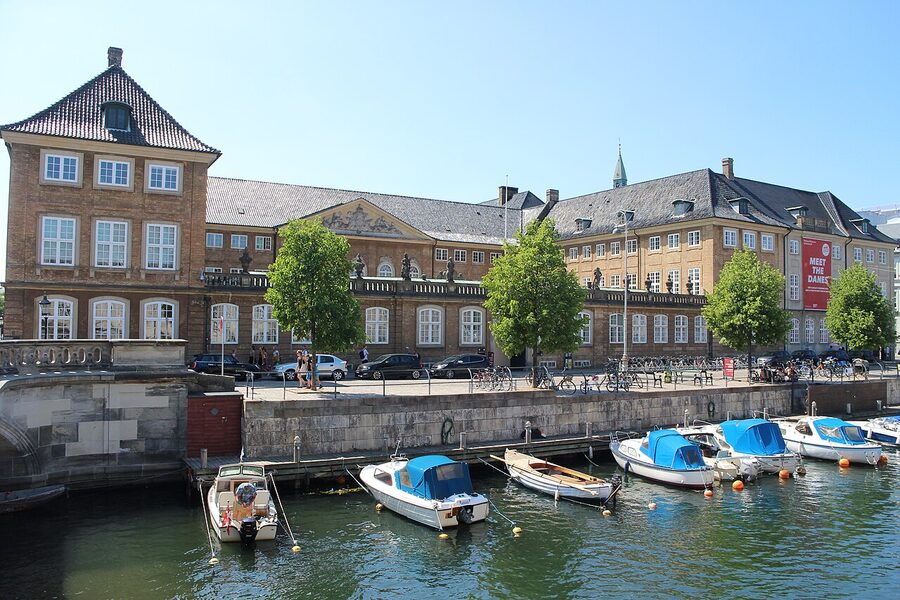
Three thousand years of Danish history sit inside one 18th-century palace on a quiet side street in central Copenhagen. So how do you actually navigate it without burning out by the second floor?
The short answer: don’t try to see everything. The National Museum of Denmark is the country’s biggest cultural institution, and an exhaustive visit takes a full day. A focused visit takes ninety minutes and leaves you smarter about Denmark than any guidebook chapter ever will. This guide explains what to book, what to skip, and how to plan the visit so the museum works for you rather than the other way around.


- In a Hurry? Top Picks
- So Is the Entry Ticket Actually Worth It?
- Tickets at a Glance
- Three Tickets Worth Booking
- 1. National Museum of Denmark Entry Ticket:
- 2. Amalienborg Palace Museum Entry Ticket:
- 3. Castles, Cathedrals & Viking Ships Day Tour: 7
- What to See Inside (and What to Skip)
- The Sun Chariot from Trundholm
- The Egtved Girl
- The Lurer Bronze Horns
- The Gundestrup Cauldron
- The Viking Galleries
- The World Ethnography Galleries (the underrated ones)
- What to Skip
- How Long to Spend
- Getting There
- Practical Things People Get Wrong
- The Building Itself: Why a Palace?
- Best Time to Visit
- Pairing the Museum with Other Copenhagen Days
- If You’re Bringing Kids
- What I’d Tell a First-Timer
- Other Copenhagen Guides
In a Hurry? Top Picks
Best straight-up ticket: National Museum of Denmark Entry Ticket, around $21 per person, valid for a year so you can split visits across days.
Best royal add-on: Amalienborg Palace Museum Entry Ticket, about $19, the next-door royal-history complement to a National Museum visit.
Best Viking deep dive: Castles, Cathedrals & Viking Ships Day Tour from $217, a 9.5-hour day trip out to the Viking Ship Museum at Roskilde plus Kronborg and Frederiksborg.
So Is the Entry Ticket Actually Worth It?
Yes, and that’s almost the wrong question. The real answer is that an admission ticket gets you into all the permanent exhibitions, plus the Children’s Museum, plus most of the special exhibitions running at any given moment. At 135 DKK online (around $19) for adults, with under-18s free, it’s one of the best-value cultural tickets in Copenhagen. The same money in this city buys you forty minutes in a cafe.
The trick is that almost everyone books online. Walking up to the desk costs 150 DKK, the online price is 135 DKK, and the saving of 15 DKK is the cost of about half a coffee at Cafe Daisy. Just buy online before you walk through the door.
_(36267234721).jpg)
One thing worth knowing: the ticket is valid for a year from purchase. If you’re staying in Copenhagen more than three days, you can split a visit across two mornings without paying twice. Three two-hour mornings probably beats one six-hour death march, and the museum is open from 10:00 every day from April to October. From November to March it’s closed Mondays.
If your visit lines up, the Copenhagen Card also includes the National Museum at no extra cost. The card pays off if you’re hitting four or more attractions plus public transport. For a single museum visit it’s overkill.

Tickets at a Glance
The price structure is simpler than most major museums. There’s the admission ticket and the annual pass, and that’s basically it.
- Adult ticket online: 135 DKK (about $19), valid 365 days from purchase
- Adult ticket at the desk: 150 DKK (no advantage to walking up)
- Under 18: free, no booking needed
- Group ticket (10+ people): 135 DKK per person
- Annual pass for one: 285 DKK, pays for itself on visit number two
- Annual pass for two: 495 DKK, useful if you’re a couple based in Copenhagen for a season
- Companion Card holders: one companion enters free
One quirk: there’s no senior or student discount. The Danes have rolled disability and family pricing into a single low ticket and called it a day. Compared with the V&A in London or the Louvre at Paris prices, that’s a quietly fair deal.
_(36267265051).jpg)
Three Tickets Worth Booking
For most travellers the entry ticket alone does the job. But if you’re building a day or a weekend around Danish history, here are the three I’d actually book in 2026, in the order I’d add them to the trip.
1. National Museum of Denmark Entry Ticket: $21
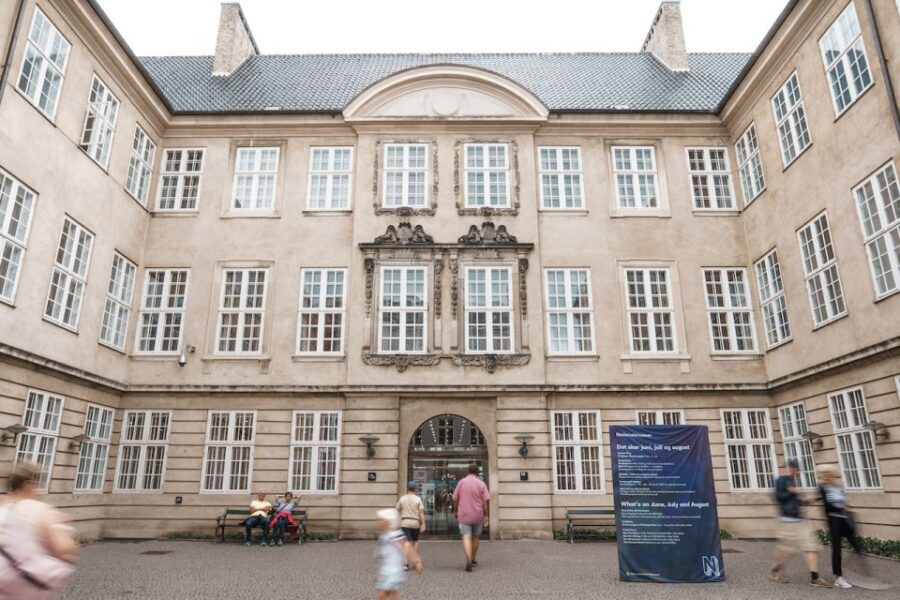
This is the one to book first and the one most people only need. It gets you the whole permanent collection across all the floors of the Prince’s Palace, and our full review of the entry ticket walks through what we found inside on a wet May afternoon. The flexibility is the underrated feature here. You buy it now and use it within the year.
2. Amalienborg Palace Museum Entry Ticket: $19
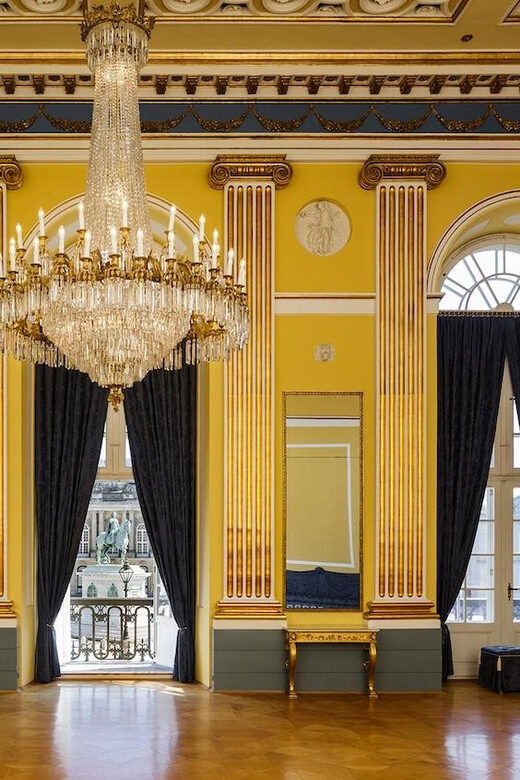
If the National Museum gives you the long arc of Danish history, Amalienborg gives you the royal close-up. The same Royal Family still lives there. Our Amalienborg review covers the four-palace layout and which rooms are actually open to visitors. Skip the changing of the guard at noon if you want photos without crowds.
3. Castles, Cathedrals & Viking Ships Day Tour: $217
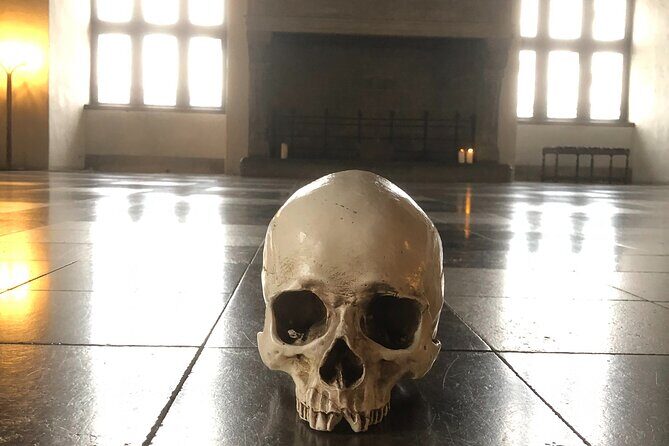
This is the obvious follow-up to the Viking rooms at the National Museum. The 9.5-hour day trip takes you to the Viking Ship Museum at Roskilde, where actual longships from around AD 1070 sit in a glass-fronted hall by the fjord. You also visit Kronborg (Hamlet’s castle), Frederiksborg, and Roskilde Cathedral. Our tour review rates this one for travellers who like to compress, and the comfort of being driven beats trying to do the same loop by S-train and bus.
What to See Inside (and What to Skip)
The collection covers 14,000 years. You will not see all of it. Pick two or three things and hit them properly.
_(35596235203).jpg)
The Sun Chariot from Trundholm
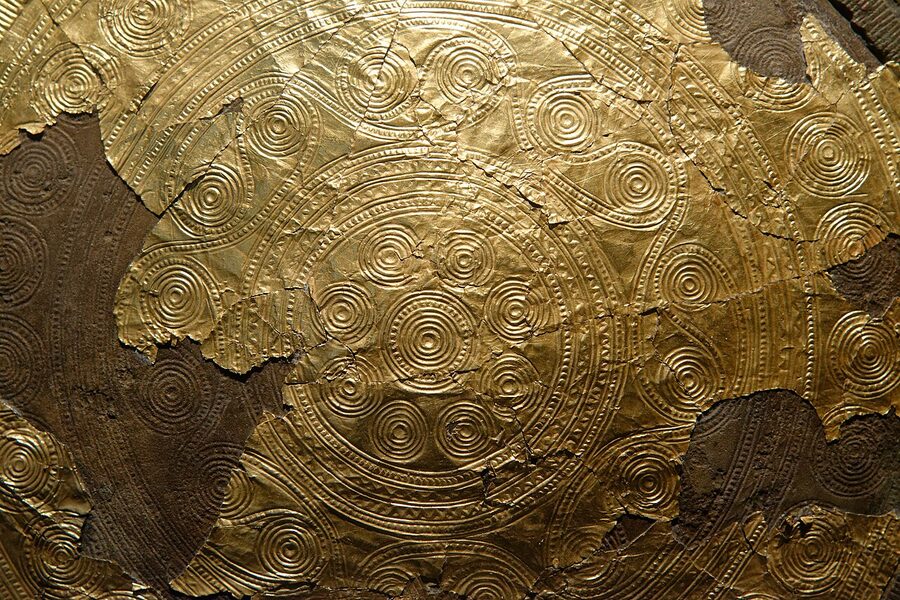
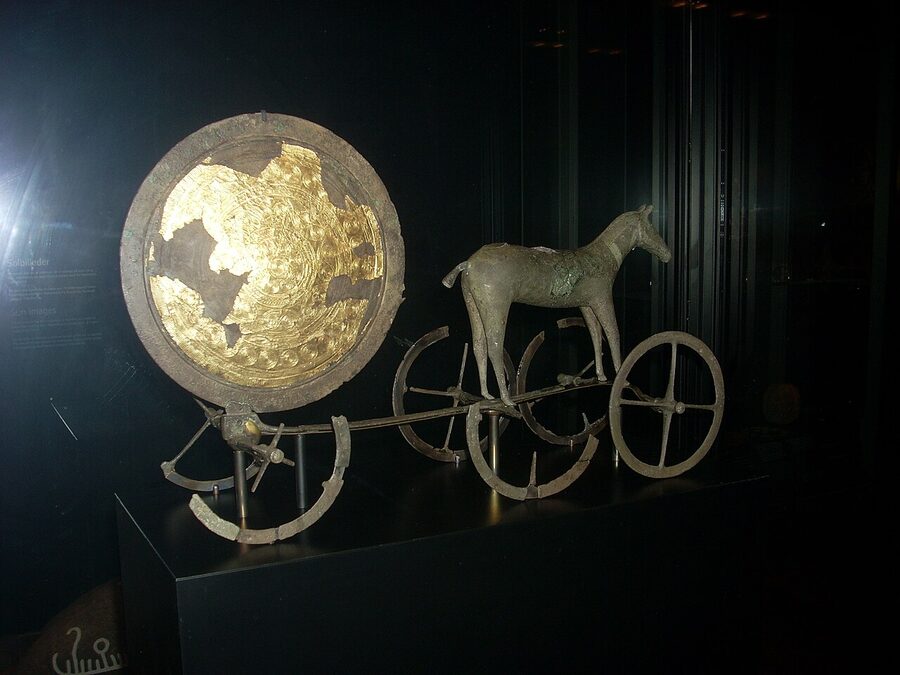
If you only see one thing in the whole museum, see this. It’s a small bronze and gold sun disc on a six-wheeled wagon pulled by a horse, made around 1400 BC. A peat-cutter dug it up by accident in northwest Zealand in 1902. The sun disc is gilded on one side only, which we think relates to a Bronze Age cosmology where the sun was carried across the sky by day and dragged back through the underworld by night. It’s older than Stonehenge in its current form, older than the pyramids of Giza were when Cleopatra was born, and it sits behind glass in a gallery you can walk to in three minutes from the front desk.

The Egtved Girl
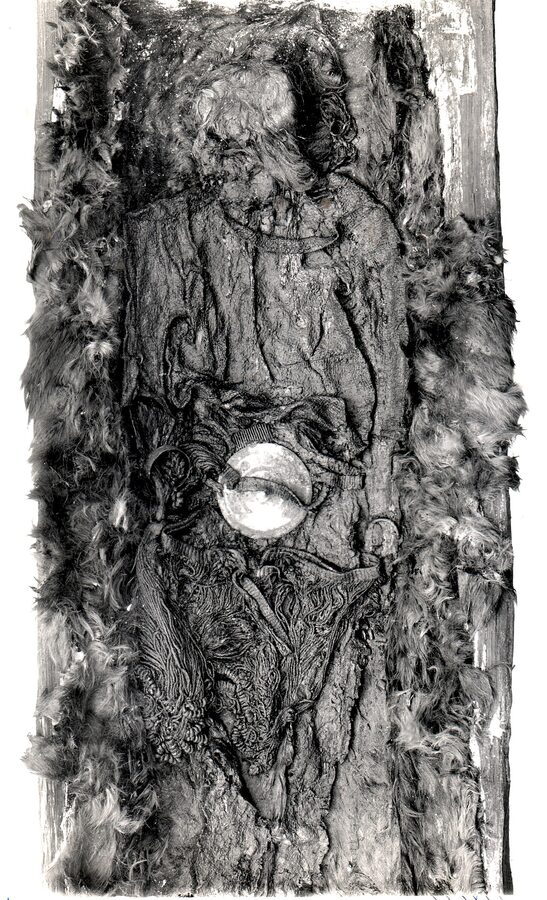
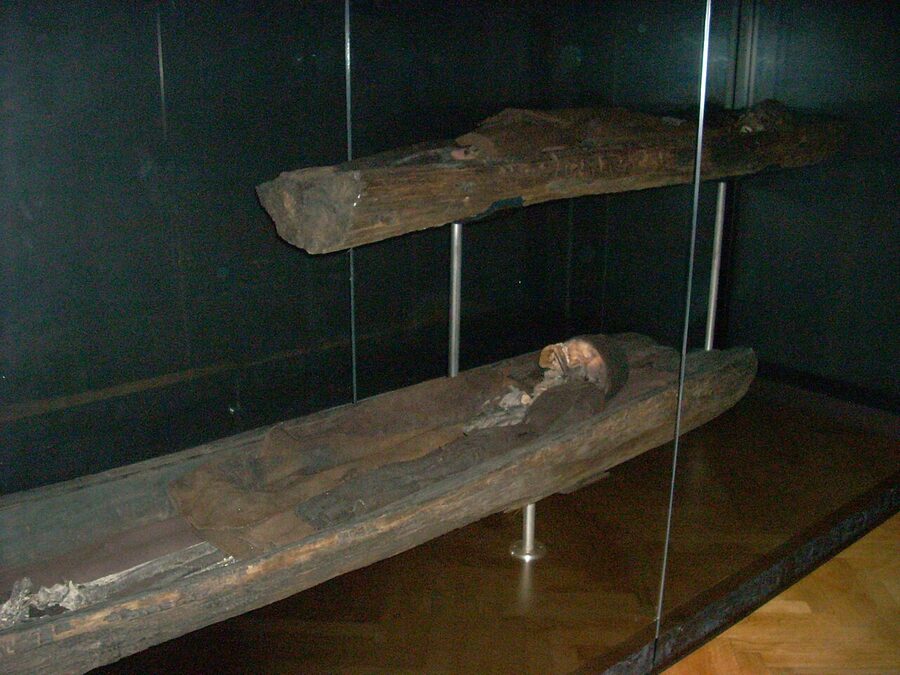
One floor up. A Bronze Age teenager buried around 1370 BC near Egtved in Jutland, found in 1921 inside an oak coffin lined with cowhide. Her clothes survived: a string skirt, a bronze belt disc, a corded blouse. Strontium isotope analysis on her tooth enamel tells us she wasn’t local. She’d grown up somewhere else (probably the Black Forest area) and made a long journey before her death at perhaps 16 or 17. The display puts the original textiles next to a reconstruction. It is the only Bronze Age outfit we have, full stop, and her face is not on display. Her hair is.
The Lurer Bronze Horns
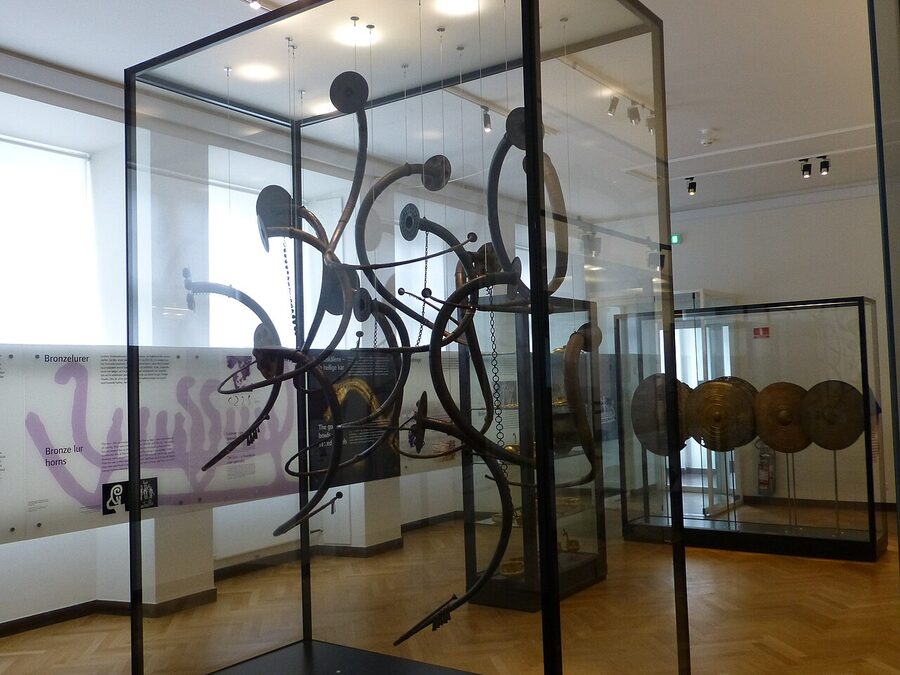
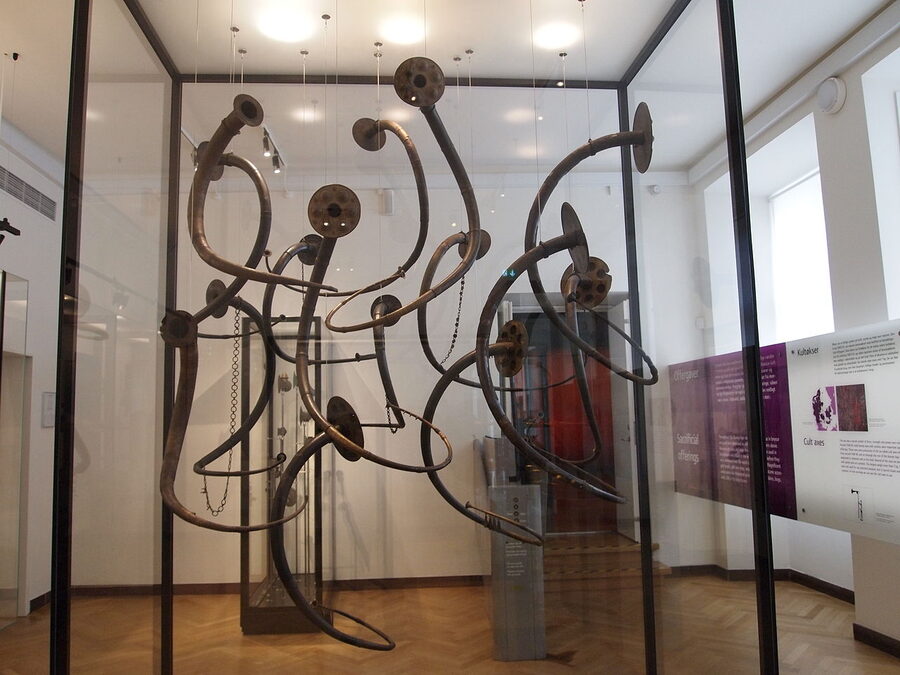
The Lurer (singular: lur) are bronze horns, hammered and lost-wax cast around 1000 BC, usually found in pairs in peat bogs, intentionally deposited as offerings. They still play. Ancient music ensembles have used reproductions to record what they sound like, and the answer is somewhere between a French horn and a foghorn. Stand in front of the case and notice they curve in opposite directions. The pairs were tuned to play in chord. They’re the oldest playable musical instruments in northern Europe, and the National Museum has more of them than anywhere else on earth.


The Gundestrup Cauldron
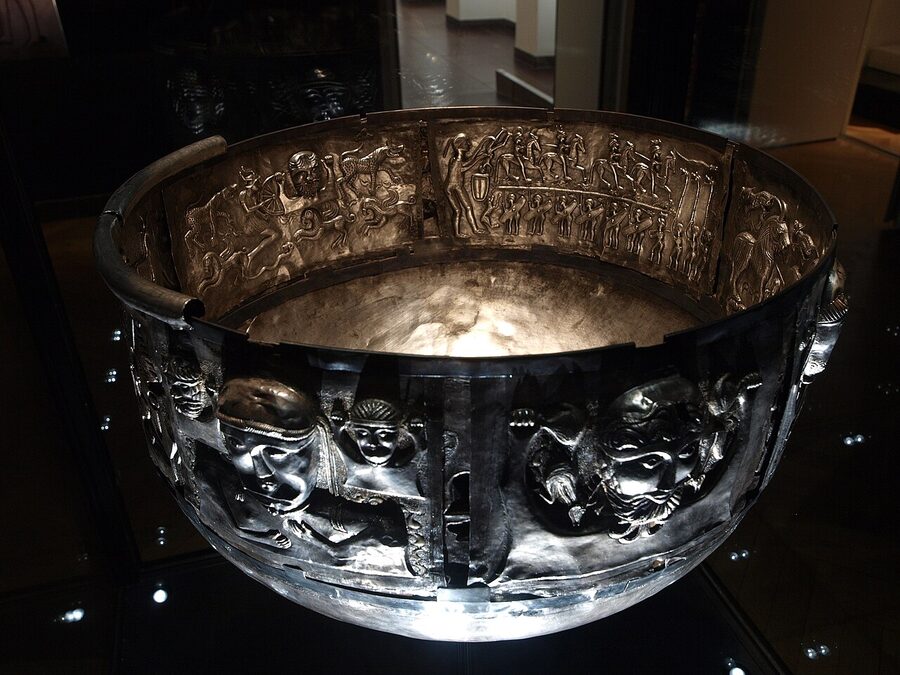
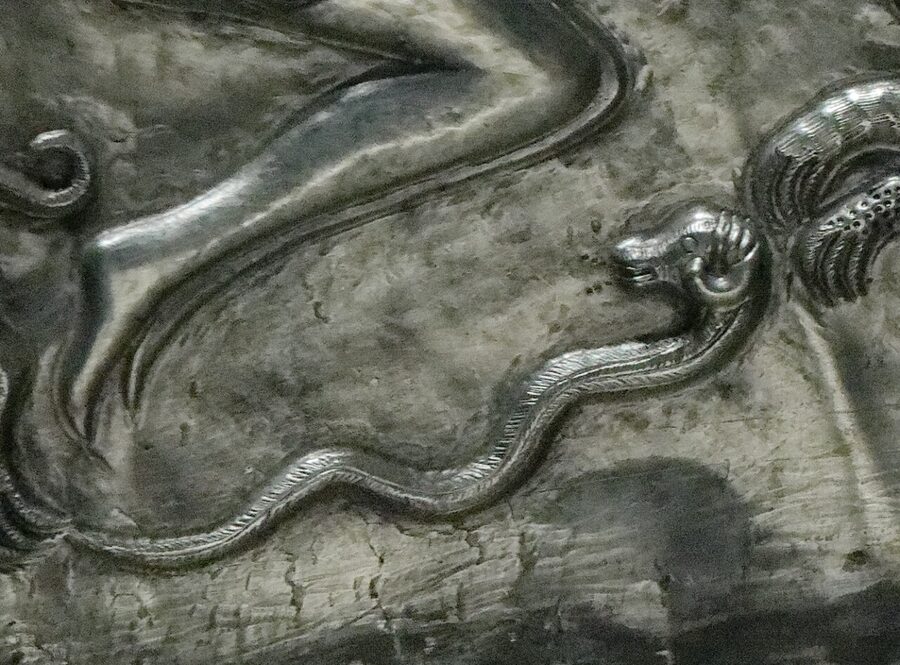
The most photographed object in the building. A large silver bowl from around 100 BC, decorated inside and out with figures of horned gods, antlered men, elephants and warriors. It was found in a Jutland peat bog in 1891, taken apart and stacked. The metalwork is Thracian, the iconography looks Celtic, the find spot is Danish. Nobody is fully sure how it got to north Jutland or what it was for. Sacrifice? Booty? Trade? The arguments still rumble in archaeology journals. Stand close and look at the antlered figure on the inside plate (Cernunnos, possibly). It’s the same image you’ve seen on Iron Age coffee mugs and tattoos. This is the original.


The Viking Galleries
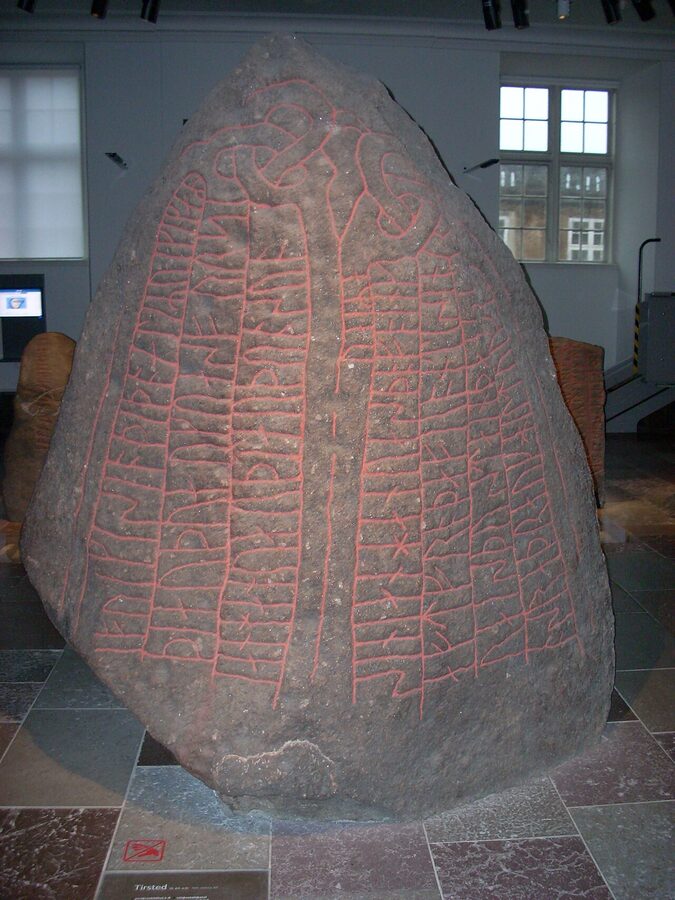
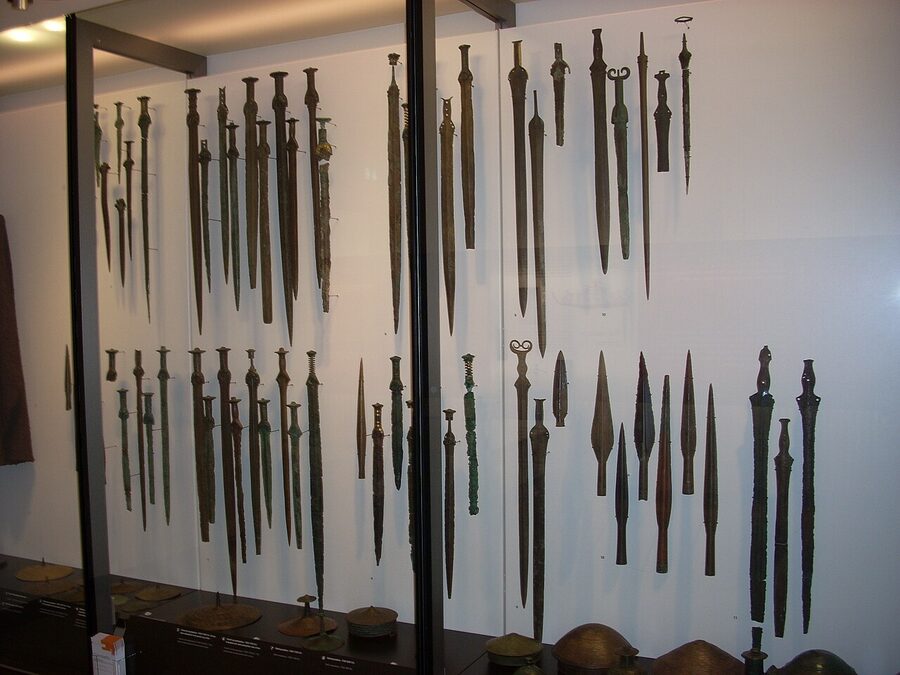
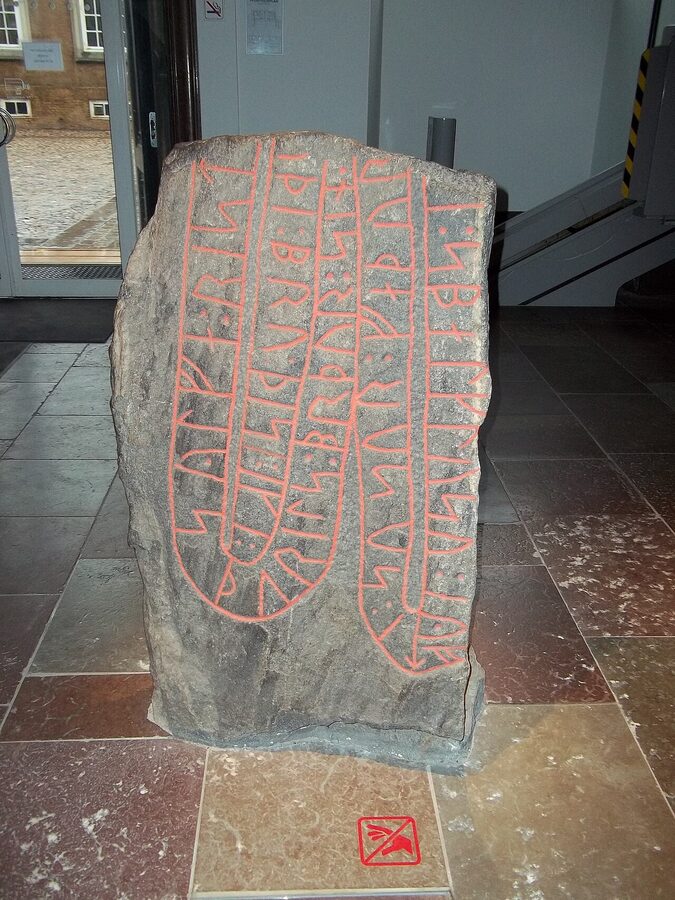
Most travellers come for the Vikings. The Viking-age rooms are the busiest area of the museum, especially on weekends. Beyond the famous swords and the runestones (move past these without stopping; you’ve seen better photos online than the actual stones), look for the smaller objects: silver hoards, glass beads, bone combs, the fragments of everyday Viking life that don’t make it into Hollywood. The Hiddensee gold treasure and the Egtved gold cup are good places to slow down. Then leave the Vikings before fatigue sets in. The medieval rooms after the Vikings are quieter and arguably better.


The World Ethnography Galleries (the underrated ones)
If you only have a few hours, you’ll skip these and that’s fine. But if you’re back for a second visit, this is where the museum gets unexpectedly excellent. The Ethnographic Collection holds Inuit material from Greenland (Denmark’s centuries-long colonial connection means the Greenlandic objects here outclass most museums in North America), Polynesian masks, Asian shadow puppets, and a Tibetan section that includes ritual objects most Western museums quietly stopped collecting decades ago. The collection is older than the museum itself: it began as the royal cabinet of curiosities in the 1650s.

What to Skip
The medieval church art rooms can be heavy going if you’ve already seen comparable collections in Rome, Paris, or Berlin. Wooden saints, painted altarpieces, and fragments of stone tracery are all fine, but they overlap with what you’ve seen elsewhere. The 1660 to 2000 Danish history galleries are interesting if you want context for modern Denmark, but pick a single century and stick with it; trying to walk through 340 years of furniture, costume, and household goods will turn your brain off.
Also skip the audio guide unless you specifically want it. The information cards next to the exhibits are clear, well-translated, and do most of the work an audio guide would do. The English signage is excellent throughout.
How Long to Spend
This depends on you. Here’s how I’d plan it for different visit lengths.
- 90 minutes: the prehistory floor only. Sun Chariot, Egtved Girl, Lurer, Gundestrup Cauldron, then a fast pass through the Viking gallery. Skip everything else.
- 3 hours: all of the above, plus the medieval rooms and a quick pass through Danish modern history (1900 onwards is the most engaging part).
- Half a day: add the world ethnography wing. This is when the museum starts to feel huge.
- A full day: add the Children’s Museum (genuinely good, even with no kids in the party), special exhibitions, and Cafe Daisy for a sit-down lunch.
The museum is open 10:00 to 17:00, and the last hour is when the school groups finally clear out. If you can swing a 15:30 arrival, the prehistoric rooms in particular get gloriously empty.

Getting There
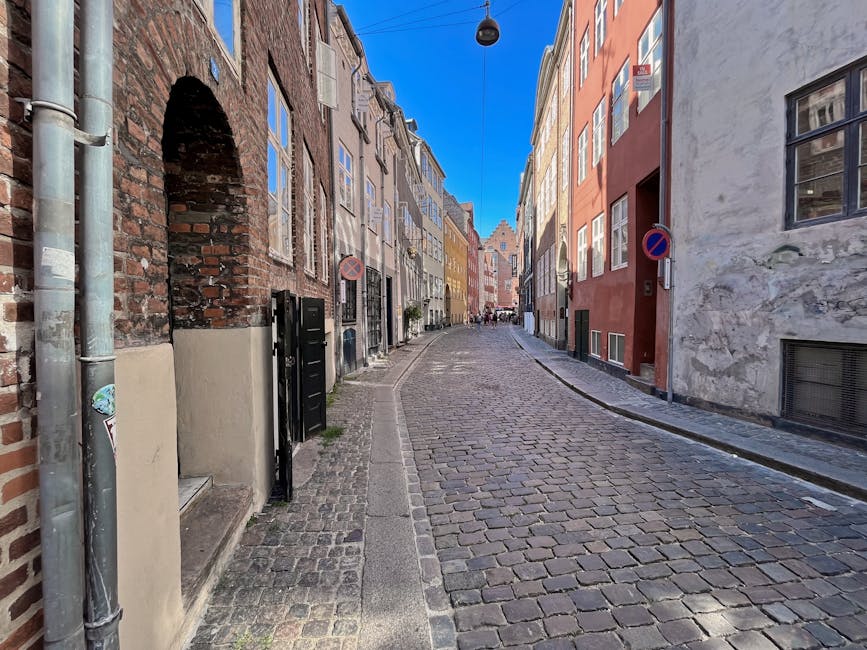
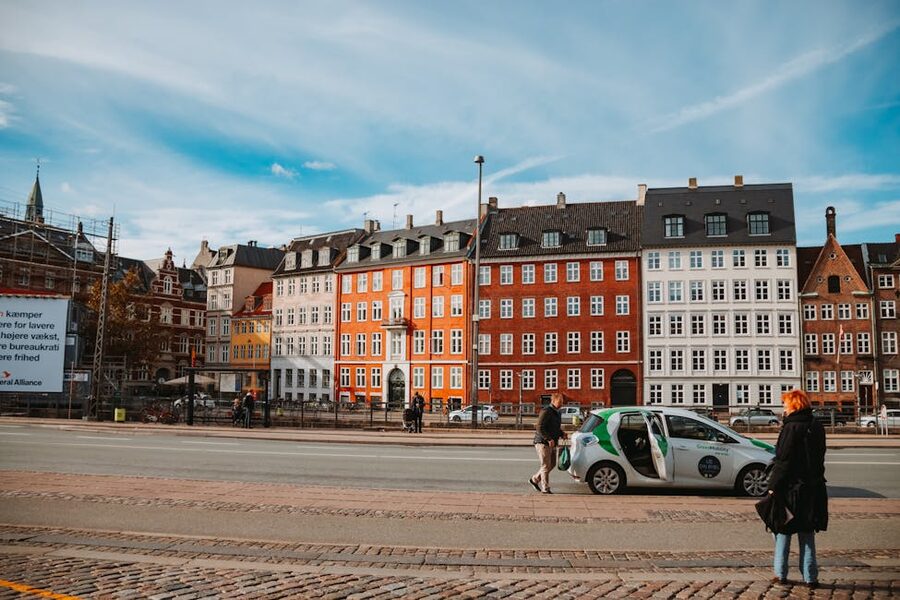
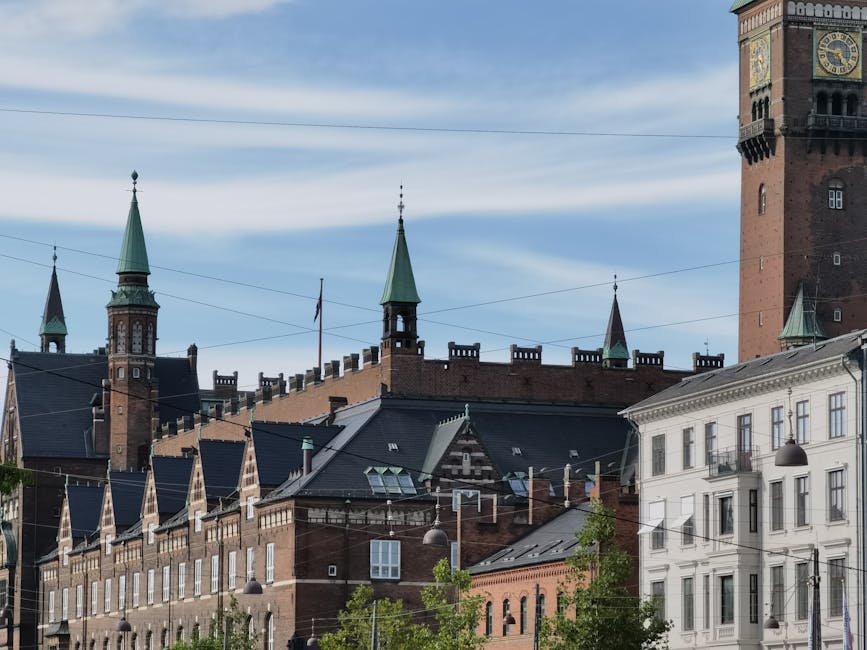
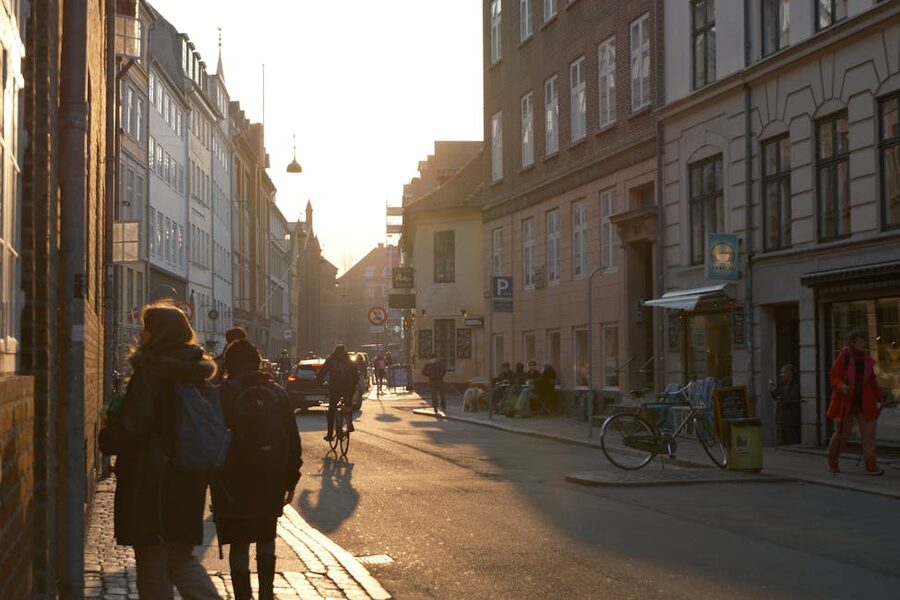
The address is Ny Vestergade 10, 1471 Copenhagen K. It’s a five-minute walk from Copenhagen City Hall and the Tivoli Gardens (so you can pair an afternoon at the museum with an evening at the gardens easily). Six minutes from Stroget. Eight from the Copenhagen Central Station via the City Hall Square. The walk from the station goes through some of the prettiest old streets in central Copenhagen, so you don’t need to bother with public transport for this one.
If you do take public transport: bus 26, 1A, and 6A all stop within three minutes’ walk. The closest metro is Gammel Strand on the M3 Cityringen line, two minutes away. The travel-planner app Rejseplanen handles everything in English. If you’ve already grabbed a Copenhagen Card, all city public transport is included.
Cycling: the museum has free bike racks immediately outside on Ny Vestergade. If you’re doing a Copenhagen bike tour, ask the guide about parking near the museum; most tours pass within a few hundred metres.
Practical Things People Get Wrong
A handful of small details that aren’t obvious from the website.
Lockers are free and mandatory for big bags. Backpacks larger than a small daypack aren’t allowed in the galleries, but the lockers in the entrance area are free, secure, and there’s almost always one available. Use them. You’ll move through the galleries faster without a bag and the security staff are understandably particular.
Photography is fine. Take photos for personal use, no flash, no tripod. The lighting in the prehistory galleries is dim and atmospheric; phones with night mode handle it well. The displays are behind glass that’s mostly anti-reflective, but for the Sun Chariot in particular, find an angle that doesn’t pick up the case lights. A 30-second wait for the gallery to clear gets you a much better shot.
Cafe Daisy is open without a ticket. If you want to eat at Cafe Daisy without going into the galleries, you can. The smorrebrod here is good, made with seasonal ingredients, and priced fairly for central Copenhagen. About 80 to 110 DKK for a full plate. There’s also a packed-lunch room where you can eat your own food, which is unusual for a major museum.
The shop is open without a ticket too. If you only want a postcard or a Sun Chariot replica (the bronze ones make decent souvenirs), the shop is accessible from the lobby. No ticket needed.
The Children’s Museum is genuinely fun for adults. If you’ve brought no kids, you can still walk through. There’s a Viking longship you can sit in and a recreated 19th-century Copenhagen schoolroom that is unexpectedly atmospheric.
The Building Itself: Why a Palace?
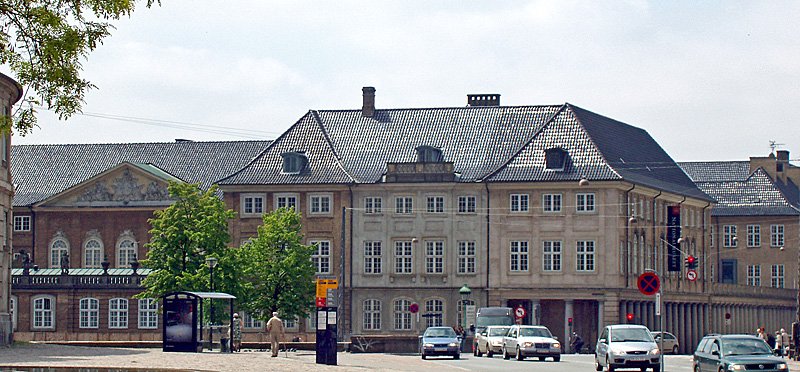
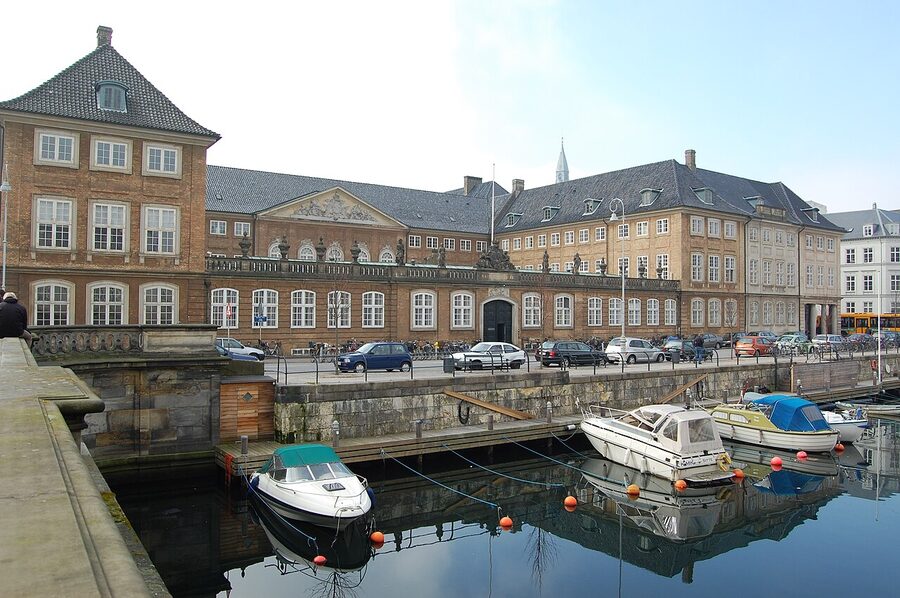
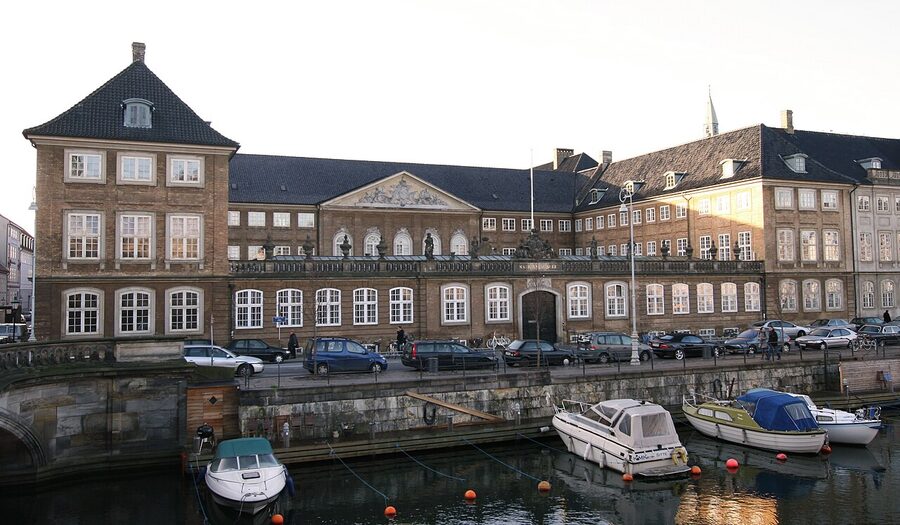
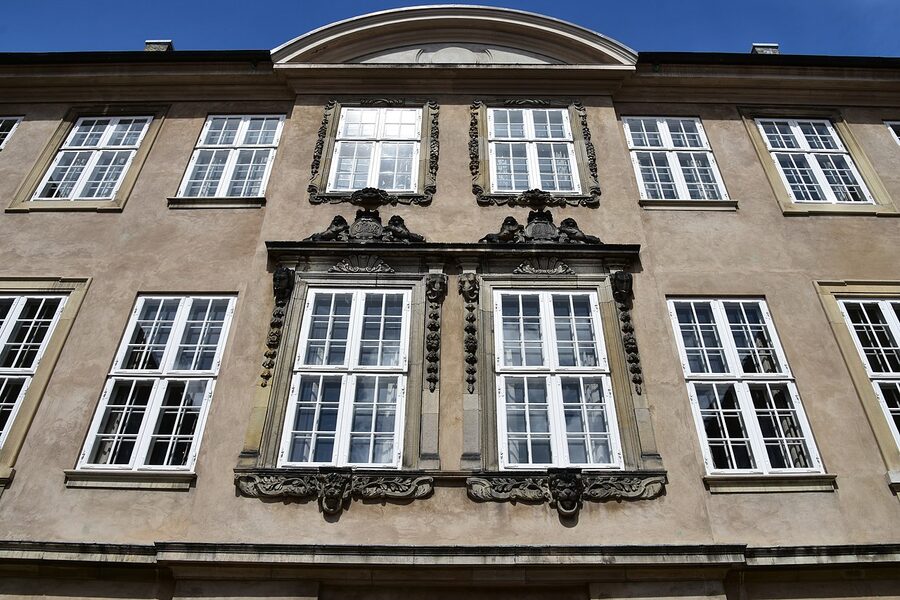
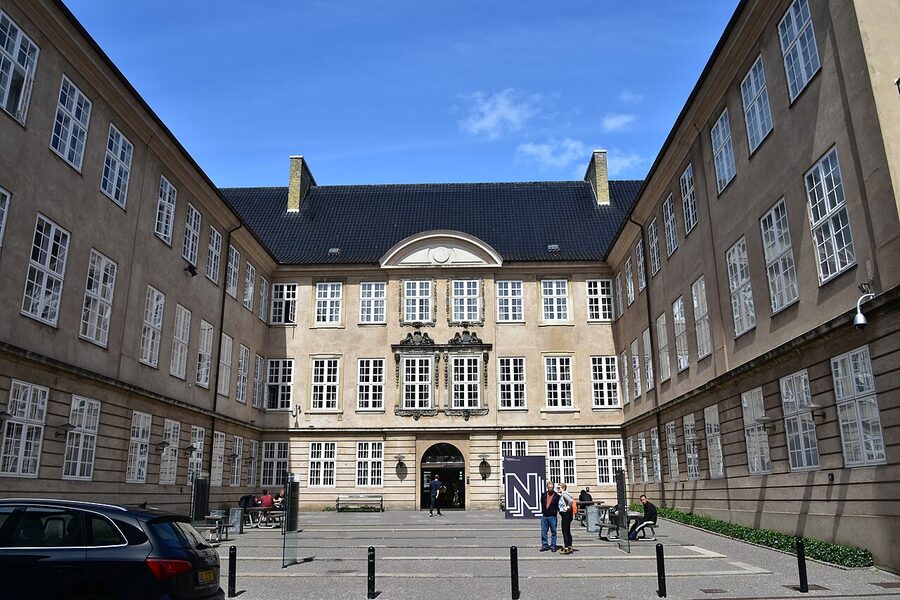
The Prince’s Palace (Prinsens Palae) was built in the 1740s for Crown Prince Frederik (later Frederik V), designed by Niels Eigtved in the Rococo style. It served as a royal residence until the early 19th century when the family moved permanently to Amalienborg. The building was repurposed several times, and from 1854 it became the home of the National Museum, which had previously been scattered across the city in various royal collections.
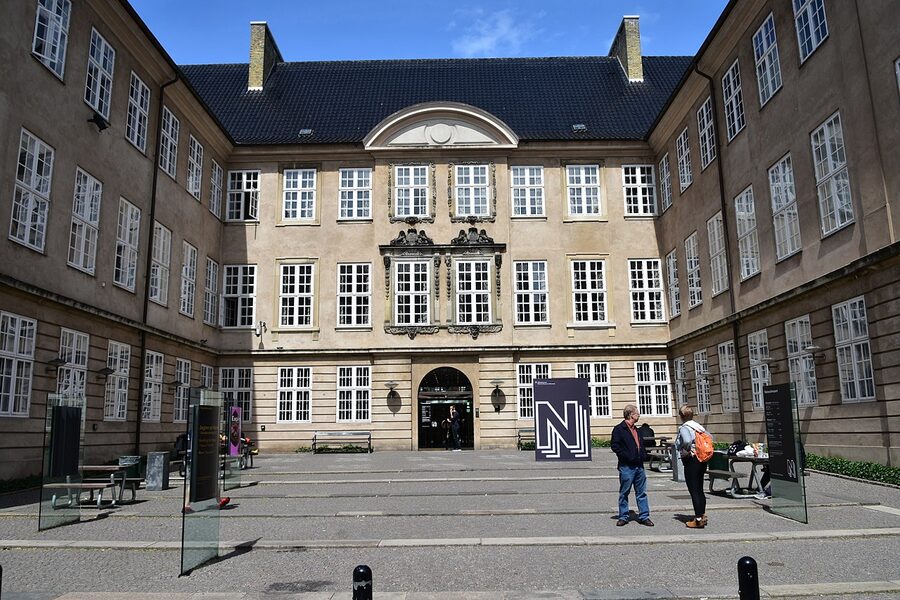
It’s worth knowing because the building shapes the visit. You’re walking through what were originally state apartments, ballrooms, and private chambers. Some of the gallery ceilings still have their original 18th-century stucco. Some of the doorways are oddly low because they were never meant for a public traffic flow. The marble staircase between floors is the original. The whole place has the strange feeling of a museum that took over a house rather than a house that was built to be a museum, and that’s because it is.
Best Time to Visit
Mid-week mornings in the shoulder season (April, May, late September, October) are ideal. The museum is busiest on rainy summer afternoons when every cruise-ship passenger in Copenhagen heads for indoor attractions. If you’re visiting in July or August, get there at 10:00 sharp or after 15:00, and avoid 11:30 to 14:00.
Closed: 24 December, 25 December, 31 December. Closed Mondays from November to March, otherwise open every day. Last entry is 16:30 (the museum closes at 17:00).
Special exhibitions rotate through the year. Recent shows have included a major exhibition on Queen Margrethe I (the medieval Danish queen who united Scandinavia), a Polynesian voyaging exhibition drawing on the museum’s own holdings, and a temporary show on the Bog Bodies (Tollund Man and his contemporaries are normally at the Silkeborg Museum, but they’ve come south on loan in the past). Check what’s on before you go: special exhibitions are included in the standard ticket and often end up being the highlight.
Pairing the Museum with Other Copenhagen Days
Some natural combinations from a few days of trial and error.
The royal day. Start at the National Museum (10:00 to 12:30), walk to lunch at Torvehallerne or Cafe Daisy, then 14:00 to 16:00 at Amalienborg. You’ll cover Danish royalty from prehistoric kings to the current Queen in one day. If you’ve done a walking tour of Copenhagen earlier in the trip, you’ll already have orientation for these neighbourhoods.
The Viking-obsessed day. Morning at the National Museum (90 minutes, prehistory only), then the day tour to Roskilde and the Viking Ship Museum. This one is heavier but for Viking enthusiasts it’s the best one-day Viking experience in Scandinavia. The contrast between the museum displays in Copenhagen and the actual longships at Roskilde is what makes it work.
The history-and-beer day. Morning at the National Museum, lunch at Cafe Daisy, then Carlsberg Brewery in the afternoon. Two angles on Danish national identity: the museum gives you the long arc, Carlsberg gives you the 19th-century industrial moment that funded a lot of Danish national pride.
The water day. Morning at the museum, then a canal cruise in the afternoon. The cruise passes Christiansborg Palace and Nyhavn, both of which the museum will help you make sense of. The cruise also runs slow enough for digestion after a museum lunch.
The first-day pacing. Hop on the hop-on hop-off bus in the morning to orient, get off at the National Museum stop for a 90-minute focused visit, then ride out to Tivoli or the Little Mermaid in the afternoon. The bus tour gives you the quick city overview that complements the deep cultural visit.
If You’re Bringing Kids
The Children’s Museum on the ground floor is excellent. It’s not just a play space; it’s a proper museum-within-the-museum aimed at 4 to 12-year-olds with hands-on stations covering Vikings, Tudor-era cooking, Inuit life, and ancient Egypt. There’s a longship to climb on and the schoolroom mentioned earlier where children can sit in 19th-century desks. The Children’s Museum is included in the standard adult ticket, free for the kids themselves, and it’s the part of the museum where you can let an 8-year-old run for an hour while you read the signs.
For the rest of the museum, the best strategy with kids is short and focused. Pick three artifacts (Sun Chariot, a runestone, and one Inuit kayak from the ethnography wing is a good combination) and turn it into a treasure hunt. An hour is plenty for most children.
Strollers are not allowed in the galleries (the original 18th-century parquet floors are why), but the museum has free in-house strollers you can borrow at the entrance. Carriers are fine.
What I’d Tell a First-Timer
Three things, if I had a minute on the steps to brief someone.
One: don’t try to do all of it. Pick a floor, stick to it. The museum rewards depth, not breadth.
Two: book online for the 10% discount and to skip the cash desk on the way in. It’s small money but it’s also a faster start to the visit, which matters when you’ve got a finite battery of attention.
Three: if you’re undecided on the day, just go. The ticket is good for a year. You can always come back. Most museums in Copenhagen run on time-slot tickets that pressure you. This one doesn’t.
Other Copenhagen Guides
If the National Museum is your starting point for a Copenhagen weekend, a few useful steers from the same neighbourhood. The Tivoli Gardens are six minutes’ walk away and best in the late afternoon when the lights come on; pair this with an early-morning museum visit and you’ve already had a memorable day. For an alternative angle on Copenhagen that complements the museum’s official narrative, the alternative walking tour covers Christiania, Vesterbro and the city stories that don’t make it into the National Museum’s Danish history wing. If your visit makes you want to taste Denmark rather than read about it, a Copenhagen food tour hits the same notes the museum touches on (smorrebrod, herring, Carlsberg) but in your stomach. And if the museum’s Bronze Age section has you thinking about LEGO bricks for some reason (a stretch, but Danish history runs through both), LEGOLAND Billund is the original park three hours west by train. For a day trip that takes the museum’s themes outside the city, the North Zealand castles day trip visits Frederiksborg and Kronborg, both of which the museum’s modern history galleries reference repeatedly. And if you want to extend the Scandinavian angle altogether, the Lund and Malmo day trip across the bridge gives you a Swedish counterpoint to the Danish story.
Affiliate disclosure: this guide contains affiliate links to GetYourGuide and Viator. If you book through them we may earn a small commission at no extra cost to you. We only recommend tours and tickets we’d book ourselves.