
My friend Anna teaches high-school chemistry in a small town outside Gothenburg, and she walked into the Nobel Prize Museum last spring expecting to be bored. She told me she only went because her husband insisted. Two hours later she texted me a photo of Marie Curie’s laboratory notebook behind glass, then a second photo of the chair she’d been sitting on at the Bistro, signed underneath by a 2014 laureate she’d taught her students about for a decade. She rebooked her ticket the following day and spent another four hours inside.
That is what this place does to people. You arrive thinking it’s a polite museum about an old prize, and you leave with a story you can’t shake.
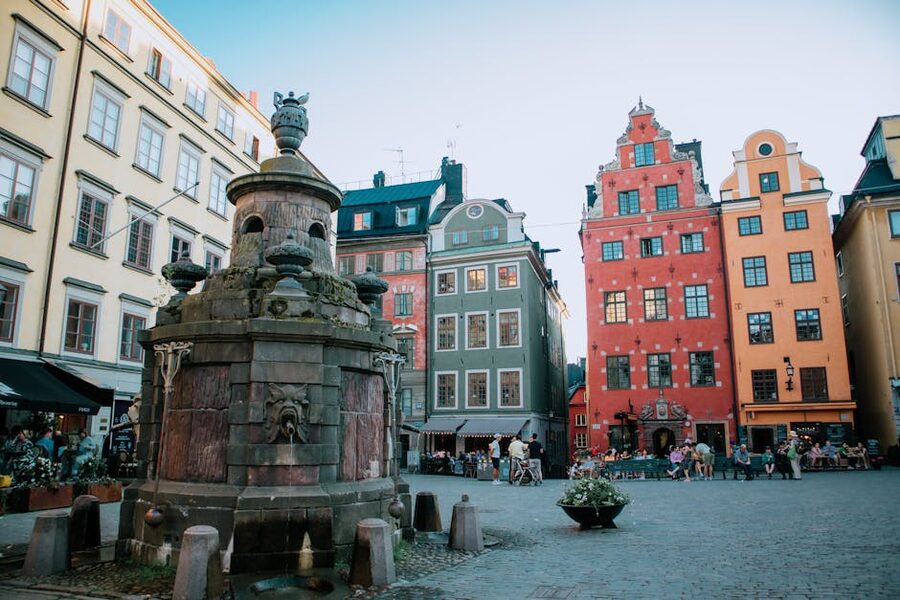
Best Gamla Stan combo: Walking Tour of Stockholm’s Old Town, $13.30. Two hours of context for everything you’ll see around Stortorget, including the museum’s exterior.
For slow travellers: Secrets of Gamla Stan with Fika, $16. Adds a Swedish coffee-and-pastry stop after the walk.
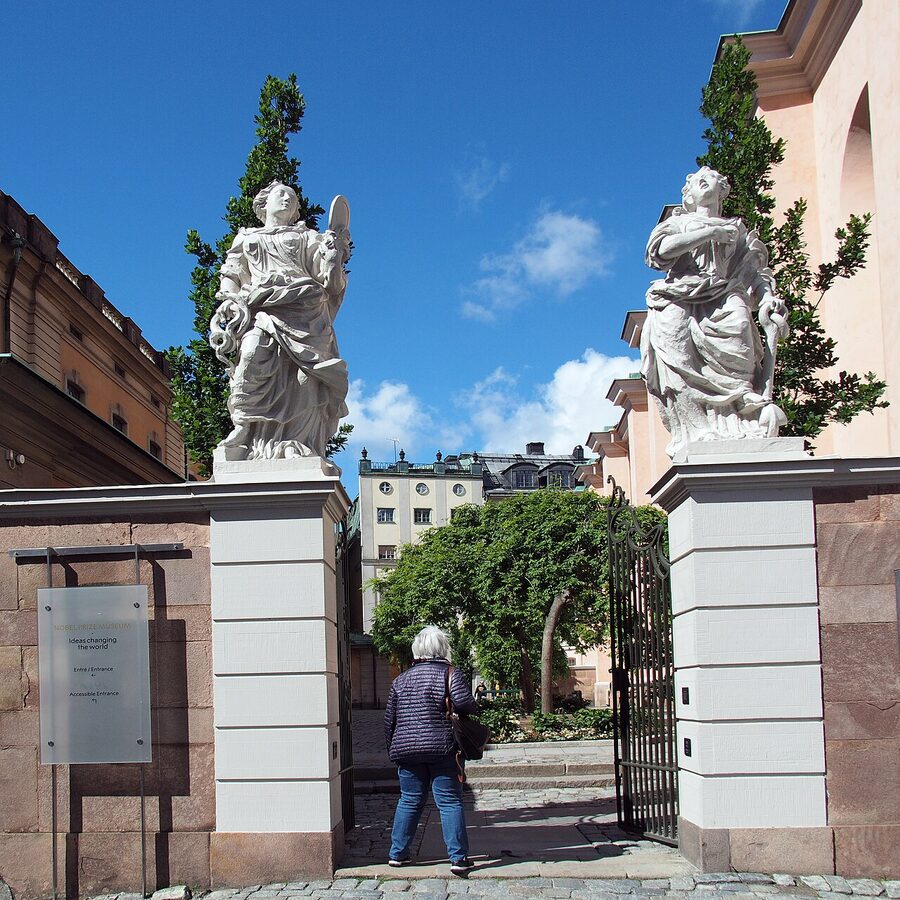

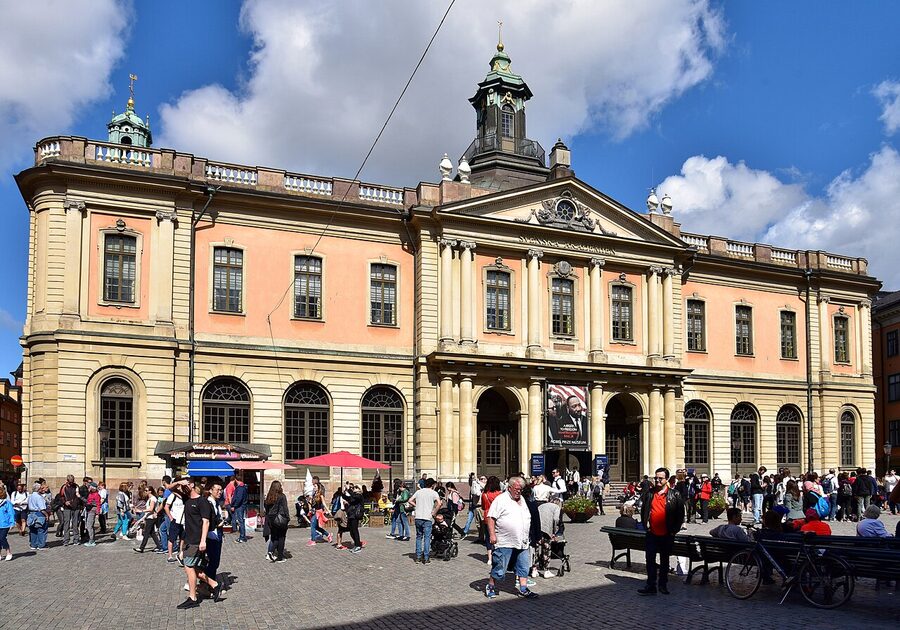
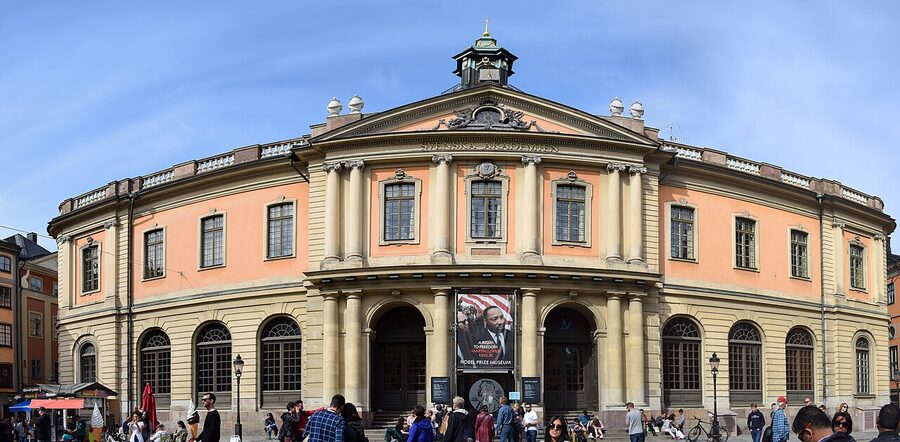
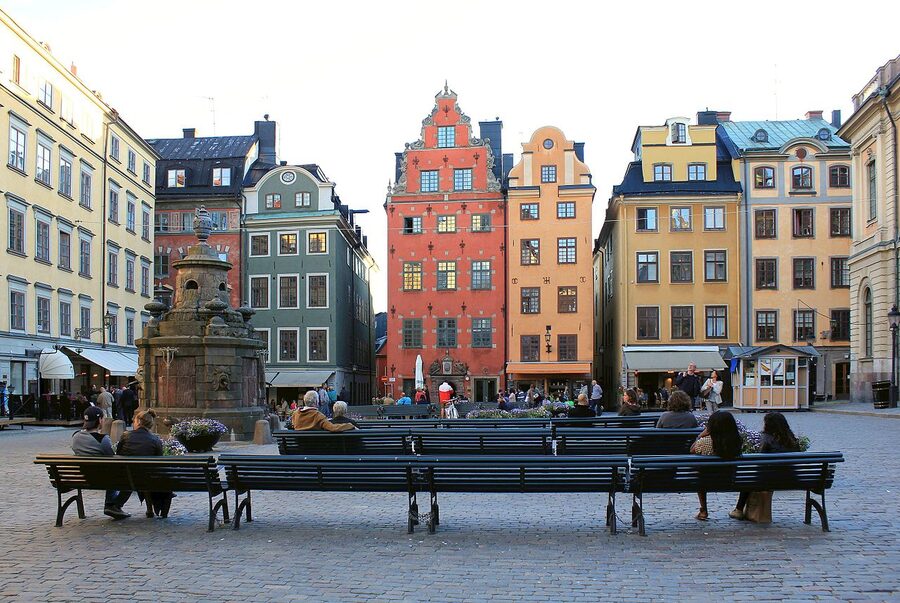
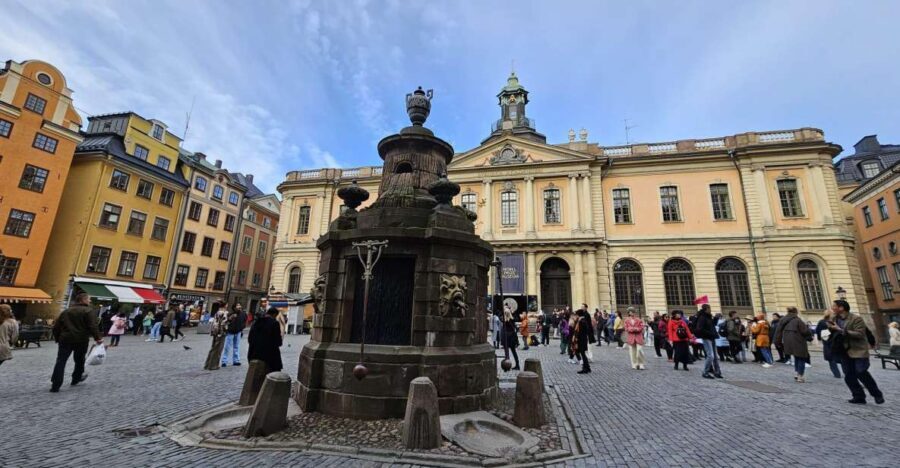
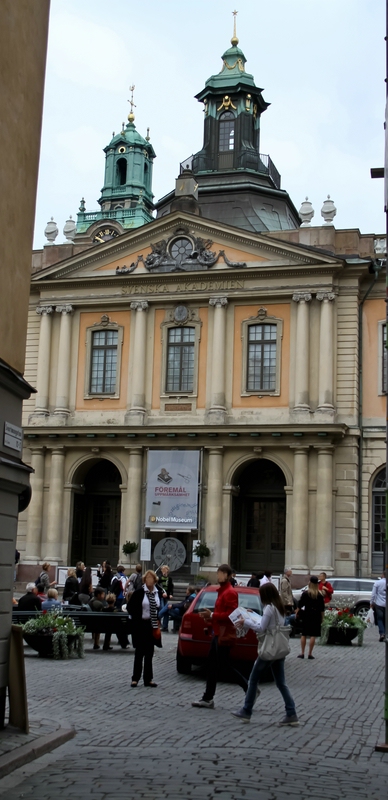
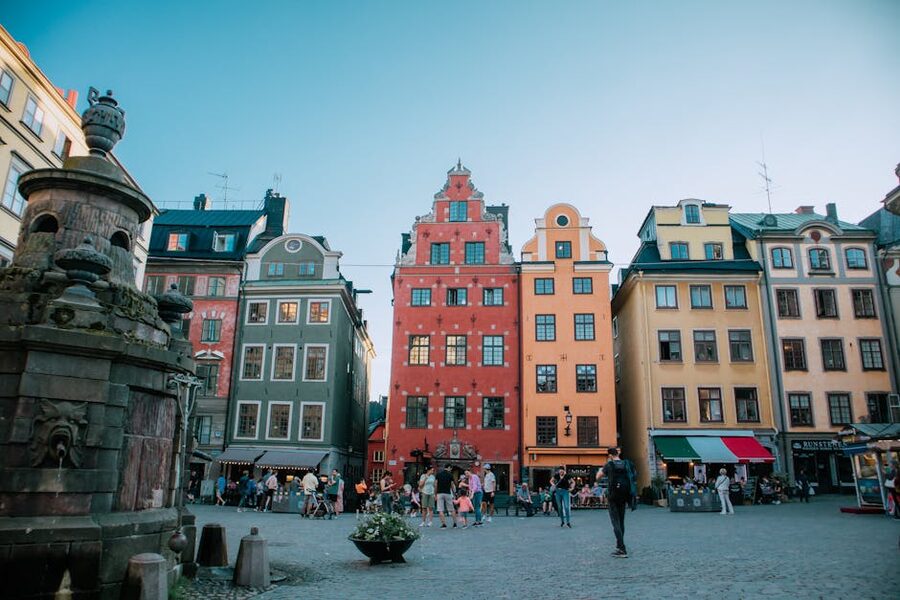
The Nobel Prize Museum (Nobelprismuseet in Swedish) sits in the middle of Stortorget, the main square in Gamla Stan, inside the Börshuset. That building is the old Stock Exchange, completed in 1776, and it’s also where the Swedish Academy still meets each October to announce the Literature laureate. So when you walk through the museum doors you’re entering the literal room above where that announcement happens. It’s not a coincidence. It’s a deliberate, slightly theatrical choice.
.jpg)
- What the Nobel Prize Museum ticket actually gets you
- Booking: how to actually do it
- Three tickets and tours worth booking
- 1. Stockholm: Nobel Prize Museum and Exhibition Entry Ticket:
- 2. Walking Tour of Stockholm’s Old Town, Gamla Stan: .30
- 3. Stockholm: Secrets of Gamla Stan Guided Tour with Fika:
- What’s actually inside
- The Bistro Nobel and the chair-signing tradition
- Alfred Nobel: the dynamite man with a guilty will
- When to visit and how long to spend
- Getting there
- What to pair it with
- The 2028 move to Slussen
- Practical odds and ends
- One more thing to do in Gamla Stan
What the Nobel Prize Museum ticket actually gets you
One ticket. Around 130 SEK (roughly $13 to $18 depending on exchange rates), with discounts for students and free entry for under-18s. That single ticket covers everything inside, and that everything is more than most people expect.
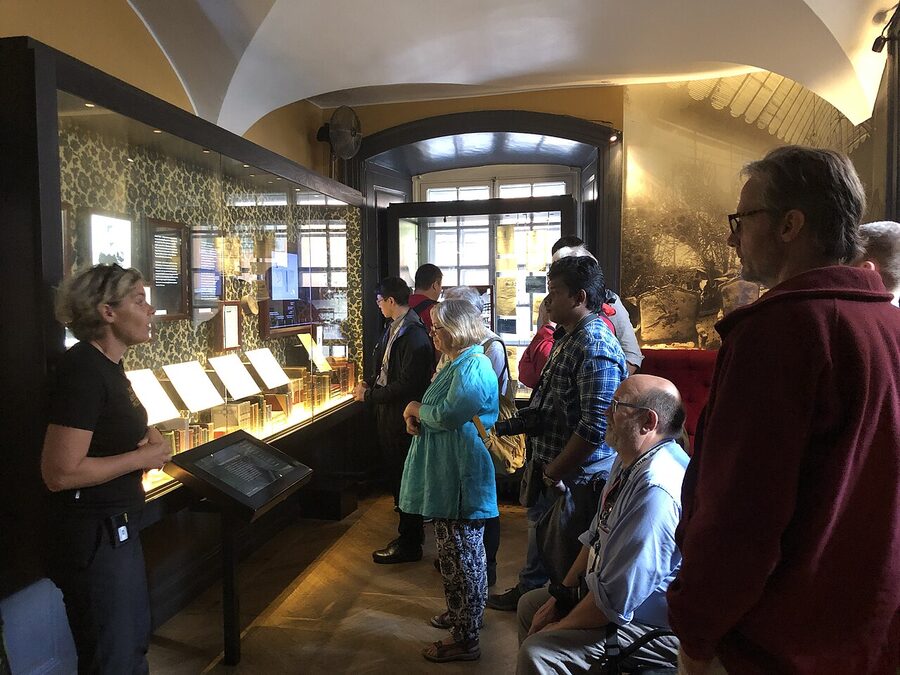
You get the permanent exhibition on Alfred Nobel and the laureates. You get the rotating special exhibition (these change two or three times a year and have featured everything from peace-laureate photography to economics-laureate timelines). You get the audio guide, which is genuinely good. You get the included guided tour, which is the bit most visitors skip because they don’t realise it’s free.
That last point matters. Tours run roughly hourly during peak season, alternating English and Swedish. If you arrive and a tour is about to start, drop everything and join it. The guides are working academics or research students and they bring the cabinets to life in a way the labels cannot. Anna’s chemistry-teacher reaction was after a tour, not before.

Booking: how to actually do it
You have three reasonable routes.
Direct via the museum website. The Nobel Prize Museum sells timed tickets through nobelprismuseet.se. The advantage is the absolute lowest price (you skip platform fees). The disadvantage is that the booking flow is in Swedish and English but the confirmation emails sometimes land in spam, and the cancellation window is short.
Via GetYourGuide. This is the route I usually point friends at. Same ticket, slightly higher price, but you get free cancellation up to 24 hours before, the email confirmation is bullet-proof, and you can pay in your home currency. If your travel plans are even slightly fluid, the cancellation policy alone is worth the markup. The Nobel Prize Museum entry ticket on GetYourGuide is the listing I keep on file for this.
Via the Stockholm Pass. If you’re doing two or more major museums on the same day, the Stockholm Pass includes Nobel Prize Museum entry alongside the Vasa, the Royal Palace, City Hall tours, and the hop-on hop-off boats. It only pays off if you cram. Two attractions a day is borderline. Three or more, the pass wins.

Three tickets and tours worth booking
I’ve put together the three options I’d actually recommend, in order. The first is the entry ticket itself. The second and third pair the museum with a Gamla Stan walking tour, because honestly, half the joy of the museum is the neighbourhood it sits in.
1. Stockholm: Nobel Prize Museum and Exhibition Entry Ticket: $18
This is the standard ticket and it’s the right one for almost everyone. It includes the permanent exhibition, all rotating exhibitions, and the included guided tours in English. Our full review covers the audio-guide quality and which special exhibitions tend to land. Same-day re-entry is the underrated feature, especially if you’re travelling with kids.
Check Availability
Read our full review
2. Walking Tour of Stockholm’s Old Town, Gamla Stan: $13.30

If you’ve got a half day to give Gamla Stan, do this first and the museum after. The guide threads together the Stock Exchange, the Royal Palace gates, the medieval lanes, and the 1520 Bloodbath that left Stortorget infamous. Our walking tour review goes into the small-group thing and which guides are worth showing up for. It’s also the cheapest decent guided experience in the area.
Check Availability
Read our full review
3. Stockholm: Secrets of Gamla Stan Guided Tour with Fika: $16
Slightly slower-paced than the standard walking tour, with more focus on hidden alleys and the workshops still operating in the old town. The fika add-on (around 8 to 10 extra euros, depending on the cafe) makes this a 3-hour outing rather than 2. Our Secrets of Gamla Stan review explains where it overlaps with the standard tour and where it doesn’t. Pair it with a Nobel Museum afternoon ticket and you’ve used your morning well.
Check Availability
Read our full review
What’s actually inside
The permanent exhibition is built around physical artefacts donated by laureates. Each laureate is invited to send a personal object that meant something to them during their work, and the museum displays a rotating selection. Over the years that has included Albert Einstein’s pipe, Marie Curie’s laboratory notes, Nelson Mandela’s prison correspondence, John Steinbeck’s manuscript pages, and more recent additions like Demis Hassabis’s chess pieces from his pre-DeepMind days.

The single most distinctive element is overhead. A continuous-loop conveyor system runs across the ceiling of the main hall, carrying portraits of every Nobel laureate since 1901 in slow procession around the gallery. It’s hypnotic, weirdly emotional, and the best way to grasp the sheer scale of what the prize has touched. Stand under it for ten minutes. You’ll see Hemingway slide past Yousafzai, Curie following Einstein, names you grew up knowing next to names you’ve never heard of who turn out to have invented things you use every day.

The other thing to know: the museum doesn’t shy away from the prize’s controversies. Aung San Suu Kyi’s dress was on display for years after her 1991 Peace Prize, then quietly removed when her government’s record on the Rohingya emerged. The cabinet about the Literature Prize includes the years it was withheld during scandal. The Peace Prize section names the laureates whose later actions complicated their legacies. It is a museum about humans, not saints, and that’s part of what makes it land.
The Bistro Nobel and the chair-signing tradition
Inside the museum, on the ground floor, there’s a cafe called Bistro Nobel. You don’t need a museum ticket to enter the cafe, which most people don’t realise. You can walk in off Stortorget, order a coffee, and sit down. And here’s the bit Anna found: since 2001, every laureate who visits the museum is asked to sign the underside of their chair before they leave.
So the chairs in the cafe are autographed. Hundreds of them. The staff don’t direct you to any particular one. You sit down, you have your coffee, and at some point you remember to flip your chair over and check. People have found Malala Yousafzai, Wole Soyinka, Mario Vargas Llosa, Roger Penrose, Esther Duflo. There are still hundreds you could find. It’s the most low-key, most Swedish piece of museum theatre I can think of.
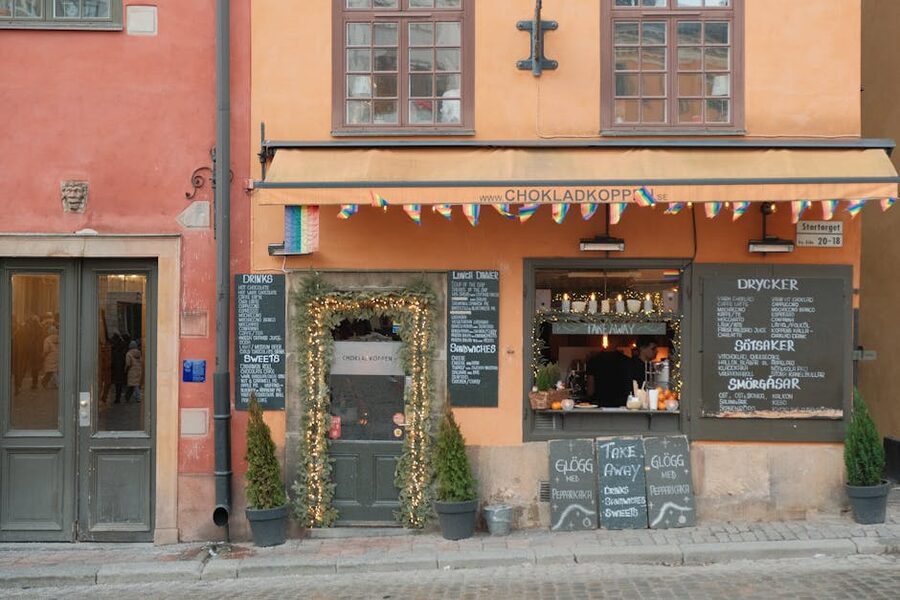
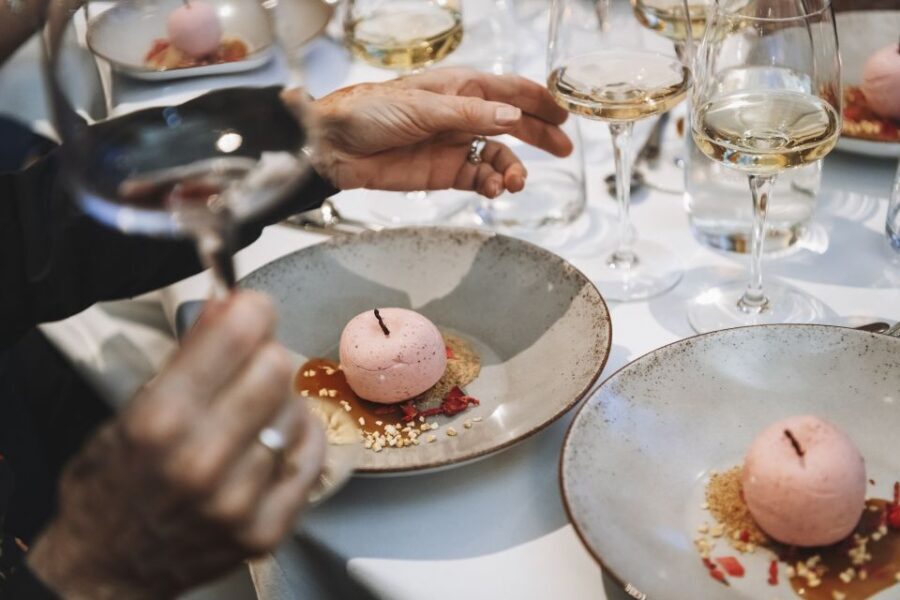
Order the Nobel Banquet ice-cream parfait. It’s the same pudding served at the actual December 10 banquet over at City Hall, and the Bistro serves it year-round. Around 95 SEK, raspberry and vanilla, comes with the gold-leaf chocolate medal that’s basically the museum gift shop’s mascot. Nobody pretends it’s the most exciting dessert in Stockholm. It’s just the one with the best story.
Alfred Nobel: the dynamite man with a guilty will
The story behind the prize is darker than the museum at first lets on. Alfred Nobel was born in Stockholm in 1833, made his fortune inventing dynamite and several other explosives, and spent decades watching his products blow holes through mountains for railway construction and through soldiers in nineteenth-century wars. In 1888 a French newspaper accidentally published his obituary (mistaking him for his recently deceased brother) and called him the merchant of death. He was alive to read it.
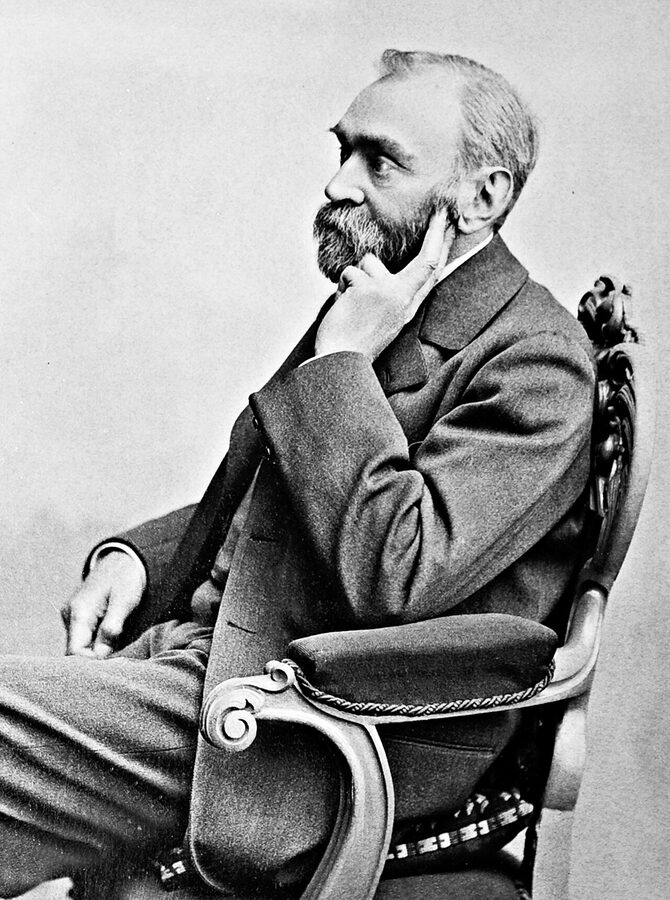

That obituary, the museum tells you, is what triggered the will. Nobel rewrote his will to direct nearly his entire fortune toward an annual prize for those who, as he put it, conferred the greatest benefit on humankind. Five categories at first: physics, chemistry, medicine, literature, peace. Economics was added in 1968 by the Swedish central bank, which is why economics laureates get the slightly awkward title “Sveriges Riksbank Prize in Economic Sciences in Memory of Alfred Nobel” rather than just the Nobel.
The will was contested by his family. The first prizes weren’t awarded until 1901, five years after his death. The Alfred Nobel room walks you through this in chronological order: invention, fortune, obituary, will, family fight, first laureates. By the time you walk out you understand why a slightly anxious nineteenth-century inventor decided to bankroll the most prestigious prize in human achievement, and the fact that the answer is “guilt” makes the whole place feel more honest.
When to visit and how long to spend
Two hours is the minimum. Three is more honest. Four if you take the included guided tour, eat at the Bistro, and actually flip your chair over.
The museum is open Tuesday through Sunday, generally 11:00 to 17:00, with extended hours to 20:00 on Friday evenings between September and May. Closed Mondays. Closed December 24 and 25. The Friday late opening is the best-kept timing secret. After 17:00 the place empties out, the cruise crowds are gone, and the lighting in the laureate galleries actually works the way it’s meant to.
Avoid summer Saturdays at 12:00 if you can. That’s when tour groups, cruise passengers, and Stockholm Pass day-trippers all converge. The line outside isn’t usually long but the galleries get tight, and the Bistro turns into a 40-minute wait for a chair you can’t flip over because someone’s sitting on it.
Getting there
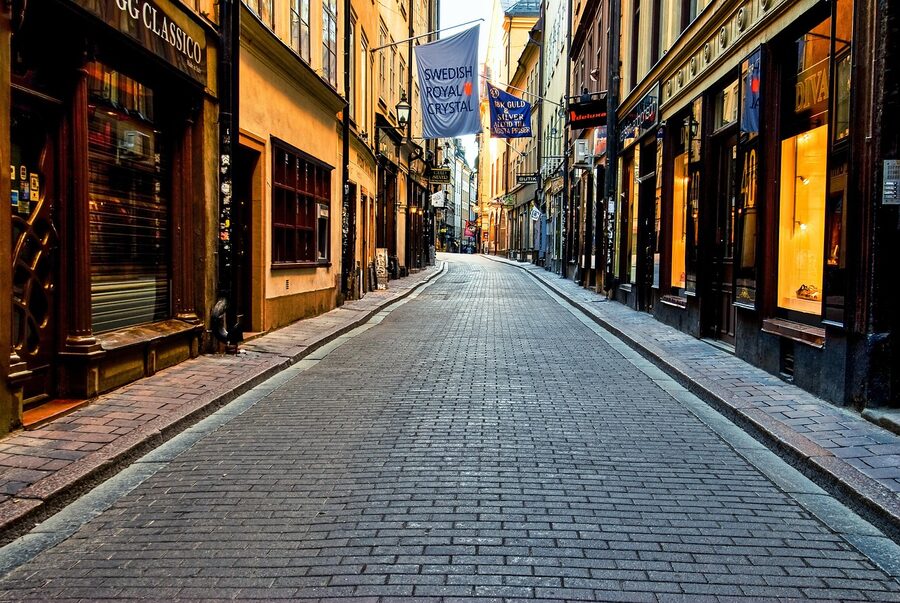
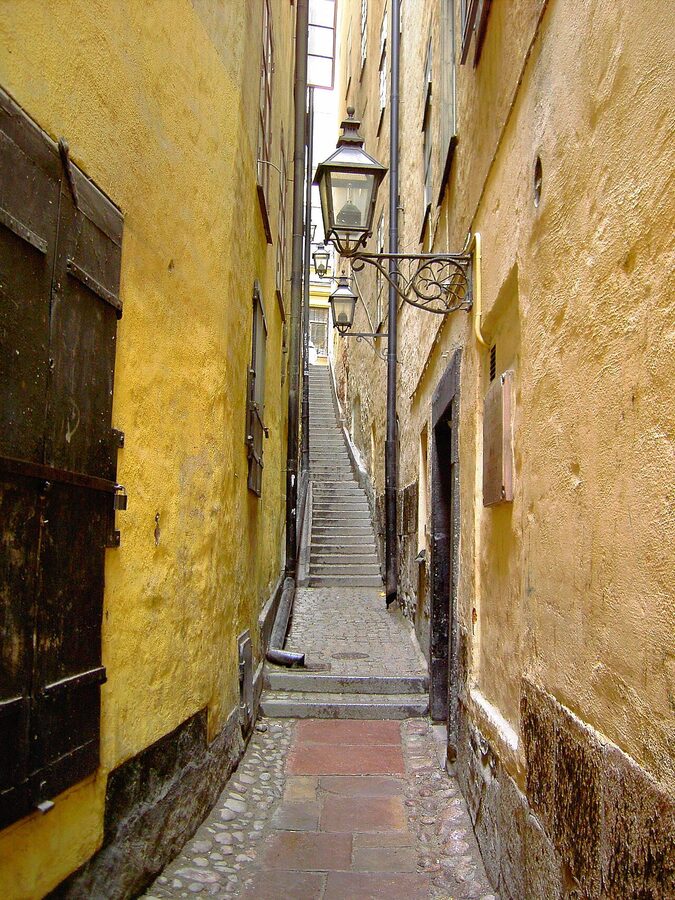
Gamla Stan T-bana station (green and red lines) is a four-minute walk from the museum. Walk north up Munkbroleden, turn right at the Royal Palace, cut up to Stortorget. You can’t miss the square. If you’re coming from the central station, take the green line three stops and you’re there.
From the cruise terminals at Frihamnen or Stadsgården, the museum is about 25 minutes by bus 76 (Frihamnen) or a 15-minute walk along the water (Stadsgården). The walk past Slussen and through the south end of Gamla Stan is the better route if it’s not raining.
If you’ve got the Stockholm Pass and you’re moving between attractions, the hop-on hop-off bus stops within five minutes’ walk on Skeppsbron. The boat tours from Strömkajen also drop you a short walk away, which is a nicer arrival than the bus.

What to pair it with
The museum is small enough that you’ll want to combine it with something else for a half day. The most natural pairings:
- Nobel Banquet pilgrimage: see the prize at the museum in the morning, then book a City Hall tour in the afternoon. The Blue Hall at Stadshuset is where the banquet actually happens every December 10, and standing in it after the museum context is the proper Nobel pilgrimage. The museum and City Hall sell themselves as a pair.
- Royal Palace combo: the Royal Palace is six minutes’ walk from Stortorget, and one ticket covers four museums inside. If you want to pack two heavy-hitter museums into a Gamla Stan day, this is the route.
- Photography contrast: the Fotografiska photography museum is on Södermalm, a 15-minute walk over Slussen. Going from a 19th-century Stock Exchange building full of laureate artefacts straight to a converted customs house full of contemporary photography is one of the better afternoon contrasts in Stockholm.
- Maritime detour: the Vasa Museum on Djurgården is the other must-see Stockholm museum. It’s a 25-minute walk or one tram stop away. Two flagship Stockholm museums in a day is a lot, but if you’re only here briefly, do it.
The 2028 move to Slussen
The current Stortorget location is officially temporary. The museum is scheduled to move into a purpose-built Nobel Center at Slussen by 2028, sharing a stretch of waterfront with the relocated Fotografiska and a much larger international exhibition space. The new building will hold roughly four times the gallery footprint of the current one and will allow the museum to display larger artefacts (think space-program hardware, full medical research apparatus) that simply don’t fit at the moment.
Two implications for your visit. First, if you can visit before the move, you should: there’s something specific about seeing the prize displayed inside the Stock Exchange where the Literature laureate is announced, and that link will be partially broken when only the Swedish Academy stays at Stortorget. Second, ticket prices and timed-slot availability will likely change after 2028, and the cosy small-galleries feel will go. The current museum is a quirk worth catching while it lasts.
Practical odds and ends
The shop on the ground floor is one of the better museum shops in Stockholm. Chocolate Nobel medals (gold-leaf foil over Belgian chocolate, around 65 SEK each) are the obvious gift, but the actual highlights are the books: the museum stocks the official Nobel lectures of every laureate, the cheap-looking paperback editions of which are weirdly hard to find anywhere else.
Photography is allowed throughout, no flash. The Alfred Nobel room and the Rotunda with the laureate portraits photograph best.
The cloakroom is free, staffed, and tiny. If you arrive with a wheeled suitcase from a cruise port, leave it at the central station luggage office, not here. The cloakroom does not accept bags larger than airline carry-on.
Accessibility: the museum is fully wheelchair-accessible via lifts. The Bistro is on the same level as the entrance, the galleries are one lift up. The main constraint is the cobblestone approach across Stortorget, which is genuinely difficult. The smoothest approach is from Köpmantorget on the east side.
One more thing to do in Gamla Stan
If the Nobel Museum has put you in the mood for the wider neighbourhood, three things in particular pair well with what you’ve just seen. The Old Town ghost walk covers the same Stortorget you’re standing on but at night, and the 1520 Bloodbath story is told properly there. A food tour through Gamla Stan and Södermalm picks up where Bistro Nobel left off and feeds you actual Swedish food (herring, meatballs, knäckebröd, more cardamom buns than you’d think one person can eat). And if your Stockholm trip has more than two days, the archipelago boat trip is the right way to see the city from the water that gave it its history. The museum is the brain of the day; these are the body of it.
Affiliate disclosure: links to GetYourGuide and Viator on this page may earn us a small commission at no extra cost to you. We only recommend tours we’d send a friend to.