
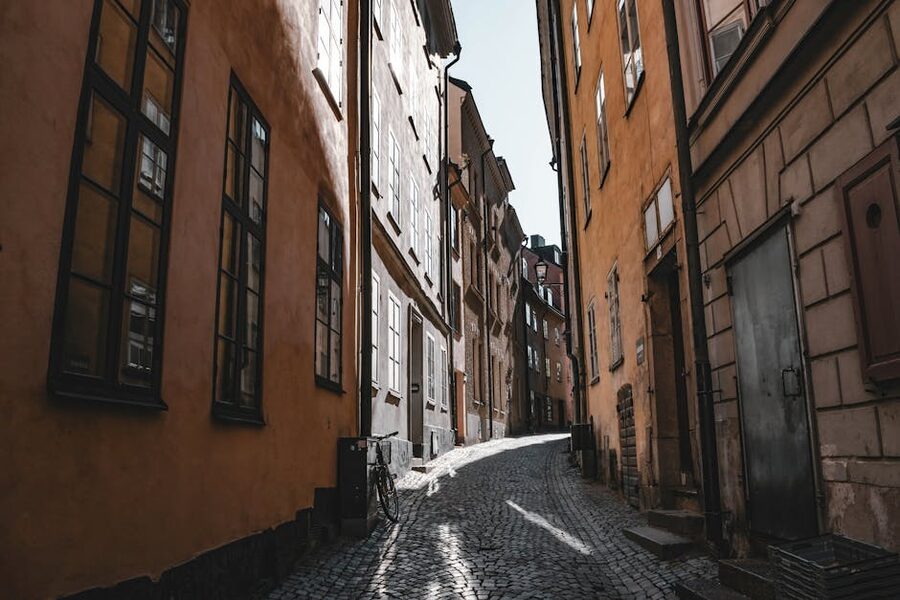
The cobblestones in Gamla Stan are worn smooth in the centre and rough along the edges, and on a damp October evening they catch the lantern light in a way that turns the whole alley silver. Your guide stops walking. The group falls quiet without being told, because the only other sound is somebody’s distant footsteps two streets over, and the way they bounce off the 17th-century walls makes the city feel suddenly, completely empty. That is when the first story starts. Not when you booked it, not when you read the welcome email, but right there, when you finally hear how loud silence can be in a 700-year-old island.
This is a guide to booking a ghost walk in Stockholm’s Old Town: which tour is actually worth it, what to expect on the route, what to wear, and the bits of history that make Gamla Stan one of the more genuinely haunted-feeling places in northern Europe. I’ve ranked the three options below by what they cost, how good the storytelling is, and whether they show up on the small island most nights of the year. Skip to the picks if you’re in a rush.
- In a Hurry? Three Ghost Walks Worth Booking
- Why Gamla Stan Works So Well as a Ghost Walk Setting
- What a Stockholm Ghost Walk Actually Looks Like
- Best Ghost Walks to Book
- 1. Stockholm Ghost Walk and Historical Tour:
- 2. The Original Stockholm Ghost Walk and Historical Tour:
- 3. Secrets of Gamla Stan Guided Tour:
- How to Book and What to Pay
- The Stockholm Bloodbath: The Story That Defines the Tour
- The Other Stops on the Route
- Storkyrkan and the Royal Palace Side
- Tyska Brinken and the Bricked-Up Noblewoman
- Mårten Trotzigs gränd
- When to Go
- What to Wear and Bring
- Combining a Ghost Walk With the Rest of Your Stockholm Trip
- Is It Actually Scary?
- Comparing Stockholm With Other Northern European Dark Walks
- Practical Booking Tips
- If the Ghost Walk Isn’t Quite Your Thing
In a Hurry? Three Ghost Walks Worth Booking
Best overall: Stockholm Ghost Walk and Historical Tour, about $33, 1.5 hours, English-language groups led by working actors. The most consistently praised version of this tour.
Best with a souvenir lantern angle: The Original Stockholm Ghost Walk and Historical Tour, about $39, 90 minutes, lantern-led storyteller format with the same Gamla Stan route.
Best value if you want history first, ghosts second: Secrets of Gamla Stan Guided Tour, about $16, 2 hours, daytime walk with optional fika stop and a darker stretch toward the end.
Why Gamla Stan Works So Well as a Ghost Walk Setting
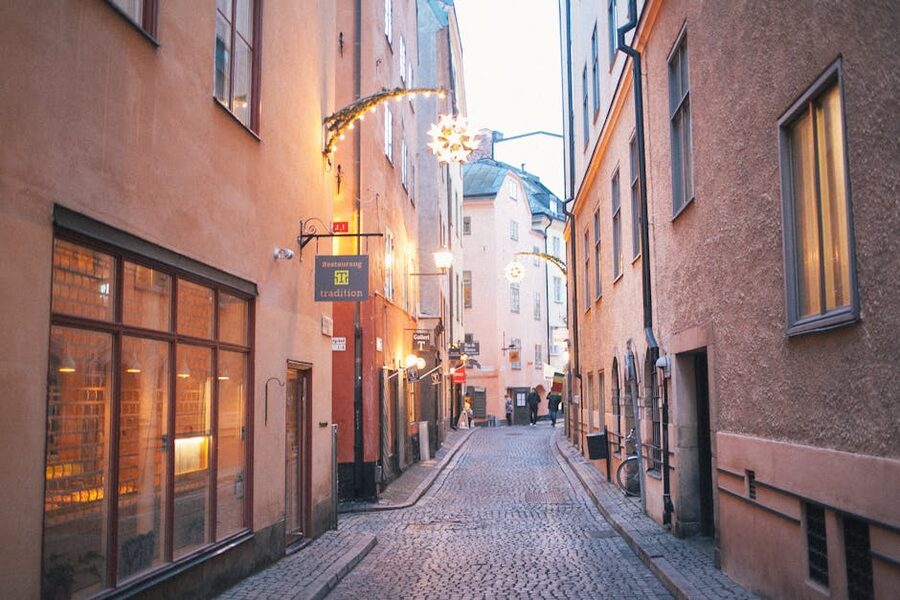
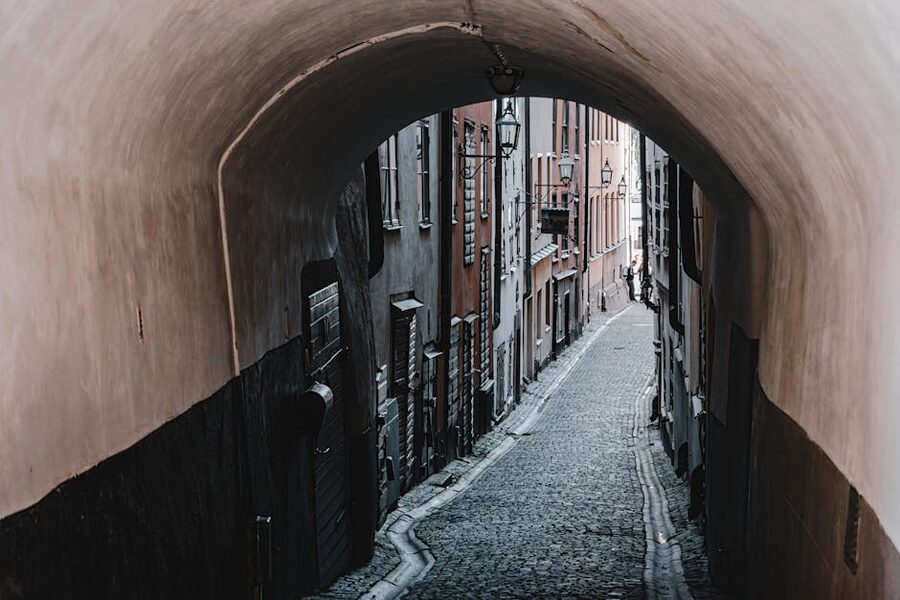
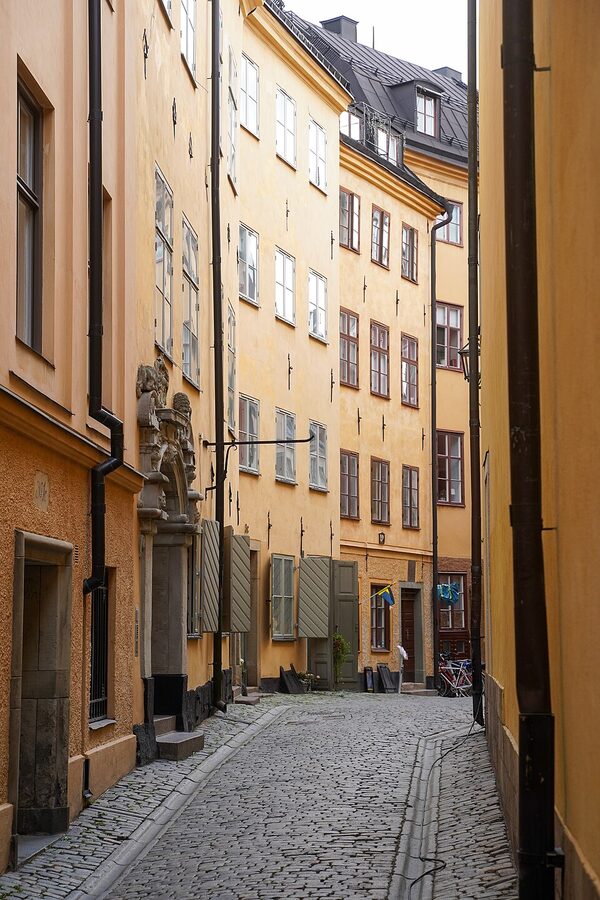
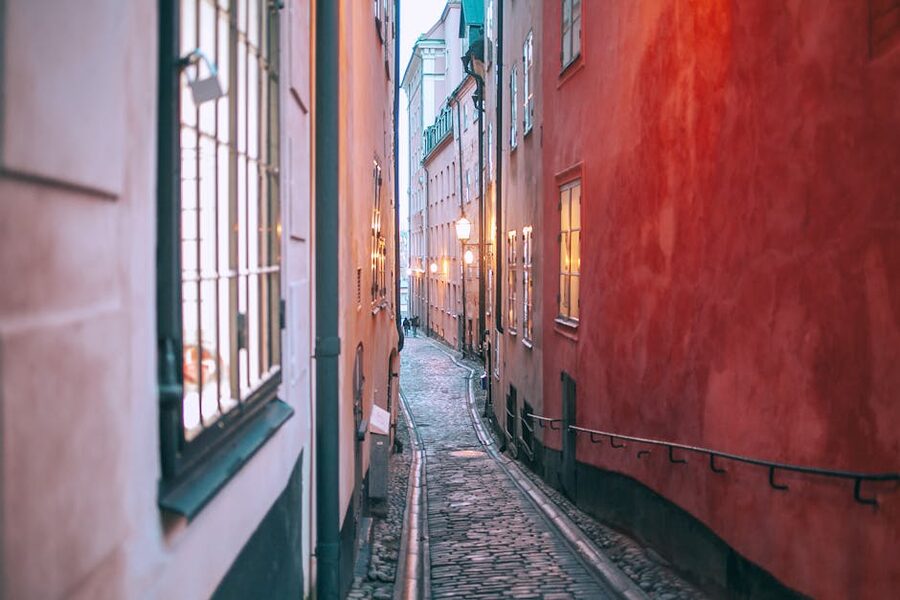
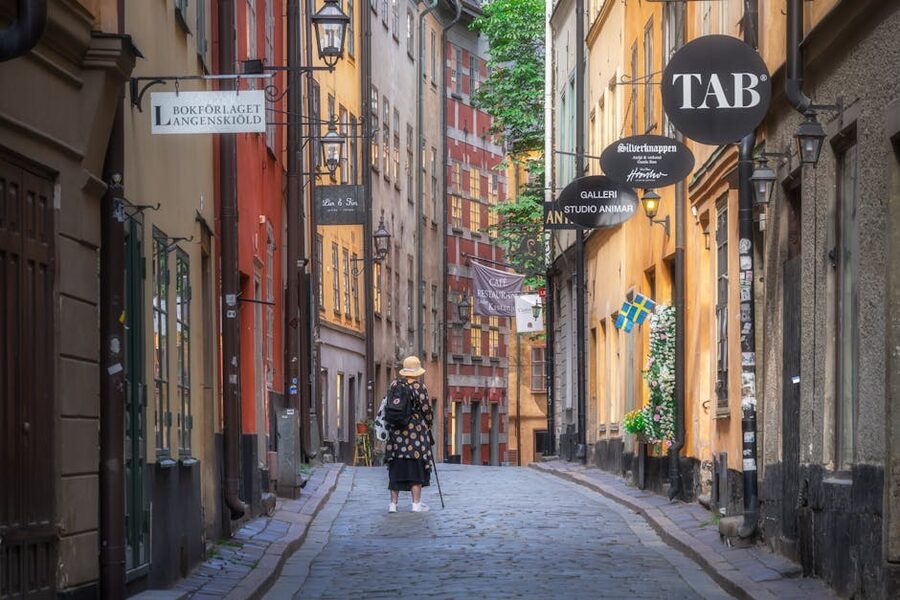
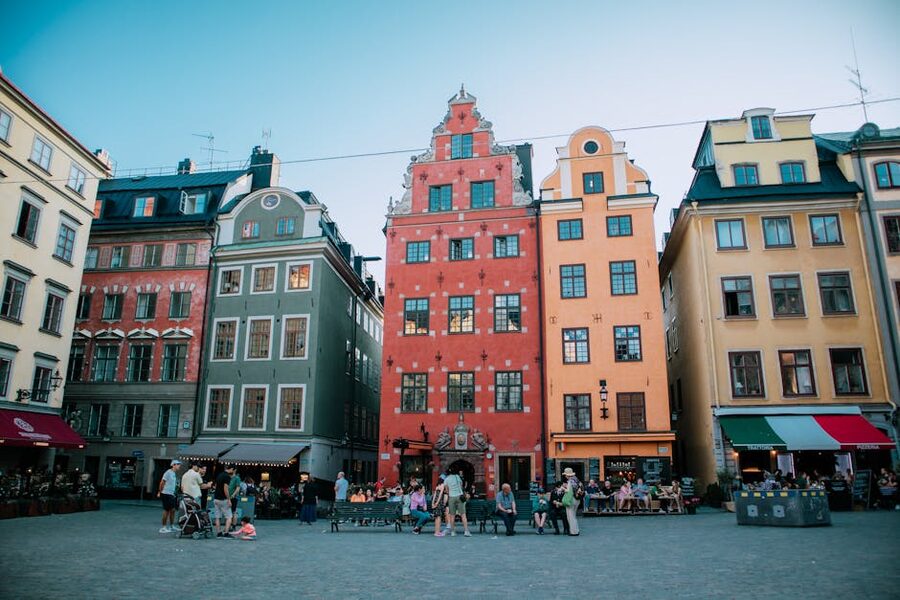
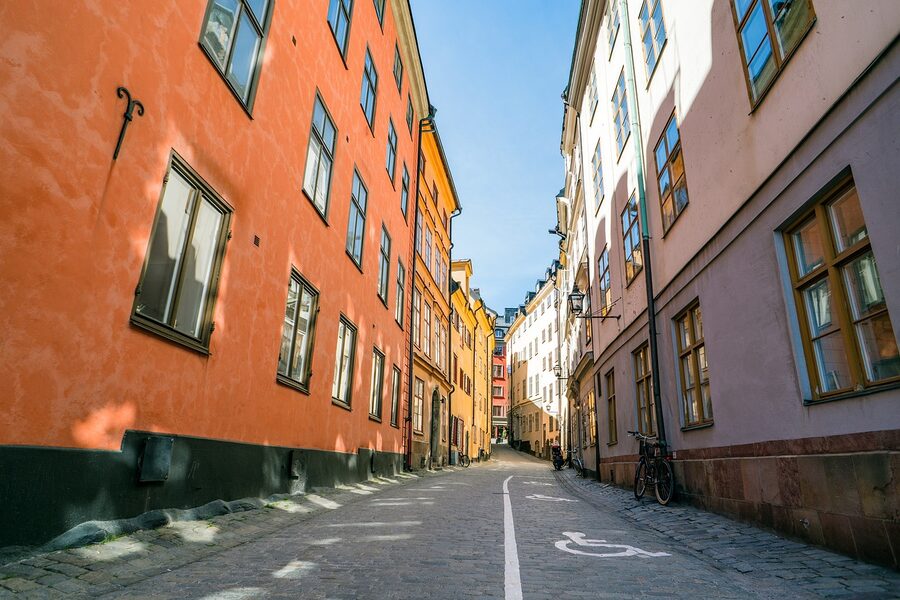
Stockholm spreads across 14 islands, but Gamla Stan is the original one. Twelve hectares, packed tight with red, ochre, and burnt-orange 17th-century facades, threaded through with alleys so narrow that some of them only fit a single person at a time. The cobblestones in the centre are real granite and have been there long enough to dip in the middle from foot traffic. There’s no traffic noise on most of the inner streets because cars can barely fit. After 6pm, when the day crowds drift back across the bridges to the rest of the city, the place quiets down in a way that feels almost theatrical.
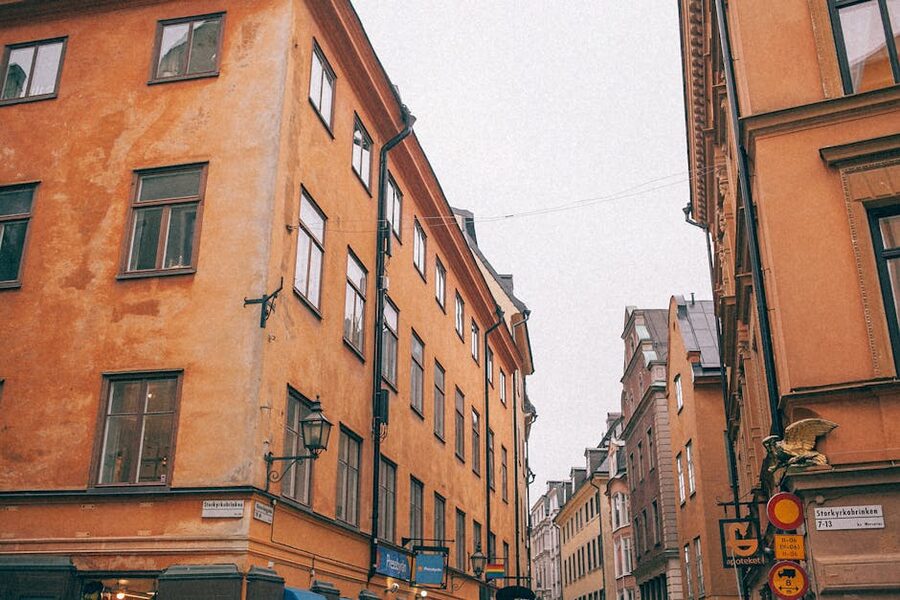
The history helps. Gamla Stan has been continuously inhabited since the 1250s, and a city that old in a small footprint accumulates trauma. There’s a square where 80-odd nobles were beheaded in two days. There’s a former plague pit at one end. There’s the alley everyone goes to (you’ll see it on this tour) where the legend has it a noblewoman was bricked up alive for a sin nobody wanted to write down. Plus the executions, fires, the regicide of King Gustav III in 1792, and a long history of public hangings. The stories aren’t invented. The guides just know them.
Pair this with a daytime standard Stockholm walking tour if you want both versions of the city. The standard one covers the same streets but in cheerful daylight, focusing on royal palace history, parliament, and where the Nobel banquet happens. Doing both back-to-back is a fun contrast: same alleys, very different mood.
What a Stockholm Ghost Walk Actually Looks Like
Most ghost walks in Gamla Stan run between 90 minutes and two hours. They start at a meeting point near Stortorget (the main square), Järntorget, or by the Royal Palace. Group size varies. The Viator and GetYourGuide versions of the headline tour usually run with 15 to 25 people. Smaller-operator versions sometimes cap at 12. Bigger isn’t worse here, the storytelling is theatrical and works fine in a crowd, but if you want quiet you might prefer the smaller groups.
Routes vary slightly between operators, but the core stops are roughly the same:
- Stortorget, the main square. Site of the 1520 Stockholm Bloodbath, and where most tours start (or end) with the long version of that story.
- Storkyrkan, the old cathedral. The church right next to the Royal Palace, with stories about coronations, royal funerals, and the famous wooden St George statue inside.
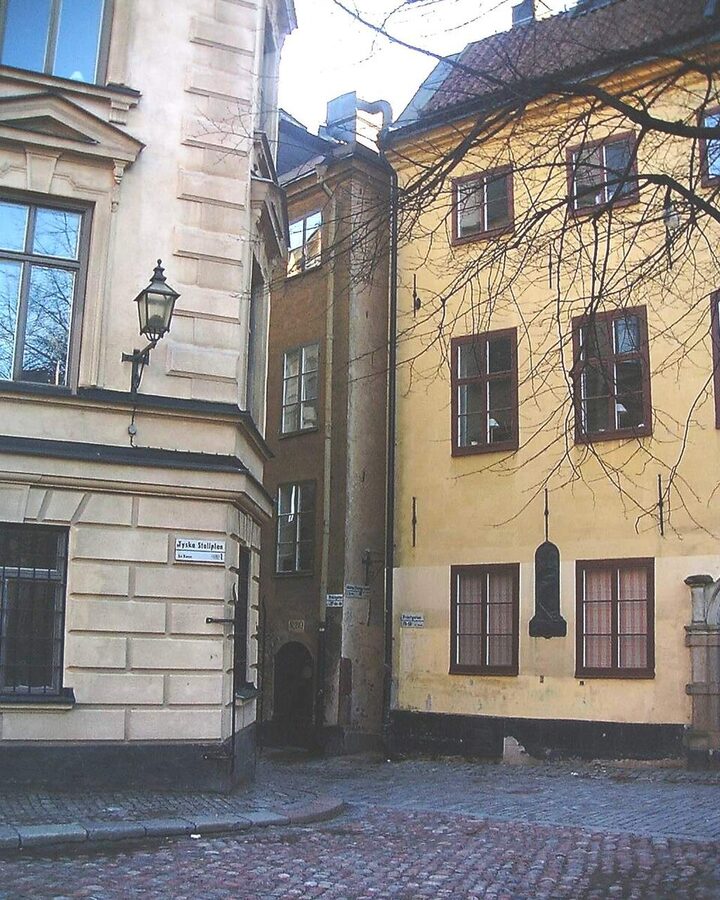
- Tyska Brinken, the German Hill. Site of the alleged bricked-up noblewoman story, plus tales connected to the German merchant community that ran much of medieval Stockholm.
- Mårten Trotzigs gränd, the narrowest alley in the city at 90cm wide. Several tour guides will stop you there for the photo, then tell a story while you all squeeze through.
- Old execution grounds and plague-pit memories, usually toward the back of the route, when the group is well into the mood.

The good guides hold the lantern up rather than down, so you can see their face while they speak. The great ones do voices, hold pauses, and know exactly where to stop walking so the story lands at the spot it happened. The actor-led version of the tour is closer to a piece of theatre than a history lecture, which sounds tacky on paper and in person works extremely well.
Best Ghost Walks to Book
Three picks. I’ve kept the criteria simple: storytelling quality, how reliably the tour runs, and whether the price is fair for what you get on the night. All three cover Gamla Stan and all three run mostly in the evening.
1. Stockholm Ghost Walk and Historical Tour: $33
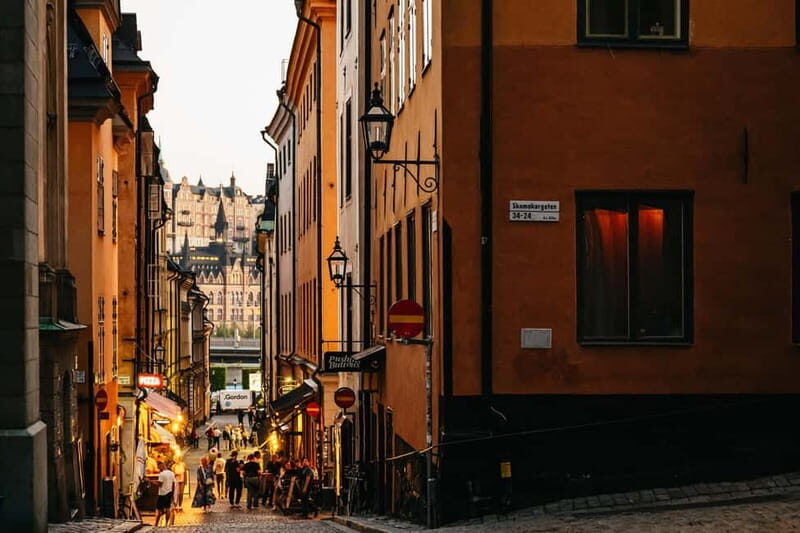
This is the version most people book. It runs daily in summer, several nights a week in winter, and lives or dies by the quality of the actor-guide on the night. Cullum, Cody, and a couple of others have built up enormous goodwill on review pages, and it shows. Our full review goes into the storytelling style and what the 90-minute window actually feels like in practice.
2. The Original Stockholm Ghost Walk and Historical Tour: $39
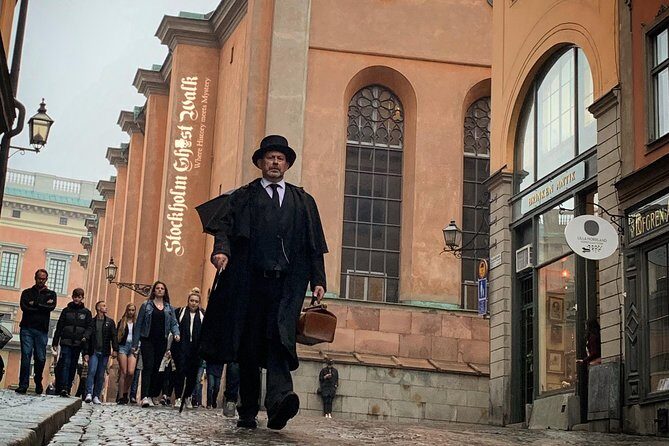
The Viator-side equivalent of the headline tour, with the same operators and a near-identical route. The difference is mostly which platform you book on and which guide you draw. Cooler weather suits this one well; if you’re visiting in October or November, the lantern light against your breath in the air is genuinely something. Read the full breakdown for what’s covered and what to bring.
3. Secrets of Gamla Stan Guided Tour: $16
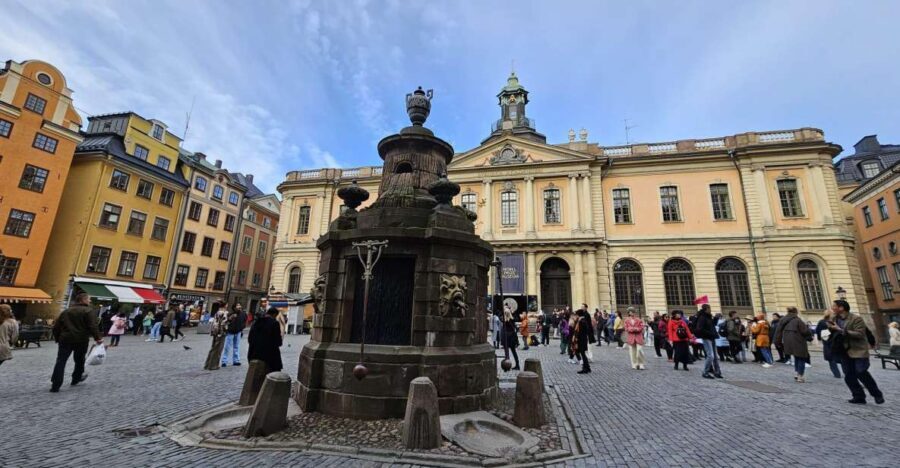
If your trip doesn’t line up with an evening slot or you’re travelling with kids who don’t fancy ghost stories at 9pm, this is the better fit. It’s a two-hour daytime walk that covers the same buildings and the same dark history, but treats it as story-first rather than scare-first. The optional fika add-on (Swedish coffee break with cinnamon buns) is worth the few extra kronor. Our review of this tour covers the optional add-on logistics.
How to Book and What to Pay
All three of the picks above sit on either GetYourGuide or Viator. Both platforms let you book without paying upfront in many cases, and both let you cancel up to 24 hours before for a full refund. That last bit matters because Stockholm weather is changeable. If a horizontal rain front blows in off the Baltic, you can shift your tour by a day without losing money.
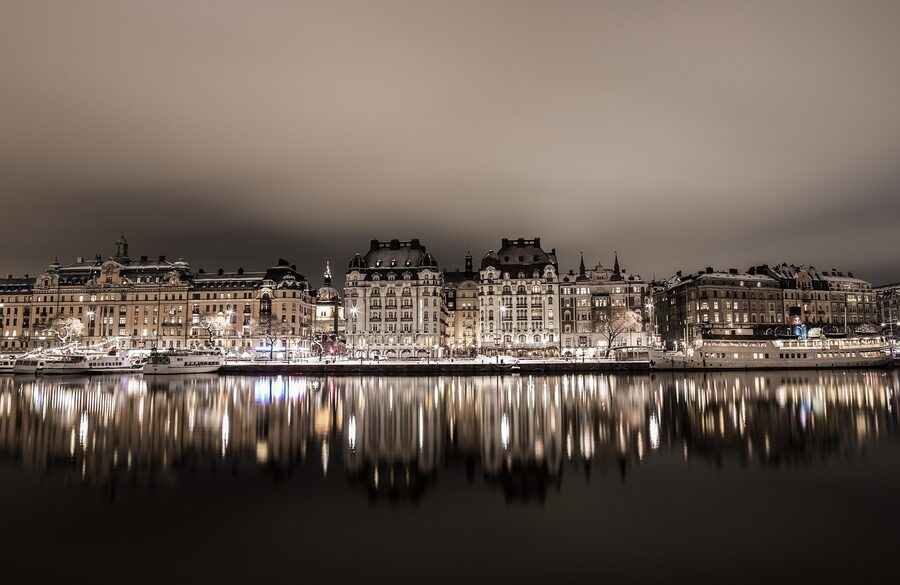
Prices vary by season. Mid-summer (June through August) is peak, and the actor-led tours sometimes nudge up to $40-45 a head. Off-season prices drop into the $30-35 zone for the same product. Kids generally come in at half price or thereabouts on the family-friendly versions. The cheaper Secrets of Gamla Stan walk holds steady around $16-18 year-round and is genuinely good value for a two-hour guided walk in central Stockholm.
Pay attention to what’s not included. Almost all of these are walking tours pure and simple. No transfers, no entrance tickets to anything, no food (except the optional fika on the cheaper one). Bring some cash for the post-tour drink most groups end up at, since the Old Town pubs near Stortorget are usually still open after a 9pm tour finishes.
The Stockholm Bloodbath: The Story That Defines the Tour
You can’t write about Gamla Stan ghost walks without explaining the Bloodbath, because every guide leans on it heavily. Here is the short version, slightly less stylised than the lantern-light delivery but with the facts intact.
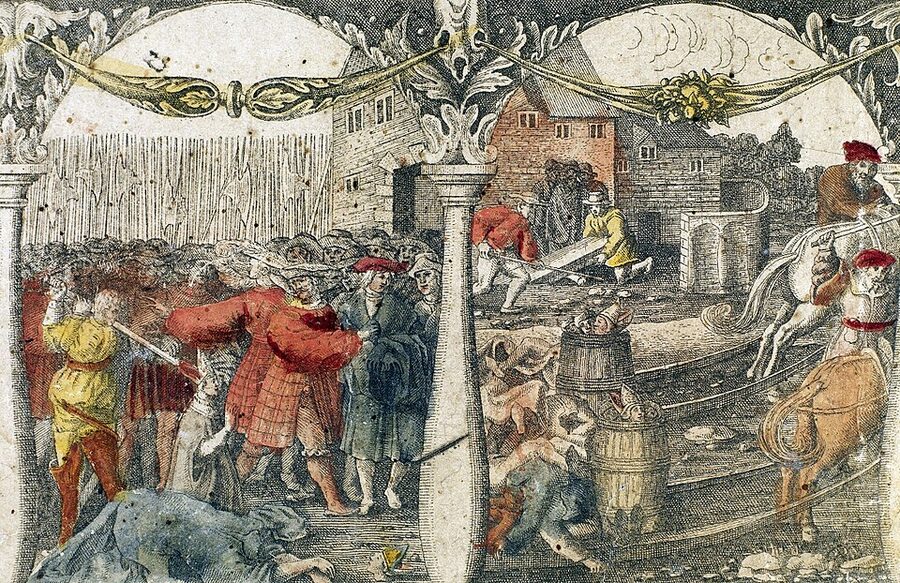
In November 1520, Christian II of Denmark had just been crowned King of Sweden after a brutal campaign. He invited the Swedish nobility, the bishops, the burghers, and the leading citizens of Stockholm to a three-day coronation banquet at the Royal Palace. On the third night, he locked the doors. The next morning, in Stortorget, he had his men start beheading them. By the end of the second day around 80 people were dead, including two bishops and the father of a young Swedish nobleman called Gustav Eriksson Vasa.
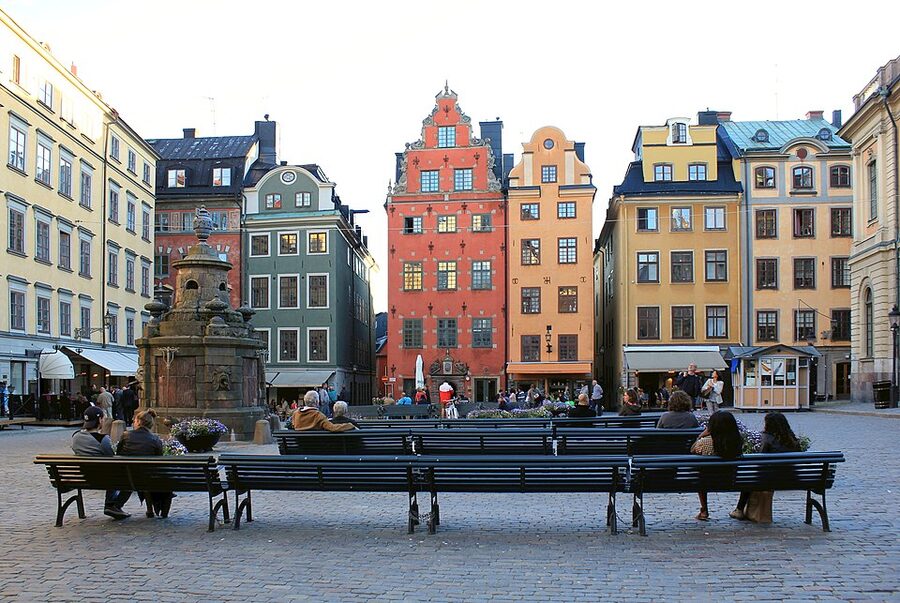

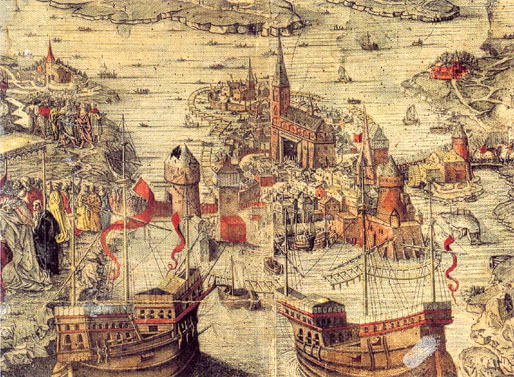
That young Vasa survived because he wasn’t in Stockholm. He went on to lead the Swedish revolt that drove the Danes out, was crowned king in 1523, and used the Bloodbath as political fuel for the next decade. The square is the founding scene of modern Sweden in a sense, and the guide will tell you that part with a serious face. It’s also the reason every facade you can see from Stortorget has been there a long time. Owners after 1520 didn’t tend to remodel for fashion. Too much history.
If you want to compare it to other dark-history walks elsewhere in Europe, the closest tonal cousin is probably the Jack the Ripper tour in London. Different period, similar storytelling rhythm. Krakow’s Jewish Quarter tour covers heavier ground with a similar narrative weight, though without the ghost angle. Stockholm sits between the two in tone, dark but theatrical rather than confrontational.
The Other Stops on the Route
Storkyrkan and the Royal Palace Side
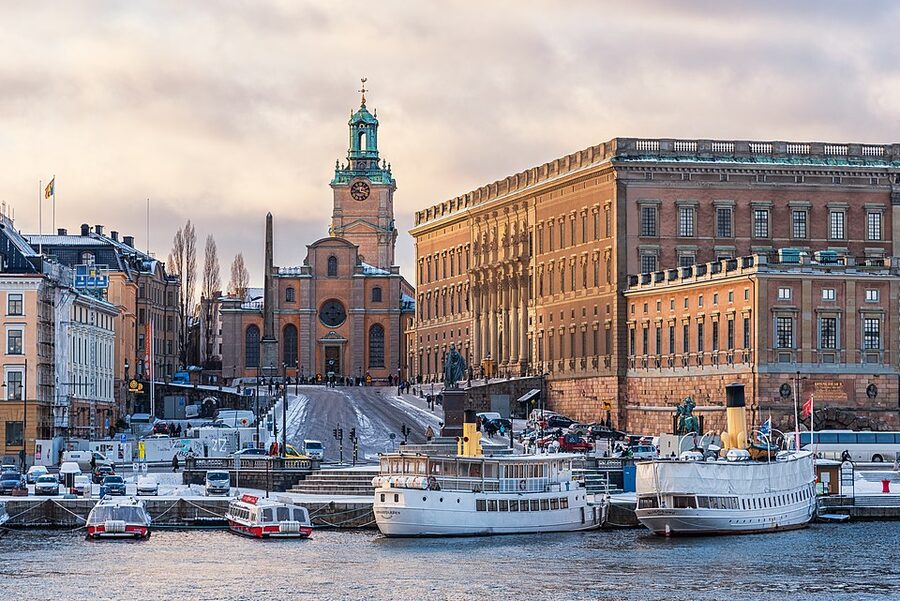
Storkyrkan, which translates as “the great church”, is the official cathedral of Stockholm. From the outside it looks unassuming. Inside it has a 15th-century wooden statue of St George and the Dragon that is probably the single weirdest piece of medieval art in Sweden, all gilt teeth and elk-horn spikes. It also holds the Vädersolstavlan, the oldest known image of Stockholm, painted in 1535. The ghost walk version of this stop usually leans into the funerals (Gustav III, multiple queens, several crown princes) rather than the coronations.
Tyska Brinken and the Bricked-Up Noblewoman
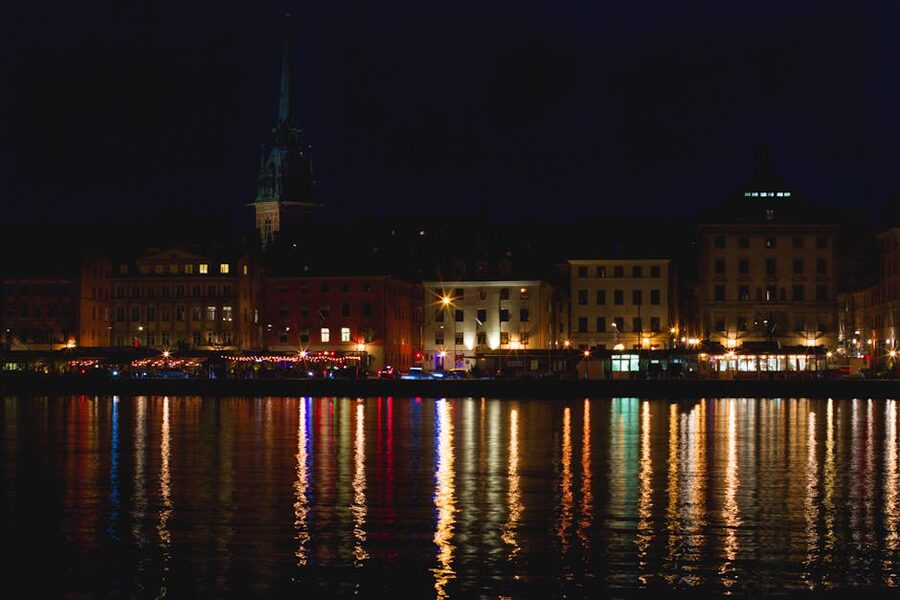
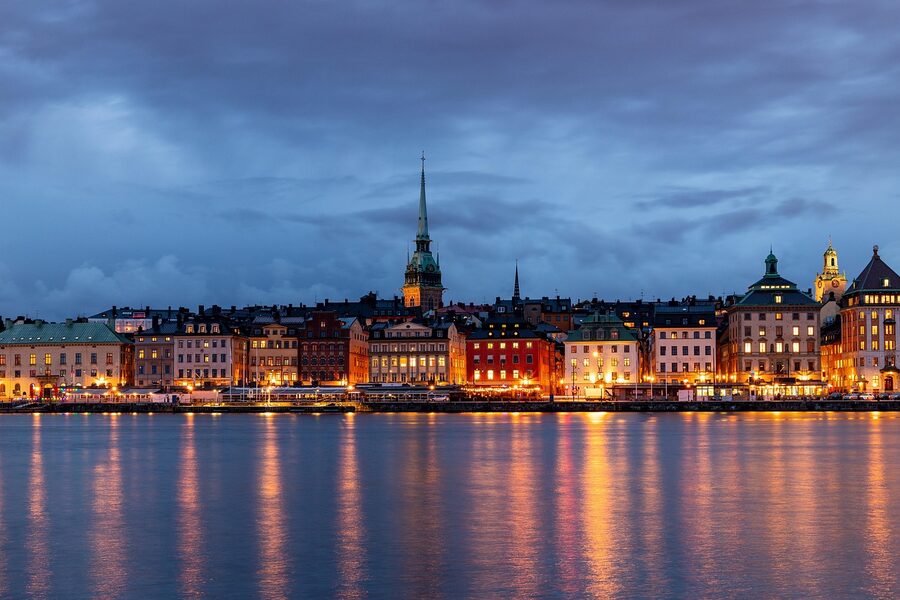
Tyska Brinken means “the German Hill”, and the neighbourhood around it was historically the heart of Stockholm’s Hanseatic German merchant community. The German Church (Tyska Kyrkan) sits at the top of the hill, with a spire that is one of the tallest things in Gamla Stan. The ghost story tied to this area concerns a young noblewoman who, depending on which version your guide tells, was either bricked up alive for a forbidden romance, or punished by her family for converting to the wrong faith. Whether the story is true is unprovable. Bones were reportedly found in a wall during 19th-century renovations, which is the part that keeps the tale alive.
Mårten Trotzigs gränd
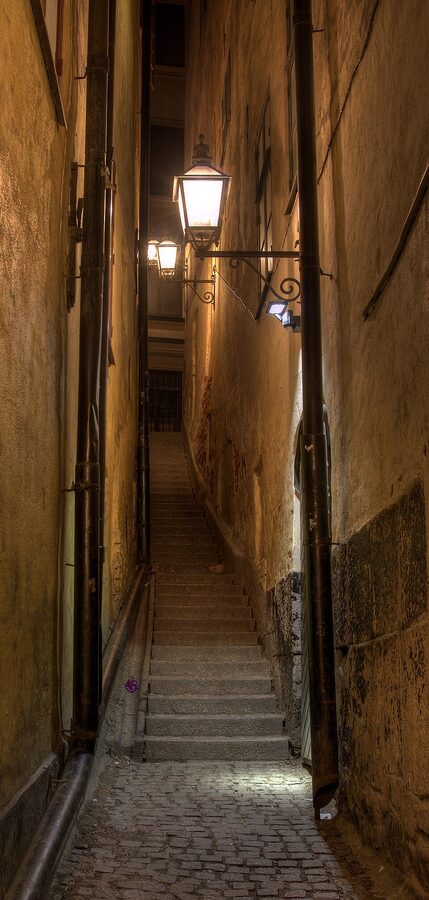
This is the photo stop. Mårten Trotzigs gränd is officially the narrowest alley in Stockholm at 90 centimetres wide at its narrowest, and it climbs 36 stone steps between two solid 17th-century buildings. The alley is named after a German merchant called Mårten Trotzig who owned property on both sides of it in the 1500s. He was murdered in Kopparberg in 1617, almost certainly over money. Whether his ghost actually haunts the alley is up to your guide, but the spot itself is creepy enough by lantern light that nobody asks for evidence.
_at_night_-_Stockholm,_Sweden_-_panoramio.jpg)
When to Go
Ghost walks run year-round in Stockholm, but each season changes the experience.
Late autumn (October to early December) is the consensus best window. The light goes early (sunset is around 4pm by mid-November), the weather is cold but rarely properly miserable yet, and the lantern light reads against the darkness instead of competing with summer twilight. You can see your breath in the air. The streets are quiet because the cruise ships have left. This is the time to book.

Winter (mid-December through February) is colder and more atmospheric still, but you have to dress for it. Stockholm in January regularly drops to minus 10 Celsius. If you’re prepared, the snow on the cobblestones genuinely improves the tour. If you’re underprepared, the second half is going to be miserable. Bring proper boots and a layer you can put under your coat. Christmas market season at Stortorget overlaps with this window, so the square is lit up with stalls and lights, which is a different mood from spooky but works in its own right.
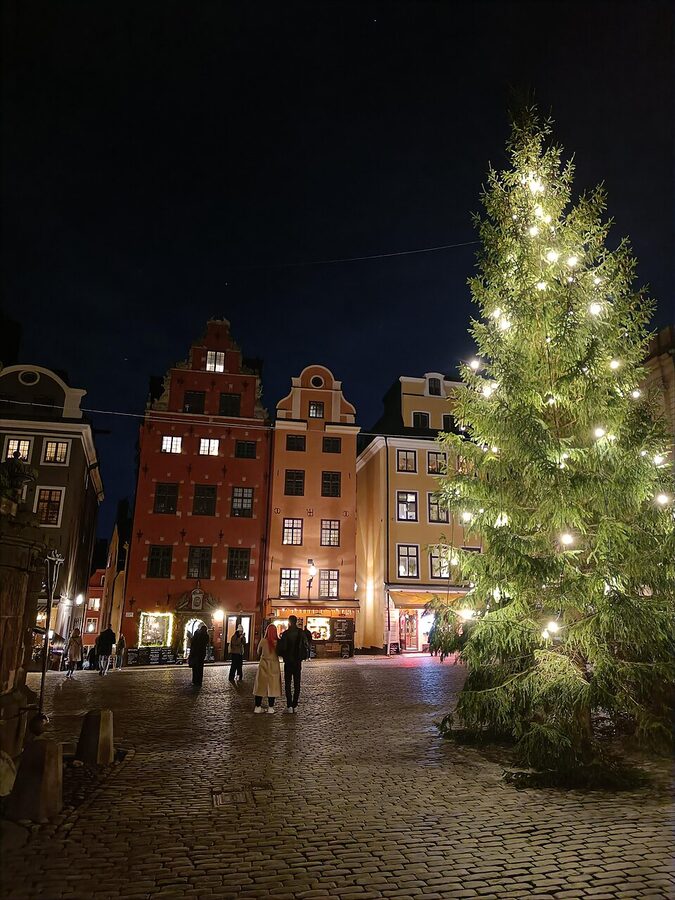
Summer (June to August) is the worst-case scenario for atmosphere. Sweden is at extreme northern latitudes, and in mid-June the sun barely sets. Tours that depart at 9pm in June are walking through evening sunshine, which kills half the storytelling effect. The history is still interesting, but the lanterns are pointless. If summer is when you’re visiting, push your booking as late in the evening as possible (10 or 11pm) and accept that you’re getting a history walk with ghost stories rather than a proper ghost walk.
Spring (March to May) is the inconsistent window. April can be glorious or it can dump sleet on you for the duration. Check the forecast 48 hours before and shift your booking if needed.
What to Wear and Bring
Cobblestones and Stockholm weather are the two things that catch people out.
- Shoes: Grippy soles are essential. The cobblestones in Gamla Stan are genuinely smooth in places, and they get slick after even light rain. Trainers with proper rubber tread or low-cut hiking boots are ideal. Heels are a bad idea, dressier flats are also a bad idea.
- Layers: Stockholm has weather, even in summer. A windbreaker is good year-round. October onward, add a sweater. November onward, add a real coat, gloves, and a hat. The wind off the harbour cuts.
- Phone with offline map: Gamla Stan is small, but signage is in Swedish, and the meeting points are on tiny squares that don’t always show up clearly on Google Maps. Save the meeting point as an offline pin before you go.
- Light cash: Sweden is essentially cashless, but if your guide takes tips, they’ll appreciate something. The post-tour drink at one of the Stortorget pubs is also a fun add-on.
- A friend if you scare easily: The good guides are good. Some of the stories will land harder than you expect. Bring company.
Combining a Ghost Walk With the Rest of Your Stockholm Trip
A ghost walk is not a full Stockholm itinerary, it’s a 90-minute slot. Most people book it on the first or second evening of a longer trip and pair it with daytime activities. A few combinations that work well:
Ghost walk plus archipelago day: If you’ve spent a sunny day out in the islands on a Stockholm archipelago boat trip, doing the ghost walk that same evening is a strong contrast. Bright open water in the morning, dark stone alleys in the evening. Stockholm at both extremes in 12 hours.
Ghost walk plus harbour cruise: A daytime boat tour through the central canals gives you the city from the water side, which is the angle the ghost walk doesn’t cover. Booking the boat for late afternoon and the ghost walk for after dinner makes a tidy half-day-and-evening combination.
Ghost walk plus museums: Daytime museum visits pair well, especially the dark-themed ones. The Vasa Museum on Djurgården island, with its 17th-century warship that sank in the harbour, is a thematic match for the lantern-led ghost walk. Skansen next door is lighter but works as a daytime contrast.
Ghost walk plus general transit: Stockholm is spread across 14 islands, and walking between them eats time. A hop-on hop-off bus on the day you’ve got a ghost walk booked saves you the foot fatigue of walking everywhere, so you arrive at the meeting point with energy to spare.
Music fans: If you’ve got an ABBA Museum visit booked, that one is firmly in the daylight category. Ghost walk in the same evening is a hard tonal swerve, but works fine if you’ve got a couple of hours between to eat.
Is It Actually Scary?
Honest answer: not really, in the jump-scare sense. The good guides are dramatic without being theatrical-children’s-book about it. The atmosphere does most of the work. If you’re after an actual fright tour with people in costumes leaping out at you, this isn’t it. If you’re after a 90-minute walk that genuinely manages to creep you out a couple of times because the storytelling is good and the location is doing the heavy lifting, this is exactly it.
Kids over about 10 generally enjoy it. Younger than that, the cheaper Secrets of Gamla Stan walk is the better fit because it’s daytime and the stories are pitched lighter. Sensitive types who don’t like graphic violence in stories should check the operator notes before booking; the Bloodbath section in particular doesn’t pull punches on what physically happened.
Comparing Stockholm With Other Northern European Dark Walks
If you’re working through a list of dark-history walks across northern Europe, here’s how Stockholm slots in.
Compared to the alternative walking tour in Copenhagen, Stockholm is older and the stories go deeper into medieval territory. Copenhagen’s alternative tour is more about the modern city’s edges; Stockholm’s ghost walk is straight historical theatre. Different mood, both worth doing if you’re hopping between the two cities.
Compared to London’s Jack the Ripper walk, Stockholm is broader. Ripper is laser-focused on a few streets in Whitechapel and a single late-Victorian crime spree. The Stockholm walk covers 700 years of executions, plagues, and political assassinations, so the texture is different. London is denser, Stockholm is more atmospheric.
Compared to the Jewish Quarter walking tour in Krakow, Stockholm is much lighter in tone. Krakow’s tour deals with the Holocaust at close range, and is a serious experience rather than an entertaining one. The Stockholm ghost walk is closer to the entertaining side, with real history behind it but pitched as a piece of evening theatre.
If you’re choosing only one in northern Europe and you want atmosphere over heaviness, Stockholm is the pick. The combination of the lantern format, the genuinely medieval island setting, and the dramatic Bloodbath story is hard to beat anywhere else in the region.
Practical Booking Tips
- Book 3-7 days ahead in summer, 1-2 days ahead off-season. The popular tours sell out for evening slots in July and August.
- Pick the time slot, not just the day. A 9pm tour in November is a totally different experience from a 6pm tour in June. The platforms show actual departure times once you click through.
- Confirm the language on the booking page. Most ghost walks run in English, but some operators run Swedish-only nights and the listings don’t always make this obvious.
- Read the meeting-point instructions twice. Stortorget is enormous. The exact corner matters because the squares in Gamla Stan are loud and people miss their guide easily.
- Cancellation policies vary. 24 hours is the most common refund window on GetYourGuide; Viator’s varies by operator. Check the box on your specific booking before you commit.
If the Ghost Walk Isn’t Quite Your Thing
You might be in Stockholm and decide the ghost walk format isn’t right for you. There are a couple of nearby alternatives that hit similar notes. The standard daytime walking tour of Gamla Stan covers the same alleys with serious history rather than spooky storytelling, and is the obvious daylight pairing or substitute. A harbour boat tour swaps the cobblestones for a deck and an entirely different angle on the city. And if you’ve got an extra evening, an archipelago sunset cruise is the bright, open-water counterpoint to the dark, narrow-alley walk. Pair any two of these and you’ve covered Stockholm’s textures from medieval cobble to open Baltic in a couple of days.
Affiliate disclosure: Some of the booking links above are affiliate links. We may earn a small commission if you book through them, at no extra cost to you. Our tour picks and the takes here are based on our own research and experience.