
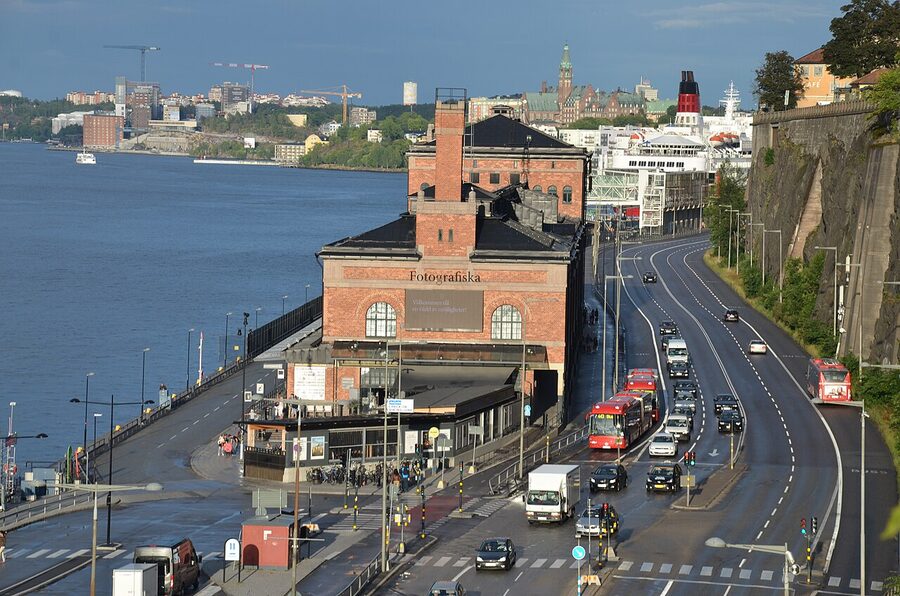
Most Stockholm museum days look the same. You queue at the Vasa Museum, you stand on the cobbles outside the Royal Palace, you walk Gamla Stan, you tell yourself you’ve done the city. Fotografiska is the museum that breaks that pattern. Same harbour, opposite shoreline, completely different mood: a contemporary photography museum inside a 1906 customs house, open until 23:00, with a top-floor restaurant that quietly has the best Royal Palace view in the city.
If you prefer Viator: Fotografiska Stockholm Admission Ticket, $22.05. Same museum entry, Viator booking system if that’s what you have.
Pair it with the neighbourhood: Södermalm 2-Hour Sightseeing Tour, $44. Walk Söder before or after Fotografiska so you actually understand the neighbourhood the museum sits in.
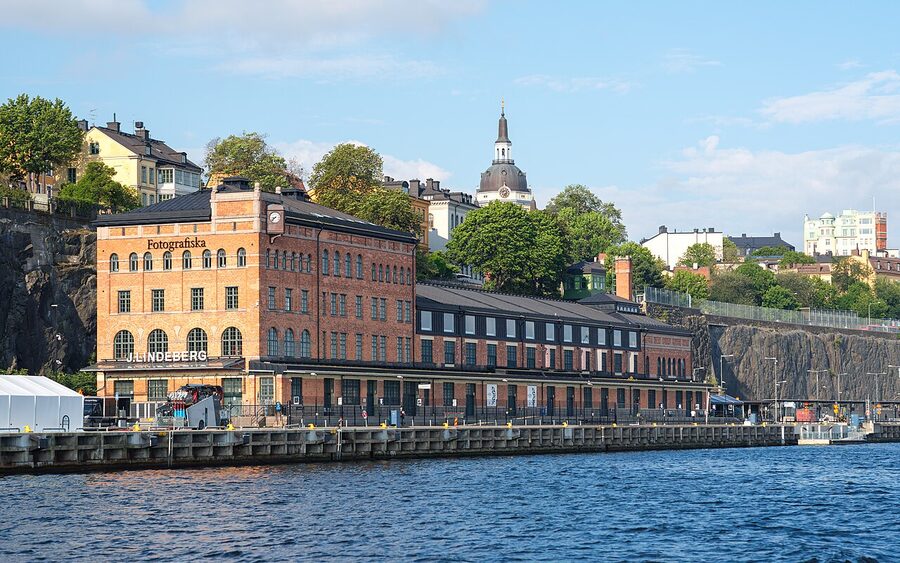

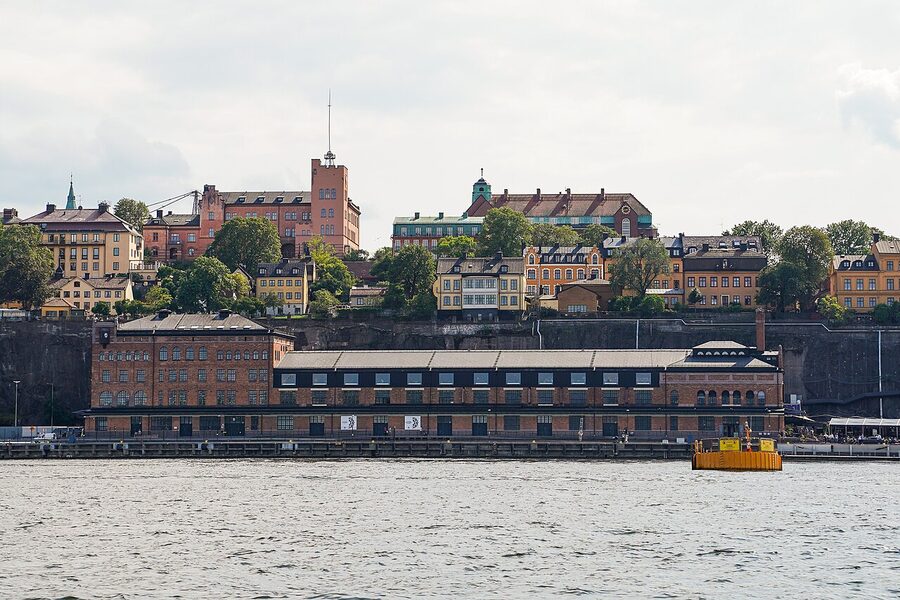
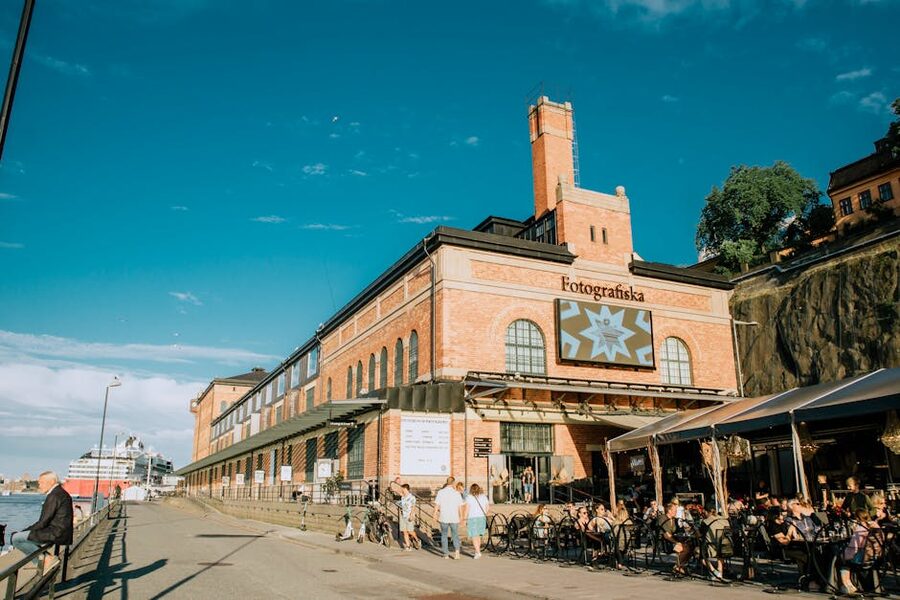
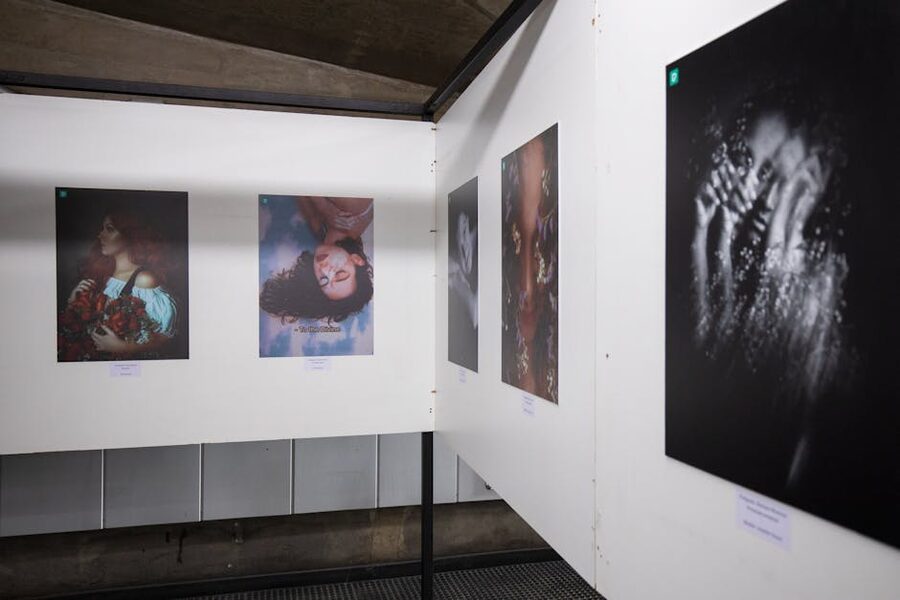
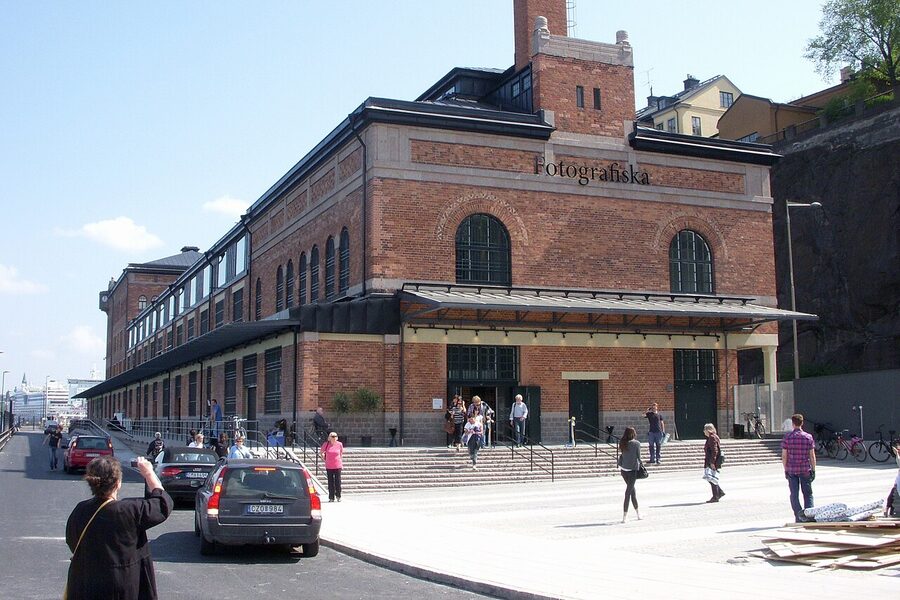
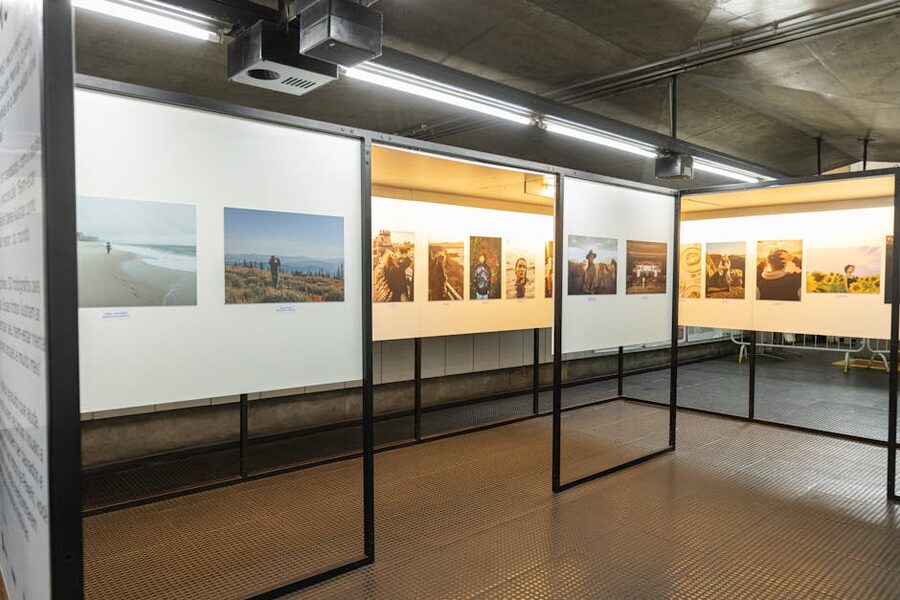
Fotografiska opened in 2010 in Stora Tullhuset, the old harbour customs house on the Stadsgården quay. The building had been sitting half-used since the cargo trade moved out. Two brothers, Per and Jan Broman, took the shell, kept the brick, and turned it into a contemporary photography museum without permanent collection. Everything rotates. There are usually four to six exhibitions running at once, and the names have been serious from the start: Annie Leibovitz, Sebastião Salgado, Anders Petersen, David LaChapelle, Inez & Vinoodh. It’s not a quiet museum. It’s loud, current, and often political.

- What a Fotografiska ticket actually gets you
- Three ways to book Fotografiska
- 1. Fotografiska Museum Entrance Ticket:
- 2. Fotografiska Stockholm Admission Ticket (Viator): .05
- 3. Södermalm 2-Hour Sightseeing Tour:
- How to actually book it (and why nobody buys at the till)
- What actually changes from week to week (and why you can’t plan a “must-see”)
- Opening hours and the late-night thing
- The restaurant nobody talks about (until they go)
- Getting there from the centre
- The building itself: Stora Tullhuset, 1906
- Stockholm’s museum split: classical vs alternative
- What to do around Fotografiska if you’re spending half a day
- When to go (and the season nobody picks)
- Practical fine print
- Other Stockholm tickets and tours worth pairing
What a Fotografiska ticket actually gets you
One ticket, all current exhibitions, all five floors. There’s no upsell to specific shows, no “premium” entry that gets you anything extra. Standard adult admission is around 275 SEK (roughly $22 at current rates), with reductions for students and under-26s. Children under 12 are free. The ticket is valid for the whole day, so if you go in at 11 and want to come back at 21:00 to catch the upper-floor light, you can.
You can buy at the door if you’re willing to gamble on the queue. On a quiet weekday in November, walk-up is fine. On a Saturday afternoon in July, or any day in school holidays, the queue runs along the quayside and you’ll spend 20-30 minutes outside in whatever weather Stockholm is offering you. The marketplace tickets (GetYourGuide, Viator, Klook, Tiqets) all resolve to the same gate. None of them save you money, all of them save you the queue. They’re worth the click.
Three ways to book Fotografiska
Three ticket options worth considering. The first is what most people end up using. The second exists if you book everything through Viator. The third isn’t a Fotografiska ticket at all, but pairing the museum with a Södermalm walk turns a 90-minute museum stop into a half-day of the neighbourhood, which is the better experience.
1. Fotografiska Museum Entrance Ticket: $22
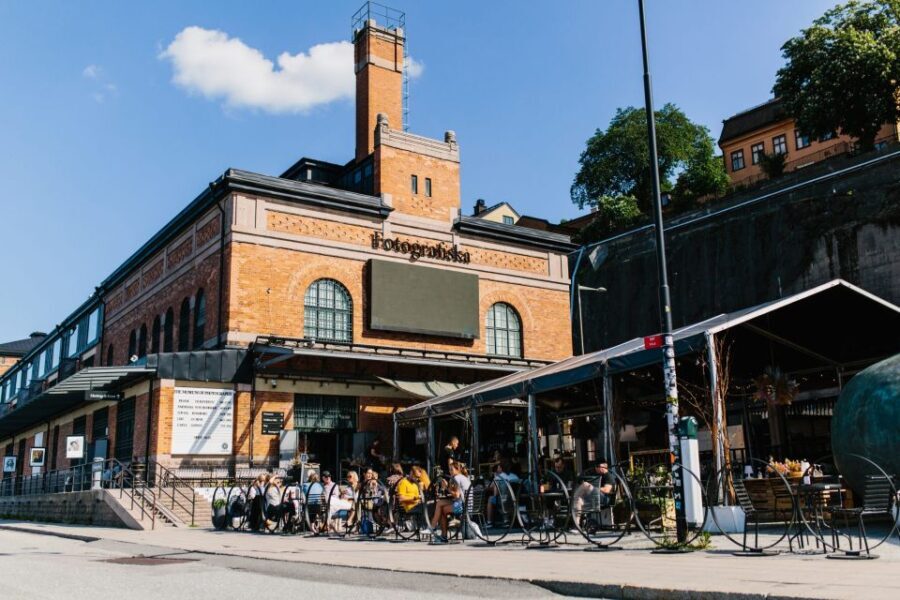
This is the option I’d default to. The price is the same as the door, but you skip the queue at peak times and you don’t have to wonder if the show you wanted has sold out for the slot you wanted. Our full review covers the redemption flow and what the day-of experience looks like once you’re inside. For a 90-minute visit, this is the right ticket.
Check Availability
Read our full review
2. Fotografiska Stockholm Admission Ticket (Viator): $22.05
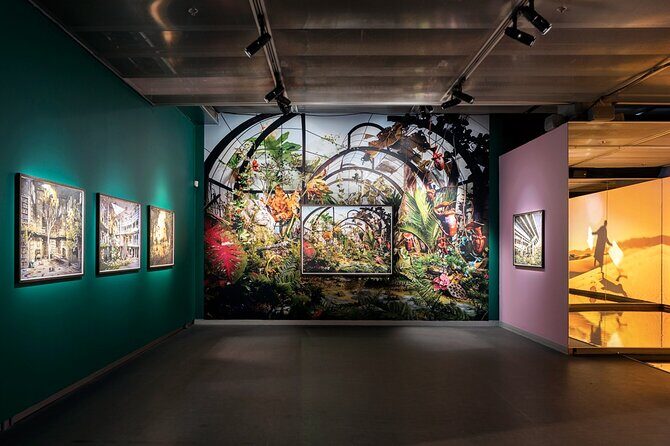
Functionally identical to the GetYourGuide option. Same gate, same exhibitions, same five cents difference that nobody notices. The reason to pick this one is purely admin: you’ve got a Viator booking pattern, you have an existing voucher, or your travel insurance plays better with one platform than the other. Read our review of the Viator listing if you want the redemption details.
Check Availability
Read our full review
3. Södermalm 2-Hour Sightseeing Tour: $44
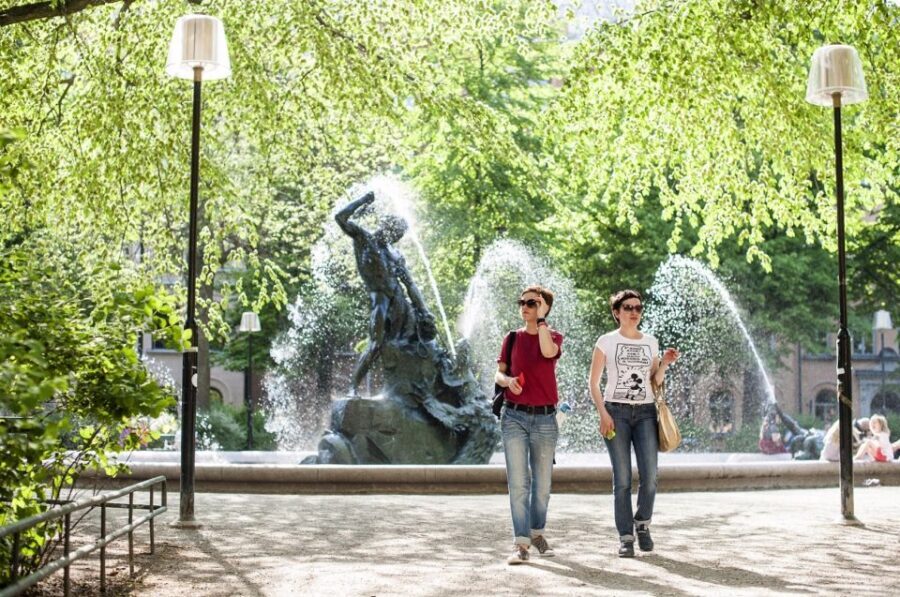
Fotografiska is roughly 90 minutes inside. If you’re flying all the way to Stockholm to look at photographs, you should also walk the neighbourhood that produced the people who built it. Södermalm is where the Stockholm creative scene actually lives, and a guided walk hits the viewpoints, the design shops, and the back streets you’d otherwise miss. Our take in the full review is that it’s not the most polished tour in town, but it’s the cheapest way to learn the neighbourhood with someone who lives there. Pair it with a Fotografiska ticket for the same day.
Check Availability
Read our full review
How to actually book it (and why nobody buys at the till)
The booking flow is brain-dead simple. You pick a date, you pay, you get a QR code by email and on the booking platform’s app. At the museum, you walk past the queue for the till, you tap your phone at the scanner, the gate opens. There’s no time slot to manage, the ticket works any time during opening hours on the date you booked. Some platforms offer same-day booking and some need 24 hours. In practice, GetYourGuide is reliably same-day; Viator is sometimes next-day depending on the supplier window.
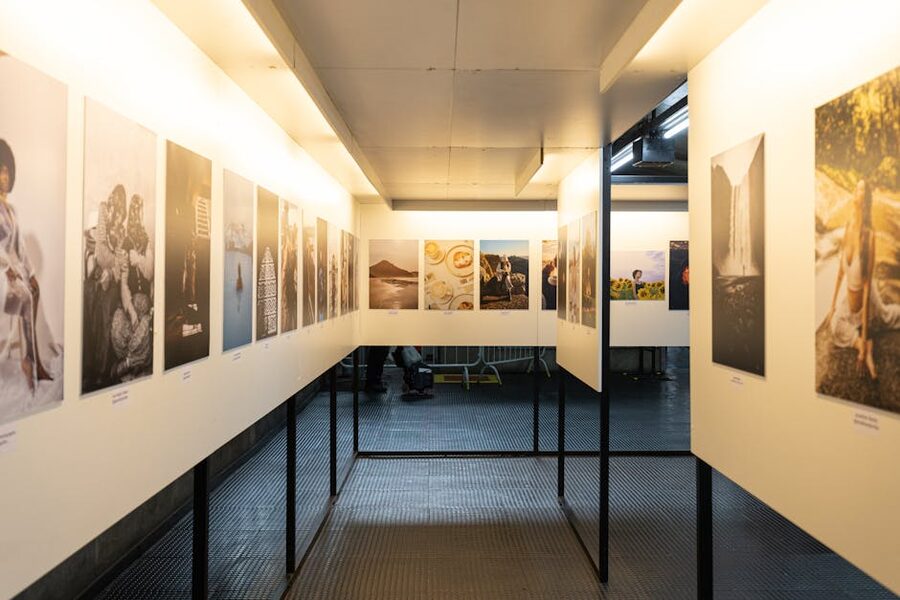
Buy at the till and you’ll pay roughly the same price (the SEK conversion lands within a krona or two), but you give up about 20 minutes on a busy day. That’s the whole calculation. There’s no discount for buying in person and no advantage to the till queue. The one place where the door makes sense is if you want a guided tour add-on, since those slot-based options aren’t always on the marketplaces and the museum’s own site lists current scheduled walks.
What actually changes from week to week (and why you can’t plan a “must-see”)
Fotografiska is rotational, not collection-based. There is no permanent show. The major exhibition slot turns over roughly every three to four months. Smaller floors rotate faster. This is the museum’s whole point and its main risk: if the current bill doesn’t grab you, there’s nothing to fall back on.
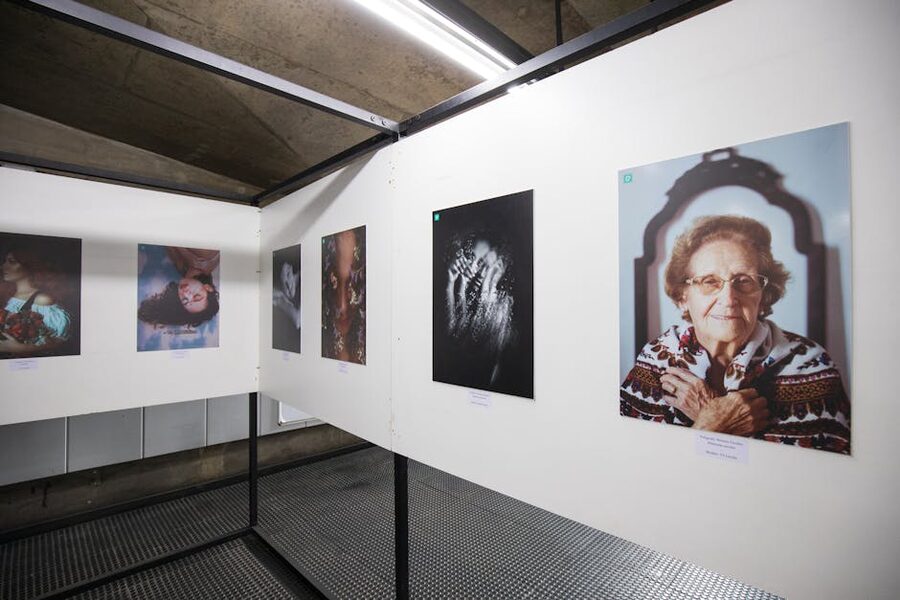
Before booking, check the current exhibitions on stockholm.fotografiska.com. Read the wall-text excerpts on the listing pages. If you don’t recognise any of the photographers and nothing in the synopsis pulls you in, it’s a fair sign to push the visit to a later trip rather than gamble on it being your kind of work. The price isn’t the issue (it’s $22), the time is. Two hours of looking at photography you don’t connect with is a long time.
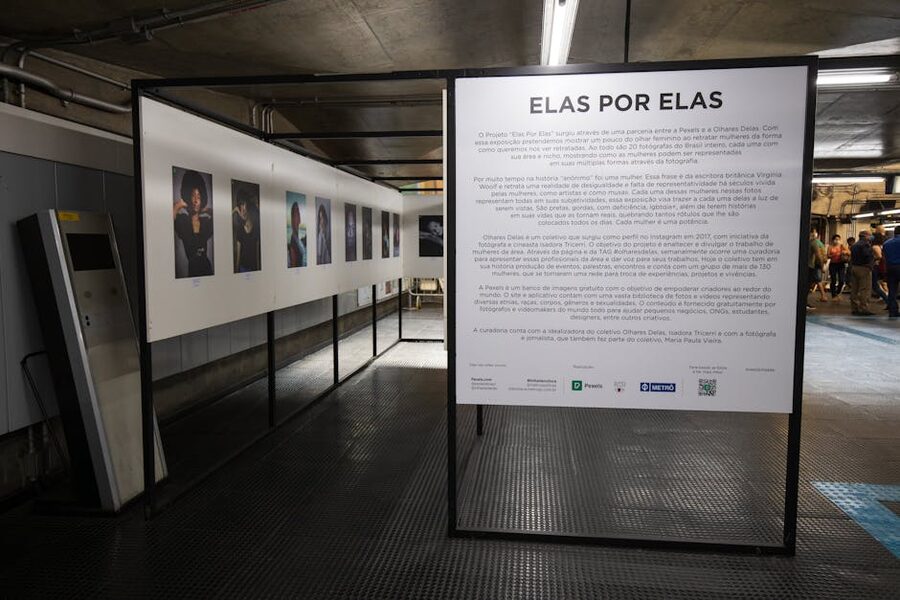
That said, the curation is dependable. In the years I’ve been tracking what they’ve shown, almost every major bill has had at least one show I’d have happily paid the full ticket for on its own. Recent and recurring names worth checking for: Anders Petersen (Swedish documentary, often retrospective), Ihei Misrach (American large-format colour landscapes), Saul Leiter (early colour street), Letizia Battaglia (Sicilian crime and life), Liu Bolin (the camouflage performance shots). If any of these are running when you’re in town, go.
Opening hours and the late-night thing
Fotografiska is one of the only Stockholm museums that stays open late. Sunday to Wednesday: 09:00 to 23:00. Thursday to Saturday: 09:00 to 01:00. Yes, one in the morning. The last admission is usually one hour before close, so you can still get in at midnight on a Friday if that’s the schedule you want.

The late hours are the museum’s cleverest move. Stockholm is otherwise a closed-by-18:00 city for culture. Fotografiska after dark means you can do a proper Stockholm dinner, walk over from Slussen at 21:30, and have an hour or two of photography before bed. The crowd thins after 21:00. You’ll often have the upper floors almost to yourself, which is rare for a museum that pulls 600,000 visitors a year. Go late if you can. It’s a different museum at 22:00 than at 14:00.
The restaurant nobody talks about (until they go)
The top-floor restaurant is a separately bookable thing, and it’s not where you’d expect a photography museum to put its secret weapon. Wood, big windows, kitchen-driven menu, and a view of Gamla Stan, the Royal Palace, and the Strömmen waterway that genuinely competes with the more famous Stockholm panoramas. You don’t need a museum ticket to eat there; reservations are taken on the museum’s site.
.jpeg)
The cooking is plant-forward. There’s a tasting menu and an a la carte. It’s not the cheapest dinner you’ll have in Stockholm and it’s not the most adventurous, but it’s the one with the best view, and the kitchen is genuinely competent rather than coasting on the location. Lunch is more flexible to book. Dinner needs planning two to four weeks ahead in summer; in winter you can sometimes get a same-week reservation. The cafe on the museum floor (no booking needed) does the same kitchen at lunchtime in lighter form, which is what I usually go for. It’s also the one place you can sit with a coffee and look directly at the Royal Palace.
Getting there from the centre
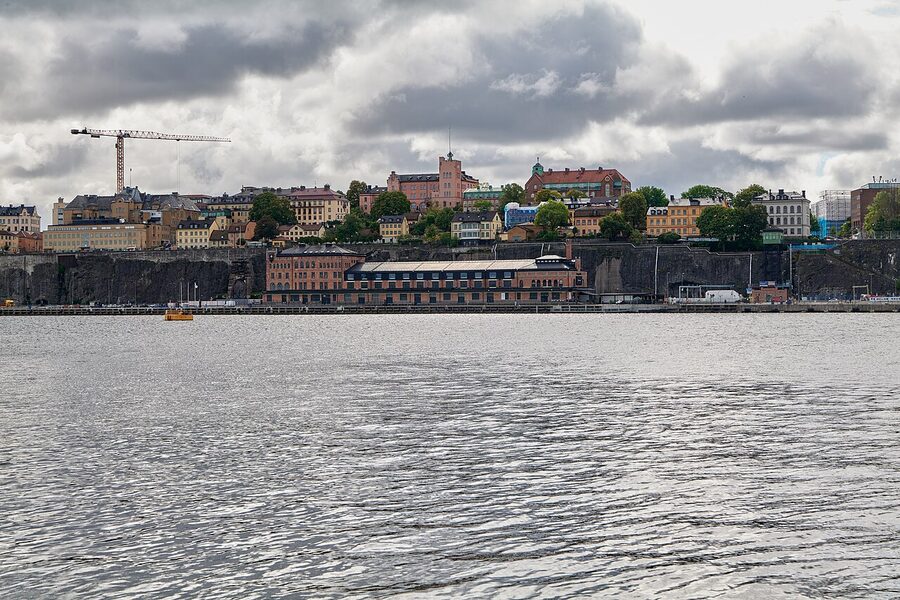
Fotografiska sits at Stadsgården on the north shore of Södermalm, three minutes by tram from Slussen and ten minutes’ walk from Gamla Stan. There are four ways to actually arrive, and they shape the visit differently.
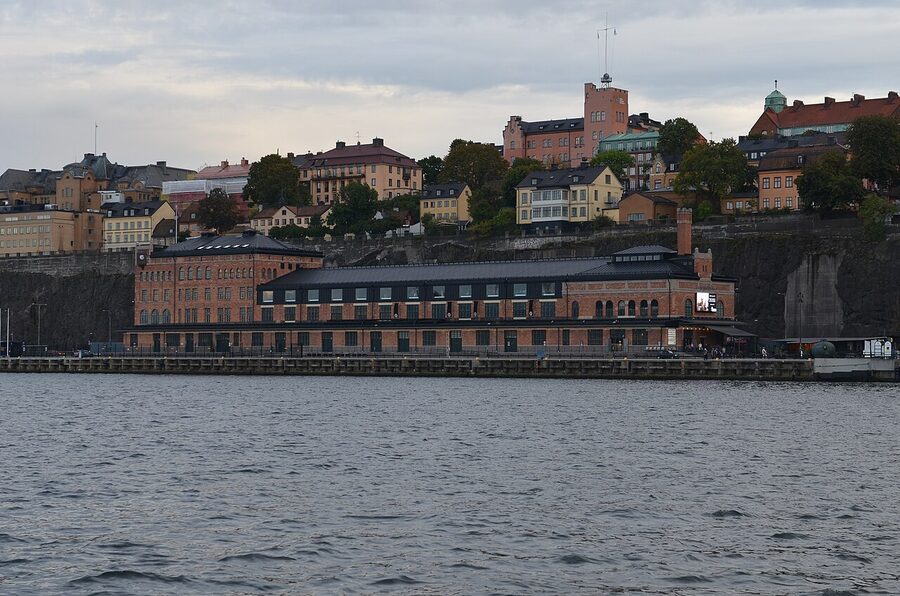

On foot from Slussen. Walk east along Stadsgården. Ten minutes flat along the water, signed all the way. This is the route I’d pick by default. You get the harbour, you get a glimpse of the Viking Line cruise terminal, you arrive having earned the building.
On foot from Gamla Stan. Cross Slussen and follow the same Stadsgården walk. About 15 minutes, mostly flat, no real elevation change despite Söder’s reputation as a hill.
By Djurgården ferry. The 82 ferry from Slussen calls at Allmänna gränd in summer, which puts you on the wrong island for Fotografiska. Skip it for this visit; the ferry is for the Vasa side. The crossing only saves time if you’re coming from Djurgården itself.
By tram or bus. Tram 2 from Slussen runs along Stadsgården. It’s quicker than walking on a cold day. Bus 53 also stops nearby. Both take an SL ticket from the regular Stockholm public-transport machines.
If you’ve got a Stockholm Pass, it covers Fotografiska entry plus the public transport you’d use to get there. The pass pays off if you’re hitting at least two paid attractions in the day; for Fotografiska alone, it doesn’t.
The building itself: Stora Tullhuset, 1906
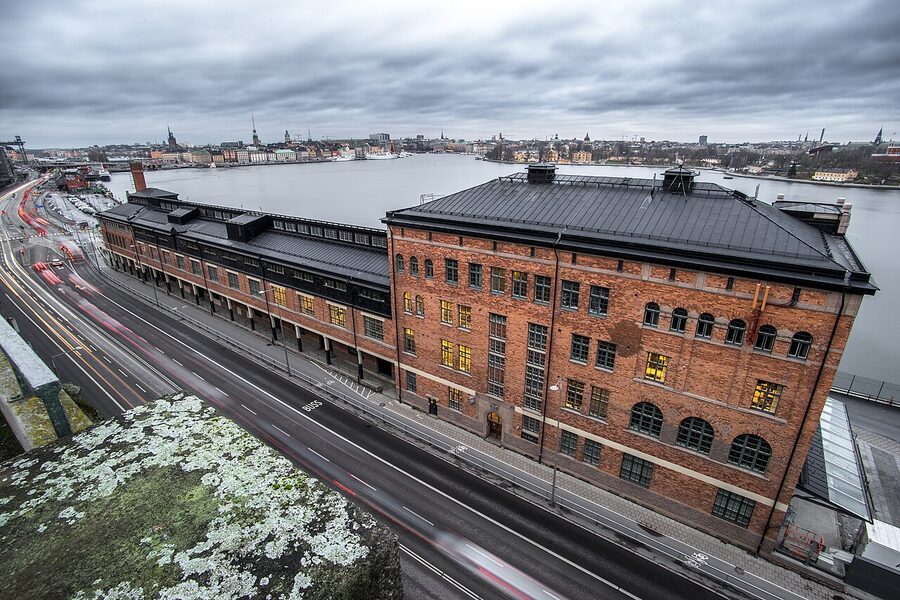
Worth slowing down for, because most visitors walk straight past the architecture into the photography and miss the half of the experience that lives in the brick. Stora Tullhuset, the Great Customs House, was designed by Ferdinand Boberg and finished in 1910 (planning started in 1906, hence the date plaque). The brief was industrial: this was the customs and entry point for Stockholm’s working harbour, where everything coming into the city was inspected, taxed, and recorded.
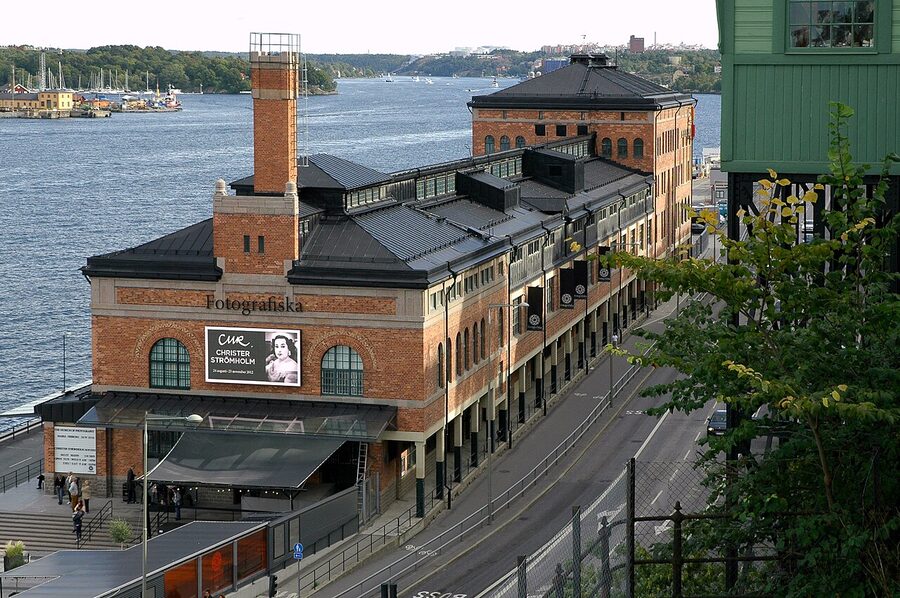

Boberg was a major Swedish architect of the period. His other survivors include the original Rosenbad government building and the Waldemarsudde palace on Djurgården. This one is industrial Jugend, his cleanest version of that style. Twin corner turrets, exposed red brick on a granite base, deep round-arched windows along the long elevation. It’s solid and slightly Hanseatic, which is exactly what a customs house was supposed to read as in 1906.
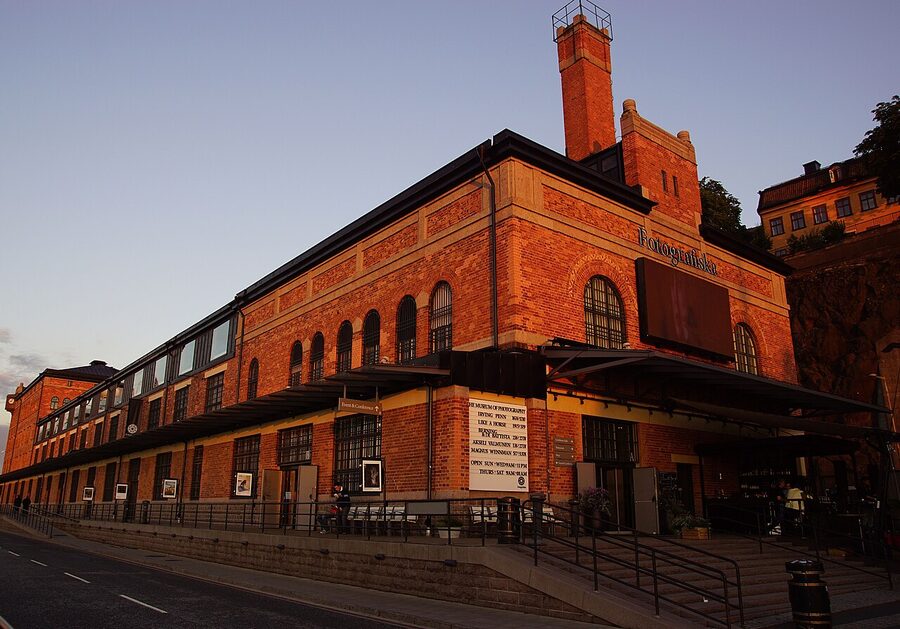

The customs trade left Stadsgården in the 1970s as containerisation moved cargo to the bigger Frihamnen port. The building sat in semi-abandoned use for decades. The Bromans took it on in 2008. The conversion kept the brick and the bones, opened up the floor plates, and added a new top floor for the restaurant. You can still read the building’s industrial logic in the layout: long single-aisle galleries, big windows on the harbour side, narrower service corridors on the inland side.

Stockholm’s museum split: classical vs alternative
This is the framing I’d give a first-time Stockholm visitor. The city has two museum traditions sitting side by side, and both are good. The first is the classical lineage: Vasa, Skansen, the National Museum, the Royal Palace’s Royal Treasury and apartments. These are the heritage museums. They tell you what Sweden has been.
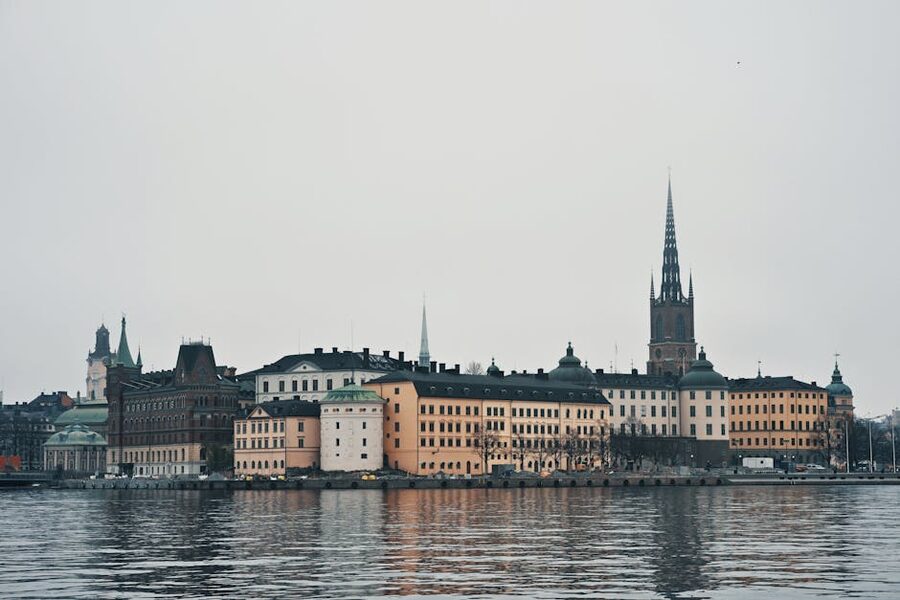
The second is the contemporary scene: Fotografiska, Moderna Museet on Skeppsholmen, the smaller galleries up on Hornsgatan in Söder, the new Liljevalchs+ extension. These tell you what Sweden is doing now. They’re the museums that broadcasters and culture editors talk about, and they’re mostly weak in groups of one. Pick Fotografiska as your single contemporary stop and you cover the most influential of the lot.
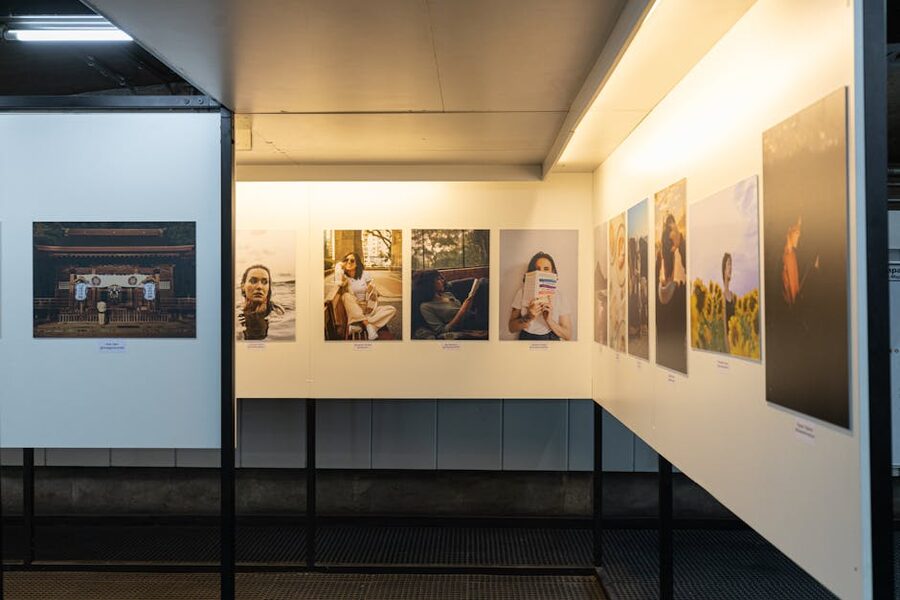
You don’t need to choose between the two. A two-day Stockholm trip can do classical (Vasa + Royal Palace + a Gamla Stan walk) on day one, and contemporary (Fotografiska + Söder + Moderna) on day two. That’s the most balanced museum split in the city.
What to do around Fotografiska if you’re spending half a day
If you’re going for the museum alone, 90 minutes inside is plenty. If you want to make a half-day of it, the surrounding neighbourhood is the second half. Söder is Stockholm’s creative quarter: vintage clothing, third-wave coffee, design shops, viewpoints over the harbour, more bars per square block than any other district.
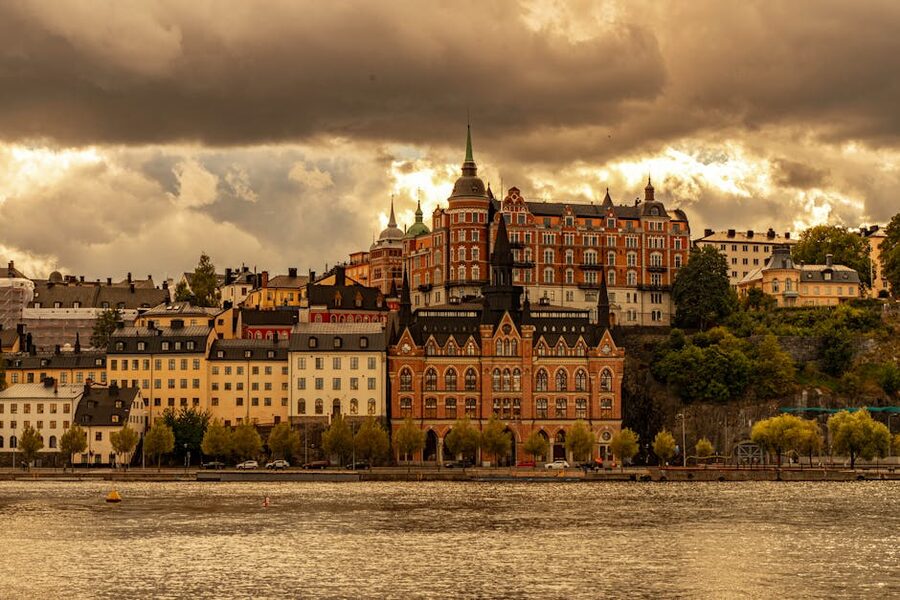
From Fotografiska, walk uphill to Katarinahissen / Slussen viewpoint for the wide harbour shot. Then drop into the streets behind it: Götgatan for the high-street shopping, SoFo (south of Folkungagatan) for the indie shops and restaurants, Mariatorget for the leafy square that’s actually where Stockholmers hang out on a Sunday. Café Pascal, Drop Coffee, and Johan & Nyström are the coffee names worth knowing.
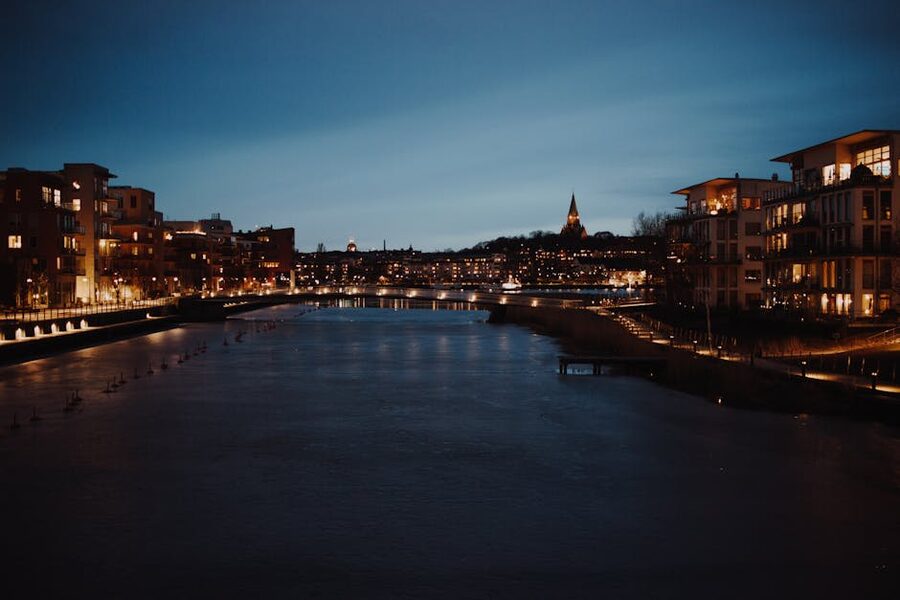
If you’ve got a clear evening, walk the Monteliusvägen path along the cliff above Mariaberget. Free, ten minutes long, and probably the single best panoramic view in Stockholm. It looks straight at City Hall and Riddarholmen across Riddarfjärden. Most guidebooks list it; tourists rarely walk it. Go at sunset.

When to go (and the season nobody picks)
The conventional answer is summer. The conventional answer is wrong, or at least, only half right. Summer is when Fotografiska is busiest. The exhibitions don’t change for the season, the lighting indoors is the same year round, and the queue outside is at its worst.
The actual best time to visit Fotografiska, in my experience, is late autumn (October to November) or February to early March. Stockholm is grey and dark, museums are full, but Fotografiska in particular benefits from the contrast. You walk in cold and damp from the harbour, the dark gallery walls feel cinema-like, and the late hours mean you can stretch the visit into proper evening. The summer crowds are gone. The exhibition schedule rotates regardless of season, so you’re not missing anything by going in November.
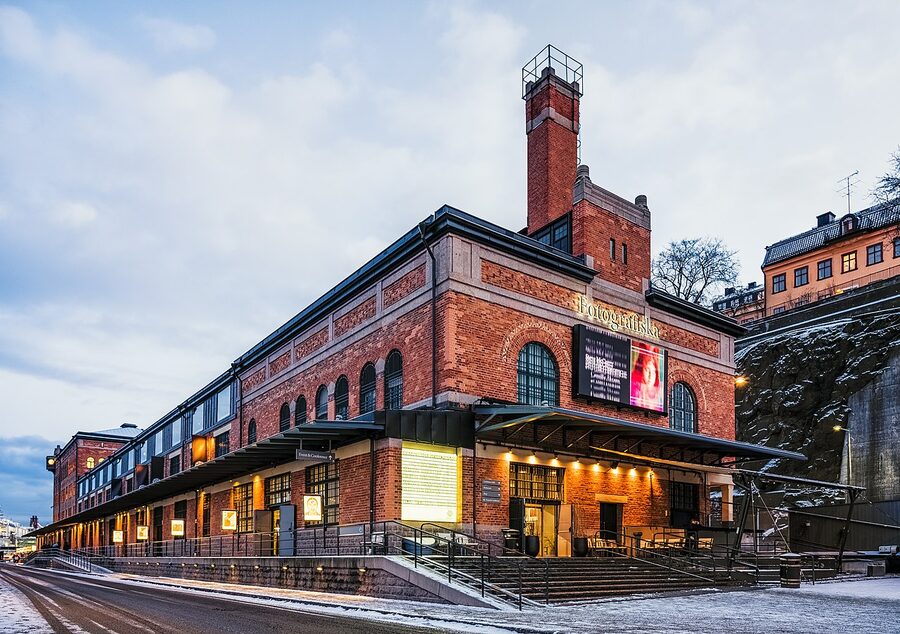

The Stockholm winter has a reputation it half deserves. Yes, it’s dark by 15:30 in December. But Fotografiska’s late hours actively work for that schedule. You get afternoon coffee, you do an hour at the museum from 17:00, you go for dinner at 19:30, the evening flows. In summer the long daylight makes a museum visit feel like time wasted indoors; in winter it feels like the right move.
December is its own thing. There’s usually a strong major exhibition timed for the holiday season, the cafe gets festive, and the Stockholm Christmas markets at Gamla Stan’s Stortorget are a five-minute walk away. Combine the two for a Söder-and-Old-Town day.
Practical fine print
A few things worth knowing before you go.
Bag policy. Cloakroom on the ground floor, free, manned by humans (not lockers). Backpacks aren’t permitted in the galleries on busy days; on quiet days nobody asks. If you’ve got a camera bag, expect to be asked to leave it.
Photography inside. Allowed without flash for personal use in most exhibitions. Some shows have explicit no-photo policies posted at the gallery entrance; respect them or you’ll be politely walked out. Tripods aren’t allowed.
Accessibility. Lift to all floors, including the restaurant. Step-free entry from the quayside.
Toilets. Ground floor near the cloakroom and on most upper floors. Free.
Languages. All wall texts are in English alongside Swedish. The audio guides (when offered for individual exhibitions) are usually English-only.
Cards or cash. Card only at the till, the cafe, the restaurant, the bookshop. Sweden is cashless and Fotografiska is fully cashless.
Children. Welcome but not specifically catered for. The exhibitions sometimes contain adult themes (nudity in fine-art photography is normal here). Read the show synopses if you’re bringing under-12s.
Other Stockholm tickets and tours worth pairing
If you’ve come to Stockholm and Fotografiska is on the list, the rest of your day probably needs filling. The standard Stockholm museum-and-attraction pairings work fine here. The Vasa Museum is the obvious sibling visit; it’s a 15-minute walk plus a ferry from Fotografiska. The ABBA Museum sits next door to Vasa on Djurgården if you want a fully different mood. A harbour boat tour from Strömkajen will give you the building from the water, which is the angle most people don’t get. For something faster, the hop-on hop-off bus stops near Slussen and you can use it to chain Fotografiska with three other Söder stops in a single day. If you’d rather slow down and learn the city on foot, a guided walking tour of Stockholm usually starts in Gamla Stan, which is only a Slussen-bridge crossing away. And if you want a taste of the contemporary city beyond museums, a Stockholm food tour through Söder doubles as a context-setter for everything Fotografiska is photographing. On the heritage side, the Nobel Prize Museum in Gamla Stan reframes Stockholm as the city of laureates rather than the city of photographers, and a Stockholm City Hall tour across the water in Kungsholmen lets you stand in the Blue Hall where the Nobel Banquet is held every December.
This article contains affiliate links. We may earn a small commission if you book through them, at no extra cost to you.