
So is the London Pass actually worth the £89 they charge for a single day? It depends on how you actually plan to use it, and the maths is less obvious than the marketing makes out. Run it properly and you save real money. Run it badly and it costs you more than buying tickets one by one.
If you want the Eye too: London Pass Plus, adds the London Eye, The Shard view, Madame Tussauds, and the Big Bus tour to the standard pass.
Skip if you’re staying under 24 hours: A 1-day pass only pays off if you can squeeze in three or more big-ticket attractions before closing time, which most jet-lagged arrivals can’t.
I’ve used the pass on two London trips and watched friends use it on three or four more. The pattern is always the same. The people who treat it like a buffet, doing two attractions a day at a relaxed pace, end up losing money compared to walk-up tickets. The people who pick three or four attractions, plot them on a map the night before, and start at 10am with a coffee in hand always come out ahead. Sometimes by £80 or more on a 3-day pass.
This guide answers the only question that actually matters: when does the pass save you money, and when does it not. I’ll show the maths, list what’s included (and the four big things that aren’t on the standard tier), and walk through how to use the digital pass in the Go City app so you don’t waste your activation day.
- The Pass at a Glance
- In a Hurry: The Maths
- What Counts as a “Big-Ticket” Attraction
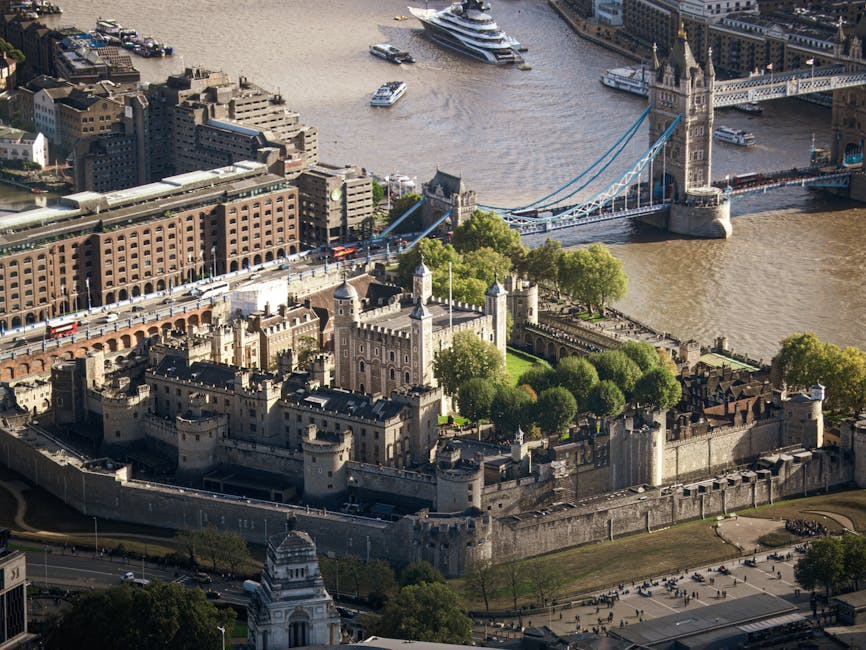
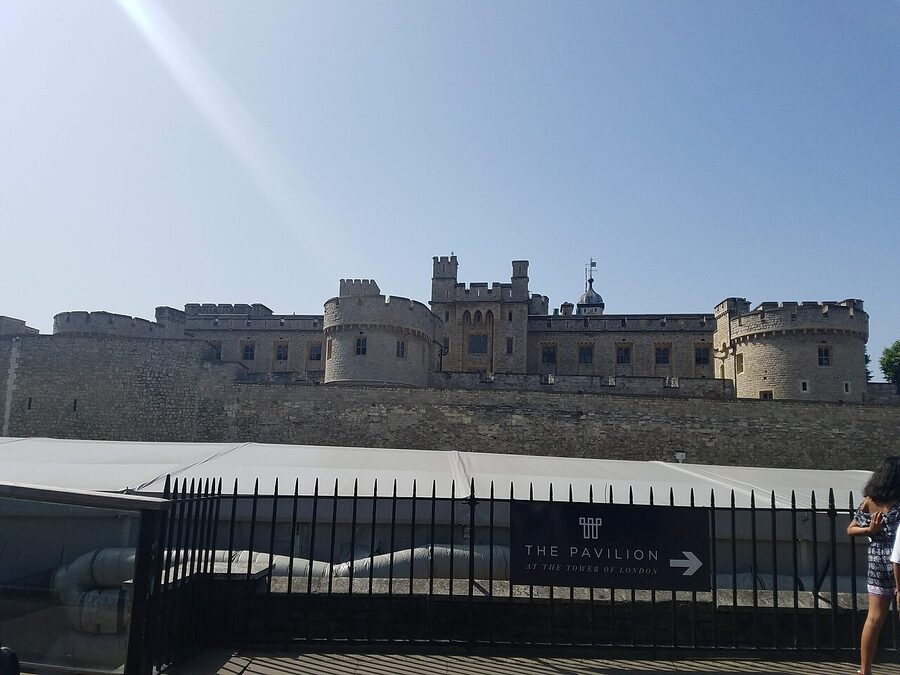
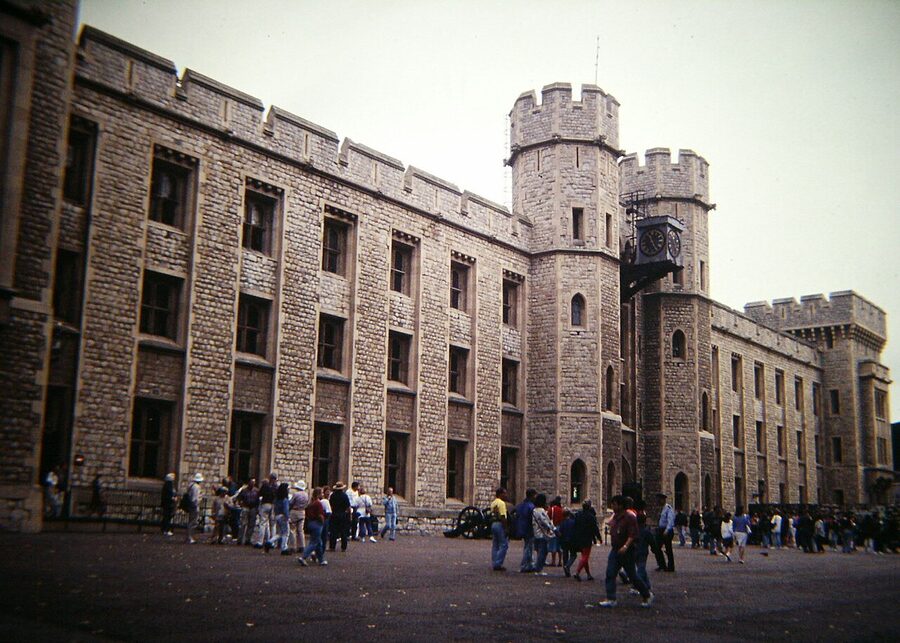
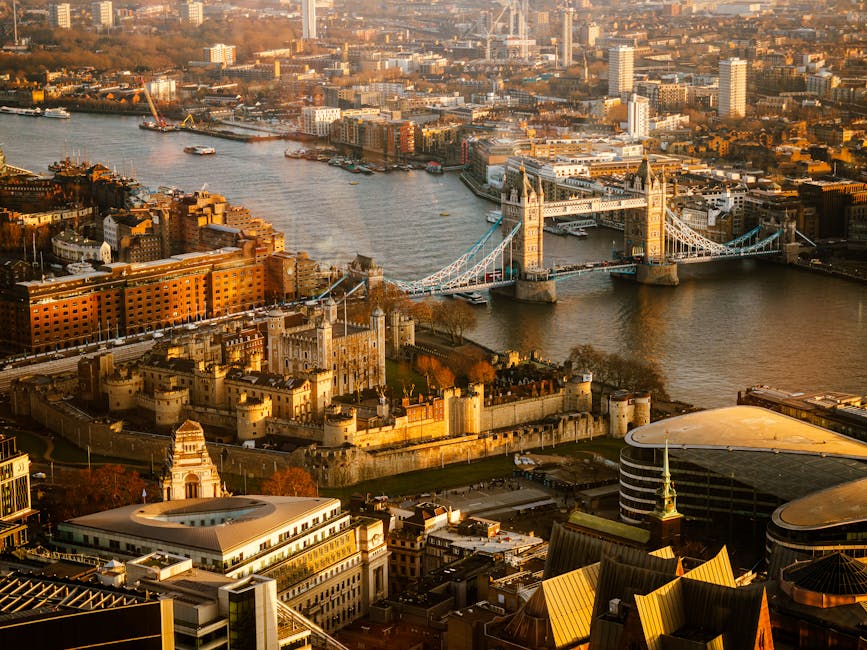
- Tower of London (£35.80 walk-up)
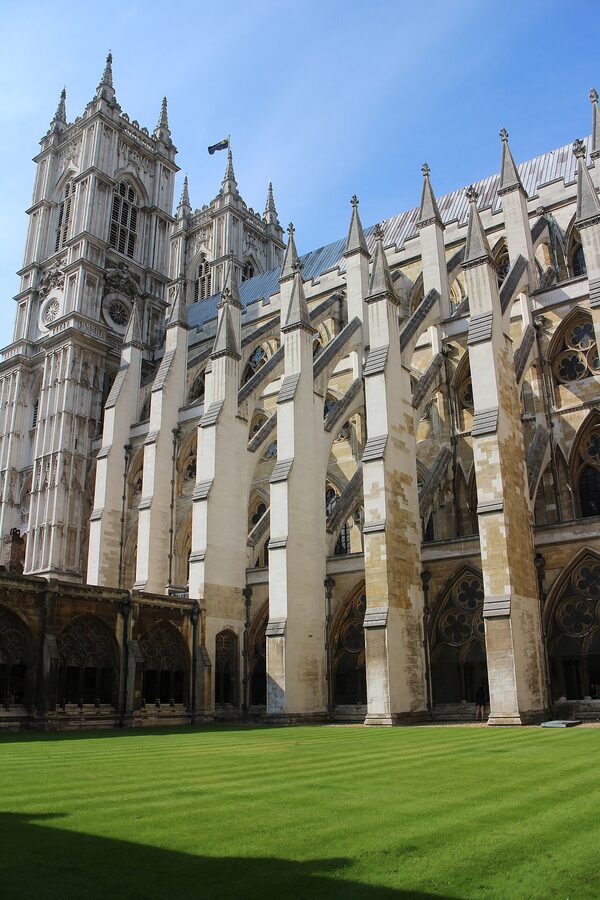
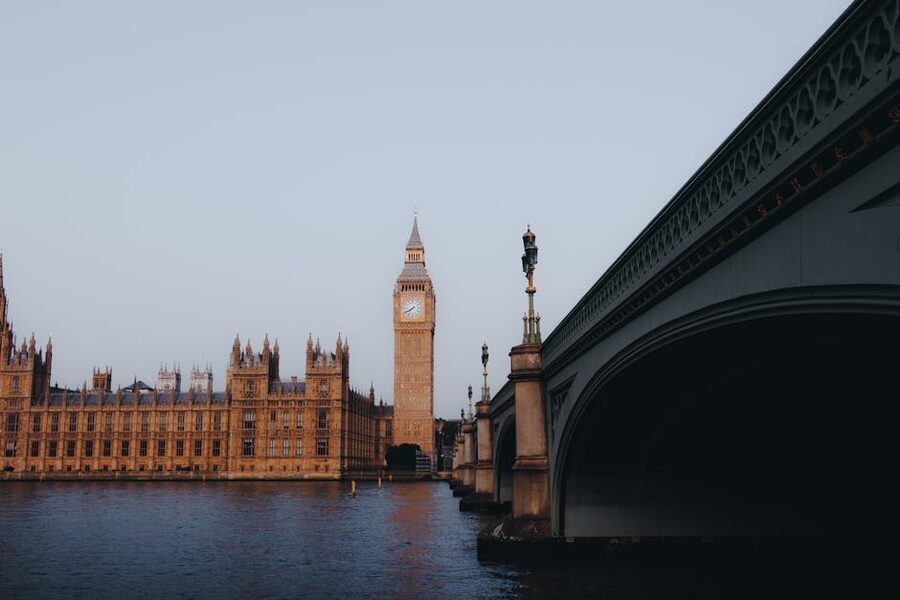
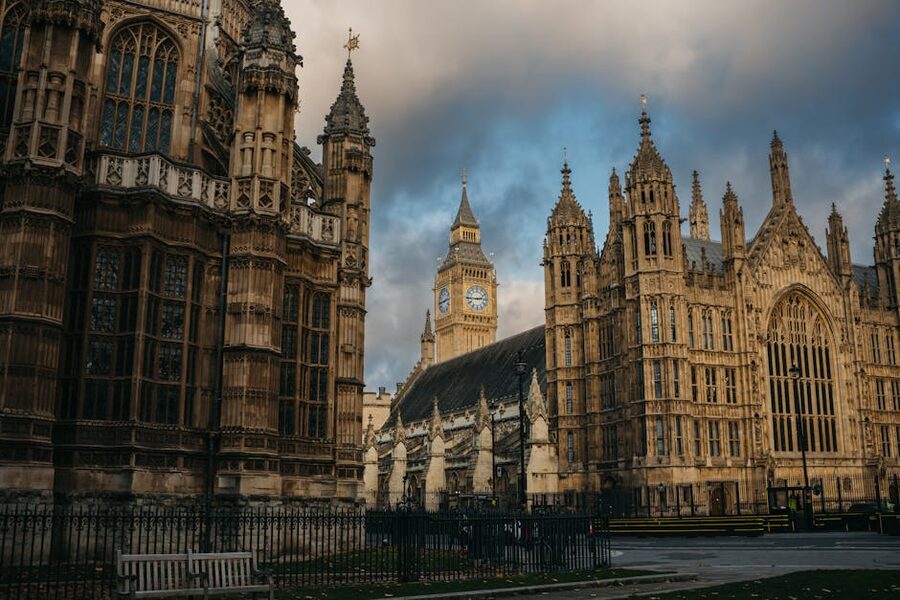
- Westminster Abbey (£26)
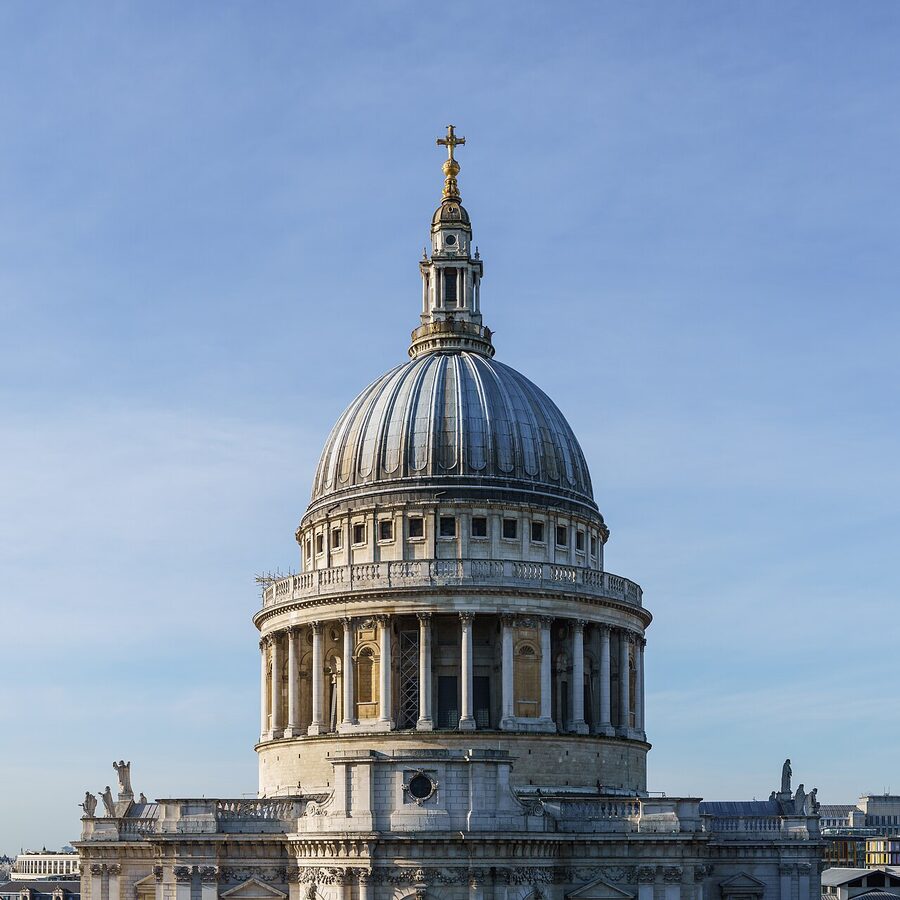
- St Paul’s Cathedral (£26)
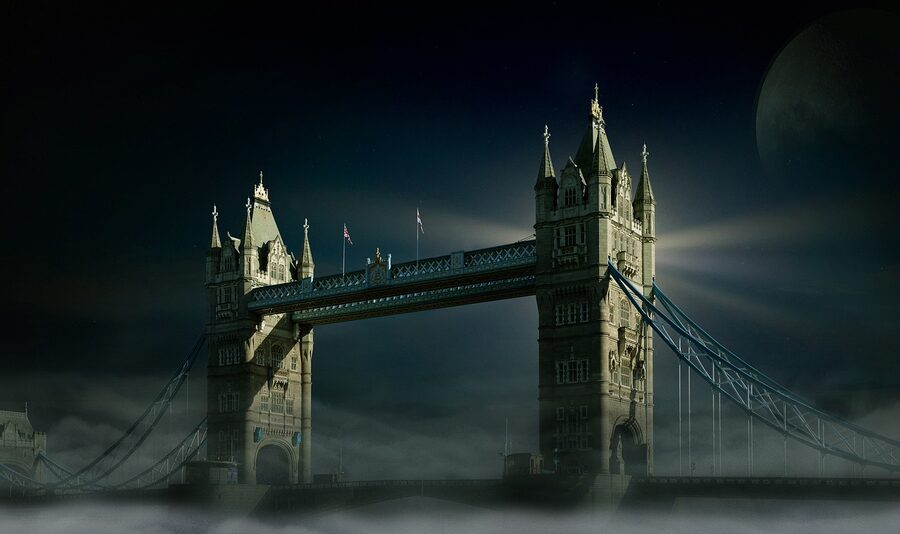
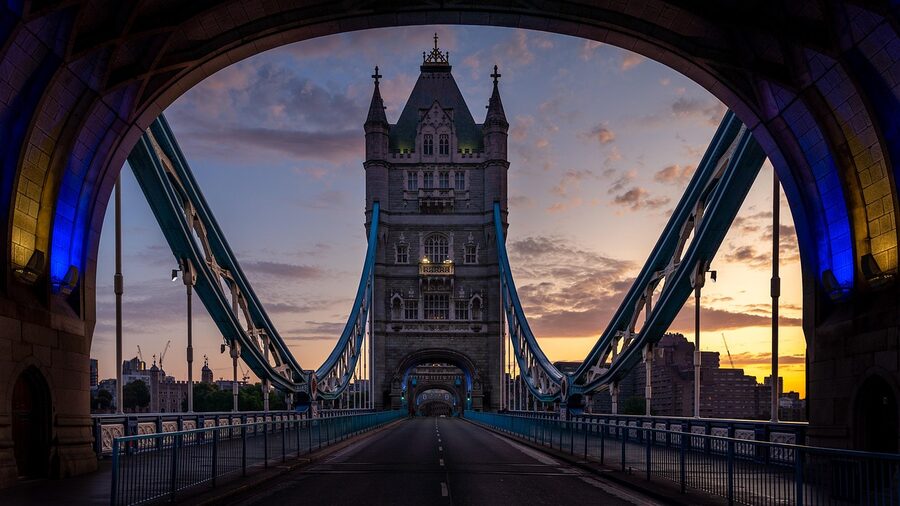
- Tower Bridge Exhibition (£13.40)
- Kensington Palace (£25)
- Hampton Court Palace (£28.30)
- Kew Gardens (£24)
- Thames River Cruise (£25.40)
- Royal Observatory Greenwich (£24)
- What’s Included That You Probably Don’t Know About
- What’s NOT Included (Read This Before Buying)
- How to Actually Use the Pass
- Building a 3-Day Itinerary That Pays Off
- The Family Maths
- How the London Pass Compares to Other City Passes
- The Tour to Book
- 1. The London Pass by Go City: from 3
- When to Skip the Pass Entirely
- Booking Tips and Practical Notes
- Other Tickets and Day Trips Worth Looking At
The Pass at a Glance
The London Pass is run by Go City, the same company behind the Paris Pass and the New York Pass. It comes in eight durations: 1, 2, 3, 4, 5, 6, 7 and 10 days. The day count is the number of consecutive calendar days from the moment you first scan in at an attraction. So if you activate at 4pm on a Monday on a 1-day pass, you have until midnight that night, not until 4pm Tuesday. This catches people out.
It’s a digital pass. There’s no physical card to collect and no London office to queue at. You buy it online, the QR code lands in your email and in the Go City app on your phone, and you scan that code at the entrance of each attraction. The app also handles fast-track booking for the attractions that need it, which is most of the headline ones.
The base pass covers more than 90 attractions and tours, including the big-ticket ones almost everyone has on their list: the Tower of London, Westminster Abbey, St Paul’s Cathedral, Tower Bridge, Kensington Palace, Hampton Court, Kew Gardens, the Royal Observatory in Greenwich, Thames river cruises, and a long list of smaller museums and walking tours. There’s a separate “Plus” tier that adds four attractions the standard pass leaves out: the London Eye, the View from the Shard, Madame Tussauds, and the Big Bus hop-on hop-off. More on which tier to pick further down.
In a Hurry: The Maths
The break-even point on a 1-day adult pass (around £89 / $133 USD as of this writing) is roughly three big-ticket attractions. Here’s what that looks like with current 2025 walk-up prices:
- Tower of London: £35.80
- Westminster Abbey: £26
- St Paul’s Cathedral: £26
- Tower Bridge: £13.40
- Kensington Palace: £25
- Royal Observatory Greenwich: £24
- Thames River Cruise: £25.40
- Kew Gardens: £24

Tower of London plus Westminster Abbey on its own is already £61.80. Add St Paul’s and you’re at £87.80, which is a hair under the 1-day pass price. The fourth attraction is where the pass starts paying for itself, and on a 1-day pass that fourth visit is the entire reason you bought it.
The 3-day pass is where the value really stacks. At £144 adult, you only need to do roughly five to six attractions across three days for it to break even, and most people doing London for the first time will easily hit eight or nine. Watch a sample 3-day London itinerary back: most people end up clocking eleven or twelve “ticketed” things without trying. That’s where the £80-100 savings come from.

The longer passes (5, 6, 7, 10 days) have diminishing returns per day, but they do something useful: they let you space out attractions instead of cramming them into a single morning. If you’re in London for a full week and you don’t want to spend every day in a queue, the 5-day at around £164 is a sensible lazy-pace option.
What Counts as a “Big-Ticket” Attraction
Not all 100+ attractions on the pass are equal. Roughly thirty of them are paid attractions where the pass replaces a £15-£36 ticket. The rest are tours and walking experiences that are nice extras but won’t move the maths much. The list below is the one to plan around first.
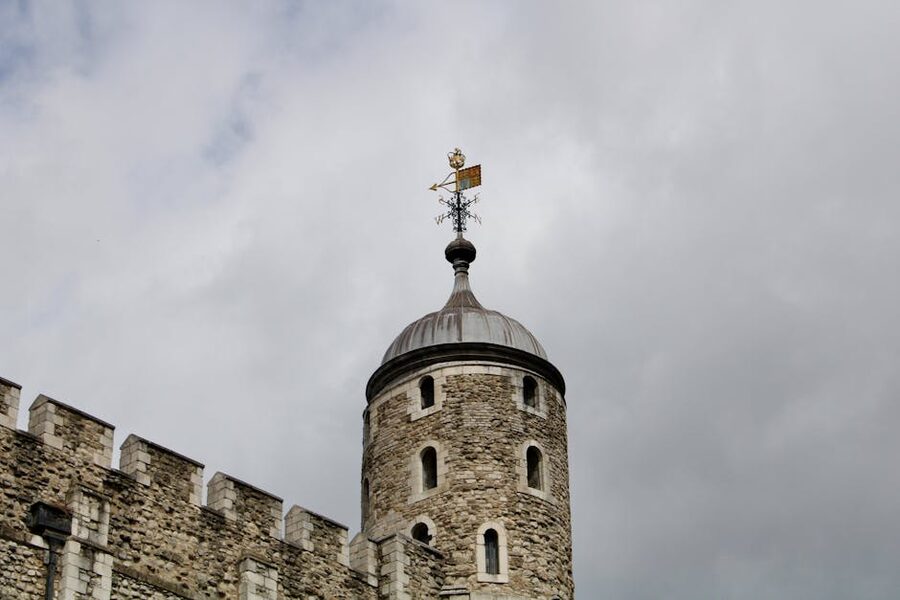
Tower of London (£35.80 walk-up)
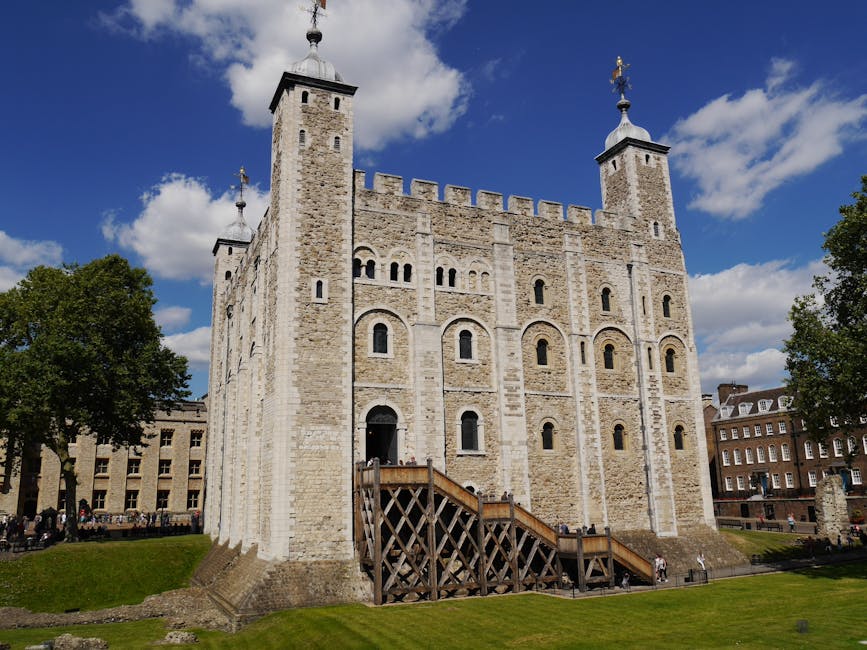
If you do nothing else on the pass, do the Tower. Allow three hours minimum, four if you want the Crown Jewels properly (the queue moves but it can be 30-40 minutes in summer) and a Beefeater tour. Beefeater tours run every half-hour from the entrance and are included with general admission. Our full Tower of London guide covers timing and which entrance to use to skip the worst of the queue.
Westminster Abbey (£26)
The Abbey is consistently underrated by first-time London visitors who think it’s “just a church.” It’s the burial site of seventeen monarchs, Isaac Newton, Charles Darwin, and Stephen Hawking. The Coronation Chair (the actual one, not a replica) sits behind glass in the south aisle. Allow ninety minutes minimum. The audio guide is included and worth using because the building is dense with stories that aren’t obvious from the markers. Our Westminster Abbey ticket guide walks through the timed-entry slots.
St Paul’s Cathedral (£26)
You’re going for two things: the Whispering Gallery (whisper one side, hear it the other, 257 steps up) and the views from the Stone and Golden galleries (a further 271 steps after that). Skip the crypt unless you’re a Wellington/Nelson completist. Two hours is enough. Our St Paul’s guide has the detailed climb-vs-ground-floor advice.
Tower Bridge Exhibition (£13.40)
Cheaper than the rest, but worth doing because it’s a five-minute walk from the Tower of London and you’re already there. The glass floor is the gimmick people remember. The Victorian steam engines downstairs are quieter and weirdly more interesting. Read our Tower Bridge ticket walkthrough for the lift-up schedule, which the pass doesn’t tell you.
Kensington Palace (£25)
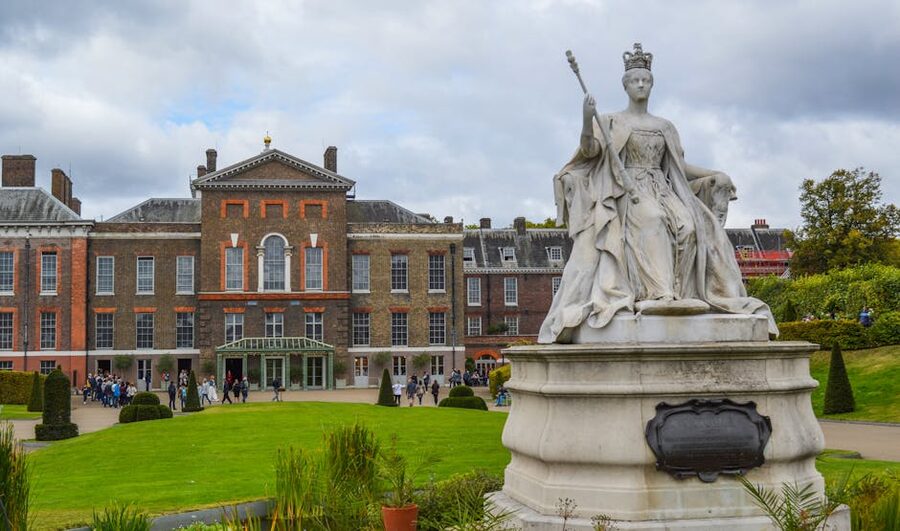
The State Apartments and the Diana exhibition. Smaller than Buckingham Palace and less crowded. The Sunken Garden out front, where Diana’s statue was unveiled in 2021, is free to visit even without the pass. Our Kensington Palace guide has the full layout.
Hampton Court Palace (£28.30)
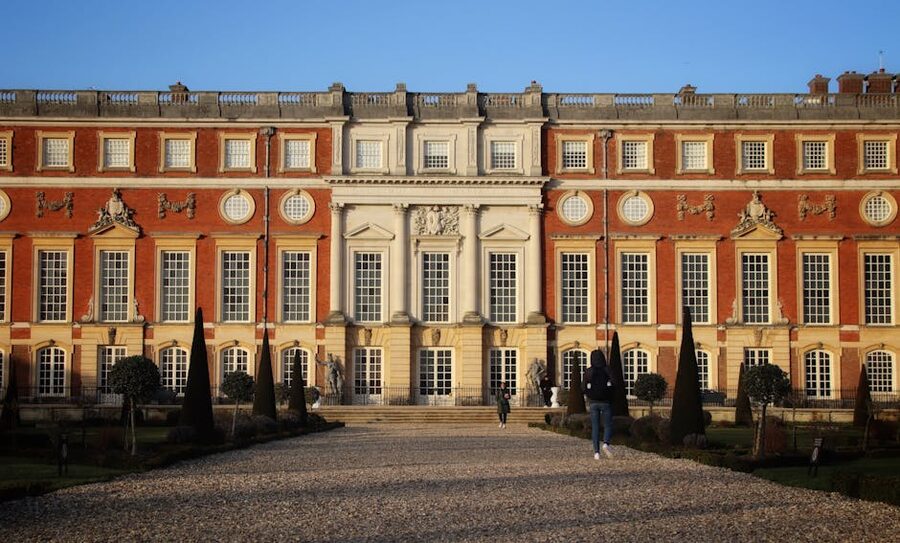
Henry VIII’s former pile, an hour out of central London on the train. The maze, the Tudor kitchens, and the Great Hall. Worth a half-day if you have one to spare on a 3+ day pass. Trains run from Waterloo, the journey is about 35 minutes.
Kew Gardens (£24)

The botanical gardens at Kew, in west London, plus the famous Palm House and Treetop Walkway. Easy half-day. Best in late spring or early autumn. Our Kew Gardens ticket guide has the season-by-season notes.
Thames River Cruise (£25.40)
City Cruises hop-on hop-off river service, four piers between Westminster and Greenwich. Use this as transport between Westminster Abbey and Tower Bridge or Greenwich rather than as a stand-alone “river tour” and you’ll get more out of it. Our Thames cruise guide covers which piers to start at.
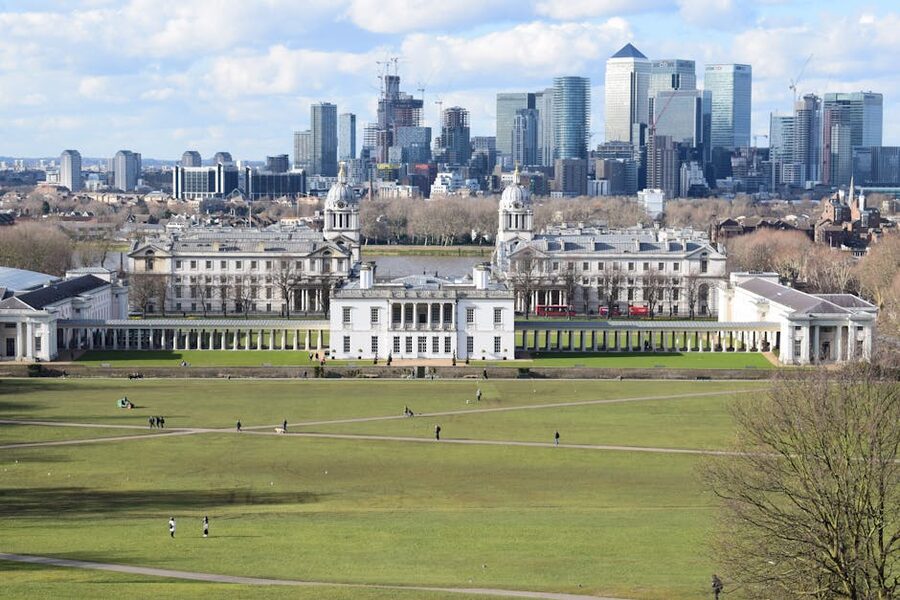
Royal Observatory Greenwich (£24)
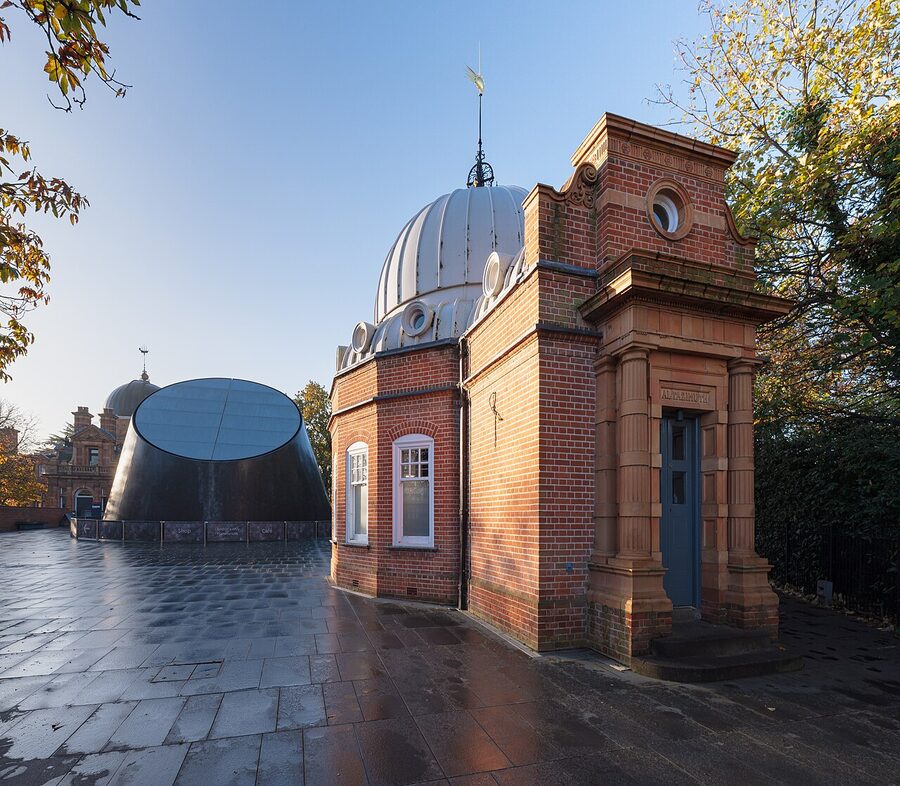

Stand with one foot in the western hemisphere and one in the eastern, on the prime meridian line. The planetarium is extra and not on the pass, just so you know. Half-day if you walk down from the Cutty Sark and through Greenwich Park.
What’s Included That You Probably Don’t Know About
Beyond the obvious headliners, a handful of pass-included attractions are genuinely good and don’t show up on most “things to do” lists:
The Up at the O2 climb. You walk up and over the dome of the O2 Arena on a fabric pathway. Not for vertigo sufferers. Walk-up is around £30 and it’s surprisingly fun, especially at sunset. They run twilight slots that are bookable through the Go City app.
ArcelorMittal Orbit slide. The 178-metre red sculpture next to the Olympic Stadium has the world’s longest tunnel slide built into it. £18 walk-up. Take kids. Take adults too.
Cutty Sark. The 1869 tea clipper, dry-docked in Greenwich. £18 walk-up. Pair it with the Royal Observatory and the Maritime Museum (also on the pass) for a full Greenwich day.
Wembley Stadium tour. If anyone in your group is into football, this is on the pass and the standard tour is £24 walk-up.
Walking tours. The pass includes a long list of guided walking tours: a Jack the Ripper walk, a Beatles walk, Harry Potter locations, a “haunted pubs of the East End” tour. Quality varies but they’re free with the pass and most run two to three hours. Worth booking one for an evening when you’re done with museums.
What’s NOT Included (Read This Before Buying)
This is where most travellers get caught out. The standard London Pass does not include four attractions that virtually every London first-timer wants to do:
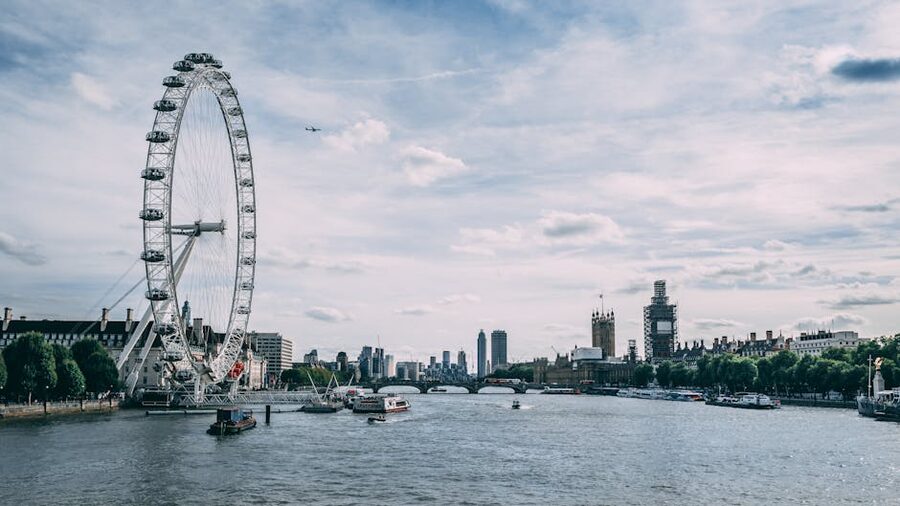
- The London Eye (£29 walk-up). The big wheel on the South Bank. Standard pass: not included. Plus tier: included.
- The View from The Shard (£32). The 72nd-floor observation deck of Western Europe’s tallest building. Standard: no. Plus: yes.
- Madame Tussauds (£42). The waxworks. Standard: no. Plus: yes.
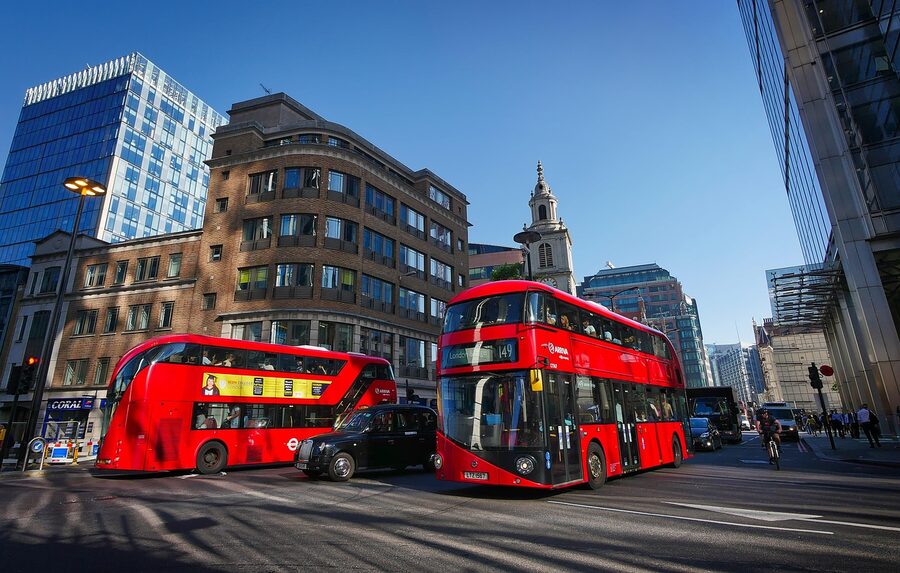
- The Big Bus hop-on hop-off (£40). The red double-decker tour buses. Standard: no. Plus: yes.
If any two of those are non-negotiable for your trip, get the Plus tier. The maths comparison: standard 3-day is £144, Plus 3-day is around £213. The £69 upgrade buys you all four of the above attractions, which would otherwise total £143 walk-up. So if you’re definitely doing two or more of them, Plus pays off.
If only the Eye matters to you, there’s a third option: buy the Eye ticket separately at £29 and stick with the standard pass. That’s often cheaper than the full Plus upgrade. Same logic applies to the View from the Shard if it’s the only one of the four you care about.
How to Actually Use the Pass
The mechanical bits are simple. After you book, the QR code arrives in your email and inside the Go City app. The app is the only thing you actually need on the day. Download it before you fly because central London Wi-Fi is spotty in some attractions and you don’t want to be relying on a screenshot.
The day count starts the first time you scan into an attraction. So if your flight gets in late on Monday and you’re too tired for anything until Tuesday morning, don’t activate the pass on Monday at the airport for a “free” Heathrow Express ride. You’ll have burned a day. Wait until you’re at your first proper attraction.
Most of the headline attractions need a timed slot booked in advance through the app. Westminster Abbey, St Paul’s, Kensington Palace, Hampton Court, Kew, Tower of London. You can usually book a few days ahead but slots for the next morning are often gone by the night before, so plan tomorrow’s first stop the night before. The app does the booking; you don’t pay anything extra, you just lock in the time.
Walk-up attractions (Tower Bridge, the Cutty Sark, smaller museums) just need the QR scan at the entrance. No advance booking needed.
Building a 3-Day Itinerary That Pays Off
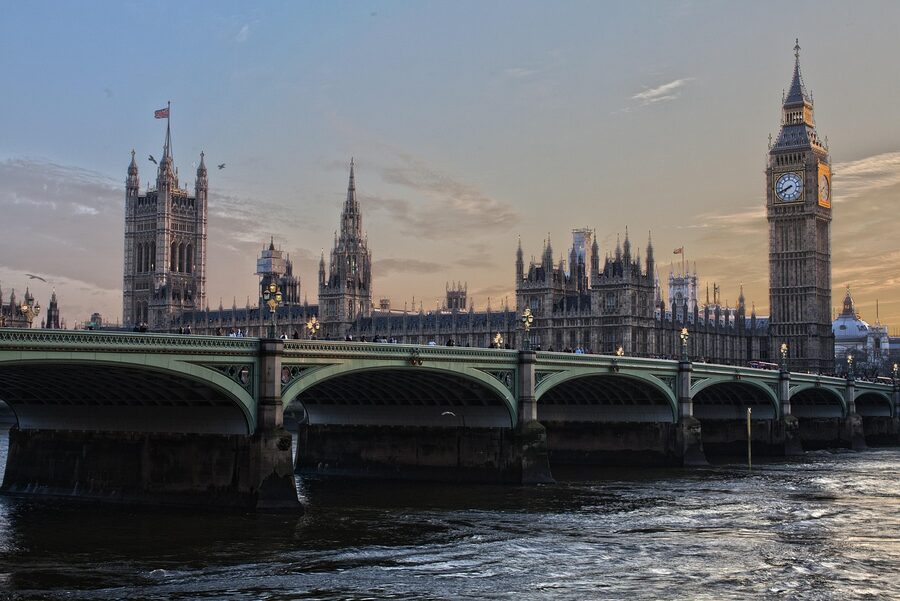
This is the itinerary I recommend to friends doing a first London trip with a 3-day pass. It hits eight pass-included attractions and saves around £100 against walk-up, which is roughly the entire cost of the pass refunded.
Day 1: Tower cluster. Start at the Tower of London at 9am opening. Three hours inside, including Crown Jewels and a Beefeater tour. Lunch at Borough Market or one of the South Bank cafés. Tower Bridge Exhibition mid-afternoon (book the 2pm or 3pm slot the night before). Walk back across the bridge at golden hour. Total: 2 attractions.
Day 2: Westminster + Greenwich. Westminster Abbey at 9.30am (book this in the app the night before, the 9.30 slot is the one you want). St Paul’s at 1pm (use the Underground from Westminster, ten minutes). Take the Thames Cruise from Tower Pier to Greenwich at 3pm. Royal Observatory + Greenwich Park before sunset. Total: 4 attractions.
Day 3: Kensington + a wildcard. Kensington Palace at 10am, an hour and a half. Walk through Hyde Park afterwards. Afternoon: pick one of Kew Gardens, Hampton Court, or the Up at the O2 climb depending on your energy level. Evening: a guided walk (Jack the Ripper or the Beatles), free on the pass. Total: 2-3 attractions.
That’s eight pass-included attractions across three days. Walk-up cost would be roughly £213. The pass costs £144. You save £69 and you don’t queue at any of the headliners because you’ve timed-slotted everything through the app.
The Family Maths
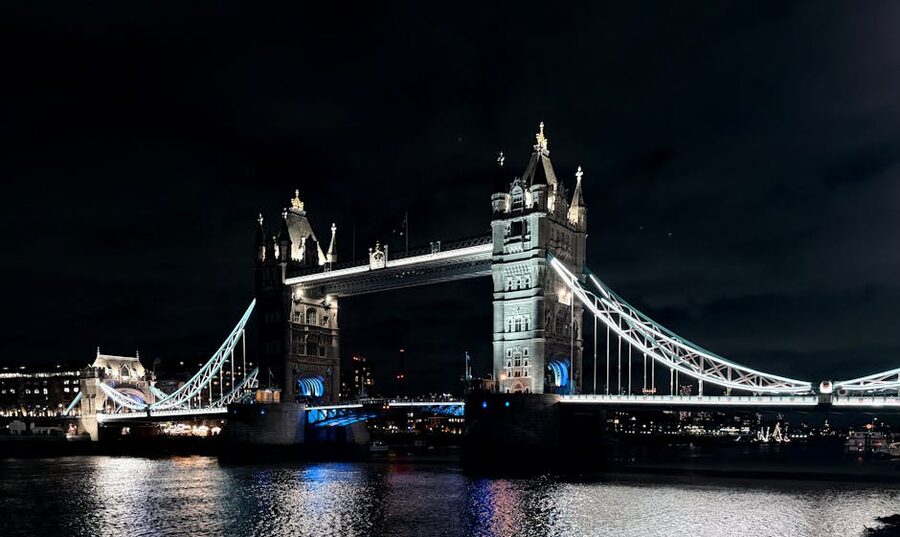
The London Pass is even more lopsided in favour of the buyer when you’re travelling with kids. Child tickets at the headline attractions are £15-£18 each, and a child 1-day pass is around £44. So the break-even on a child pass is roughly two big-ticket attractions per day instead of three. A family of four (two adults, two children) doing a 3-day pass saves something like £150-£200 on the same itinerary above, and that’s before you factor in the kid-pleasing extras (the slide at the Orbit, the Cutty Sark, Madame Tussauds on Plus) that you’d otherwise feel guilty paying full price for.
The cutoff for child pricing is 5-15 years old. Under 5 is free at most attractions anyway, so don’t buy a pass for a toddler. Over 16 pays the adult price. Family bundles aren’t sold separately; just buy the right number of adult and child passes.
How the London Pass Compares to Other City Passes
If you’ve used Go City passes elsewhere, the London Pass is the most expensive in their range, but London also has the most expensive walk-up attractions in Europe, so the proportional saving is roughly the same. The Stockholm Pass works the same way (digital QR, timed entries, fast track at headline museums). The Barcelona Card is mostly a transport card with attraction discounts rather than free entry, so it’s a different thing entirely. The Lisbon Card is closer in concept to the London Pass, but Lisbon’s attractions are cheaper individually so the maths is tighter.
The two closest international cousins are the I Amsterdam City Card and the Copenhagen Card. Both bundle public transport with attractions, which the London Pass does not (you’ll need a separate Oyster card or contactless tap-in for the Tube). Worth knowing if you’re used to those passes covering transport.
The Tour to Book
1. The London Pass by Go City: from $133
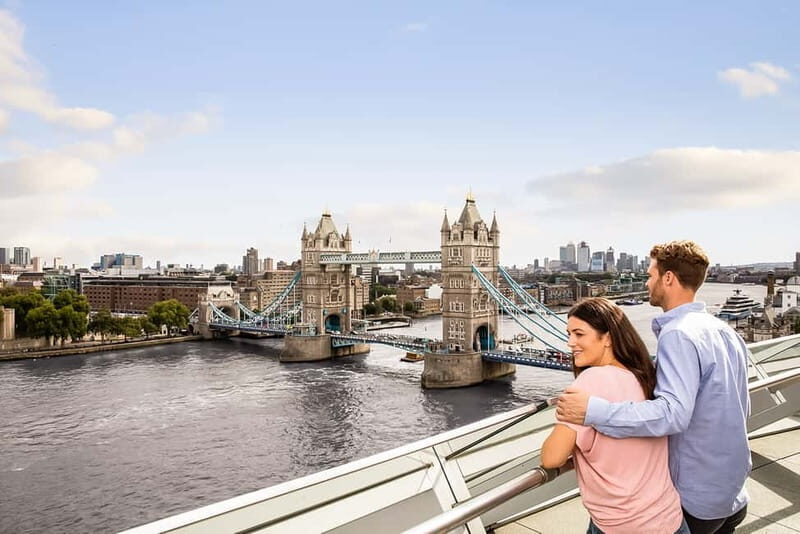
This is the standalone London Pass we’ve used and recommend. Eight duration tiers, digital-only delivery via the Go City app, timed-slot booking for the headline attractions handled through the app. The 3-day at £144 is the sweet spot for first-time visitors; our full review walks through the per-tier maths in more detail. The 1-day is hard to make work unless you’re a marathon-pace sightseer. Skip the 7 and 10-day tiers unless you’re a long-stay business traveller with weekends free.
Check Availability
Note: there’s only one London Pass product, so this guide stops at one tour card rather than the usual three. The relevant alternative isn’t a different operator selling the same pass; it’s deciding between the standard tier and the Plus tier (covered in detail above), or skipping the pass entirely and buying individual tickets if your itinerary is two attractions or fewer per day.
When to Skip the Pass Entirely
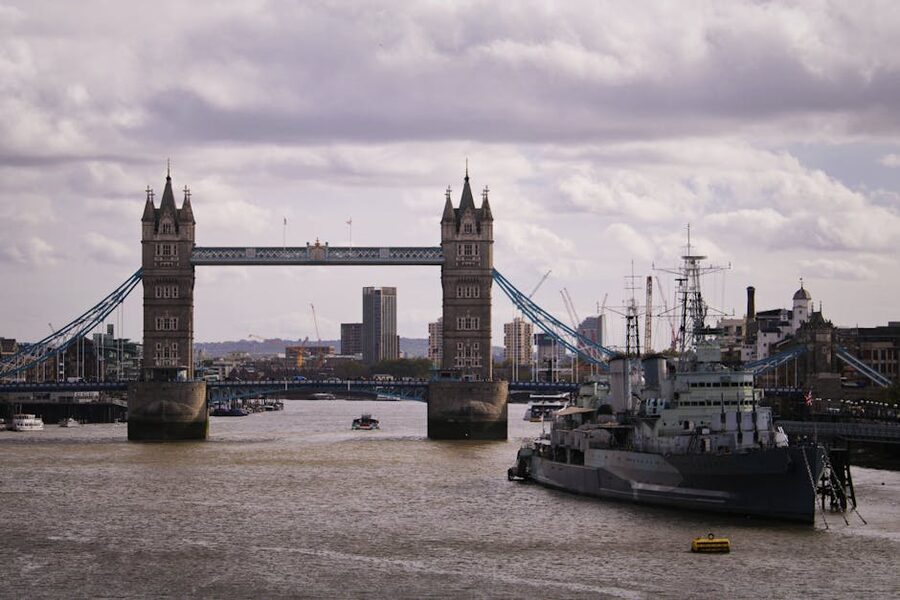
The pass doesn’t make sense in three situations:
One: short trips with a tight focus. Two days in London where you’ve already booked Harry Potter Studios (not on the pass) and a West End show. You have time for one big-ticket attraction and a walk along the river. Buy the Tower of London ticket separately.
Two: when most of your “must-dos” are on the Plus tier only. If your list is “London Eye + Madame Tussauds + Shard + Big Bus” and nothing else, the standard pass is wrong for you. Either go Plus or buy them individually.
Three: when you’re prioritising free things. The British Museum, the National Gallery, the Tate Modern, the V&A, and the Natural History Museum are all free to enter. If your London trip is “free museums + a couple of paid ones,” a pass is overkill.
For most other itineraries, the maths works in your favour. The single biggest mistake people make is buying a longer pass than they need, then padding it with attractions they wouldn’t otherwise have visited, just to “use the pass.” If that sounds like you, downgrade to a 2 or 3-day and save the cash.
Booking Tips and Practical Notes
A few things that aren’t obvious from the Go City website:
Buy in advance, not at the airport. Go City regularly runs 5-15% promo codes that only work on advance bookings. The price doesn’t change at the gate; it just doesn’t get the promo. Book at least a week before you fly.
The pass is non-refundable once activated. Before you scan in, you can usually cancel for a full refund within the validity window (check the terms when you book). After the first scan, you’re locked in. Don’t activate “by accident” at a small attraction on day zero just to test it.
Some attractions have separate fast-track lines. The Tower of London has one. St Paul’s has one. Westminster Abbey doesn’t, so book the timed slot. Tower Bridge doesn’t have a fast-track because the queue is rarely long enough to need one.
Family-of-four bundles aren’t a thing. Just buy two adult passes and two child passes. There’s no separate family discount tier. Group discounts kick in at 6+ passes through Go City Group Sales, but that’s wedding-party territory.
Mobile pass only. There’s no paper option. If your phone dies mid-day, the attraction can usually look up your booking by name and email, but it’s slow. Bring a portable battery.
Other Tickets and Day Trips Worth Looking At
If you’ve decided the pass isn’t for you (or you’re using it and looking for the things it doesn’t cover), the most-asked questions on London tickets we get are about Buckingham Palace, Windsor Castle, and the day trips out of the city. Buckingham Palace State Rooms are only open about 10 weeks per summer when the King is at Balmoral; the rest of the year you can do the Royal Mews instead, which is open most of the year and houses the Gold State Coach. The Changing of the Guard is free to watch outside the gates, no ticket needed.
For day trips out of London, the Windsor + Stonehenge + Bath combo is the classic, and Windsor Castle entry is on the standard London Pass already (handy). If you want the south coast instead, a White Cliffs of Dover and Canterbury day trip takes you to the chalk cliffs and Canterbury Cathedral in a single day. For families, London Zoo in Regent’s Park isn’t on the pass but pairs neatly with Madame Tussauds and the Sherlock Holmes Museum if Plus-tier wax-and-detective stuff is your kids’ thing.
Within central London, the hop-on hop-off bus is on the Plus tier (and worth doing once on day one to get oriented) and the Thames river cruise is on the standard pass. The Shard view, the London Eye, and Madame Tussauds all need the Plus tier or separate tickets. Kew Gardens is the underrated half-day, especially in May.
Some links above are affiliate. We earn a small commission if you book through them, at no extra cost to you. We only link to operators we’d actually book ourselves.