
You hear the breathing first. Slow, low, somewhere off to the right where the spruce trunks blur into shadow, and your guide’s hand goes up: don’t move. Then a shoulder shifts in the brush at maybe forty metres, and a Carpathian brown bear steps into the clearing on legs that look heavier than the whole car you drove up in. The forest is very quiet for a long minute. So are you.
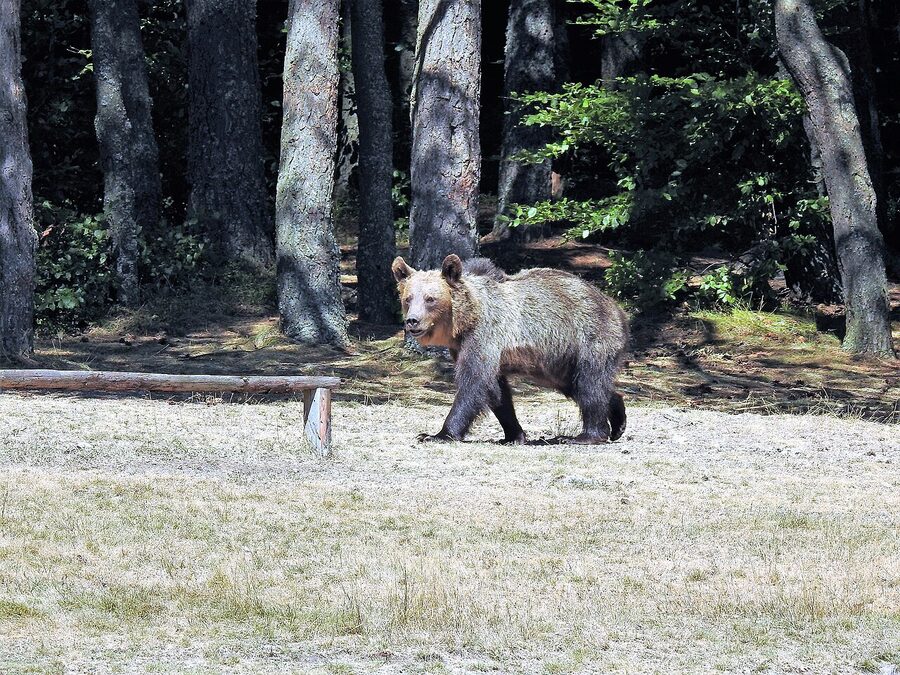
Largest, newest hide: From Brasov: Small-Group Brown Bear Watching Tour, $93. Same product idea, different operator, slightly larger groups in a purpose-built observatory.

- Why Brasov is the place to do this
- How the tour actually works
- Best Brasov-origin brown bear tours
- 1. Small-Group Brown Bear-Watching Experience from Brasov:
- 2. From Brasov: Small-Group Brown Bear Watching Tour:
- When to go (and when absolutely not to)
- What to wear and bring
- The ethics question, briefly
- Where to base yourself in Brasov
- The Bucharest comparison
- What you’ll see besides bears
- How wild are these bears, really
- A short history of bears and Brasov
- Common booking mistakes
- Other things to do around Brasov on a bear evening
- Photography notes
- Pricing and what’s included
- One small warning before you book
- If you only book one Romania experience, this is the one
Why Brasov is the place to do this
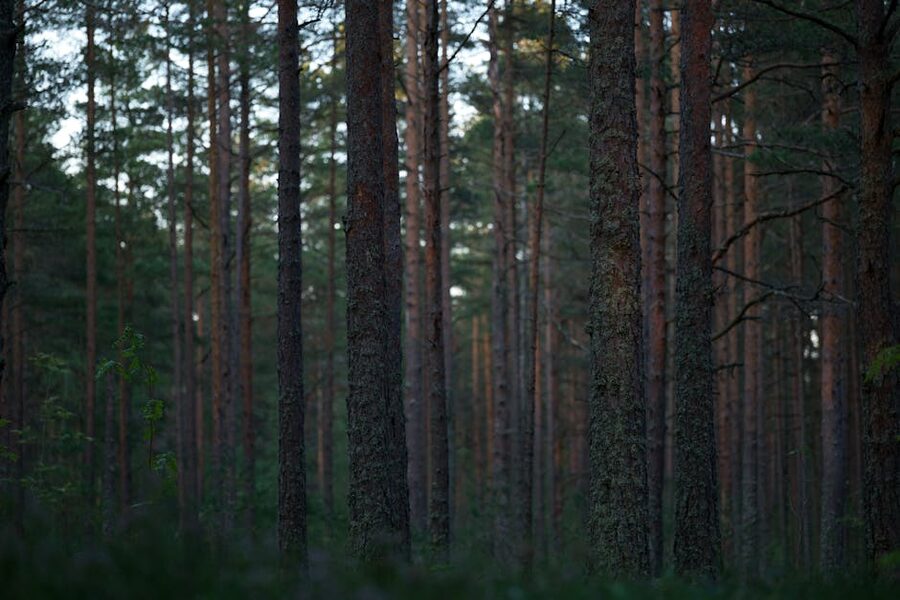
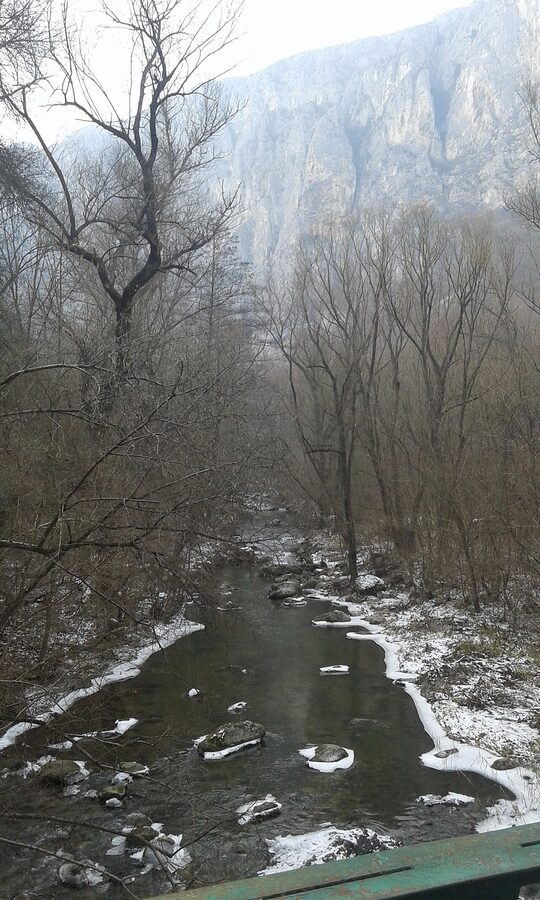
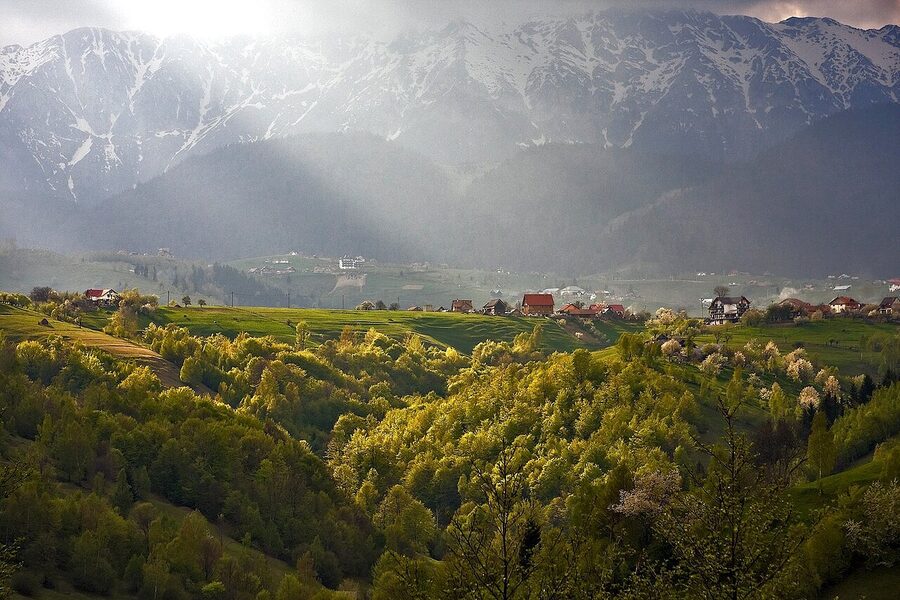
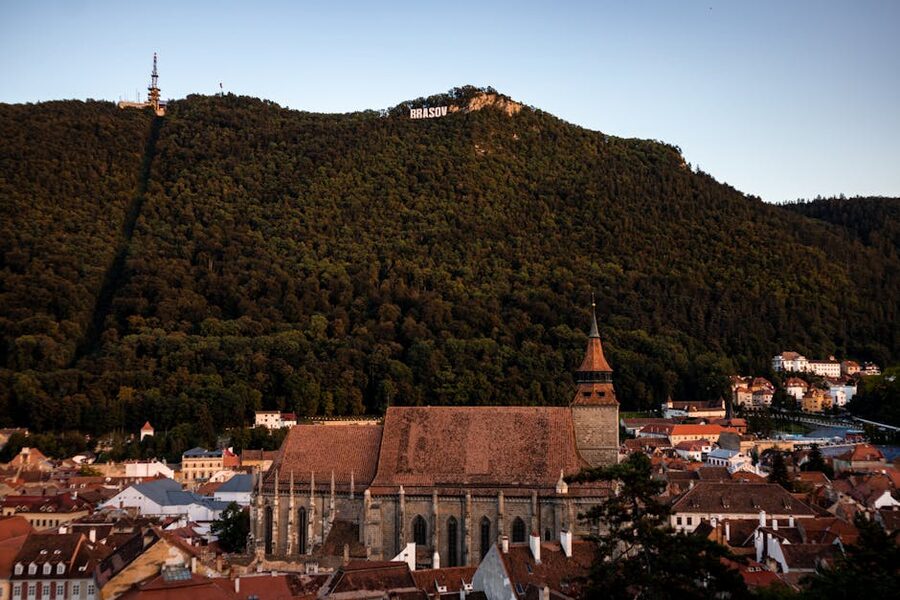
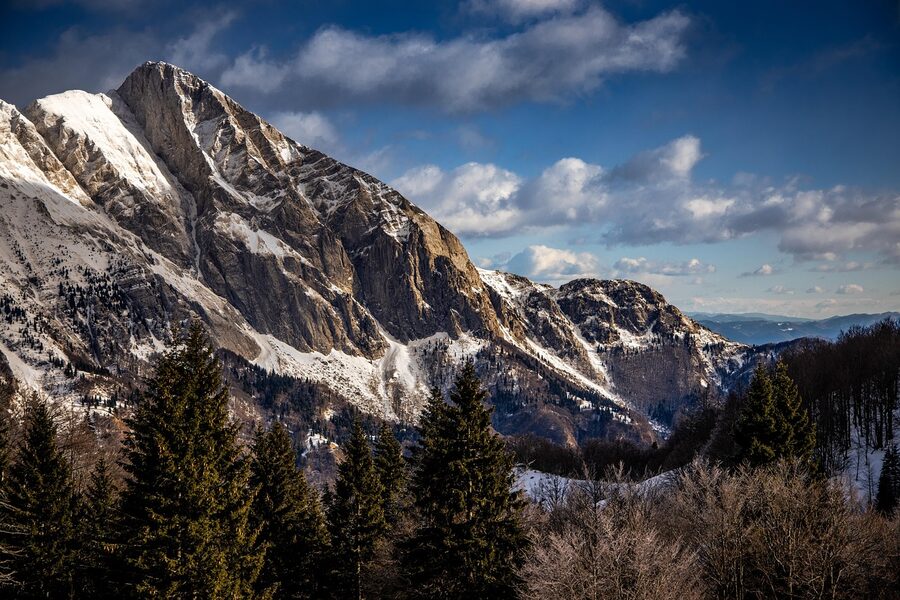
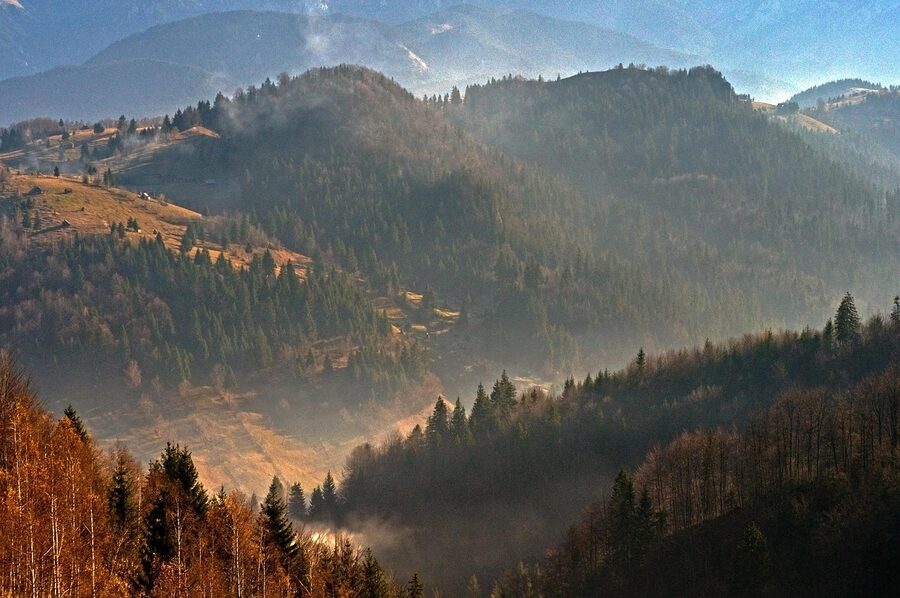
Romania holds about 6,000 brown bears. That’s roughly half of all the wild brown bears living in Europe outside Russia. Most of them live in the Carpathian arc that loops around Transylvania, and the densest patch sits on Brasov’s doorstep, in the forests around Zarnesti and the Piatra Craiului massif.
Translation: you don’t need to drive seven hours into a national park to find them. From the centre of Brasov, you’re in genuine bear country in under an hour. Most operators run hides between Zarnesti and Rasnov, sometimes a bit further south toward the Bucegi range. The hides are real wooden observatories, two storeys, sealed windows on the bear-facing side, set up by hunting associations or wildlife NGOs over feeding clearings the bears already use.
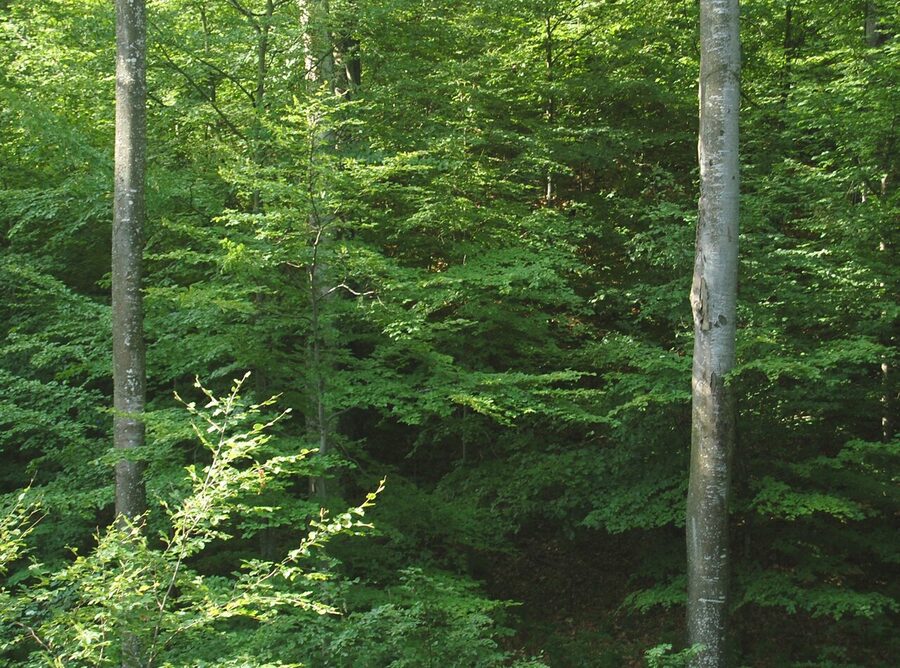

I’ll say the obvious thing: this is wild. Sightings aren’t guaranteed. Reputable Brasov operators quote a success rate around 80 to 90 percent during the active season, which sounds high until you remember that means roughly one trip in seven sees nothing but a slow forest evening. Don’t book this on the last night of your trip and don’t book it expecting a zoo.
How the tour actually works
The shape is the same across operators, give or take an hour:
- 4 to 5 PM: pickup from a central Brasov meeting point or, on some tours, your hotel for an extra fee. Always confirm the meeting point in writing the night before. The mid-afternoon timing is deliberate. Bears come out as the heat drops.
- 5 to 6 PM: the drive south or southwest into the hills, typically toward Zarnesti or the foothills below Piatra Craiului. About 45 minutes from central Brasov to the trailhead.
- Forest walk: a 5 to 15 minute approach through the woods to the hide. Easy. No real hiking. Wear closed shoes you don’t mind getting muddy if it’s been raining.
- The wait: 60 to 120 minutes inside the observatory, in silence, watching the clearing. This is the whole experience. Plan for it to feel slow until it doesn’t.
- 9 to 10 PM: back to Brasov. Most operators get you in around 9, sometimes closer to 10 in midsummer when the bears come late.
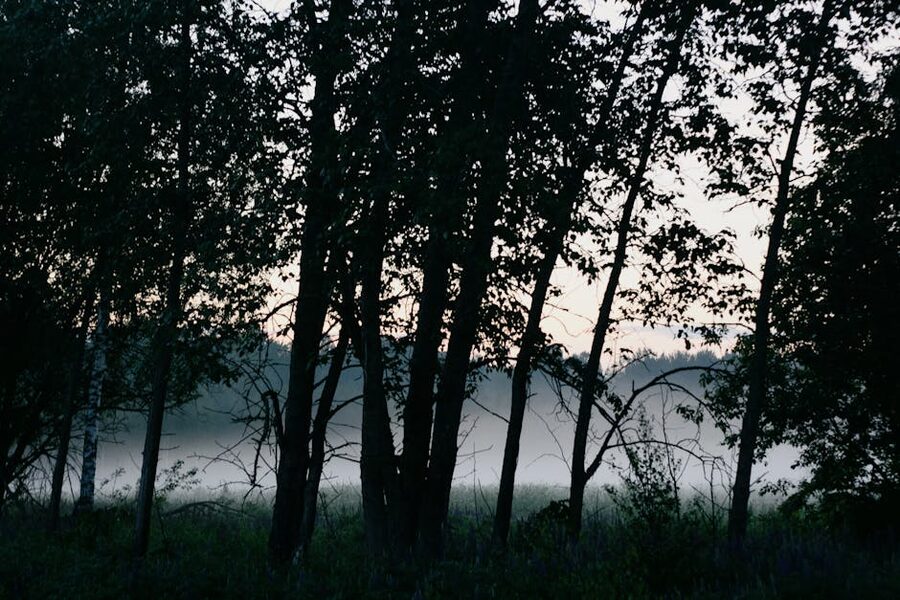
Children under 7 aren’t allowed on either of the headline tours, and there’s no kids’ price even for older children. Group sizes are tight, usually a max of 8 or 10 people in the hide, and you’ll be stuck shoulder to shoulder for two hours, so anyone who can’t sit still and silent should pass. That includes about half the adults you know.
Best Brasov-origin brown bear tours
Two operators have the bear-watching market from Brasov sewn up. Both are worth booking. They run from different hides, with slightly different group sizes, slightly different pricing, and the choice mostly comes down to which one has space on the night you want.
1. Small-Group Brown Bear-Watching Experience from Brasov: $96
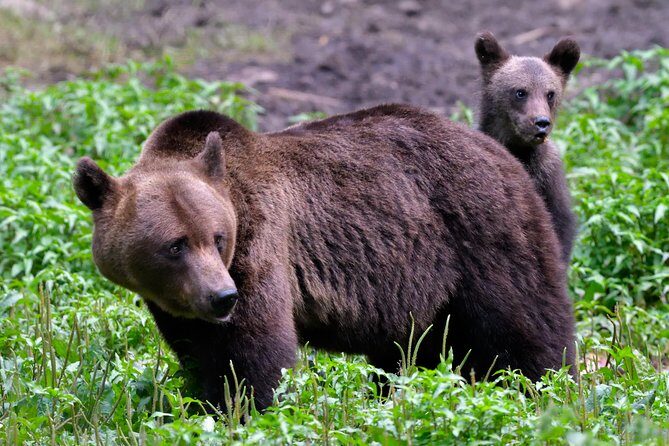
If I had to pick one, this is the one. The guide is a working forest ranger who knows the specific clearing intimately, which translates into knowing where the bears are likely to come in from on a given evening based on wind and recent activity. Three to four hours total, small group, evening pickup. Our full review covers the briefing flow and what the hide actually feels like inside.
Check Availability
Read our full review
2. From Brasov: Small-Group Brown Bear Watching Tour: $93
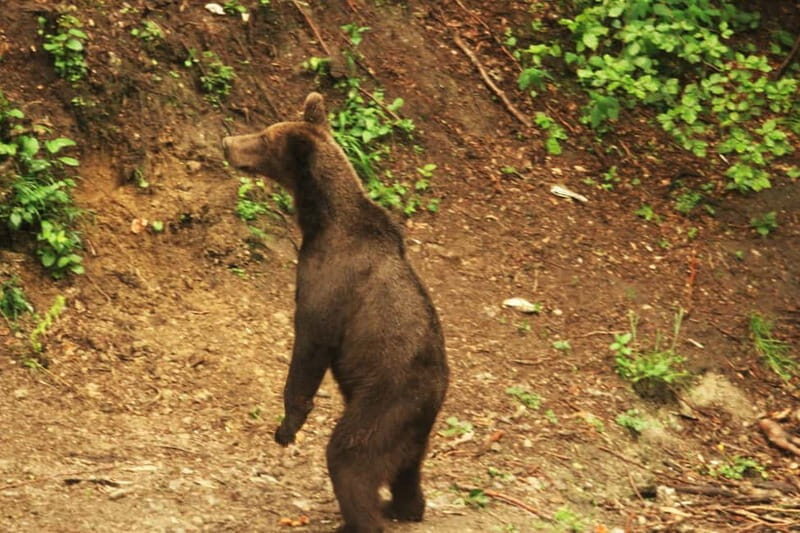
The GetYourGuide alternative, three dollars cheaper, four hours total. Slightly larger group ceiling than option 1, which can mean a fuller hide if it sells out, but the observatory itself is bigger so it doesn’t feel cramped. Read our review for notes on the pickup logistics, which are slightly fussier than option 1.
Check Availability
Read our full review
When to go (and when absolutely not to)
This is the most important section in the article, so I’ll keep it short and direct.
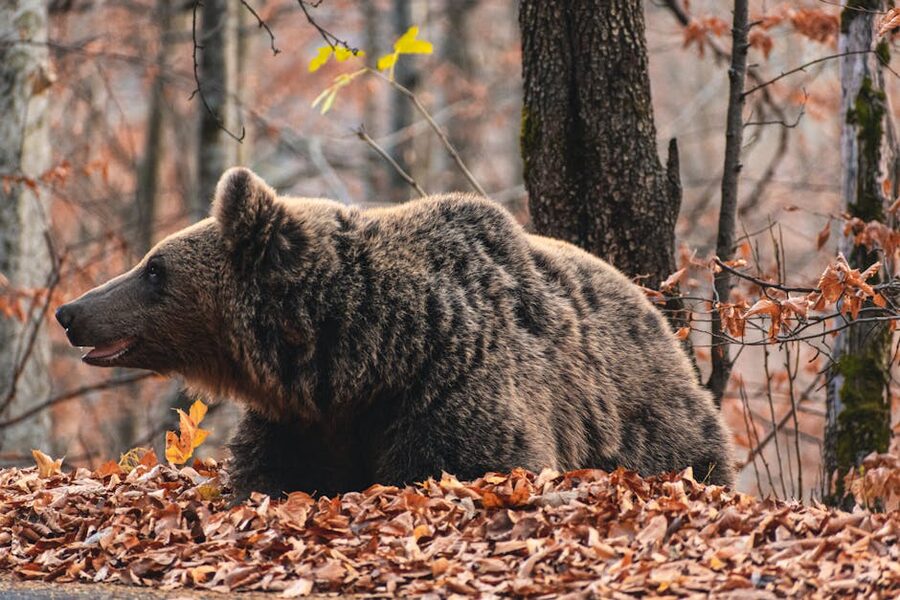
Best: May to early October. Bears are active, they’re feeding, the hides are running. Late August to late September is the peak window because bears are eating constantly to put on winter weight, sightings are most reliable, and the forest is still green or just turning.
Avoid: November through March. The bears hibernate. The tours simply don’t run, and any operator promising winter bear watching from Brasov is either lying or running a feeding-station setup that you don’t want to support. Romanian Friend, the local specialist, posts an explicit hibernation notice on its tour page each year. Look for one. If a tour operator is taking bookings in January, that’s a flag.
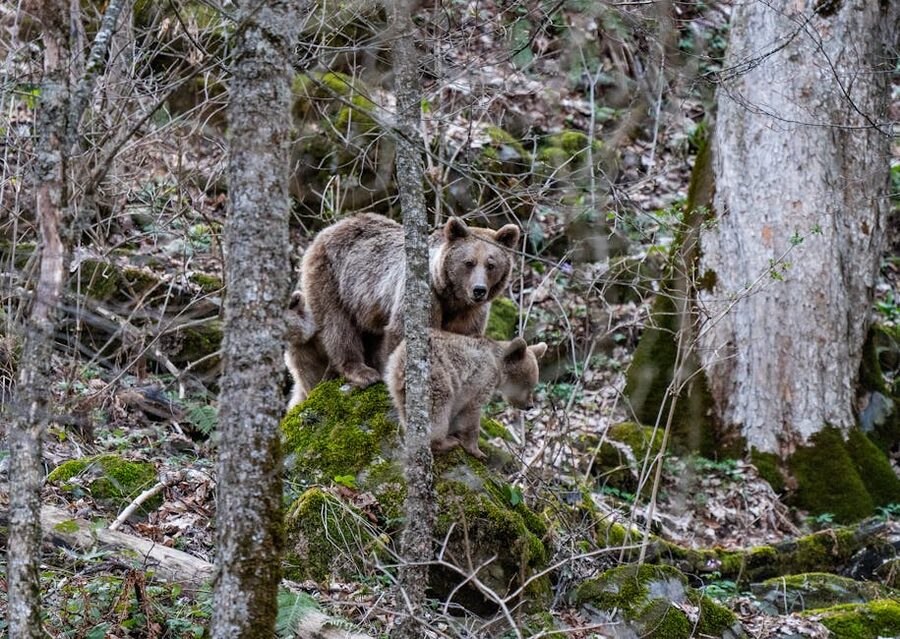
Bad in any season: right after heavy rain. Wet undergrowth muffles bear scent and bears stay back. Most operators will run anyway, but your sighting odds drop by maybe a third. If you have flexibility in your Brasov dates, watch the forecast and pick a dry-ish evening.
What to wear and bring
Pack like a quiet hiker, not a tourist. The hide rules look fussy on paper. They’re not, they’re the difference between seeing four bears and seeing none.
- Dark or earth-tone clothes. No bright colours, no white. The hide windows are sealed but bears can pick up movement and contrast through the slits.
- Layer up. Even July evenings in the Carpathian foothills drop to around 10°C by 9 PM. The hide isn’t heated.
- No perfume, no scented sunscreen, no bug spray applied at the hide. Bears smell better than your dog. Apply repellent in the car, not at the trailhead.
- No food. Eat in Brasov before the pickup. Bringing snacks into a bear hide is exactly as smart as it sounds.
- Water yes, in a non-rustling bottle. Glass over plastic if you have it.
- Camera with no flash, lens cap removed before you enter the hide. Removing it inside makes a click that carries. A 200mm lens minimum if you actually want photos, ideally 300mm. Forget your phone for shots, the light is too poor.
- Binoculars. Provided on most tours but bring your own if you have them. The bears are usually 25 to 50 metres out, which is comfortable naked-eye but binoculars get you into the fur.

The ethics question, briefly
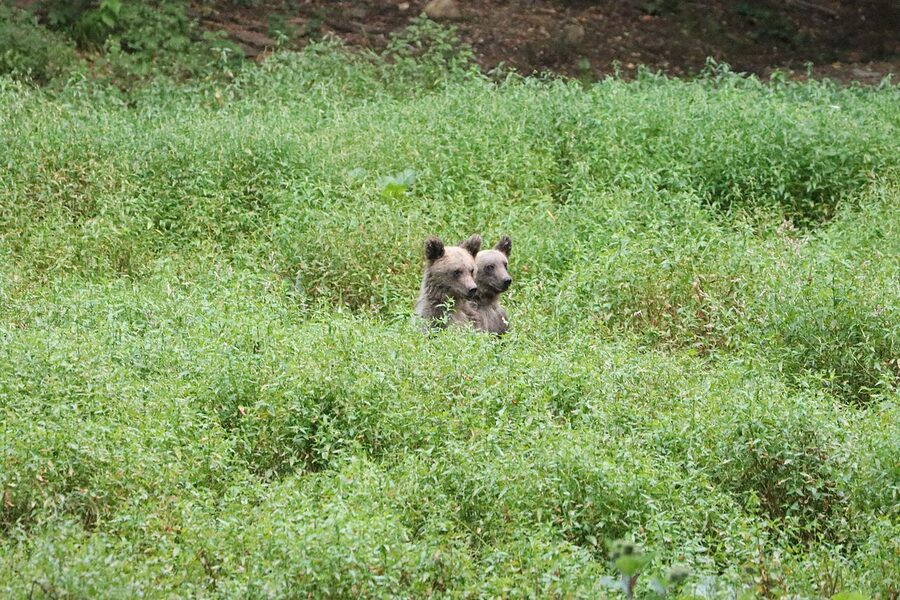
Bear watching from forest hides in Romania uses food. Worth knowing going in. The clearings the hides overlook are baited, sometimes with carcasses left by hunting associations, sometimes with grain or fruit. The bears are wild and free-ranging, but the hide is in a place they associate with food. That’s the whole reason you can sit there and see them.
Two reasonable positions on this. One: the hides predate tourism, they were originally hunting blinds, and viewing has replaced shooting at most of them, which is a clear improvement for the bears. Two: any food-based wildlife habituation is ethically iffy because it changes bear behaviour, and changed behaviour eventually means human conflict.
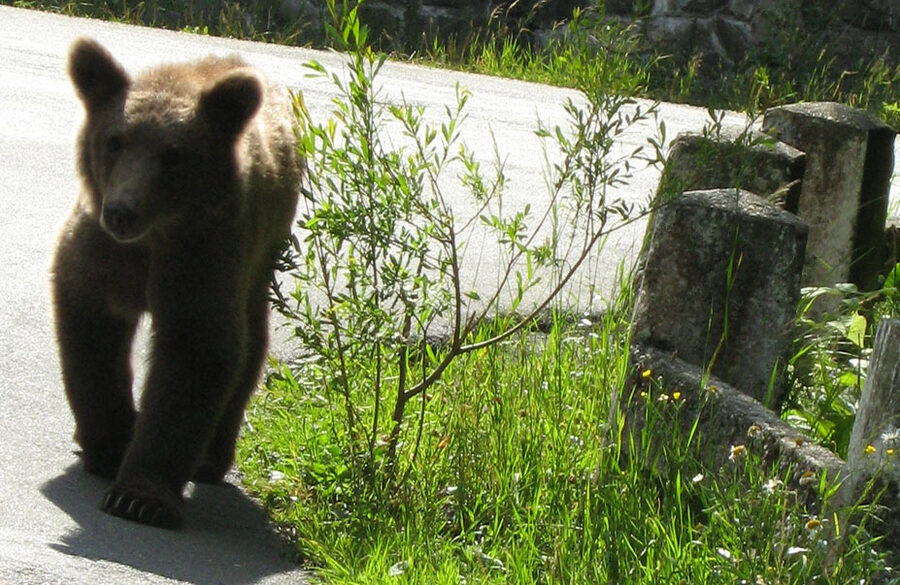
I land closer to position one. The Brasov-area hides aren’t the same as the roadside-feeding-station setups in some Romanian valleys, where bears come up to cars on the Transfagarasan and beg. Those are genuinely bad. Forest hides at 700 metres altitude with no public access and a research or hunting-association operator behind them are a defensible compromise. But the question is fair, and you should bring it up with the guide. The good ones have a clear answer.
.jpg)
Where to base yourself in Brasov
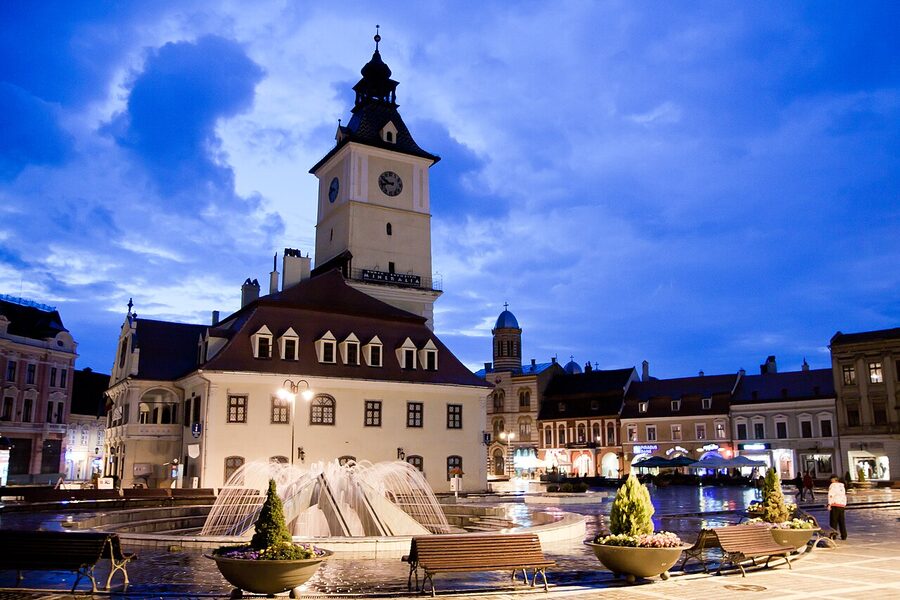
Almost any central Brasov hotel works. Pickup points cluster around Piata Sfatului and the southern edge of the Old Town near the Black Church. If your hotel is in Schei, the southern Saxon quarter, you can usually arrange a hotel pickup for a small extra fee with both operators.

What you don’t want: a hotel out by the train station or in the southern industrial belt. Both add 10 to 15 minutes to your pickup logistics, which doesn’t sound like much, but it can mean a 3:30 PM hotel pickup for a 4 PM meet, eating into your buffer if traffic is bad on Strada Lungă.
The Bucharest comparison
If you’re staying in Bucharest, do not book a bear-watching tour from there. The drive each way is over three hours, the tour itself runs the same hide system, and you’ll be looking at a 1 PM departure from Bucharest to be in the hide by 6. By the time you’re back in your hotel it’s 1 AM. Brasov is the right base by a wide margin.
What does work from Bucharest: the combo day trips that pair Bran Castle, Peles Castle and Brasov. We covered those in detail in the Dracula Peles Brasov day trip from Bucharest guide. If you’re already doing one of those and want bears, the simple play is to add a Brasov overnight at the end and book bear watching for that evening. You see the castles efficiently from a coach during the day, then you sleep in Brasov, then you’re in the hide by 6 PM the next evening with your full day’s energy intact.
What you’ll see besides bears
Brown bears are the headline. They’re also not the only thing in the clearing.
Foxes show up at most hides on most evenings, often before the first bear arrives. Wild boar are common in late summer. If you’re patient and lucky, lynx come through occasionally, though sightings are rare and almost always on the dawn hides rather than the evening ones. Some operators run dedicated dawn lynx-tracking tours; the Brasov bear hides aren’t them.
Roe deer browse the edges. Pine martens sometimes. The clearing is essentially a wildlife crossroads, which is what the hides were built around. The tour is sold as bears, and bears are usually what you see, but the secondary cast is part of why the long evening doesn’t drag.
How wild are these bears, really
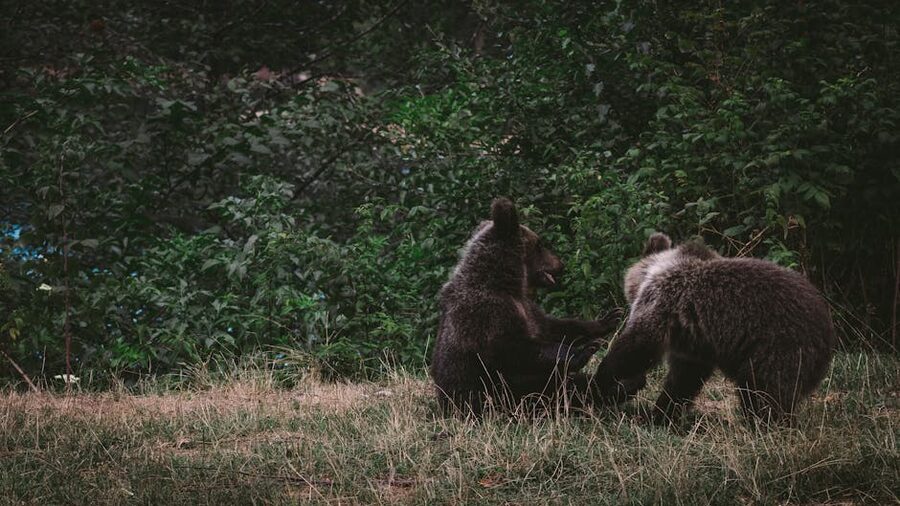
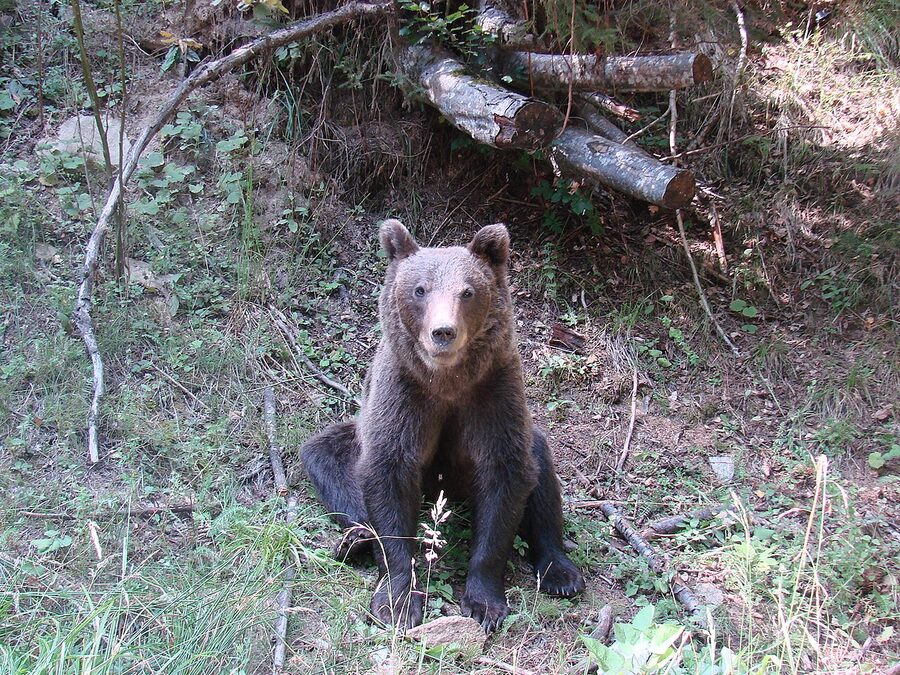
Wild. The food source brings them to the clearing, but they aren’t tame, they aren’t approached, and they aren’t fed by hand. The hides exist because bear-human contact at ground level is genuinely dangerous in Romania. Brasov city itself has had bear incidents in the suburbs every year, and a few of them have been fatal, including a hiker on the Jepii Mici trail in 2024.
The country is debating its bear management policy hard right now. Numbers have grown over the last two decades because of European protection rules, while villages on the forest edge are seeing more conflict than in living memory. None of which affects your hide visit. But it does mean you should take the safety briefing at face value, even when it sounds like overkill.

A short history of bears and Brasov
The Carpathians have always had bears. Bones in the Bears’ Cave near Chiscau go back tens of thousands of years. Vlad III, born in Sighisoara two hours north, hunted bears as a boy. Saxon settlers in Brasov county kept records of bear damage to apiaries from the thirteenth century onward, which is the earliest written paper trail we have on the population.
The modern story starts in the 1950s. Communist-era Romania, under Nicolae Ceausescu, ran an aggressive bear-protection program that was less about ecology than about keeping a hunting reserve for the dictator personally. Ceausescu bagged hundreds of bears himself, but the total population grew from a low of around 1,500 in the early 1950s to roughly 8,000 by 1989. After the revolution, hunting opened up, then shut down again under EU pressure in 2016, then partially re-opened in 2024 after the conflict killings.
The Brasov-area hides were originally part of this hunting infrastructure. The transition from gun-blinds to camera-blinds happened slowly through the 2000s and 2010s, mostly driven by NGOs and small operators realising bears were worth more alive than as a trophy. Both of the tour cards above operate at hides that started life as hunting blinds. They no longer are.
Common booking mistakes
- Booking from Bucharest when you’ll be in Brasov anyway. Already covered above. Don’t.
- Booking the Brasov tour for your last night before flying out. Tours can be cancelled for safety or weather. If yours is your final evening you’ve got nothing in reserve. Build a buffer night.
- Booking in winter. No tour operating between November and March is showing you wild bears. They’re showing you a hibernation den display, a captive bear, or a no-show.
- Booking expecting a guarantee. 80 to 90 percent is excellent. It is not 100 percent. The fee buys the hide and the guide, not the wildlife.
- Booking with kids under 7. Both Brasov-origin operators have a strict 7+ age policy, and there’s no kids’ price. Don’t try to negotiate this at the trailhead.
Other things to do around Brasov on a bear evening
Pickups are 4 to 5 PM, which leaves you a full day to fill before. The natural play is to do something castle-shaped in the morning and rest in the afternoon. From central Brasov, Bran Castle and Rasnov Fortress are both inside an hour and pair into a half-day combo most Brasov-based operators run. We’ve covered the logistics of pairing them in the Bran Castle from Brasov day trip guide. If you’ve already done the bears one evening, that day-trip slots in cleanly the next morning.
If you’d rather go further, the Sighisoara day trip from Brasov works as a full-day pivot, since you’d be back to Brasov by 5 PM with two hours to eat before the bear pickup. It makes for a long day, but it’s possible. The Sibiu sightseeing tour is the same idea if you’ve already swapped your base further west.
Photography notes
Light is the whole problem. You’re shooting at 7 to 9 PM in shade, often through pine canopy, with bears at 25 to 50 metres. Phone cameras can’t. Even a cheap mirrorless will struggle. If photography matters to you:
- Bring a 200mm to 400mm lens, the longer the better.
- Push ISO to 3200 or 6400 and accept the noise. A blurry bear is worse than a noisy one.
- No flash. Ever. Most hides will eject anyone who fires one.
- Shoot through the slit, not through glass. The glass adds reflections. Most hides have small openable shutters.
- Forget video unless you’ve got a stabilised setup. The bears move slowly, so still frames usually capture more.
If you’re not bothered about photos, leave the camera in your bag. Watching bears through a viewfinder is a worse experience than watching them with your eyes, and the photo will be mediocre regardless.
Pricing and what’s included
Both Brasov-origin tours land around $90 to $100 per person. The Romanian Friend equivalent runs about €70, slightly cheaper because it’s a local operator without a marketplace cut, but harder to book if you want guaranteed English-speaking guiding. Hotel pickup is usually €10 to €15 extra.
What’s included: transport from the meeting point, the guide, the hide entry fee. What isn’t: dinner, drinks, photo equipment, hotel pickup beyond the standard meeting point, tips for the guide. Most guides accept a tip in the €10 range from the group collectively, not per person. They’re usually working through hunting season too and the tip matters.
One small warning before you book
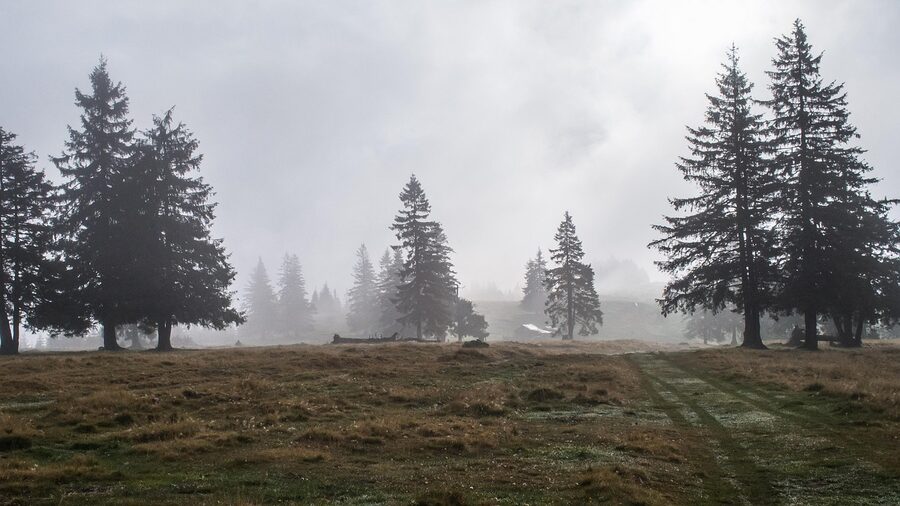
Two hours is a long time to sit in silence in a wooden box if no bears come. The 80 percent sighting rate is real, but the 20 percent is also real. If your group draws the bad night, the hide can feel claustrophobic, and there’s a second-hand-smoke quality to the disappointment of a no-show evening. I’ve sat through one. It was fine. The forest at dusk in the Carpathians is its own thing even without bears, and the guide on my night made it feel like a successful tracking session that just happened not to end with a sighting. Manage your expectations and you’ll be okay either way.
If you only book one Romania experience, this is the one
Other Romania bookings stack up against history, architecture, food, atmosphere. This one stacks up against the actual wild edge of Europe. There aren’t many places left on the continent where you can sit fifty metres from a Carpathian brown bear and watch it eat for an hour. The Brasov hides are the easiest, most reliable way to do that, and the booking is dead simple if you avoid the obvious mistakes above.
Pair this with the Bran Castle day trip from Brasov for a clean two-day Transylvania core, then add the Sighisoara day trip from Brasov if you have a third day. If you’re routing through Bucharest first, the Dracula Peles Brasov combo from Bucharest handles the southern castles in one day so you don’t have to repeat them from Brasov. For other Romania pieces, the Palace of Parliament tickets guide, the Communism walking tour in Bucharest, and the Therme Bucharest spa guide cover the capital. The standalone Bran Castle tickets guide is your fallback if you’d rather skip the day-trip combos and just buy entry. And if you want a wildlife parallel from elsewhere in Europe, the Stockholm moose safari is the closest equivalent in feel.
Affiliate disclosure: some links in this guide are partner links with GetYourGuide and Viator. If you book through them, we earn a small commission at no extra cost to you. It helps fund our research. Pricing and availability change. Confirm both before you book.