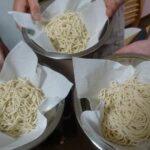
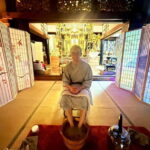
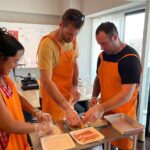
A bowl of matcha is only the beginning here. You’ll learn how to handle the bowl, eat the accompanying sweet, and follow the small courtesies that give a Japanese tea ceremony its rhythm. I like that the instructor teaches the practice step by step, and that the group is capped at 12, so there’s room to follow along and ask questions.
I also like that this is presented as formal instruction, not a quick photo stop in costume. The trade-off is that the ceremony requires attention and punctuality: the venue can change, photography is restricted, and late arrivals may be turned away without a refund.
- What to know before you book
- A lesson in the small courtesies of matcha
- What happens during the one-hour session
- The tea room is formal, but beginners are welcome
- Location changes call for a little extra planning
- Is the price good value?
- Who will enjoy this class most?
- Should you book it?
- FAQ
- How long does the tea ceremony experience last?
- What is the tea room usage fee?
- Where does the class take place?
- Is kimono rental included?
- Can children join the experience?
- Can I take photos during the class?
- The Best Of Osaka!
- More Tours in Osaka
- More Tour Reviews in Osaka
What to know before you book
 1 / 8
 2 / 8
 3 / 8
 4 / 8
 5 / 8
 6 / 8
 7 / 8
 8 / 8
- Learn the etiquette, not just the tea: Expect instruction on history, manners, the sweet, and how to prepare, serve, and drink matcha.
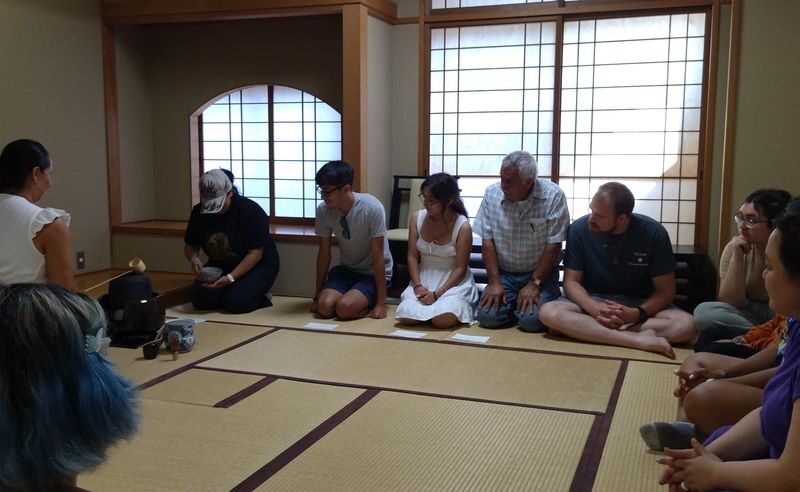
- Small groups, with possible private sessions: The stated group size is 1 to 12. Some bookings may be just your party, depending on attendance.
- Bring cash for the extra fee: The tea room charge is at least ¥1,000 per person, with rates varying by time of day.
- Confirm the venue carefully: The Osaka Castle area room may be unavailable, and the class can move to another Osaka location.
- Kimono rental costs extra: Rental is ¥4,000 per person and requires your measurements and color preference in advance.
- Arrive early and wear socks: The class starts at your booked time, and you’ll need socks for the tea room.
👉 See our pick of the The Top 15 Workshops & Classes In Osaka
A lesson in the small courtesies of matcha
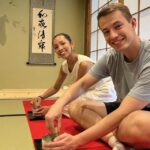
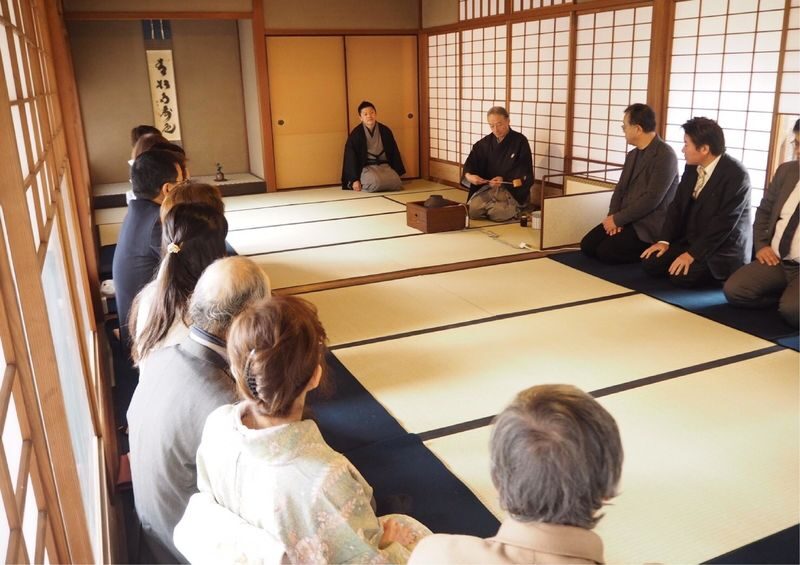
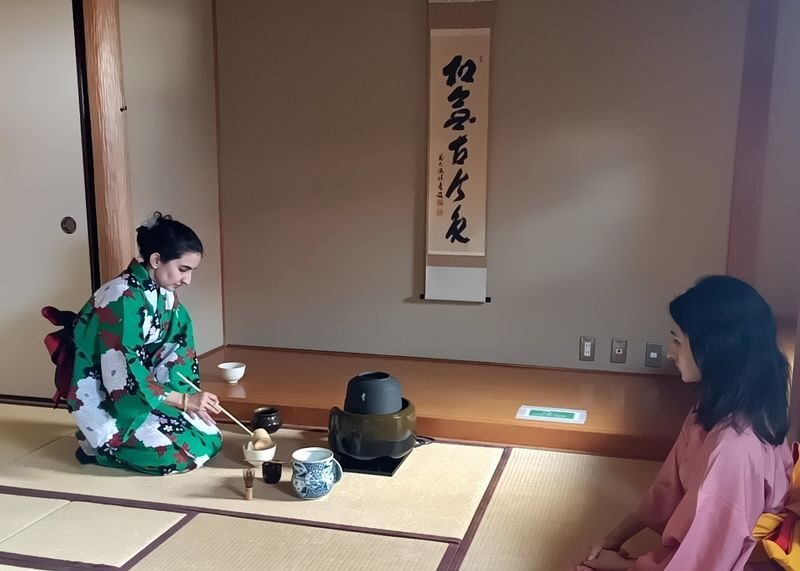
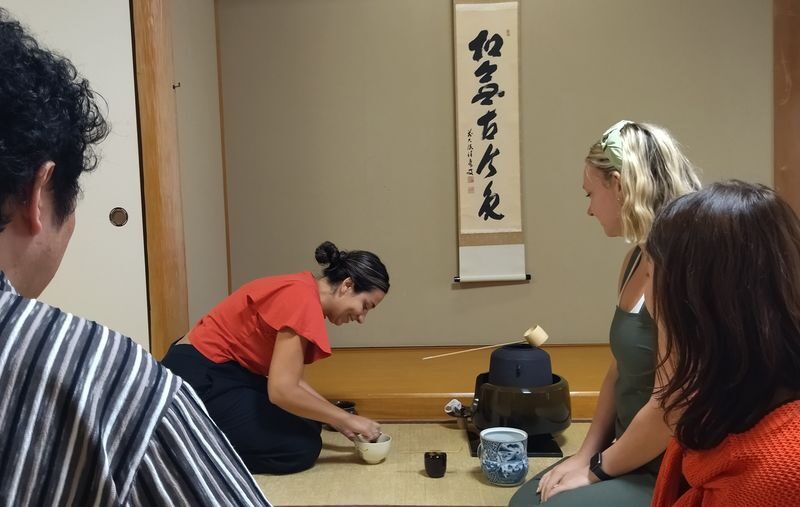
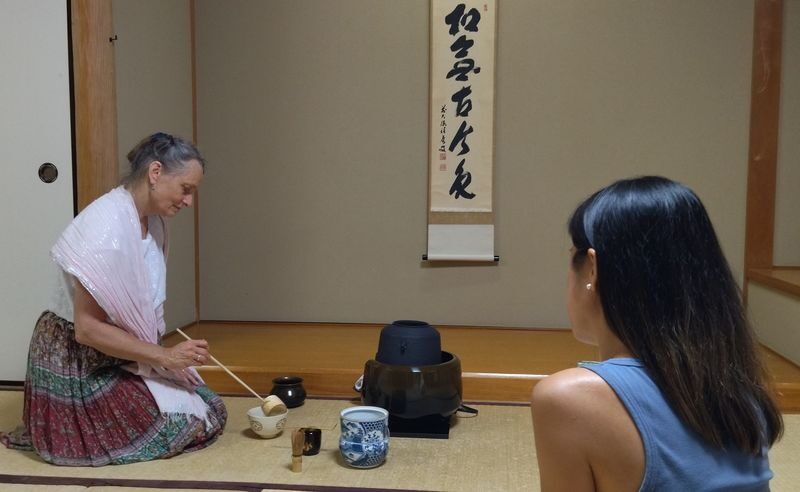
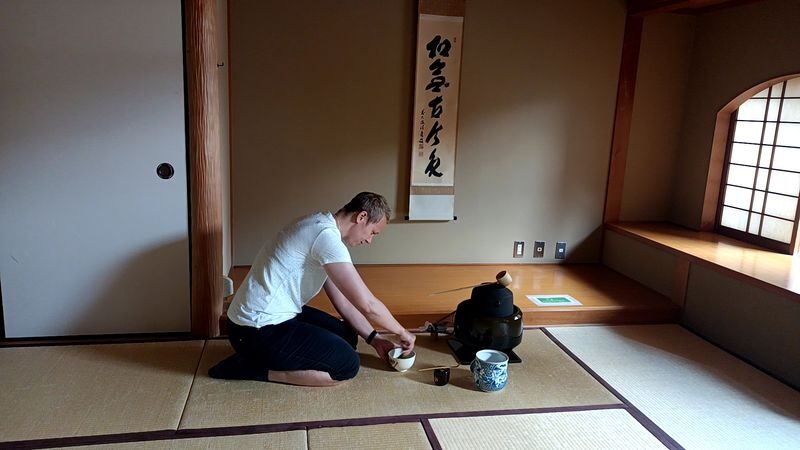
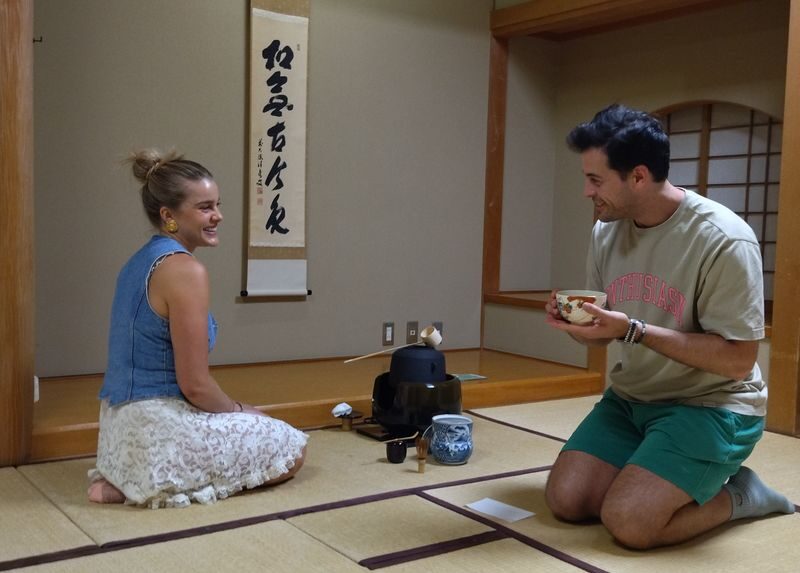
This class is for you if you want to understand what happens around the tea, not simply drink a bowl of it. The instructor explains the ceremony’s customs and history, then guides you through actions such as eating the sweet, holding the bowl, and drinking the matcha. The careful sequence is part of the lesson: the point is to notice how attention and respect shape even simple gestures.
Tea master Ichinari, also identified as Sousei, is named in some descriptions of the sessions. The instructor is a professional who teaches tea ceremony regularly, and the school also teaches Japanese culture in schools, hotels, companies, and community settings. That working background matters if you want clear instruction rather than a loosely organized demonstration.
English-speaking staff are included, and the instructor’s explanations are a recurring strength of the experience. You can expect a class with context as well as practice, though the pace and exact amount of hands-on time may vary. One attendee wished for more time to prepare the tea after the explanations, so if making matcha is your main interest, ask how much of the session is devoted to practice.
You can also read our reviews of more tours and experiences in Osaka.

What happens during the one-hour session
The advertised activity lasts one hour. You meet at the assigned location, then spend the session learning about Japanese tea culture and taking part in the ceremony. It is not a guided tour of Osaka, and there is no tour guide included. Think of it as a focused cultural class, with the instructor leading the lesson.
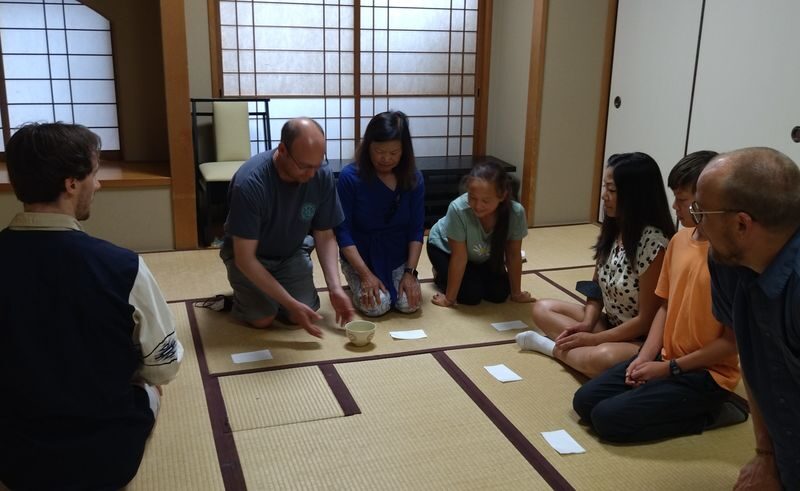
The session may begin with background on tea ceremony and its traditions. You then learn the manners around the sweet and matcha, including how to handle and drink from the bowl. You’ll also have an opportunity to take part in preparing and serving tea. The experience is designed to be instructional, so don’t expect a long, unstructured tea break.
The sweet is a small but useful part of the lesson. It gives the ceremony another step to understand, and helps explain why the order of eating and drinking matters. Matcha and a sweet are part of the experience, though the exact sweet may vary. One attendee praised the matcha, but taste is personal, and the class is more about learning the practice than sampling a range of teas.
Some sessions have been described as lasting around an hour and a half, while the stated activity duration is one hour. Plan around the booked hour, and leave a little flexibility if your schedule allows. Don’t build a tight connection or another timed activity immediately afterward.
The tea room is formal, but beginners are welcome
The class is described as authentic and not casual. That doesn’t mean you need prior experience. The instructor walks you through the steps, and the activity is recommended for people who want to learn the correct customs. You’ll be asked to focus on the ceremony rather than treat it as a backdrop for photos.
Photography without permission is prohibited. Since the class is meant to keep your attention on the lesson, plan to put your phone away unless the instructor says otherwise. One account describes photos being taken for participants, but the general rule is that unauthorized photography is not allowed. Ask before taking pictures or expecting someone else to take them.
You’ll sit on tatami for at least part of the experience, and that can be uncomfortable if sitting on the floor is difficult. Cushions have been available, and a chair and low table have been provided for a participant with a bad back, but don’t assume every room has the same setup. Contact the operator in advance if floor seating is a concern. Socks are required, so wear a clean pair that you’re comfortable sitting in.
Location changes call for a little extra planning
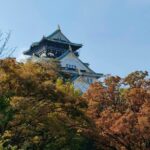
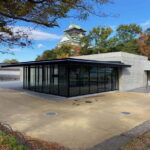
The class is sold as the tea ceremony experience near Osaka Castle, but that room is not guaranteed. Depending on availability, the session may move to a classroom in Hommachi, Shitennoji, or Osaka Minami. Other locations in the school’s network include Hirakata and Kyoto Uji. A location change is especially important if you’ve planned your day around the castle or already arranged a taxi.
The supplied location details name Kureo Osaka East, the Osaka Municipal Center for Gender Equality Eastern Building. They also give directions and an address for Japanese Culture Precious Wood at 2-1-21 Shigiononishi, Joto-ku, near Osaka Castle. Since those details do not read as one simple, unambiguous meeting point, check the final venue and directions in your confirmation email before setting out. The Hommachi classroom, if used, is described as walking distance from Hommachi Subway Station.
For the Osaka Castle area location, the directions describe a walk of about 10 minutes from JR Kyobashi’s south exit or Osaka-jokoen Station, and about 10 minutes from Osaka Business Park Station. Kyobashi on the Keihan line is listed as about a 15-minute walk. These are useful starting points, but the final room assignment matters more than the general area. The class meets on site, on the second floor, and signage may not be obvious, so arrive five minutes early and confirm where to go.
The operator can change the date or time due to facility circumstances. Check your registered email for updates, particularly if you’re booking around October 2, 3, 5, 10 to 14, 16, 17, 19, 20, 23, and 26 to 28, 2026, when venue changes are specifically flagged. Give yourself time to read any update and adjust your route.
Is the price good value?
The base price starts at $24.65 for an hour, but that is not the full on-site cost. You must also pay a tea room usage fee of at least ¥1,000 per person in cash. The exact charge varies by time of day, so budget for more than the listed starting price and bring yen. This extra charge is easy to overlook when comparing activities.
For the total, you’re paying for direct instruction from a professional tea master, cultural context, and the chance to take part in the steps rather than watch a brief performance. The group limit of 12 is helpful, and a small booking may turn into a private session. The class is a stronger value if learning the etiquette and history matters to you. If you mainly want a quick cup of matcha or a kimono photo, a more casual option may suit you better.
Kimono rental is an optional ¥4,000 per person. A take-home kimono plan starts at ¥8,000 per person. Both are separate from the class price, and rental must be arranged in advance. You need to provide each participant’s gender, height, size, and preferred color as a reference; the operator says it cannot fulfill the rental request without that information.
The school describes itself as having six classrooms across Osaka and Kyoto and experience teaching groups of different sizes, from small parties to large bookings. Those credentials suggest an established operation, but they don’t remove the need to check your own session’s venue, timing, and group format. The practical details will have more effect on your visit than a long list of past events.
Who will enjoy this class most?
Book it if you’re curious about Japanese tea ceremony as a practice, and want someone to explain the customs instead of leaving you to guess. It suits first-time participants, culture-minded visitors, and people willing to slow down for a formal hour. Families can consider it too: children aged 2 and up can participate, and children aged 0 to 2 are free, but infants and children must still be included in the passenger headcount.
It may be a poor fit if you’re likely to arrive late, need a fixed location without changes, or want unrestricted photography. The late policy is strict: late arrivals and no-shows are not refunded. One participant who struggled to find the room after a taxi drop-off could not join once late, which is a good reason to rely on the confirmed directions rather than simply telling a driver the general Osaka Castle area.
Should you book it?
I’d book this class if you want a real lesson in tea ceremony manners and history, and you’re comfortable with a formal setting. Its strongest appeal is the chance to learn the meaning behind the gestures from a professional instructor, with a small group rather than a large demonstration.
Before paying, make sure the extra room fee fits your budget, check whether you’re asking for a kimono, and confirm the exact venue and meeting point by email. If those details are clear and you can arrive early, this is a worthwhile way to spend an hour in Osaka. If you want a casual, photo-first tea stop, choose another experience.
Authentic Tea Ceremony Experience in a Tea Room (Osaka)
“Exceptional, elegant, respectful, and above all, educational about the country hosting us, thanks to its host.”
FAQ
How long does the tea ceremony experience last?
The stated duration is one hour. Some sessions may run longer, so leave a little flexibility if your plans allow.
What is the tea room usage fee?
The fee is at least ¥1,000 per person, payable in cash at the venue. Rates vary by time of day.
Where does the class take place?
The experience is sold as a class near Osaka Castle, but the room may change to another classroom, including locations in Hommachi, Shitennoji, or Osaka Minami. Check your confirmation email for the final venue and directions.
Is kimono rental included?
No. Kimono rental costs ¥4,000 per person and must be requested in advance. You need to provide the participant’s gender, height, size, and preferred color.
Can children join the experience?
Participants must be aged 2 or older. Children aged 0 to 2 are free, but infants and children must be included in the passenger headcount.
Can I take photos during the class?
Unauthorized photography is prohibited. Ask the instructor before taking any photos.