A clear lake, a steaming volcanic valley and a crater-born mountain all fit into this Sapporo day trip. I like the striking contrast between Lake Shikotsu’s quiet water and the sulfur vents of Noboribetsu Hell Valley, and I like that a guide and vehicle make these far-flung sights possible without a rental car.
The trade-off is time: expect a long day, several bus rides and short visits at some stops. I’d choose this for a broad first look at Hokkaido’s volcanic scenery, not for a slow visit to any one place.
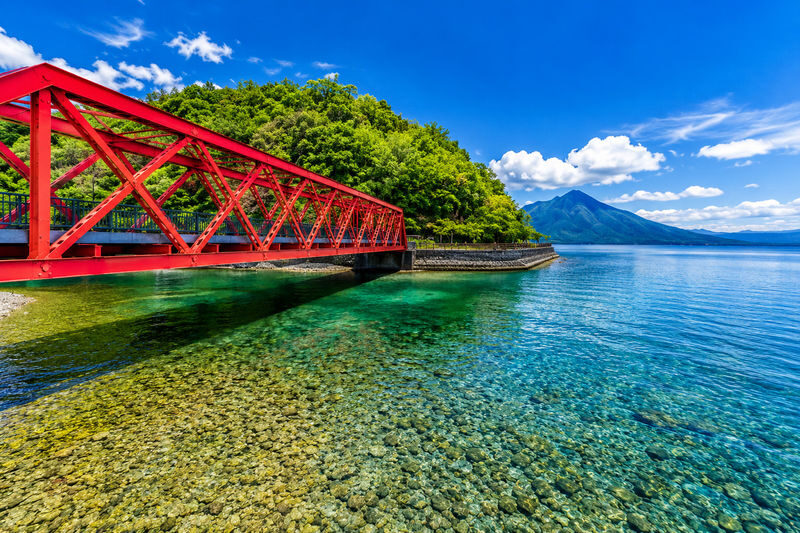
- Lake Shikotsu opens the day with about 30 minutes to take in its clear water and mountain setting.
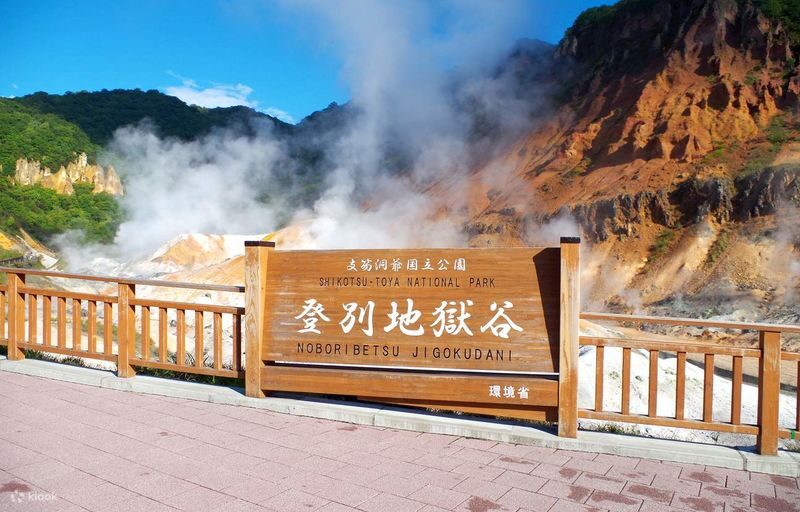
- Hell Valley is a compact, dramatic walk among steaming ground, sulfur smells and bare volcanic rock.
- Showa Shinzan and Lake Toya share the afternoon, but bear ranch and ropeway tickets cost extra.
- Winter changes the final stop: the Silo Observation Deck may give way to a longer snowmobile stop, and a separate seasonal option visits the Lake Shikotsu Ice Festival.
- The route is a practical trade: transport from Sapporo saves you from arranging several distant stops yourself, but the drive takes a substantial part of the day.
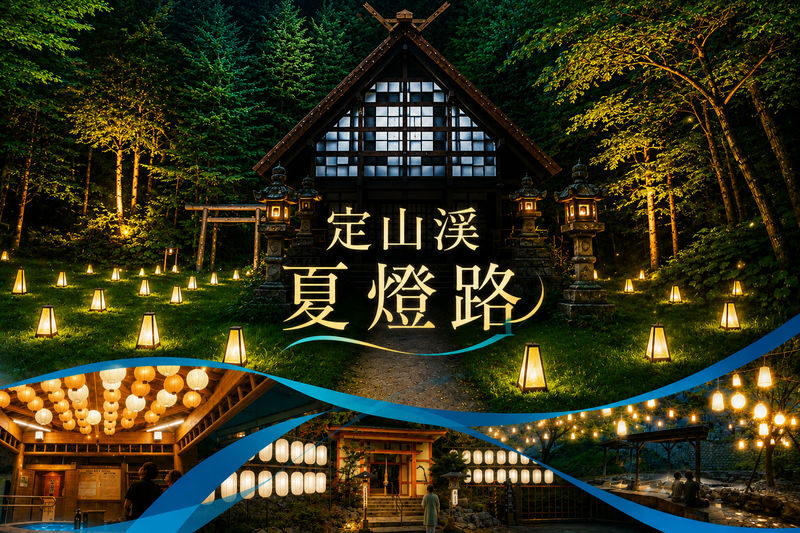
- Check the package name closely: Mount Yotei, Takahashi Farm, Kyogoku spring water and Jozankei’s lantern route belong to other seasonal options, not the standard route described here.
- A one-day sampler of Hokkaido’s volcanic country
- Lake Shikotsu: a brief first look
- Noboribetsu Hell Valley: steam, sulfur and bare rock
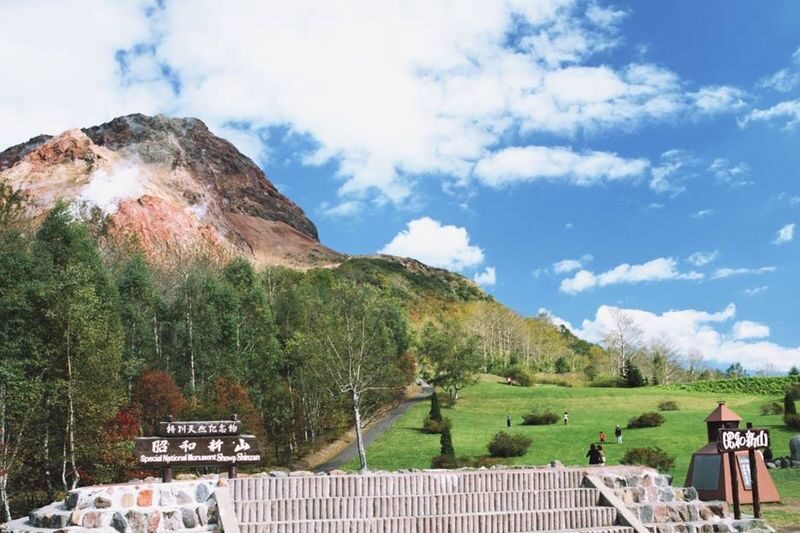
- Showa Shinzan: a young volcanic dome
- Lake Toya: free time for a walk and lunch
- Silo Observation Deck and the winter snowmobile option
- What the seasonal options really change
- Guides, transport and the long ride
- Price, extras and who gets good value
- Small details that make the day easier
- Should you book this Hokkaido day trip?
- FAQ
- Where does the tour depart from?
- How long is the tour?
- Which places are included in the standard route?
- Are Mount Yotei and Takahashi Farm included?
- Are food and attraction tickets included?
- Is snowmobiling included in the price?
- What languages does the guide speak?
- Can infants join the tour?
- What happens if the weather changes the schedule?
- The Best Of Fujiyoshida!
- More Tours in Fujiyoshida
- More Tour Reviews in Fujiyoshida
A one-day sampler of Hokkaido’s volcanic country
 1 / 10
 2 / 10
 3 / 10
 4 / 10
 5 / 10
 6 / 10
 7 / 10
 8 / 10
 9 / 10
 10 / 10
This is a big loop from Sapporo, with a 7:50 departure and a planned return around 17:30, sometimes as late as 18:00. Along the way, the route links Lake Shikotsu, Noboribetsu Jigokudani, Showa Shinzan and Lake Toya, with a stop at the Shikotsu-Toya National Park Silo Observation Deck in the summer schedule.
The appeal is variety. You move from a lakeshore to a geothermal valley, then to a volcanic dome and another lake. Each place has a different character, and together they give you a useful sense of how much volcanic activity has shaped this part of Hokkaido.
But do not confuse a full schedule with a leisurely one. The listed stop times range from 20 to 80 minutes, while several drives take close to an hour or more. I’d think of this as a sampler: enough time to walk, look around and take photos, but not enough to explore every trail, ride or attraction at each stop.
There are multiple seasonal packages under the same broad tour name. The standard route detailed here does not automatically include every place promoted among the other options. In particular, Mount Yotei, Takahashi Farm, Kyogoku’s spring-water park and Jozankei’s summer lantern route are associated with separate versions. Confirm the precise package and stops for your date before paying.

👉 See our pick of the 8 Most Highly Rated Private Driver Services In Fujiyoshida
Lake Shikotsu: a brief first look
The bus takes about 1 hour 20 minutes to reach Lake Shikotsu, where the scheduled stop is around 30 minutes. The lake is known for clear water and a setting shaped by volcanic peaks. It is described as non-freezing, even in a cold region, which helps explain its appeal in different seasons.
Half an hour is enough to stretch your legs, take in the view and make a few photographs. It is not enough for a long walk or an extended lakeside visit. If you want to linger, treat this stop as an introduction rather than the day’s main event.
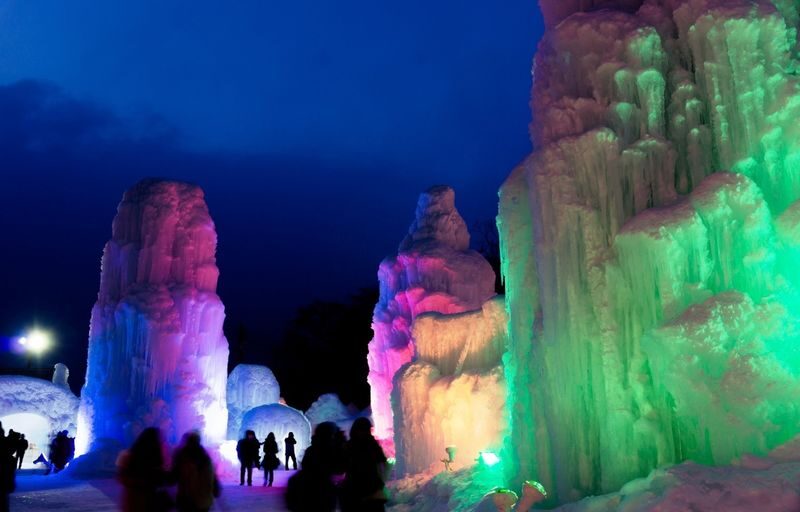
In winter, a separate option may add the Lake Shikotsu Ice Festival, with ice structures lit at night. The supplied information gives festival dates around late January to late February, but the exact dates vary by package and year. Check that your selected departure includes festival entry and the right date; admission is at your own expense.
You can also read our reviews of more tours and experiences in Fujiyoshida.
Noboribetsu Hell Valley: steam, sulfur and bare rock
From Lake Shikotsu, the drive to Noboribetsu Jigokudani takes about 1 hour 10 minutes. You get roughly 30 minutes at the valley, a volcanic crater area about 450 metres long and a major source of Noboribetsu’s hot-spring water.
This is one of the route’s most distinctive stops. Steam rises from the ground, sulfur hangs in the air and the rock is stark rather than leafy. The name Hell Valley is not subtle, but it fits the scene. The place gives you a close view of geothermal activity without requiring a long hike.
The short visit is the limit. You can walk around the main viewing area and take in the atmosphere, but you should not expect time for a lengthy circuit. Wear shoes you can walk in and keep to the marked paths. If you have a sensitive nose, the sulfur smell may be strong.
Showa Shinzan: a young volcanic dome
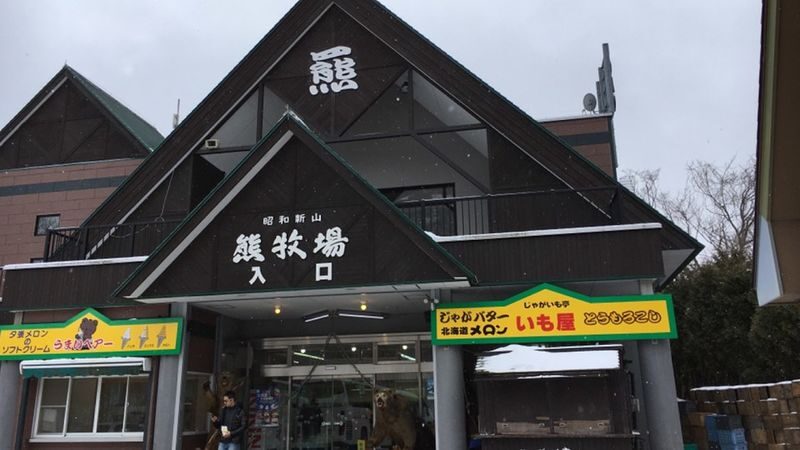
The drive to Showa Shinzan takes about 50 minutes. The stop is scheduled for around 70 minutes in summer and 30 minutes in winter, so the season affects how much you can fit in.
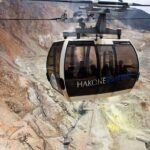
Showa Shinzan formed during earthquakes and volcanic eruptions in 1943. It still emits white smoke, a vivid reminder that this is not just a scenic hill. From the ground, you can see the dome and its volcanic texture. The ropeway offers a higher view over the crater area and, when conditions allow, toward Lake Toya and the Pacific Ocean.
The ropeway is not included in the tour price. Bear Ranch admission is also extra, and the stop is shared with those options. With a summer visit of about 70 minutes, you may have time to choose one paid attraction and still look around, depending on queues and the day’s pace. In winter, 30 minutes leaves much less room. Decide in advance what matters most, and check the current ticket costs before setting off.
Bear Ranch is an optional stop, not a guaranteed close encounter with bears. The tour information describes bear cubs and feeding, but you should check the attraction’s current facilities and animal-care details if that experience is central to your decision.
Lake Toya: free time for a walk and lunch
A short 10-minute bus ride brings you to Lake Toya. The scheduled stop is about 1 hour 20 minutes, including roughly 70 to 80 minutes for free time in the Toya Lake Onsen area. That gives you a welcome chance to walk beside the lake, find lunch or simply sit down between sightseeing stops.
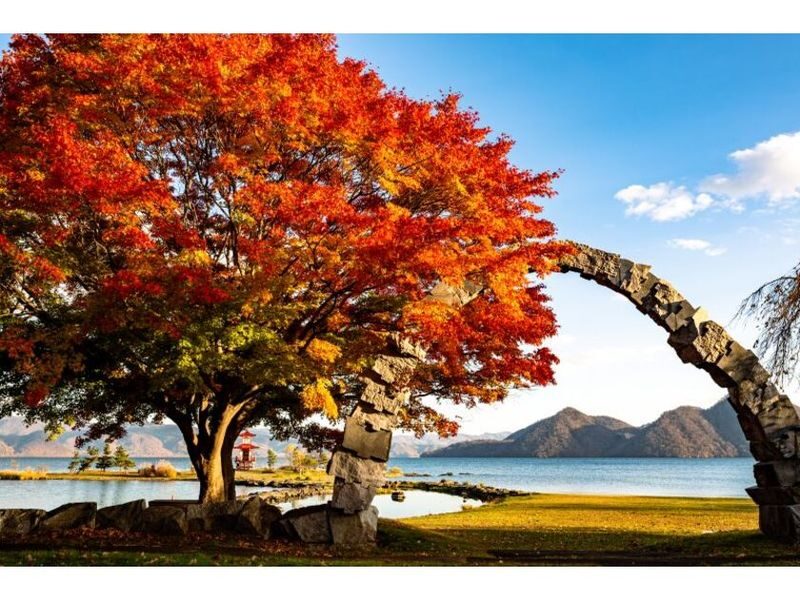
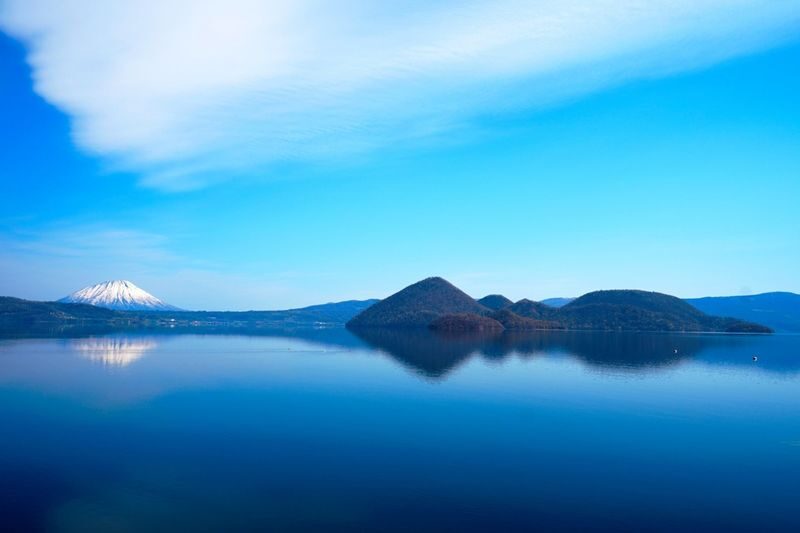
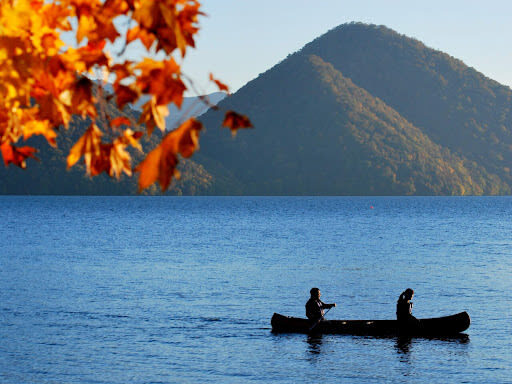
Lake Toya was formed by volcanic activity and is known for changing character with the seasons: cherry blossoms in spring, summer fireworks, autumn colour and winter snow. It does not freeze over, so the water remains a feature even in colder months. The lake and surrounding mountains make this a gentler counterpoint to Hell Valley and Showa Shinzan.
This is also your main meal break, and meals are not included. With limited time, keep lunch simple and leave room to walk. If you are hoping for a boat ride or a longer lakeshore outing, be realistic: the schedule does not promise either, and the group must leave on time.
Silo Observation Deck and the winter snowmobile option
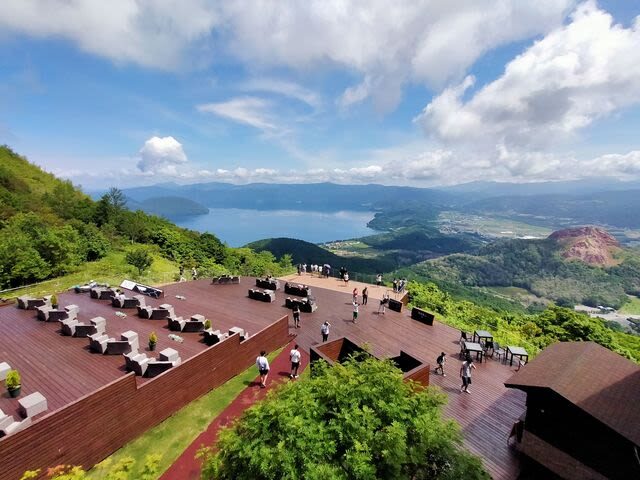
The Silo Observation Deck is a 10-minute drive from Lake Toya. In summer, the stop is around 20 minutes, usually enough for a viewpoint visit and photos. In the winter schedule, this stop may instead allow about 80 minutes for a lake-view snowmobile experience.
The snowmobile ride is an optional extra, not part of the base price. The supplied details describe riding across snow with views toward Lake Toya and nearby volcanoes, but do not set out a ride duration, price or participation requirements. Ask the operator for those specifics before booking if this is the main reason you are considering the tour. Bring cash, as the information says to prepare cash for snowmobile activities and ice-festival admission.
Winter road conditions can also affect the order or length of stops. The operator may adjust the schedule for weather, traffic or safety. I would not plan a costly dinner reservation or another fixed activity immediately after the return, especially in winter.
What the seasonal options really change
The tour’s broad name gathers several different experiences. That gives you choices, but it can also make the package descriptions easy to mix up. The standard route described above visits Lake Shikotsu, Hell Valley, Showa Shinzan and Lake Toya. Other options can include Kyogoku spring water, Takahashi Farm, Mount Yotei, Jozankei’s lantern path or the Lake Shikotsu Ice Festival.
Takahashi Farm, at the foot of Mount Yotei, is known for dairy products and sweets, with shops and food venues on site. Kyogoku’s spring-water park is built around clear water fed by mountain snowmelt. These are appealing stops if you want food or a quieter nature visit, but they should not be assumed to be part of the standard route.
The summer-autumn lantern option is another distinct package. It visits Jozankei’s illuminated path after dark; the shrine itself is not open to this tour, though other festival areas are free to view. The schedule provided for that version describes an 11:00 departure, unlike the 7:50 start of the main route. Do not choose it expecting the same stops or timing.
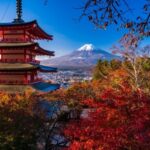
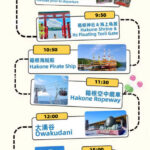
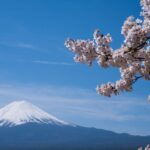
In other words, compare the package title and stop list, not just the overall product name or its seasonal photographs. The route is what determines whether your day is about lakes and volcanoes, farm food and spring water, lanterns or winter ice.
Guides, transport and the long ride
Round-trip transport from Odori Subway Station Exit 31 is included, along with a guide. The tour information names Chinese and Japanese-speaking guide service and a Chinese-speaking driver-guide. Some individual departures have also had guides who communicate in English, but English should not be treated as guaranteed unless confirmed for your date.
Guide quality can make a real difference on a day with several transitions. Names associated with past departures include Kevin, Xixi, Hanna and Du Yingxi. Individual assignments vary, of course. Guides have helped with photo stops, explained local customs and food, and offered practical suggestions; this kind of support is useful when free time at each place is limited.
Group size also affects the vehicle. For groups of 10 or fewer, the operator may send a small car with a driver-guide, who provides brief introductions while handling the driving. That can feel more personal, but a compact vehicle may be less comfortable for a full day. One past account described a bumpy ride in a small vehicle, so if you are sensitive to motion or need extra space, ask about the vehicle arrangement.
The long drives are unavoidable in a route that covers several parts of Hokkaido. Use them to rest, but bring water and anything you need to stay comfortable. One practical note from a past departure: the bus heater made the air feel dry. A drink or throat lozenge may be handy, particularly in winter.
Price, extras and who gets good value
The advertised starting price is $44.20. For a day that includes transport from Sapporo, several distant stops and a guide, that can be good value compared with arranging the same route independently. You also avoid driving on unfamiliar roads and coordinating bus connections between places that are spread across a wide area.
The low starting price does not cover everything. Meals and drinks, Bear Ranch admission, the Mount Usu ropeway, snowmobile activities, ice-festival admission, tips and personal spending are excluded. If you want the ropeway or winter activity, add those costs before deciding that the tour fits your budget.
For me, the value rests on how much you want to see in one day. If you have limited time in Sapporo and want a quick sweep of lakes and volcanic sights, the price buys convenience as well as transport. If you prefer long walks, unhurried meals or time for several paid attractions, you may feel the stops are too short for the extra spending.
The tour requires at least six participants. If that minimum is not met, the operator says you will be offered a new date or a full refund. Infants under two can join without a fare if they do not need their own seat; children aged three and up, or younger children needing a seat, require an adult ticket.
Small details that make the day easier
Arrive at Odori Subway Station Exit 31 by 7:40, ten minutes before departure. Late arrivals are treated as no-shows, with no refund, so leave a margin for finding the meeting point. The return is scheduled for 17:30, with drop-off sometimes listed as late as 18:00.
If you need to bring luggage, a stroller or a wheelchair, mention it when booking. The operator says vehicle space must be arranged in advance, and an extra handling and reserved-space fee of 1,500 yen per item may apply. Confirm the details rather than assuming the vehicle can take bulky items.
The activity information also contains a location inconsistency: it labels the location as Fujiyoshida in Yamanashi, while the meeting point and route are in Sapporo and Hokkaido. Use the Sapporo meeting point and the exact package details when checking your reservation, and ask customer support if the voucher itself shows a different departure location.
Free cancellation is available with at least 48 hours’ notice, and changes are generally allowed up to that point, subject to stated exceptions. The voucher is valid only for the date booked. Check the final travel notice, sent before 5 p.m. on the day before departure, for the guide’s contact details and final instructions.
Should you book this Hokkaido day trip?
Book it if you want to see several major natural sights from Sapporo without renting a car, and you are comfortable trading long drives for broad coverage. The best fit is a first-time visitor, a solo traveller who wants transport and a guide, or a family that values an organised route more than a slow, independent day.
Skip it if your priority is an in-depth visit to Lake Toya, a long walk at Hell Valley, or multiple paid activities at Showa Shinzan. Most important, confirm the exact seasonal package. The standard route does not include every farm, spring, mountain or festival named across the different options. Choose the stops you actually want, then judge whether the short visits and extra costs make sense for you.
Hokkaido | Noboribetsu, Lake Toya, Niseko Day Trip: Mount Yotei (Little Fuji) & Takahashi Farm & Lake Toya & Noboribetsu Hell Valley & Bear Park & Kyogoku Spring Water Park & Winter Lake Shikotsu Ice Festival Day Trip | Departing from Sapporo
“it's nice if you're into lakes and nature. i wouldn't do it again because of the long journey between each point. the lakes are breathtaking though…”
FAQ
Where does the tour depart from?
The meeting point is Odori Subway Station Exit 31 in Sapporo. Arrive ten minutes before the 7:50 departure.
How long is the tour?
The main day trip runs from about 7:50 to 17:30, with the return sometimes given as 17:30 to 18:00. The schedule may change because of traffic or weather.
Which places are included in the standard route?
The route described here includes Lake Shikotsu, Noboribetsu Hell Valley, Showa Shinzan, Lake Toya and the Shikotsu-Toya National Park Silo Observation Deck. Seasonal packages may have different stops.
Are Mount Yotei and Takahashi Farm included?
Not in the standard route described here. They appear in other seasonal package options, so check the stops for the exact package you plan to book.
Are food and attraction tickets included?
No. Meals and drinks, Bear Ranch admission, the Mount Usu ropeway, snowmobile activities, ice-festival admission, tips and personal expenses are excluded.
Is snowmobiling included in the price?
No. Snowmobile activities are at your own expense. The winter schedule may allow extra time for the activity, and the tour information advises bringing cash.
What languages does the guide speak?
The tour information specifies Chinese and Japanese-speaking guide service and a Chinese-speaking driver-guide. Some departures have had English-speaking guides, but English is not stated as guaranteed.
Can infants join the tour?
Children under two can join free if they do not need a separate seat. If an infant needs a seat, an adult fare applies. Children aged three and older need an adult ticket.
What happens if the weather changes the schedule?
The guide may change the route or the time at each stop for weather, traffic controls or safety. Winter roads can also cause delays, so avoid planning a fixed, expensive activity immediately after the return.