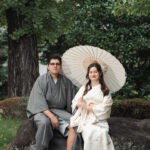
A Kyoto tea ceremony is more than a bowl of matcha: it is a sequence of small, deliberate gestures, from warming the bowl to turning it before you drink. At this one-hour session in Gion, a teacher explains each step, demonstrates the ritual, and then guides you as you prepare your own tea.
I like two things in particular: you get to make the matcha yourself, not just watch, and the explanation covers practical etiquette as well as the ceremony’s background. An optional kimono rental adds time for dressing and, in some packages, wearing your outfit around Kyoto afterward.
The main trade-off is the short format. An hour gives you a clear introduction, not a full study of tea practice, and the kimono option needs careful timing. Arrive late and you may lose the dressing portion or, if you are 30 minutes late, miss the ceremony entirely.
At a glance
- You take part: After watching a full demonstration, you prepare matcha with the teacher’s guidance.
- Etiquette is explained: Learn how to hold and turn the bowl, and how to taste the tea.
- Matcha comes with wagashi: The Japanese sweet gives you a traditional pairing to try alongside your tea.
- Kimono rental is optional: Several packages are available, including men’s, children’s, lace, and larger-size options.
- The setting is in Gion: Meet at Ouka Kimono Rental at 169 Tokiwacho, a short walk from Keihan Gion-Shijo Station, Exit 9.
👉 See our pick of the We Rank Kyoto’s 15 Top Workshops & Classes
- At a glance
- The Gion tea room: a compact lesson in ceremony
- From demonstration to your own bowl of matcha
- What the kimono option adds
- A one-hour itinerary, step by step
- Is .55 good value?
- Who will enjoy this Kyoto tea ceremony
- Small courtesies make the room more comfortable
- Booking and timing details worth knowing
- Should you book it?
- FAQ
- How long does the tea ceremony experience last?
- Where does the experience take place?
- How do I get to the meeting point?
- What languages are used during the tea ceremony?
- Do I make my own matcha?
- Is a kimono included in the basic tea ceremony plan?
- How early should I arrive if I booked a kimono?
- Can children participate?
- Can pregnant women join the experience?
- What happens if I arrive late?
- The Best Of Kyoto!
- More Food & Drink Experiences in Kyoto
- More Tours in Kyoto
- More Tour Reviews in Kyoto
The Gion tea room: a compact lesson in ceremony
 1 / 9
 2 / 9
 3 / 9
 4 / 9
 5 / 9
 6 / 9
 7 / 9
 8 / 9
 9 / 9
The experience takes place at Ouka Kimono Rental in Higashiyama Ward, in the Gion area of Kyoto. The meeting point is at 169 Tokiwacho, and the nearest stated rail access is Keihan Railway’s Gion-Shijo Station, Exit 9. This is a convenient location if you are already exploring Gion, but allow enough time to find the shop and settle in before your reserved start.
The session lasts about one hour. That is long enough to learn the main sequence and make a bowl of tea, but not so long that it takes over your day. The trade-off is that you should think of it as a guided introduction rather than an extended, formal study of tea ceremony.
Teaching is offered in English and Japanese. The instructors explain the history and cultural meaning of the ceremony, then show the actions in order. If you have questions, the format allows time to ask them, and the staff can also explain details such as how to handle the bowl.
You can also read our reviews of more food & drink experiences in Kyoto


From demonstration to your own bowl of matcha
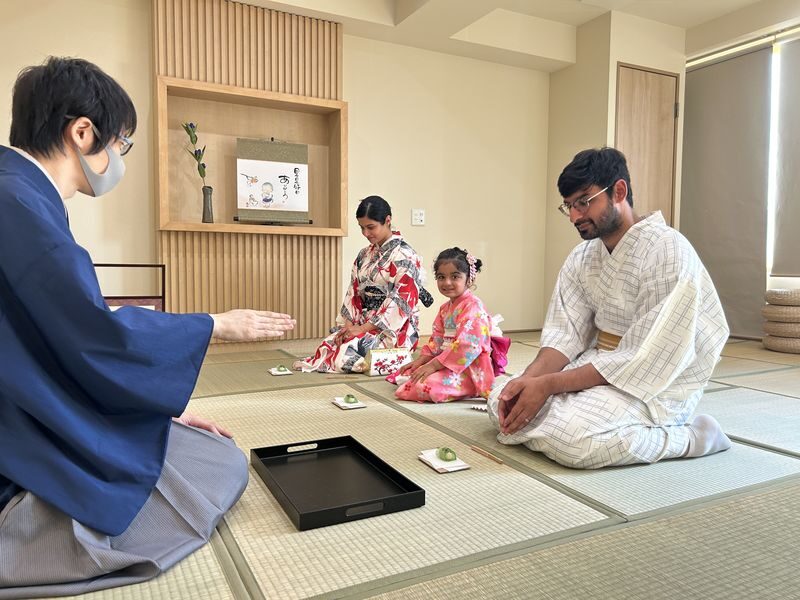
The lesson begins with an introduction to the origins and customs of Japanese tea ceremony. You will hear about the principles that shape the practice, including harmony, respect, purity, and tranquility. These ideas help explain why the ceremony treats utensils, tea, and the host with care, rather than as props in a photo opportunity.
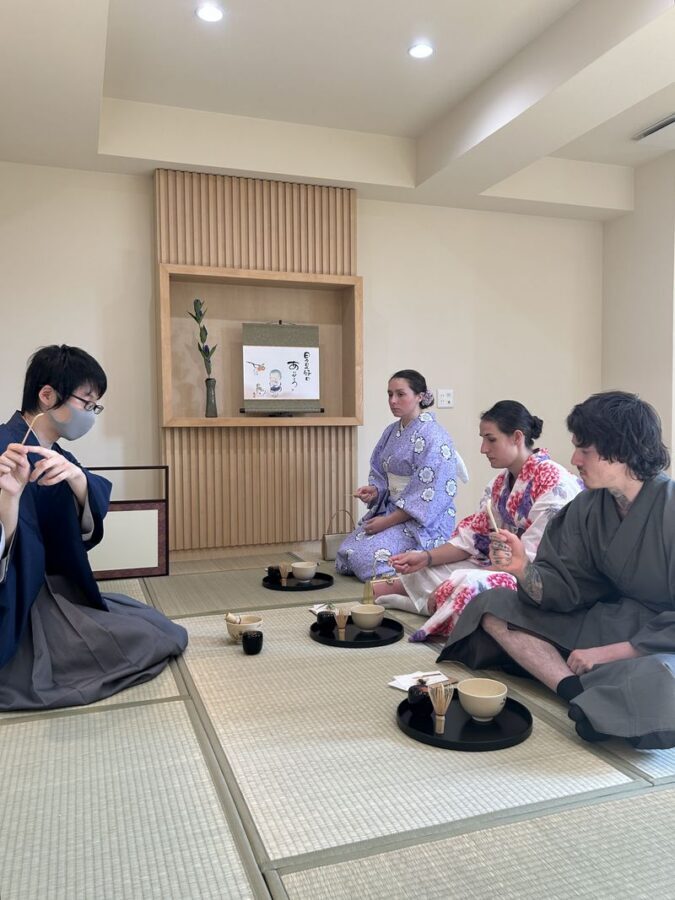
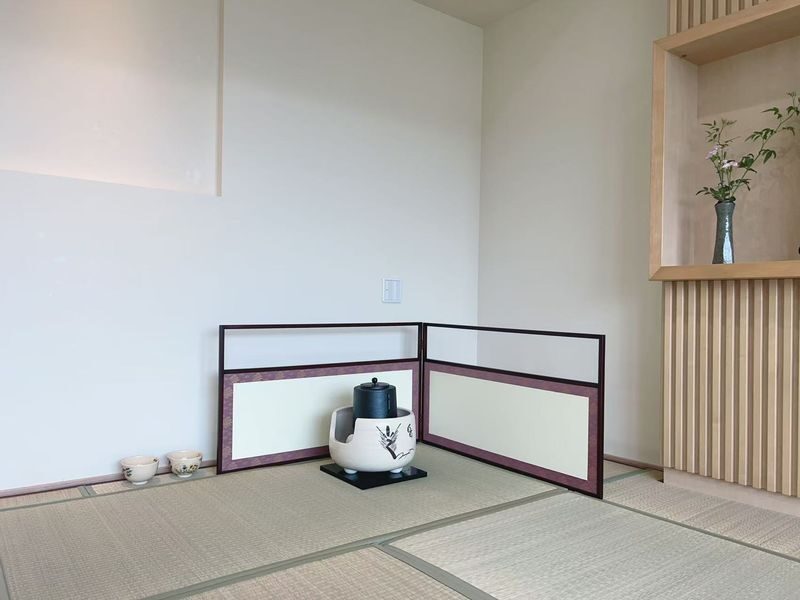
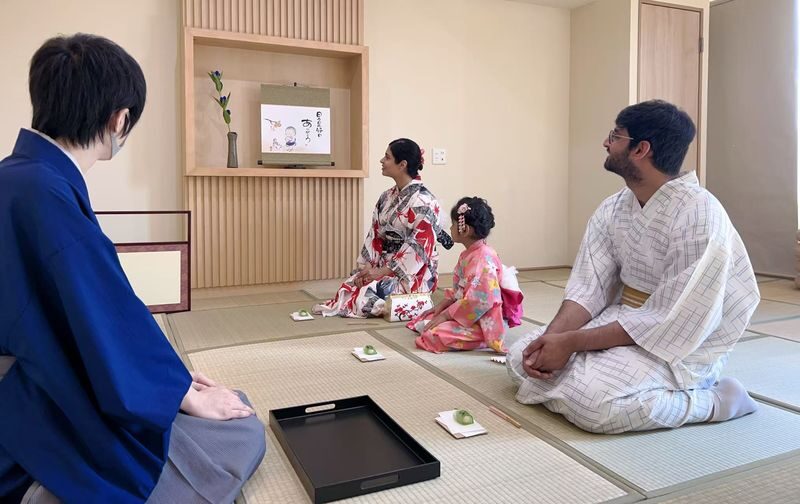
Next comes a complete demonstration. The teacher shows how to prepare the tea room and utensils, boil water, warm the bowl, prepare the powdered tea, add water, and whisk it. Watching the full sequence first makes the hands-on portion easier to follow. You can see that the ritual is built from distinct, purposeful movements, not simply from whisking matcha.
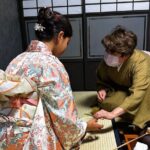
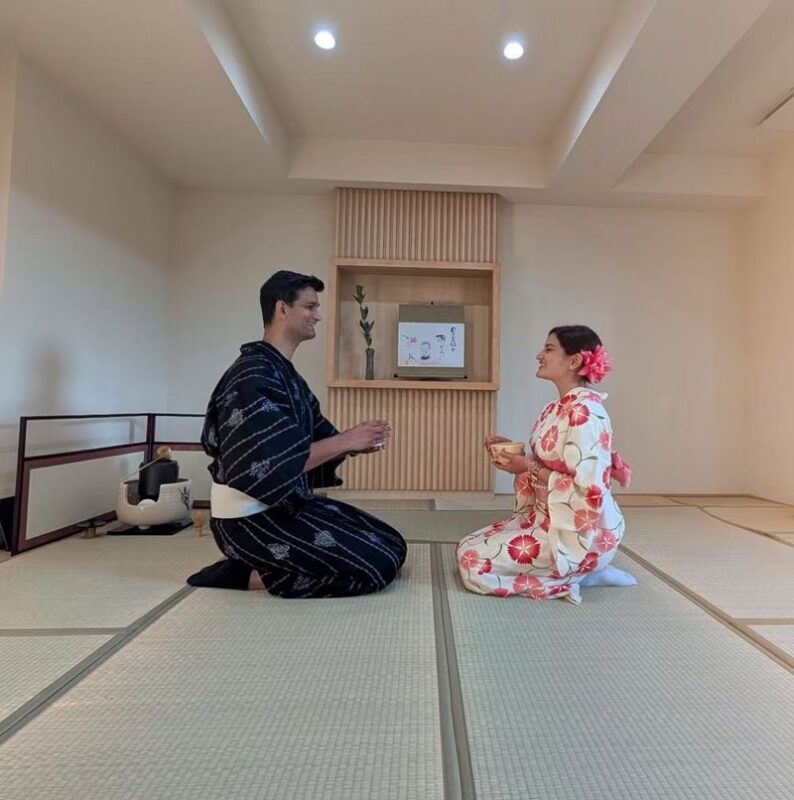
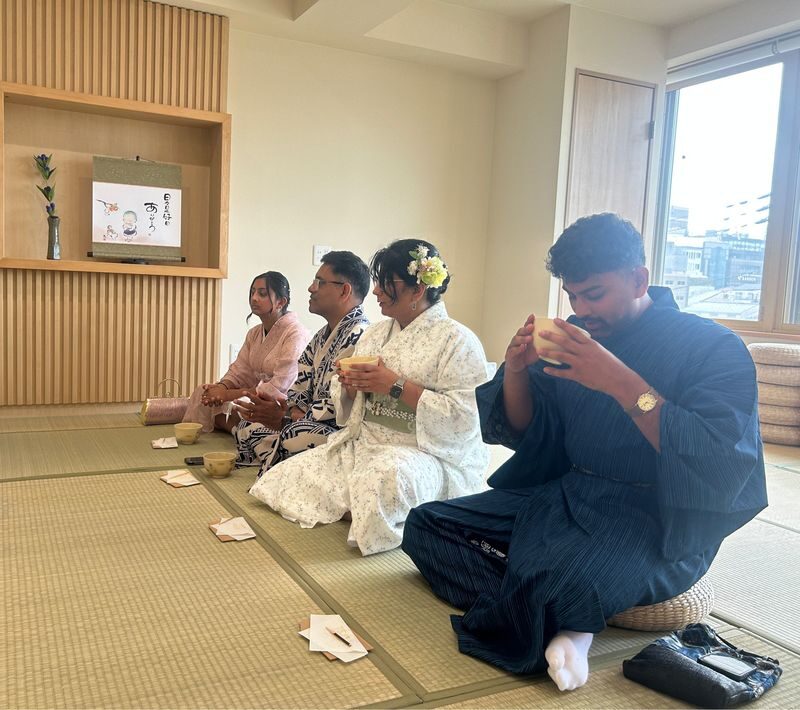
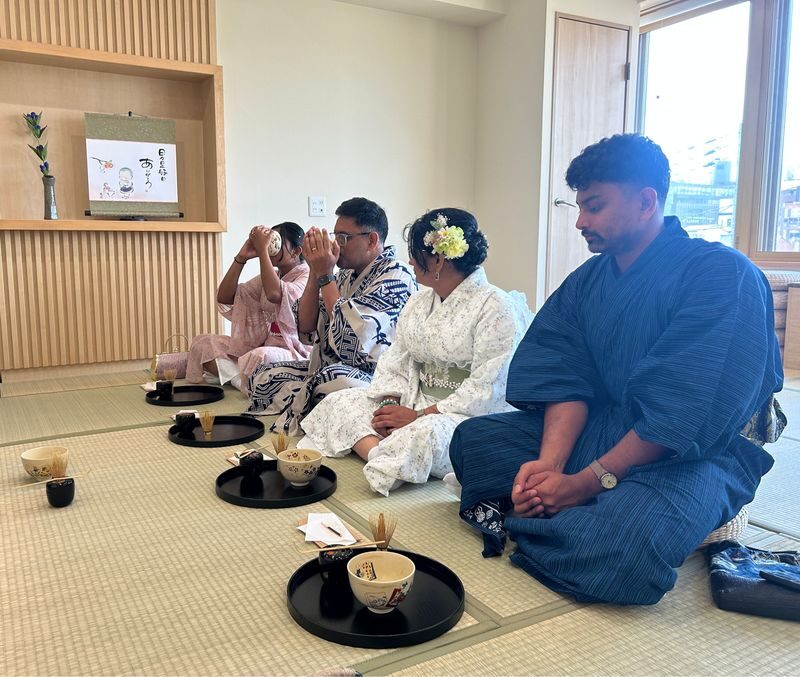
Then it is your turn. Under the teacher’s guidance, you prepare your own tea, including whisking it into a fine foam. You will also learn how to hold the bowl and which direction to turn it before drinking. Those small details make the tasting feel connected to the ceremony, rather than like an ordinary matcha break.
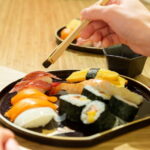
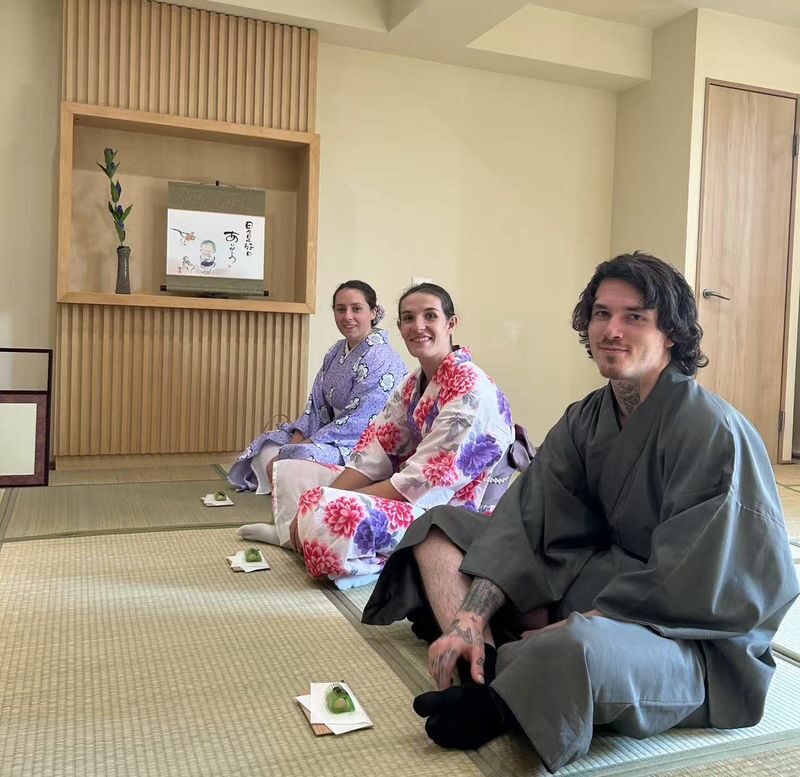
You finish by tasting the tea you made, paired with wagashi, a Japanese sweet. It is a simple but useful pairing: the sweet offers a contrast to matcha’s distinctive flavor. If you have never tried matcha, this is a low-pressure way to taste it and learn how it is prepared.
What the kimono option adds
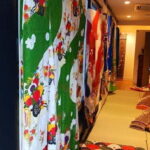
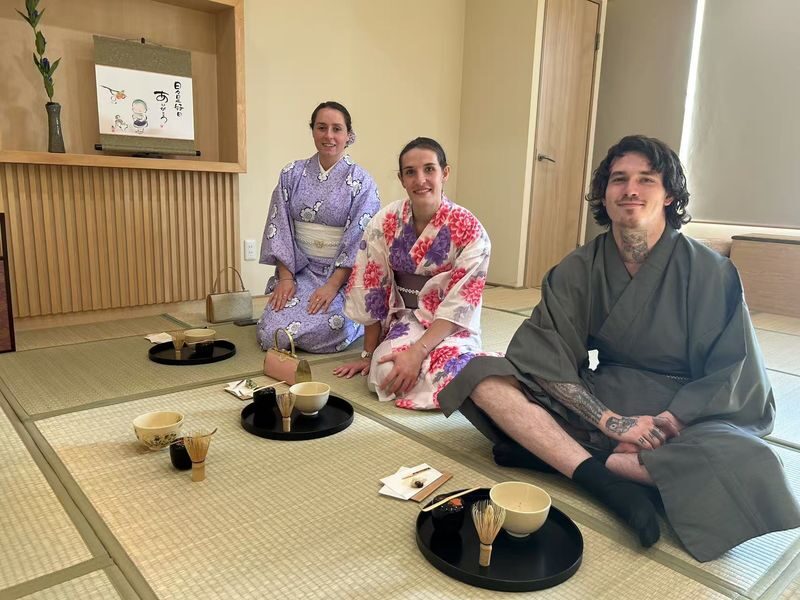
You can book the tea ceremony on its own or choose a package that includes kimono dressing. Options include basic and traditional women’s kimono, men’s kimono, children’s kimono, lace styles, and larger sizes listed as 4L and 5L. The shop has a range of colors and styles, but some packages may involve an extra charge for a different or upgraded outfit, so check the package details before booking.
For a kimono reservation, arrive one hour before the tea ceremony start time. That extra time is intended for choosing your outfit, dressing, and having your hair done. The tea ceremony’s booked time is the start time for matcha, not your arrival time at the shop. For example, a session starting at 11:30 calls for arrival at 10:30 if you have booked kimono.
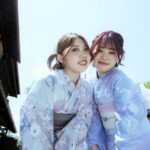
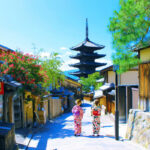
Some kimono packages allow you to wear the outfit outside after the ceremony and return it later, with return times depending on your selected start and package. This can turn a one-hour activity into a longer Gion outing, with time for photos or a walk nearby. Do not assume that every package includes the same wear-out arrangement; confirm the terms for the option you choose.
The kimono is a memorable extra, but it also changes the day’s logistics. Dressing takes time, and the shop’s late-arrival rules are strict: if you are late, you may miss the dressing portion and will not receive a refund for that part. If you arrive 30 minutes or more after the scheduled time, you cannot enter the tea room.
A one-hour itinerary, step by step
Arrival and meeting point: Go to Ouka Kimono Rental at 169 Tokiwacho. The session is a meet-up experience, not a tour with transport. If you booked kimono, arrive an hour early; if you booked tea only, arrive in advance so you are not rushing to the start.
Introduction: The teacher sets out the history, cultural context, and basic etiquette. This opening matters because it gives you a reason for the ceremony’s quiet pace and careful handling of the tea utensils.
Demonstration: Watch the teacher perform the sequence, from warming the bowl to whisking the matcha. Seeing each part before you try it helps you follow the process and notice the form of the movements.
Hands-on tea preparation: Make your own matcha with the teacher’s guidance. You will practice the basics of whisking and learn how to handle and turn the bowl before drinking.
Tasting and conversation: Taste your tea with wagashi and share questions or impressions. The session then ends at the shop. The activity information notes that timing can change with weather or traffic, so keep a little flexibility around the appointment.
Is $35.55 good value?
The listed starting price is $35.55, with the final amount depending on the package you select. For the tea-only plan, you are paying for a one-hour guided lesson, a full demonstration, your own matcha preparation, and a sweet to accompany the tasting. That is reasonable value if you want more than a quick photo in a tea room and care about understanding the gestures.
The value is less compelling if you are looking for a long, immersive workshop or already know the basics of matcha preparation. One hour is short, and kimono rental increases the cost. Still, the extra can make sense if you want the dressing experience and the chance, where included, to wear the outfit around Gion afterward.
Compare packages carefully. The experience offers several kimono types, and a lower-priced option may not include the style or extras you have in mind. If the ceremony itself is your priority, the tea-only package keeps both the price and schedule simpler.


Who will enjoy this Kyoto tea ceremony
This is a good fit if you want a hands-on cultural activity that fits between sightseeing stops. It suits first-time matcha drinkers, curious couples, solo visitors, and families with eligible children. The patient, question-friendly teaching makes it easier to follow even if you know little about tea ceremony etiquette.
Choose a kimono package if dressing in traditional clothing is part of what you want from your Kyoto visit, and you can arrive early without rushing. Choose tea only if you value the lesson more than the outfit, or if your schedule is tight.
The activity is not suitable for infants and children aged 0 to 9. Children aged 10 to 12 should be booked under the children’s plan, while children aged 12 and over are charged the adult rate. Pregnant women cannot take part in the kimono dressing or tea ceremony, because of the restrictive clothing and the kneeling required.
Small courtesies make the room more comfortable
The tea room calls for a quiet atmosphere. Speak softly, silence your phone, and handle the utensils gently. Do not touch tea equipment that is not being used or displayed for you.
The ceremony involves sitting upright and may require kneeling. If sitting in seiza is uncomfortable, the venue advises bringing knee pads or a foot cushion, or asking for a small seiza stool. It is worth raising this before the session begins so the staff can help you settle in.
Check with staff before taking photos or video. Photography rules depend on the tea room, and even when pictures are permitted, avoid interrupting the demonstration. If you have dietary restrictions or are feeling unwell, tell the staff in advance so they can consider suitable arrangements.
Booking and timing details worth knowing
Available tea ceremony start times are listed as 11:30, 13:00, 14:30, and 16:00. Return times vary according to the start time and package. Select the time you can attend, then check your confirmation email for the final details. The voucher is valid only for the date and time selected, and you can present it on your phone.
The activity offers free cancellation when you cancel at least 48 hours before the scheduled date, using local time at the destination. Late arrivals and no-shows are not eligible for refunds or changes. Confirmation is expected within 24 hours; if the email does not arrive, contact customer support.
Should you book it?
Book this experience if you want to learn the basic movements of tea ceremony, prepare your own matcha, and taste it with wagashi in Gion. It is especially appealing if you value clear instruction and an optional kimono experience. Keep expectations in proportion: this is a welcoming, one-hour introduction, not an extended course.
I would choose the tea-only plan for a focused, lower-cost lesson, or pay extra for kimono if dressing up and wearing it around Gion are important parts of your day. Either way, arrive on time, allow space for the quiet pace, and you will get more from the ceremony than a quick cup of tea.
Kyoto Traditional Japanese Tea Ceremony Culture & Matcha Tasting Experience
“Had a great time, very enjoyable experience!”
FAQ
How long does the tea ceremony experience last?
The tea ceremony experience lasts about one hour.
Where does the experience take place?
It takes place at Ouka Kimono Rental, 169 Tokiwacho, Higashiyama Ward, Kyoto, 605-0079.
How do I get to the meeting point?
The stated rail access is Keihan Railway Gion-Shijo Station, Exit 9. The activity is a meet-up experience.
What languages are used during the tea ceremony?
The ceremony explanation is available in English and Japanese.
Do I make my own matcha?
Yes. After the teacher demonstrates the process, you prepare matcha yourself with guidance.
Is a kimono included in the basic tea ceremony plan?
No. Kimono dressing is offered through separate packages. The tea-only package does not include it.
How early should I arrive if I booked a kimono?
Arrive one hour before the tea ceremony start time to allow time for selecting and putting on the kimono and having your hair done.
Can children participate?
Children aged 0 to 9 cannot participate. For children aged 10 to 12, select the children’s plan. Children aged 12 and over are charged the adult rate.
Can pregnant women join the experience?
No. The provider cannot offer kimono dressing or the tea ceremony to pregnant women because of the restrictive outfit and the kneeling involved.
What happens if I arrive late?
If you are late, the shop may be unable to provide kimono dressing, and the kimono fee will not be refunded. If you are 30 minutes or more late, you cannot enter the tea ceremony room.