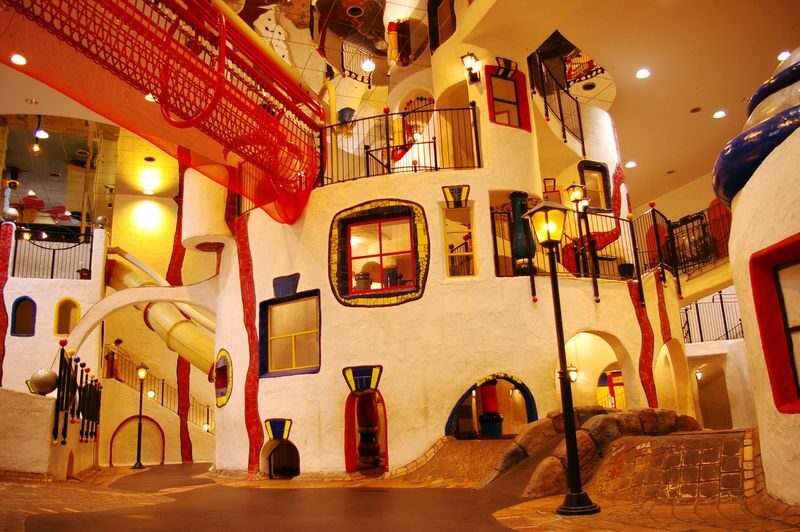
Kids Plaza Osaka puts play first: children can climb through a whimsical castle, try hands-on science, make a news program, and explore activities built around how a child sees the world. I like that it gives young visitors room to move and experiment, rather than asking them to keep quiet behind glass. I also like the practical mix of creative, science, and pretend-play activities under one roof.
The main caution is crowding, especially during school visits and summer holidays. A packed play area can make it harder to keep track of a small child, so I would aim for an early visit and check the museum’s opening status before setting out.
- What to Know Before You Go
- A Play Museum, Not a Quiet Museum
- Start With the Castle and Climbing Areas
- Make Time for Science on the Upper Floors
- Try the Studio Activities and Pretend Play
- How Long to Stay, and When to Go
- Food, Breaks, and Family Practicalities
- Tickets, Price, and the Closure Risk
- Getting There and Planning Your Visit
- Who Will Get the Most From Kids Plaza Osaka?
- Should You Book Kids Plaza Osaka?
- FAQ
- How long should I plan for Kids Plaza Osaka?
- Where is Kids Plaza Osaka?
- How do I get to Kids Plaza Osaka by subway?
- Are children aged 0 to 2 charged admission?
- Can visitors aged 65 or older buy a senior ticket?
- Can I leave and come back on the same day?
- Can I bring food into the museum?
- What happens if the museum is closed on my visit day?
- The Best Of Osaka!
- More Tickets in Osaka
- More Tours in Osaka
- More Tour Reviews in Osaka
What to Know Before You Go
 1 / 6
 2 / 6
 3 / 6
 4 / 6
 5 / 6
 6 / 6
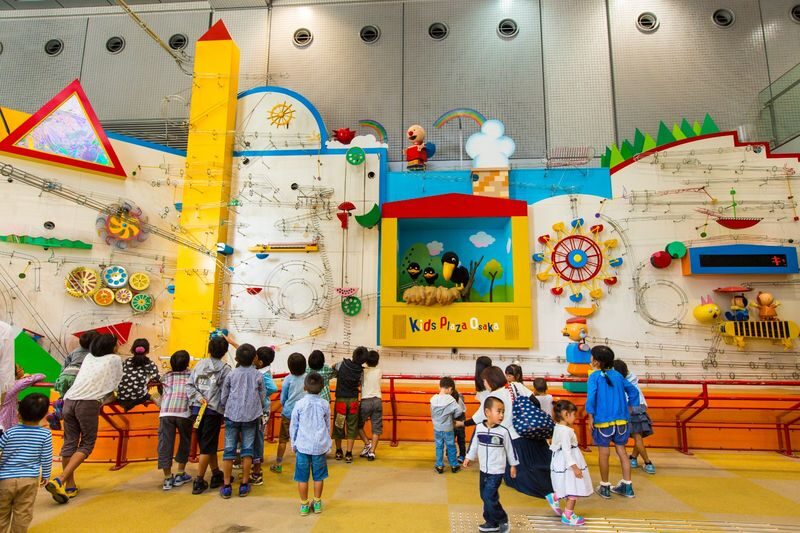
- A castle at the center of the fun: The large, whimsical play structure is a major draw, with climbing and sliding that can keep active children busy.
- Science you can try: Hands-on exhibits and experiments make this more than an indoor playground, especially for curious preschool and elementary-age children.
- Several kinds of play: Creative and computer studios, a TV studio, cultural displays, and pretend-play areas give families different ways to spend their time.
- Allow more than a quick stop: Two to three hours is a sensible plan, but families may stay much longer, particularly if they use the same-day re-entry option.
- Easy by subway: Ogimachi Station on the Sakaisuji Line is about a one-minute walk from the museum.
- Check the calendar first: The museum has scheduled closure days, and unexpected maintenance closures have disrupted visits. Tickets are non-refundable, so verify that it will be open.

👉 See our pick of the The Top 15 Workshops & Classes In Osaka
A Play Museum, Not a Quiet Museum
Kids Plaza Osaka is Japan’s first museum dedicated to child education, but that description can sound more formal than the experience feels. Here, children learn by touching, moving, testing, and pretending. You can expect activity rather than a hushed gallery, and you may find yourself following a child from one floor to the next at a brisk pace.
The appeal is the variety. A science-minded child can spend time experimenting, while a sibling may prefer the castle, a pretend shop, or the TV studio. Families with children of different ages have a better chance of finding something for everyone than they would at a single-purpose play space, although older children may find some areas young for them.
I’d think of this as a family activity with educational value, not a lesson dressed up as a day out. The exhibits give children a chance to investigate and play at their own speed. That matters on a sightseeing trip, when young children can get weary of temples, shops, and long stretches of looking without doing.
You can also read our reviews of more tours and experiences in Osaka


Start With the Castle and Climbing Areas
The large castle-style structure is one of the most distinctive features. It gives the museum a storybook feel and offers children a chance to climb, crawl, and move between play spaces. If your child likes active play, this may be where the visit begins and where it is hardest to call time.
A slide running between floors is another popular feature. The slide has a height requirement of more than 100 centimetres, so check before promising a ride to a shorter child. The climbing and sliding areas are also a reason to stay close: when the museum is busy, children can be moving in several directions at once.
This physical play is a real strength for families who need an indoor place to burn off energy, especially in hot or rainy weather. It is also the part most likely to feel crowded. If your child is very young or tends to dart ahead, agree on a simple meeting point and keep them in sight.
Make Time for Science on the Upper Floors
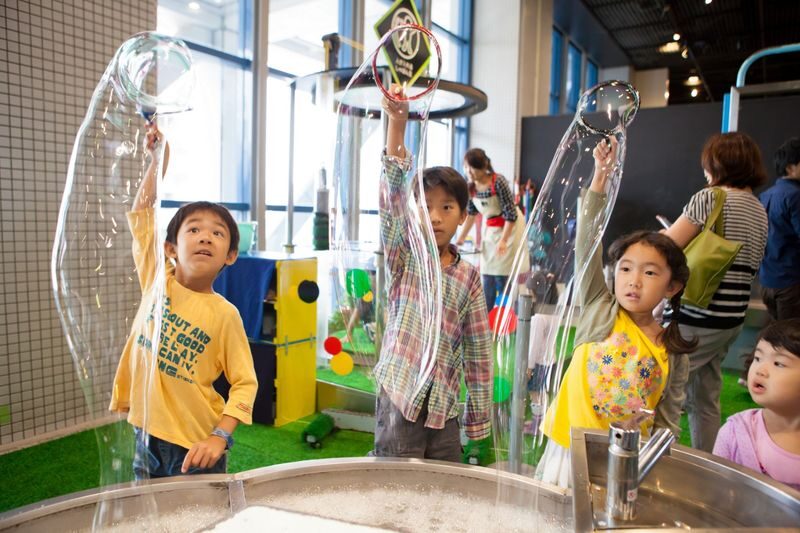
The science activities are a strong reason to visit beyond the playground. Children can take part in hands-on experiments and explore exhibits designed to make basic ideas tangible. The fifth floor is often a good bet for older children and for those who want more science-focused activities.
The museum also has displays that invite children to see the world from a different angle, including the experience of looking at things as a bug might. These sorts of exhibits work well because they give children something to do and notice, rather than asking them to read long explanations.
Age fit varies by child, but the activities tend to suit preschoolers through elementary-school ages. Some younger children may enjoy the movement and simple experiments most, while children in the upper elementary years may gravitate toward the more interactive science areas. A 12-year-old might find parts of the museum too young, so I would set expectations around the range of activities rather than assume every floor will appeal equally.
Try the Studio Activities and Pretend Play
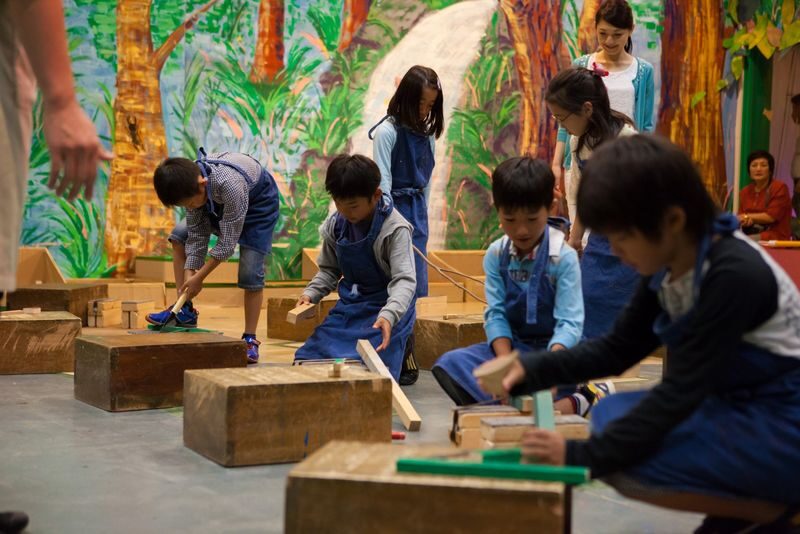
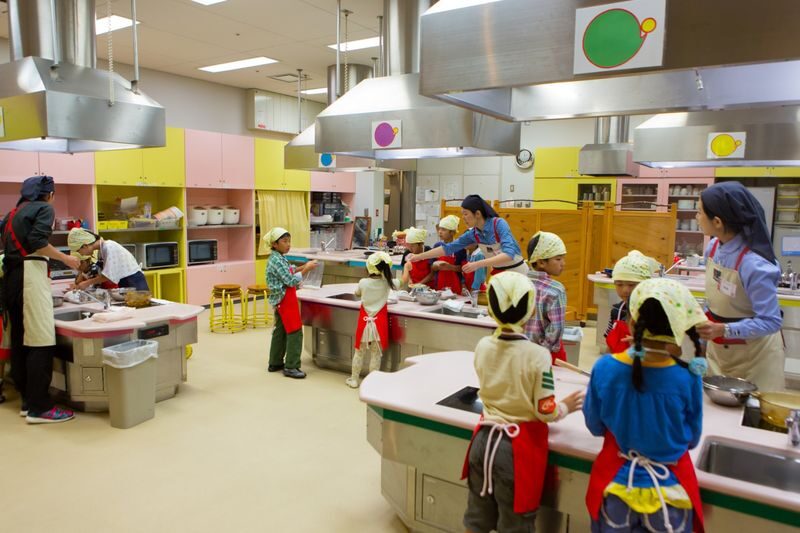
The museum’s creative and computer studios add a different pace to the visit. Children can take part in making and media activities, including the chance to produce a news program in a working TV studio. It is a welcome change from climbing, and it gives children an opportunity to play at making something rather than just navigating a structure.
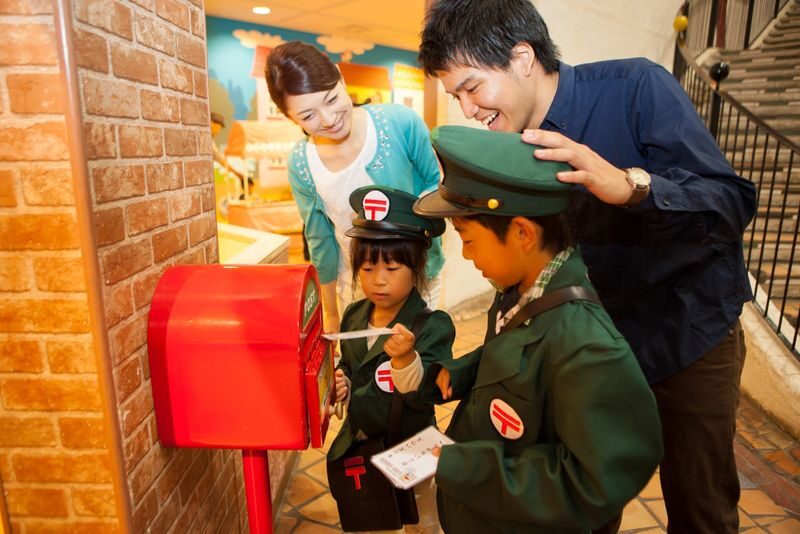
There are also pretend-play areas, including a mock supermarket, along with cultural exhibits and musical instruments that visitors can try. These quieter, imaginative activities can be a good reset after the more physical zones. They also help make the museum useful for children with different interests, not just those who love slides and science.
The exact availability of individual studios can vary. If a particular activity is a must for your family, check what is open on the day rather than planning the whole visit around it. The attraction’s schedule and operating status are worth confirming before you travel.
How Long to Stay, and When to Go
The suggested visit is two to three hours, which is a fair starting point. If your children move quickly between activities, you may finish sooner; if they settle into the castle or favorite exhibits, you could easily stay for much of the day. Some families have spent four hours or more inside.
I would go early if you can. School groups and tour groups can make the museum feel hectic, and the play areas may be crowded by late morning or after noon. Weekdays are not automatically quiet, since school trips can happen during the week, and summer vacation periods can be busy too.
The museum allows same-day re-entry. Keep your ticket, wristband, or entry stamp, and you can leave for a meal or a break and return. That flexibility is useful if a child needs fresh air or if your family wants to eat nearby rather than carry food around all day.


Food, Breaks, and Family Practicalities
Meals and drinks are not included in the ticket, and there is no food for sale inside according to visitor reports. You can bring your own food and use designated eating areas, including tables on the fourth floor. A convenience store is across the street, and Tenjinbashi-suji shopping street is another nearby option for food and browsing.
I would plan the meal before the children reach the point of being hungry and tired. Re-entry makes it possible to step out, eat, and come back, but it still takes time and coordination. If you bring snacks, keep them for the designated eating areas rather than assuming you can eat anywhere in the exhibits.
Families have also noted clean nursing rooms and places for adults to rest. These details can make a longer visit easier, especially with a baby or toddler in tow. The museum is indoors and air-conditioned, which makes it a useful refuge on a hot day or when the weather turns wet.
Tickets, Price, and the Closure Risk
Admission starts at $9.49 for one ticket, though the actual price can change. For a child who spends several hours using the climbing areas, science exhibits, and studios, that is a reasonable price for a substantial indoor activity. The value is strongest for families with children who enjoy active, hands-on play; it is less compelling if your child is older and mainly wants sophisticated exhibits.
Children aged 0 to 2 enter free. Visitors aged 65 and over can buy a senior ticket separately at the venue, with valid proof of age required. The listed package is one admission ticket, and meals, drinks, and personal expenses are extra.
The mobile voucher is valid for 60 days from booking confirmation and expires at 23:59 on the final day. The ticket is non-refundable and cannot be canceled. Because unexpected maintenance closures have caused real problems for families, check the museum’s official website for the date you plan to go before paying and again before leaving your hotel.
Getting There and Planning Your Visit
The address is 2-chome-1-7 Ogimachi, Kita Ward, Osaka. The simplest route listed is the Sakaisuji Line to Ogimachi Station, then about a one-minute walk. If driving, the museum is about 600 metres north of the Ogimachi or Minamimorimachi exits on the Hanshin Expressway Moriguchi Line.
Last admission is 45 minutes before closing. The museum closes on the second and third Mondays of each month, with a next-day closure when a holiday falls on one of those dates. It also closes on the fourth Monday of August and from December 28 through January 2. Confirm current hours and any special closures before you go, since the ticket cannot be refunded if plans change.
The venue prohibits dangerous or disruptive items, including bottles, firecrackers, and lasers. Pets are not allowed, except service animals with valid identification. Smoking and drinking are not allowed inside, and people who appear intoxicated may be refused entry without a refund.
Who Will Get the Most From Kids Plaza Osaka?
I’d put this near the top of the list for families with children from toddler age through elementary school, especially if your child likes to climb, test things, and move between different kinds of play. Children around fourth grade and younger are likely to find plenty to do. Older children may still enjoy the science and studio activities, but parts of the museum may feel aimed at younger visitors.
It is also a sensible choice for a rainy day, a very hot afternoon, or a break from Osaka sightseeing that asks children to walk and look. The downside is that crowds can make the most popular spaces less relaxing, and a school-group day may change the feel of the visit. I would choose a weekday outside peak holiday periods if possible, while still checking for school visits and closures.
Should You Book Kids Plaza Osaka?
Book it if your children enjoy hands-on play and you want an indoor activity that can fill a few hours without relying on perfect weather. The castle, science areas, studio activities, and re-entry option make the ticket useful for families who want flexibility.
I would pause if your child is older and expects advanced science exhibits, or if a crowded play space would make the day stressful. Most important, confirm the museum is open before booking: the no-cancellation rule makes that small check part of the plan, not an optional extra.
Kids Plaza Osaka Admission Ticket
“Great for kids to play, it's a huge and very fun museum.”
FAQ
How long should I plan for Kids Plaza Osaka?
Allow about two to three hours as a starting point. Children who want to explore many activities may stay longer, and same-day re-entry is permitted.
Where is Kids Plaza Osaka?
It is at 2-chome-1-7 Ogimachi, Kita Ward, Osaka, 530-0025, Japan.
How do I get to Kids Plaza Osaka by subway?
Take the Sakaisuji Line to Ogimachi Station. The museum is about a one-minute walk from the station.
Are children aged 0 to 2 charged admission?
No. Admission is free for children aged 0 to 2.
Can visitors aged 65 or older buy a senior ticket?
Yes. Senior tickets can be purchased separately at the venue. You must show valid proof of age, and the price follows the rates listed by the attraction.
Can I leave and come back on the same day?
Yes. Re-entry is permitted. Show your ticket, wristband, or stamp at the entrance when you return.
Can I bring food into the museum?
You can bring your own food and eat it in designated areas. Meals and beverages are not included with admission, and food is not available for purchase inside according to the information provided.
What happens if the museum is closed on my visit day?
Check the official website for operating dates and hours before booking or visiting. The ticket is non-refundable and cannot be canceled, so confirm the museum is open before you travel.