Mount Koya’s most powerful stop may be Okunoin, where a path winds through an old forest cemetery toward the mausoleum of Kobo Daishi. This small-group day trip from Osaka makes that remote, sacred mountain easier to reach, with a driver-guide to handle the winding roads and connect the sights.
I like two things in particular: the time to explore at your own pace, and the care guides such as Hanazawa, Yan and Kudo have shown, from sharing site histories to offering tea, water, snacks or umbrellas. Some guides use recorded, AI-assisted commentary during the drive, then explain highlights in person at stops.
The trade-off is a long day with a lot of walking, and the amount of live explanation can vary by guide. Lunch is not clearly included, so bring a snack or plan to buy food in Koyasan. One person’s pedometer topped 15,000 steps, which is a useful warning for tired legs.
What to know before you go
- Okunoin is the emotional high point: Walk among old trees and memorials in one of Japan’s best-known sacred places.
- A driver-guide saves transit fuss: The mountain roads are winding, and a vehicle from Osaka avoids piecing together the journey by public transport.
- The stops can range widely: Departures have included Daimon Gate, Kongobuji Temple, Danjo Garan, the Goma fire ritual and Tokugawa Mausoleum.
- Expect independent time, not a lecture at every turn: Guides may explain sites before you set off on your own, with the depth of live commentary varying.
- Pack for a full day on foot: Comfortable shoes, a light bag and a snack are sensible choices.
- The price starts at $74.55: For a long-distance day trip with transport and a guide, that can be good value, though meals and exact inclusions need checking.

👉 See our pick of the The Top 15 Workshops & Classes In Osaka
- What to know before you go
- Leaving Osaka for Mount Koya
- The road is part of the day
- Gates, temples and Koyasan’s spiritual center
- Okunoin: the forest walk worth saving energy for
- Lunch, snacks and the small comforts
- How much time and energy should you budget?
- Is .55 good value?
- Who should book this tour?
- FAQ
- How much does the tour cost?
- Where does the tour depart from?
- Can I book the tour for the next day?
- How long is the tour?
- Which Mount Koya sites can the tour visit?
- Is lunch included?
- How much walking should I expect?
- What languages are used for the commentary?
- What is the cancellation policy?
- The Best Of Osaka!
- More Tours in Osaka
- More Tour Reviews in Osaka
Leaving Osaka for Mount Koya
 1 / 8
 2 / 8
 3 / 8
 4 / 8
 5 / 8
 6 / 8
 7 / 8
 8 / 8
Mount Koya, also called Koyasan, is not a quick hop from Osaka. The drive takes you into the mountains, along roads that can feel narrow and winding. Having a driver who knows the route makes the trip less of a transport puzzle, especially if you want to see several sites in one day.
The meeting point is in Osaka, and one departure account describes gathering on a main street near a 7-Eleven and Doutor before setting off at 8 AM. That timing is not confirmed for every date, so check your booking instructions closely. Arriving early matters: the vehicle may not be able to wait on a busy street.
This is a small-group tour, but the exact vehicle and group size can vary. Some trips have used a microbus, and some have had only a few people aboard. That can make the day feel personal, but do not assume you will have a roomy coach. One tall passenger found the knee space tight in a compact vehicle. Air conditioning, water and tea have been provided on some departures.
You can also read our reviews of more tours and experiences in Osaka.


The road is part of the day
The drive is not just dead time between sights. Guides have shared background on Mount Koya along the way, sometimes with recorded audio in English, Chinese or Japanese. Some have used an AI speaker for commentary so they can keep their attention on driving. At stops, guides may add an introduction in person before giving you time to look around.
That mix can work well: you arrive with some context, then have space to move at your own pace. But if you want a continuous, detailed spoken tour, this format may feel light. One visitor felt the audio and brief explanations did not give enough depth. I would treat the trip as guided transport with useful introductions, rather than assume an expert-led talk at every building.
Guides’ styles differ. Hanazawa, Yan and Kudo are names associated with warm, careful service, and some have helped with photos, offered snacks or adjusted their pace for the group. English ability also varies. Several guides have made an effort to explain in English, while recorded audio can help fill gaps.
Gates, temples and Koyasan’s spiritual center
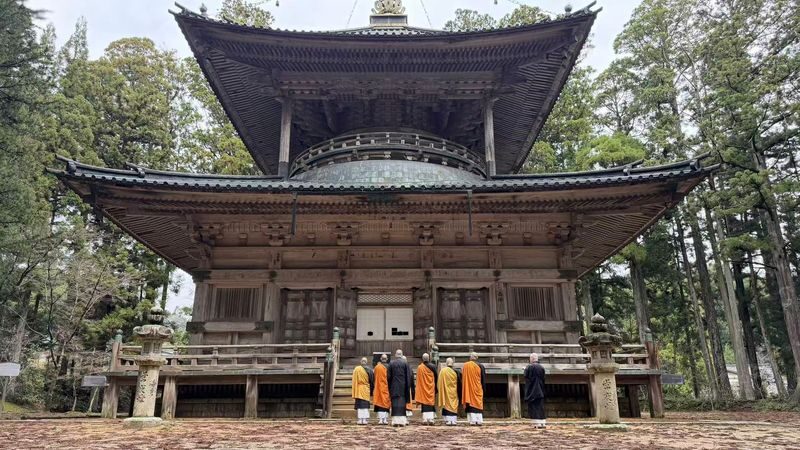
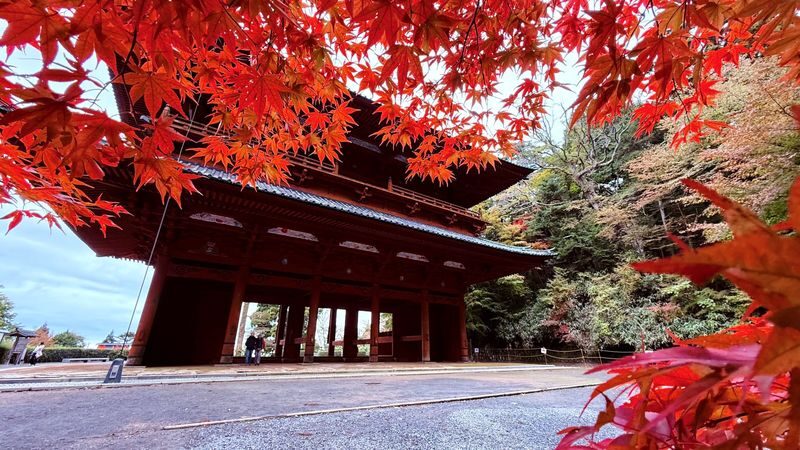
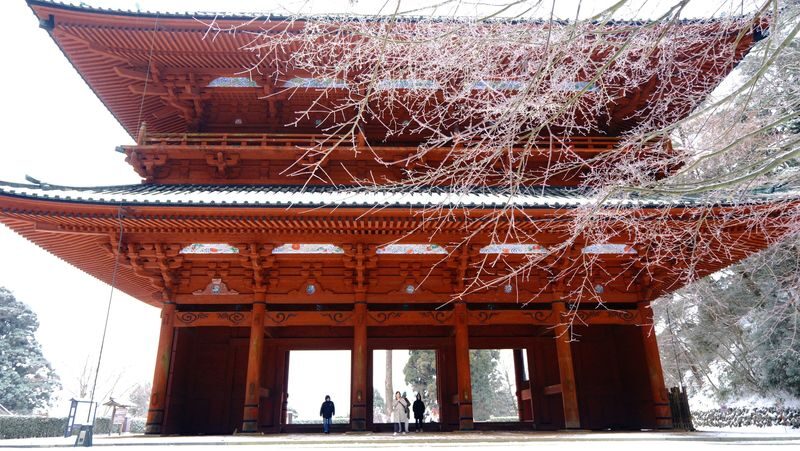
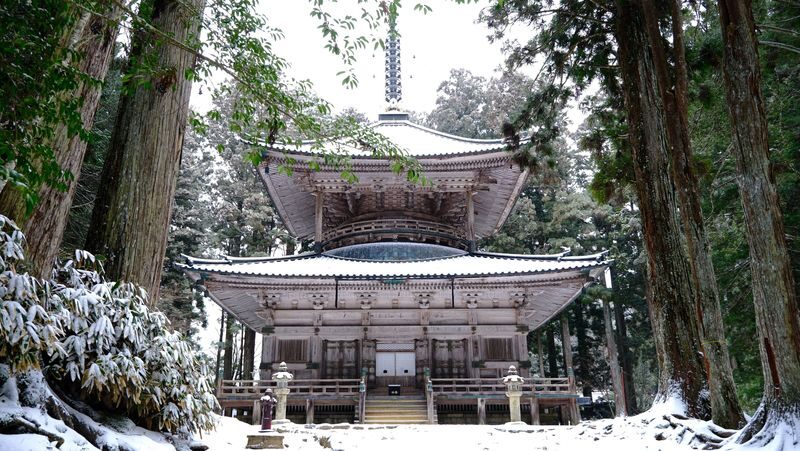
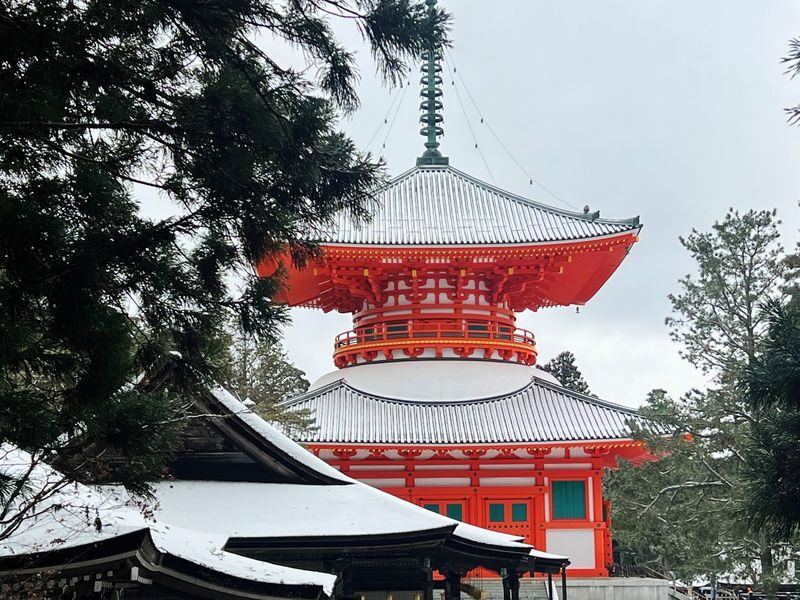
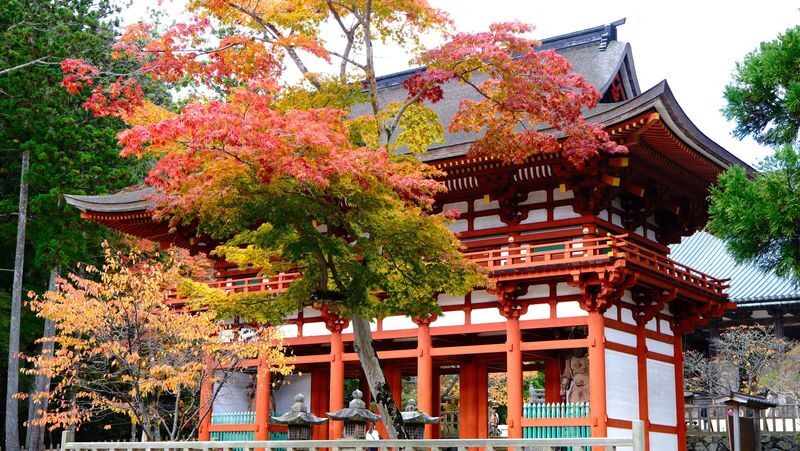
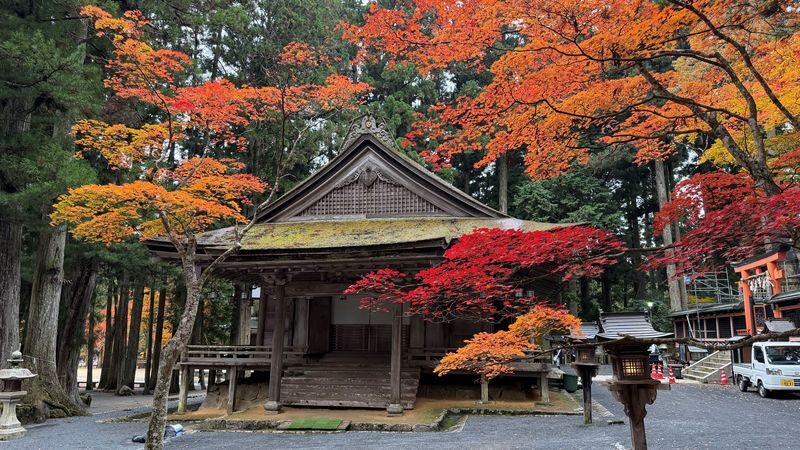
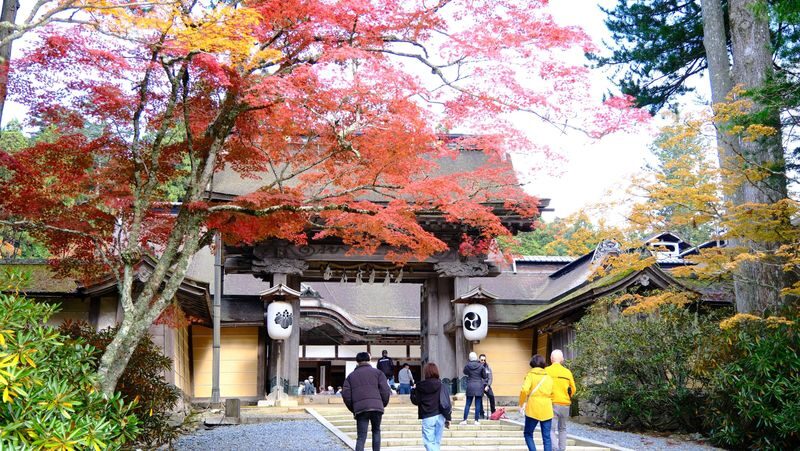
The route has included several sites in Mount Koya, though the exact stops may differ by departure. Daimon Gate is a striking entrance point; Kongobuji Temple and Danjo Garan bring you into the mountain’s religious center. Their buildings and grounds are worth seeing, but the experience gains meaning when you understand what you are looking at.
A guide may introduce the history before you walk in, then let you explore independently. That balance suits people who like time for quiet observation or photos. It can be less satisfying if you want someone to explain each structure in detail as you go. A little reading before the trip can help you get more from the stops, especially if you know you prefer a narrative over free time.
Some departures have also included the Goma fire ritual. This Buddhist ceremony, with flames and chanting, offers a very different kind of visit from simply viewing temple grounds. It is a scheduled religious event, not something to assume is available on every tour. If participating matters to you, confirm whether it is part of your chosen date and package.
One guide prepared small half-kesa garments for participants before the ritual, adding a respectful touch. That kind of thoughtful detail is not guaranteed, but it reflects the care some guides bring to the day.
Okunoin: the forest walk worth saving energy for
Okunoin is the stop to make room for. Its cemetery path runs beneath tall trees past memorials and stone monuments, leading toward the mausoleum of Kobo Daishi, the revered Buddhist teacher associated with Mount Koya. The setting is quiet and solemn. This is not a place to hurry through while hunting for a photo; the atmosphere is part of the point.
The walk takes effort, and the route has been described as a hike. Wear shoes you trust and keep your hands free. Rain does not necessarily spoil the visit: the forest can feel especially hushed in wet weather, and umbrellas have been offered on some tours. Still, wet paths and a long day are good reasons to dress for the conditions.
Be mindful of the sacred setting. One visitor felt the cemetery was too solemn for photographs, which is a useful reminder to follow posted rules and local cues. You can take in the scale and calm without turning every moment into a camera stop.
Lunch, snacks and the small comforts
Food planning is one of the less certain parts of this excursion. Some guides recommend a place serving shojin ryori, Buddhist vegetarian cuisine. It can be a memorable way to try a meal rooted in temple culture, though tastes and value are personal. At least one person found the suggested meal expensive for what it was, while others enjoyed it.
A recommended cafe may require a reservation, and meal arrangements are not clearly specified as included in the tour price. Do not count on a particular restaurant being available. Bring a small snack, or plan to choose from food options in town once you see what is open and how much time you have.
Water, tea, sweets and local snacks have been offered by guides on some trips. Treat these as considerate extras, not a guaranteed provision. A light bag is best: a few essentials, a drink if you want one, and enough room for anything you buy.

How much time and energy should you budget?
This is a full-day outing, not a gentle half-day escape. One account describes an 8 AM departure and a return around 5:30 PM, but schedules can change. Mountain roads, several visits and the walk at Okunoin add up. The reported step count of more than 15,000 gives a fair sense of the day’s physical demands.
You will likely appreciate the scheduled transport if you want to see several places without managing every connection yourself. The same schedule means you cannot linger indefinitely. Visitors who wished they could stay longer in Koyasan point to the main limitation of any day trip: the mountain rewards a slower pace, and an overnight stay would give you more time.
If you are sensitive to motion, remember that the road is winding and the drive back can feel tiring. One passenger who joined after an overnight bus from Tokyo felt exhausted and carsick by the return trip. Get a good night’s rest if you can, and avoid arriving at the meeting point already running on fumes.
Is $74.55 good value?
At a starting price of $74.55, the tour’s strongest value is practical: it bundles the long trip from Osaka with a driver-guide and a planned sequence of stops. For a solo visitor or anyone uneasy about navigating the mountain route alone, that can be worth more than the price of the vehicle ride itself. You also get introductions to places that might otherwise blur together.
Value depends on what you expect from the guide. The service has often been praised for being kind, attentive and well organized, and some guides add real context and thoughtful help. Yet a less talkative guide or reliance on recorded commentary can make the experience feel closer to transport than a fully narrated tour. If deep historical discussion is your priority, ask about the guide language and format before booking.
Check what your selected package includes, particularly meals and any special ceremony. The listed starting price is not enough to establish whether every stop, food item or activity is covered. The tour offers a useful way to reach Koyasan, but an overnight visit may suit you better if you want a slower pilgrimage or time to explore beyond the day’s schedule.
Who should book this tour?
I would choose this trip if I had one day in Osaka to see Mount Koya, wanted transport sorted out, and valued a small group over a large coach. It also suits solo visitors: several departures have run with only a handful of people, and the guide can make the day easier to manage on your own.
It is a weaker fit if you dislike long drives, need a roomy seat, want a guaranteed live lecture throughout the day, or prefer to choose every stop and meal yourself. Bring comfortable walking shoes, a snack and a flexible attitude. If you want the forest, temples and Okunoin in one well-organized day, this is a sensible way to go. If you want time to sit, study and wander without watching the clock, stay overnight in Koyasan instead.
Koyasan & Okunoin Small Group Day Tour from Osaka
“Wonderful experience! The excursion is very well organized. We had plenty of time to take things in at each site we visited. Yan-Lei, our driver-gu…”
FAQ
How much does the tour cost?
The advertised starting price is $74.55. The exact price may depend on the date or package you select.
Where does the tour depart from?
It departs from Osaka. Check your booking details for the exact meeting point and arrival instructions.
Can I book the tour for the next day?
The activity information says you can book now for tomorrow, subject to availability.
How long is the tour?
It is a day tour. One departure account describes leaving at 8 AM and returning around 5:30 PM, but exact times may vary.
Which Mount Koya sites can the tour visit?
Stops have included Daimon Gate, Kongobuji Temple, Danjo Garan, Okunoin, the Goma fire ritual and Tokugawa Mausoleum. The exact route may vary.
Is lunch included?
The available information does not confirm that lunch is included. Some guides recommend local restaurants, including places serving Buddhist vegetarian cuisine, so plan to pay for food yourself.
How much walking should I expect?
Expect a lot of walking, including a walk through Okunoin. One participant recorded more than 15,000 steps, so comfortable shoes are a good idea.
What languages are used for the commentary?
Guides have used English, Chinese and Japanese audio commentary on some departures, and some guides explain sites in person. The language and amount of live explanation can vary.
What is the cancellation policy?
You can cancel for a full refund if you cancel at least 24 hours before the activity date, using destination local time. Late arrivals and no-shows are not eligible for refunds. If the operator cancels because of extreme weather or another unforeseen event, you can request a rescheduled time or a full refund.