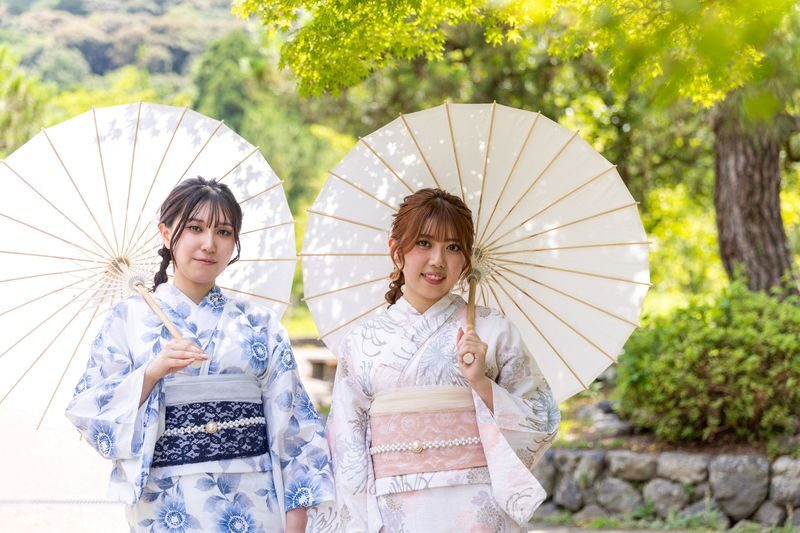
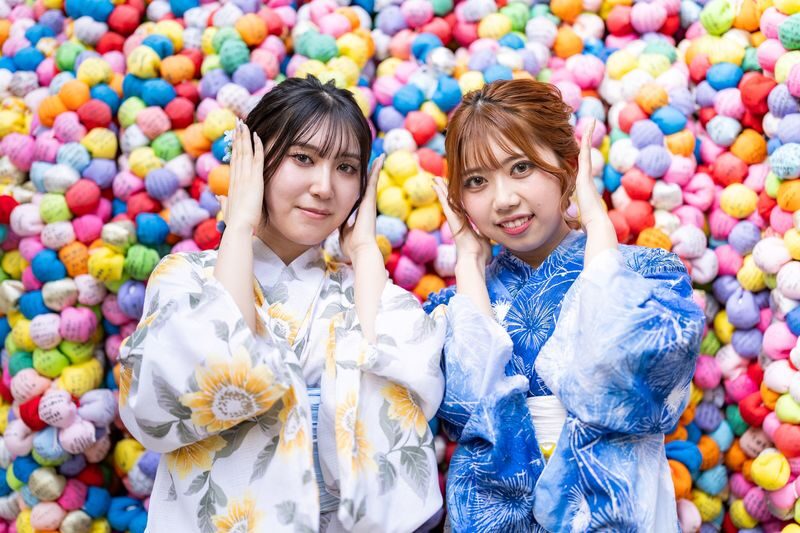
Kyoto’s old streets make a fine setting for a day in kimono, and Yumeyakata turns getting dressed into part of the outing. You choose a design, then professional dressers help you into the layers and obi sash. The shop is near Gojo Station, a handy starting point for exploring the city.
I like the large range of styles and sizes, and the care staff take with fitting and helping you choose. I also like that the basic rental includes the key pieces, from tabi socks and zori sandals to a Japanese-style bag, while optional hair and photography services let you shape the day to suit your plans.
The main catch is that the lowest advertised price does not cover every extra. Hair styling, makeup, and some accessories cost more, and the selection available within a particular package or size can be narrower than the headline count suggests. Summer heat and winter chill can also make a full day in traditional dress less comfortable.
- What to know before you book
- Choosing a kimono at the Gojo shop
- Getting dressed, one careful layer at a time
- Hair, makeup, and photography add-ons
- Planning a day out from Gojo
- What the price includes, and what it does not
- Comfort, luggage, and seasonal advice
- Who will get the most from Yumeyakata?
- Should you book this kimono rental?
- FAQ
- What is included in the standard kimono rental?
- Is hair styling included?
- How long does it take to get dressed?
- When must I return the kimono?
- Can children rent a kimono or yukata?
- What should I wear under the kimono?
- The Best Of Kyoto!
- More Tours in Kyoto
- More Tour Reviews in Kyoto
What to know before you book
 1 / 9
 2 / 9
 3 / 9
 4 / 9
 5 / 9
 6 / 9
 7 / 9
 8 / 9
 9 / 9
- The Gojo shop is a short walk from the subway: It is about three minutes from Gojo Station and one stop from Kyoto Station.
- Expect roughly 80 minutes to get ready: The process includes about 20 minutes to choose a kimono, 30 minutes for dressing, and another 30 minutes for final changes and sandals. Hair styling can extend the visit.
- Basic rental covers the outfit essentials: Kimono or seasonal yukata, obi sash, socks or sandals, and a Japanese-style bag are included.
- The shop carries a wide range of sizes: Women’s sizes run from S to 4LW and men’s from 5S to 5L, though the number of available designs in each size may vary.
- Plan around the 5:30 p.m. return: Late returns incur a ¥2,200 fee per person. Next-day return and return by mail are available for an extra charge.
- Extra services need a separate budget: Hair styling added on the day costs ¥2,200 if space allows, while makeup costs ¥4,400 per person.

👉 See our pick of the We Rank Kyoto’s 15 Top Workshops & Classes
Choosing a kimono at the Gojo shop
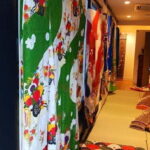
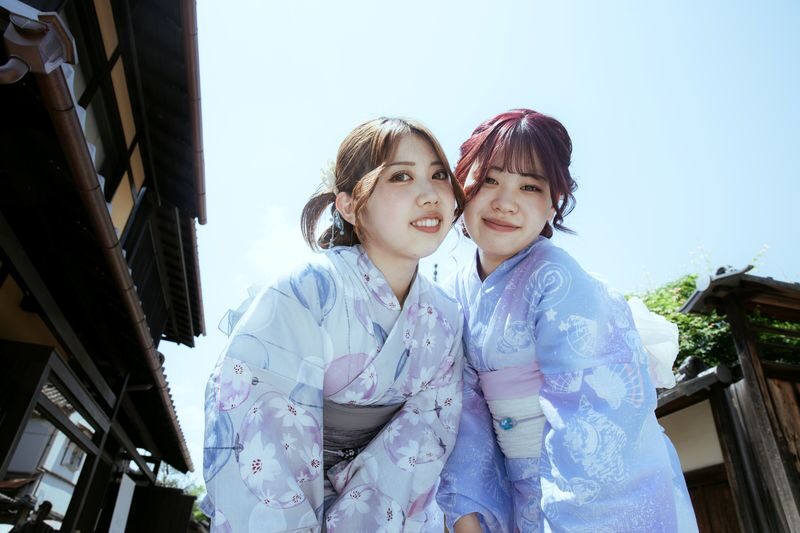
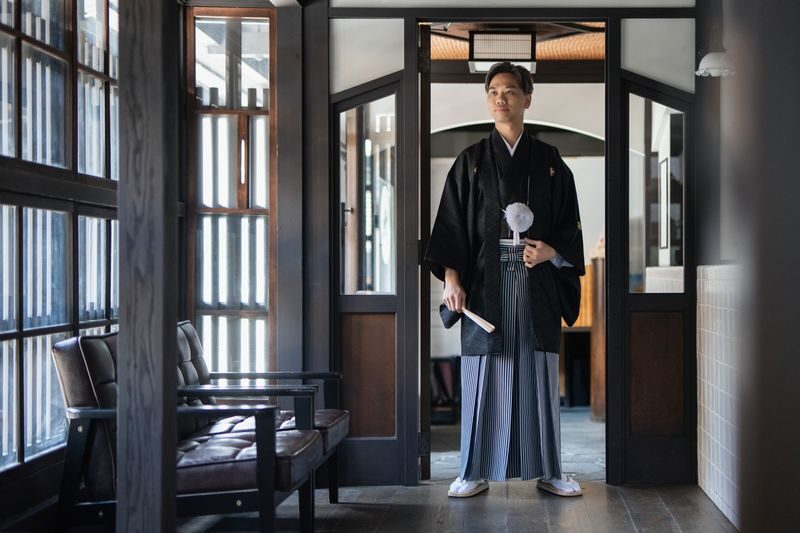
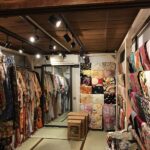
The first part of the visit is a chance to choose the look you want to wear around Kyoto. Yumeyakata offers more than 500 designs across classic, seasonal, and modern styles, with choices for casual outings as well as formal occasions. You will also find higher-end garments suited to a special day or a photo session, though those may fall under a different package or cost extra.
The selection process is more than a quick grab from a rack. Staff can guide you through the choices and help coordinate the kimono and obi sash. That help matters if you have a clear color in mind but are unsure how to put the pieces together. Some customers have also found staff support in Mandarin, while English communication can vary.
One useful detail: you may need to decide on a kimono without trying on several different outfits. The shop’s selection is large overall, but availability depends on size and plan. A tall woman, for example, may find good options, while a tall man may have fewer designs to choose from. If a particular color or pattern matters to you, keep an open mind and arrive with time to consider what is actually available.
The advertised selection should not be read as a promise that every item is part of the cheapest package. Some accessories and more premium garments are paid options. Ask what is included before choosing add-ons, especially if you are offered extra accessories. This is a simple way to keep the bill clear and avoid discovering a charge after you have dressed.
You can also read our reviews of more tours and experiences in Kyoto.


Getting dressed, one careful layer at a time
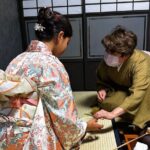
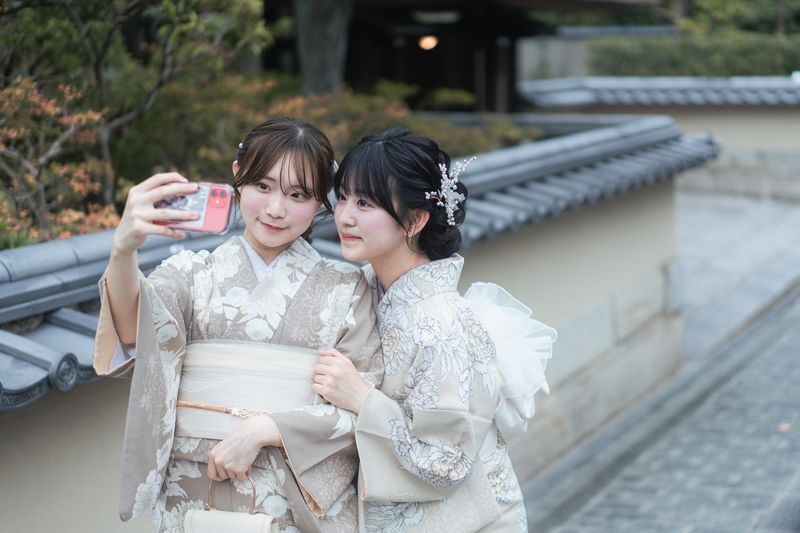
After choosing your outfit, you move to the dressing stage. Professional staff dress you in the kimono and arrange the obi sash, taking care with both appearance and comfort. This is one of the most valuable parts of renting from a specialist shop: the layers are not just a costume to put on by yourself, and an experienced dresser can help the clothes sit properly for a long walk and a day of photos.
The listed dressing time is about 30 minutes. The full visit takes longer because it also includes selecting your clothes, making any paid additions, and choosing zori sandals. One customer who added hair styling and makeup estimated the full preparation at around an hour and a half. Use that as a sensible planning guide, rather than squeezing the appointment between two tightly scheduled stops.
The basic women’s and men’s kimono rental includes tabi socks, zori sandals, and a Japanese-style bag. In warm weather, mid-May to mid-September, you can instead rent a yukata, which comes with an obi, geta sandals, and a bag. The package also includes storage for ordinary clothing and handbags while you are dressed.
There are a few practical comfort points. Use the restroom before the fitting, since several layers are secured snugly. Women are advised to bring a kimono bra if they have one. If you are renting a yukata, light-colored underwear is recommended. Men’s underwear and lightweight trousers are not sold at the shop, but can be rented for ¥220.
Hair, makeup, and photography add-ons
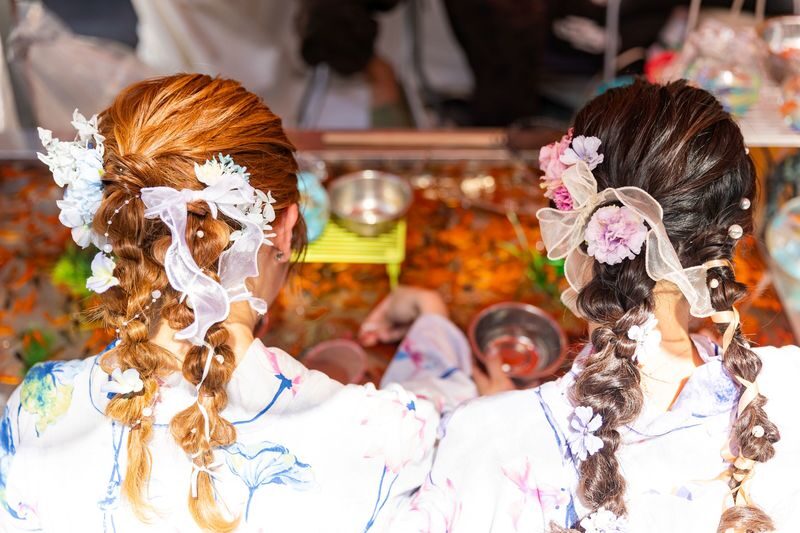
Hair styling is a popular extra, but it is not included in the standard rental. If you want it, choose a package that includes styling when you book. Adding it at the shop costs ¥2,200, subject to availability, so do not count on getting a last-minute appointment during a busy period. Hair accessories may also cost extra, depending on the plan and item.
Makeup is another optional service at ¥4,400 per person. It can make sense if you want a more finished look for a formal kimono or a planned photo session, but it is an easy expense to skip if you are aiming for a simple, lower-cost day. Ask what the selected plan covers before you arrive. In particular, do not assume that a hair accessory or every accessory on display is included.
Photography packages and a tea ceremony experience are also offered. Photography choices include Higashiyama, Mini Higashiyama, Arashiyama, and Bishamondo courses, with different arrival and departure times. Some require you to arrive between 10:00 a.m. and 1:00 p.m., then begin the shoot later in the afternoon. Read the timing closely before choosing, since a photo session shapes the rhythm of the whole day.
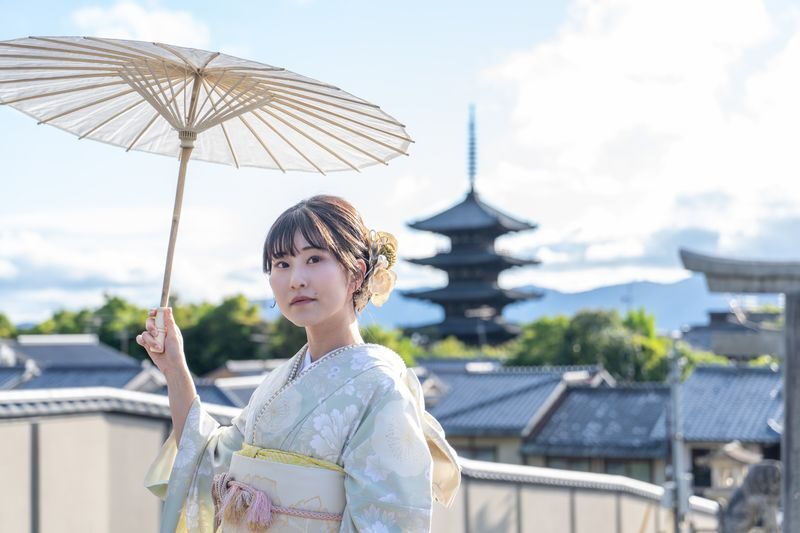
The photo options can add value if you want more than snapshots taken between sightseeing stops. Photographer Yoko Yamamoto has been praised for professional work on a Higashiyama session, and photographer Mao has been noted for bringing props such as an umbrella and finding scenic spots. These are named staff associated with specific sessions, not a guarantee of who will be assigned to your booking.
Planning a day out from Gojo
Yumeyakata’s Gojo store is about a three-minute walk from Gojo Station, one subway stop from Kyoto Station. It is a useful base for starting a day in kimono, with access to major sights including Kiyomizu-dera, Gion, Fushimi Inari Taisha, and Nijo Castle. The shop is not directly beside every landmark, though. Kiyomizu-dera, for instance, may require a bus or taxi ride depending on your route and pace.
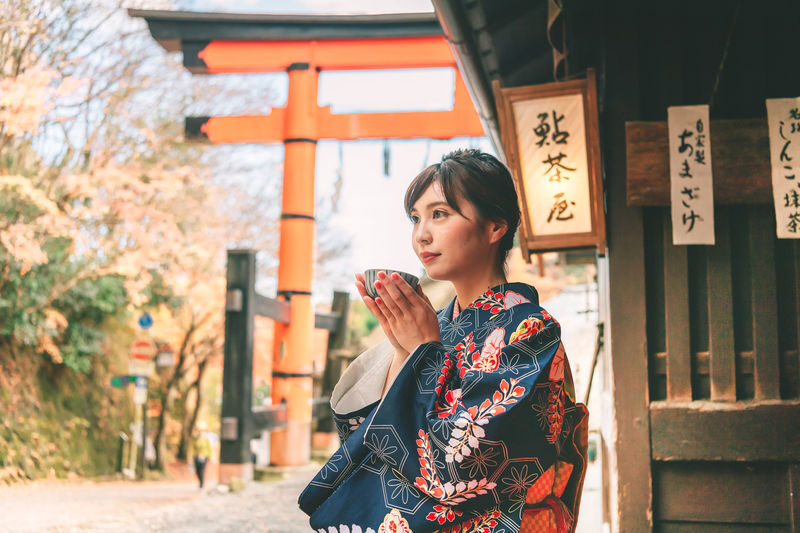
Consider your destination before you choose your rental time. Kimono can make a stroll through older streets and shrine approaches feel especially atmospheric, but you will be wearing sandals and a fitted outfit. A day that involves lots of walking, long transit connections, or steep routes may call for more breaks than you would usually take. For a relaxed outing, choose one area and give yourself time to enjoy it.
You can book a start time from 10:00 a.m. through 3:30 p.m. in half-hour intervals. The shop opens daily from 10:00 a.m. to 5:30 p.m., with the last admission at 4:00 p.m. A later start leaves less time for sightseeing, since the standard return is due by 5:30 p.m. A late return costs ¥2,200 per person.
You can also return the outfit the following day between 9:00 a.m. and 5:00 p.m., or return it by mail, for an additional fee. These options can be helpful if you want a longer outing or do not want to hurry back across town. Confirm the extra charge and procedure at the shop before setting off.
What the price includes, and what it does not
The starting price is listed from $18.79, but the total depends on the plan you choose. The standard rental provides the core outfit and accessories needed to wear it outside: a kimono, obi sash, tabi socks, zori sandals, and Japanese-style bag. For a yukata rental in season, the included footwear changes to geta.
That is a useful base price if you mainly want to dress up and explore Kyoto. It becomes less of a bargain if you add several extras, since hair styling, makeup, accessories, and some special services are charged separately. Higher-end kimono, premium plans, photography, and the tea ceremony are separate options too. Compare the full package details, not just the entry price, before booking.
The student-discount standard plan is for customers aged 25 and under and requires a student ID. Children can also rent: child kimonos are available for boys and girls from 85 to 135 centimeters tall, generally ages three to ten. Yukata sizes are listed separately for girls from 90 to 150 centimeters and boys from 90 to 120 centimeters. Children may have fewer designs to choose from than adults.


Comfort, luggage, and seasonal advice
Kyoto’s weather can change how enjoyable a kimono day feels. Yukata rentals are offered from mid-May to mid-September, but summer can be very hot. In cooler months, dress in warm layers beneath the kimono. The shop recommends leggings or tights and a Heattech layer, or an inner garment with a wide neckline at the front and back. Keep in mind that tights prevent you from wearing tabi socks, so leggings are the better choice if you want the traditional footwear.
The store can hold clothing, handbags, and backpacks at no charge. Special or oversized luggage, including suitcases, strollers, and wheelchairs, may incur a fee. Space is limited to one suitcase per person, and items larger than 50 by 40 centimeters count as oversized. Keep valuables such as passports and cameras with you, since the shop cannot accept responsibility for them.
The shop does not provide kimono dressing for pregnant customers as a standard service. If someone strongly wishes to proceed, it is at their own risk and requires signing a waiver. Irreparable damage, such as torn seams, holes, oil paint, or cigarette tar, can result in a ¥5,000 charge. These are sensible reasons to handle the outfit with care and ask staff if you are unsure how to manage a spill or snag.
Who will get the most from Yumeyakata?
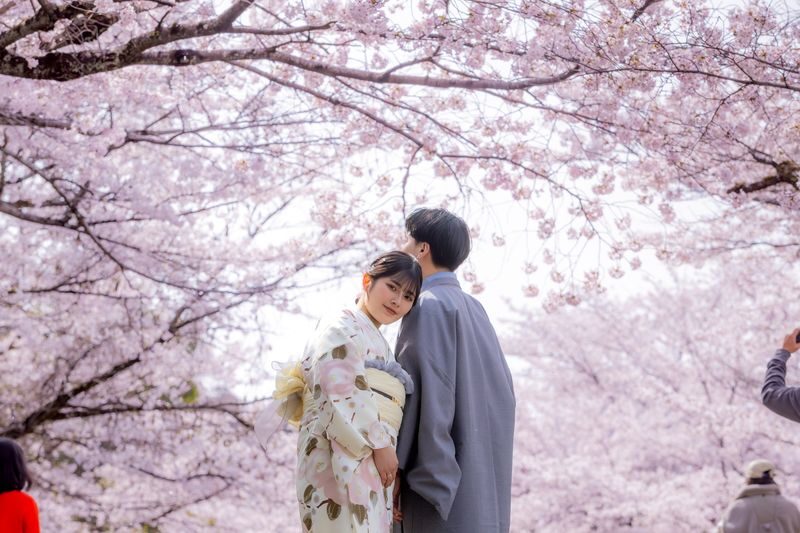
I would choose this rental if dressing in kimono is part of the Kyoto day you want, rather than a quick photo prop. The professional fitting, broad range of designs, and option to add hair styling make the preparation feel like a proper activity. The service also suits families, students, couples, and solo visitors, with child sizes and a range of adult sizes available.
It is especially appealing if you want staff help with choosing and putting on the outfit. The fitting process is structured, and staff can help you understand each step. If you are booking a photo session or formal plan, the shop’s dedicated options give you a more planned experience than a basic walk-in rental.
I would think twice if you dislike extra charges, are uncomfortable in restrictive clothing, or want to keep a very tight sightseeing schedule. The standard package does not include every accessory or hair service, and the outfit can feel uncomfortable in extreme heat or cold. Before booking, compare plans, check what your selected package includes, and allow enough time for dressing and the return trip.
For booking terms, pay close attention to the specific plan and voucher. The details provided include both a 24-hour free-cancellation rule and a separate no-refund statement, so confirm the terms attached to your chosen booking rather than assuming every package has the same policy.
Should you book this kimono rental?
Book Yumeyakata if you want a professionally fitted kimono, a good range of styles, and a clear starting point for a Kyoto stroll. The strongest value is in the basic rental if you are happy to handle your own hair and keep accessories simple. Add hair styling or photography when those details matter to the day, and budget for them up front.
Arrive early enough to choose without rushing, wear practical underlayers, and plan your route around the 5:30 p.m. return. With those details sorted, the rental can turn an ordinary sightseeing day into a more memorable way to meet Kyoto’s streets.
Kimono Rental (Provided by Kyoto / Kyoto Kimono Rental Yumeyakata)
“An excellent place with very friendly staff. The kimonos are beautiful. You can return them via courier, which is super convenient. Renting a kimon…”
FAQ
What is included in the standard kimono rental?
The rental includes a kimono, obi sash, tabi socks, zori sandals, and a Japanese-style bag. Clothing and ordinary handbags can be stored at the shop.
Is hair styling included?
Hair styling is not included in the basic plan. You can book a plan that includes it, or ask to add it on the day for ¥2,200, subject to availability.
How long does it take to get dressed?
The listed steps take about 80 minutes: roughly 20 minutes to choose a kimono, 30 minutes for dressing, and 30 minutes for final changes and sandals. Allow more time if you add hair styling or makeup.
When must I return the kimono?
Return it to the Gojo store by 5:30 p.m. the same day. A late return costs ¥2,200 per person. Next-day return and return by mail are available for an extra fee.
Can children rent a kimono or yukata?
Yes. Child kimonos are available for boys and girls from 85 to 135 centimeters tall. Child yukata sizes are listed for girls from 90 to 150 centimeters and boys from 90 to 120 centimeters.
What should I wear under the kimono?
Women are advised to bring a kimono bra if they have one. For yukata, light-colored underwear is recommended. In cold weather, wear leggings and a warm inner layer; tights prevent you from wearing tabi socks.