Kyoto’s tea culture makes more sense when you try the whisk yourself. In this short class at 庵an京都, you learn the basics of preparing matcha and the gestures and etiquette that give the ceremony its shape.
I like two things here: you get hands-on practice, rather than only watching a demonstration, and the session is brief enough to fit between bigger Kyoto plans. Depending on the package you book, you can add a Japanese sweets-making workshop, too.
The main caveat is expectation. This is a beginner lesson in a class setting, not necessarily the quiet, formal tea-room ceremony some people picture. English support is available, but how much you hear in English may vary by session.
- What to know before you book
- Making matcha, not just watching it
- A short class in a classroom setting
- Choosing a sweets-making package
- What the timing and price mean for your day
- Who will enjoy this Kyoto tea class?
- Is it worth booking?
- FAQ
- How long does the tea ceremony class take?
- What can I learn during the class?
- Are Japanese sweets included?
- Is the class suitable for beginners?
- Is English instruction available?
- Where does the activity take place?
- Can I cancel or change my booking?
- The Best Of Kyoto!
- More Workshops & Classes in Kyoto
- More Tours in Kyoto
- More Tour Reviews in Kyoto
What to know before you book
 1 / 6
 2 / 6
 3 / 6
 4 / 6
 5 / 6
 6 / 6
- You make matcha yourself: The class focuses on preparing and tasting tea, with instruction on the basic steps and etiquette.
- The core experience takes about 30 minutes: It’s an easy cultural stop to fit into a day of sightseeing.
- Sweets depend on the package: Options include a tea class, a nerikiri sweets workshop with tea, and a package with both ohigashi and nerikiri.
- The format is instructional: Plan on a hands-on lesson, not a full-length formal ceremony with a focus on costumes or photographs.
- The instructor and language mix can vary: Sessions may use Japanese and English, with demonstrations helping you follow along.
- Arrive early and check the address: Be there five minutes before your selected start time, and confirm the venue details before setting out.
👉 See our pick of the We Rank Kyoto’s 15 Top Workshops & Classes
Making matcha, not just watching it
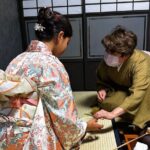
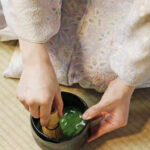
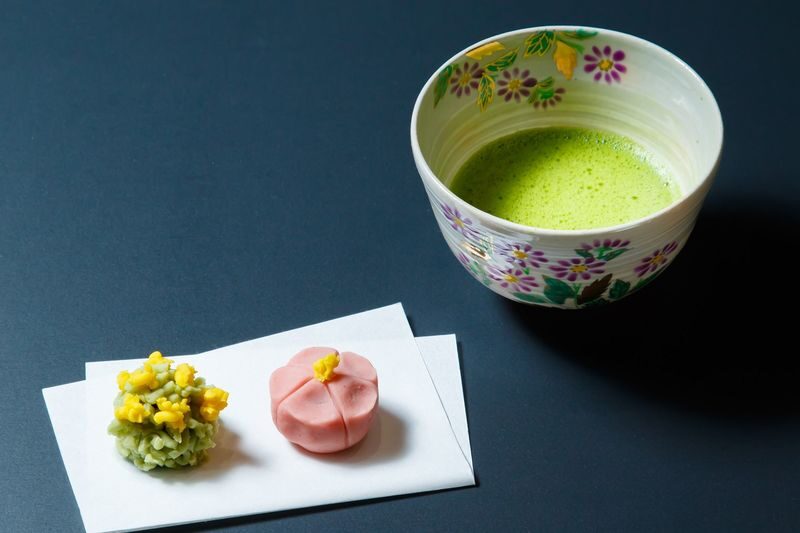
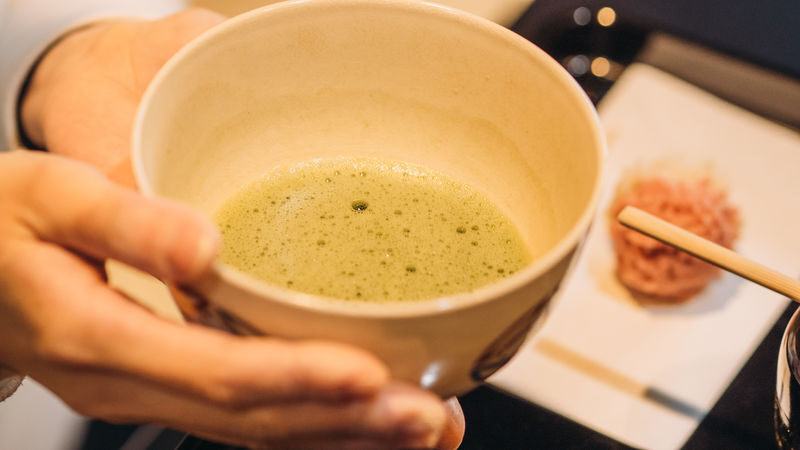
The heart of the activity is learning to prepare matcha. Your instructor guides you through the process, and you get to make the tea yourself, then taste it. That small shift from watching to doing is what makes a short class worthwhile: you leave with a clearer sense of how the powder, water, whisking and serving fit together.
The lesson also introduces the gestures and etiquette associated with tea. Those details matter because the ceremony is not simply a way to make a drink. The handling of the utensils and the order of each step give the preparation its form. In half an hour, you should expect an introduction, not an expert’s command of every custom or the full history of tea in Japan.
Some participants have found the matcha-making tips especially useful, including how to whisk it until it froths. If you already drink matcha at home, that practical detail may be more memorable than a long cultural talk. If you are new to it, you’ll get a friendly first look at what goes into preparing a bowl.
The instructor’s approach is a key part of the experience. Many sessions are described as clear, kind and engaging, sometimes with humor that helps a group relax. But language delivery isn’t identical every time. Some instructors speak Japanese and English, while other sessions rely more on Japanese explanations with English assistance and demonstrations. If a detailed English explanation is essential to you, keep that variation in mind.
You can also read our reviews of more tours and experiences in Kyoto

A short class in a classroom setting
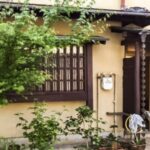
This is a compact, organized workshop at 日本文化体験 庵an京都 AN KYOTO, at 135-1 Manjujicho in Kyoto’s Shimogyo-ku. The listed experience time is 30 minutes, with a departure and return time tied to the session you choose. The schedule includes a 20-minute segment at the venue and a further 10-minute segment there before you return. In practice, it’s best to think of this as a short activity rather than a leisurely half-day outing.
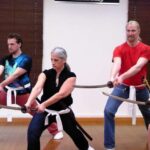
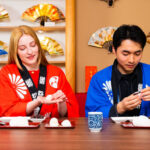
The setting is more class-like than some people expect from the words tea ceremony. You may be seated at tables and follow a demonstration, rather than entering a quiet traditional room for a long ritual. That format is useful if your goal is to learn the basics without a big time commitment. It may disappoint if you are hoping for a highly atmospheric event or a formal ceremony performed for you.
That distinction is worth sorting out before you book. The activity gives you a chance to understand the process by taking part, but the available information does not promise traditional dress, a particular room design, or a long ceremony. Treat it as a practical cultural lesson, and you’re less likely to arrive with the wrong picture in mind.
Choosing a sweets-making package
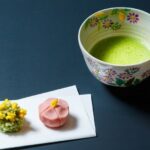
There are three package choices: the tea ceremony class, a tea and nerikiri-making class, and a tea class that includes both ohigashi and nerikiri sweets. Check the exact package name at checkout. The sweets are not a safe assumption for every option, and the amount of time needed can vary with the package.
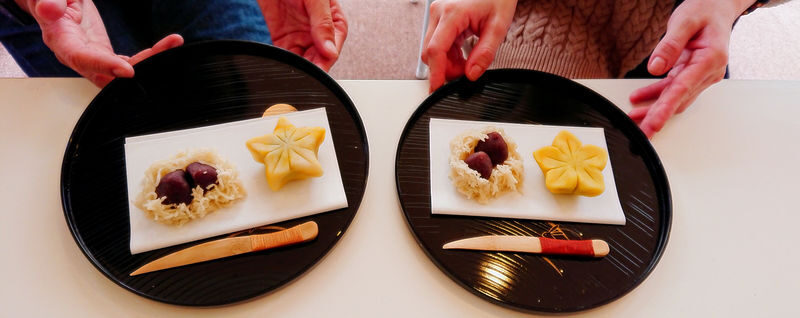
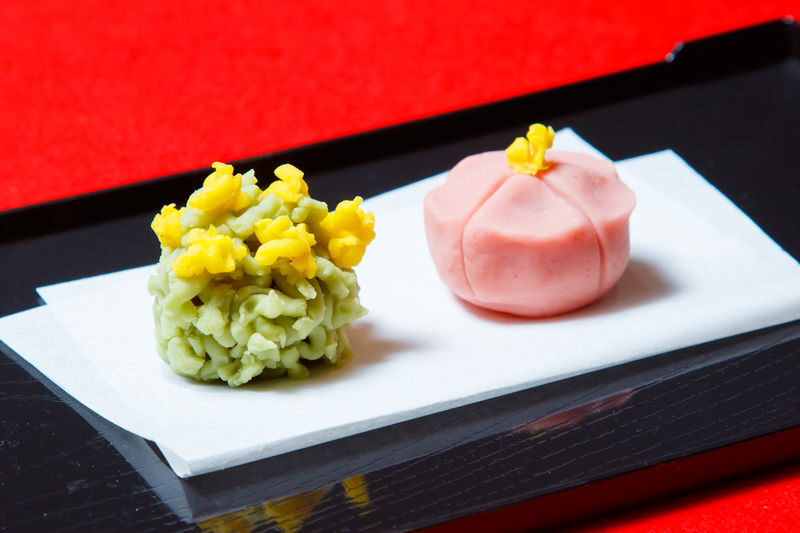
Nerikiri are made by shaping and coloring sweet dough into small decorative forms. In the longer workshop, you may get to mix colors, shape the sweets and enjoy them with matcha afterward. That adds a creative, hands-on part to the class, and it can make the outing more satisfying if you want to do more than prepare tea.
The ohigashi and nerikiri option adds another type of Japanese sweet. It can be good value if you want a fuller food-focused activity, but a longer program may not suit everyone. One participant who took several workshops found that two hours felt like a lot, especially in summer when the air conditioning seemed weak. Choose the shorter class if your schedule is tight or you’d rather keep the activity simple.
Taste is personal, too. Some people find the sweets delicious and enjoy eating what they’ve made; others may not care for the flavor or find the process harder to follow. The strongest reason to add a sweets workshop is the making itself, not a guarantee that every sweet will become your new favorite.
What the timing and price mean for your day
The starting price is $8.05, making this a low-cost way to add a hands-on cultural activity to a Kyoto itinerary. The short class offers good value if you want an introduction to matcha without committing much of your day. Packages with sweets may cost more, so compare what each one includes instead of choosing by the lowest price alone.
The scheduled start times are 09:05, 11:35, 14:05, 16:35 and 19:05. Available return times vary according to your chosen session and its duration. You must take part at the time selected during booking, and the operator asks you to arrive five minutes early. Late arrivals can be a real problem: a participant who missed the start was told to make a new reservation rather than join a later session.
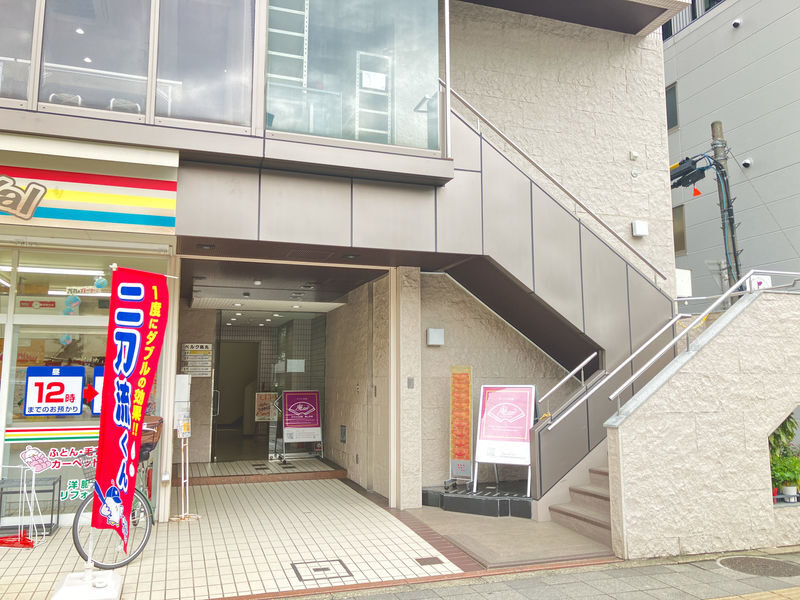
The meeting point is given as the activity venue at 135-1 Manjujicho, but one participant had trouble finding the class after being directed to a different location. To avoid losing part of a short session, check your confirmation and map pin before you leave, and ask for clarification if the address or directions appear inconsistent.
This is a meet-up activity, not a tour with transport between sights. You make your own way to the venue. The schedule may change with weather or other conditions, and extreme weather or an unforeseen event can lead to cancellation, with the option to reschedule or request a refund.
Who will enjoy this Kyoto tea class?
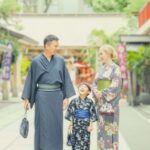
I’d choose this for a first-time visitor who wants a compact introduction to matcha, or for anyone who’s curious about Japanese tea customs but not ready to commit to a long ceremony. The short class also suits families looking for an activity with a defined start and finish. There is no age limit, and a family with a seven-year-old has taken part in the sweets and tea option.
It can work well for solo visitors, too. You don’t need to bring a group, and the class gives you something to do rather than making you an observer. If you’re interested in Japanese food, consider one of the sweets packages; the extra preparation gives the session more variety.
I would look elsewhere if your priority is a highly formal ceremony, a carefully staged traditional room, or a long discussion of tea philosophy. The tone and teaching style can differ from one session to another, and some people find the explanation too brief or the English hard to follow. A relaxed attitude and realistic expectations will help.
The venue is not wheelchair- or stroller-accessible. Dress for the day’s weather, and remember that the activity may be canceled in extreme conditions. These practical points are especially useful if you’re coordinating the class with other plans or traveling with someone who needs step-free access.

Is it worth booking?
For the starting price, this is a sensible way to learn how matcha is prepared and get a small taste of Kyoto’s tea culture. I’d book the basic class if you mainly want to make tea and keep your schedule open. Choose a sweets package if shaping Japanese confections sounds as appealing as the matcha, and check the total duration before you commit.
The key is knowing what you’re buying: a short, hands-on introduction, not a full formal tea ceremony. If that matches your plans, the class offers useful context and a pleasant pause in a busy sightseeing day. If atmosphere and ceremony are your main goals, look for an experience that specifically promises those elements.
Tea Ceremony Class Experience in Kyoto
“Great affordable experience! The sweets were yum”
FAQ
How long does the tea ceremony class take?
The listed experience time is 30 minutes. Sweets packages may take longer, so check the duration for your selected option.
What can I learn during the class?
You’ll learn the basics of preparing matcha and get an introduction to the movements and etiquette associated with the tea ceremony.
Are Japanese sweets included?
That depends on the package you choose. Options include the tea class, tea with nerikiri-making, and tea with both ohigashi and nerikiri-making.
Is the class suitable for beginners?
Yes. The activity is described as beginner-friendly, and the instructor demonstrates the steps.
Is English instruction available?
English assistance is available, but the balance of Japanese and English can vary by session.
Where does the activity take place?
The stated address is 135-1 Manjujicho, Shimogyo-ku, Kyoto, at 日本文化体験 庵an京都 AN KYOTO. Check your confirmation and directions before setting out.
Can I cancel or change my booking?
You can cancel for a full refund at least 24 hours before the activity date, using destination local time. Changes are allowed until 24 hours before the activity starts, with some booking types excluded.