Arashiyama’s bamboo grove, a Zen rock garden, and the gold-covered pavilion at Kinkaku-ji make an ambitious day out. This tour links those famous sights with Tenryu-ji’s garden and a hands-on koboshi doll craft, so you get more than a string of temple visits.
I like two things in particular: an English-speaking guide puts history and customs into context, and the craft gives you a chance to try a traditional art rather than only look at one. Guide Justin has been singled out for his friendly manner, clear explanations, and helpful recommendations, though you should not assume he will lead every departure.
The trade-off is a full schedule, with a lot of walking and several major sights to fit into one day. Meals are not included, and the stated afternoon times for Ryoan-ji and Kinkaku-ji overlap, so treat the schedule as a guide rather than a promise of exact arrival times.
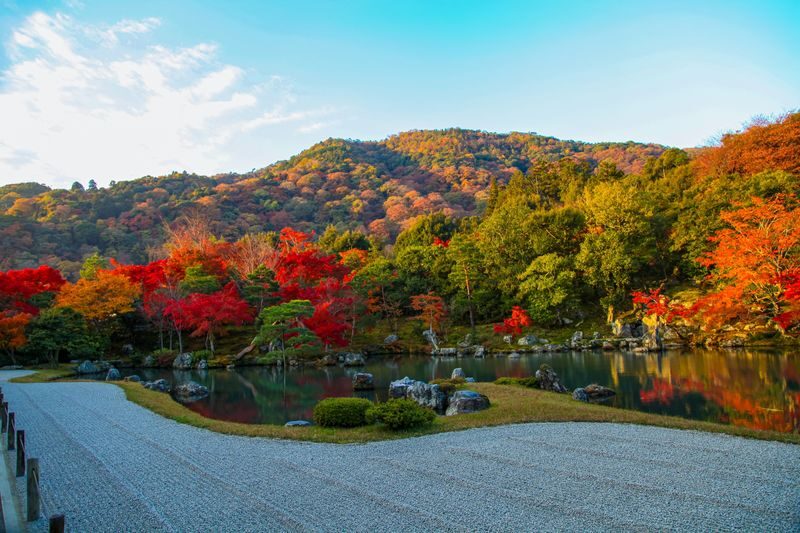
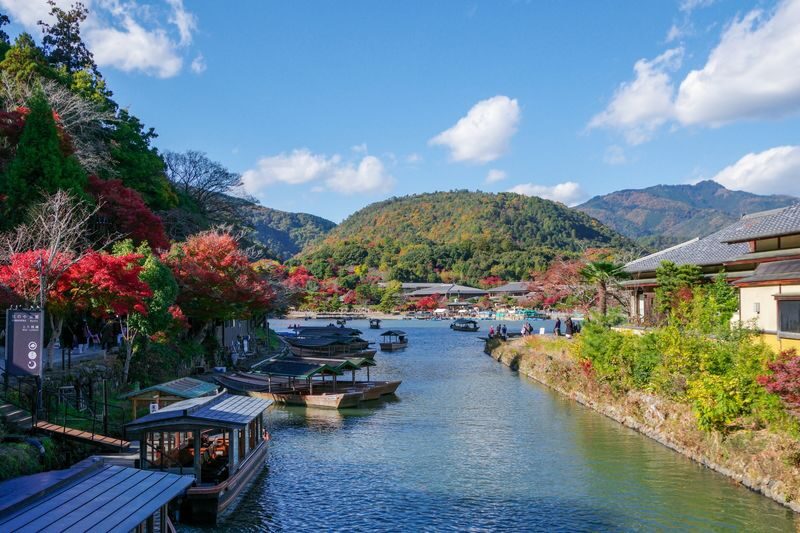
- Arashiyama combines Tenryu-ji’s World Heritage grounds, the famous bamboo grove, and the Togetsukyo Bridge area.
- A koboshi craft session introduces traditional dolls associated with good luck and resilience.
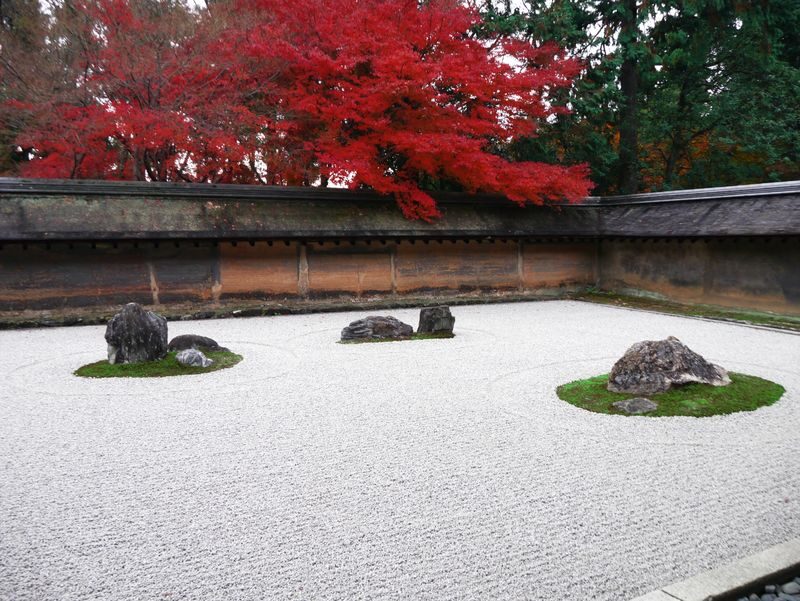
- Ryoan-ji’s rock garden offers a quieter, more contemplative contrast to Kyoto’s famous golden pavilion.
- Kinkaku-ji closes the day with gold leaf, garden paths, and one of Kyoto’s best-known temple buildings.
- Admission and round-trip transfers from the meeting location are included; food and drinks are not.
- The guide can add real context: Justin has been praised for making history approachable and pointing out lesser-known details.
- One day, four very different sides of western Kyoto
- Arashiyama: Tenryu-ji, bamboo and the bridge
- A koboshi doll: a small, hands-on cultural stop
- Ryoan-ji: time to consider the rock garden
- Kinkaku-ji: the golden finish
- What the guide adds
- Is 0.65 good value?
- Who should book this Kyoto tour?
- Should you book?
- FAQ
- Where does the tour start?
- Where does the tour end?
- How long is the tour?
- Which places are included?
- Is a guide included?
- Are attraction admission and the koboshi activity included?
- Are meals and drinks included?
- Do children pay the same price as adults?
- What happens if I need to cancel?
- The Best Of Kyoto!
- More Walking Tours in Kyoto
- More Tours in Kyoto
- More Tour Reviews in Kyoto
One day, four very different sides of western Kyoto
 1 / 9
 2 / 9
 3 / 9
 4 / 9
 5 / 9
 6 / 9
 7 / 9
 8 / 9
 9 / 9
This tour brings together the sights many people want to see in western Kyoto, but they are not all variations on the same temple visit. Arashiyama gives you river scenery, a celebrated temple garden, and a bamboo walk. Ryoan-ji turns your attention to a spare Zen rock garden. Kinkaku-ji offers a gleaming pavilion in a carefully arranged garden. The koboshi activity adds a small piece of traditional craft to the day.
That variety is the main appeal. Instead of choosing between natural scenery, religious sites, and cultural activities, you get a sample of each, with an English-speaking guide to help explain what you are seeing. The value lies partly in that added context: a garden can be lovely on its own, but an explanation of its history and design gives you more to take away than a quick photo.
The pace is brisk. Departure is scheduled for 9:00, and the return is listed for 17:00 at Kyoto Station. This is best treated as a full day with several stops, not a slow temple visit with long breaks. The schedule may change with weather and traffic, and the published times for Ryoan-ji and Kinkaku-ji both say 15:00. That overlap makes the exact afternoon timing unclear, so keep your plans after the tour flexible.

👉 See our pick of the We Rank Kyoto’s 15 Top Workshops & Classes
Arashiyama: Tenryu-ji, bamboo and the bridge
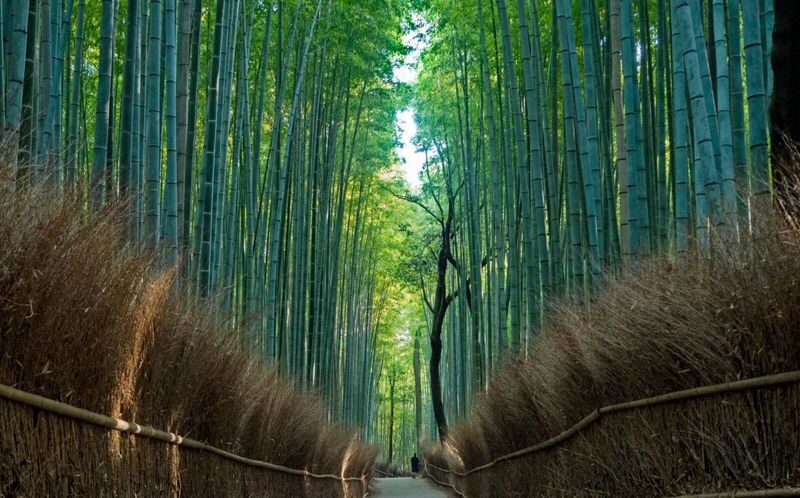
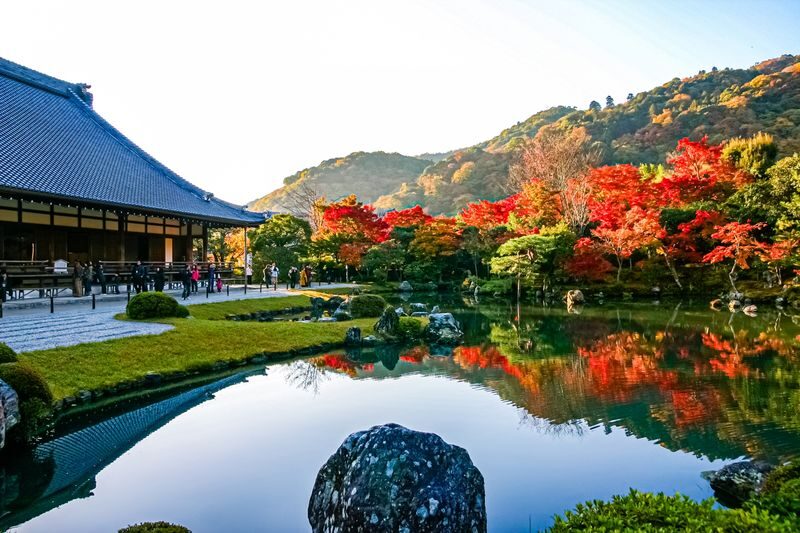
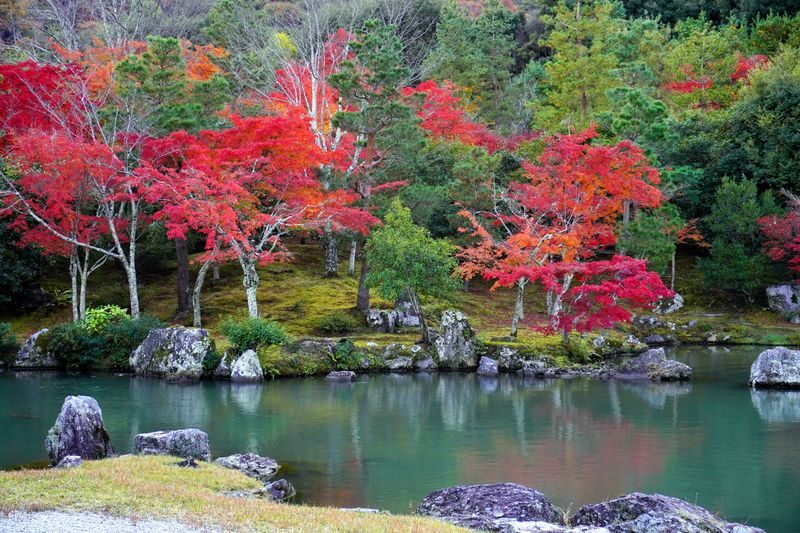
The day begins in Arashiyama, where the tour takes you through the grounds of Tenryu-ji, a temple registered as a World Heritage Site, with a guide. You then walk through the famous bamboo grove. The tour’s description also includes Togetsukyo Bridge, a picturesque crossing that helps give this part of Kyoto its distinct riverside character.
Tenryu-ji is worth more than a quick stop on the way to the bamboo. Its garden is one of the main reasons to visit, and the tour’s guided approach can help you notice the relationship between the temple grounds and the scenery around them. You will have a chance to ask questions rather than simply follow the flow of people through a popular site.
The bamboo grove is an iconic Kyoto sight, but its fame comes with a practical catch: it is a well-known stop, not a secluded path. Your experience will depend on the conditions that day, and the tour does not promise a quiet or private visit. I would enjoy it for the striking scale and atmosphere, while keeping expectations realistic about sharing the route.
The itinerary sets the Arashiyama visit at 9:30, half an hour after departure. It does not give a detailed breakdown of how long you stay at each location, so you should expect a guided visit within the larger day rather than unlimited time at any one site. Comfortable walking shoes are a sensible choice for a tour built around temple grounds and walks between sights.
You can also read our reviews of more walking tours in Kyoto

A koboshi doll: a small, hands-on cultural stop
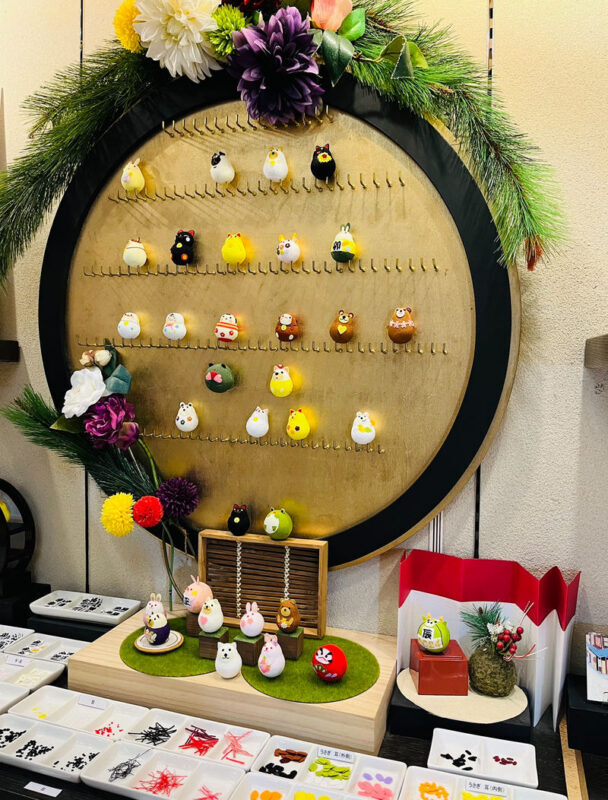
At 12:30, the schedule lists a visit to Koju Kyoto Ninenzaka Store for a koboshi experience. Koboshi are described as traditional Japanese dolls dating back to the 14th century, and as good-luck charms that symbolize resilience. Instead of only hearing about a traditional art, you get to make something yourself and take a souvenir away.
That makes this a useful change of pace between the outdoor sights and the afternoon temples. The experience is included in the tour price, as is admission to the attractions. The description does not specify how long the activity lasts or exactly what materials and steps are involved, so do not count on a particular format beyond the chance to try the craft.
There is a location detail worth checking before you go: the activity is listed at a store on Ninenzaka, while the wider tour focuses on western Kyoto. The schedule does not explain the transfer between this stop and the next one. Round-trip transfers to and from the meeting location are included, and the tour description says you travel by train to Ryoan-ji, but it does not spell out every leg of the day. Follow your guide’s instructions rather than trying to arrange separate transport based on the abbreviated schedule.
Ryoan-ji: time to consider the rock garden
Ryoan-ji is known for its Zen rock garden, a dry garden whose simple arrangement invites attention and interpretation. The tour description frames it as an abstract dialogue within the garden. That is a good way to approach the visit: there is no need to arrive with a single correct answer about what the stones mean. The value is in looking carefully and seeing how the spare design changes what you notice.
After the movement and bustle of Arashiyama, this stop offers a different kind of experience. You are not here for a big view or a hands-on activity, but for a more contemplative visit. A guide can offer historical or cultural context, while still leaving you room to form your own impression.
The published itinerary gives Ryoan-ji a 15:00 time, the same time listed for Kinkaku-ji. It also places Ryoan-ji before Kinkaku-ji in the description of the afternoon. Since the schedule may shift, it is sensible to think of these as the two afternoon stops, not to rely on the printed times as exact arrival slots.
Kinkaku-ji: the golden finish
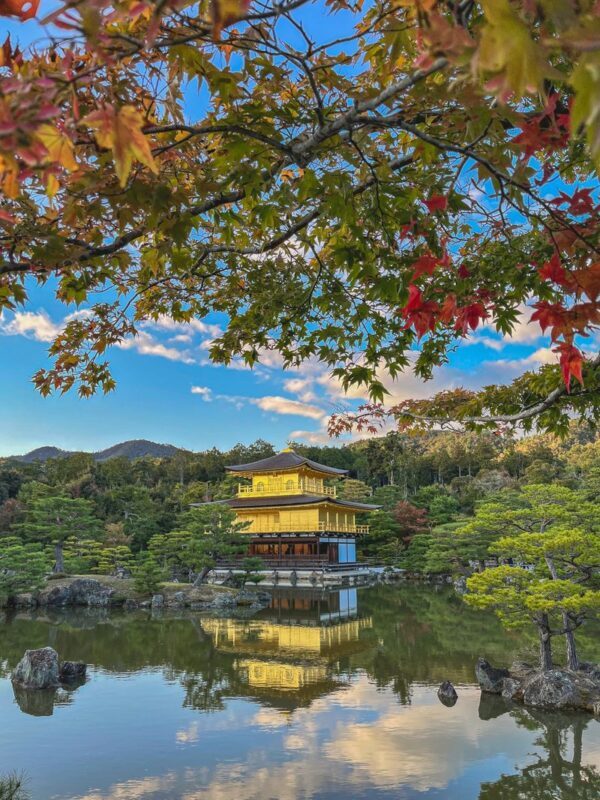
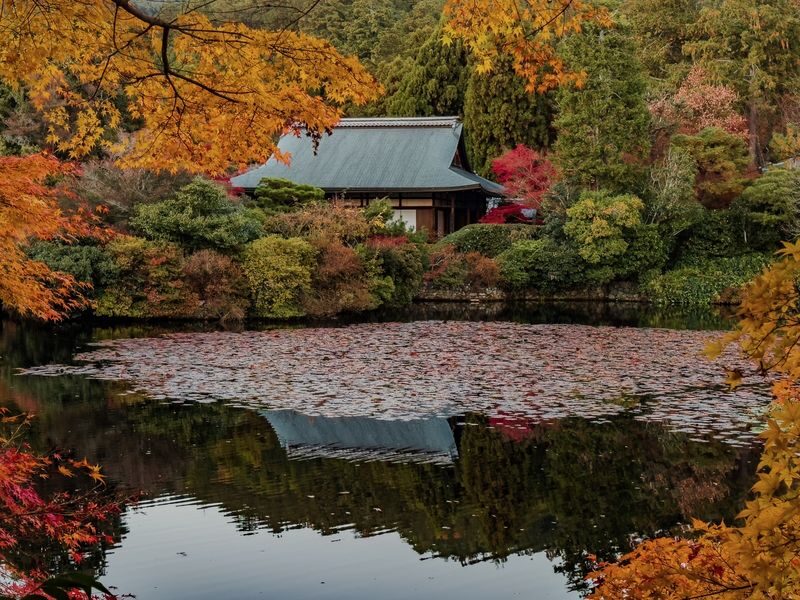
The final stop is Kinkaku-ji, whose official name is Rokuon-ji. It is a Zen temple and one of Kyoto’s most popular buildings, famous for its pavilion covered in gold leaf. The tour’s description also points to the surrounding gardens, which help make the visit more than a look at a striking exterior.
Kinkaku-ji is a natural finale because it is visually dramatic and easy to recognize. The trade-off is that its fame draws many people. You may share the grounds with crowds, and the tour does not promise a quiet visit or a particular amount of time at the pavilion. A guide can help make the stop more meaningful by placing the building and temple in context, but the main pleasure is still in seeing the gold catch the light and taking in the garden setting.
The day is scheduled to end at 17:00, returning to Kyoto Station. The meeting point and return point are both near the station, which is handy if you are staying in Kyoto or continuing your day from there. The listing names Kinkaku-ji as the final stop but also gives Kyoto Station as the return location, so expect the tour to bring you back to the station rather than leave you at the temple.
What the guide adds
The guide is a central part of the experience. The tour is not just transportation between four places: it is meant to explain Kyoto’s history and culture, and to introduce traditions through the koboshi activity. One guide named by past participants is Justin, who was praised for friendly explanations, patience with questions, useful recommendations, and sharing details beyond the obvious sights.
That style matters on a day with several famous stops. A bamboo grove and a golden pavilion are easy to recognize, but context can help you understand why they matter and what to look for beyond the first photograph. The tour’s stated aim is to make the city more understandable, and the praise for Justin suggests the best version of the experience is conversational rather than a string of memorized facts.
Guide assignments can vary, however, and no specific guide is guaranteed. If Justin’s approach is what caught your attention, treat his name as an example of the kind of guide the tour has had, not a booking promise. More broadly, you should expect an English-speaking guide, but the information provided does not state the group size.


Is $140.65 good value?
The listed starting price is $140.65. For that, the package includes an English-speaking guide, admission to attractions, the koboshi experience fee, and round-trip transfers to and from the meeting location. Those inclusions matter: the day visits several major sights, and a guide helps connect them rather than leaving you to work out the route and background on your own.
Meals and beverages are not included, and personal expenses are extra. Plan to pay for your own food and drinks during a day that runs from morning to late afternoon. The exact length of the meal break is not stated, so avoid assuming you will have a long, leisurely lunch.
I see the price as most worthwhile if you want several western Kyoto highlights in one organized day and value having a guide explain what you are seeing. If you prefer to spend hours at one temple, move at your own pace, or choose your own meal stops, independent visits may suit you better. The tour’s appeal is breadth and interpretation, not a slow, customized day.
Who should book this Kyoto tour?
This is a strong fit if you have one day for western Kyoto and want a mix of temples, scenery, and a cultural activity. It can also help if you want an English-speaking guide to answer questions and provide context at sites that can otherwise feel like a rapid sequence of famous views.
It is less suitable if you need a relaxed pace or want to spend most of the day in one place. The walking, multiple stops, and fixed departure time make the day structured. Families should note that children aged 0 to 5 are free, while children aged 13 and older pay the adult rate. The information does not state the rate for children aged 6 to 12, so check the booking details before you reserve for that age range.
Arrive at the Starbucks in Kyoto Tower Sando, on the first floor of the building, ten minutes before the 9:00 departure. To reach it, exit Kyoto Station through the Central Exit on the north side. Late arrivals and no-shows are not refundable, so allow time to find the meeting point. The voucher is presented on your mobile device and is valid only for the date specified.
The tour can be cancelled for a full refund if you cancel at least 24 hours before the activity date, using local time in Kyoto. In extreme weather or other unforeseen events, the operator may cancel, in which case you can reschedule or request a full refund.
Should you book?
Book this tour if you want a guided, full-day introduction to western Kyoto, with Arashiyama, two major temples, and a traditional craft activity all in one outing. Its strongest points are the range of experiences and the chance to hear useful explanations from a guide.
Skip it if you would rather explore at your own pace or give each stop more time. Before booking, be comfortable with the brisk schedule, bring money for meals, and keep your late-afternoon plans open because the listed stop times overlap and the schedule can change.
Walking Tour of Western Kyoto: Arashiyama, Kinkakuji and Koboshi
“I cannot recommend this tour highly enough! Our guide, Justin, was absolutely fantastic. He is incredibly knowledgeable about Kyoto's history and h…”
FAQ
Where does the tour start?
Meet at the Starbucks on the first floor of the Kyoto Tower Sando building, near Kyoto Station. Exit through the station’s Central Exit on the north side and arrive ten minutes before the 9:00 departure.
Where does the tour end?
The scheduled return is at 17:00 at Kyoto Station.
How long is the tour?
It is scheduled to run from 9:00 to 17:00, making it a full-day tour. The schedule may change because of traffic or weather.
Which places are included?
The tour visits Arashiyama, Tenryu-ji, the bamboo grove, Ryoan-ji, and Kinkaku-ji. The description also includes Togetsukyo Bridge and a koboshi doll activity.
Is a guide included?
Yes. An English-speaking guide is included.
Are attraction admission and the koboshi activity included?
Yes. Admission to attractions and the koboshi experience fee are included.
Are meals and drinks included?
No. Meals and beverages are not included, and personal expenses are extra.
Do children pay the same price as adults?
Children aged 0 to 5 are free. Children aged 13 and older are charged the adult rate. The provided details do not state the rate for children aged 6 to 12.
What happens if I need to cancel?
A full refund is available if you cancel at least 24 hours before the activity date, based on local time at the destination. If the operator cancels because of extreme weather or another unforeseen event, you can reschedule or request a full refund.