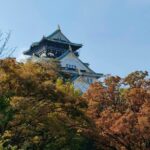
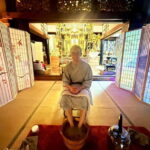
Katsuo-ji is a temple with a memorable idea at its heart: victory means working past your own doubts, not defeating someone else. Its many red Victory Daruma dolls turn that idea into something you can see, while the wooded setting makes this a welcome change of pace from central Osaka.
I like the personal meaning behind the Daruma, and I like that the entrance ticket can double as a postcard you complete with six stamps around the grounds. One thing to plan for: the temple is outside the city center, and the bus ride costs extra. The grounds can also get crowded early.
- Victory has a personal meaning here: Worshippers pray for success in health, work, exams, sports or love, then return a Daruma to show gratitude after reaching a goal.
- The ticket has a keepsake twist: Scan your QR code at the entrance and collect six stamps to complete a postcard.
- Green surrounds the temple: Katsuo-ji sits in Minoh Quasi-National Park, a peaceful setting for a break from Osaka’s city streets.
- Give the visit one to two hours: That allows time to explore the temple grounds, look at the Daruma and pause at the prayer spaces.
- Transport is separate: From Minoh-Kayano Station, a Hankyu Bus takes about 20 minutes to reach the temple.
- Arrive early if you can: The entrance can get busy, and the last admission is 30 minutes before closing.
- Why Katsuo-ji’s Daruma tell a different story
- The entrance, QR ticket and six-stamp postcard
- Exploring the temple grounds at your own pace
- Getting there from Osaka
- Crowds, timing and opening hours
- Adding Minoh Falls to the day
- Is the ticket worth booking?
- Should you go to Katsuo-ji?
- FAQ
- How long should I allow for Katsuo-ji Temple?
- What does the admission ticket include?
- How do I get to Katsuo-ji by public transport?
- What are the listed opening hours?
- How does the mobile ticket work?
- Is parking available on weekends and public holidays?
- How long is the ticket valid, and can I cancel it?
- The Best Of Osaka!
- More Tours in Osaka
- More Tour Reviews in Osaka
Why Katsuo-ji’s Daruma tell a different story
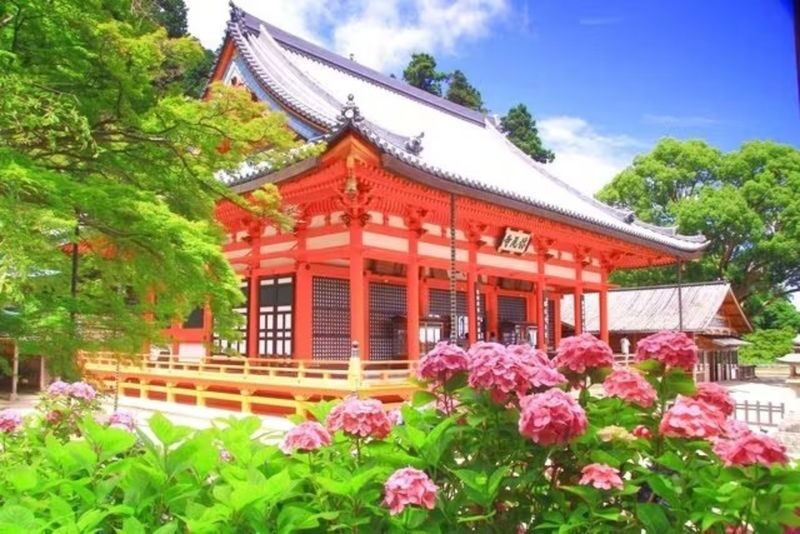
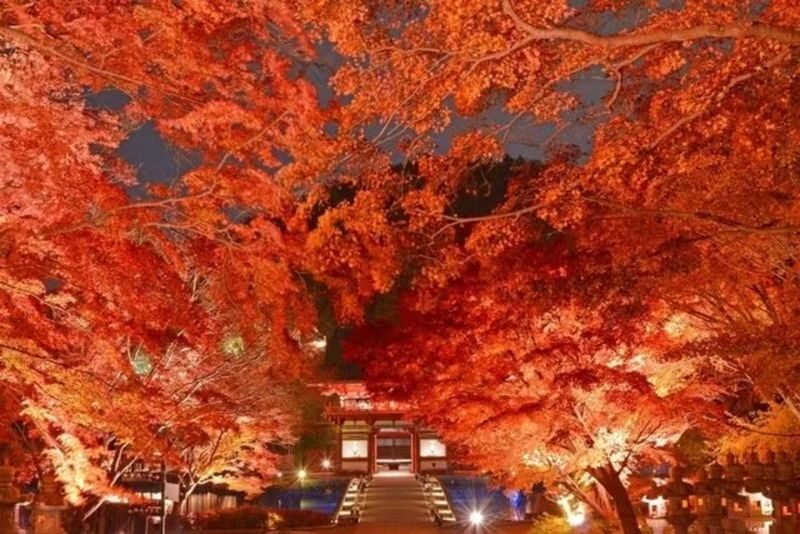
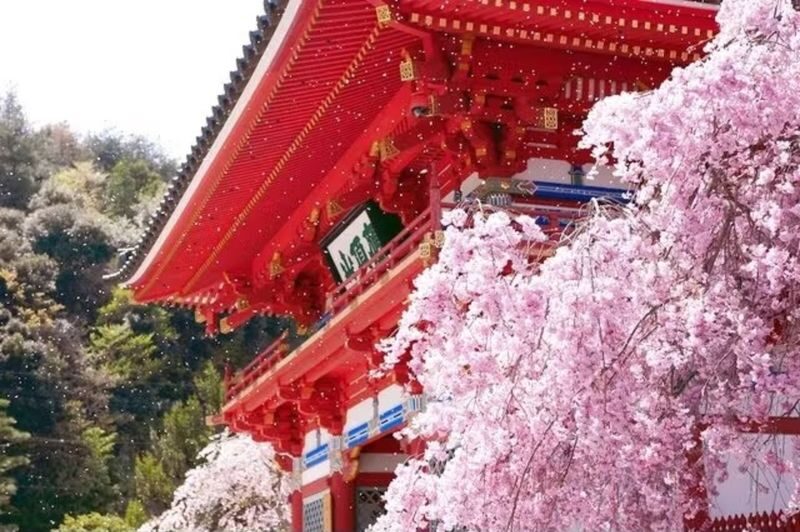
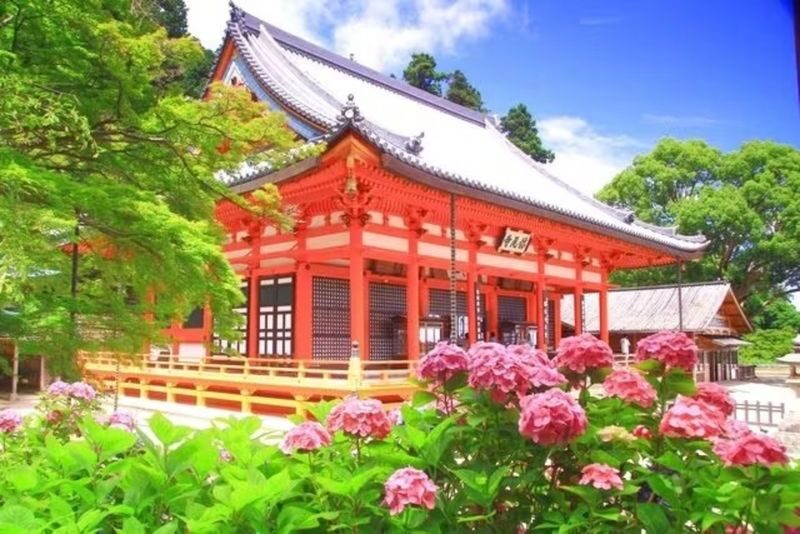
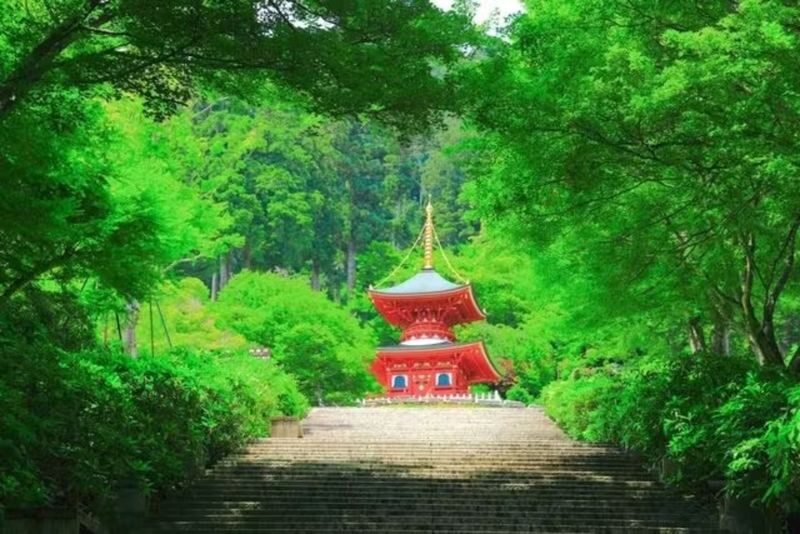
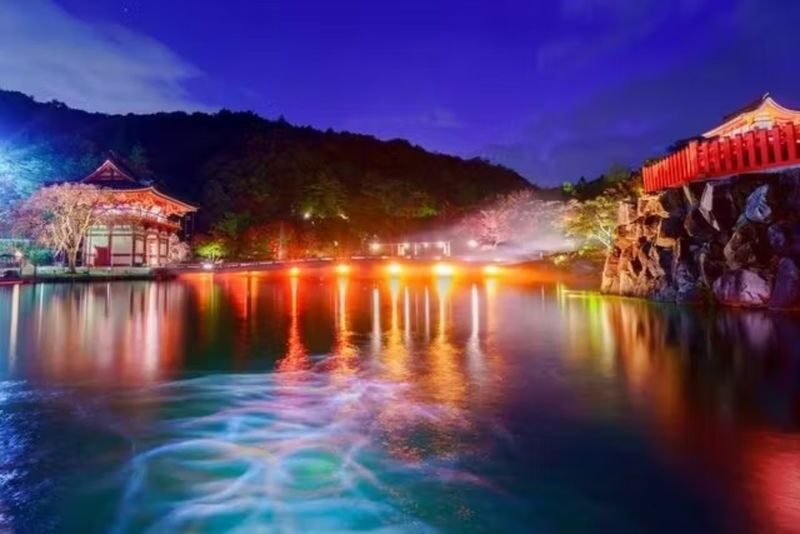
Katsuo-ji has about 1,300 years of history and a reputation as a place to pray for victory and good fortune. The temple has drawn powerful clans, including the Genji and Ashikaga, and today people come with hopes tied to health, business, exams, sports and love.
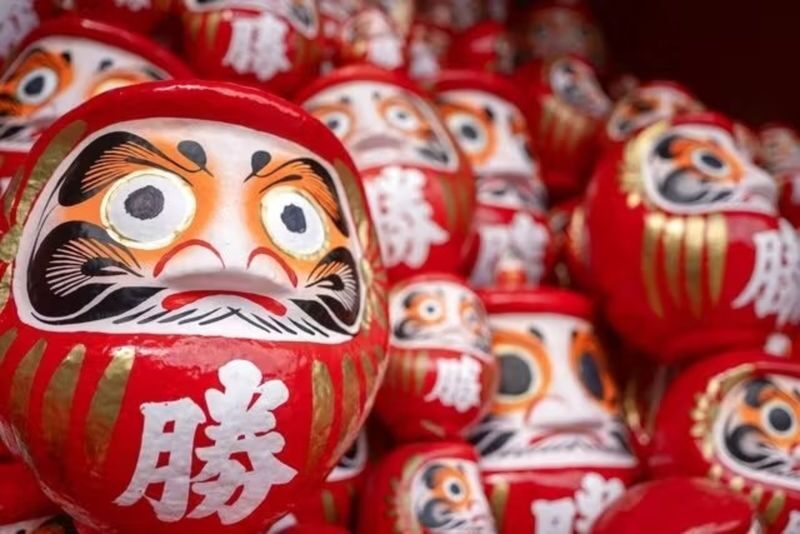
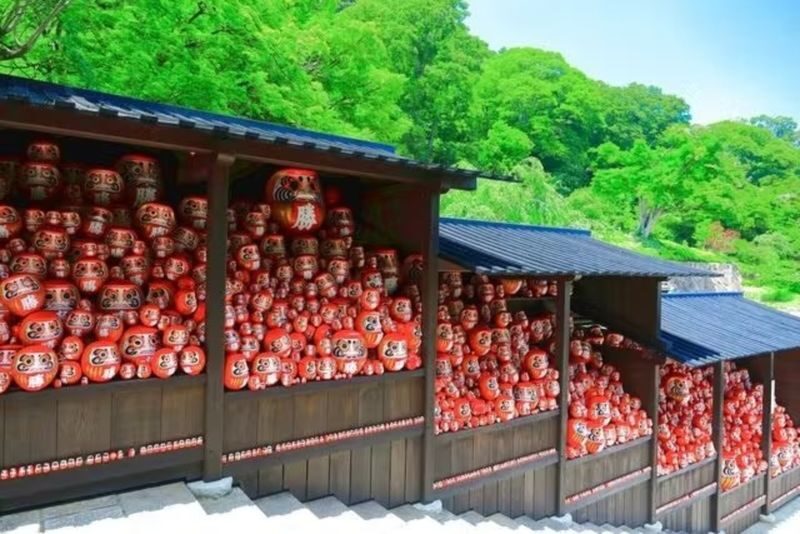
The striking feature is the Kachi Daruma, or Victory Daruma. These red dolls appear across the temple grounds, including on offering shelves. A worshipper may make a wish on a Daruma, work toward it, then bring the doll back after achieving the goal as a gesture of thanks.
That practice gives the word victory a useful turn. Here it is not about getting ahead of someone else. It is about facing a weakness, keeping at a goal and noticing your own progress. You do not need to arrive with a grand ambition to appreciate the idea. A personal hope, or simply a moment to reflect, is enough.
The Daruma also make the temple visually distinctive. They add bright spots of color against the trees and temple buildings, and they give you something specific to look for as you walk. Take photos respectfully, especially around worship spaces, and remember that these are part of active religious practice, not just decoration.

👉 See our pick of the The Top 15 Workshops & Classes In Osaka
The entrance, QR ticket and six-stamp postcard
The ticket covers admission to Katsuo-ji Temple. It does not include transport or other personal expenses, so budget separately for your journey and any purchases or offerings you choose to make.
An online ticket gives you a QR code to scan at the entrance. The basic process is straightforward: show the ticket screen on your phone, scan it, and enter. Buying ahead can save time if there is a queue for tickets on site, and you can purchase shortly before your visit and use the confirmation immediately.
There is a small extra that makes the admission feel more personal. The ticket is provided as a postcard, and you can collect six stamps around the grounds to complete it. Keep the card handy as you explore so you can add each stamp in the right place. It is an easy activity to miss if you tuck the ticket away at the start.
Admission is advertised from $0.65, but check the price shown for your chosen date and package before paying. The standard ticket does not include the bus, and that additional fare can make the full outing cost more than the low ticket price suggests. Admission is free from January 1 to January 5, according to the current information, so check before booking if your visit falls within those dates.
You can also read our reviews of more tours and experiences in Osaka.


Exploring the temple grounds at your own pace
This is a self-guided visit, not a guided tour with a named guide or fixed group schedule. Once inside, you can spend your time looking at the temple buildings, Daruma displays, prayer spaces and greenery at a pace that suits you.
Plan on about one to two hours for the temple itself. If you like taking photos, stopping to read signs or collecting all six stamps, leave room at the longer end. The site is also an active place of worship, so some visitors will want to pause and pray rather than move quickly from one photo spot to the next.
The grounds feel especially suited to a slow visit. Katsuo-ji is in Minoh Quasi-National Park, and its wooded surroundings offer a quieter contrast to central Osaka. The setting is part of the appeal, but it is also why weather matters. Check the forecast and dress for the conditions; rain can make the visit damp, though it does not necessarily spoil the atmosphere.
If you want to pray at the designated spaces, or take part in offerings involving incense or candles, bring some cash. Admission does not cover personal expenses, and cash is useful for these optional activities. You can still visit without buying anything or making an offering.
Getting there from Osaka
The listed public transport route starts at Minoh-Kayano Station on the Kita-Osaka Kyuko Line. From there, take a Hankyu Bus for about 20 minutes to the temple. The bus fare is separate from admission, so include it when comparing the outing with other Osaka activities.
A bus stop may require a little patience, particularly if you are not familiar with the route or the local bus system. Check the route and departure details before leaving, and keep enough time in your schedule for the ride back. The temple is about 30 minutes from central Osaka in the broad sense, but the full trip depends on where you start and how you connect.
Driving is another option. The stated journey is about 26 minutes from Suita IC, 22 minutes from Ibaraki IC and 33 minutes from Ikeda IC. These are approximate driving times, not a guarantee of how long the trip will take in traffic.
Parking rules need attention. On weekends and public holidays, you must reserve a space in advance. Only vehicles with reservations may enter, and if the lot is full, you cannot wait in line for access. Large buses and tour buses may drop off and pick up passengers but cannot use the lot for general parking. Motorcycles, including motorized bicycles, are not allowed on the road in front of the temple at any time.
Crowds, timing and opening hours
If a quiet visit matters to you, aim for opening time. Crowds can build early, and one account of a visit found the grounds already busy by 9:30 am. That will not be the pattern every day, but it is a good reason not to treat an early start as unnecessary.
The hours provided list Sunday through Monday from 8 am to 5 pm, with last entry at 4:30 pm. On Saturday, the listed hours are 8 am to 6 pm, with last entry at 5:30 pm. Opening times and closure dates can change, and the information does not give a schedule for Tuesday through Friday. Check the temple’s current website before setting out.
The reception for shrine services closes 30 minutes before the gates, so do not leave a prayer or service-related visit until the final moments. The grounds themselves also deserve more than a rushed walk through. Two hours gives you a better chance to see the Daruma displays, complete the postcard and take in the surroundings without watching the clock.
Adding Minoh Falls to the day
Katsuo-ji can be the main purpose of your outing, or part of a longer day in the Minoh area. A walking route toward Minoh Falls and back toward the station has been described as about a four-kilometer loop. Treat that as an optional extension rather than part of the temple admission, and allow extra time if you plan to add it.
This combination works well if you want a day with both a temple visit and time outdoors. The trade-off is simple: the temple’s one-to-two-hour estimate does not include the extra walk, and you will need to plan your transport and timing accordingly. Wear shoes and clothing that suit the weather, especially if you expect to spend longer outside.

Is the ticket worth booking?
The value is not just the entrance price. A QR ticket can make arrival quicker when the on-site ticket queue is long, and the postcard with six stamps adds a small, tangible souvenir to the visit. If you are already planning to go, these are practical benefits. The ticket does not solve the separate transport cost or make the temple less busy.
There is also a package option combining admission with an Osaka Metro 1-Day Pass North Plus 1day. It may suit a day when you will use the metro elsewhere, but compare the package with your actual plans before choosing it. The standard admission ticket is the simpler choice if you only need entry.
The ticket voucher is valid for 28 days from booking confirmation and expires at 4:30 pm on its final day. The booking information says the ticket cannot be canceled, so check your date and plans carefully. Children aged 0 to 2 enter free; children aged 16 and older pay the adult rate. The price for ages 3 to 15 is not specified in the provided details, so confirm it before booking.
Should you go to Katsuo-ji?
I would choose Katsuo-ji if you want a temple visit with a clear story, an unusual visual detail and a break from the city. The Daruma tradition gives the visit meaning beyond its photo appeal, and the wooded setting makes it a good choice for a slower day. It suits people interested in temples, personal rituals and time outdoors.
I would think twice if you are short on time, dislike crowds or want an easy, all-in-one city attraction. Transport is separate, the bus journey takes planning, and the temple can become busy early. If those drawbacks are manageable, go near opening time, bring your QR code and give yourself enough time to explore without rushing.
Osaka: Katsuo-ji Temple
“easy and quick! booked in the line for the bus( note the bus fare is separate and is card only)”
FAQ
How long should I allow for Katsuo-ji Temple?
Plan for about one to two hours at the temple. Allow more time if you want to collect all six stamps or add a walk toward Minoh Falls.
What does the admission ticket include?
The ticket includes admission to the attractions at Katsuo-ji Temple. Transport and other personal expenses are not included.
How do I get to Katsuo-ji by public transport?
From Minoh-Kayano Station on the Kita-Osaka Kyuko Line, take a Hankyu Bus for about 20 minutes. The bus fare is separate from admission.
What are the listed opening hours?
The information lists Sunday through Monday from 8 am to 5 pm, with last entry at 4:30 pm, and Saturday from 8 am to 6 pm, with last entry at 5:30 pm. Hours and closures may change, so check the temple’s website before your visit.
How does the mobile ticket work?
Present the ticket screen purchased for the activity at the entrance and scan its QR code. The ticket is also a postcard that you can complete by collecting six stamps around the grounds.
Is parking available on weekends and public holidays?
Parking requires a reservation on weekends and public holidays. Only reserved vehicles may park, and waiting for an opening is not permitted if the lot is full.
How long is the ticket valid, and can I cancel it?
The voucher is valid for 28 days from booking confirmation and expires at 4:30 pm on the last day. The booking information says the ticket cannot be canceled, so check your plans before booking.