Osaka Science Museum makes science approachable through two distinct choices: a planetarium show about the stars and galaxies, or an exhibition area built around space and energy. I like that you can pick the format that suits your visit, and that the starting price, about $2.80, keeps the museum within reach even on a modest Osaka budget.
I also like the planetarium’s set session length of roughly 45 minutes and its large capacity of up to 250 people. The main consideration is language: the show is in Japanese, and English support is not assured. Exhibition displays have limited explanations, though QR codes can provide English descriptions.
- Key things to know
- Two experiences, one science museum
- The planetarium: a 45-minute trip through space
- The exhibition area: take science at your own pace
- Timing your visit around the museum clock
- Is the low starting price good value?
- Who will enjoy Osaka Science Museum most?
- Should you book it?
- FAQ
- How long is a planetarium session?
- How many people can attend a planetarium session?
- Is the planetarium show available in English?
- Can I get English information in the exhibition area?
- What are the museum’s opening hours?
- Are children allowed in the planetarium?
- The Best Of Osaka!
- More Tickets in Osaka
- More Tours in Osaka
- More Tour Reviews in Osaka
Key things to know
- Two ticket choices: Buy admission for the planetarium or the exhibition area. Check that you have selected the experience you want.
- Planetarium sessions last about 45 minutes: Sessions use a rotation system, with space for 250 people on a first-come, first-served basis.
- English is more accessible in the exhibition area: QR codes can bring up English descriptions, but display text is limited.
- The planetarium is best if Japanese works for you: A show can explain stars and galaxy formation in detail, but English narration is not guaranteed.
- Plan around the clock: The museum is open 9:30 a.m. to 5 p.m., with last entry at 4:30 p.m. The final regular planetarium show is at 4 p.m.
- Check the child rules before booking: Children under 2 enter free but sit on a guardian’s lap. Children in third grade or younger need an accompanying guardian in fourth grade or above.

👉 See our pick of the The Top 15 Workshops & Classes In Osaka
Two experiences, one science museum
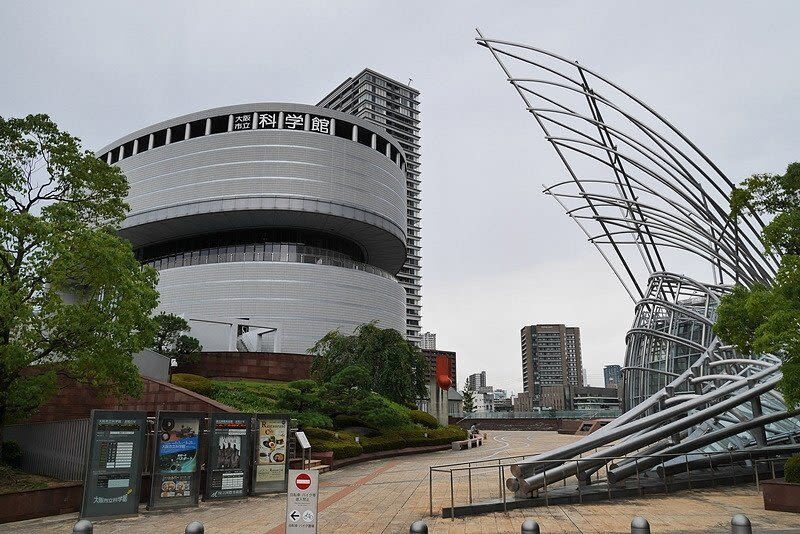
The Osaka Science Museum sits in Nakanoshima, among office buildings in central Osaka. Its focus is space and energy, and its purpose is to make science enjoyable for adults and children alike. Your ticket is not a guided tour or a package of multiple attractions. It gives you admission to one of two options: the planetarium or the exhibition area.
That distinction matters when you book. If you want a show beneath a dome, choose the planetarium package. If you want to explore displays at your own pace, choose the exhibition area. The supplied price begins at about $2.80, but that is a starting figure, not a promise that both options cost exactly the same. Check the price shown for your chosen date and package.
I like the flexibility of this setup. A short planetarium session can fit neatly into a day of sightseeing, while the exhibition area suits you if you prefer to stop, scan information, and move on when you are ready. The trade-off is that you need to choose your priority in advance rather than assume one ticket covers both.
You can also read our reviews of more tours and experiences in Osaka


The planetarium: a 45-minute trip through space
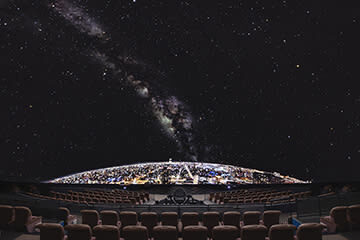
A planetarium session lasts about 45 minutes. The museum runs sessions in a rotation, with capacity for up to 250 people at a time on a first-come, first-served basis. That gives the show a clear shape: you arrive for a scheduled presentation, sit through the program, and then leave when it ends.
The content can include detailed explanations of how stars work and how galaxies form. If you enjoy astronomy, that focus gives the session real substance rather than making it only a visual show. The large room and projection are part of the appeal, but the explanation is what can make the experience worthwhile.
Language is the key question. The planetarium presentation is in Japanese, and English narration or translation is not assured. If you do not understand Japanese, you may still appreciate the images, but you could miss much of the explanation. I would book this option if the visual experience is enough for you, or if you can follow Japanese. If understanding the science is central to your visit, the exhibition area may be a better fit because it offers QR codes for English descriptions.
The rules are strict once the projection begins. Late entry is not allowed, both to keep the session safe and to avoid disturbing people already watching. You are also expected to stay quiet. If a child cannot remain quiet during the show, staff may ask you to leave. That makes this a less forgiving choice for restless young children, even though the museum welcomes people of different ages.
Children under 2 must sit on a guardian’s lap. For safety, children in third grade or younger must be accompanied by someone in fourth grade or above, preferably an adult. If you are visiting as a family, these rules are worth checking before you reserve, especially if you have several children or are deciding which adult will accompany them.
The exhibition area: take science at your own pace
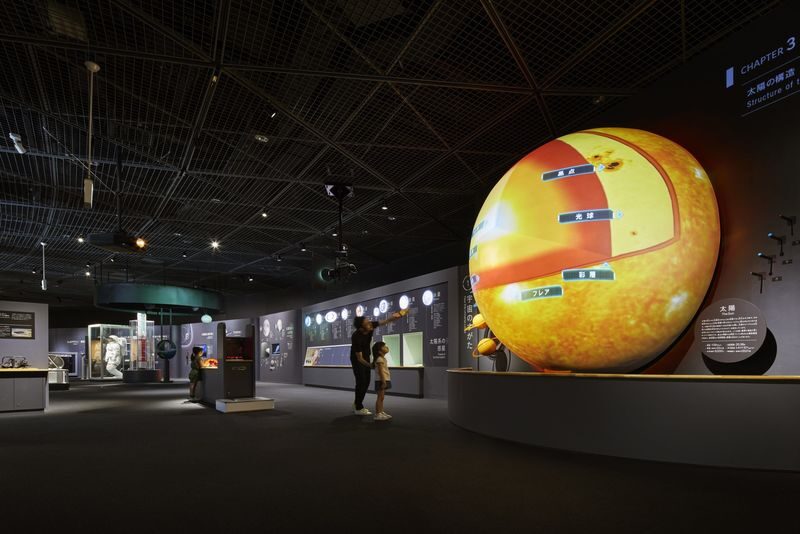
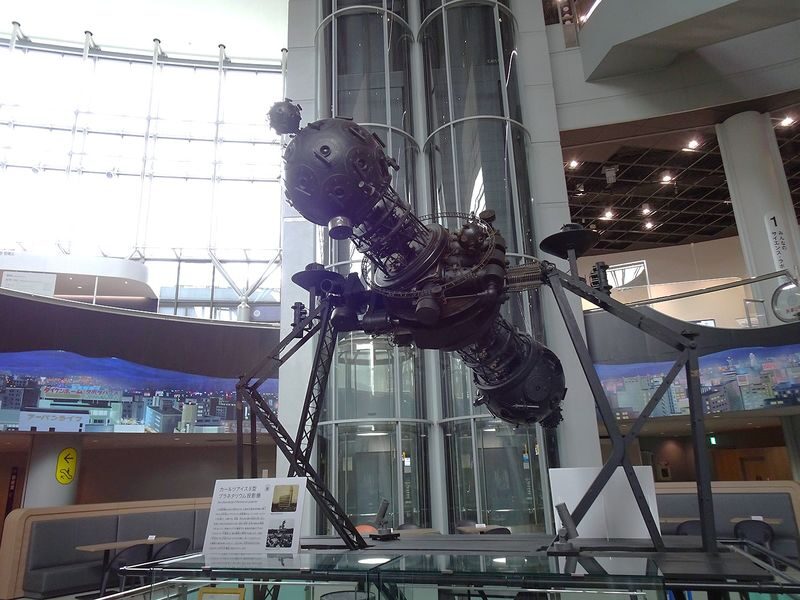
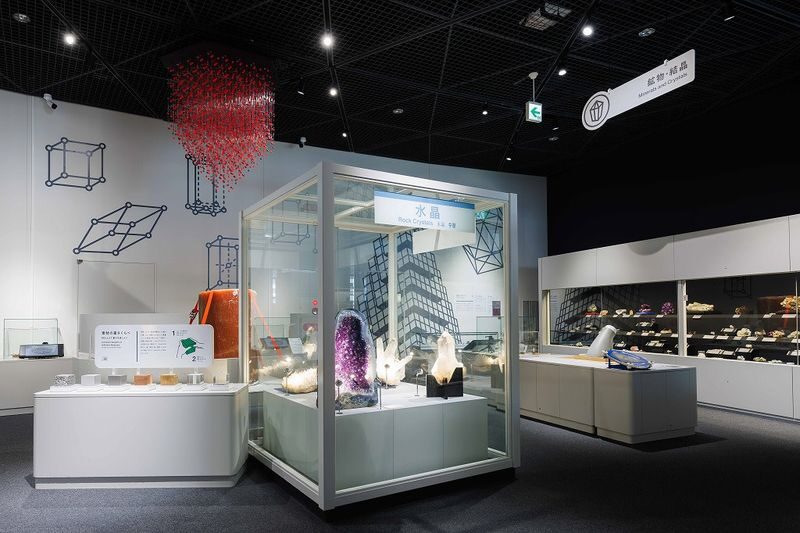
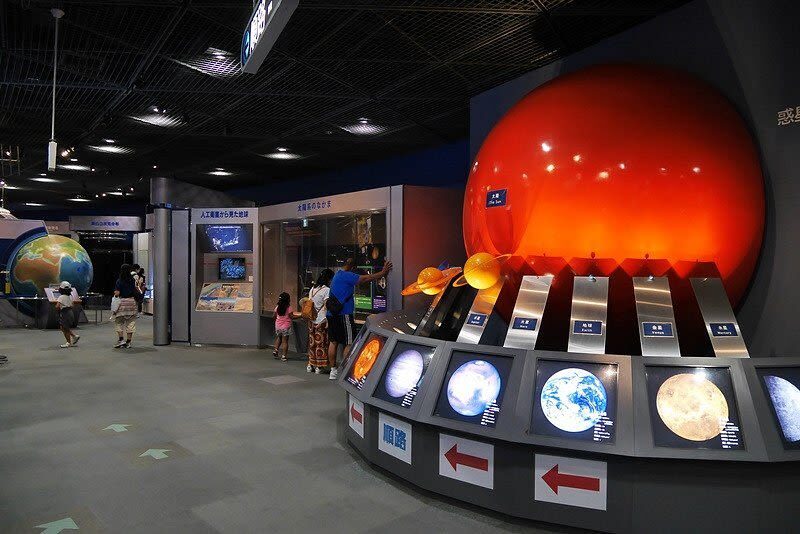
The exhibition ticket gives you access to the museum’s displays. The overall subject is space and energy, but the specific display list and route are not specified here, so I would not plan around particular exhibits. Instead, treat it as a chance to explore the science themes presented on site and spend more time where your interest catches.
English access is practical but requires a small extra step. Display explanations are limited, and QR code scanning is needed to access English descriptions. Bring a phone that can scan the codes, and be ready to use it as you go. That should help you get more from the displays, though it is not the same as having full English text printed beside every exhibit.
For visitors who do not speak Japanese, this option has a useful advantage over the planetarium: you can read the available English descriptions at your own pace. You can pause, scan, and consider the information rather than trying to catch a spoken explanation in real time. The compromise is that you may encounter displays with only brief explanations, and the QR code system adds a little phone work to the visit.
The exhibition area is also the more flexible choice if you are unsure how long you want to spend. There is no set 45-minute session attached to the package information for this option. You can look around at your own speed, within the museum’s opening hours and admission limits. If you are combining the museum with other plans in Nakanoshima, that freedom can be more useful than planning your day around a showtime.
Timing your visit around the museum clock
The museum’s stated hours are 9:30 a.m. to 5 p.m., Tuesday through Sunday, with last entry at 4:30 p.m. The last regular planetarium show is at 4 p.m. You can enter or re-enter the exhibition hall until 4:30 p.m. These cutoffs matter: arriving close to closing time may leave too little room for the experience you chose.
On Saturdays, Sundays, and public holidays, a special curator’s show is held from 5 p.m. The exhibition hall closes at 5 p.m., and the museum closes as soon as that planetarium show ends at 5 p.m. The posted hours and this special show make it especially important to confirm the schedule for your chosen day rather than assume the standard last-show time applies.
The planetarium’s 250-person capacity and first-come, first-served rotation system also argue for leaving time before the session you want. The information provided does not specify how early you need to arrive or how many sessions run each day, so avoid building a tight schedule around an assumed showtime. Check the available session details and follow the museum’s admission instructions on the day.
If you only want the exhibition area, the 4:30 p.m. last entry still gives you a firm boundary. I would arrive earlier rather than treat that as a suggested arrival time. A science museum is more enjoyable when you have room to read, scan QR codes, and stop at displays without watching the clock.
Is the low starting price good value?
At about $2.80 to start, this is an inexpensive way to add a science stop to an Osaka visit. The real value depends on choosing the right package. A planetarium ticket can be good value if you enjoy astronomy and can follow the Japanese presentation, while the exhibition area may deliver more for an English-speaking visitor willing to use QR codes.
A low fare does not make the language issue disappear. If you book the planetarium expecting English explanations, you may find the show hard to follow. On the other hand, if you mainly want the projections and a focused 45-minute break from the city, the experience may still suit you.
The exhibition option has a different kind of value. You can move at your own pace and access English descriptions by scanning QR codes, but the displays themselves have limited explanation. Think of it as a modest, self-directed museum visit rather than a fully interpreted English-language tour.
The ticket conditions are also part of the value calculation. Confirmation can take up to 48 hours, and the voucher is valid only for the date selected, and for a time if one applies. Tickets cannot be cancelled, refunded, or exchanged, including if lost, stolen, or damaged. Present the mobile voucher for redemption. Because the purchase is date-specific and non-refundable, make sure you have the correct package and date before paying.
You can also read our reviews of more museum experiences in Osaka

Who will enjoy Osaka Science Museum most?
I would point astronomy fans toward the planetarium, especially if they understand Japanese or are content to follow the visuals without catching every spoken detail. The detailed treatment of stars and galaxy formation can make the short session more rewarding than a simple light show. Just arrive in time: once projection starts, late entry is refused.
For English-speaking visitors who want to learn from the displays, the exhibition area is the safer choice. You will need to scan QR codes for English explanations, and some displays may offer limited text, but you can take your time with whatever information is available.
Families should weigh the quiet rules and age requirements before deciding. The museum is aimed at a broad age range, but that does not mean every part suits every child. The planetarium’s no-late-entry policy and quiet viewing expectations make it a better match for children who can sit calmly through a 45-minute show. Children under 2 sit on a guardian’s lap, and children in third grade or younger need a guardian in fourth grade or above, preferably an adult.
Students in high school or university must show a student ID. If you fall into either group, bring it. That is a small detail that can save an avoidable snag at admission.
Should you book it?
Book Osaka Science Museum if you want an inexpensive science stop and are comfortable choosing between a Japanese-language planetarium show and an exhibition area where English explanations require QR codes. The strongest case for the ticket is its low starting price, focused space-and-energy theme, and choice of a short, scheduled show or a self-paced visit.
I would choose the planetarium for astronomy and visual presentation, and the exhibition area if reading English descriptions at your own speed matters more. If you need a fully English-led experience, this may not be the right fit. Check the date, package, and show schedule before committing, since the ticket is non-refundable and valid only for the selected date.
Osaka Science Museum Ticket
“There were detailed explanations about how stars work and how they form galaxies, which was very informative. I had a great time.”
FAQ
How long is a planetarium session?
A planetarium session lasts approximately 45 minutes.
How many people can attend a planetarium session?
Each session has capacity for 250 people, with admission handled on a first-come, first-served basis.
Is the planetarium show available in English?
English narration is not assured. The planetarium presentation may be in Japanese, so do not book expecting an English explanation.
Can I get English information in the exhibition area?
Yes. QR code scanning is required to access English descriptions, and the displays have limited explanation.
What are the museum’s opening hours?
The stated hours are 9:30 a.m. to 5 p.m., Tuesday through Sunday. Last entry is at 4:30 p.m. The last regular planetarium show is at 4 p.m.
Are children allowed in the planetarium?
Children under 2 must sit on a guardian’s lap. Children in third grade or younger must be accompanied by a guardian in fourth grade or above, preferably an adult. Children must remain quiet during the projection, and late entry is not permitted once it has begun.