A bowl of matcha is only part of the story at this Naramachi tea ceremony. In a tatami room inside a traditional machiya, you learn the gestures behind the ritual, then whisk your own tea and see how the bamboo whisk, or chasen, is made in nearby Takayama.
I like two things in particular: you do the preparation yourself, rather than only watching a demonstration, and the private format keeps the group to five people, so there is room to ask questions. The host also shares local tips on Nara shops and lanes, a useful bonus when you are deciding where to wander next.
One consideration: the session is brief. It is listed as about an hour, while the schedule gives the venue visit as 1 hour 15 minutes. Either way, this is a focused introduction, not a long course in tea practice.
- What to know before you book
- A machiya, not a stage set
- From hojicha to your own bowl of matcha
- Why the chasen lesson belongs in Nara
- A short session with room for questions
- What the price buys you
- Local advice after the tea
- Who will enjoy this tea ceremony
- Should you book it?
- FAQ
- How long does the tea ceremony last?
- Where does the experience take place?
- How many people can join the private package?
- Is the activity offered in English?
- What time can I book?
- Is there an age limit?
- Can I cancel for a refund?
- The Best Of Nara!
- More Private Tours in Nara
- More Tours in Nara
- More Tour Reviews in Nara
What to know before you book
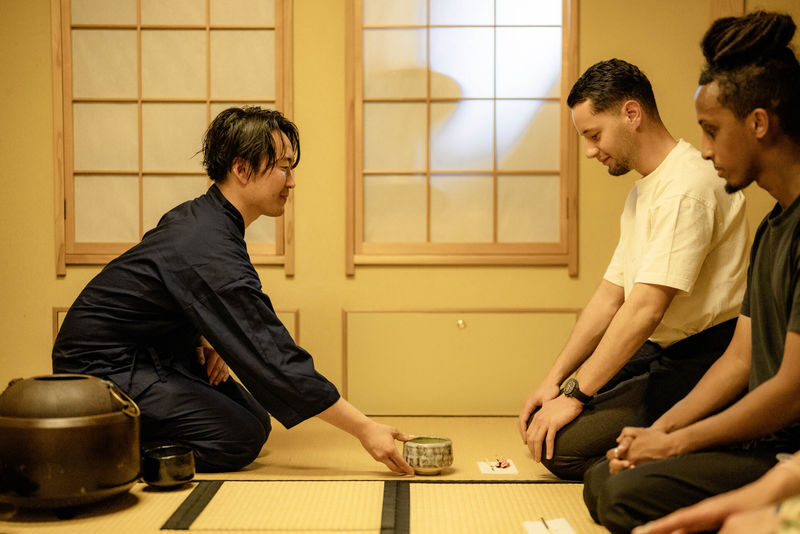
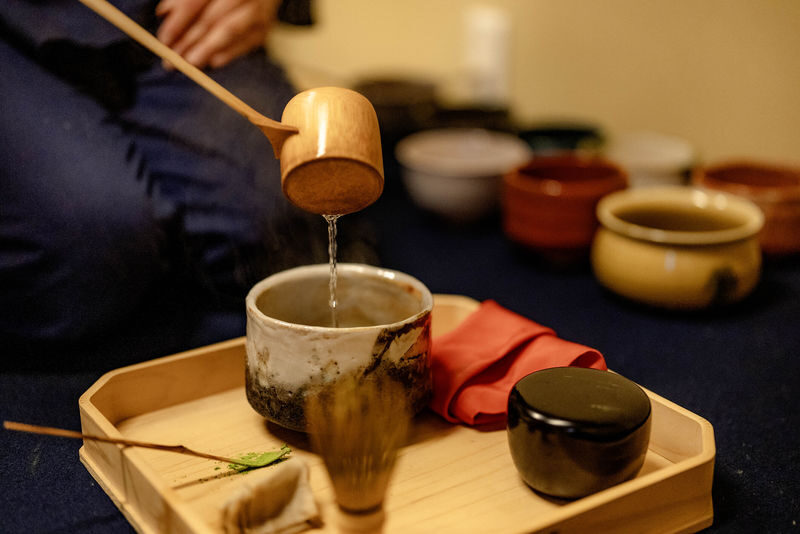
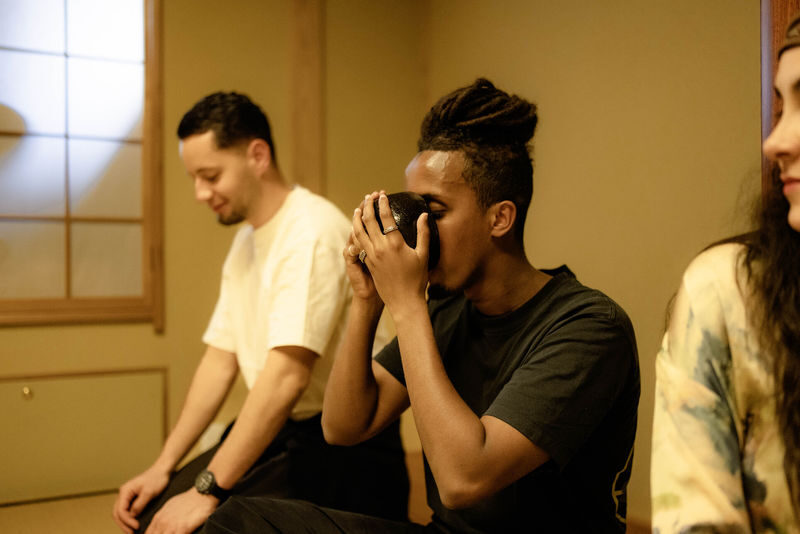
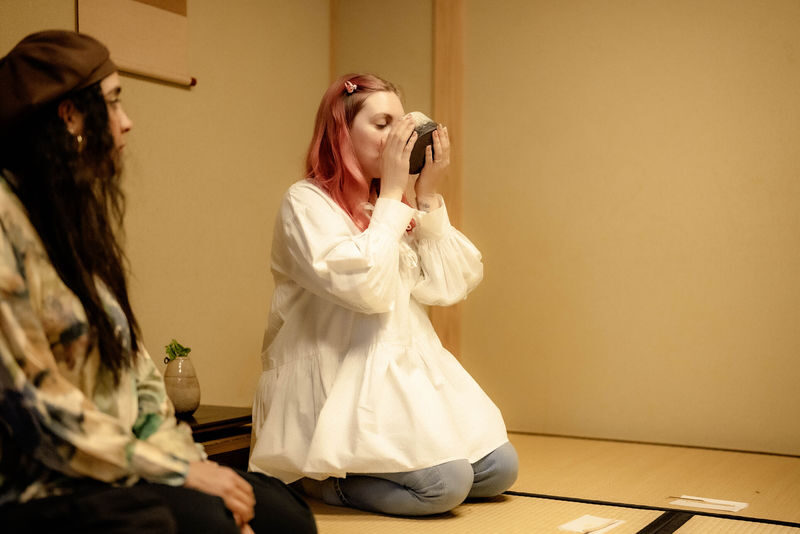
- You whisk your own matcha: The host explains the process, lets you warm a bowl with hot water, then guides you as you prepare your tea.
- The setting is a Naramachi machiya: Expect tatami, shoji screens and a host in kimono at Kurabi salon, at 39 Gangoji-cho.
- The group is private and small: The package is for up to five people, making it easier to ask about etiquette, utensils and tea culture as you go.
- The whisk has a local connection: Takayama, in Nara, is the source of roughly 95% of Japan’s handmade tea whisks.
- You get a taste of the ceremony’s details: The sequence includes hojicha, a seasonal wagashi sweet and a bowl of matcha prepared by your host.
- The host can help with your Nara plans: Your Nara-born guide can suggest shops and lanes to explore after the session.
👉 See our pick of the 9 Of The Best Workshops & Classes In Nara
A machiya, not a stage set
Kurabi salon is at 39 Gangoji-cho in Nara’s Naramachi district. The experience takes place in a machiya, a traditional Japanese townhouse, with a tatami room behind lattice doors and shoji screens. The surroundings matter: tea practice is easier to understand when you see how the room, utensils and host’s movements fit together.
A host in kimono leads you into the tea room. Rather than treating the ceremony as a performance to admire from the sidelines, the session introduces its thinking and gives you a chance to take part. You learn how to bow and handle the utensils, with the host explaining the purpose behind the gestures.
The pace is deliberate, but you do not need to arrive knowing the rules. This is an introduction, and the small group format gives you room to pause and ask when something is unclear. The guide speaks English or Japanese, and one instructor, Mike, has led sessions in excellent English. The instructor can vary, so don’t assume you’ll meet him on your date.
You can also read our reviews of more private tours in Nara
From hojicha to your own bowl of matcha
The session begins with a cup of hojicha, a roasted tea, before moving to the basics of tea-room etiquette. You learn how to bow and handle the tools, then the host prepares a bowl of matcha for you. This gives you a chance to notice its scent, colour and finish before trying the process yourself.
A seasonal wagashi sweet accompanies the tea. Part of the pleasure is appreciating its appearance before tasting it, a small lesson in the ceremony’s attention to detail. The sweet may change with the season and ingredient availability, so don’t expect a particular shape or flavour.
Then comes the hands-on part. You choose a bowl, warm your hands with hot water, and learn to whisk matcha with a chasen. The host demonstrates the steps before you try them. That progression, explanation first, practice with hot water, then tea, helps make the procedure feel manageable rather than like a string of mysterious rules.
I especially like that you leave with a practical skill. You won’t become a tea master in an hour, but you will have prepared matcha yourself and learned how the utensils are used. If you’ve only ordered matcha in a café, that shift from drinking it to making it is a satisfying change of pace.
Why the chasen lesson belongs in Nara
The tea whisk is not just a prop. The chasen is a finely split bamboo tool used to whisk matcha, and the session includes an explanation of how it is made. Takayama, a short way from the tea room, produces roughly 95% of Japan’s handmade tea whisks.
That local connection gives the craft lesson a clear sense of place. Rather than hearing only general information about Japanese tea, you learn about an object made in the Nara area and used in the bowl you have just prepared. One session also included meeting one of the few artisans in Japan who make matcha whisks, though that should be treated as a possible addition, not a guaranteed part of every booking.
The ceremony also introduces omotenashi, the spirit of thoughtful hospitality associated with Japanese tea culture. The term can sound abstract in a guidebook. Here, you meet it through the care given to the room, the order of the steps, the tea and sweet, and the host’s attention to your questions.
A short session with room for questions
The package is described as a one-hour experience, while the itinerary lists 1 hour 15 minutes at Guesthouse Naramachi. The exact schedule may depend on the departure slot you choose. Available starts are 10:30, 12:30, 14:30 and 16:30, with return times shown as 12:00, 14:00, 16:00 and 18:00. Not every return option is available with every start time, so check the time confirmed with your booking.
The visit is compact enough to fit into a day of sightseeing, but that also sets a limit on how much you can cover. You’ll get an introduction to etiquette, a demonstration, your own practice, tea and a sweet, and some cultural context. If you want a long, formal ceremony or extended training in tea practice, this may not go far enough.
The private package allows up to five people. That suits a couple, family or small party that wants to learn together without a large audience. It does not mean the host will tailor every detail to your group, but it does make conversation and questions easier than in a crowded class.
What the price buys you
The listed starting price is US$45.40 for the private tea ceremony package, which allows up to five people. Check the booking details for the total cost for your party, since the starting figure alone does not make clear how the final price is calculated.
For that price, the value is in the combination: a traditional setting, English or Japanese guidance, refreshments, a seasonal sweet, an explanation of tea etiquette, your own matcha preparation and a look at Nara’s whisk-making tradition. You are paying for an activity that combines a cultural introduction with something you actually learn to do.
It makes most sense if you are curious about Japanese tea and want a hands-on activity in Nara. If you only want to drink matcha, you can do that more cheaply elsewhere. If you value learning the steps and understanding why the details matter, the extra structure has a purpose.

Local advice after the tea
The host is Nara-born and can point you toward shops and lanes to visit after the ceremony. That is a useful way to extend the outing, especially if you want ideas beyond the places already on your plan. The suggestions are personal guidance rather than a separate walking tour, so treat them as a starting point for your own exploring.
Naramachi is the setting for the experience, and the listed itinerary refers to Guesthouse Naramachi as the venue stop, while the address identifies Kurabi salon. Confirm the precise meeting instructions and time on your booking voucher. The experience includes admission and refreshments, but the information provided does not describe transport to or from the salon.
Who will enjoy this tea ceremony
This is a good fit if you want a quiet, small-group activity that brings together craft, food and local culture. It suits first-time visitors who would like a guided introduction to matcha, as well as people who have tasted it often but never prepared it themselves.
Families can consider it too: there is no age limit listed. The private format may be especially helpful if your party includes people who want to ask questions at their own pace. Still, the session centers on careful movements and etiquette, so it may be less appealing to anyone looking for a lively or high-energy activity.
The English-speaking instruction is another practical plus for international visitors. Past sessions have been led by Mike, whose clear explanations and skill with the procedure made the steps easy to follow. The guide on your date may be someone else, but English and Japanese are the stated guide languages.
Should you book it?
Book this if you want to do more than watch a tea ceremony. You’ll sit in a machiya, learn the basic etiquette, taste a seasonal sweet and prepare your own matcha, with a local craft connection that makes sense in Nara.
Skip it if you want a long ceremony, extensive hands-on training or a broad tour of Nara. This is a compact introduction, not a full-day activity. For a small party interested in the details of tea and the tools behind it, though, it offers a worthwhile hour or so and a useful local perspective.
Private tea ceremony experience at a Nara townhouse
“Really enjoyed the class and learning how to make matcha the traditional way. Mike our instructor was very knowledgeable. we were impressed with hi…”
FAQ
How long does the tea ceremony last?
The experience is listed as one hour. The itinerary gives a venue visit of 1 hour 15 minutes, so check the duration and timing confirmed with your booking.
Where does the experience take place?
It takes place at Kurabi salon, 39 Gangoji-cho, Nara City. The itinerary also refers to Guesthouse Naramachi as the venue stop.
How many people can join the private package?
The private package allows a maximum of five people.
Is the activity offered in English?
Yes. The guide speaks English or Japanese. The instructor may vary by date.
What time can I book?
Available departure times are 10:30, 12:30, 14:30 and 16:30. Return options are shown as 12:00, 14:00, 16:00 and 18:00, with availability depending on your selected departure time.
Is there an age limit?
No age limit is listed for this activity.
Can I cancel for a refund?
You can receive a full refund if you cancel at least 24 hours before the activity date, using destination local time.