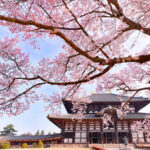
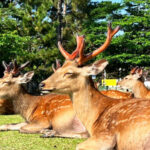
Nara Park’s deer, Todai-ji’s immense wooden hall, and Kasuga Taisha’s lanterns make a fine day out. A private car from Osaka lets you set the pace and avoid stitching together several train and bus connections. You can also swap Nara for Kyoto, Uji, Kobe, or Osaka sights.
I like two things in particular: you can tailor the route before the day, and your driver can wait nearby while you explore, a real help for families and older relatives. The main caution is that ten hours goes quickly, especially if you try to combine cities, and tolls and parking are extra.
At a glance
- A 10-hour private charter: Hotel or homestay pickup and drop-off in Osaka, with service between 08:00 and 20:00.
- Routes are customizable: Choose an Osaka city day or a suburban outing to Nara, Kyoto, Uji, or Kobe.
- Nara’s classic circuit: Pair Nara Park with Kasuga Taisha and Todai-ji, then add Mount Wakakusa or Kofuku-ji if time allows.
- The driver is not a tour guide: Drivers are assigned in Chinese, Japanese, or English, with Chinese preferred in principle. Online customer service can help translate.
- Budget for extras: Admission, food, tolls, and parking are not included. Some farther destinations also carry listed surcharges.
- Vehicle size matters: Children count as passengers, and luggage takes up capacity. Confirm your group and bags before booking.

👉 See our pick of the 9 Of The Best Workshops & Classes In Nara
- At a glance
- What a 10-hour private charter gives you
- Nara Park: deer, temples, and a realistic pace
- Kyoto: choose one cluster, not a checklist
- Uji: a calmer add-on with a cost
- Osaka or Kobe: useful choices for a city day
- The driver makes the day, but the service varies
- Price, vehicle capacity, and the extra costs
- Who should book this private day out?
- FAQ
- How long is the car service?
- Where does pickup and drop-off take place?
- Is a tour guide included?
- Are tolls, parking, and attraction tickets included?
- How many people and bags fit in each vehicle?
- Can I request a child seat?
- What happens if the trip runs over time or exceeds 300 kilometers?
- The Best Of Nara!
- More City Tours in Nara
- More Tours in Nara
- More Tour Reviews in Nara
What a 10-hour private charter gives you
 1 / 8
 2 / 8
 3 / 8
 4 / 8
 5 / 8
 6 / 8
 7 / 8
 8 / 8
This is a car-and-driver service, not a guided sightseeing tour with a fixed schedule. You choose where to go, and the operator helps work out a practical route within the service limits. The driver handles the transport and waits while you visit each stop.
That distinction matters. You gain control over pace and stops, but you should not expect a guide to walk around each temple with you or provide a full commentary. Some assigned drivers share local tips and suggestions; the amount of explanation varies, as does the language you can use with your driver.
The charter runs for ten hours, with service between 08:00 and 20:00. The stated trip limit is 300 kilometers, and the route must be reasonable, without U-turns. Those rules make a focused day far more sensible than trying to tick off several distant cities.
You can also read our reviews of more city tours in Nara


Nara Park: deer, temples, and a realistic pace
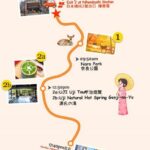
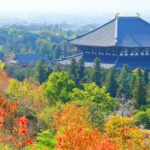
For a day centered on Nara, the suggested route links Nara Park, Kasuga Taisha, Todai-ji, and Mount Wakakusa, with Kofuku-ji as an option. It gives you a good mix: open parkland and deer, a major Shinto shrine, a monumental Buddhist temple, and, if time and conditions cooperate, a hilltop view over the city.
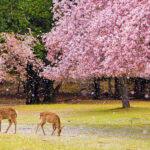
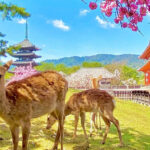
Nara Park is the natural starting point, but don’t mistake the deer for a quick photo stop. The park is broad, and you’ll want time to walk, pause, and visit the places that interest you. The deer are part of the experience, but keep your attention on the animals and your belongings rather than treating them as props.
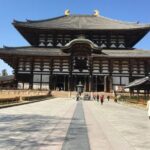
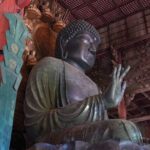
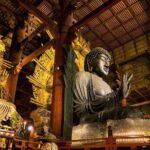
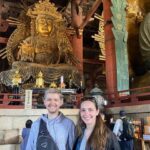
Kasuga Taisha is known for its shrine setting and lanterns. It offers a quieter change of mood from the open park, though adding more than a brief visit means less time elsewhere. Todai-ji is the heavyweight stop: its great wooden architecture is a reason to come to Nara on its own. Check the attraction’s admission requirements and opening details before the trip, since entry fees are not included in the charter.
Mount Wakakusa is an optional finish for a broader view across Nara. It adds walking and depends on the day’s timing, so it is best treated as a bonus rather than a must. Kofuku-ji is another possible addition, but four or five stops can turn a relaxed day into a race. I’d pick the places you most want to see, then leave room for lunch and the drive back to Osaka.
Kyoto: choose one cluster, not a checklist
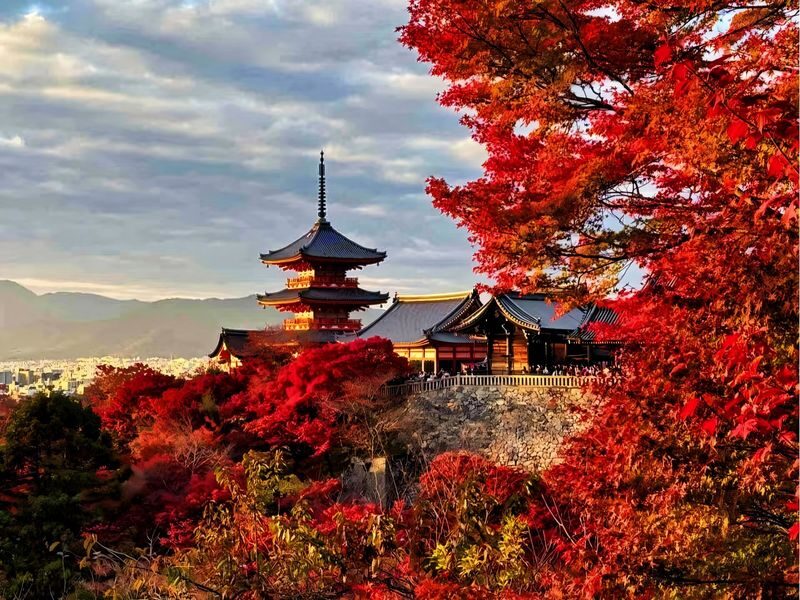
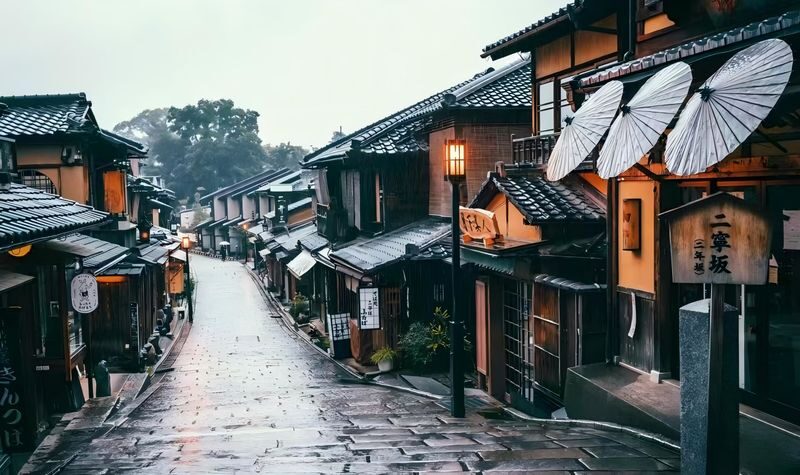
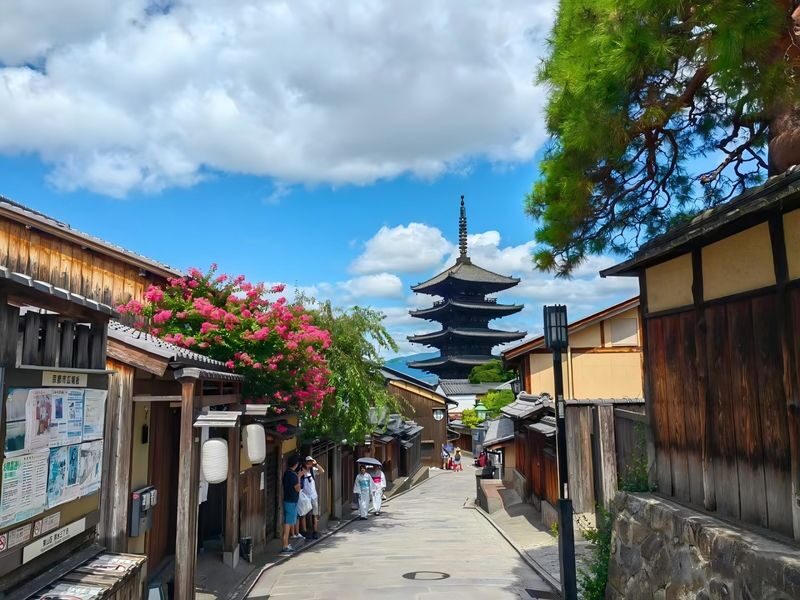
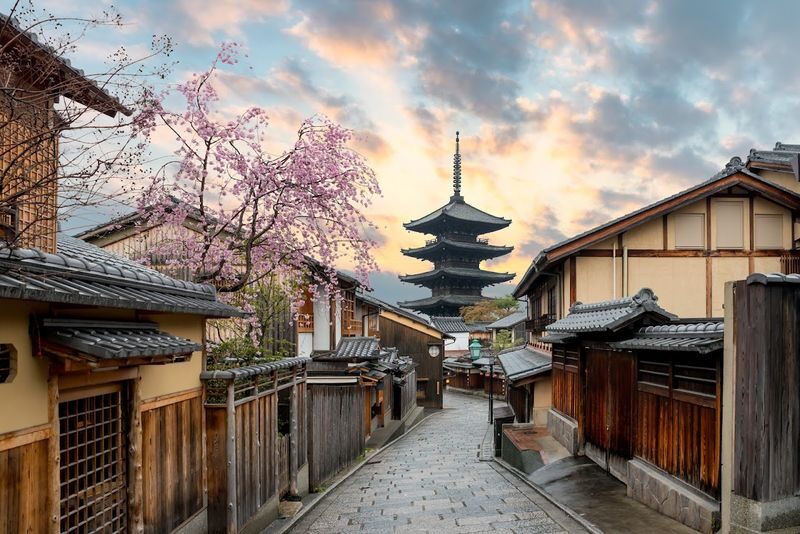
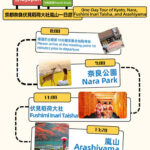
The two suggested Kyoto routes cover different parts of the city. One combines Kinkaku-ji, Kiyomizu-dera, Nishiki Market, Gion and Yasaka Shrine, then Fushimi Inari Taisha. The other brings together Kiyomizu-dera, the Sannenzaka and Ninenzaka lanes, Hanamikoji, Yasaka Shrine, Nanzen-ji, and Ginkaku-ji.
Both are ambitious. Kyoto’s attractions are spread across the city, and traffic can eat into sightseeing time. A private car saves you the work of navigating local connections, but it cannot make the distances vanish. For a more enjoyable day, choose a group of nearby sights and agree in advance which stop can be dropped if traffic slows you down.
The first route mixes major temples with shopping and the famous torii gates at Fushimi Inari. Nishiki Market is a useful place to eat or browse, but it can absorb more time than planned. The second focuses on temple visits and older streets, making it a better fit if you’d rather walk between nearby sights once dropped off.
A previous family outing managed Nara, Uji, and Kyoto in one charter, but it required an added charge for Uji, plus separate toll and parking costs. That kind of three-area day is possible only with careful choices. The drive from Kyoto back to Osaka can take around an hour and a half, so keep the return journey in mind when planning your final stop.
Uji: a calmer add-on with a cost
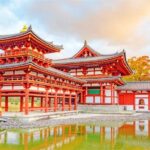
Uji’s suggested route includes Mimuroto-ji, Ujigami Shrine, Uji Bridge and the river, Uji Omotesando, and Byodo-in. It offers a smaller-town break from Kyoto’s major sights, with a route that mixes religious sites, riverside views, and a shopping street.
The trade-off is time. Uji adds another area to the day, and the suburban package may involve an extra charge. A family who combined Nara, Uji, and Kyoto paid an additional 3,000 yen to include Uji, along with toll and parking costs. Treat that as an example, not a guaranteed current price; confirm the fee for your own booking.
If Uji matters to you, I’d reduce the number of Kyoto stops rather than trying to fit everything in. A compact itinerary gives you time to walk, eat, and enjoy the river instead of watching the clock between car rides.
Osaka or Kobe: useful choices for a city day
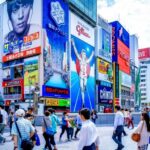
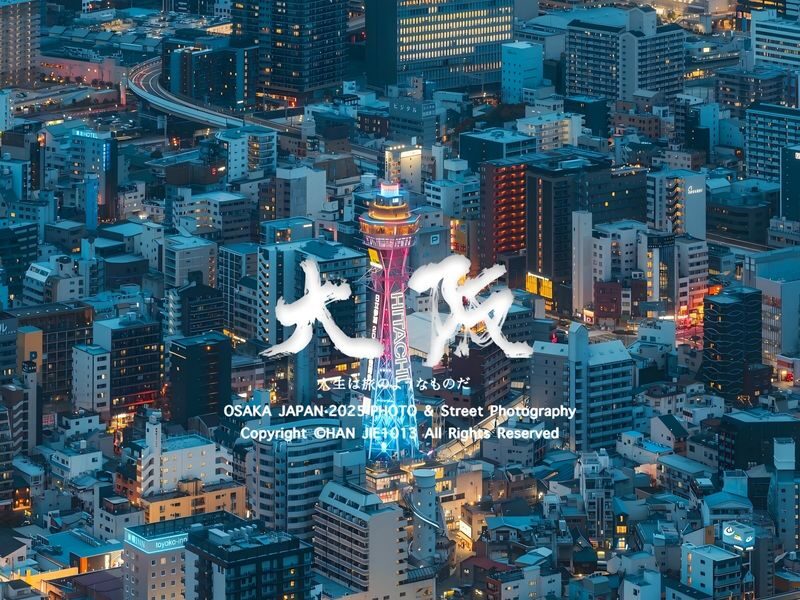
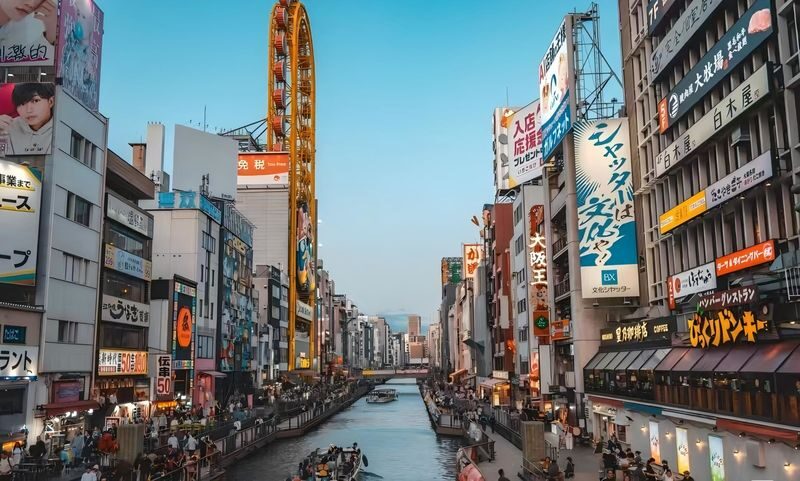
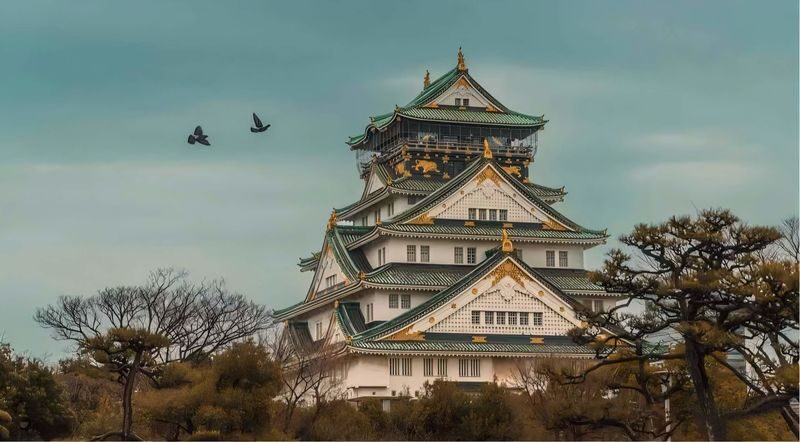
An Osaka city route can include Osaka Castle Park, Tsutenkaku, Namba Yasaka Shrine, Sumiyoshi Taisha, and Shinsaibashi or Dotonbori. These stops cover different sides of the city, from a major castle setting to shrine visits and busy shopping streets. You can adjust the order to suit your interests, but traffic and parking still affect how much time you have at each place.
For Kobe, the suggested route links Ikuta Shrine, Kobe City Museum, Meriken Park, the Kitano Starbucks in a historic building, and the Hyogo Prefectural Museum of Art. It combines city sights with a waterfront stop. As with Kyoto, choose your priorities before setting out. A meal stop can be part of the plan, but food itself is not included, and the operator does not guarantee restaurant recommendations.
Other destinations listed include Amanohashidate and Ine, Miyama, Arima Onsen, Himeji Castle, Awaji Island, Mount Rokko, Kifune Shrine, Lake Biwa, Rurikoin Temple, and Katsuoji Temple. These are not all simple additions to a standard day. The listed surcharges range from 2,000 to 10,000 yen for some destinations, while bridge and highway tolls for Awaji Island are paid separately. Confirm both the route and the full cost before committing.
The driver makes the day, but the service varies
The strongest part of this arrangement is often the practical help. Drivers have been praised for arriving on time, helping older passengers into and out of the vehicle, assisting with wheelchairs, and choosing convenient drop-off points. One family found the driver waited nearby and could be called back by message, which made exploring with a child less stressful.
Some drivers offer useful local suggestions. Mr Chen, for example, was described as personable and helpful with ideas, while driver Yamashita was praised for being friendly and accommodating. Those names are examples of individual assignments, not a promise about who you’ll get or what language they’ll speak.
Language is worth planning for. The driver may speak Chinese, Japanese, or English, and Chinese is preferred in principle, but the assignment is random. If you don’t share a language, online customer service can assist with translation, and messaging apps such as WhatsApp, LINE, or WeChat are used to coordinate. Save your route and addresses in writing so you can communicate clearly on the day.
Most accounts describe clean, comfortable vehicles and smooth, punctual service, but the experience is not guaranteed to be uniform. There has also been a serious complaint about a driver’s route knowledge and driving, as well as concerns about extra charges and vehicle condition. Confirm the itinerary and costs in writing beforehand, and speak up promptly if the vehicle or driving does not feel safe.
Price, vehicle capacity, and the extra costs
The advertised starting price is $227.35, but the final value depends on the vehicle, route, season, and additional charges. For a family or group, sharing a private car may make sense when convenience and flexible stops matter more than the lowest possible transport cost. For one or two people, compare the total with public transport and any separate admission costs before deciding.
The base service includes round-trip transfers, fuel, seat reservation fees, the driver’s meal allowance, and a professional driver. It does not include attraction admission, meals, drinks, personal spending, tolls, or parking. One family reported paying about 10,000 yen for tolls and parking on a day that included Uji, but costs vary with the route. Ask how extra costs will be calculated and whether receipts are available.
Check the passenger and luggage limits closely. A five-seat vehicle carries up to three passengers and two standard 26-inch bags; a seven-seat vehicle up to five passengers and four bags; a 10-seat vehicle up to nine passengers and eight bags. The listed capacities include infants and children, and the driver is separate from those passenger figures. Larger bags count as two pieces, and a child seat uses about one and a half passenger spaces.
Child seats should be requested in advance. One seat is available free, with additional seats listed at 2,000 yen each per day; more than two require confirmation. If your group has bulky luggage or a stroller, give the operator the details early. A late vehicle change can add cost and upset the plan.
The charter covers ten hours. Overtime is charged directly by the driver in cash: 5,000 yen per hour for five- to seven-seat vehicles, 10,000 yen for a 10-seat vehicle, and 15,000 yen for vehicles with 14 seats or more. A trip beyond 300 kilometers incurs a listed fee of 300 yen per extra kilometer. Traffic delays can also lead to overtime charges, so don’t build a schedule that depends on every stop running perfectly.
Peak-season price differences may apply, with a stated range of 10,000 to 20,000 yen. Some special destinations also have surcharges, and a different pickup or drop-off location may create an additional fee. Ask for a written estimate that includes your route, vehicle, tolls, parking, and any add-ons. That is the clearest way to judge the real price.
Who should book this private day out?
I’d consider this charter if you’re travelling with children, older relatives, or a group that values door-to-door transport and the freedom to change the order of stops. It can also be a practical choice if you want to combine places that would otherwise require several transfers. The car gives you a place to rest between visits and space for shopping bags, within the vehicle’s limits.
It is less suitable if you want a fully guided experience, need a fixed low price, or plan to cover a long list of distant sights. You’ll need to make the route choices yourself, accept that traffic may change the plan, and budget separately for tolls, parking, admissions, and meals.
My advice: book for one clear purpose, such as a Nara day or a focused Kyoto circuit. Send a specific route before departure, agree on the likely extra costs, and leave breathing room for traffic and lunch. If that sounds better than navigating connections on your own, the charter can be a useful way to make a full day out of Osaka.
Osaka City/Kyoto/Nara/Uji/Kobe Popular Locations Customized Chartered Car Day Tour
“The driver was very kind and helped the elderly passengers get on and off the vehicle, as well as with their wheelchairs. It was a very pleasant ex…”
FAQ
How long is the car service?
The service is for 10 hours, with operating hours stated as 08:00 to 20:00. Confirm your pickup time with customer service after booking.
Where does pickup and drop-off take place?
Pickup and return are generally at a hotel or homestay in Osaka city. Different pickup or drop-off locations may create an additional charge, which customer service should confirm.
Is a tour guide included?
No. A driver is included, but a separate tour guide is not. Drivers are assigned in Chinese, Japanese, or English, and online customer service can assist with translation.
Are tolls, parking, and attraction tickets included?
No. Tolls, parking, attraction admission, meals, drinks, and personal expenses are excluded from the stated inclusions.
How many people and bags fit in each vehicle?
The stated capacities are three passengers and two standard 26-inch bags in a five-seater, five passengers and four bags in a seven-seater, and nine passengers and eight bags in a 10-seater. Children count as passengers. Large luggage counts as two pieces.
Can I request a child seat?
Yes. Request one in advance. One child seat is available free, and additional seats are listed at 2,000 yen per seat per day. More than two seats must be confirmed with customer service.
What happens if the trip runs over time or exceeds 300 kilometers?
Overtime fees apply and are paid directly to the driver in cash. The listed rates are 5,000 yen per hour for five- to seven-seat vehicles, 10,000 yen for a 10-seat vehicle, and 15,000 yen for vehicles with 14 seats or more. Travel beyond 300 kilometers is charged at 300 yen per extra kilometer.