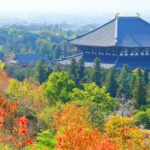
Mt. Wakakusa gives you a clear, high view of Nara: the Great Buddha Hall, Nara Park and the city spread below a broad grassy summit. The bus ride makes the hill easy to reach from the station, and you have time to look around without turning the visit into a full hiking day.
I like two things here: the 45-minute summit stop gives you room to enjoy the view, and you can choose to hike down instead of riding back the whole way. The included local bus ticket also gives you a practical way to continue around Nara Park or return to the station.
The trade-off is the tight schedule. Traffic can delay the bus, and 45 minutes is not enough for a long hike or a visit to several sights on foot. Treat this as a focused hilltop outing, not a hop-on tour of Nara.
- At a glance
- A hilltop view without a long approach
- The station-to-summit bus ride
- Forty-five minutes on Mt. Wakakusa
- How the return options shape your day
- Is the fare worth it?
- Who will enjoy this outing most
- Weather, traffic and a little planning
- Should you book the Wakakusa Hilltop Bus?
- FAQ
- How long does the Wakakusa Hilltop Bus outing take?
- Where can I board the bus?
- What are the JR Nara Station departure times?
- Is a tour guide included?
- Can I hike down from Mt. Wakakusa?
- Where can I use the included local bus ticket?
- Are children allowed on the bus?
- What should I show when boarding?
- Can traffic or weather change the outing?
- The Best Of Nara!
- More Tours in Nara
- More Tour Reviews in Nara
At a glance
 1 / 9
 2 / 9
 3 / 9
 4 / 9
 5 / 9
 6 / 9
 7 / 9
 8 / 9
 9 / 9
- A 342-meter hill above Nara Park: Mt. Wakakusa is known for its grassy slopes and freely roaming deer.
- Forty-five minutes at the summit: Take in the view, walk around and decide if you want to hike down.
- About 1 hour 45 minutes in all: The outing starts and ends at your selected Nara station, unless you leave the bus route early.
- Two boarding options: Choose JR Nara Station or Kintetsu Nara Station, then check the departure time for that stop.
- A local bus ticket is included: Use it if you get off near Todaiji or the National Museum, or at the Kencho-mae Kofukuji stop.
- Fixed bus times matter: Traffic may affect the schedule and your time at the hill, so leave room around onward train connections.

👉 See our pick of the 9 Of The Best Workshops & Classes In Nara
A hilltop view without a long approach
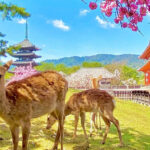
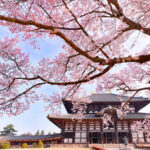
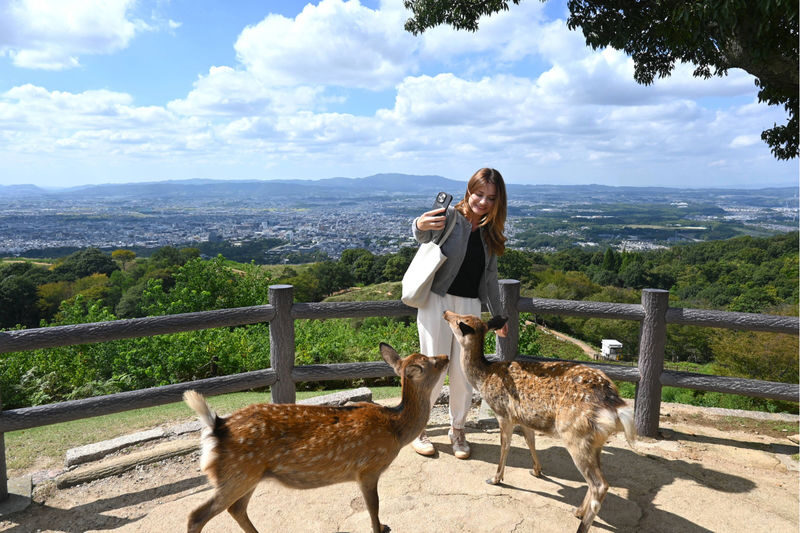
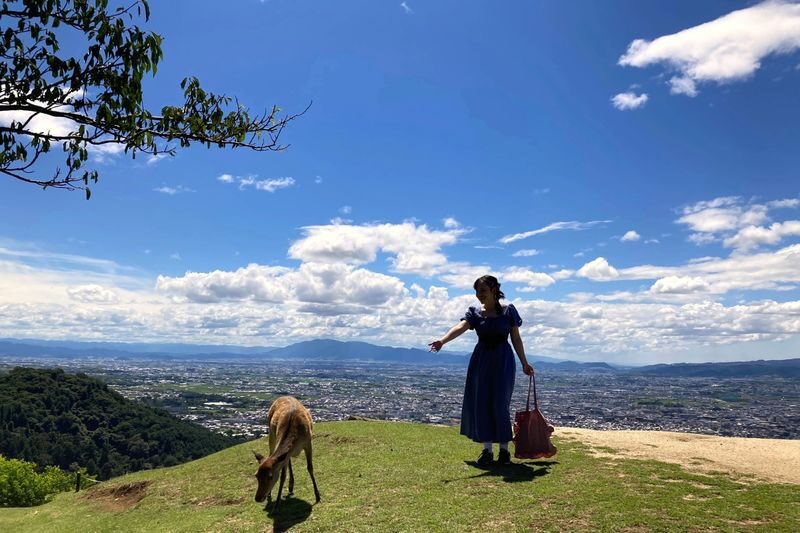
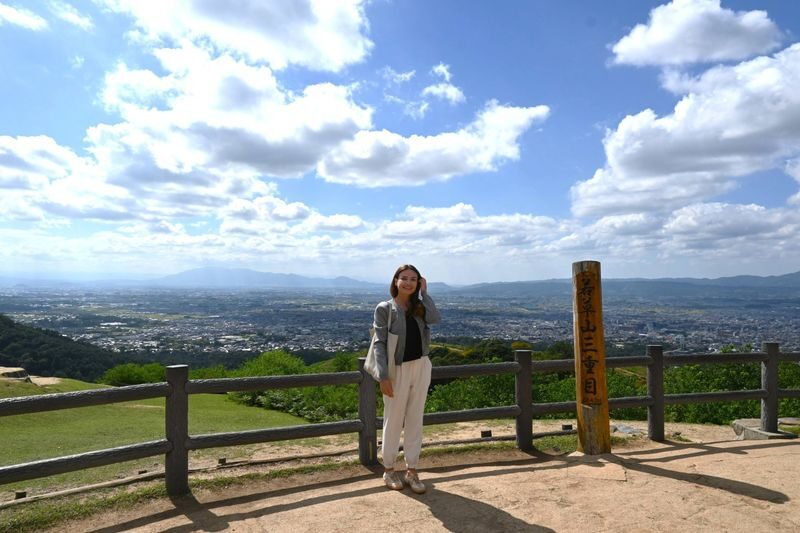
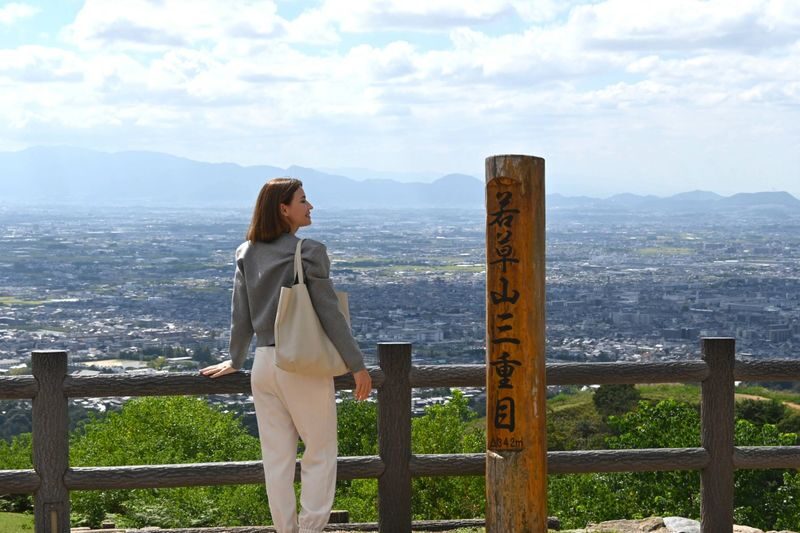
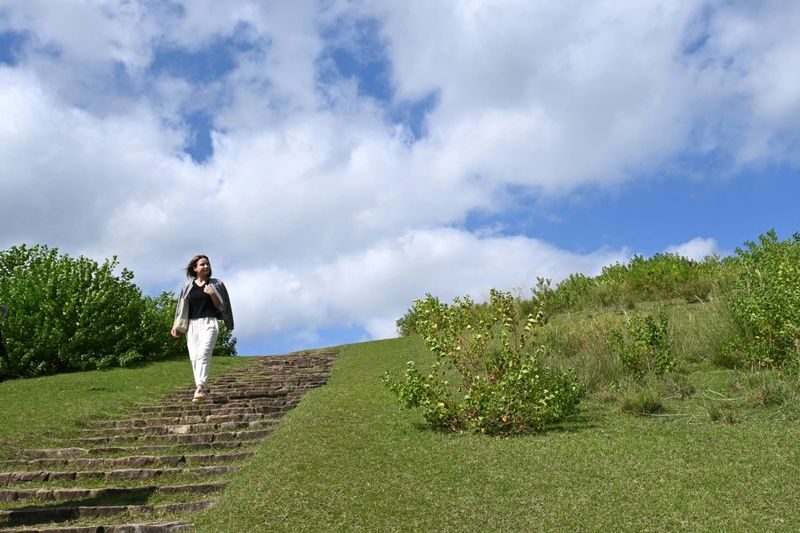
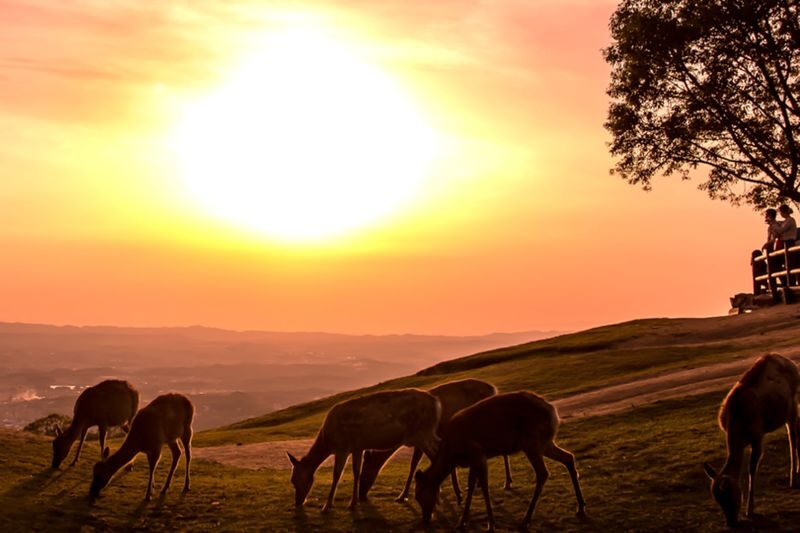
Mt. Wakakusa sits on the eastern side of Nara Park and rises to 342 meters. Its slopes are grassy rather than wooded, so the summit gives you a wide view across the city. You can pick out the Great Buddha Hall and the park below, with Nara stretching beyond them.
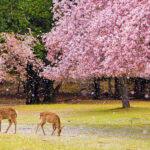
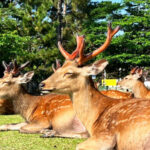
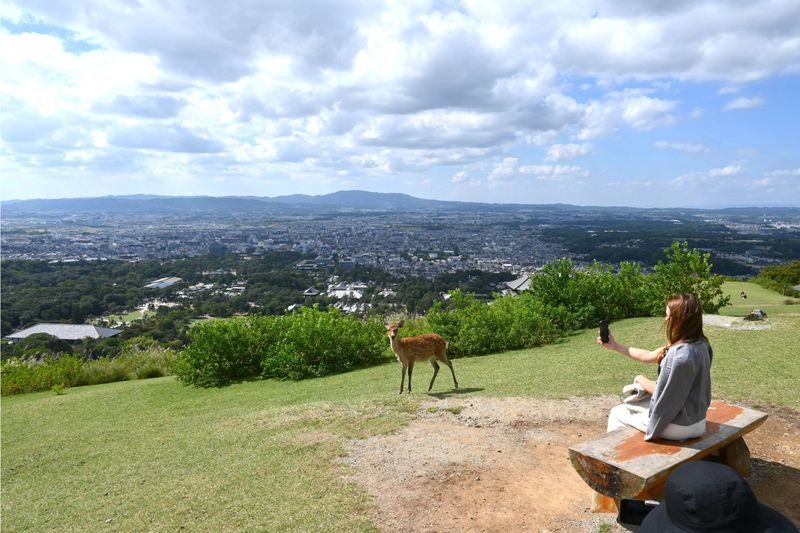
That open setting is the point of this outing. You are not going up for a museum collection or a guided history talk. You are going for the view, the chance to walk on the hill and the unusual company of deer roaming freely on the grass.
The deer are part of the appeal, but they are wild animals, not tame park decorations. If you have food with you, keep it secure and pay attention to the animals around you. A deer eager for a snack can approach quickly, and a pushy animal can make the encounter feel less charming. Give them space and keep a close eye on children.
You can also read our reviews of more tours and experiences in Nara.
The station-to-summit bus ride
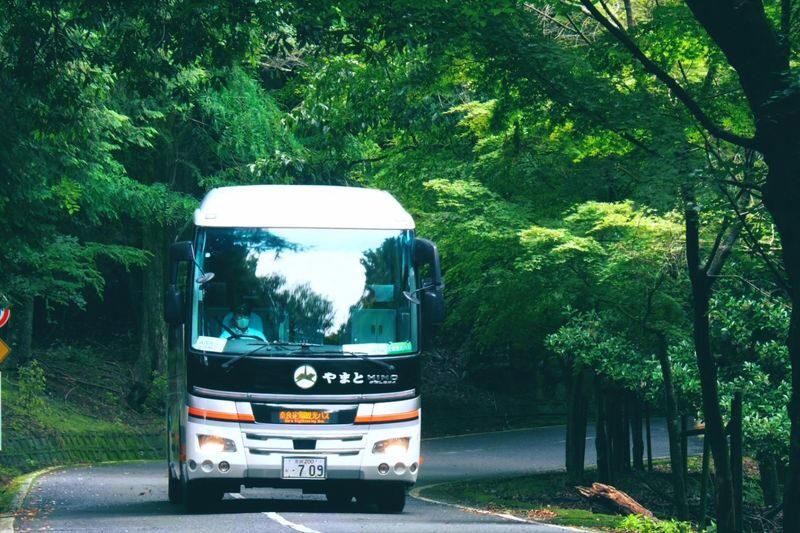
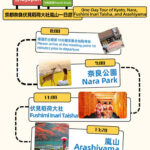
The outing starts at either JR Nara Station or Kintetsu Nara Station. The JR plan boards at the East Exit, Platform No. 4, at 1 Sanjo-Honmachi. The Kintetsu plan boards at its sightseeing bus stop. These are separate options, so check the boarding point and departure time attached to your reservation before setting out.
For the JR departure, the listed times are 10:05, 12:05, 14:05 and 16:05. The corresponding return times are 11:50, 13:50, 15:50 and 17:50, though available return options depend on the selected departure and itinerary. Kintetsu departure times can vary, so confirm those directly for your chosen plan.
Arrive at your stop at least 10 minutes early. You do not need to check in at an information counter: show your reservation confirmation screen to the driver when boarding. A walking map is included, and multilingual maps have been provided on the bus.
The fixed schedule is useful because it makes the outing easy to plan. It also means you should not assume that a traffic delay will shift the bus’s next departure. If you have a train to catch, leave a generous buffer rather than planning a close connection.
Forty-five minutes on Mt. Wakakusa
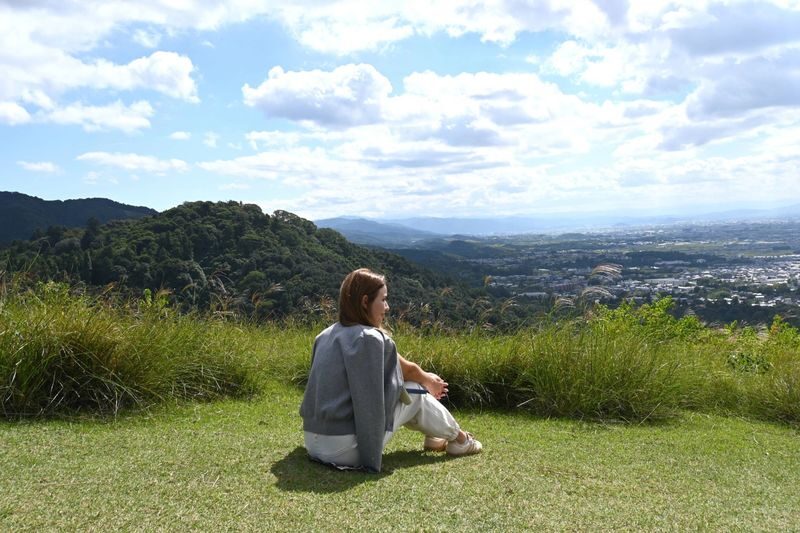
The summit stop is self-guided, with 45 minutes to take in the scenery at your own pace. You can use the walking map to get your bearings, walk across the hill and find a spot to look down toward Nara Park and the Great Buddha Hall. This is a short visit, but enough for a relaxed look around if you keep your plans simple.
The hill’s open slopes make it easy to understand the geography of Nara. From above, the park and city are laid out in front of you, rather than hidden behind trees or buildings. On a clear day, that broad view is the main reward. Weather matters: cloud, rain or strong conditions can diminish the experience, and unsafe road or weather conditions can lead to cancellation.
Keep your expectations in line with the time available. The Great Buddha Hall is about 3.6 kilometers from the lookout area, so this stop does not leave room to walk there and back. If visiting the hall is a priority, plan a separate visit on the ground rather than trying to squeeze it into the hilltop stop.
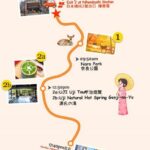
You can also choose to end your tour at the summit and hike down. That option lets you enjoy more of the hillside at your own pace, but it changes how you get back to the station. The included local bus ticket can take you from the Todaiji/National Museum stop back to the station, or you can get off at Kencho-mae Kofukuji to continue sightseeing around Nara Park.
How the return options shape your day
If you stay on the tour bus, the outing follows its planned return to your boarding station. That is the simplest choice if you want a short, contained excursion or need to keep your day predictable.
If you leave at the summit and walk down, you gain time on the hill but give up the direct bus return from the top. The local bus ticket is there for the onward trip from the specified stops. It is useful if you want to combine the descent with more time around Nara Park, but you should not mistake it for permission to visit several far-apart sights within the original 1 hour 45 minute schedule.
The choice is best made before you board. If you have a firm train departure or another timed activity, staying with the planned bus return is the safer approach. If you have a flexible day and want a walk, the summit exit adds freedom, provided you allow time for the descent and local bus.
Is the fare worth it?
At a starting price of US$12.65, the main value is convenience. You get round-trip transfers, 45 minutes at the summit, a walking map and a local bus ticket for those who disembark locally. You avoid arranging your own transport to the hill and can fit the view into less than two hours.
That price is most appealing if you want the hilltop experience without building a full day around it. The bus does not include a guide, audio guide, meals, drinks or personal expenses, so the value is transport and time saved rather than an accompanied tour. You will need to make sense of the hill and its views on your own.
A small number of practical notes can help you judge the value. The pickup has been described as punctual, and maps have been available in multiple languages. At the same time, the schedule is fixed, and traffic can interfere with the plan. During peak sightseeing seasons, roads may be very congested. If you are counting on a quick return for a train, a low fare is less useful than a comfortable time cushion.
Who will enjoy this outing most
I would choose this bus if I wanted a simple way to reach a scenic point above Nara and still keep most of the day free. It suits visitors who enjoy open views, short walks and seeing deer in a natural setting. It can also work well for a family outing: there is no age limit, and children under six ride free if they do not need a seat.
It is less suitable if your main aim is a long hike, an in-depth guided account of Nara or a visit to several places in one trip. There is no tour guide or audio guide, and the summit stop is only 45 minutes. The bus is a way to reach Mt. Wakakusa, not a guided tour of the city.
For families, note that a child under six does not receive a seat unless you pay the child fare. And while the deer are a memorable part of the setting, they can be intimidating when they approach for food. Keep snacks tucked away and give the animals room.
Weather, traffic and a little planning
Weather and road conditions can affect whether the bus operates. The outing may be canceled if conditions are judged unsafe, and traffic delays may alter the schedule or reduce the sightseeing time. Check conditions before you go, and avoid building a tight connection around the published return time.
The voucher is valid only for its specified date and time. Present the mobile reservation confirmation when boarding, and arrive 10 minutes early. If you need to change your boarding location on the day before or day of departure, go to the new stop at least 10 minutes before the scheduled time, show your voucher to staff or the driver, explain the change and board there.
For changes or cancellations, contact the travel agency where you booked. If you are choosing between JR and Kintetsu, settle on the station that best fits your day and verify its departure time in advance. A small amount of checking avoids the unhelpful discovery that the other station is across town when your bus is due.
Should you book the Wakakusa Hilltop Bus?
Book it if you want an affordable, low-effort route to Nara’s grassy hill and a chance to see the city from above. The short summit visit, roaming deer and choice to walk down make the outing more than a simple transfer. It is especially handy if you want a scenic break without committing to a long hike.
Skip it, or plan a separate hill visit, if you need a guided experience, want to spend hours on the slopes or expect to combine the summit with a walk to the Great Buddha Hall. The best fit is a flexible schedule, decent weather and a clear idea of whether you are riding back or continuing on foot.
Wakakusa Hilltop Bus
“From buying my tickets to arriving at our destination, the process was really smooth. Definitely made the difference in our trip to Nara.”
FAQ
How long does the Wakakusa Hilltop Bus outing take?
The full course takes about 1 hour 45 minutes, including 45 minutes at Mt. Wakakusa’s summit. Traffic and weather can affect the schedule.
Where can I board the bus?
You can choose the JR Nara Station East Exit, Platform No. 4, or the Kintetsu Nara Station sightseeing bus stop. Confirm the selected boarding point and time before departure.
What are the JR Nara Station departure times?
The listed JR departure times are 10:05, 12:05, 14:05 and 16:05. Available return times depend on the selected departure and itinerary.
Is a tour guide included?
No. The summit visit is self-guided, and an audio guide is not included.
Can I hike down from Mt. Wakakusa?
Yes. You may end the tour at the summit and hike down. A local bus ticket is included for those disembarking locally.
Where can I use the included local bus ticket?
The ticket is for a local bus from the Todaiji/National Museum Bus Stop back to the station. You can also get off at the Kencho-mae Kofukuji Bus Stop to continue sightseeing around Nara Park.
Are children allowed on the bus?
Yes. There is no age limit. Children under six can ride free without a seat; a child fare applies if you need a seat for them.
What should I show when boarding?
Show your reservation confirmation screen to the driver. Check-in at an information counter is not required.
Can traffic or weather change the outing?
Yes. Traffic may cause delays and change sightseeing time. The course may be canceled if road or weather conditions are considered unsafe.