Nara’s deer roam freely beside centuries-old temple grounds, while Uji offers a quieter change of pace: riverside views, Phoenix Hall, and matcha shops. This Osaka day trip pairs those very different places, with time to explore on your own rather than a string of guided walks.
I like the no-shopping format and the freedom to choose your own stops, food, and pace. The catch is the schedule: Nara gets about two hours, while Uji gets four and a half, which may feel long if you skip the hot spring or finish sightseeing quickly.
- At a glance
- Nara Park: deer, temples, and a short visit
- Uji: Phoenix Hall and matcha streets
- The optional hot spring choice
- What the day feels like in practice
- Price, extra costs, and value
- Timing, weather, and useful preparation
- Who should book this day trip?
- FAQ
- Where does the tour depart from?
- What time does the tour return?
- How much time is set aside for Nara?
- Are temple and museum admissions included?
- Is the hot spring included in the tour price?
- What language does the guide speak?
- Can children join the tour?
- The Best Of Nara!
- More Historical Tours in Nara
- More Tours in Nara
- More Tour Reviews in Nara
At a glance
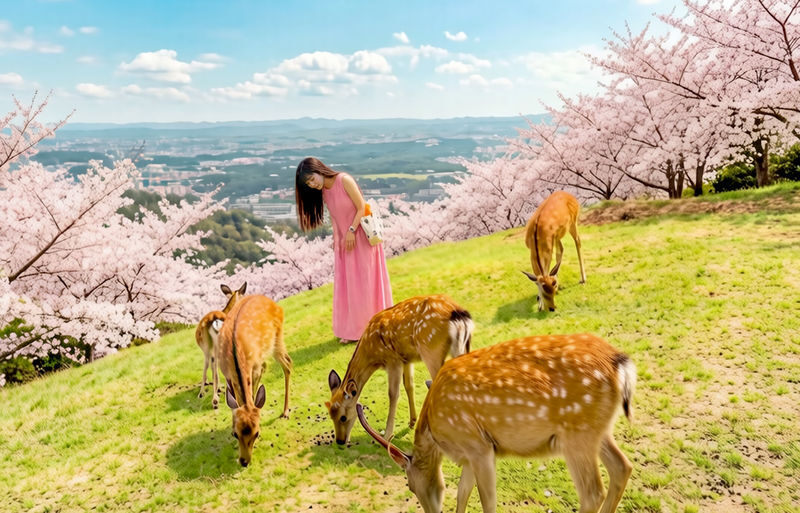
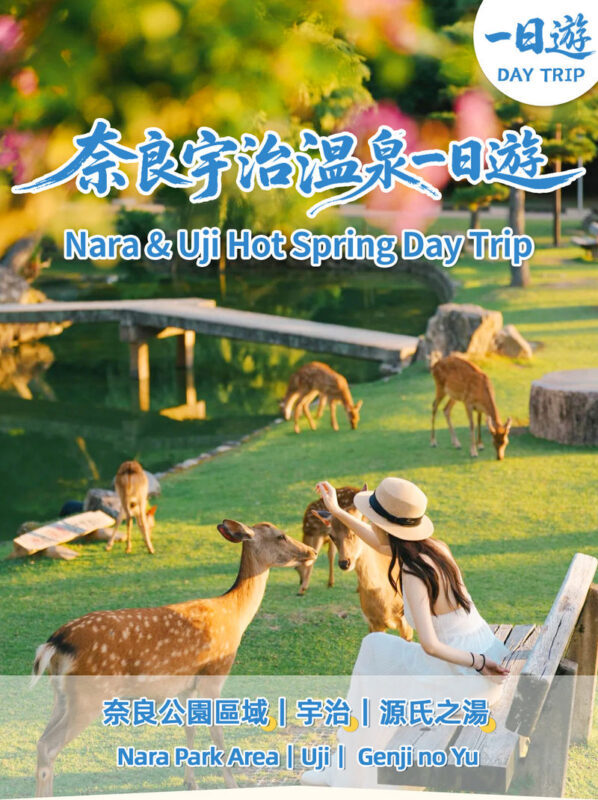
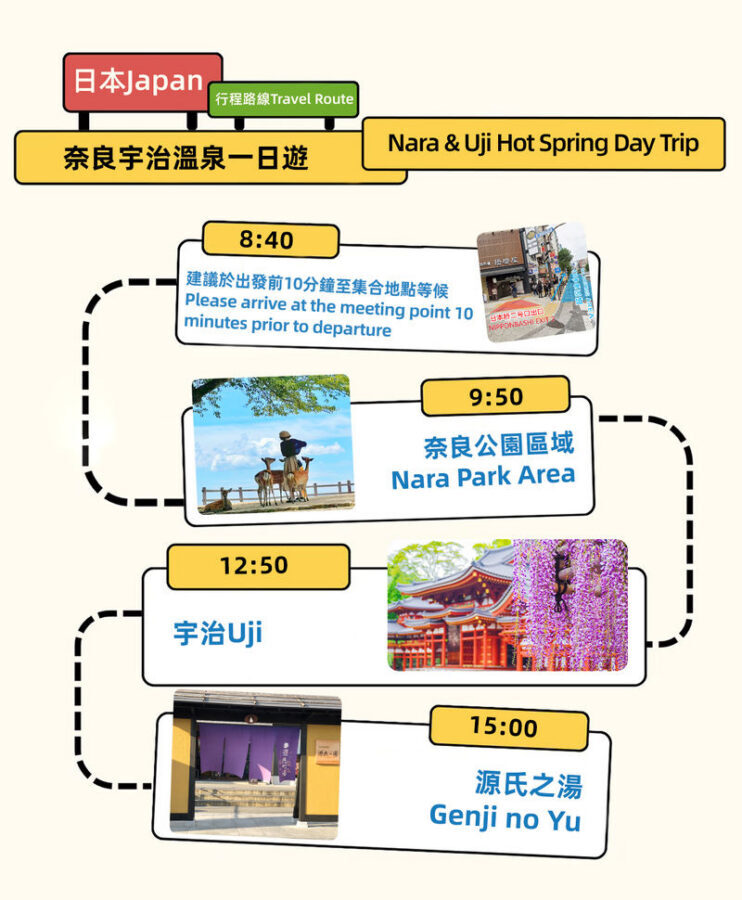
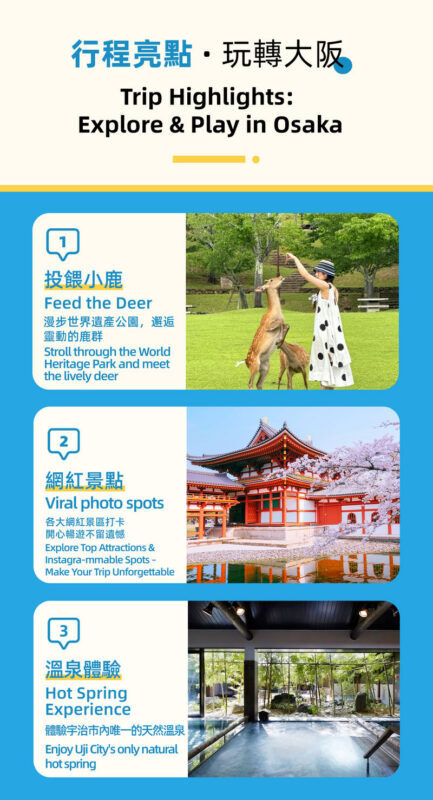

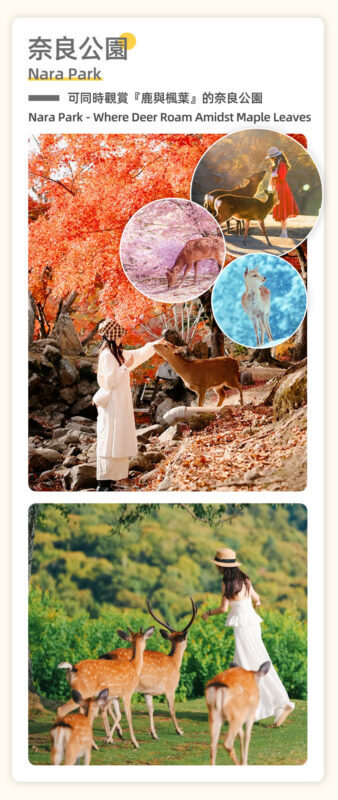
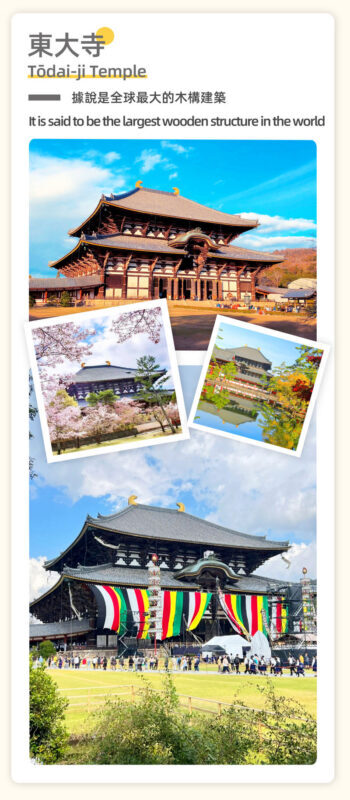
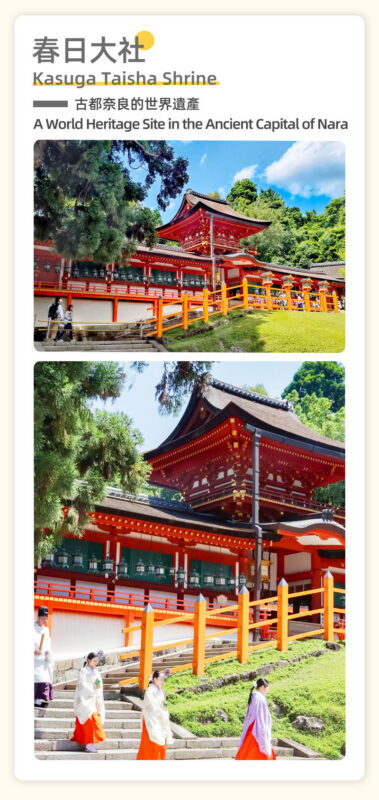
- Nara’s deer are part of the day’s main event: You have time to wander through Nara Park and feed the deer, which are accustomed to approaching people.
- The temple interiors cost extra: Todai-ji admission is ¥800, Byodo-in is ¥700, and the Tale of Genji Museum is ¥600. You can still enjoy the surrounding areas without paying.
- Uji is the longer stop: The plan allows about four and a half hours there, with an optional hot spring visit that takes about an hour, plus shuttle transfers.
- You explore independently: The guide handles transport and practical directions, but you choose how to spend most of the time at each stop.
- The trip runs about 10 hours: Meet in Osaka at 08:40 and expect to return around 18:30, depending on road conditions.
- Bring a little extra for the day: The starting price is $44.85, but admissions, meals, drinks, and personal expenses are not included.

👉 See our pick of the 9 Of The Best Workshops & Classes In Nara
Nara Park: deer, temples, and a short visit
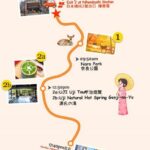
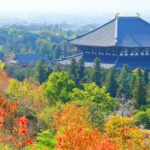
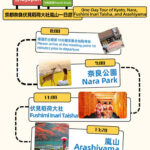
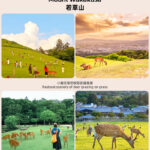
The day begins with a morning departure from Osaka, followed by roughly two hours in Nara Park. The park sits at the foot of Mount Wakakusa and puts several of Nara’s best-known sights within reach, including Todai-ji Temple and Kasuga Taisha Shrine.
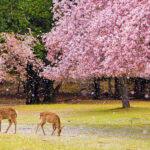
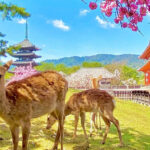
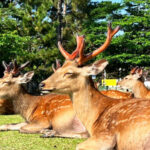
The deer are the immediate draw. They wander through the park and are used to people, so you can watch them at close range and, if you choose, feed them. Keep any deer crackers tucked away until you are ready to offer them. A deer that spots food may follow you, and the animals can nip or bite if they expect a snack and do not get one. Enjoy the moment, but give them space and keep a close eye on children.
Two hours is enough for a taste of Nara, not a thorough visit to every major site. You will need to choose your priorities: spend time with the deer, walk toward a temple, or do a little of both. Some people find it hard to fit in a temple’s inner areas and a relaxed stroll in the same window. If Todai-ji or Kasuga Taisha is high on your list, decide before you arrive rather than losing time debating once you are there.
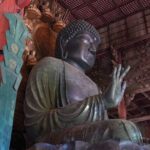
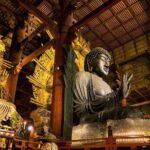
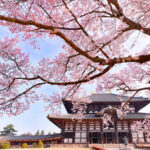
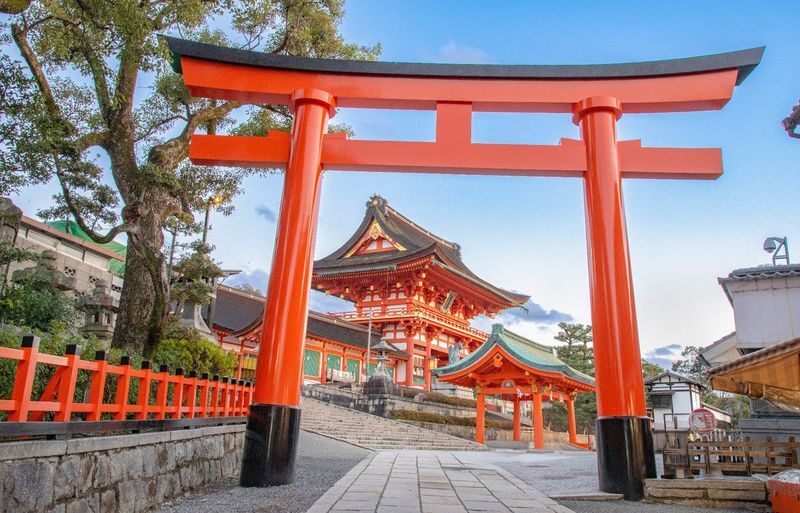
Todai-ji’s grounds and central gate are among the listed sights, but entering the temple requires a separate ¥800 ticket. The tour does not include admission. That distinction matters: you can enjoy the park and approach the site without paying, but an interior visit uses some of your limited free time.
The guide can help you get your bearings and point you toward the main sights, but this is not a long, continuous lecture tour. The amount of explanation may vary with the guide and group size. Guides named by past groups include Yuri, Vivi, Yurika, Jessica, Naomi, and Sarah, but you cannot choose who leads your departure.
You can also read our reviews of more historical tours in Nara
Uji: Phoenix Hall and matcha streets
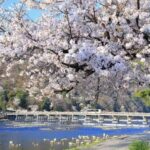
After Nara, the tour heads to Uji for a much longer stretch, about four and a half hours in total. Uji is known for its matcha and its setting along the Uji River, and the slower pace makes a useful contrast with the deer park. You can walk by the river, visit Byodo-in Temple, browse tea shops, and stop for a matcha drink or sweet.
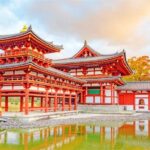
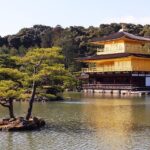
Byodo-in is the main heritage stop. Its Phoenix Hall is a striking example of Heian-period architecture and appears on the Japanese ¥10 coin. Admission is ¥700 if you want to enter; the nearby grounds and area can also be enjoyed without buying a ticket. Allow time for the temple itself if you are interested in architecture and history, since a quick photo stop will not tell you much about the place.
Uji’s tea culture is more than a souvenir shelf. The streets have shops selling matcha drinks and desserts, and you can make lunch part of your visit rather than treating it as a separate chore. Matcha ice cream, cake, and lattes are among the options described for the area. The specific shops and menus are up to you, so this is a good place to follow your appetite instead of trying to check off every food stop.
The long Uji allocation is the tour’s most divisive feature. If you enjoy slow walks, tea shops, a temple visit, and an unhurried meal, you may appreciate having time to do all four. If you move quickly or are not keen on matcha, you may run out of things to do before the bus departs. A few people have found the wait for the return time dull, while others liked having room to explore without a guide setting every minute.
The Tale of Genji Museum is another possible stop, with admission listed at ¥600. Taihoan is also included among the places associated with the activity, though no visit duration or admission details are provided. Treat these as optional ideas, not guaranteed scheduled visits. Your time and the day’s conditions will determine what fits.
The optional hot spring choice
At Uji, you can choose between exploring the area for the full four and a half hours or combining a shorter sightseeing visit with a hot spring. The hot spring option, Genji no Yu, allows about an hour there. You need to take a shuttle from Keihan Uji Station at 13:30 and return at 15:10.
Entry is not included in the base price and costs ¥1,100. Check the timing carefully before choosing this option: the shuttle schedule shapes how long you have for the rest of Uji, and you will need to be at the station on time. One past visitor reported that the shuttle did not arrive as expected and that the wait disrupted the plan. That is not a reason to rule out the hot spring, but it is sensible to keep the guide informed and confirm the meeting details.
The hot spring adds a different kind of pause after a walking-heavy day. It is best for you if bathing is part of the appeal, rather than simply a way to fill time. If you would rather spend the afternoon eating, shopping, or seeing Byodo-in, stay with the Uji-only option.
What the day feels like in practice
This is a transport-and-free-time day trip, not a tightly guided march from one attraction to the next. The guide takes care of the drive, gives directions and recommendations, and helps the group stay on schedule. At the stops, you generally choose what to see and how long to spend, within the agreed return time.
That independence is a real benefit if you like to set your own pace. You can linger over lunch, browse tea shops, or focus on the deer without having to follow a guide through every lane. It also means you should be comfortable finding your way around and keeping track of meeting times. A map or clear directions from the guide are useful, especially when the group splits up to do different things.
The tour is offered with Chinese and English-speaking guide service. Vehicle arrangements depend on group size: smaller groups of 4 to 13 may have a driver-guide, while larger groups are served by a driver and a separate guide. In the driver-guide setup, explanations are secondary to the driving, so do not book this expecting uninterrupted commentary throughout the journey.
The advertised group range is 1 to 49, with departure guaranteed for groups of four or more. Vehicles may range from a Toyota Alphard or similar van to a minibus or larger coach. The exact vehicle depends on the number of people on your departure, so the tour can feel quite different as a small group outing or a bus tour.
Price, extra costs, and value
At $44.85 from, the price can be good value if you want round-trip transport from Osaka and a straightforward way to visit both Nara and Uji in one day. Getting between the two areas independently takes planning, and this tour removes the need to organize separate intercity transport and parking.
The base rate is not the full cost of the day. You pay separately for temple and museum admissions, the hot spring, meals, drinks, and personal purchases. If you enter Todai-ji and Byodo-in, that is ¥1,500 in admission. Add the ¥1,100 hot spring ticket if you choose that option, plus lunch and any treats or souvenirs.
The value depends on what you want from the day. If you are happy exploring on your own and want transport handled, the price is attractive. If you expect extensive guided history at every site or want admission included, it may not meet your expectations. The tour promises a bilingual guide, but the balance of guidance and free time can vary with group size and the person leading the trip.
You can also read our reviews of more tours and experiences in Nara
Timing, weather, and useful preparation
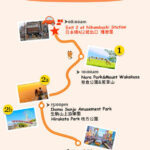
The meeting time is 08:40, and you are asked to arrive 10 minutes early. The group does not wait for late arrivals, and missed departures are not refundable. The meeting point is listed at Nihonbashi Exit 2; the return is listed in the Shinsaibashi area at about 18:30. Check the final email for exact vehicle and meeting details, since the operator sends these the night before, by about 21:00 Japan time.
The return time is an estimate, not a promise. Traffic, weather, holidays, and crowds can change the schedule. In difficult conditions, the guide may adjust or shorten the day, and the tour does not promise a refund for changes caused by such circumstances. Rain can make the walking portions slower, while summer heat can make the open park and streets tiring. Bring an umbrella when rain is forecast and water and sun protection in hot weather.
You may bring one piece of luggage per person at no charge. Extra pieces cost ¥2,000 each and must be declared when booking; undeclared luggage may be refused. Children aged 0 to 2 ride free if they do not need their own seat. Children aged 3 and older pay the adult rate, and anyone under 18 must be accompanied by a paying adult. People aged 70 and older need to present a medical certificate before joining.
The activity is not recommended for people with high blood pressure, epilepsy, heart disease, asthma, other serious medical conditions, pregnant people, or people with disabilities. If any of these apply, check suitability with the operator before booking. Free cancellation is available with at least 24 hours’ notice, and booking changes are allowed up to that point, subject to the stated exceptions.
Who should book this day trip?
I would choose this tour if you are staying in Osaka, want to see both Nara and Uji without arranging transport yourself, and are content to explore independently. It suits first-time visitors who want a taste of the deer park, a major temple, and Uji’s tea culture in one outing. It can also work well for solo visitors and groups who prefer free time over a fully escorted schedule.
I would hesitate if you want a deep visit to Nara’s temples, dislike fixed return times, or need a quiet, unhurried day at just one destination. The two-hour Nara stop is short for anyone hoping to see several major sites. And if you are not interested in the hot spring, be sure the extra time in Uji sounds appealing before you book.
Book it for convenient transport and a flexible sampler of Nara and Uji. Skip it if you want more time at each heritage site or a tightly narrated history tour.
Full-Day Cultural Heritage Tour of Nara and Uji
“enjoyed feeding the deer although they can bite if not given food lol. but overall, the experience was awesome specially the onsen. thoroughly enjo…”
FAQ
Where does the tour depart from?
The meeting point is listed at Nihonbashi Exit 2 in Osaka. Arrive 10 minutes before the 08:40 departure, and check the operator’s final email for the meeting and vehicle details.
What time does the tour return?
The listed return time is about 18:30 in the Shinsaibashi area. It is an estimate and may change with traffic, weather, holidays, or crowds.
How much time is set aside for Nara?
The Nara Park stop is scheduled for about two hours, with free time to explore independently.
Are temple and museum admissions included?
No. Todai-ji costs ¥800, Byodo-in ¥700, and the Tale of Genji Museum ¥600. You do not have to pay to visit the surrounding areas.
Is the hot spring included in the tour price?
No. Genji no Yu admission is ¥1,100. The hot spring option includes about an hour there, with a shuttle from Keihan Uji Station at 13:30 and a return at 15:10.
What language does the guide speak?
The guide service is listed as Chinese and English. In smaller groups, the driver may also act as guide, with explanations secondary to driving.
Can children join the tour?
Children aged 0 to 2 can join free if they do not occupy a separate seat. Children aged 3 and older pay the adult rate, and anyone aged 0 to 17 must be accompanied by a paying adult.