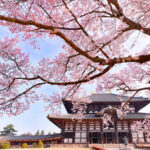
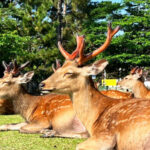
Nara’s sacred deer are not just park mascots. They have been regarded as divine messengers for more than 1,200 years, and this walking tour brings you among them after a morning of temples and shrines. The route links Kofuku-ji, Todaiji, Kasuga Taisha, and old-town streets in about five hours.
I like that admission and lunch are included, so you can focus on the sights instead of sorting out each stop as you go. I also like the human scale of a guided walk: guides such as Yuki, Nick, and Peco have shared local history and cultural customs, and one guide adjusted the pace to suit the group.
The trade-off is real: there is a lot of walking and some stairs, and the tour is not suitable for wheelchair or stroller users. The set lunch also has limits, especially for vegan and gluten-free diets.
- At a glance
- Starting at Kintetsu-Nara Station
- Kofuku-ji and its five-story pagoda
- Todaiji: temple scale, statues, and views
- Lunch between the temples and shrine
- Kasuga Taisha and Nara Park’s deer
- Old-town lanes and quieter corners
- What the guides bring to the walk
- Is 0.29 a fair price?
- Who should book this walk?
- Should you book it?
- FAQ
- How long is the tour?
- Where do I meet the guide?
- What is included in the price?
- Can vegetarians join the tour?
- Is the tour suitable for wheelchair or stroller users?
- Are children allowed?
- What happens if the weather is extreme?
- The Best Of Nara!
- More Walking Tours in Nara
- More Tours in Nara
- More Tour Reviews in Nara
At a glance
- A full morning on foot: Expect a half-day route with short breaks, several temple and shrine stops, and a walk through Nara’s older streets.
- Three different sacred places: Kofuku-ji, Todaiji, and Kasuga Taisha show distinct sides of Japanese religious culture.
- A close look at Nara’s deer: One packet of crackers is included, though the deer can be eager when food appears.
- Lunch is part of the plan: The menu changes with the season and available ingredients.
- Guides add context: Past guides include Yuki, Yuuki, Hide-san, Nick, and Peco, with historical and cultural explanations a recurring strength.
- Plan for the physical effort: This is a walking tour with stairs, and hot, humid summer weather can make it more demanding.

👉 See our pick of the 9 Of The Best Workshops & Classes In Nara
Starting at Kintetsu-Nara Station
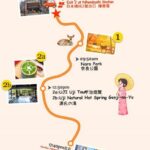
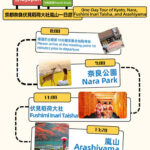
The meeting point is the Gyoki Bosatsu Statue at Kintetsu-Nara Station, at 27 Higashimuki Nakamachi. Use Exit 2 or the East Exit, and look for the guide holding an orange MagicalTrip sign. Arrive ten minutes early. You select a 9:00 or 10:00 departure when booking, with the return scheduled for around 14:00 or 15:00 depending on the chosen start and tour duration.
That station-side meeting point makes sense for a walking day: you begin in town and head toward the historic sites on foot, rather than spending part of your short visit on a bus transfer. The return is also at Kintetsu-Nara Station, so you finish where you started.
Give yourself a little margin before the start. Late arrivals and no-shows are not refundable, and the voucher is valid only for the date and time you booked. If confirmation does not arrive within minutes, contact customer support rather than leaving the check-in question until the morning.
You can also read our reviews of more walking tours in Nara
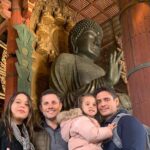


Kofuku-ji and its five-story pagoda
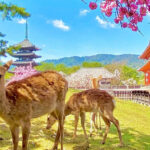
The first stop is Kofuku-ji, known for its five-story pagoda. It is an immediate introduction to Nara’s temple architecture and a natural place to take photos before the walk continues toward Todaiji.
A guide can help you see beyond the outline of the pagoda and place the temple in the broader story of Nara. That context matters on a route with several major religious sites: without it, the buildings can blur into a string of impressive roofs. The tour’s most consistently praised feature is the guide’s ability to explain Buddhism, Shinto, local history, and cultural customs in terms that make the sites easier to read.
There is one practical caveat. A past tour could not enter two planned spots, which made the price feel less attractive to that participant. Entry can be affected by conditions at individual sites, so treat the route as a guided overview rather than a guarantee that every interior will be open.
Todaiji: temple scale, statues, and views
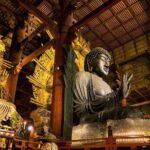
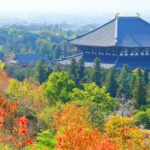
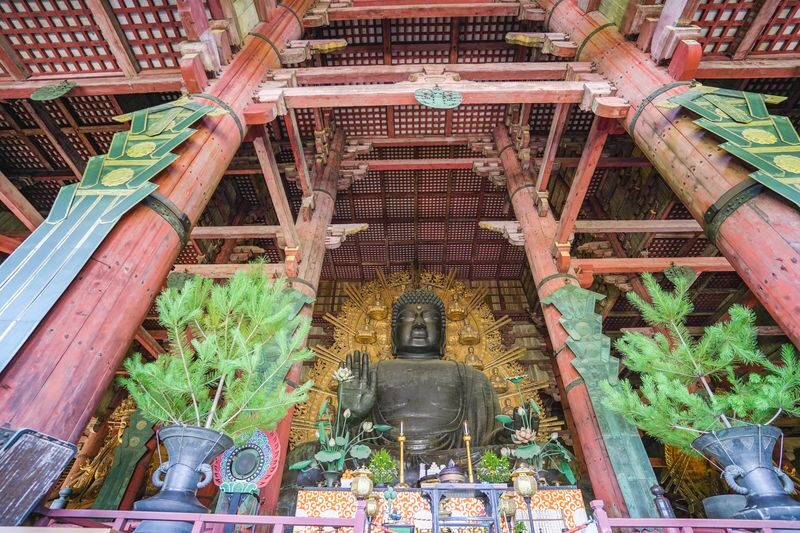
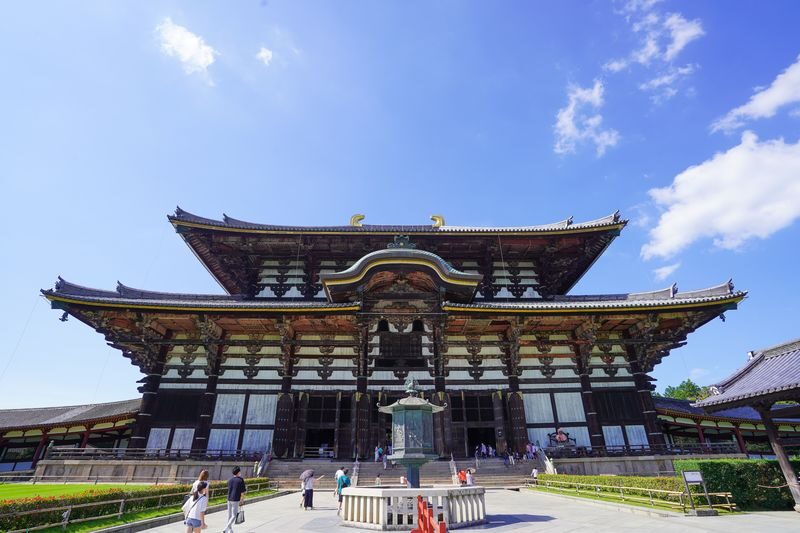
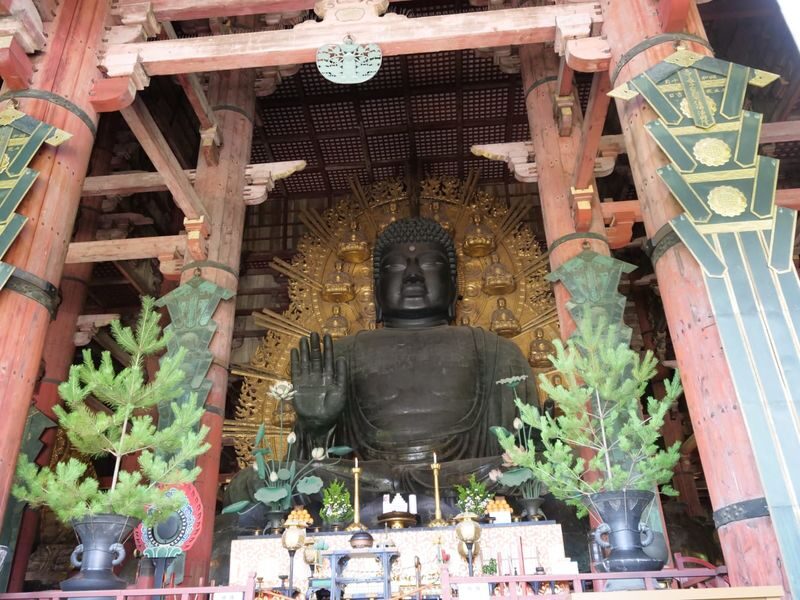
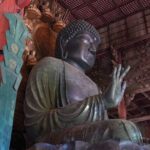
Todaiji is the tour’s headline stop, and the central gate sets the tone. Kongo Rikishi guardian statues stand at the entrance, adding a powerful first impression before you reach the temple grounds. The tour is titled around the Great Buddha, and Todaiji is the place to connect that famous image with the larger temple setting.
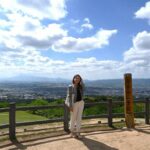
Your guide explains Japanese Buddhism and Nara’s role in the country’s past, giving the scale of the complex more meaning than a quick photo stop can. The route also includes Nigetsu-do, a temple higher up at Todaiji, where you can look out over Nara. That climb is one of the more rewarding parts of the walk, but it comes with stairs and extra effort. If you have trouble walking or feel unsteady on steps, this is an important limitation to weigh before booking.
The exact pace depends on the group and conditions. One guide, Hide-san, was noted for adjusting the walking speed to the people on the tour, while another outing with a very small group left time for extra stops. That flexibility is useful, but it is not something to count on as a guaranteed extension.
Lunch between the temples and shrine
Lunch is included, along with meals and beverages specified for the tour. The menu may change with the season and the availability of ingredients, so you should not book expecting a particular dish. The meal is a welcome pause in a route that covers a lot of ground, and one participant singled it out as a highlight.
Dietary needs need careful attention before you reserve. Vegetarian diets can be accommodated, but the tour is not suitable for vegans or people who need gluten-free food. The food is prepared in kitchens outside the operator’s control, so an allergy-free meal cannot be guaranteed. Send any dietary request by the day before the tour, and include allergies in your special note. Same-day requests cannot be accepted, and substitutions may not be possible at every stop.
You do not need to pay for the guide’s food and drinks. Bring cash if you want extra snacks or drinks along the way, since these are not included.
Kasuga Taisha and Nara Park’s deer
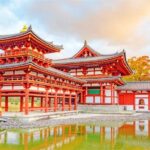
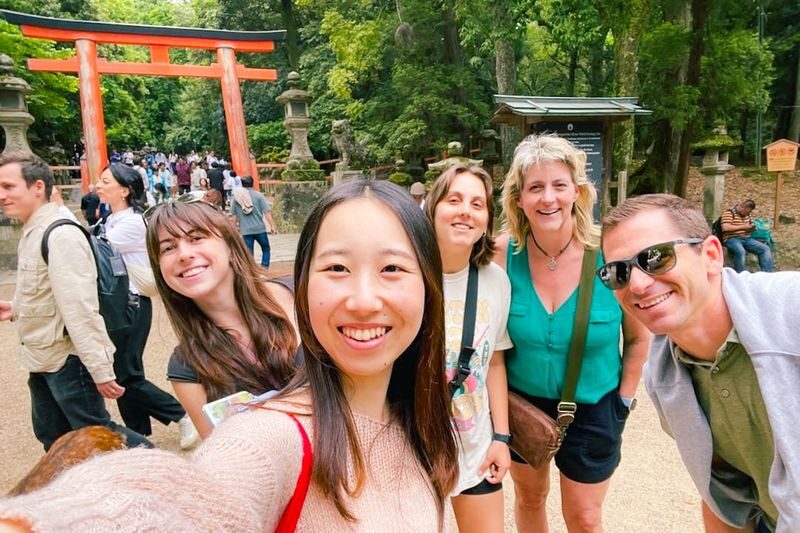
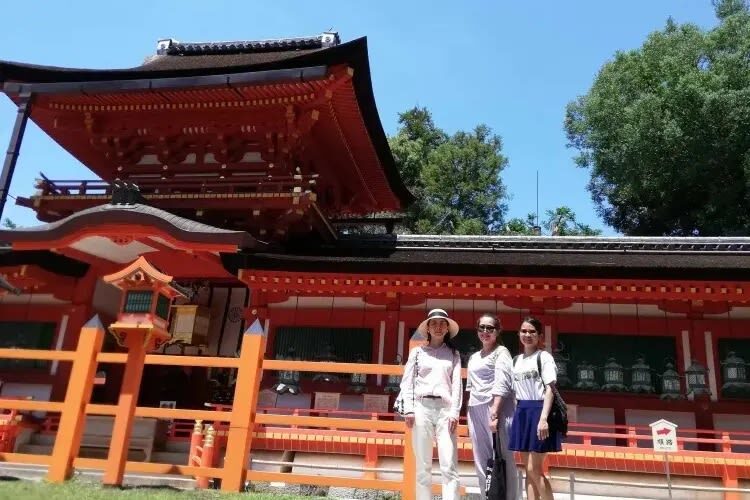
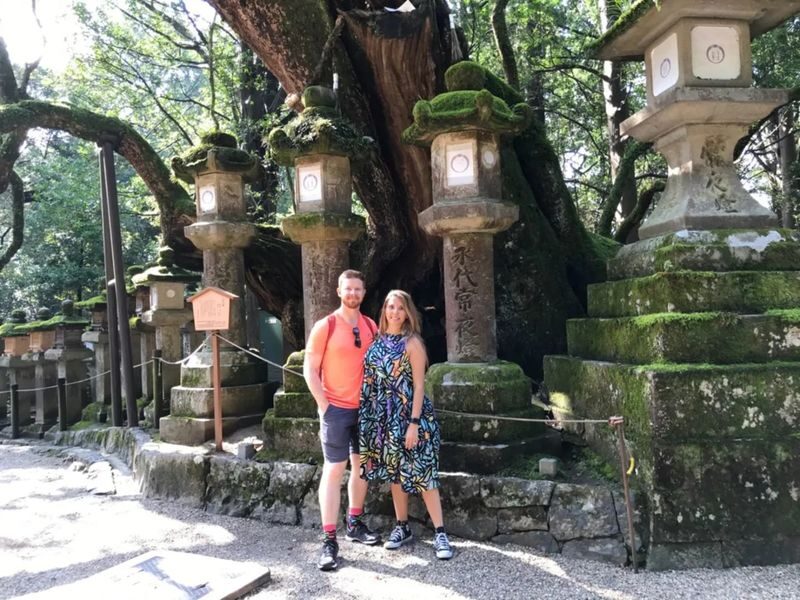
Kasuga Taisha brings a different mood to the day. Its red shrine and many lanterns contrast with the large temple grounds at Todaiji, and the guide can explain how Shinto traditions differ from Buddhist practice. Seeing both in one walk is useful for a first visit: the distinction is not just architectural, it is part of how Japan’s religious life developed.
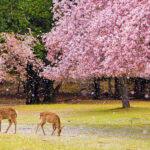
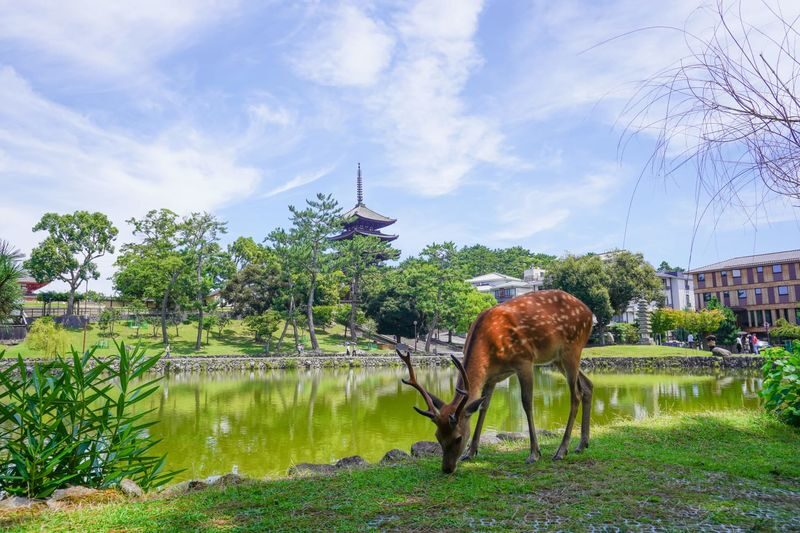
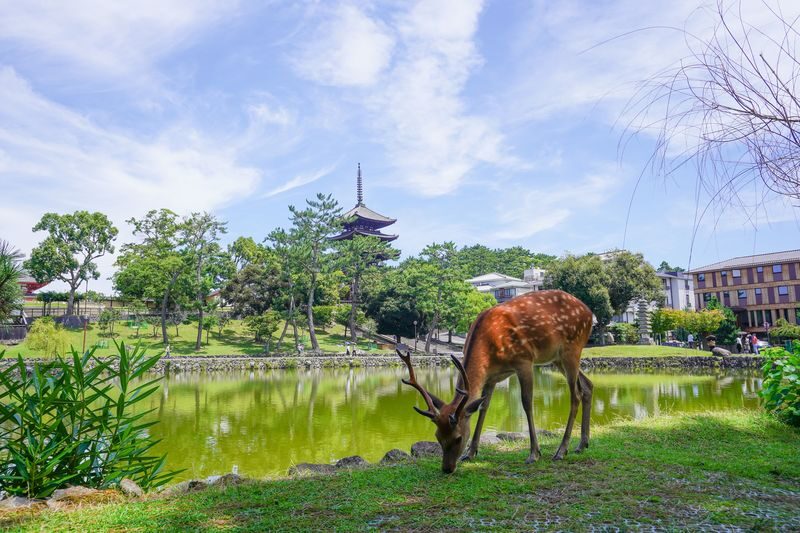
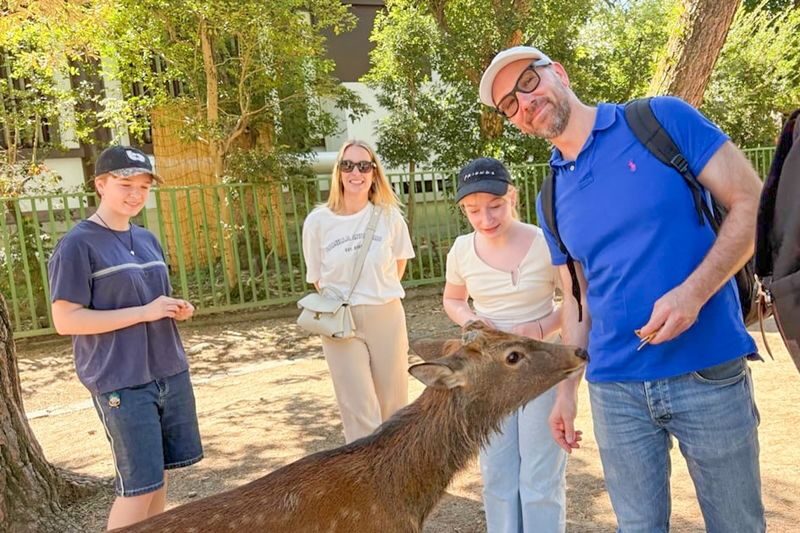
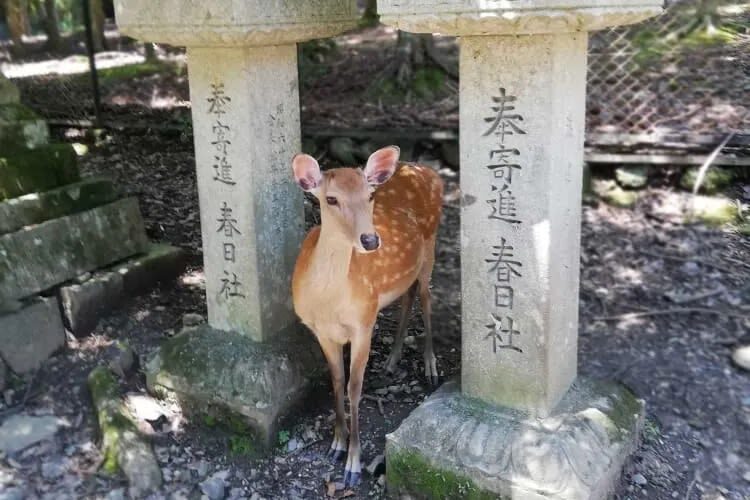
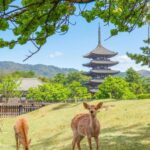
The walk through Nara Park includes a chance to meet and feed the deer, with one packet of deer crackers provided. Keep your expectations sensible. These are wild animals accustomed to people, not tame pets, and they can be greedy when they spot food. The tour notes that they have long been considered sacred messengers, which gives the encounter a cultural context beyond the familiar deer photographs.
Pets are not allowed on the activity. And while the deer are a memorable part of the day, they are only one part of it. The temples, shrine, and explanations are what make the route worthwhile even if you have already seen plenty of deer elsewhere in the park.
Old-town lanes and quieter corners
After the main religious sites, the route continues toward traditional souvenir shops and a Japanese old town. The contrast with Tokyo is part of the appeal: Nara offers a slower, more compact feel, and a walk through older streets rounds out a day otherwise centered on major monuments.
The tour is described as including places off the beaten path, and one small group covered less-crowded sightseeing spots at a leisurely pace. The precise side stops can vary with the day, weather, and traffic, however, so think of this as a chance to see more than the headline sites, not a fixed list of hidden corners.
The itinerary leaves one stop unspecified, which makes it hard to promise exactly what you will see on every walk. The sensible expectation is a guided route through Nara’s main sights, with the possibility of additional local details or stops depending on how the day unfolds.
What the guides bring to the walk
The temples and shrine are impressive on their own, but the guide is a central part of the experience. Past guides include Yuki and Yuuki, who shared Nara history and Japanese cultural norms; Nick, praised for an engaging explanation of local traditions; Hide-san, who adapted the pace; and Peco, who added a sake brewery stop to one birthday outing.
Those individual extras are pleasant surprises, not promises. What you can reasonably expect is an English- or Japanese-speaking guide and explanations at the main stops. The best value comes when you ask questions and let the guide connect the sites rather than treating the walk as transport between photo opportunities.
A small group can make conversation and questions easier, but group size is not specified as a guarantee. One tour had nine participants, and another became a one-to-one outing. The experience may feel quite different depending on who books the same date.
Is $100.29 a fair price?
The walking tour starts at $100.29. That is not the cheapest way to see Nara if you are comfortable planning your own route, but the fee includes attraction admission, a guide, lunch, and a packet of deer crackers. You are also paying for a planned route through several major sites and the explanations that tie them together.
For a first visit, that bundle can be good value. You can reach the landmarks without researching every stop yourself, and the guide helps make sense of the religious and historical differences between Kofuku-ji, Todaiji, and Kasuga Taisha. The lunch saves you from having to pause and choose a restaurant during a tightly timed half-day.
The price is less compelling if you prefer to move at your own pace, want guaranteed entry to every interior, or need a highly specific meal. If you are comparing guided tours, check what admission and food each includes, not just the headline price. Here, those inclusions matter, but so does the possibility that a site may be inaccessible on the day.
Who should book this walk?
I’d recommend it to first-time visitors who want an organized introduction to Nara and enjoy learning as they walk. It suits people who are curious about both Buddhism and Shinto, want to see the main landmarks in half a day, and would like the deer encounter handled as part of a broader cultural outing.
It is a weaker fit for anyone with mobility concerns, a strict vegan or gluten-free diet, or little appetite for walking. The activity involves considerable walking and stairs, is not wheelchair- or stroller-accessible, and is not recommended for pregnant women. All ages are welcome, but children aged 16 and older pay the adult rate.
Dress for the season and bring water, especially in summer. Japan’s summers can reach 40°C and are very humid; winter temperatures can fall to -5°C. A hat is a sensible choice in summer, and the operator recommends being prepared for those extremes.
Should you book it?
Book this tour if you want a guide to connect Nara’s headline temples, shrine, old-town streets, and deer in one well-paced half-day, and if the included lunch suits your needs. The strongest reason to go is the cultural explanation, not simply the number of sights.
Skip it if stairs, heat, or a long walk would make the day unpleasant, or if your diet requires food the tour cannot reliably provide. If you are fit enough for the route and want a first overview of Nara, this is a practical way to spend five hours. If you already know the city or prefer to linger, make your own route instead.
Nara UNESCO Walk: Todaiji, Great Buddha & Kasuga Taisha
“This tour has A LOT of walking and is not for the faint-hearted! The tour was really great though, our guide Yuuki was so knowledgeable and friendl…”
FAQ
How long is the tour?
It is a half-day walking tour. Available departures are 9:00 and 10:00, with return times around 14:00 and 15:00 depending on the selected departure and itinerary duration.
Where do I meet the guide?
Meet at the Gyoki Bosatsu Statue at Kintetsu-Nara Station, 27 Higashimuki Nakamachi. The closest station exits are Exit 2 or the East Exit. Look for an orange MagicalTrip sign.
What is included in the price?
Admission to attractions, an English- or Japanese-speaking guide, lunch, meals and beverages, and one packet of crackers to feed the deer are included. Personal expenses and extra food or drinks are not.
Can vegetarians join the tour?
Vegetarian diets can be accommodated if you request this in advance, by the day before the tour. The tour is not suitable for vegans or gluten-free diets.
Is the tour suitable for wheelchair or stroller users?
No. The route is not wheelchair- or stroller-accessible and includes considerable walking and stairs. It is not recommended for people with mobility issues.
Are children allowed?
All ages are welcome. Children aged 16 and older are charged the same rate as adults.
What happens if the weather is extreme?
The operator may cancel the tour due to unforeseen events or extreme weather. If that happens, you can reschedule or request a full refund.