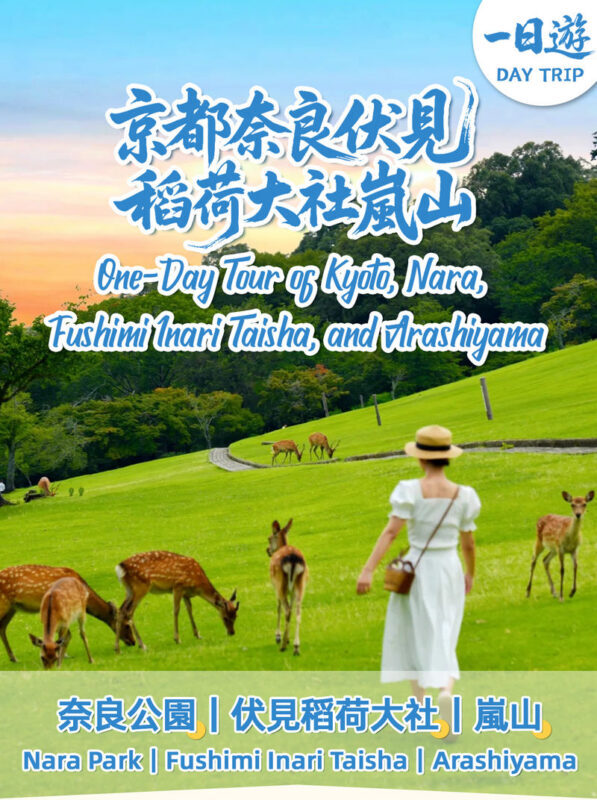
The appeal is simple: one day links Nara’s free-roaming deer with Kyoto’s famous red torii gates and Arashiyama’s bamboo grove. You travel between the stops by tour vehicle, rather than piecing together trains and buses across two cities.
I like two things in particular: deer crackers are included, and the route covers three very different sights in a single day. Guides such as Jack, Yang, and Yaping have been praised for keeping the day moving and sharing useful cultural context. The trade-off is time. Stops are short, some exploration is self-guided, and traffic or crowds can mean a landmark gets cut.
- At a glance
- A big day across Nara and Kyoto
- Nara Park: deer, crackers, and a short visit
- Choosing a Kyoto stop: Fushimi Inari or Chiikawa
- Arashiyama: bamboo, Kimono Forest, and optional rail
- Guides, group size, and the day’s pace
- Price, meeting point, and useful details
- Should you book this day trip?
- FAQ
- Where does the tour meet?
- What time does the tour return?
- Is transport included?
- Which languages are available?
- Are deer crackers included?
- Can I visit both Fushimi Inari Shrine and the Chiikawa shop?
- Is the Sagano Scenic Railway ticket included?
- Is Monkey Park admission included?
- Is lunch included?
- Can I bring luggage?
- The Best Of Nara!
- More Historical Tours in Nara
- More Tours in Nara
- More Tour Reviews in Nara
At a glance
 1 / 8
 2 / 8
 3 / 8
 4 / 8
 5 / 8
 6 / 8
 7 / 8
 8 / 8
- Nara Park starts the day with deer crackers. One pack is provided for groups of one to three, and two packs for a family of four.
- At the Kyoto stop, you choose between Fushimi Inari Shrine and the Chiikawa shop. Confirm the day’s arrangement so you know which one to plan around.
- Arashiyama gets the longest scheduled stop. Three hours are allocated for the area, including its bamboo grove and Kimono Forest.
- The Sagano Scenic Railway may cost extra. Check your selected package, as one option includes a train ticket while the standard inclusions list it as an added cost.
- The day is organized transport, not a fully guided walk. Most sightseeing time is self-guided, and the group can be as large as 49.
- The starting point and final drop-off differ. The listed meeting point is Kyoto Station’s Hachijo Exit, with a later return to Osaka’s Shinsaibashi area.
👉 See our pick of the 9 Of The Best Workshops & Classes In Nara
A big day across Nara and Kyoto
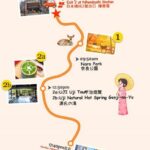
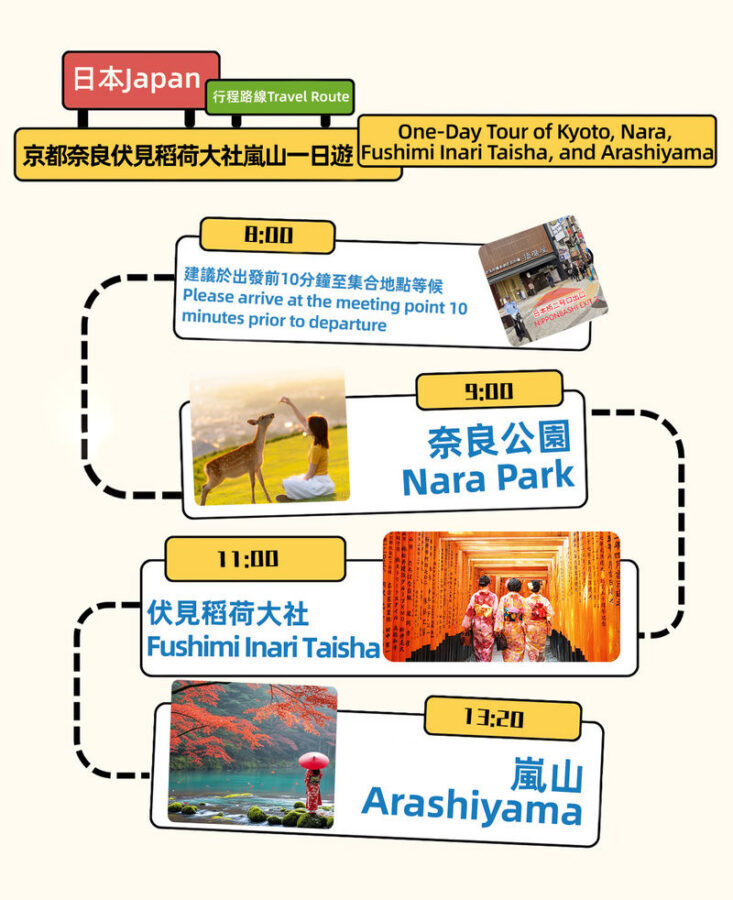
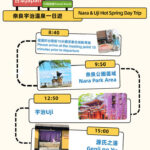
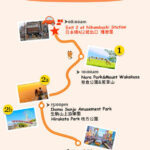
This is a sampler, not a slow tour. The schedule sets off at 8:00 and reaches Nara Park at about 9:00. It then moves through a Kyoto shrine or shop stop and on to Arashiyama, with a return to Kyoto Station planned around 16:40 and arrival in Shinsaibashi around 18:00.
That long reach is the tour’s main practical advantage. For a first visit or a short stay, it bundles several headline sights without asking you to work out transfers between them. The cost starts at $44.89, a low entry price for a full day of transport and guide service. But treat that as a starting price, not necessarily the full day’s spend: meals, drinks, personal purchases, Monkey Park admission, and possibly the scenic train ticket are extra.
The schedule is tight by design. Nara gets about an hour, the shrine or shop stop about 80 minutes, and Arashiyama about three hours. These are scheduled blocks, not guarantees of unhurried time at every site. Traffic, holidays, weather, and crowds can change the order or shorten the plan.
The tour includes English- or Chinese-speaking guide service, round-trip transfers, tolls, parking, and fuel. Group size can range from one to 49. A smaller group may use a driver-guide, whose main job is driving, while larger groups have a separate driver and guide. That distinction matters if you are booking mainly for in-depth commentary: the day is primarily a way to get between major sights efficiently.
You can also read our reviews of more historical tours in Nara
Nara Park: deer, crackers, and a short visit
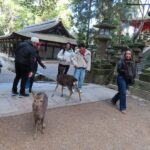
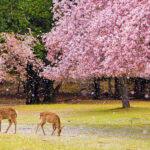
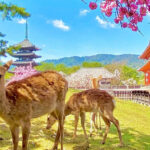
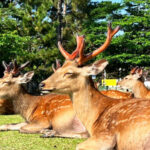
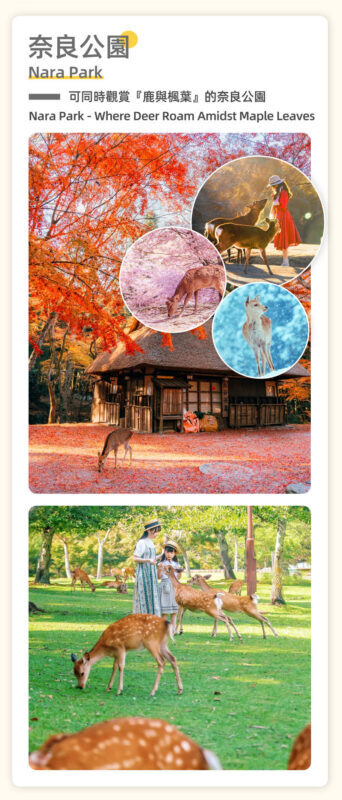
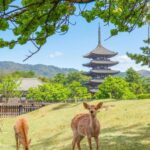
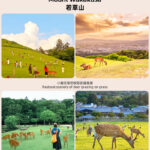
At Nara Park, you get a chance to feed the famous deer and take photos among the grounds. The tour provides deer crackers, which makes this a particularly easy stop for families. Children have enjoyed the encounter, and the deer can make a strong first impression even when the visit is brief.
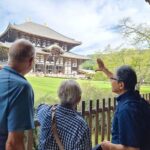
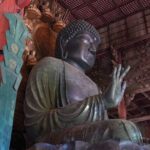
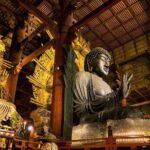
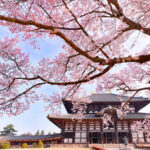
Keep your expectations measured. One hour is not much time for a sprawling park, especially if you want to see more than the deer. Todai-ji’s central gate is included among the places associated with the activity, but the schedule does not promise a temple visit or time inside the main buildings. If entering Todai-ji is a priority, check with the operator before booking rather than assuming it fits into the stop.
The walk from the vehicle’s parking area can also eat into your hour. Some people have found the bus drop-off a long way from the park sights and the meeting point, so move promptly and pay close attention to the guide’s return instructions. The group does not wait for late arrivals, and missed departures are not refundable.
A little care goes a long way with the deer. Keep the crackers secure and follow the guide’s directions. One useful request to make at the start is how to feed them safely, particularly if you are with children. The tour provides food, but the details of handling the deer should not be left to guesswork.
Choosing a Kyoto stop: Fushimi Inari or Chiikawa
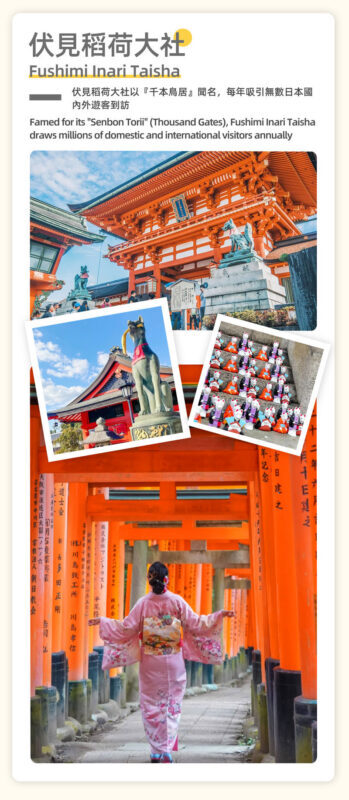
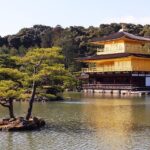
The next scheduled block presents a choice: visit Fushimi Inari Shrine or the Kyoto Fushimi Chiikawa shop. The shrine is known for its long rows of red torii gates, which form a dramatic passage up the hillside. Even a short walk through the gates can give you a sense of why this is one of Kyoto’s most recognizable sights. The drawback is that crowds can slow your progress, and the allotted time may not allow a long uphill walk.
The Chiikawa shop offers a very different stop, centered on the popular character goods. It may suit you if that shop is a particular draw, or if you want a lighter, more shopping-focused visit. But don’t assume you can fit both the shop and the shrine into the same block. The itinerary says to choose one, so confirm the day’s plan and make your preference clear when appropriate.
Visitors have praised guides including Jack, Ellen, and Yaping for clear explanations and help with group timing. The quality and amount of commentary can vary, though, especially since the sightseeing is largely self-guided. If you want a history-rich visit to Fushimi Inari, you may prefer to spend a separate half-day there rather than rely on this short stop.
Arashiyama: bamboo, Kimono Forest, and optional rail
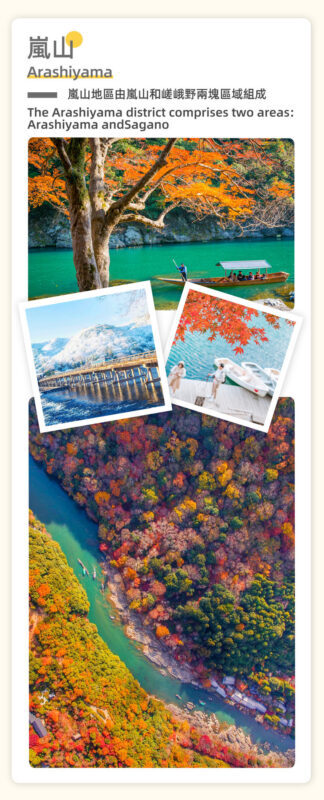
Arashiyama has the longest scheduled visit, about three hours. That sounds generous beside the earlier stops, but the area contains several attractions, and the time can disappear quickly. The bamboo grove is the best-known draw: a short walk among tall bamboo that offers a striking change of pace from city streets and shrine crowds.
The Kimono Forest adds a more decorative stop near the area’s transport hub. Its pillars display traditional kimono patterns and colors, making it an easy place to pause for photographs. Togetsukyo Bridge is also named in the sightseeing description. The tour’s listed attractions include Arashiyama Monkey Park Iwatayama, but admission costs 800 yen per person and is not included. With a limited time block, you may have to choose between the monkey park, the bridge, the grove, the railway, and a meal.
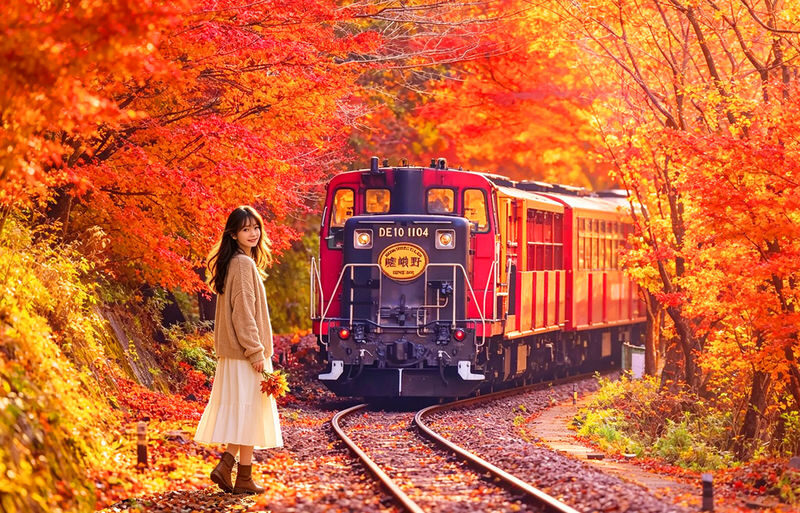
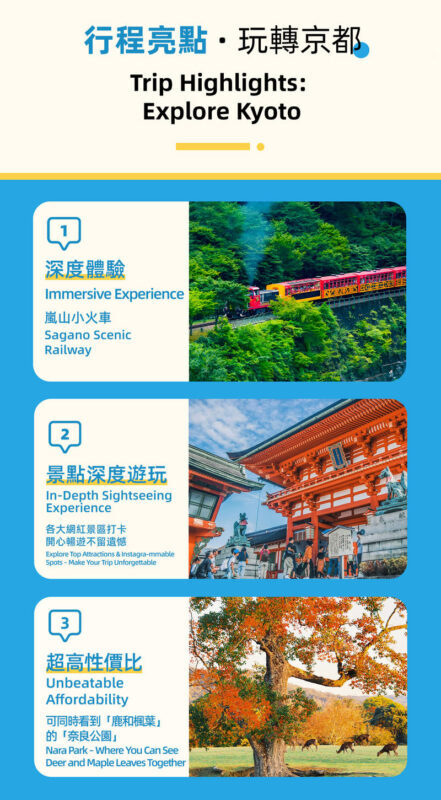
The Sagano Scenic Railway is an optional experience unless your selected package specifically includes its ticket. It follows a scenic route through the area, with views that vary by season. Some people have found the ride a highlight; others chose to skip it and spend more time at Tenryu-ji Temple and the bamboo grove. Before booking, check the exact package name and ticket inclusion. The standard exclusions list the train ticket as extra, while a package option is described as including it.
There is no dedicated lunch stop in the schedule. Bring a snack or be ready to use part of your Arashiyama time to eat. If the railway is important to you, check the meeting instructions and timing carefully. A visitor has described confusion about where to board and get off, so don’t rely on a quick verbal detail while the group is moving.
Guides, group size, and the day’s pace
The strongest recurring feature of the experience is the guide service. Jack, Yang, Yaping, and other named guides have been commended for being friendly, patient, and helpful. Some have shared cultural context and practical advice, while others have helped the group stay on schedule. That makes a difference on a day with several transfers and limited time at each stop.
Still, guide quality is not something you can choose in advance. The tour offers English and Chinese service, but it may combine language groups. Korean-speaking guides cannot be guaranteed; if one is unavailable, an English-speaking guide is provided. The operator also notes that a driver-guide’s main focus is driving, with commentary as a secondary duty.
The group can range from a single person to 49. Small groups may use a driver-guide, while larger parties generally have a separate driver and guide. Vehicle types vary with attendance, from smaller vans to a large bus. If you value a personal pace or detailed interpretation, a self-planned trip or a smaller private option may fit better.
The main risk is that a packed day can become a rushed one. Some people have reported short stops, unclear meeting directions, or attractions being reduced or skipped during busy conditions. The operator reserves the right to adjust the route because of traffic, weather, holidays, and crowds. This is a practical trade-off of trying to cover two cities in one day, not a promise that every listed sight will get equal time.
You can also read our reviews of more tours and experiences in Nara
Price, meeting point, and useful details
At $44.89 to start, the tour can be good value if your aim is to see several headline sights without arranging transport yourself. The fare includes transfers, fuel, tolls, parking, and an English- or Chinese-speaking guide. It does not cover meals, drinks, personal expenses, Monkey Park admission, or the scenic railway ticket unless your chosen package says otherwise.
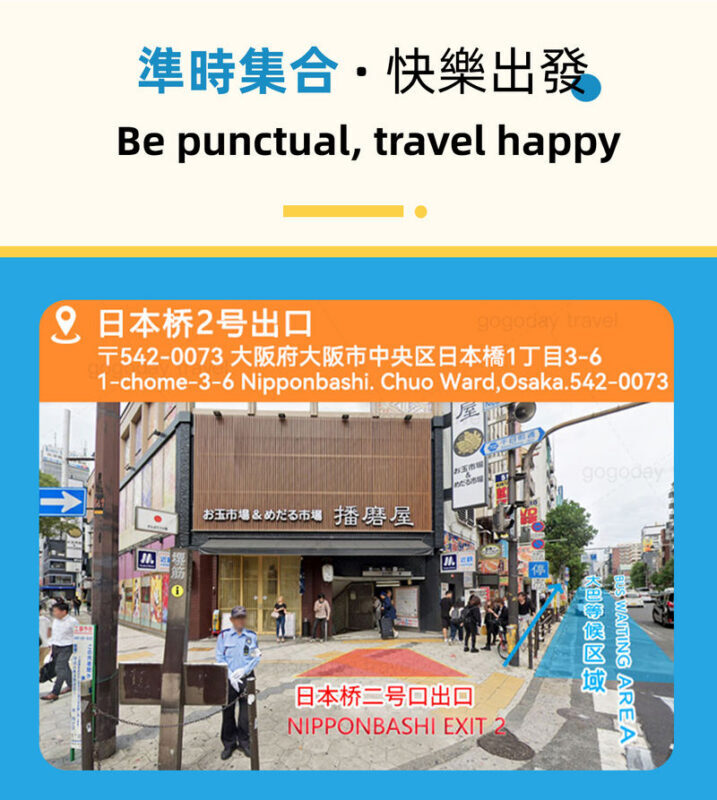
The listed meeting point is the sightseeing-bus parking area in front of Kyoto Station’s Hachijo Exit. The schedule gives an 8:00 departure, with a return to that Kyoto location at about 16:40. The onward trip to Shinsaibashi is scheduled to arrive around 18:00. Since the experience is described as departing from Osaka but the detailed meeting point is in Kyoto, check your confirmation email closely for the exact departure arrangement, meeting time, and vehicle details.
Arrive at least 10 minutes early. The tour does not wait for late arrivals, and no refund is offered if you miss the group. The operator sends guide and vehicle information by email the evening before, generally between 19:00 and 21:00 Japan time. Check your spam folder if it does not arrive.
Each person may bring one piece of luggage at no charge. Additional pieces cost 2,000 yen each and should be declared when booking; excess luggage or an over-capacity vehicle can lead to refused boarding without a refund. Children aged 0 to 2 ride free only if they do not need a separate seat. Children aged 3 and older pay the adult rate, and anyone aged 0 to 17 must travel with a paying adult.
Should you book this day trip?
Book it if your time is short, you want transport handled, and you are content with quick, self-guided visits to Nara Park, a Kyoto shrine or shop, and Arashiyama. The included deer crackers and the chance to see several iconic places in one day give the low starting price real appeal.
Skip it if you want to explore Todai-ji at length, hike far up Fushimi Inari, take the scenic train without watching the clock, or linger over lunch and shopping. For those priorities, choose fewer sights and travel independently. This tour is best treated as an efficient introduction, with the understanding that efficiency sometimes means moving on just when you are ready to stay.
Kyoto and Nara Full-Day World Heritage Tour including Deer Feeding Experience
“Our tour guide Ellen Wong is very accommodating and patience and on time. However, we suggest more time in Fushimi Inaro rather than in Arashiyama….”
FAQ
Where does the tour meet?
The listed meeting point is the sightseeing-bus parking area in front of Kyoto Station’s Hachijo Exit. Check your confirmation for the exact meeting time and vehicle details.
What time does the tour return?
The schedule gives a return to Kyoto Station at about 16:40, followed by an expected arrival in Shinsaibashi around 18:00. Times can change with traffic and the day’s progress.
Is transport included?
Yes. Round-trip transfers, tolls, parking, and fuel are included.
Which languages are available?
English- and Chinese-speaking guide service is offered. A Korean-speaking guide is not guaranteed; English service may be provided instead.
Are deer crackers included?
Yes. One pack is provided for groups of one to three people, and families of four receive two packs.
Can I visit both Fushimi Inari Shrine and the Chiikawa shop?
The scheduled stop is described as a choice between the two. Confirm which option applies to your tour rather than expecting time for both.
Is the Sagano Scenic Railway ticket included?
It depends on the package. The standard inclusions list the ticket as an extra cost, while one package option is described as including it. Check the package details before booking.
Is Monkey Park admission included?
No. Admission is listed at 800 yen per person and is not included in the tour price.
Is lunch included?
No. Meals and beverages are not included, and the schedule does not give a dedicated lunch stop.
Can I bring luggage?
One piece of luggage per person is allowed at no charge. Extra pieces cost 2,000 yen each and should be declared when booking.