Kyoto’s sake lesson is less about drinking your way through a flight and more about learning what is in your cup. In 90 minutes, you taste seven sake styles, try them with Japanese otsumami, and pick up practical clues for reading labels and ordering at dinner.
I like two things in particular: the food pairings make differences in flavor easier to notice, and the tips are useful long after the class ends. One thing to know before booking: this is a guided lesson in a classroom-style setting, not a walk through a brewery or a visit with a sake maker.
- Key points before you book
- What the 90-minute sake lesson is really like
- Starting with sake basics and label clues
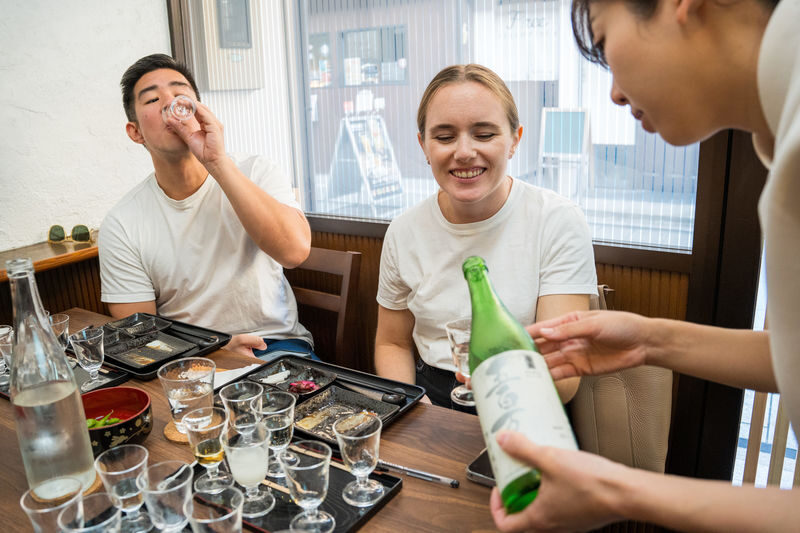
- Tasting seven styles with Japanese otsumami
- Fushimi location, meeting point, and timing
- What the price buys you
- Who will get the most from this experience
- Dietary needs, alcohol rules, and booking details
- Should you book the Kyoto sake tasting?
- FAQ
- How long does the Kyoto sake experience last?
- How many types of sake will I taste?
- Is the experience conducted in English?
- Where is the meeting point?
- What departure times can I choose?
- Is the tasting suitable for someone who has never tried sake?
- Can dietary needs be accommodated?
- What is the minimum age for alcohol service?
- The Best Of Kyoto!
- More Food & Drink Experiences in Kyoto
- More Tours in Kyoto
- More Tour Reviews in Kyoto
Key points before you book
 1 / 7
 2 / 7
 3 / 7
 4 / 7
 5 / 7
 6 / 7
 7 / 7
- Seven sake tastings give you a useful range, from dry styles to sweeter, fruitier ones.
- Otsumami pairings show how a small bite can change the taste of a sake.
- Label-reading advice helps you make more confident choices in shops and restaurants.
- English-speaking instruction covers sake basics, production, styles, and serving temperature.
- The experience lasts 90 minutes, despite some short descriptions calling it one hour.
- The meeting point is in Fushimi, a Kyoto district associated with sake, but the activity itself is not a brewery tour.

👉 See our pick of the We Rank Kyoto’s 15 Top Workshops & Classes
What the 90-minute sake lesson is really like
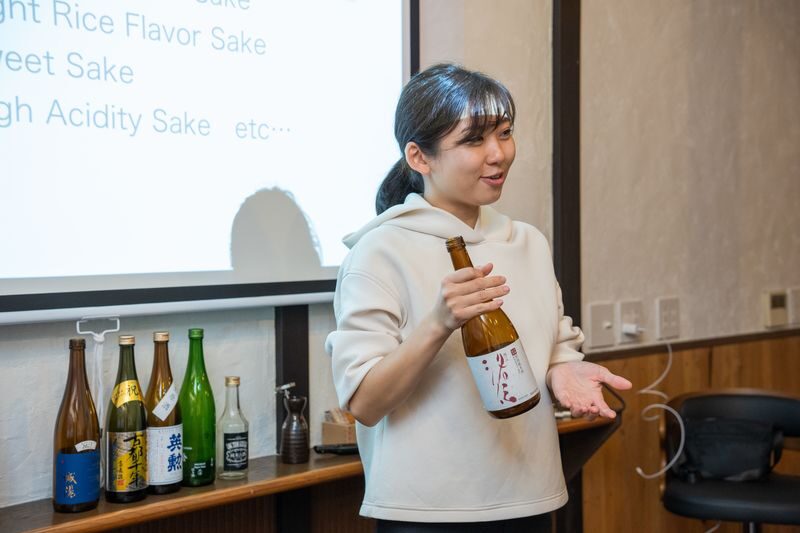
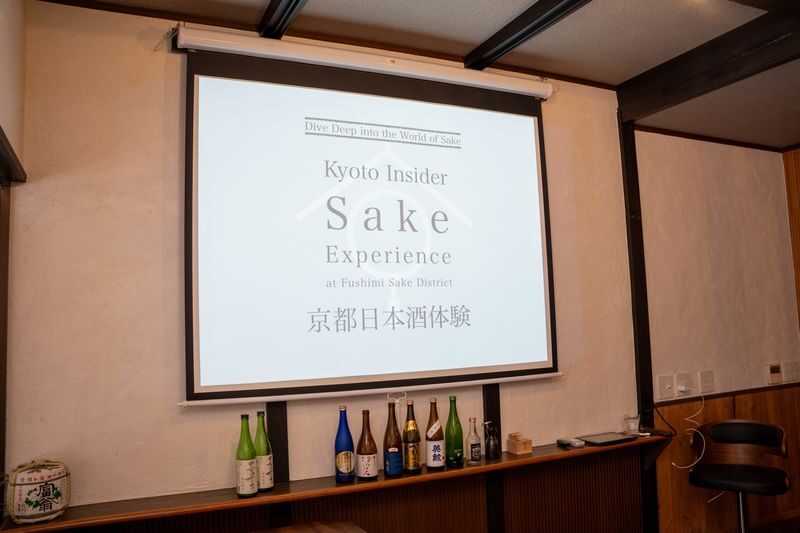
The experience follows a simple pattern: first, learn the basics; then taste a range of sake and try food pairings. The format is focused and easy to follow, even if you have never ordered sake before.
You are not expected to arrive with a practiced palate. The aim is to help you notice a few useful differences, such as whether a sake tastes dry or sweet, and whether its character seems fruity or more restrained. That is a more practical goal than trying to memorize a catalogue of technical terms.
The session is led in English by a sake instructor or guide. Past instructors have included Mayo, Kotaro, Mai, Rieko, Nanase, and others, but you should not count on a particular person leading your date. Some instructors have shared a copy of the presentation afterward, which can help you remember label tips and the lesson’s key points, but that follow-up is not listed as a guaranteed inclusion.
The stated package is 1.5 hours, and the detailed activity plan also gives 90 minutes. That is enough time for a short lesson and seven samples without turning the event into a long drinking session. The page’s brief summary also says one hour, so use the 90-minute duration when planning the rest of your day.
You can also read our reviews of more food & drink experiences in Kyoto


Starting with sake basics and label clues
The first part gives you a framework for understanding what you are about to taste. You learn basic sake history and production, how styles differ, and what information on a label can tell you. This matters because a restaurant list or liquor shop shelf can be hard to navigate when every bottle name is unfamiliar.
The lesson is aimed at beginners and people who enjoy sake but feel uncertain about what to order. You do not need specialist knowledge to get something out of it. Instead, you leave with simple questions to ask yourself: do I prefer a drier or sweeter profile, and do I want something to serve hot or cold?
The label guidance is one of the most useful parts for a trip. At dinner, you may not have time to ask for a full explanation of every bottle. Knowing a few terms and flavor clues gives you a better starting point, and can help you explain what you like when asking for a recommendation.
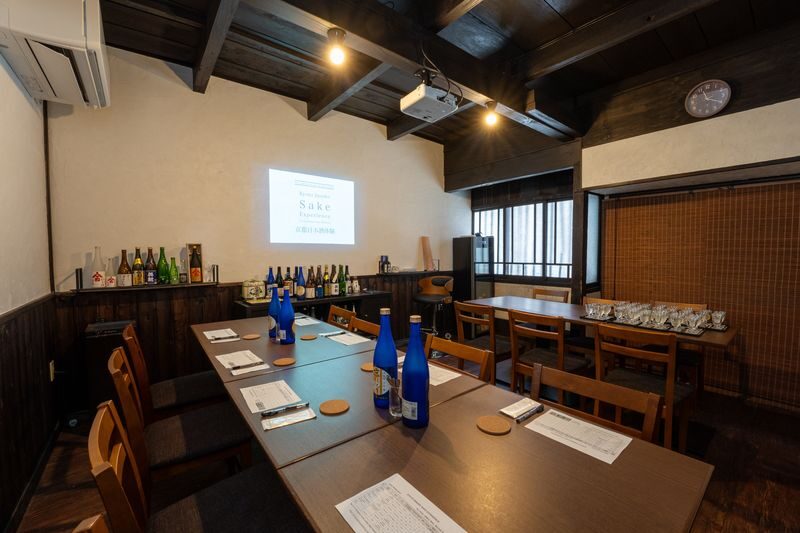
There is a trade-off in the classroom format. You get structured explanations and time to focus on the lesson, but you do not tour a brewery, visit a sake museum, or meet a brewer as part of this activity. If you want to see production equipment or explore Fushimi’s sake sites, choose a separate brewery or walking tour.
Tasting seven styles with Japanese otsumami
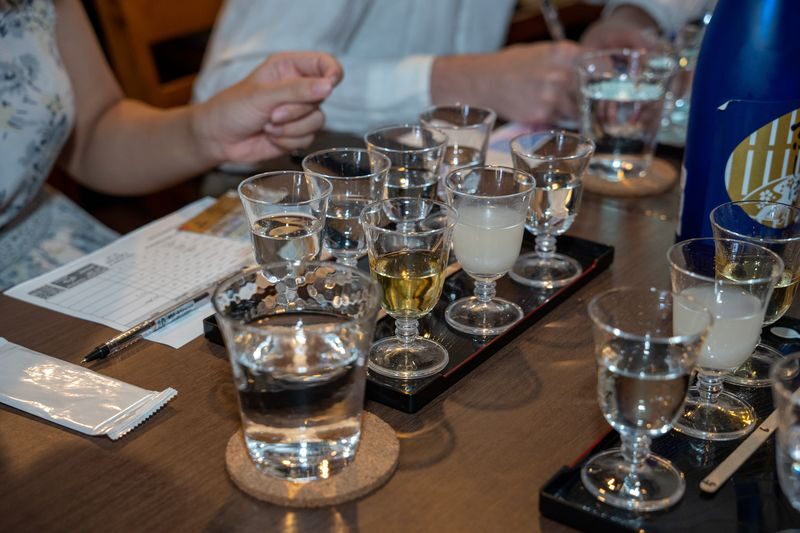
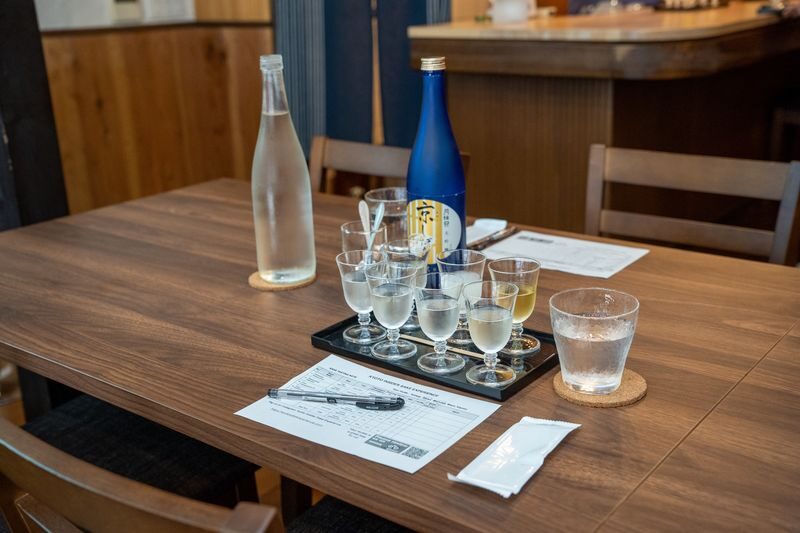
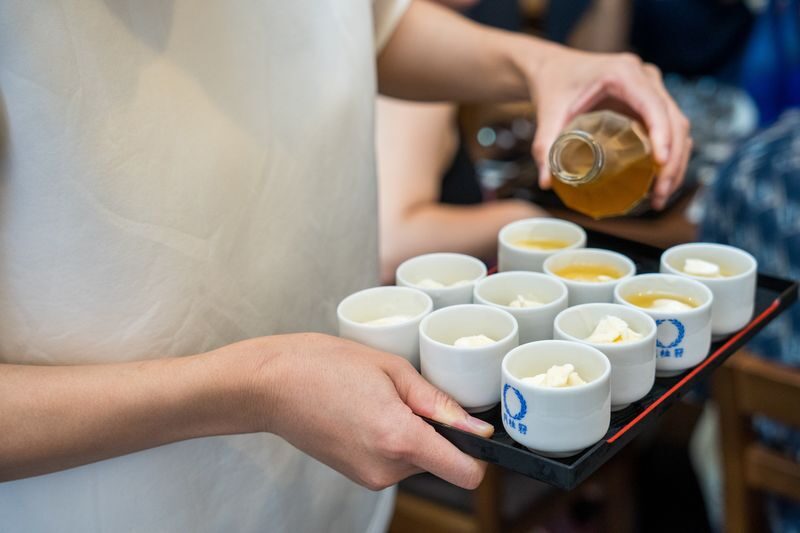
The tasting is the heart of the session. You sample seven sakes, with the selection intended to show a range of styles, including dry, sweet, and fruity examples. The exact bottles and snack menu can change with the season and ingredient availability, so think of this as a guided comparison rather than a fixed tasting list.
The point is not simply to decide which sake tastes best on its own. You try the sake alongside small Japanese snacks, called otsumami, and notice how the food affects the flavors. A pairing can make a sake seem softer, sharper, sweeter, or more balanced. That is useful knowledge when you are ordering a drink to go with Japanese food rather than drinking it in isolation.
The portions are part of a tasting, not a meal. If you are hungry, plan to eat before or after the session. The snacks help demonstrate pairing, but they are not presented as a substitute for lunch or dinner.
Some sessions have included extra samples when the group showed strong interest. Treat any bonus pours as a pleasant possibility, not a promised part of the package. The reliable point is the seven-sake tasting and food pairing.
I also like that the session is framed around learning, not simply consuming alcohol. You can take your time, ask questions, and notice what suits your palate. If you already drink sake often, the tasting may still help you compare styles, but the basic lesson is designed for newcomers and may feel elementary to an experienced drinker.
Fushimi location, meeting point, and timing
The meeting point is Kyoto Insider Sake Experience at 271-1 Kurumamachi, Fushimi Ward, Kyoto. Fushimi is a useful setting for a sake-focused activity, but the address should not lead you to expect that the session includes a tour of a historic brewery. The experience begins and ends at the named meeting location.
Departure options are listed at 11:30, 13:30, 15:30, and 16:30. The available return time depends on the departure you choose, and the listed return options are 15:00 and 17:00. Check the time confirmed for your specific booking rather than assuming every departure has the same schedule.
Arrive 10 minutes early. The activity requires you to take part at the departure time selected during booking, and late arrivals or no-shows are not refundable. The meeting type is meet-up, so arrange your own transport to the address.
Fushimi is in Kyoto, but the information provided does not say that transport to or from the meeting point is included. Public transport is the sensible choice: Japanese law prohibits drunk driving, including bicycles, motorcycles, and cars, and the operator says it cannot serve sake if you do not arrive by public transport.
What the price buys you
The listed starting price is $68.20. For that, you get 90 minutes of English-language guidance, seven sake tastings, and Japanese snack pairings. You are paying for a structured introduction and the chance to compare several styles in one sitting, rather than for a full meal, transport, or a brewery visit.
The value is strongest if you will use the lesson during the rest of your stay. A little confidence with labels and flavor descriptions can make a sake list less daunting and help you choose a bottle in a shop. If you are curious about sake but unsure what you like, the guided comparison gives you a practical answer at a fixed cost.
If you already know the main styles and can comfortably read sake labels, the introductory explanations may repeat things you know. In that case, a brewery visit, advanced tasting, or longer food-focused experience could be a better use of your time. The class is designed to be accessible, not specialized.
You can also read our reviews of more drinking tours in Kyoto



Who will get the most from this experience
This is a good fit if you are new to sake, enjoy Japanese food, or want a compact activity that adds context to future meals. It also suits a pair or small group with different levels of interest: you do not need to be an enthusiast to understand the lesson, and the food pairings give you something concrete to discuss.
You do not have to love sake already. Tasting several contrasting styles can help you find one you prefer, and the emphasis is on learning how to choose rather than persuading you that every style is for everyone. If you are interested in Japanese food culture but usually order beer or wine, the class can be a low-pressure way to try something new.
It is less suitable if you want a hands-on brewing demonstration, a guided visit to a brewery, or a substantial meal. The activity is also limited to people aged 20 and over for alcohol service, in line with Japan’s legal drinking age. Participants under 20 are served non-alcoholic drinks.
Dietary needs, alcohol rules, and booking details
Vegetarian and vegan options, as well as accommodations for lactose intolerance, allergies, and gluten intolerance, are listed as possible. Tell the guide about your needs at the site. Since the snack menu can vary with the season and ingredients, contact the operator before booking if a dietary requirement is especially important.
Bring valid identification to prove you are at least 20 if you plan to drink. Outside food and drinks are not allowed. If you are under 20, the activity can serve non-alcoholic drinks instead.
Bookings are valid only for the selected date and time. Confirmation is expected within minutes, and the activity offers free cancellation for cancellations made at least 24 hours before the activity date, using local time. Be sure you have confirmation before setting off, and allow time to find the meeting point.
Should you book the Kyoto sake tasting?
Book this if you want a clear, practical introduction to sake and would like to know what you enjoy before ordering more during your trip. The combination of seven styles, food pairings, and label-reading tips makes the 90 minutes useful beyond the tasting room.
Skip it if your priority is seeing a working brewery or getting an advanced lesson. This is a classroom-style tasting in Fushimi, not a behind-the-scenes brewery visit. At the starting price of $68.20, I see the best value for curious beginners who want to pair a cultural lesson with concrete advice they can use at their next Japanese meal.
1.5-Hour Kyoto Insider Sake Experience with 7 Tastings & Pairings
“this is an experience which absolutely should not be missed. We learned so much about the different types of sake, and how pairing with food improv…”
FAQ
How long does the Kyoto sake experience last?
The package is a 1.5-hour experience, and the detailed activity plan gives a duration of 90 minutes. A short summary also says one hour, so allow 90 minutes when planning your day.
How many types of sake will I taste?
The package includes seven sake tastings. The exact selection may vary, and extra samples are not guaranteed.
Is the experience conducted in English?
Yes. An English-speaking guide and professional instructor are included.
Where is the meeting point?
Meet at Kyoto Insider Sake Experience, 271-1 Kurumamachi, Fushimi Ward, Kyoto, 612-8365, Japan. The activity asks you to arrive 10 minutes before departure.
What departure times can I choose?
The listed departure times are 11:30, 13:30, 15:30, and 16:30. Take part at the time selected in your booking, and check the confirmed return time for that departure.
Is the tasting suitable for someone who has never tried sake?
Yes. The experience is designed for beginners as well as people who enjoy sake but are unsure what to choose. It covers basic styles, flavor differences, labels, and food pairings.
Can dietary needs be accommodated?
Vegetarian, vegan, lactose-intolerant, allergy-related, and gluten-intolerant dietary needs are listed as accommodations. Tell the guide about your needs at the site; the snack menu can vary by season and ingredient availability.
What is the minimum age for alcohol service?
Japan’s legal drinking age is 20. Participants under 20 are served non-alcoholic drinks, and you should bring valid identification to prove your age.