Kyoto pottery gets more interesting when you start with the clay itself. In this small class, a nationally certified Kiyomizu pottery artisan introduces tsuchikoroshi, a preparation step often completed before a typical workshop begins, then guides you through making your own ceramic piece. You can choose wheel throwing, painting, or a package that combines both.
I like two things here: the group is capped at five people, so instruction can follow your pace, and the class makes room for the working process, not just the finished object. One practical consideration: the least expensive option is painting, while wheel throwing and the combined session cost more, and shipping is not included.
- The details that matter
- Start with the clay, not the souvenir
- Choose your kind of making
- A five-person class changes the pace
- The room is designed for concentration
- What you take away, and what you may need to arrange
- Is the price worth it?
- Who will enjoy this most
- A few practical points before you book
- FAQ
- Where does the pottery experience take place?
- How many participants can join a session?
- Which package options are available?
- What is tsuchikoroshi?
- Is an instructor included?
- Is an apron provided?
- Is shipping included in the price?
- Can children under five take part?
- The Best Of Kyoto!
- More Tours in Kyoto
- More Tour Reviews in Kyoto
The details that matter
 1 / 4
 2 / 4
 3 / 4
 4 / 4
- Clay preparation comes first: Try tsuchikoroshi, a traditional step usually handled by pottery professionals.
- Small group, close guidance: No more than five participants share a session with the artisan.
- Three ways to take part: Choose one hour of wheel pottery, one hour of Etsuke painting, or a pottery-and-painting combination.
- A quiet, equipped setting: The class takes place in a professionally equipped pottery-wheel space at Hotel Emion Kyoto.
- You make something yourself: The aim is a personal ceramic creation, not a demonstration to watch from the sidelines.
- Shipping costs extra: The included items are admission, a certified professional instructor, and an apron.

👉 See our pick of the We Rank Kyoto’s 15 Top Workshops & Classes
Start with the clay, not the souvenir
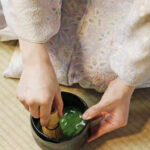
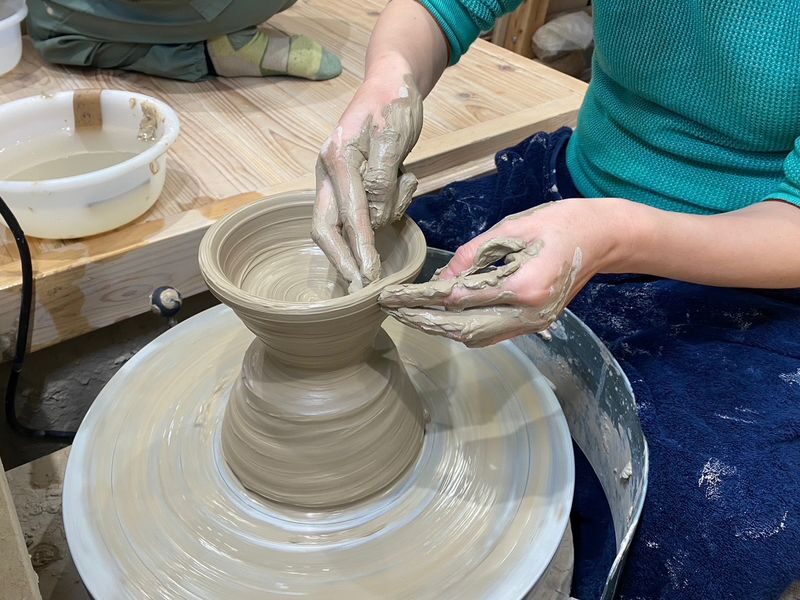
A pottery class can be a pleasant hour of making something by hand. This one adds a useful layer by bringing you into contact with the clay before you begin shaping it. The preparation step, tsuchikoroshi, is usually completed by professionals in advance at many workshops. Here, you get to experience it as part of the work.
That matters because pottery is not only about pressing wet clay into a pleasing shape. The material has to be prepared and handled with care, and this stage gives you a feel for the pressure and concentration involved. You will not leave as a master potter after one session, of course, but you will have a better sense of the craft than you would from simply watching a wheel spin.
The exact sequence and amount of time spent on each step are not specified, so it is wise to think of tsuchikoroshi as an important part of the experience rather than a promise of a long technical lesson. The class is one hour for the pottery option. That is enough time for a focused introduction, but not a full course in Japanese ceramics.
You can also read our reviews of more tours and experiences in Kyoto.



Choose your kind of making
There are three package choices, and they suit different interests and budgets. The one-hour Etsuke painting experience starts at US$82.05. The one-hour pottery experience starts at US$100.95, while pottery and painting together start at US$182.95.
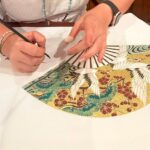
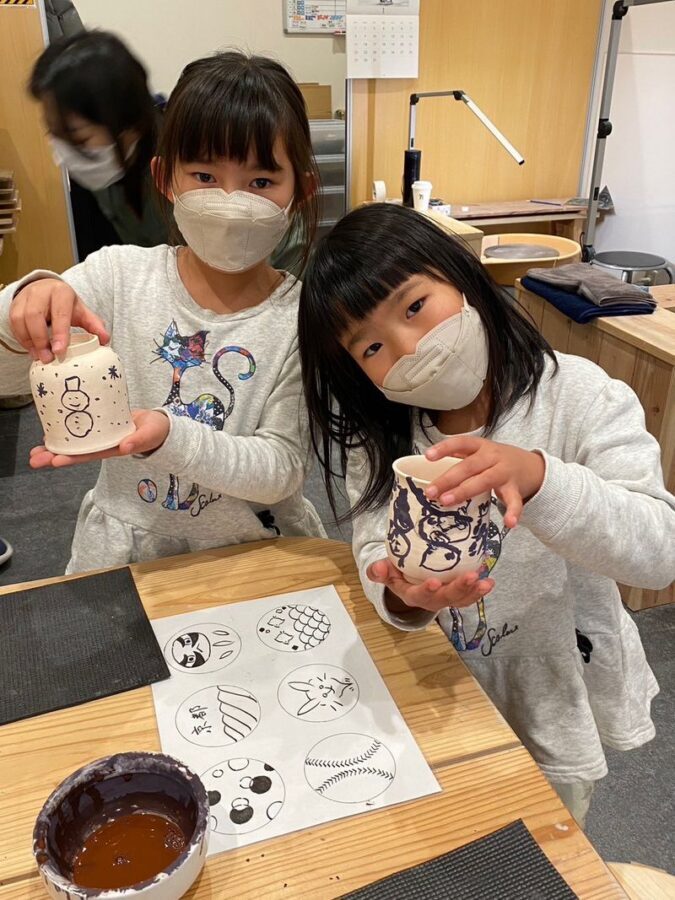
Etsuke is the lowest-cost way in. If your main interest is decorating ceramics rather than shaping clay on a wheel, it may be the right fit. The available details do not specify the painting method, the ceramic form, or whether a piece is prepared for you, so check those points with the operator if they will affect your choice.
The wheel-throwing option is the more hands-on route for anyone curious about how clay takes shape. It includes tsuchikoroshi and artisan guidance as you make a ceramic piece. If you have never used a pottery wheel, do not expect to control the clay perfectly on your first try. The point is to learn through touch and instruction, and to make something that carries the marks of your own effort.
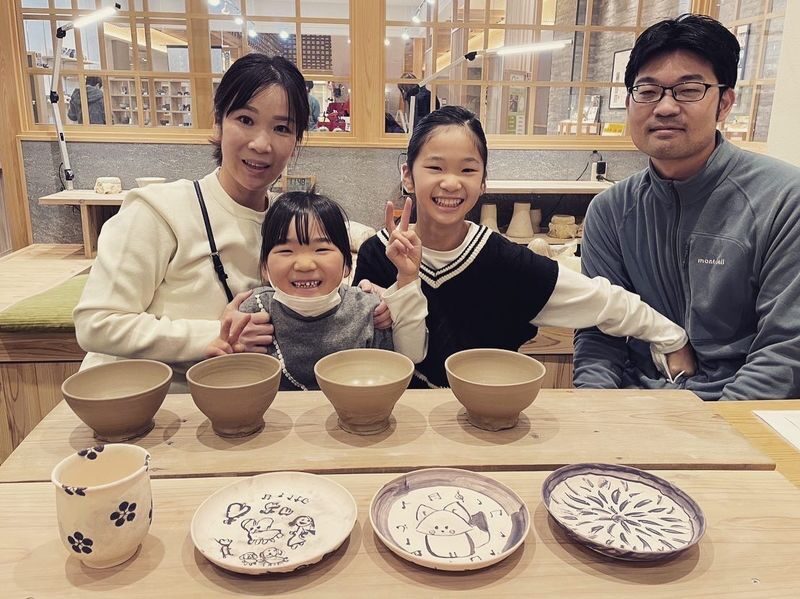
The combined package gives you the broadest session: wheel pottery and painting a separate ceramic piece. That distinction is useful. You are not simply painting the object you have just thrown; the combined experience includes a second piece to decorate. It costs more, but it offers two different ways to work with ceramics in one outing.
A five-person class changes the pace
The maximum group size is one of the strongest reasons to consider this experience. With no more than five participants, the instructor has a better chance to watch each person closely and offer help suited to their pace. That can make a first pottery lesson feel less like a race to keep up.
In a larger class, the instructor may need to divide attention among many people, especially when everyone is learning a physical task at once. Here, you can expect a more personal setting, though it is still a group activity rather than a private lesson. The class size also means you should reserve the date and time that suit you, rather than count on finding a place at the last minute.
One account of the combined class described two instructors, who made the session welcoming and fun while giving beginners room to try things on their own. Names are not available, and instructor numbers may vary, so it is best not to assume there will always be two. The useful takeaway is the teaching style described: patient help when needed, with space for you to make creative choices.
The room is designed for concentration
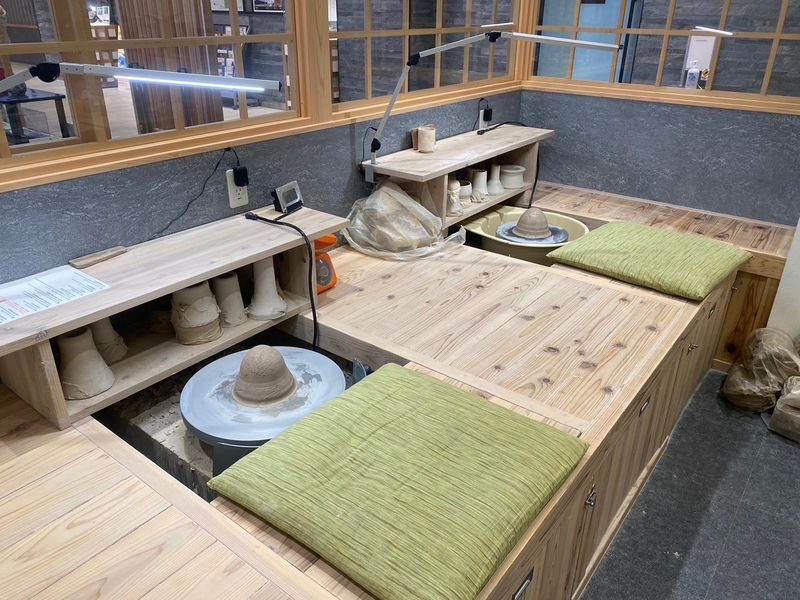
The class takes place at Hotel Emion Kyoto, at 20-4 Sujakudonokuchicho, Shimogyo Ward, Kyoto, 600-8842. It is described as a quiet, non-touristy setting with a professionally equipped pottery-wheel space. That environment suits a craft activity: you can focus on the clay and the instructor rather than on a busy parade of people passing through.
The address is in Kyoto, but the available information does not give directions from the station or details about nearby sights. Check the map and plan your route before class. The meeting point is the hotel, not a general meeting spot elsewhere in the city.
An apron is included, which is a small but practical detail when working with clay or paint. You do not need to bring one for protection. No other equipment or materials are specified, so ask the operator if you have questions about what to wear or whether any personal supplies are useful.
What you take away, and what you may need to arrange
The purpose is to create your own ceramic piece under expert guidance. That makes the experience more personal than buying a finished object in a shop: your piece reflects what you tried, what you learned, and how your hands worked with the material.
The practical detail to settle before booking is how the finished work reaches you. Shipping is not included, and no shipping prices, delivery times, or collection arrangements are provided. If you are leaving Kyoto soon after the class, ask the operator about the available options before you book. A handmade piece is a fine souvenir, but it is less convenient if you discover too late that it cannot travel home with you.
For the combined class, the separate painting piece offers a second keepsake and a different kind of creative task. One participant described the combination as making the class feel complete, with wheel work and painting in the same experience. If you enjoy having a finished reminder of a special occasion, the two-part package may justify its higher price.
Is the price worth it?
At US$82.05, the painting session is the entry point. The pottery class begins at US$100.95, and the combined option at US$182.95 is a larger commitment. Those prices buy more than access to a room: admission, a certified professional instructor, and an apron are included, and the small group means the session is intended to give you personal guidance.
The value depends on what you want from Kyoto. If you are looking for the cheapest possible activity, this is not likely to beat a casual self-guided outing. But if you want to spend an hour learning a traditional craft directly from a certified artisan, with time to make something yourself, the pottery option has a clear purpose. The introduction to tsuchikoroshi adds substance beyond a standard wheel demonstration.
The combined package is the one to choose if both shaping and decorating appeal to you. It costs considerably more than either single-hour option, so it is best for someone who values the full making-and-painting experience, or who wants a special activity for a celebration. For a shorter, lower-cost introduction, choose painting or pottery rather than paying for both by default.
Who will enjoy this most
This suits curious beginners, couples looking for a shared activity, and anyone who likes learning by doing. The small group and patient instruction make it approachable if you have never touched a pottery wheel. You do not need to arrive with a finished design in mind; the point is to work under guidance and make your own choices as you go.
It can also be a thoughtful anniversary activity. One couple used the combined session to mark their anniversary and found the mix of pottery and painting especially memorable. That does not mean the experience is built only for couples. Friends, solo participants, or families with older children may find the hands-on format appealing, as long as they are comfortable with a craft class.
Children under five may attend only as observers, and they must stay with a parent or guardian at all times. No other age rules are provided, so check with the operator if you are booking for children older than five.
If your main goal is to see Kyoto’s temples, gardens, and historic districts, this class will not replace sightseeing. It is a good counterpoint to a day of walking: an indoor activity where you slow down and focus on one material. It is also a poor fit if you need a guaranteed finished item in your luggage by a set date and have not confirmed shipping or collection.
A few practical points before you book
The voucher is valid only on the specified date and time, if a time is listed. Confirmation is expected within 24 hours; if it does not arrive, contact customer support. Arrive on time, since refunds or amendments are not available if you are late or do not attend.
You can cancel for a full refund at least 24 hours before the activity, based on local time at the destination. The operator may cancel because of extreme weather or an unforeseen event; in that case, you can request a refund or reschedule.
Book this for the small-group instruction, the chance to handle clay from an early stage, and the pleasure of making something with a Kyoto artisan. Choose pottery if you want to work at the wheel, painting if you want the lower-priced option, and the combined package if you want both activities. Before paying, confirm how your finished piece can be collected or shipped. If those terms work for your schedule, this is a thoughtful, hands-on break from the usual Kyoto sightseeing circuit.
Kyoto | Small-Group Pottery Experience by a Master Artisan
“This pottery and painting class was one of the highlights of our trip to Japan and such a special way to celebrate our anniversary. From the moment…”
FAQ
Where does the pottery experience take place?
It takes place at Hotel Emion Kyoto, 20-4 Sujakudonokuchicho, Shimogyo Ward, Kyoto, 600-8842.
How many participants can join a session?
Each session is limited to a maximum of five participants.
Which package options are available?
You can choose a one-hour pottery experience, a one-hour Etsuke painting experience, or a pottery-and-painting package.
What is tsuchikoroshi?
It is a traditional clay-preparation step that is usually handled by professionals before a workshop. The pottery experience lets you take part in this process.
Is an instructor included?
Yes. A certified professional instructor is included.
Is an apron provided?
Yes. An apron for protection is included.
Is shipping included in the price?
No. Shipping costs are not included.
Can children under five take part?
Children under five may attend as observers only. They must stay with a parent or guardian at all times.