Seasonal wagashi turn a few simple ingredients into small works of art. At this Osaka class, you learn the nerikiri method from an artisan, then make two sweets shaped around the season, perhaps cherry blossoms in spring or maples in autumn. The finished pieces are edible, and you can take them home in a Japanese-style gift box.
I like two things in particular: the focus on proper technique, rather than just posing with a finished sweet, and the chance to shape and decorate the wagashi yourself with an instructor’s help. I also like that the class connects each design to seasonal Japanese aesthetics, so you leave with more than a souvenir.
One thing to know before booking: Four Seasons does not mean four sweets. You make two pieces that fit the season of your class. The session is short, too, so arrive on time and expect a focused introduction rather than a long cultural program.
- The details to know before you book
- A seasonal sweet with a lesson behind it
- From seasonal aesthetics to your first shape
- Technique first, photographs second
- What the price buys you
- Finding the studio and planning your visit
- Who will enjoy this class most
- Should you book?
- FAQ
- How many wagashi will I make?
- How long does the experience take?
- Do I need previous experience?
- What languages are available?
- Where is the meeting point?
- Can pregnant participants join?
- The Best Of Osaka!
- More Tours in Osaka
- More Tour Reviews in Osaka
The details to know before you book
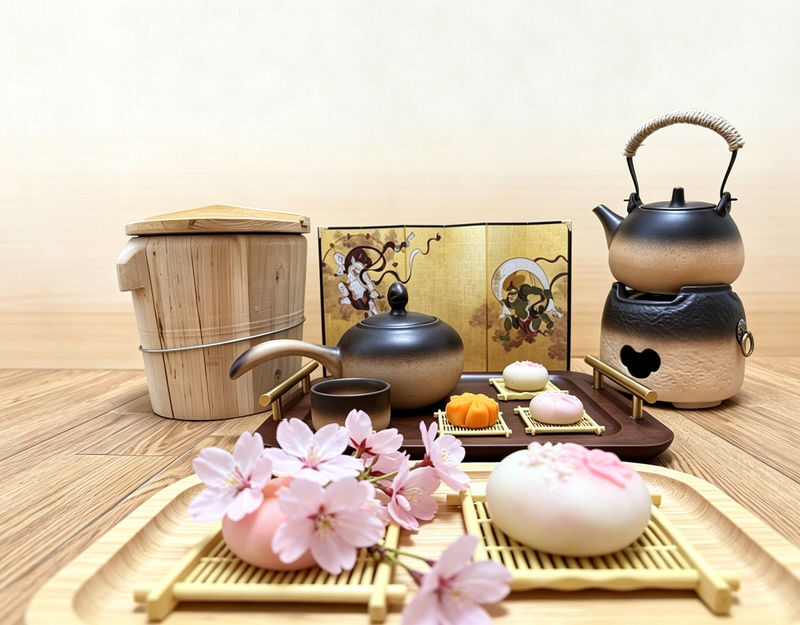
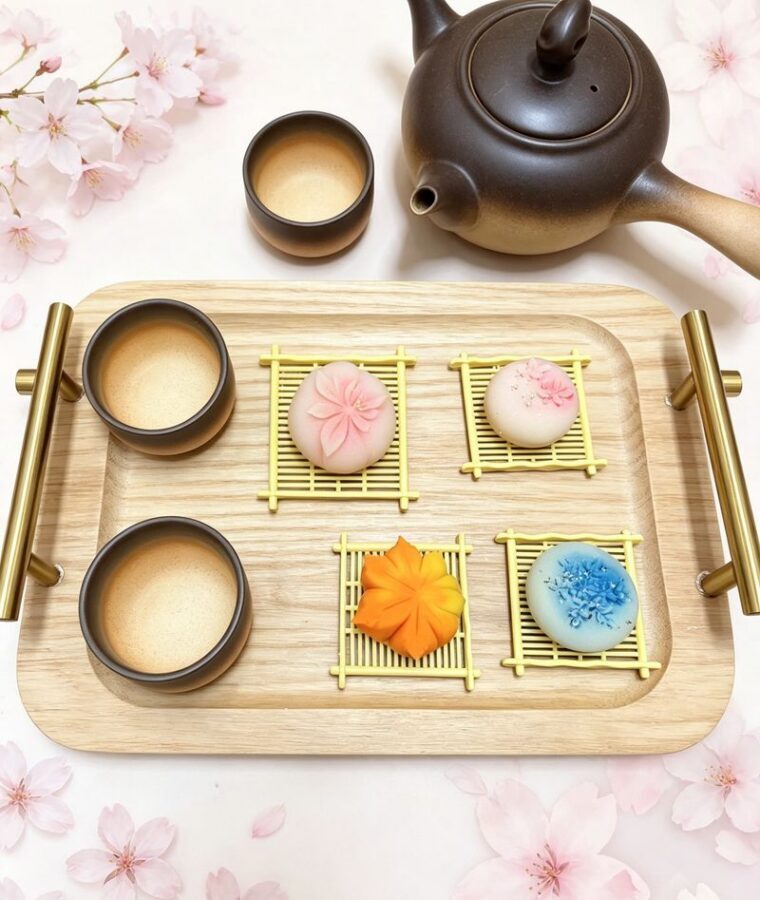
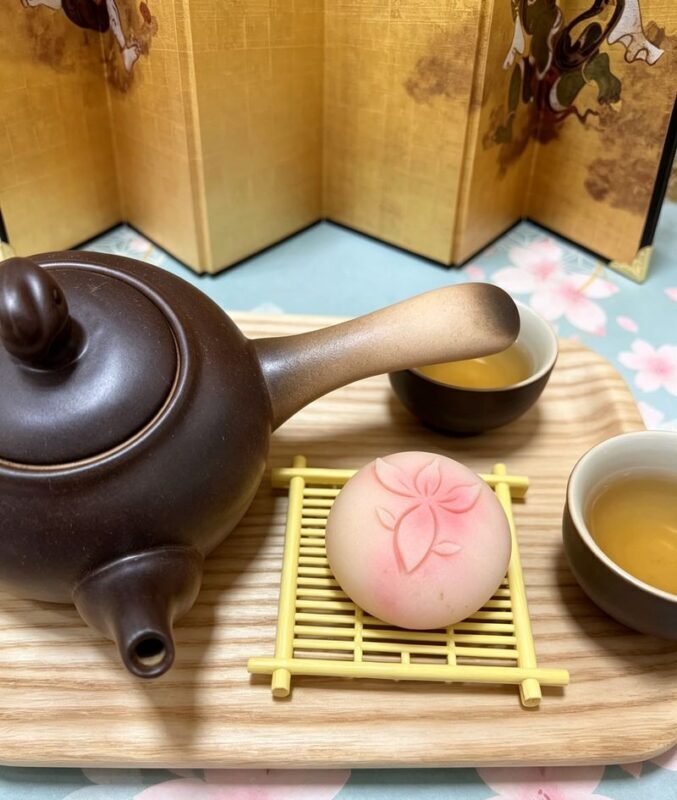
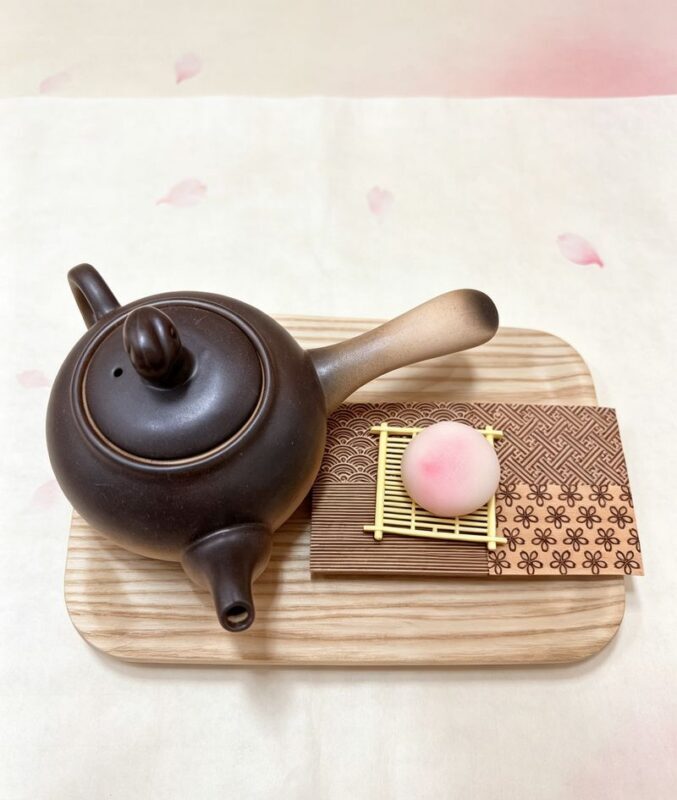
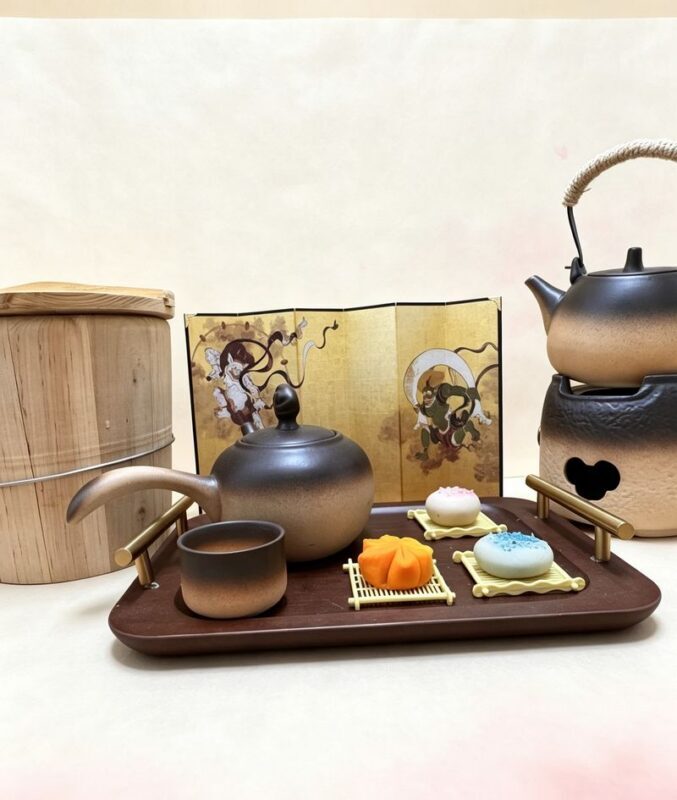
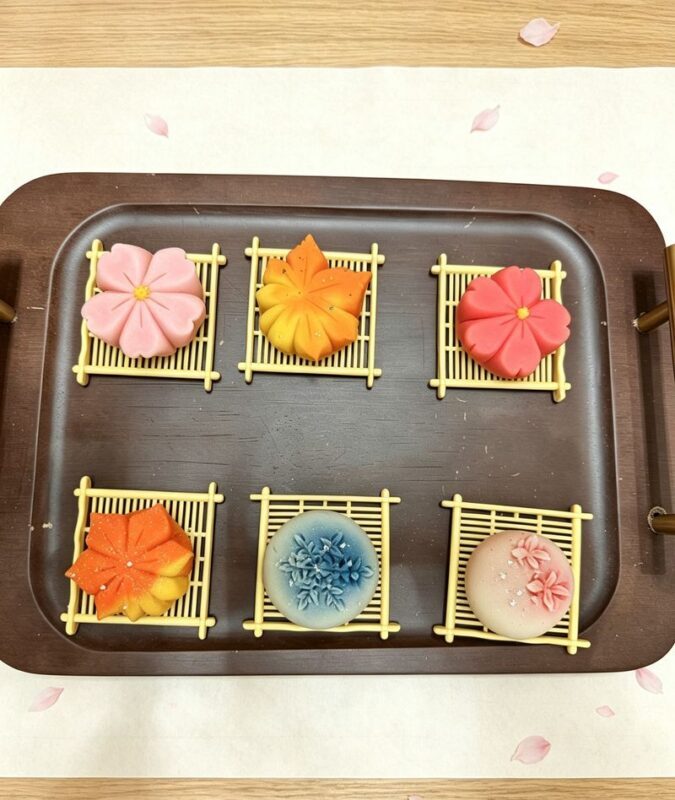
- Make two seasonal sweets: The designs change with the season, with examples including cherry blossoms, hollyhocks, maples, and plum blossoms.
- Learn the nerikiri method: Your instructor demonstrates kneading, coloring, shaping, and adding texture before you try the steps yourself.
- Plan for about an hour: The culture introduction, demonstration, hands-on work, and packaging together take roughly 58 to 60 minutes.
- Take home a boxed souvenir: Your handmade wagashi go into a Japanese-style gift box, ready to carry away.
- Find the class on the seventh floor: The address is Shiba Building 7F, 1-18-14 Nihonbashi, Chuo-ku, Osaka.
- Expect a small group: Classes are for one to ten participants, with Japanese instruction and simple Chinese and English explanations available.
👉 See our pick of the The Top 15 Workshops & Classes In Osaka
A seasonal sweet with a lesson behind it
Wagashi are traditional Japanese sweets, often designed to reflect the time of year. Nerikiri is a type of wagashi made by shaping a soft dough into flowers and other seasonal forms. In this class, the design is not simply decoration: the theme gives you a way to notice how Japanese confectionery can echo nature and the changing seasons.
That makes the experience a good fit if you like crafts, Japanese culture, or hands-on activities that leave you with something you made yourself. You do not need prior experience. The artisan shows you the method first, then gives one-on-one guidance while you work through the details.
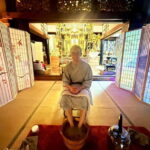
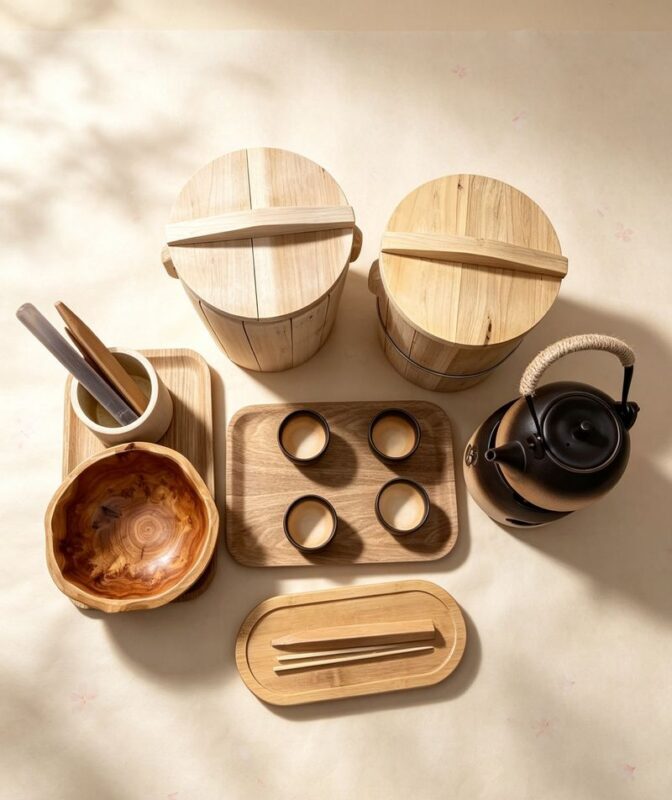
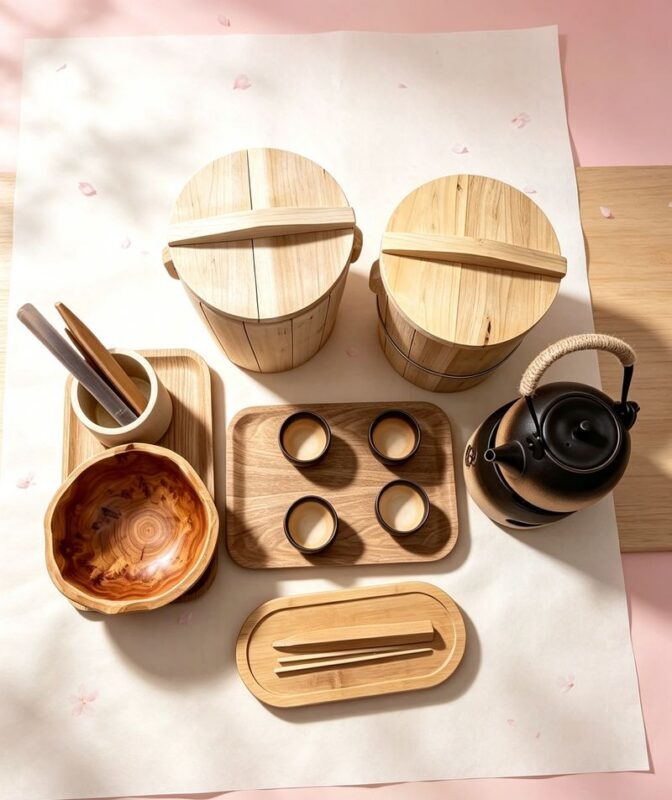
The class takes place in a Japanese-style tea room with natural wood-style utensils. That setting gives the hour a quieter, more traditional feel than a quick craft counter, though you should not assume a tea ceremony is included. The stated activity is wagashi making, and there is no separate audio guide or tour guide.
You can also read our reviews of more tours and experiences in Osaka.



From seasonal aesthetics to your first shape
The session begins with an 8 to 10-minute introduction to wagashi culture, seasonal aesthetics, and ingredients. This short opening helps make sense of the designs you will create. A flower or leaf is not just a pretty motif; it represents a seasonal idea the instructor can explain before you start shaping.
Next comes a roughly 10-minute artisan demonstration. Watch how the instructor kneads and colors the dough, forms it into a shape, and carves or presses in texture. This is the part to pay attention to: small adjustments in shaping can change the character of a sweet, and seeing the steps once makes the hands-on work less mysterious.
Then you get about 30 minutes to make your wagashi. The activity description and participant guidance indicate that you create two seasonal pieces, not four. The seasonal theme varies, with examples such as spring cherry blossoms, summer hollyhocks, autumn maples, and winter plums. You may not make the same design in every season, so book with the current theme in mind rather than expecting a fixed set of four.
The instructor offers one-on-one help with detail adjustments. That guidance matters for beginners: nerikiri can look delicate, and turning a lump of dough into a recognizable flower takes more than enthusiasm. You get to try the shaping yourself, while still having someone close by to help if a petal or texture needs a little repair.
The last 10 minutes are for finishing and packaging. Your sweets go into a Japanese-style gift box, which makes them easier to take away as a souvenir. Since they are edible, think of them as a short-lived keepsake rather than something to store indefinitely.
Technique first, photographs second
The strongest appeal here is the balance between a genuine lesson and a pleasant activity. The class is described as technique-focused, with an instructor demonstrating the proper way to work the dough and offering individual support. If you want a craft experience that asks you to pay attention and learn a few real steps, that is a better reason to book than simply looking for a photo backdrop.
There is also support for taking photos, which is useful if you want to remember the process or share your finished work. But the photographs are a bonus, not the central activity. Your hands will be busy kneading and shaping, and the short session leaves limited time to turn the class into a full photography stop.
The atmosphere also suits anyone who enjoys quiet, tactile activities. A tea room, wood-style utensils, and seasonal themes give the class a distinctly Japanese frame without requiring you to know the craft beforehand. The experience is accessible to beginners, but it still has enough technique to keep culture enthusiasts and craft lovers engaged.
What the price buys you
The single-person package starts at US$22.09. For about an hour of instruction, hands-on work, and two handmade sweets in a gift box, that is a reasonable price if you value learning a technique and making something yourself. It is less compelling if you only want a ready-made sweet or expect a long class with extensive cultural instruction.
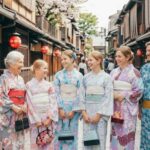
A couple’s package starts at US$45.75. There are also combination options that pair wagashi making with basic, traditional, or more elaborate kimono experiences, as well as a men’s kimono option and a children’s kimono option. Those packages cost more, with listed starting prices ranging from US$34.69 to US$63.09. Check the exact package details before choosing, since the class-only price does not include a kimono experience.
The listed price applies to all ages, and infants and children must be included in the participant headcount. The group size is one to ten people, so this is not a large workshop. The small maximum can make individual guidance easier, though the exact group size for your session is not specified.
Ingredients are described as having no chemical additives. That may be reassuring if you are interested in what goes into the sweets, but the supplied details do not give a full ingredient list or allergy guidance. If you have a dietary concern, do not assume the class can accommodate it without checking first.
Finding the studio and planning your visit
The meeting point is oukakimono osaka, at Shiba Building 7F, 1-18-14 Nihonbashi, Chuo-ku, Osaka. One practical tip: the building and sign may be easy to miss, so give yourself time to find the entrance and reach the seventh floor. The class is tied to your reserved time, and late arrivals may not be allowed to join.
The experience is not a sightseeing tour. Transport is not included, and there is no tour guide or audio guide. Plan your own route to the meeting point, and leave a little breathing room before the session rather than trying to arrive at the last minute.
Japanese is the instruction language. Simple explanations in Chinese and English are available, which can help you follow the process, but this is not described as a fully translated class in every language. If you need detailed interpretation, confirm what support is available before booking.
There is an important restriction for pregnant participants: the provider says it cannot offer kimono dressing or wagashi experience services to pregnant women, citing clothing constraints and kneeling etiquette required for the tea ceremony. If this applies to you, check directly with the provider before making plans.



Who will enjoy this class most
I would choose this activity if you want a compact, hands-on introduction to Japanese craft and sweets, especially if you enjoy learning by doing. It also makes sense for a couple or a small group that wants a calm indoor activity between larger Osaka attractions. You leave with a personal souvenir, and the skill-building gives the hour more substance than a simple demonstration.
Families may consider it too, since children can be included and there is a children’s kimono package. However, the class requires close attention to shaping and has a set schedule, so think about whether the child in your group will enjoy a focused craft session. The same price applies to all ages, and every child or infant must be counted when booking.
I would look elsewhere if you want to make four sweets, spend several hours on confectionery, or have transport and sightseeing bundled together. The strength here is its small scale: an artisan demonstration, personal guidance, seasonal design, and a finished box of two handmade wagashi. Its limitation is the same: the experience is brief and centered on one craft.
Should you book?
Book this class if you want to understand how seasonal nerikiri is shaped and would enjoy making two pieces yourself. The price is fair for a guided, beginner-friendly hour with a take-home box, and the combination of technique and seasonal design gives it a clear purpose.
Before you commit, be comfortable with the short format, confirm that the language support suits you, and plan to arrive early enough to find the seventh-floor studio. If those details work for your day, this is a thoughtful alternative to another passive stop, and a sweet souvenir you helped create.
Osaka Four Seasons Wagashi Handmade Experience
“I love the fact that the Teacher is serious and dedicated to teach the correct way. Some places just focus on photos and just to have fun, not auth…”
FAQ
How many wagashi will I make?
You will make two seasonal wagashi. The Four Seasons name refers to the changing seasonal themes, not four sweets in one class.
How long does the experience take?
The planned activities add up to about 58 to 60 minutes: an 8 to 10-minute culture introduction, a 10-minute demonstration, 30 minutes of making, and 10 minutes for packaging.
Do I need previous experience?
No. The class is suitable for beginners, and the instructor demonstrates the basic nerikiri techniques before you begin.
What languages are available?
Instruction is in Japanese, with simple Chinese and English explanations available.
Where is the meeting point?
The class meets at oukakimono osaka, Shiba Building 7F, 1-18-14 Nihonbashi, Chuo-ku, Osaka. Allow time to locate the building and reach the seventh floor.
Can pregnant participants join?
The provider states that kimono dressing and wagashi experience services cannot be provided to pregnant women because of clothing constraints and kneeling etiquette required for the tea ceremony.