Hiroshima’s story is not one you can take in by looking at a single monument. This guided walk connects the Atomic Bomb Dome and other significant landmarks with the history that led to August 6, 1945, and the city’s recovery afterward.
I like two things in particular: guides such as Emi, Kevin and Thomas are praised for making a difficult subject clear and personal, and the small-group format makes it easier to hear, ask questions and pause. At about $24.35, it is also a modest-cost way to give the Peace Memorial sites more context than a quick independent stroll can provide.
One consideration: this is a walking tour on a serious subject, and the route is described only in broad terms. Expect a thoughtful introduction, not a full account of every military or political detail, and allow time afterward for the Peace Memorial Museum if you want to study the subject further.
- Key points before you book
- A walk through Hiroshima’s story
- The Atomic Bomb Dome and the memorial sites
- Why the guide matters here
- A measured pace, not a rushed checklist
- What you may miss on a short introduction
- The value at .35
- Who should book this Hiroshima walk
- Should you book it?
- FAQ
- How much does the Hiroshima Historical Walking Tour cost?
- How long does the walking tour take?
- Does the tour include the Atomic Bomb Dome?
- Which guides may lead the tour?
- Can I ask questions during the walk?
- What is the cancellation policy?
- The Best Of Hiroshima!
- More Walking Tours in Hiroshima
- More Tours in Hiroshima
- More Tour Reviews in Hiroshima
Key points before you book
 1 / 9
 2 / 9
 3 / 9
 4 / 9
 5 / 9
 6 / 9
 7 / 9
 8 / 9
 9 / 9
- The Atomic Bomb Dome anchors the story: The walk connects Hiroshima’s best-known memorial landmark with other places that carry meaning in the city center.
- You get context before and after the bombing: Guides explain the events leading up to the attack as well as Hiroshima’s recovery.
- The guide shapes the experience: Emi, Kevin and Thomas are among the guides praised for clear storytelling, an even pace and thoughtful answers.
- There is room to reflect: The walk is not described as a rapid march between photo stops. Guides make time for questions and pauses at significant sites.
- Expect roughly two to two and a half hours: That is the duration described in several accounts, though the activity is also presented as a half-day tour.
- It costs from $24.35: For a guided introduction to Hiroshima’s central memorial sites, that is good value if you want historical context as well as landmarks.
👉 See our pick of the Hiroshima’s 13 Top Workshops & Classes (With Prices)
A walk through Hiroshima’s story
The title asks why the atomic bomb was dropped, and that question is the heart of the experience. The tour is designed to put the bombing in context, rather than treat Hiroshima as a collection of memorials with no explanation of what came before or after.
You can expect the guide to connect the city’s historical landmarks with the events of August 6, 1945, and the longer story of Hiroshima. The walk also looks at the city that exists today, giving you a way to understand how its history and recovery shape the places you see.
This matters because memorial sites can be powerful but hard to interpret on your own. A guide can explain why a particular place matters, respond when you want more detail and help link one stop to the next. That makes the experience more than a route past famous sights.
The title promises an explanation of why the bomb was dropped, but no detailed syllabus or exact sequence of stops is specified. If you want an exhaustive account of military strategy, the tour may not cover every question. Think of it as a clear introduction to Hiroshima’s history, with room to follow up at the museum or through your own reading.
You can also read our reviews of more walking tours in Hiroshima


The Atomic Bomb Dome and the memorial sites
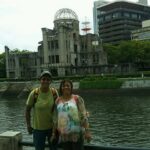
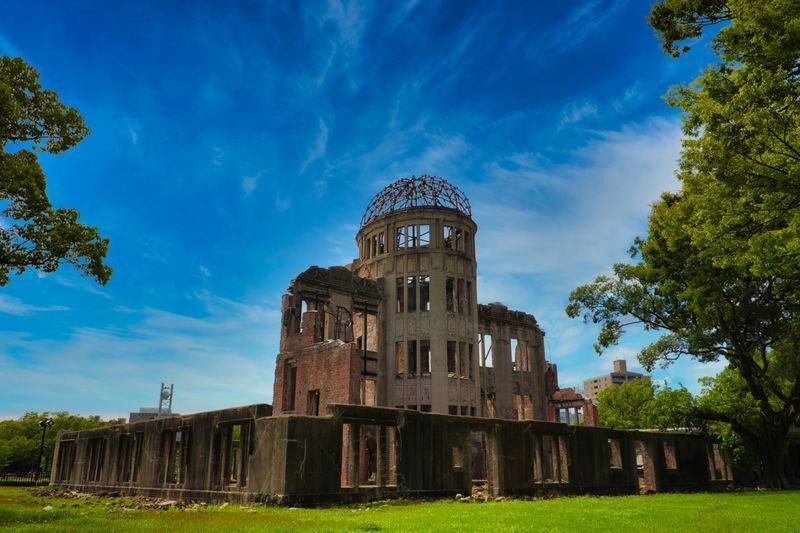
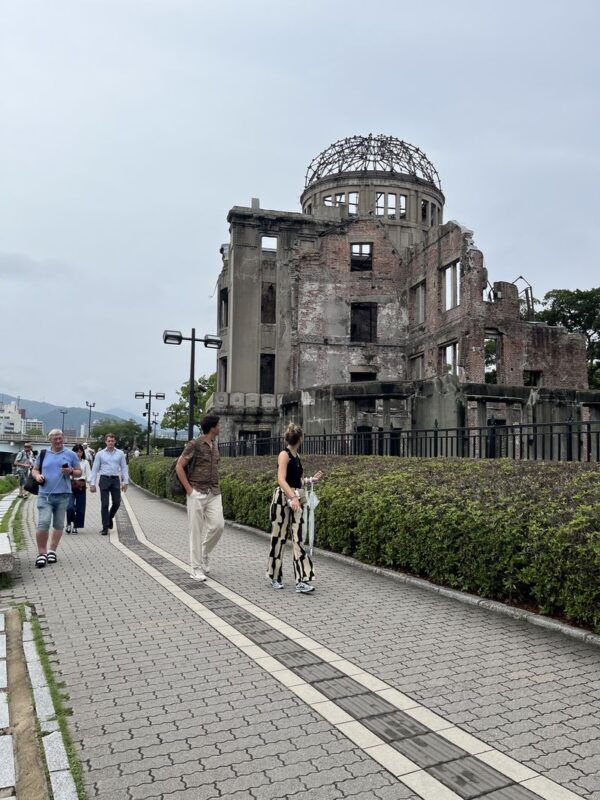
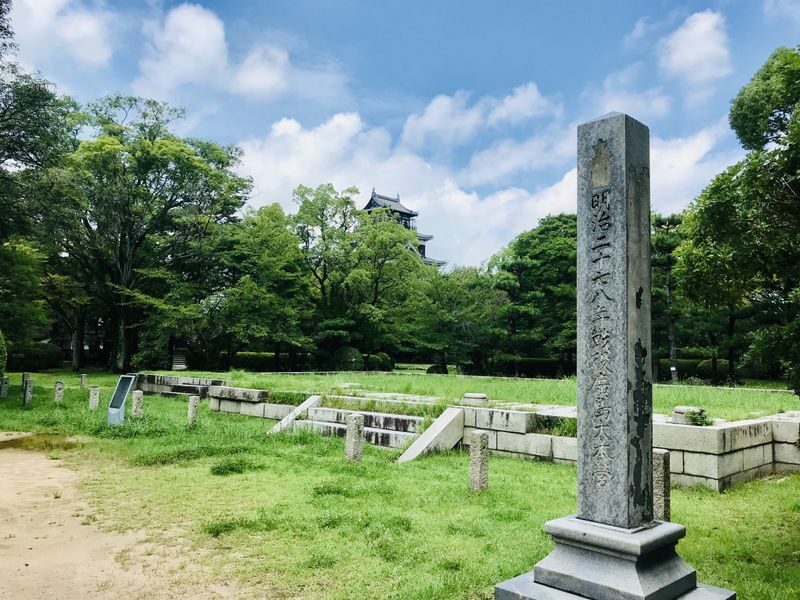
The Atomic Bomb Dome is the tour’s most recognizable reference point. Its importance is not just visual: it gives the guide a place to begin connecting a landmark in the city center with the event that changed Hiroshima.
From there, the group visits important landmarks and sites with significance to the city’s history. The exact route is not specified, so do not count on a particular stop beyond the Dome and the broader memorial area. The value lies in having someone explain the meaning of the places you encounter, including details you might pass without noticing on your own.
The tour also works as an introduction to the Peace Memorial Park and Museum. One useful approach is to take the walk first, then visit the museum afterward. You will arrive with a framework for what you are seeing and questions to keep in mind, rather than meeting each exhibit without context.
The walking format has a practical advantage: the story unfolds in the places where it matters. You can move between landmarks while the guide fills in the connections. But this is not a substitute for spending time inside the museum. If you want a fuller account, set aside additional time for that visit.
Why the guide matters here
A good guide is especially valuable on a subject this weighty. The strongest aspect of the experience is the way guides make history understandable without turning it into a lecture or flattening it into a list of dates.
Emi is praised for presenting Hiroshima’s history with clarity and warmth, while also adjusting the pace and making time for questions. Kevin is noted for linking the city’s past to its cultural and social life, and for responding to the interests of the group. Thomas is described as clear, engaging and ready to explain the material in more detail as you walk.
Other guides named include Katya and Tom. The guide assigned to your date may vary, so do not book on the assumption that you will meet one particular person. Instead, expect the experience to depend in part on who leads your group and on the questions you bring.
The best guiding here does more than supply facts. It makes room for quiet and reflection, while still keeping the walk approachable. Some guests found humor and friendliness helpful on a somber subject; that need not make light of the history. It can simply make it easier to listen, ask questions and stay engaged.
A measured pace, not a rushed checklist
The tour takes around two to two and a half hours according to several accounts, though it is also described as a half-day activity. That variation is worth noting when planning the rest of your day. Give yourself a little breathing room rather than scheduling a timed museum visit immediately afterward.
Pace is one of the experience’s practical strengths. Guides are praised for adapting to group interests, giving people time to ask questions and pausing at sites that call for reflection. That is a better fit for this subject than a brisk walk designed to squeeze in as many stops as possible.
You will be on your feet, so comfortable shoes are sensible. Hiroshima can be hot, and one guide is praised for offering water and restroom breaks on a warm day. That is a helpful example of attentive hosting, but it is not a promise that every tour will include the same arrangements. Bring water and plan for the weather.
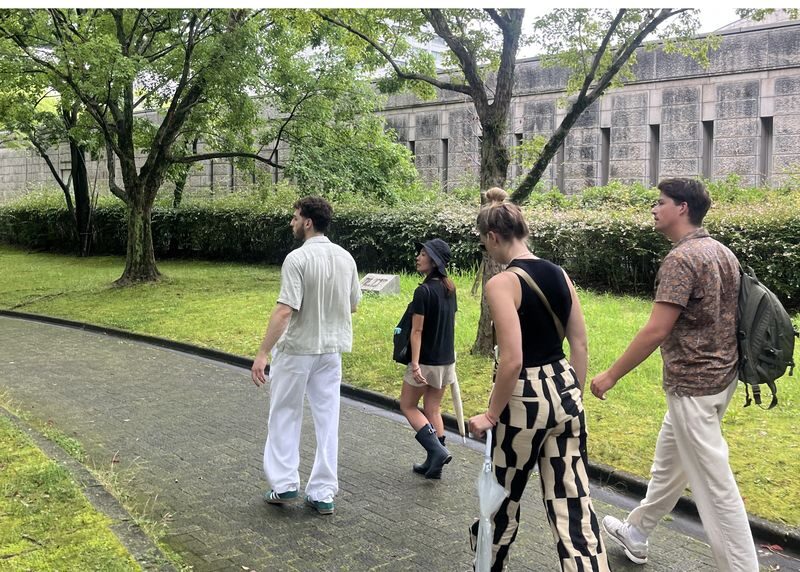
Small groups also make a real difference. One group of nine found it easier to hear and move around, while a group of six appreciated having questions addressed. No fixed maximum group size is stated, so the exact number on your walk may vary. Still, the format is repeatedly described as intimate enough for conversation rather than a crowd following a flag.
What you may miss on a short introduction
A two-hour walk cannot cover every part of Hiroshima’s past. One participant wanted more about the city’s military base, which is a useful reminder that the subject is broad and the guide must make choices about what to include.
The tour’s focus appears to be a well-rounded introduction: the history before and after the bombing, the memorial sites, and the city’s identity today. If you arrive with a particular interest in military history, wartime decision-making or another specialized topic, bring that question along. Guides are repeatedly described as open to questions, though there is no guarantee that every subject can receive extended treatment.
There is also a balance between learning and processing. The walk is described as informative and moving, but not rushed. You may find that a pause at a memorial matters as much as another historical detail. Give yourself permission to take that time rather than treating every stop as a photo opportunity.
You can also read our reviews of more historical tours in Hiroshima


The value at $24.35
With a starting price of $24.35, this is a relatively affordable way to make sense of Hiroshima’s central historical sites. You are paying for a guide who can explain why the places matter, not simply for access to landmarks. The value rises if this is your first visit and you want the city’s history to connect before you explore further on your own.
The walk can also help you use your time better. A guide may point out places you would otherwise miss, answer practical questions and offer recommendations. Thomas, for example, recommended an okonomiyaki restaurant to one group, while Kevin helped another check a ferry schedule for a possible Miyajima visit. Those extras depend on the conversation, but they show how a local guide can help beyond the core history.
For the best value, pair the walk with a separate visit to the Peace Memorial Museum. The tour gives you an outdoor introduction and a human voice to guide your understanding; the museum gives you more time with its exhibits. The walk is not a replacement for that deeper visit, but it can make the visit more meaningful.
Who should book this Hiroshima walk
I would recommend this tour most to first-time visitors who want to understand Hiroshima before exploring its memorials independently. It is also a strong choice if you prefer asking questions as you go rather than reading every sign alone, or if you want an introduction before visiting the museum.
It suits anyone willing to give a serious subject their attention. The tone is thoughtful, but the guides are also described as friendly and engaging, so the experience need not feel like a formal classroom. If you are traveling with someone who has different levels of background knowledge, a guide can help keep the story accessible to both of you.
You may want to skip it if you prefer a silent, self-guided visit or need a highly specialized, detailed account of military history. And if heat or walking is a concern, note that the route involves time on foot; practical breaks have been offered, but the precise arrangements are not guaranteed.
Booking is flexible: same-day reservations are offered with instant confirmation, and cancellation is free with a full refund if made at least 24 hours before the activity date in Hiroshima local time. Check your schedule before booking, especially if you intend to visit the museum afterward.
Should you book it?
Book this walk if you want the Atomic Bomb Dome and Hiroshima’s other memorial landmarks to make sense as part of a larger story. The most useful ingredients are a guide who can explain events before and after August 6, a manageable pace and space for questions and reflection.
At $24.35 to start, it is a sensible first step for a day in Hiroshima, especially when paired with the museum. Just keep your expectations clear: it is a short introduction, not the last word on the subject. For most first-time visitors who want more than a quick look at the monuments, that is exactly the right place to begin.
Hiroshima Historical Walking Tour – Why A-Bomb was Dropped
“Emi, our guide, was amazing!! she was so knowledgeable and made sure the pace worked for everyone. It was a beautiful day and was very fun!”
FAQ
How much does the Hiroshima Historical Walking Tour cost?
Prices start at $24.35. The final price may depend on the package or booking details.
How long does the walking tour take?
The activity is described as a half-day tour, while several accounts describe a walk of about two to two and a half hours. Allow extra time if you plan to visit the Peace Memorial Museum afterward.
Does the tour include the Atomic Bomb Dome?
The experience is presented as an Atomic Bomb Dome historical tour, and the Dome is a central landmark associated with it.
Which guides may lead the tour?
Guides named include Emi, Kevin, Thomas, Katya and Tom. The guide for a particular date is not specified.
Can I ask questions during the walk?
Yes. The tour allows time for questions, and the guides are described as responding to questions and adjusting the pace to the group.
What is the cancellation policy?
You can cancel for a full refund if you cancel at least 24 hours before the activity date, using Hiroshima local time. The activity also offers instant confirmation and same-day booking.