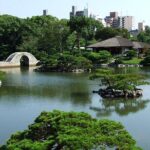
Shukkeien is a 400-year-old garden in central Hiroshima, where a pond, bridges, old trees, and carefully shaped views offer a calm pause from the city. It has been rebuilt after a major Edo-period fire and the atomic bombing, so a walk here brings beauty together with a moving sense of history.
I like two things in particular: the easy-to-enjoy scale, which lets you take a gentle walk without giving up half a day, and the changing seasonal character, from cherry blossoms and autumn leaves to quiet winter scenes. The pond’s koi and turtles add an appealing bit of movement.
One practical caveat: this ticket does not let you walk straight past the entrance counter, and it may not save time if there is no queue. If you are also visiting the Hiroshima Prefectural Art Museum, check the gate for a discounted combination ticket before booking this one.
- What to know before you go
- A four-century-old refuge in central Hiroshima
- How to spend an hour or two
- The seasons change the view
- Beauty with a difficult history
- Is the low ticket price good value?
- Getting there and timing your visit
- Who will enjoy Shukkeien most?
- Should you book the Shukkeien Garden ticket?
- FAQ
- How long should I allow for Shukkeien Garden?
- What is included with the admission ticket?
- How long is the voucher valid?
- Can I enter directly with the mobile voucher?
- When is Shukkeien Garden open?
- Who can enter free?
- Are there free admission days?
- How do I get to the garden from Hiroshima Station?
- Can I cancel or get a refund?
- The Best Of Hiroshima!
- More Tickets in Hiroshima
- More Tours in Hiroshima
- More Tour Reviews in Hiroshima
What to know before you go
 1 / 6
 2 / 6
 3 / 6
 4 / 6
 5 / 6
 6 / 6
- A garden with four centuries behind it: Shukkeien was built in 1620 and marked its 400th anniversary in 2020.
- A peaceful stop in central Hiroshima: The garden offers a quiet change of pace without requiring a long excursion.
- A pond at the heart of the visit: Look for koi and turtles, along with bridges and spots to pause by the water.
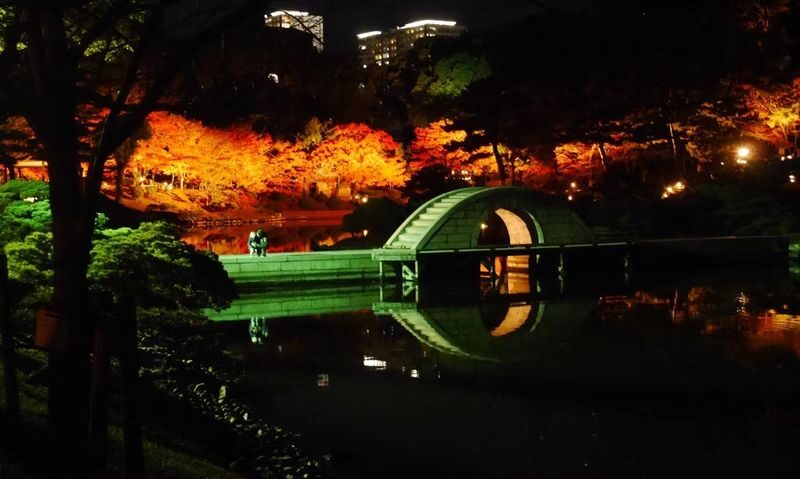
- The seasons shape the experience: Cherry blossoms, plum blossoms, and autumn foliage can make the same paths feel quite different.
- Allow one to two hours: You can walk through in less time, but a slower visit gives you room to sit and take in the views.
- Check ticket options at the gate: A museum combination ticket, group rates, and free entry for some visitors may make the e-ticket less useful.

👉 See our pick of the Hiroshima’s 13 Top Workshops & Classes (With Prices)
A four-century-old refuge in central Hiroshima
Shukkeien was first built in 1620, during the Edo period, as a garden for a feudal lord. Successive lords refined it over time, and much of the design you see today reflects that long history of care.
The garden has also endured severe damage. A major fire in the Edo period and the atomic bombing of Hiroshima both left their mark, but Shukkeien was restored after each. That story gives the visit extra weight: the garden is not only a pretty green space, but also a place that has been repeatedly brought back to life.
The name is often understood as suggesting a garden made up of miniature scenery. You do not need to know the details of Japanese garden design to enjoy it. The pleasure is in the way paths, water, bridges, and trees create changing views as you move through the grounds.
Shukkeien sits at 2-11 Kaminoboricho, in central Hiroshima. It is a useful addition to a day in the city if you want a quieter stop between museums, shopping, or other sightseeing. Its size makes it easier to fit into a busy schedule than a full-day excursion, though you can linger if the mood takes you.
You can also read our reviews of more tours and experiences in Hiroshima


How to spend an hour or two
There is no guided tour or fixed route included with this admission ticket. You explore at your own pace, following paths through the garden and stopping where the views appeal to you. That freedom suits a place designed for looking closely rather than ticking off a long list of attractions.
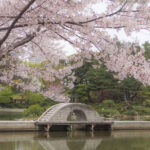
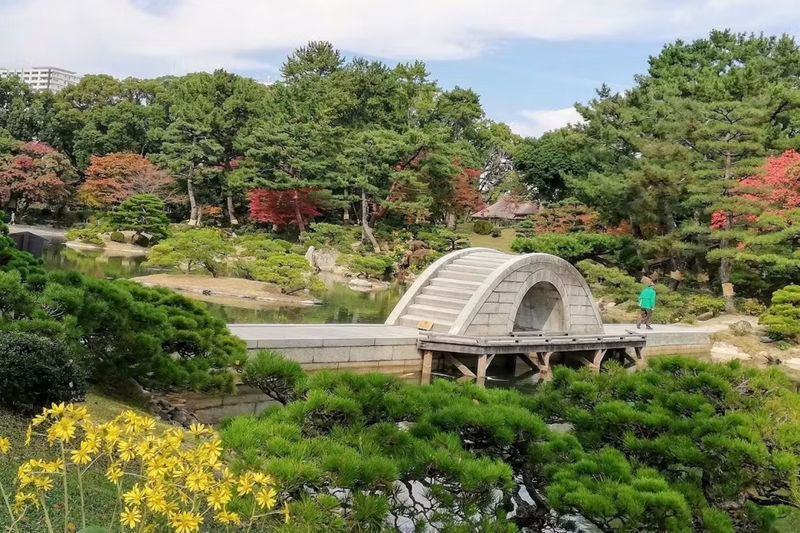
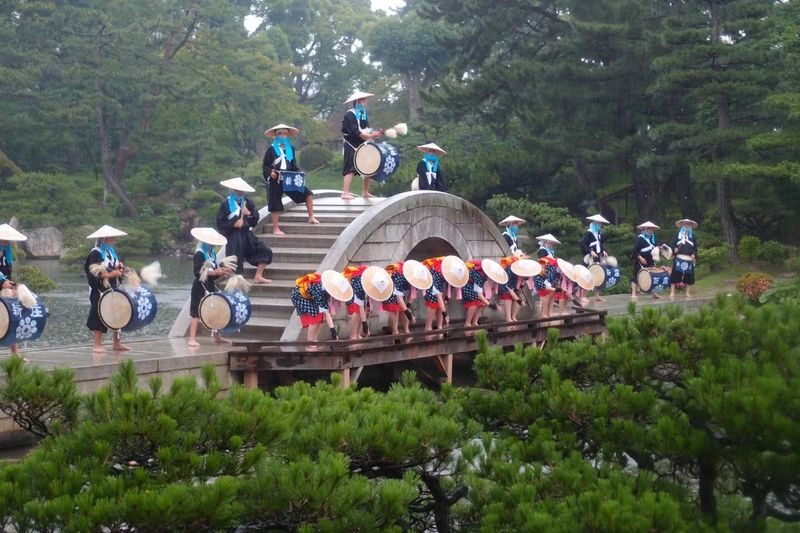
Start by getting a feel for the pond and its surrounding paths. The water is a focal point, with koi swimming below and turtles sometimes visible nearby. Bridges and views across the pond give you natural places to pause, while the fish add a little life to the otherwise tranquil setting.
As you continue, look for the garden’s smaller details: distinctive trees, carefully arranged views, and a small bamboo grove. The effect is not about one grand spectacle. Instead, the interest builds as you notice how the garden changes from one viewpoint to the next.
You will find places to sit and rest, which is a welcome feature if you have already spent the day walking around Hiroshima. A shaded bench can make the visit feel less like sightseeing and more like a proper break. In warm weather, shade and a breeze can help, but direct sun may still be strong in open areas, so bring a parasol or other sun protection if you need it.
Some visitors spend about an hour walking and resting; others stay closer to two hours, especially if they stop for photos or take time to enjoy the pond. You can finish in around 30 minutes if you move quickly, but that pace leaves little room for quiet or careful looking. I would aim for at least an hour unless your schedule is tight.
The seasons change the view
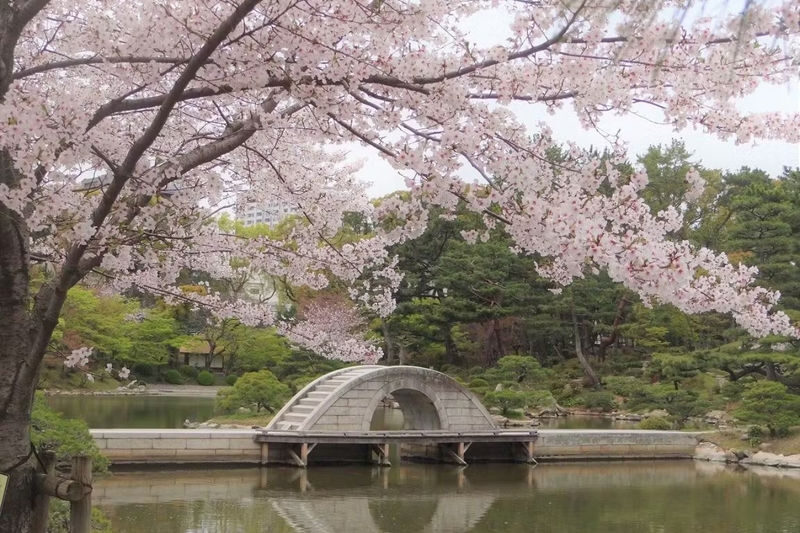
Shukkeien has a different character through the year, and your timing can shape what you see. Spring brings plum and cherry blossoms, with the strongest floral display depending on the season and timing of your visit. When blossoms are out, the garden can draw your attention in several directions at once: flowers, reflections, and bright koi in the pond.
Summer brings lush shade from the trees, though heat and insects can be a drawback. A parasol and a little patience with mosquitoes and other bugs can make the walk more comfortable. Take your time in shaded spots rather than trying to hurry through the garden in the midday sun.
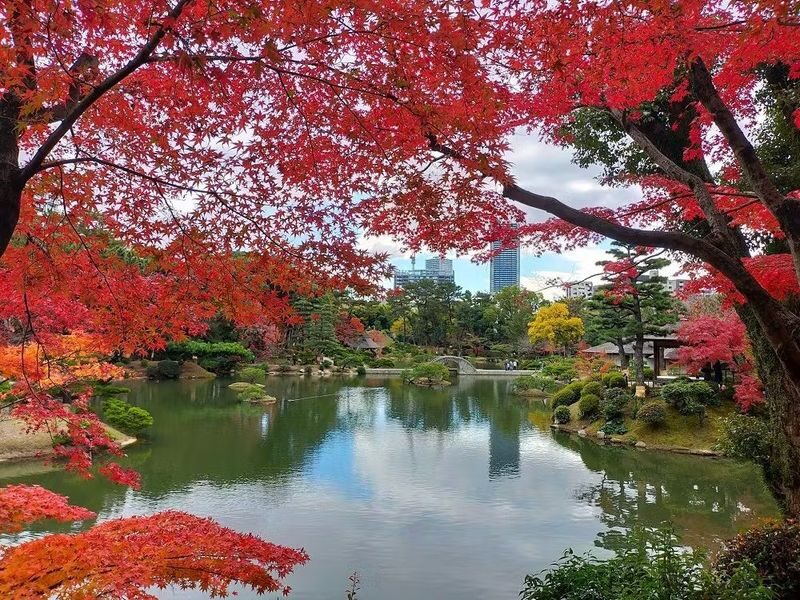
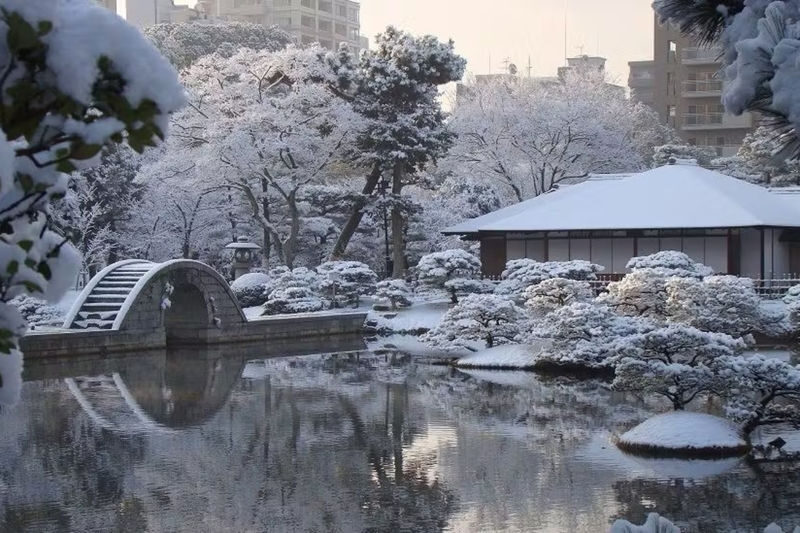
Autumn is a good choice if you are hoping to see changing leaves. The garden’s trees and water offer appealing viewpoints, and the setting invites a slow walk rather than a quick lap. Winter is quieter and less floral, but the garden still has its design, old trees, and restful atmosphere. If you are visiting outside blossom or foliage season, go for the garden’s structure and calm rather than expecting a flower show.
Beauty with a difficult history
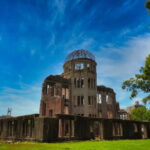
Shukkeien’s history is part of what makes the visit meaningful. The garden was damaged in the 1945 atomic bombing, and its restoration is one part of Hiroshima’s larger story of rebuilding. The grounds also include a memorial connected to the remains of 65 people who disappeared in the explosion and were found on the site in 1987.
That detail changes how you might experience the garden. A quiet walk can be restful, but it is not separate from the city’s history. If you have just visited the Peace Memorial Museum, Shukkeien can offer a gentler place to pause and reflect. If you prefer to focus on the garden itself, you can do that too. The memorial is a reminder, not a demand to approach the visit in one particular way.
Some ancient trees survived the bombing, adding another layer to the garden’s story. Their presence is striking in a place that has been so deeply affected by destruction. You can appreciate their age and form while also recognizing what their survival represents.
Is the low ticket price good value?
Admission starts at $2.25, with tax included. For a modest price, you get access to a well-kept garden where you can walk, sit, watch the pond, and enjoy seasonal changes. It is especially good value if you like Japanese gardens or want a calm stop that does not require a major time commitment.
The ticket is for admission only. Transport and personal expenses are not included, and there is no guide or scheduled activity. That is part of the appeal for independent visitors: you can explore at your own pace. It also means the value depends on what you enjoy. If you like taking photos, noticing garden design, or sitting quietly by water, an hour or two can feel well spent. If you prefer busy attractions with lots of exhibits or entertainment, you may find the visit too quiet or too short.
Buying online may be convenient, but do not count on it as a way to skip the line. You still need to show the mobile voucher at the entrance counter, and the ticket does not allow direct admission. If there is no queue, buying online may not save time.
There are cases when buying at the gate makes more sense. If you also plan to visit the Hiroshima Prefectural Art Museum, ask about the discounted set ticket there. Groups of 20 or more can ask about group discounts, which are not sold as e-tickets. Visitors with a qualifying disability certificate can enter free by presenting it at the ticket counter.
Children in elementary, junior high, and high school, as well as visitors aged 65 and over, are eligible for free admission under the stated rules. Students must show a valid student ID, and visitors aged 65 or older need government-issued identification. If you qualify for free entry, check whether you need to buy this ticket at all.

Getting there and timing your visit
The garden’s address is 2-11 Kaminoboricho, Naka Ward, Hiroshima, 730-0014. From the Shinkansen Exit at JR Hiroshima Station, you can take the Orange Route or Lemon Route bus and get off at Hiroshima Prefectural Art Museum (Shukkeien). By Hiroden streetcar, board line 1, 2, or 6 at platform A near the station’s South Exit, transfer at Hacchobori to the Hakushima Line, and get off at Shukkeien-mae.
Opening hours change by season. From March 16 through September 15, the garden is open from 9:00 a.m. to 6:00 p.m., with last admission at 5:30 p.m. From September 16 through March 15, it is open from 9:00 a.m. to 5:00 p.m., with last admission at 4:30 p.m. The garden closes from December 29 through December 31, and hours can shift, so check the official website before setting out.
Plan to arrive at least 30 minutes before closing. That gives you time to enter and enjoy more than a hurried glance at the grounds. Free admission days are Greenery Day on May 4 and Culture Day on November 3. The e-ticket voucher is valid for 30 days from booking confirmation and expires at 11:59 p.m. on the final day. It cannot be cancelled or refunded.
Who will enjoy Shukkeien most?
I would recommend Shukkeien if you appreciate Japanese garden design, want a quiet break in central Hiroshima, or need a restorative stop after a demanding museum visit. It also suits photographers and anyone who enjoys small details, seasonal flowers, old trees, and pond life. Families may enjoy watching the koi and turtles, while anyone looking for a slower pace can find a bench and take a breather.
It may be less satisfying if you have very little time, expect a large attraction with many activities, or are visiting in hopes of seeing flowers at their peak without checking the season. You can see the garden quickly, but the visit is better when you allow time to pause.
Should you book the Shukkeien Garden ticket?
Book it if a peaceful hour in a historic garden sounds like a good counterpoint to Hiroshima’s city sights. The admission price is low, the location is central, and the garden’s story gives the scenery more meaning than a simple stroll through a park.
Before buying, check whether you qualify for free admission or would save money with a museum combination or group ticket. If the e-ticket suits your plans, remember that you still show it at the counter and may need to wait. For a compact, unhurried visit, Shukkeien is an easy and worthwhile addition to a day in Hiroshima.
Shukkeien Garden Admission Ticket (Hiroshima)
“It was wonderful. I spent about an hour and a half resting and taking a walk. Other than using a parasol because the sun was a bit strong in betwee…”
FAQ
How long should I allow for Shukkeien Garden?
Plan on one to two hours for a relaxed visit. You can walk through more quickly, but extra time lets you stop by the pond, rest, and enjoy the garden views.
What is included with the admission ticket?
The ticket includes admission to Shukkeien Garden and tax. Transport and personal expenses are not included.
How long is the voucher valid?
The voucher is valid for 30 days from the booking confirmation date. It expires at 11:59 p.m. on the last day.
Can I enter directly with the mobile voucher?
No. Show the purchased ticket screen at the entrance counter and follow staff instructions. The ticket does not allow direct admission, and you must join the line if there is one.
When is Shukkeien Garden open?
From March 16 to September 15, it is open from 9:00 a.m. to 6:00 p.m., with last admission at 5:30 p.m. From September 16 to March 15, it is open from 9:00 a.m. to 5:00 p.m., with last admission at 4:30 p.m. It is closed December 29 to 31. Check the official website for changes.
Who can enter free?
Elementary, junior high, and high school students, and visitors aged 65 or older, are eligible for free admission. Students need a valid student ID, and visitors aged 65 or older need government-issued identification.
Are there free admission days?
Yes. Admission is free on Greenery Day, May 4, and Culture Day, November 3.
How do I get to the garden from Hiroshima Station?
From the Shinkansen Exit, take the Orange Route or Lemon Route bus to Hiroshima Prefectural Art Museum (Shukkeien). By streetcar, take line 1, 2, or 6 from the South Exit, transfer at Hacchobori to the Hakushima Line, and get off at Shukkeien-mae.
Can I cancel or get a refund?
No. The ticket cannot be cancelled or refunded.