Hiroshima’s Peace Memorial Park and Miyajima’s sea-set torii gate make a striking pair: one place asks you to face the human cost of war, the other offers a quieter stretch of shrine paths, temple grounds, and island views. I like that this one-day tour connects both without asking you to arrange the bus and ferry yourself. I also like the guides’ mix of clear historical explanation and practical care. Rino, Marin, and Tomo are among the guides named by past participants, though you cannot choose who leads your date.
The main trade-off is time. You cover a lot between 10 a.m. and roughly 6 to 6:30 p.m., so expect a full day rather than a slow visit. The afternoon includes free time on Miyajima, but you will not have hours to linger at every stop. Also, this package departs from Hiroshima Station, not Kyoto or Osaka.
- At a glance
- Hiroshima’s Peace Park asks you to slow down
- The ferry crossing shifts the pace
- Okonomiyaki brings a taste of Hiroshima
- Itsukushima Shrine and the floating torii gate
- A full schedule, with transport sorted
- What the 6.30 starting price buys
- Who will get the most from this day
- Should you book this Hiroshima and Miyajima tour?
- FAQ
- Where does the tour depart from?
- What time should I arrive?
- What is included in the tour price?
- Is lunch included, and can I request a vegetarian meal?
- How late does the tour return to Hiroshima Station?
- What happens when the Peace Memorial Museum is closed?
- Can children join the tour?
- The Best Of Hiroshima!
- More Guided Tours in Hiroshima
- More Tours in Hiroshima
- More Tour Reviews in Hiroshima
At a glance
 1 / 6
 2 / 6
 3 / 6
 4 / 6
 5 / 6
 6 / 6
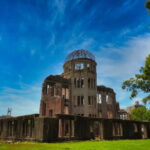
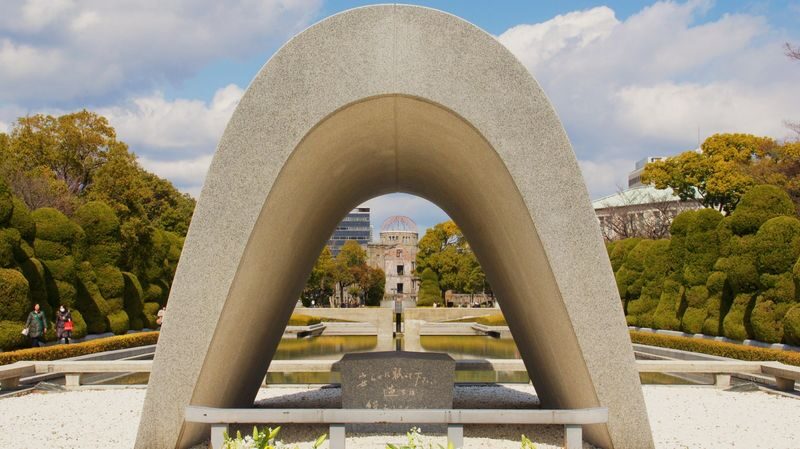
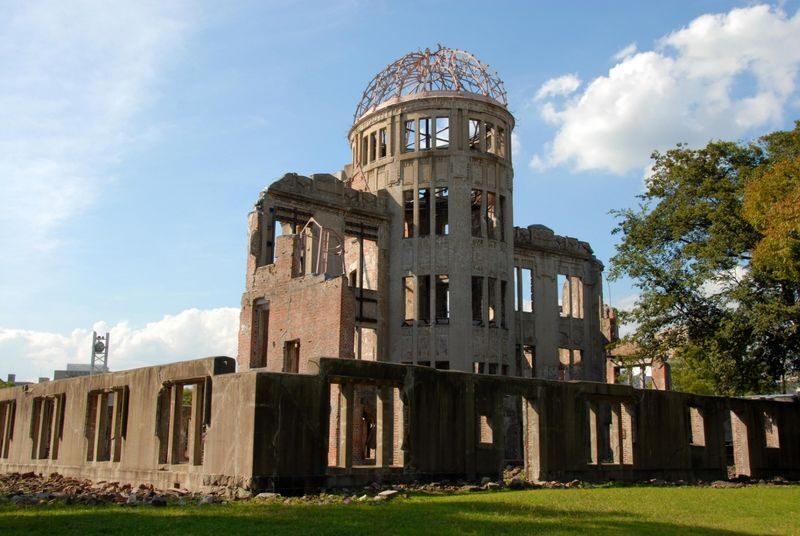
- Atomic Bomb Dome: See the preserved remains of a 1915 production hall, left standing after the 1945 atomic bombing.
- Peace Park and Museum: Visit the memorial grounds and museum with an English-speaking guide, then take time to absorb what you have seen.
- Miyajima by ferry: The crossing is part of the day, with a chance to spot the island’s wild deer along the way.
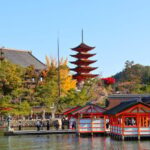
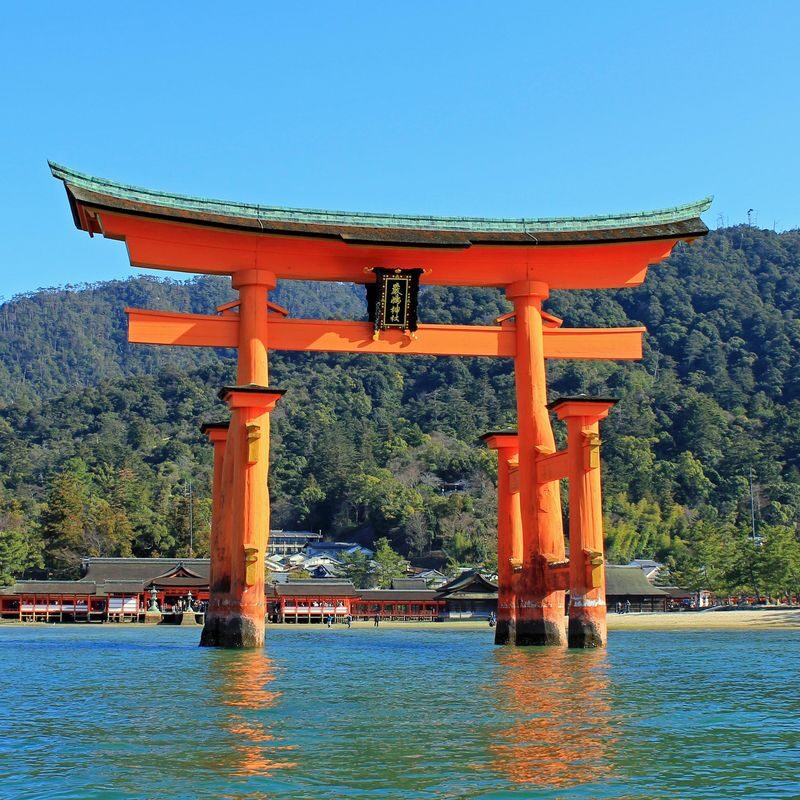
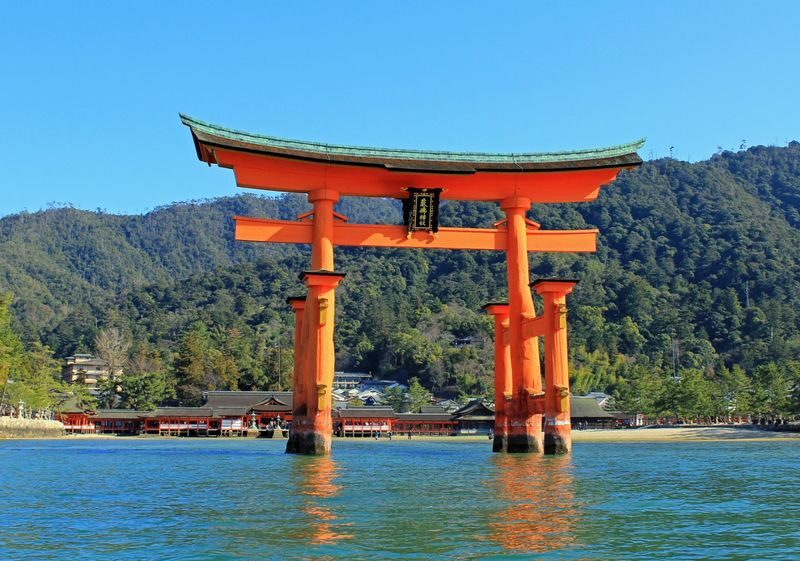
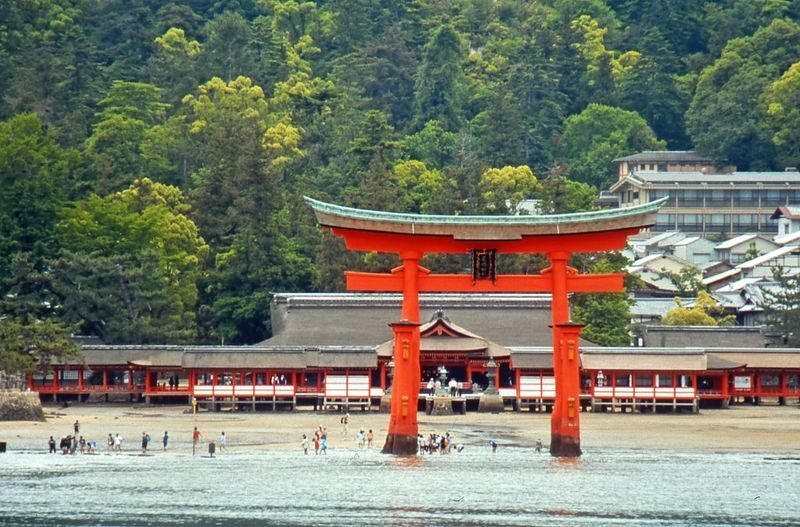
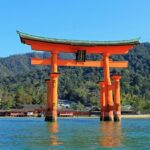
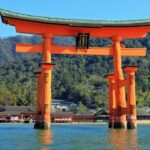
- Itsukushima Shrine: Walk through the shrine complex and see the 16-meter Otorii gate standing in the sea.
- Okonomiyaki lunch: The included meal is a Hiroshima-style savory pancake, with a vegetarian option available if you request it when booking.
- One organized day: Bus transport, ferry fare, and admission to the museum and shrine are included. The listed price starts at $106.30.
👉 See our pick of the Hiroshima’s 13 Top Workshops & Classes (With Prices)
Hiroshima’s Peace Park asks you to slow down
The day begins at Hiroshima Station, then heads into the city’s central memorial area. Hiroshima Castle is a drive-by, not a full visit, so treat it as a brief glimpse rather than a major stop. The focus is the Atomic Bomb Dome, Peace Memorial Park, and Peace Memorial Museum.
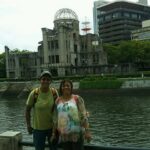
The Dome was built in 1915 as a production hall by Czech architect Jan Letzel. Its exposed framework survived the atomic bombing, and the preserved structure remains a powerful, unsettling marker of the blast. Seeing it with a guide gives you context before you walk through the surrounding memorial grounds.
In Peace Memorial Park, your guide points out some of the more than 50 peace statues and the paper cranes left as symbols of hope and remembrance. The park is not simply a scenic green space. Its monuments and open paths ask you to consider what happened here and how Hiroshima chose to commemorate it.
The museum makes the history more personal. Exhibits include objects recovered after the bombing and video testimony from victims. This can be emotionally difficult, and the visit is not just another museum stop to tick off. I would leave yourself room to take it in at your own pace, even within a group schedule.
The museum visit is guided, but the experience can still feel intense. A thoughtful guide can help explain what you are seeing without making the visit feel like a lecture. Several guides named for this tour, including Rino, Marin, and Tomo, are praised for clear English and engaging explanations. Names and guide assignments can change, of course.
There is a specific schedule change to know about: the museum is closed for exhibit replacement from February 16 to 21, 2026. During those dates, the tour visits the Hiroshima National Peace Memorial Hall for the Atomic Bomb Victims instead. The operator also reserves the right to use an alternative site if the group cannot enter the museum for other reasons, and no refund is offered for that change.
You can also read our reviews of more guided tours in Hiroshima
The ferry crossing shifts the pace
After the Hiroshima memorial stops, the tour travels to Miyajima by bus and JR ferry. The crossing gives the day a change of mood and scenery after a serious morning. Keep an eye out for wild deer on the way toward the shrine area. They are part of the island experience, though you should not treat them as pets or expect them to pose on cue.
The ferry is included, which is useful if you want the day’s transport handled for you. You do not need to work out the connection between the city and island on your own. The trade-off is that the group moves on a timetable, so you have less freedom to linger than you would on a self-planned visit.
Okonomiyaki brings a taste of Hiroshima
Lunch is an included Hiroshima specialty: okonomiyaki, a savory Japanese pancake. It gives you a proper meal in the middle of a long day, rather than leaving you to hunt for food between sites. A vegetarian option is available, but you need to request it when booking.
The meal is a convenience, not a restaurant tour. One participant found the included okonomiyaki disappointing and preferred oysters recommended nearby by the guide; others enjoyed the lunch. That range is a reminder that tastes vary, and the included meal is best seen as a practical part of the package rather than a reason by itself to book.
If you want to try other food or pick up snacks on Miyajima, bring cash. Shops and food stalls may not all take cards, and an ATM at the ferry terminal can mean a detour if you realize too late that you need money. You will have free time to explore, but not unlimited time for a long meal or a wide-ranging food crawl.
Itsukushima Shrine and the floating torii gate
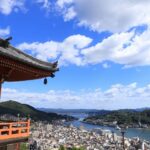
Miyajima’s best-known sight is Itsukushima Shrine, a Shinto complex built over the sea. The shrine dates to 593, with most of its present form completed in 1168. Its setting is what makes the visit special: the buildings and the water meet in a way that changes with the tide and conditions.
The Otorii gate stands in the bay and reaches about 16 meters high. From the shore, it can appear to float above the water. Weather, tide, and the day’s conditions affect the view, so the scene may differ from the picture you had in mind. Even so, the combination of shrine, sea, and gate is a memorable counterpoint to Hiroshima’s memorial sites.
Your guide leads the shrine visit, then you have time to explore Miyajima more independently. Daishoin Temple is listed as self-guided, giving you a chance to walk its grounds at your own pace. One participant singled out its beauty and quiet as a highlight. If you want to see both the shrine and temple, keep an eye on the time and ask your guide how much free time is available that day.
The guided and independent parts work well together. You get background and orientation at the main shrine, then some freedom to choose where to spend your remaining minutes. The limitation is that you are fitting several island sights into one afternoon. You may need to choose between browsing, eating, taking photos, and visiting the temple rather than doing all of them at leisure.
A full schedule, with transport sorted
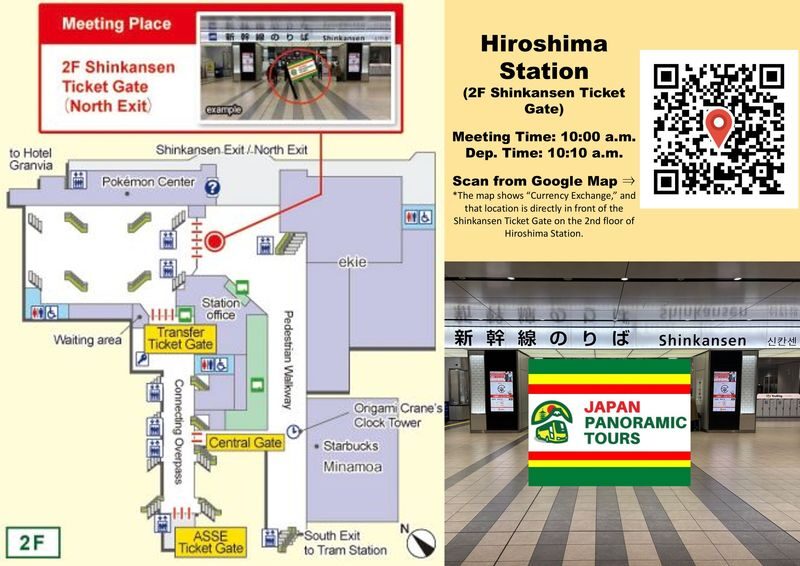
The tour runs from a 10 a.m. departure to a return at Hiroshima Station around 6 to 6:30 p.m. Check-in is listed for 9:55 a.m.; arrive at least 10 to 15 minutes early and look for the guide with a company logo sign. Late arrivals cannot join partway through, and missed tours are not refundable.
Transport, round-trip transfers from the meeting point, the ferry, museum and Itsukushima Shrine admission, an English-speaking guide, and lunch are included in the Hiroshima departure package. Hotel pickup and drop-off are not included. You meet at Hiroshima Station, in front of the Shinkansen ticket gate on the second floor.
The group can range from one to 43 participants. At the largest size, it is a sizable group, and keeping to the schedule matters. Tour guides are repeatedly praised for checking that people are present, helping anyone who gets turned around, and keeping the day organized. Tomo, Marin, and Rino are names associated with particularly warm, clear explanations, but the assigned guide depends on your date.
Allow for the return time to move. Traffic, weather, or service interruptions can affect the schedule or prevent some activities. If you are catching a Shinkansen after the tour, book one departing after 6:30 p.m. to leave a buffer. The tour does not offer an extra drop-off service, so do not plan on being delivered to another address.
Wear comfortable walking shoes and dress for the weather. The itinerary includes park paths, museum visits, a ferry crossing, shrine grounds, and free time on Miyajima. That adds up to plenty of time on your feet, even though the bus helps cover the longer distances.


What the $106.30 starting price buys
At a starting price of $106.30, the value lies in combining several major sights with the transport and admissions arranged. You get a guide, bus travel, the ferry, entry to the Peace Memorial Museum and Itsukushima Shrine, and lunch. If you planned the same day independently, you would still need to coordinate the city and island connections, manage admission, and keep an eye on the clock.
The price is less compelling if you want long, unhurried visits or prefer to choose every meal and stop yourself. It is also worth checking the exact package before booking: the details here are for the Hiroshima departure with lunch, while a no-lunch option is also offered. The listed starting price may vary by date or package.
The tour has earned a 4.9 out of 5 rating across 294 ratings. The praise focuses strongly on the guides: clear English, useful historical explanations, friendliness, patience, and careful timekeeping. Some people also value the balance between guided visits and free time. The main caution is that the day is full, and small changes can happen because of traffic, weather, or access limits.
Children aged 0 to 3 can join free if they do not need a separate seat. Vegetarian meals can be arranged when requested at booking. If you have made separate bookings for people travelling together, send the booking numbers and total group size ahead of the tour so the operator can connect them.
Who will get the most from this day
This is a strong fit if you have one day in Hiroshima and want to see the central memorial sites as well as Miyajima without sorting out the bus and ferry yourself. It suits first-time visitors who want historical context, a guided museum visit, and time at the shrine and temple, all in one outing.
It can also work well for families with older children or adult relatives who appreciate having someone keep the group on track. A participant travelling with an 81-year-old grandmother valued the guide’s attention and efforts to keep everyone included. Still, the schedule has several stops and plenty of walking, so consider your group’s pace before booking.
Choose a self-guided day instead if you want to spend most of the morning in the museum, linger at Daishoin, or explore Miyajima at length. This tour trades that freedom for a well-organized route and an English-speaking guide. That is a fair bargain if your time is limited.
Should you book this Hiroshima and Miyajima tour?
Book it if you want an efficient, guided introduction to Hiroshima’s memorial sites and Miyajima’s shrine, and you value having the transport, ferry, admissions, and lunch handled together. The guides’ strong reputation for warmth, clear English, and attentive group care is a genuine plus, especially on a day that moves between serious history and island sightseeing.
Skip it if you want a slow, open-ended day or need a tour that starts in Kyoto or Osaka. This package meets at Hiroshima Station, runs about eight hours, and sticks to a schedule. For the right visitor, it is a practical way to see two very different sides of Hiroshima in one day.
Peaceful Hiroshima & Miyajima UNESCO Bus Tour by Professional guide
“Rino was an excellent guide, explaining everything clearly and even looking for us when we got a bit lost. A really worthwhile experience.”
FAQ
Where does the tour depart from?
It departs from Hiroshima Station. Meet in front of the Shinkansen ticket gate on the second floor. Hotel pickup and drop-off are not included.
What time should I arrive?
The activity starts at 10 a.m. Check-in is listed for 9:55 a.m. Arrive 10 to 15 minutes early, as late arrivals cannot join the tour partway through.
What is included in the tour price?
The Hiroshima departure package includes transport, round-trip transfers from the meeting point, an English-speaking guide, lunch, the JR Miyajima ferry, and admission to the Peace Memorial Museum and Itsukushima Shrine.
Is lunch included, and can I request a vegetarian meal?
Lunch is included in the package described here, and a vegetarian option is available. Request it when you book.
How late does the tour return to Hiroshima Station?
The scheduled return is around 6 p.m., with arrival expected around 6 to 6:30 p.m. If you are taking a Shinkansen, book one departing after 6:30 p.m. to allow for possible traffic delays.
What happens when the Peace Memorial Museum is closed?
From February 16 to 21, 2026, the museum is closed for exhibit replacement. The tour will visit the Hiroshima National Peace Memorial Hall for the Atomic Bomb Victims instead, with no refund for the substitution.
Can children join the tour?
Children aged 0 to 3 can join free of charge if they do not occupy a separate seat. The group size can range from one to 43 participants.