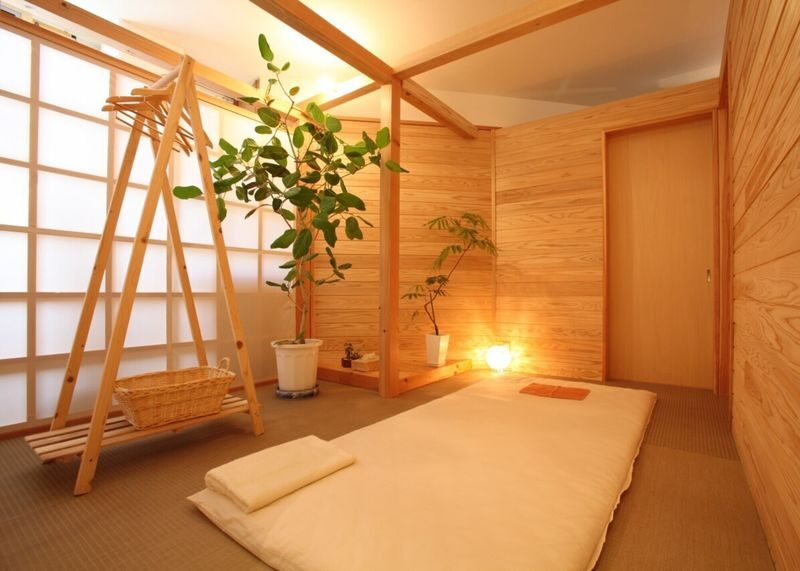
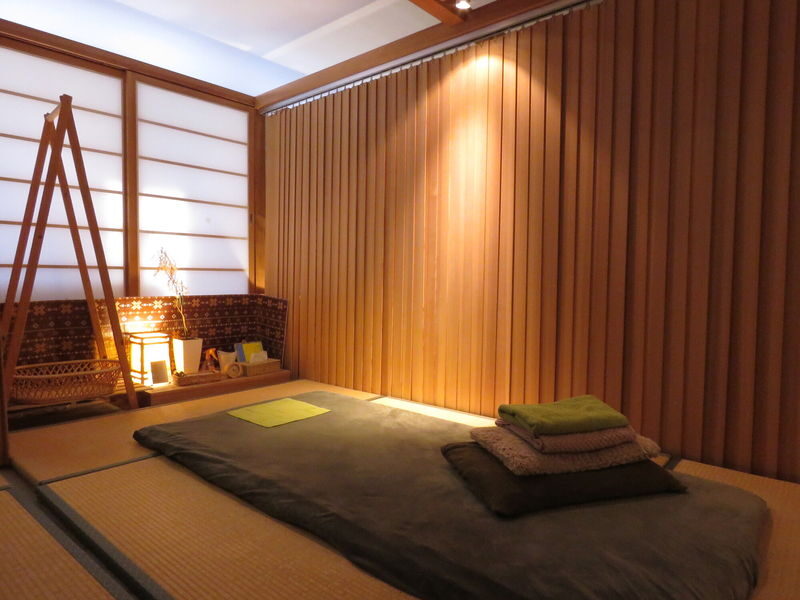
The unusual pleasure here is the setting: you lie on a futon over tatami while the sound of a small indoor stream replaces the usual spa soundtrack. RiKYU TATAMI&FUTON MASSAGE SPA offers a distinctly Japanese room for a massage that is adjusted to your body and preferences, not a fixed routine.
I like two things in particular: the traditional carpentry and tatami setting make this more memorable than a standard treatment room, and the chance to name the areas you want addressed gives you some control over a short session. One consideration: a male therapist has been noted for at least one long treatment, so check with the spa beforehand if therapist gender matters to your comfort.
- At a glance
- A small traditional room in the middle of Hiroshima
- What happens during your appointment
- Choosing 30, 60, 90, or 140 minutes
- What makes the setting worth seeking out
- How to fit it into a Hiroshima day
- Is RiKYU good value?
- Should you book it?
- FAQ
- Where is RiKYU TATAMI&FUTON MASSAGE SPA?
- How long are the massage options?
- What does the 30-minute treatment focus on?
- Is English-speaking staff available?
- What should I tell staff before treatment?
- Is there an age limit or any health restriction?
- What happens if I need to cancel?
- The Best Of Hiroshima!
- More Spa & Hot Springs in Hiroshima
- More Tours in Hiroshima
- More Tour Reviews in Hiroshima
At a glance
 1 / 8
 2 / 8
 3 / 8
 4 / 8
 5 / 8
 6 / 8
 7 / 8
 8 / 8
- Tatami and futon treatment: Massage takes place on a futon laid over tatami in a room inspired by a traditional Japanese folk house.
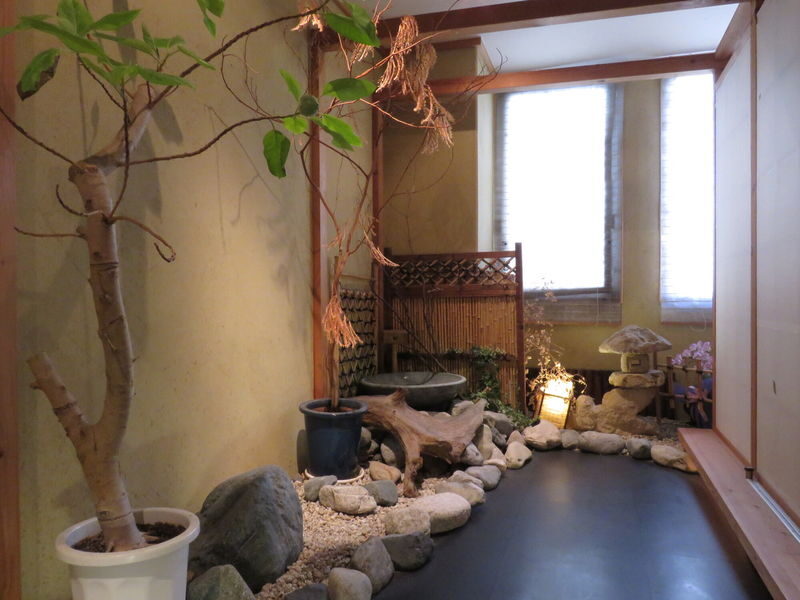
- An indoor stream: The sound of flowing water gives the room a calm atmosphere without requiring you to leave central Hiroshima.
- Custom treatment: Staff tailor the session to your physical condition and preferences.
- Five lengths to choose from: Options run from 30 minutes to 140 minutes, with lymphatic drainage included in the 90- and 140-minute packages.
- Easy to reach: The spa is a one-minute walk from Hiroden Hatchobori Station.
- English-speaking staff: The spa lists English-speaking staff, and a translation app can help with other languages.
👉 See our pick of the Hiroshima’s 13 Top Workshops & Classes (With Prices)
A small traditional room in the middle of Hiroshima
RiKYU sits at 301, 14-10 Hatchobori, Naka-ku, in central Hiroshima. From Hiroden Hatchobori Station, it is about a one-minute walk. You make your own way there; this is a treatment appointment, not a guided outing with a meeting point or a group itinerary.
That location makes the spa easy to fit between sightseeing stops or at the end of a day in town. The address is worth saving carefully: the building number and room, 301, matter when you arrive. Plan to be there five minutes before your booked time. Late arrivals and no-shows are not refundable, so leave yourself a little margin rather than trying to time the appointment to the last tram.
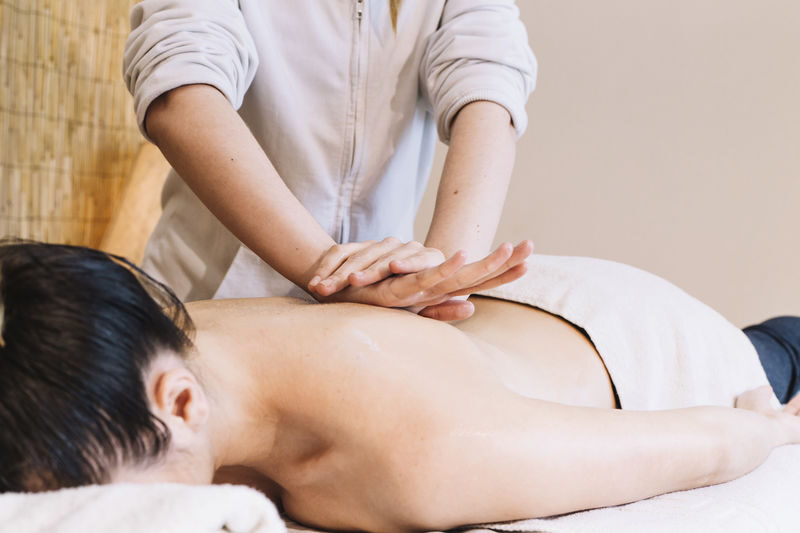
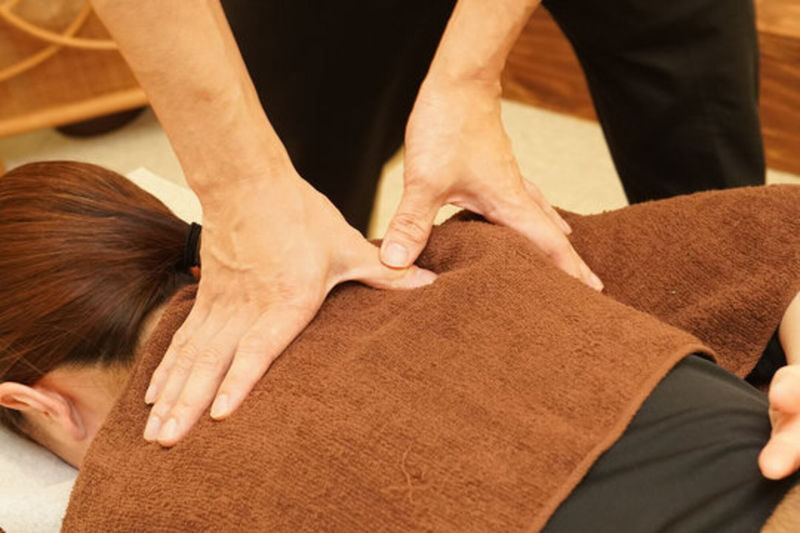
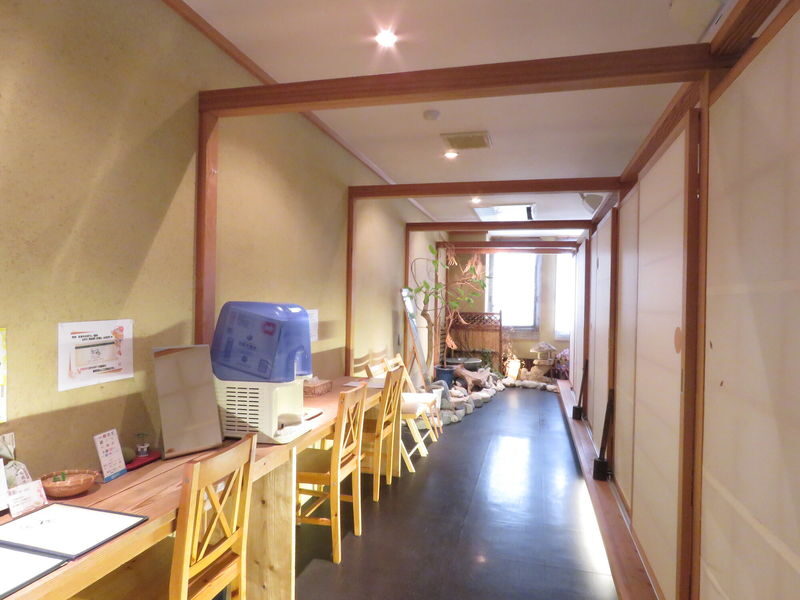
Inside, the room takes its cues from a traditional Japanese folk house. Treatments are performed on futons laid over tatami, and the sound of a flowing indoor stream adds to the quiet. The interior is described as carefully built by skilled carpenters, which helps explain why the place is presented as more than a massage table behind a curtain. The room itself is part of the experience.
You should still think of this as a massage spa, not a museum or a formal cultural demonstration. The setting gives your appointment a traditional feel, but the main purpose is rest and treatment. If you want to understand the construction or design in detail, there is no indication that this is a guided tour. Come for a session, enjoy the atmosphere, and let the room do its work quietly.
You can also read our reviews of more tours and experiences in Hiroshima


What happens during your appointment
The basic sequence is simple: arrive at the spa, share what you want the therapist to focus on, and receive your treatment in the tatami room. There is no guide to meet and no transport included. Your appointment begins at the time you select, and the session ends at the spa.
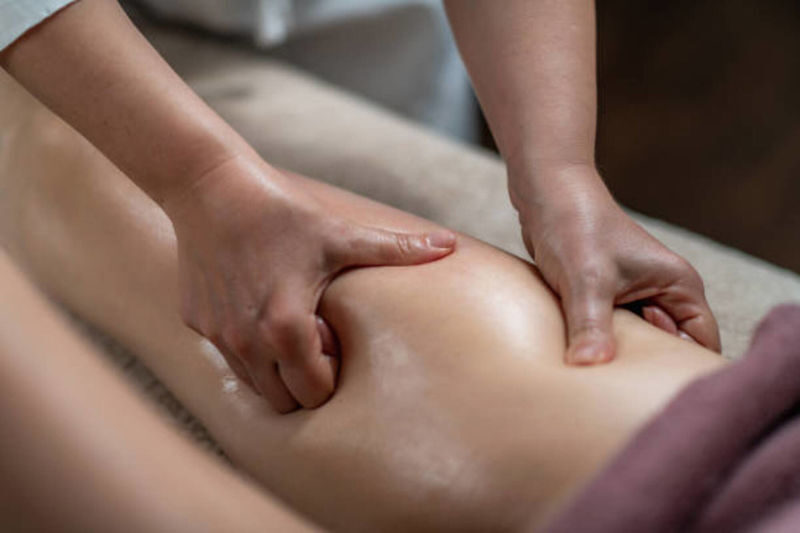
The treatment is customized to your condition and preferences. That matters because a massage can feel quite different depending on whether you want attention on one specific area or a broader session. Before treatment, tell the staff about any physical condition they should know about and be clear about what you hope to get from the time.
The 30-minute option is described as a full-body manual massage, while the session plan also says that this shorter appointment focuses on the areas you are most concerned about. In practical terms, 30 minutes is best understood as a brief, targeted treatment rather than a long, unhurried massage of every part of the body. It may suit you if you want a short head-focused or foot-focused session, or simply have limited time.
The longer bookings give the therapist more time to work. The 45- and 60-minute packages are full-body manual massages. The 90- and 140-minute choices combine full-body manual massage with lymphatic drainage. The details provided do not explain a precise sequence or technique for the drainage, so ask staff what is included if that is a deciding factor.
There is no age limit, but treatment is not available if you have a fever or are heavily intoxicated. Smoking is not allowed inside. The spa provides treatment wear, and you may relax in whatever style feels comfortable for you, in consideration of your cultural background. If you have questions about clothing or the treatment before you arrive, it is sensible to ask in advance rather than wait until the session begins.
Choosing 30, 60, 90, or 140 minutes
The price list starts at US$20.69 for 30 minutes, rising to US$26.99 for 45 minutes and US$35.19 for 60 minutes. The 90-minute massage with lymphatic drainage costs from US$52.85, while the 140-minute version starts at US$87.05. These are starting prices, so check the amount shown for your chosen date and package before booking.
The 30-minute rate is a low-cost way to try the room and receive a focused treatment. But the short duration is a real limit. If you want a full-body session that does not feel rushed, the 60-minute option is the more sensible middle ground, at a still-manageable price.
The 90-minute package is a better fit if you want a longer appointment and want lymphatic drainage included. The 140-minute session is a substantial block of time, so it suits someone who specifically wants a long treatment, not someone trying to squeeze in a quick rest between attractions. A customer who booked the longest option noted that the therapist was male. If that could affect your comfort, contact the spa before booking; the available information does not say that you can choose a therapist.
I would choose by the kind of break you need, not simply by the cheapest price per minute. A short appointment is convenient, while the 60-minute session offers more breathing room. The longer packages add time and a different treatment element, but you should confirm what that element involves if you are unfamiliar with lymphatic drainage.
What makes the setting worth seeking out
A treatment on tatami and futon feels different from a familiar Western-style massage setup. The floor-level arrangement and traditional room give you a taste of Japanese design in a practical setting, rather than asking you to set aside half a day for a cultural activity. The indoor stream also lends the room a soft background sound, which may help you settle in.
The spa has made an effort to welcome international clients. English-speaking staff are included, and the clothing guidance leaves room for personal comfort. If you need to communicate in a language other than Japanese or English, staff can use a translation app. That is useful, though it is not the same as having a fluent interpreter for nuanced medical or treatment conversations.
You can help the appointment go well by being specific. Say which areas concern you, what kind of pressure or attention you prefer, and whether there are physical issues the therapist should know about. The service is described as personalized, but your clear instructions are what make that promise useful in practice.
How to fit it into a Hiroshima day
The appointment is in Hatchobori, a central area with a nearby Hiroden stop. Since transport is not included, getting there is your responsibility. The short walk from Hatchobori Station makes it an easy stop if you are already in the area, but you should allow time to find the correct building and room.
Available start times are listed hourly from 10:00 in the morning through 20:00. Your selected time is the one you need to keep, and the appointment ends back at the spa. The schedule can vary with the selected treatment length, so do not assume every start time is available for every package.
The booking is confirmed within 48 hours. If a confirmation email does not arrive, contact customer support. The voucher is valid only for the date, and time where applicable, printed on it. You can receive a full refund if you cancel at least 24 hours before the activity date, using destination local time.


Is RiKYU good value?
The value is not just the massage minutes. You are paying for a tailored treatment in a carefully made traditional-style room, with a central address and English-speaking staff. At the lowest price, the experience is affordable, but the short session means you should keep your expectations focused. For a more relaxed full-body treatment, the 60-minute option is a more balanced choice.
The small amount of available feedback is encouraging but not enough to promise a uniform experience. One customer praised the therapist’s skill and the owner’s kindness, while another flagged that the therapist was male during a 140-minute treatment. Take the positive comment as a useful sign, not a guarantee, and make any comfort questions clear before you book.
This is not the right choice if you need a particular therapist gender and have not confirmed availability, or if you expect a guided cultural activity. It is a better match if you want a quiet, personalized massage in an appealing Japanese-style setting and can make your way to Hatchobori yourself.
Should you book it?
Book RiKYU if you want a massage with a setting that feels specific to Japan, rather than a generic spa room, and you value staff who can communicate in English. I would lean toward 60 minutes for a first visit, since it gives you more time than the short, targeted option without committing to a long treatment.
Choose 90 or 140 minutes if you want a longer session that includes lymphatic drainage, and ask the spa about the details and therapist arrangements before paying if either matters to you. If you are in a hurry, unwell with a fever, heavily intoxicated, or uncomfortable with the possibility of a male therapist, pause and check first. For a quiet reset in central Hiroshima, the tatami room and indoor stream make this a distinctive choice.
RiKYU TATAMI&FUTON MASSAGE SPA: Full-Body Massage Treatment Courses
FAQ
Where is RiKYU TATAMI&FUTON MASSAGE SPA?
It is at 301, 14-10 Hatchobori, Naka-ku, Hiroshima. The spa is a one-minute walk from Hiroden Hatchobori Station.
How long are the massage options?
You can choose 30, 45, 60, 90, or 140 minutes. The 90- and 140-minute packages include full-body manual massage and lymphatic drainage.
What does the 30-minute treatment focus on?
It is listed as a 30-minute full-body manual massage, with the session focusing on the areas you are most concerned about. Head-focused or foot-focused treatment is given as an example of how to use the short appointment.
Is English-speaking staff available?
Yes. English-speaking staff are included. If you need another language, staff can assist using a translation app.
What should I tell staff before treatment?
Tell staff about any specific physical conditions they should know about, and share your preferences for the session. Treatment wear is provided, and you may relax in the style that feels most comfortable to you.
Is there an age limit or any health restriction?
There is no age limit. Service is not available if you have a fever or are heavily intoxicated.
What happens if I need to cancel?
A full refund is available if you cancel at least 24 hours before the activity date, based on destination local time.