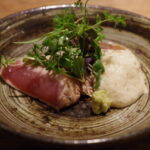
Seto Inland Sea fish, local vegetables, and a chef working just across the counter give this Hiroshima dinner its appeal. At Yasyu Taku, chef-owner Takushi Sugimoto brings training from Kyoto’s Kikunoi and Hiroshima’s Yamato to a seasonal kaiseki menu, with dishes made one at a time rather than rushed out as a single plate.
I like two things in particular: the open kitchen, which lets you watch the cooking up close, and the emphasis on regional ingredients, including local seafood and vegetables, Jersey beef, and occasionally more unusual choices such as venison or fugu. The dining room’s pale green walls and white wood also sound calm and comfortable, a welcome setting for a long meal.
One consideration: this is a paced dinner, not a quick stop. A meal may take about two hours, with around 20 minutes between some courses, and portions can feel small if you arrive very hungry. The package starts at $82.35, but drinks may cost extra.
- What makes this Hiroshima kaiseki dinner different
- The setting: a quiet alley and an open kitchen
- Chef Takushi Sugimoto’s regional approach
- How the Deluxe Kaiseki Dinner unfolds
- What the price covers, and what it does not
- Service, dietary needs, and dining etiquette
- Who should book this dinner?
- Before you reserve
- Should you book Yasyu Taku?
- FAQ
- Where is Yasyu Taku?
- How do I get to the restaurant?
- What meal does the package include?
- How much does the dinner cost?
- Are drinks included?
- How long does dinner take?
- Can I request dietary accommodations?
- What should I wear?
- Can children join the dinner?
- The Best Of Hiroshima!
- More Tours in Hiroshima
- More Tour Reviews in Hiroshima
What makes this Hiroshima kaiseki dinner different
 1 / 5
 2 / 5
 3 / 5
 4 / 5
 5 / 5
- A chef with Kyoto and Hiroshima training: Sugimoto spent five years at Kikunoi in Kyoto, then trained for six and a half years at Yamato and other establishments in Hiroshima.
- Seasonal ingredients from the region: Expect a menu shaped by Seto Inland Sea fish, locally grown vegetables, and Jersey beef from Nihonmatsu Farm.
- A close-up kitchen view: The open kitchen gives you a direct look at the preparation, and the chef may explain the dishes as they arrive.
- A leisurely, multi-course meal: Past dinners have included seven or eight courses and lasted about two hours.
- A convenient central location: The restaurant is described as a one-minute walk from Tsuchihashi Station on the Hiroshima Electric Railway.
- A clear price, with one caveat: The listed package includes the meal, service fee, consumption tax, and reservation fee. Personal expenses, including drinks, are extra.
👉 See our pick of the Hiroshima’s 13 Top Workshops & Classes (With Prices)
The setting: a quiet alley and an open kitchen
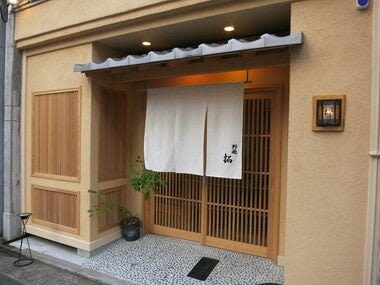
Yasyu Taku is in an alley at 2-chome-1-11 Sakaimachi, Naka Ward, Hiroshima. It opened in 2016 and is a short walk from Tsuchihashi Station, making it easy to reach by Hiroshima’s streetcar network without turning dinner into a transport project.
The address also appears in a second spelling, Sakaemachi, in the experience details. I’d check the map pin and booking confirmation before setting out, rather than relying on a spelling search alone. The stated station walk is one minute, a useful detail if you’re planning a full evening around the meal.
Inside, the room is described as spacious and comfortable, with light green wallpaper and white wood. That sounds more modern and relaxed than a formal, hushed dining room, though the restaurant still asks you to dress neatly and follow Japanese dining etiquette.
The open kitchen is a practical plus. You can see the chef at work and get a better sense of the care behind each course, rather than having every dish arrive as a mystery from behind a closed door. If you enjoy watching food being prepared, that connection can make the meal feel more personal.
You can also read our reviews of more tours and experiences in Hiroshima.


Chef Takushi Sugimoto’s regional approach
Sugimoto’s training gives the restaurant an appealing blend of influences. He spent five years at Kikunoi in Kyoto, then returned to Hiroshima and trained for six and a half years at Yamato and other local establishments. That background matters because kaiseki is not just a sequence of dishes. It is a way of arranging a meal around season, ingredients, balance, and timing.
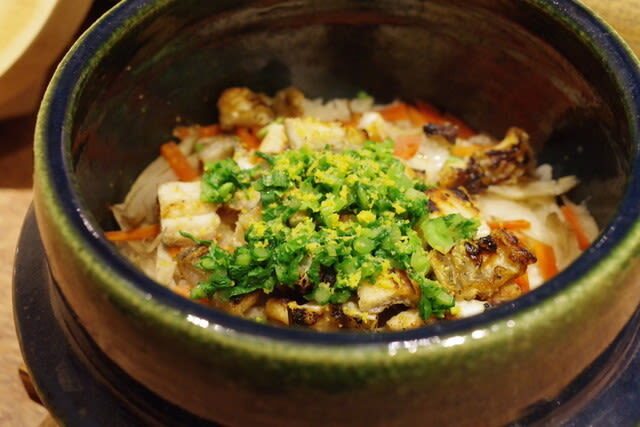
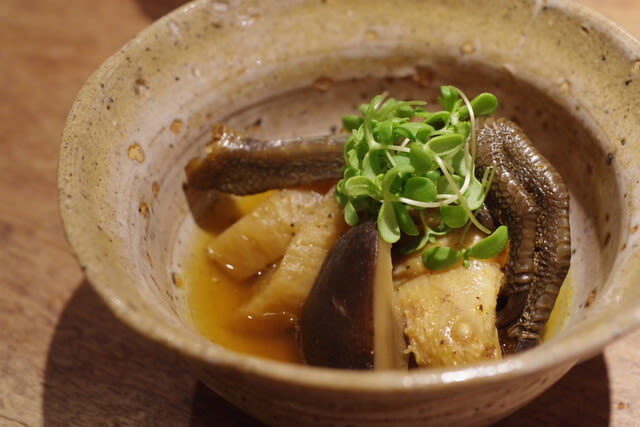
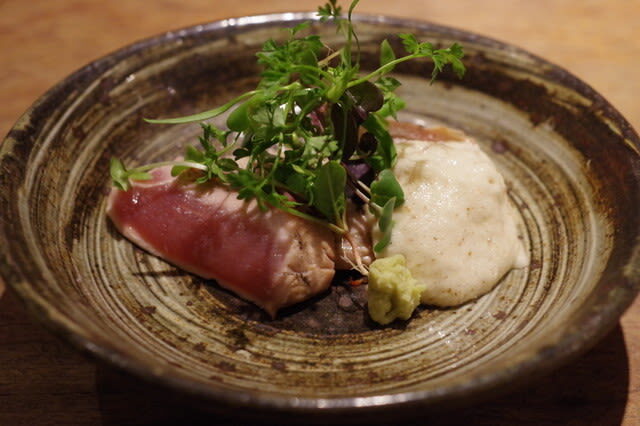
At Yasyu Taku, the ingredients point firmly toward Hiroshima and the Seto Inland Sea. The restaurant specializes in local fish, vegetables grown in the area, and Jersey beef from Nihonmatsu Farm. The exact dishes change with the day’s offerings, so you should think of the package as a seasonal dinner, not a fixed menu you can predict in advance.
That variation is part of the appeal. Fish and vegetables can shift with the season, and the meal may include ingredients less familiar to you. Venison and fugu, or pufferfish, have appeared among the possible high-end ingredients. They are not guaranteed components of every dinner, so book for the changing seasonal approach rather than for one specific item.
How the Deluxe Kaiseki Dinner unfolds
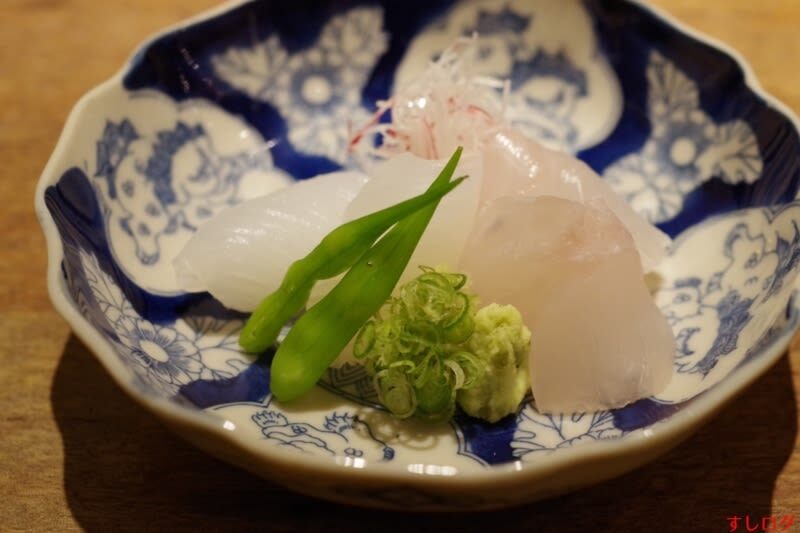
The package is a Deluxe Kaiseki Dinner, but there is no set course-by-course menu provided. The food depends on what the restaurant is serving that day. You can expect a sequence of separate dishes, with some dinners comprising seven courses including dessert and others reaching eight.
A past meal was described as mostly fish-based, while another featured a broader mix of seafood, meat, vegetables, and herbs. That range is useful to keep in mind: the dinner is built around seasonal ingredients, not a promise of a particular balance between meat and seafood.
Kaiseki is a paced meal. One diner found there could be about 20 minutes between courses, and another described the whole dinner as taking roughly two hours. That pause is not necessarily dead time; it gives you room to notice the food and lets the kitchen prepare each course with care. But if you prefer quick service or have evening plans immediately afterward, allow plenty of time.
The dishes have been described as flavorful, fresh, and well coordinated, with ingredients and courses that build on one another. The chef may explain what is being served, which helps you follow the meal if you are new to kaiseki. Tea can provide a memorable finish: one diner recalled its lingering aroma and sweet aftertaste.
Don’t come expecting oversized portions. The meal is a succession of courses, not a large platter designed to fill you quickly. If you have a big appetite, eat lightly beforehand rather than arriving ravenous and judging the meal by volume alone.
What the price covers, and what it does not
The Deluxe Kaiseki Dinner starts at $82.35. The package fee, restaurant service fee, Japanese consumption tax, and reservation fee are included, which makes the listed price easier to assess than a meal where taxes and service are added at the end.
The value depends on what you want from dinner. You are paying for a multi-course seasonal meal, local ingredients, a chef with substantial training, and a setting where you can watch the cooking. For a special evening centered on Japanese cuisine, that is a reasonable proposition. If your priority is the largest possible dinner for your money, the smaller-course format may not suit you.
Drinks are not included. Beer was an additional charge at one dinner, so budget separately if you plan to order alcohol. Japan’s legal drinking age is 20, and you may be asked to show valid identification.
Service, dietary needs, and dining etiquette
The service is described as attentive and friendly, with both the chef and the waitress helping create a welcoming atmosphere. The chef has also taken note of dietary requirements provided with a reservation, a useful sign that sharing those details in advance can help the kitchen plan.
That does not guarantee every request can be accommodated. If you have a dietary restriction, include it accurately when booking and make sure the reservation information reflects everyone in your party. The restaurant’s rules place responsibility on you to provide truthful details, including the number and ages of minors.
Dress neatly. The instructions specifically rule out very casual items such as slippers, sandals, tank tops, shorts, camisoles, and miniskirts. They also state that men should wear a collared shirt or jacket, trousers rather than jeans, and socks. Since the rules are firm, it is safer to dress up a little than to arrive in holiday clothes.
Be punctual. Arriving more than 15 minutes late may lead to cancellation without a refund, while arriving more than 15 minutes early may mean you cannot wait inside. Keep voices low, avoid disruptive behavior, and do not bring outside food or drinks. These small courtesies help preserve the calm setting for everyone at the counter or table.
Who should book this dinner?
I’d consider Yasyu Taku if you want to spend an evening learning through food, especially if you’re curious about kaiseki but don’t need a rigid menu in advance. The open kitchen, seasonal ingredients, and the chef’s explanations make it approachable for a first kaiseki meal, while the course-by-course pace gives food-minded diners time to pay attention.
It should also suit diners who like regional cooking and are happy to let the day’s menu lead. If Seto Inland Sea fish, local produce, and careful preparation sound more appealing than ordering a familiar main course, this is a good fit.
It is less suitable if you are in a hurry, want large portions, need a guaranteed menu, or prefer a casual dress code. Families should note that children aged 12 and older are charged the adult rate and must book the same package as adults. The restaurant’s etiquette requirements also make this better for a quiet, settled meal than a noisy family outing.
Before you reserve
The voucher is for the specified date and time, and you present it on your mobile device. Confirmation is due within 48 hours; if no confirmation email arrives, contact customer support.
Cancellation terms are presented in two ways: one notice says cancellations within seven days are charged the full meal cost, while another says a full refund is available when canceling at least 72 hours before the activity. Because those windows do not align, check the terms shown for your exact booking before paying and use the stricter deadline when making plans.
Should you book Yasyu Taku?
Book it if you value a carefully paced dinner, local ingredients, and a chance to watch a Hiroshima chef at work. The combination of Sugimoto’s Kyoto and Hiroshima training, seasonal Seto Inland Sea cooking, and a comfortable open-kitchen room gives this meal a clear sense of place.
Skip it if you need a fast dinner, expect generous portions, or want to know every dish before you sit down. And if you do book, arrive on time, share dietary needs in advance, and leave room in both your schedule and budget for a two-hour meal and drinks.
Michelin One-Star Japanese Cuisine Experience – Yasyutaku (Hiroshima)
“The chef is kind and professional, and the kaiseki cuisine is diverse, varied, and absolutely delicious. They offer rare, high-end ingredients like…”
FAQ
Where is Yasyu Taku?
It is at 2-chome-1-11 Sakaimachi, Naka Ward, Hiroshima, Japan. The experience details also spell the area Sakaemachi, so check your map pin and confirmation.
How do I get to the restaurant?
The restaurant is described as a one-minute walk from Tsuchihashi Station on the Hiroshima Electric Railway.
What meal does the package include?
The available package is a Deluxe Kaiseki Dinner.
How much does the dinner cost?
The listed starting price is US$82.35. The package includes the restaurant service fee, Japanese consumption tax, and reservation fee.
Are drinks included?
No. Drinks are personal expenses, and beer has been charged separately.
How long does dinner take?
A dinner has taken about two hours. The meal is served in courses, and there may be a pause of around 20 minutes between some dishes.
Can I request dietary accommodations?
You can provide dietary requirements with your reservation. The chef has taken note of such details, but the information does not guarantee that every request can be accommodated.
What should I wear?
Avoid very casual clothing such as sandals, slippers, tank tops, and shorts. Men are asked to wear a collared shirt or jacket, trousers rather than jeans, and socks.
Can children join the dinner?
Children aged 12 and older are charged the same rate as adults and must reserve the same package.