
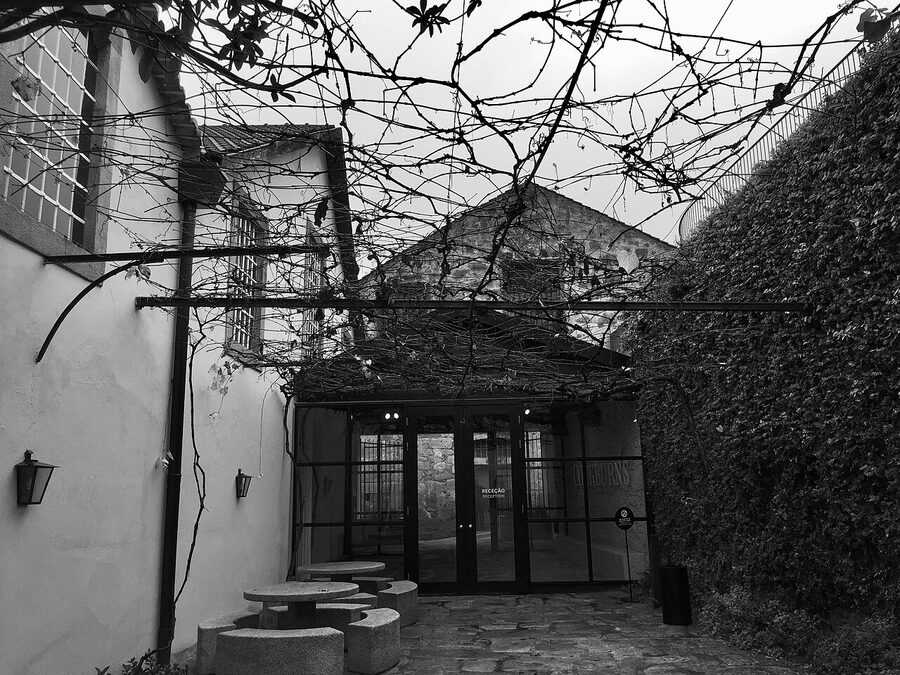
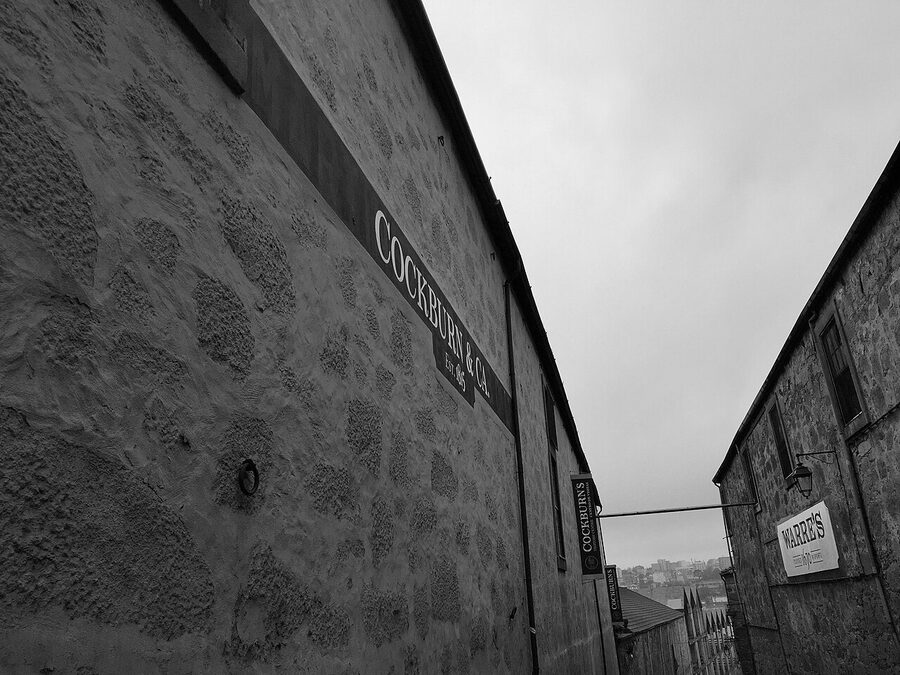
Most of the famous port lodge names along the Vila Nova de Gaia waterfront — Taylor’s, Graham’s, Sandeman, Croft — sit right in front of you as you cross the bridge from Porto. Cockburn’s hides. The lodge is set back from the river, up the hill behind the others, and you’d walk straight past the entrance if you didn’t know to look for it. That tucked-away setting fooled me into thinking it would be the smaller, quieter visit. It’s the largest port cellar in Gaia by a wide margin.
.jpg)
Founded in 1815. Still trading under the same English name two centuries later. And — the thing that turns this from a generic port tasting into something worth a separate article — it’s the only working cooperage you can actually watch in Vila Nova de Gaia. Real coopers. Real barrels being broken down and rebuilt by hand. Tour times sell out at peak, so book ahead.

.jpg)
- In a Hurry?
- Why Cockburn’s, specifically?
- The three tours worth booking
- 1. Cockburn’s Cellar with Premium Tasting and Pairing —
- 2. Visit to Cockburn’s Cellars —
- 3. Port Wine Lodges Tour with 7 Tastings —
- Booking practicalities
- Getting there from Porto
- The history that shapes the bottle
- What you’ll actually drink
- How long the tour actually takes
- Best time to go
- What to do before and after
- Common things people get wrong
- Combining Cockburn’s with other Porto guides
- Worth it?
In a Hurry?
Most popular: Cockburn’s Cellar with Premium Tasting and Pairing — about $35, 1.5 hours, includes the cooperage walk-through.
Cheapest: Visit to Cockburn’s Cellars — about $31, slightly shorter, port-and-chocolate pairing.
Multi-house alternative: Port Wine Lodges Tour with 7 Tastings — about $63, 3.5 hours, hits three lodges so you can compare houses.
Why Cockburn’s, specifically?
Eight or nine port houses run public tours in Vila Nova de Gaia. They mostly cover the same ground — history of port, how grapes from the Douro Valley are fortified, what tawny means versus ruby, three or four glasses at the end. Once you’ve done one, you’ve done one.
So the question that matters for booking is: what does this specific house do that the others don’t?
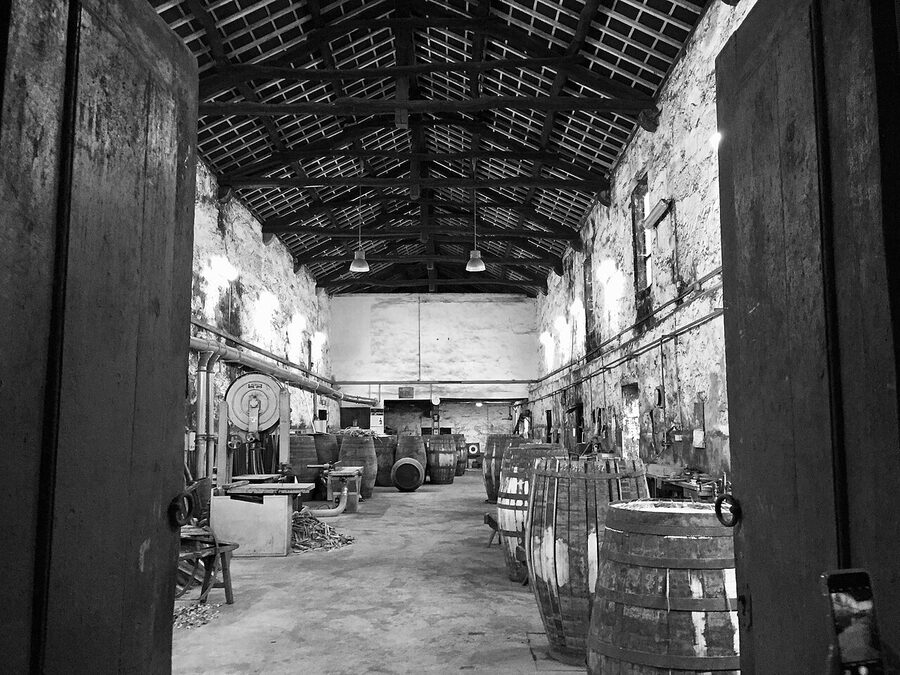
For Cockburn’s, the answer is the cooperage. Most of the big lodges either don’t have one or don’t let visitors near it. At Cockburn’s, the workshop sits in the middle of the tour route. Coopers — yes, that’s still the trade name — break down old casks, char fresh oak, and rebuild barrels using nothing but heat, water, hammers, and metal hoops. No glue, no nails. The craft has been going on inside this same building since the 1800s. It’s the kind of thing you only see otherwise on YouTube documentaries.
.jpg)
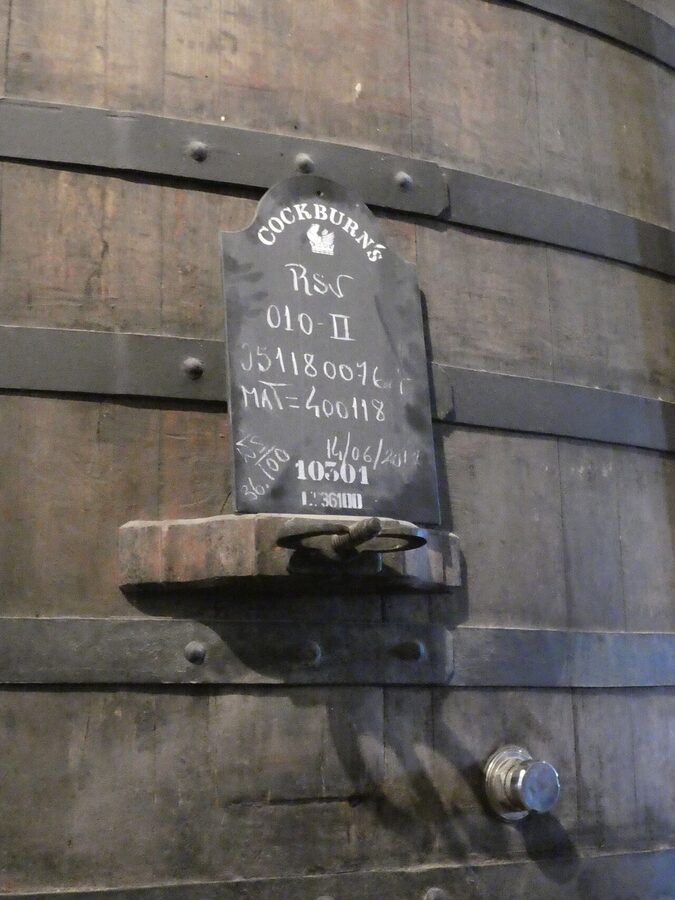
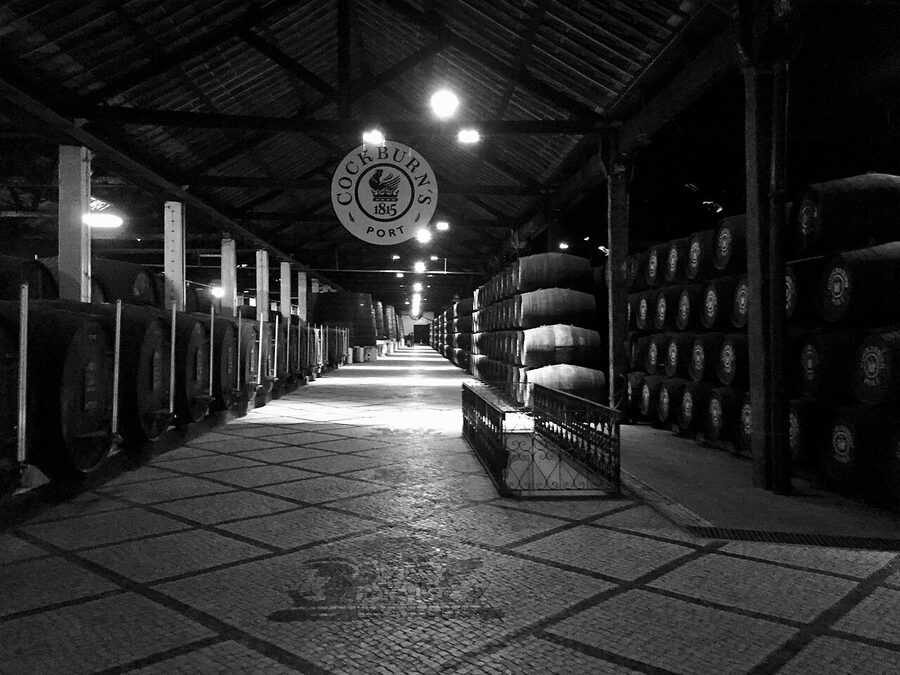
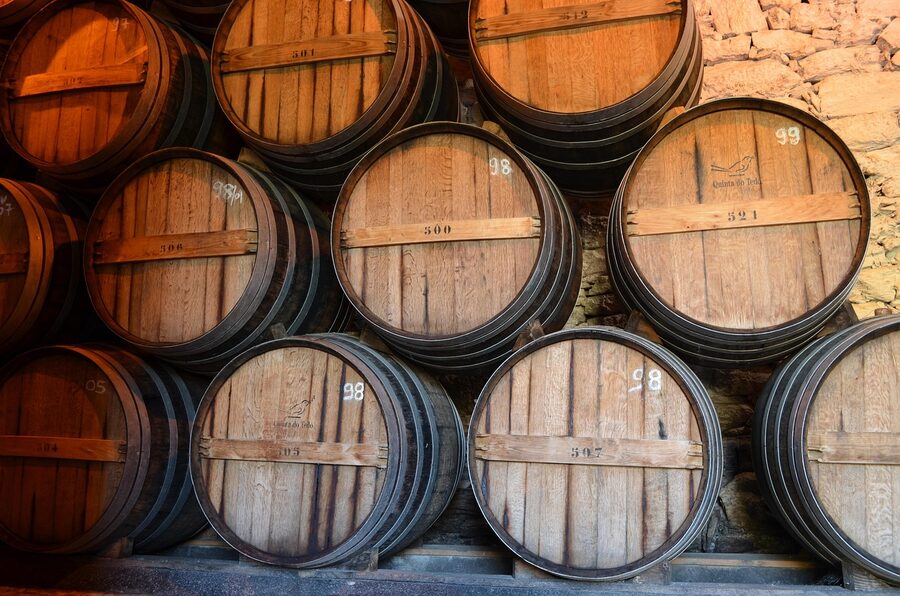
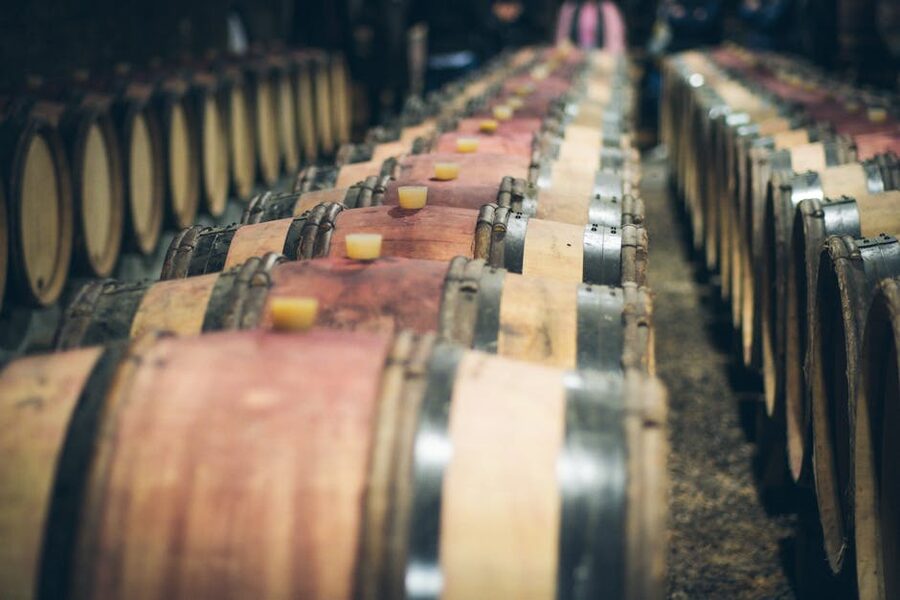
The other thing Cockburn’s has is sheer scale. The lodge stores something north of 6,500 barrels at any given time. Walking the aging halls feels closer to a working warehouse than the polished, museum-style setups at the smaller houses. If you’ve already done the Cálem tour with its multimedia museum or the elegant Taylor’s experience with garden views, Cockburn’s is the industrial counterpart — louder, dustier, more like the actual working machinery of the port trade.
The three tours worth booking
1. Cockburn’s Cellar with Premium Tasting and Pairing — $35
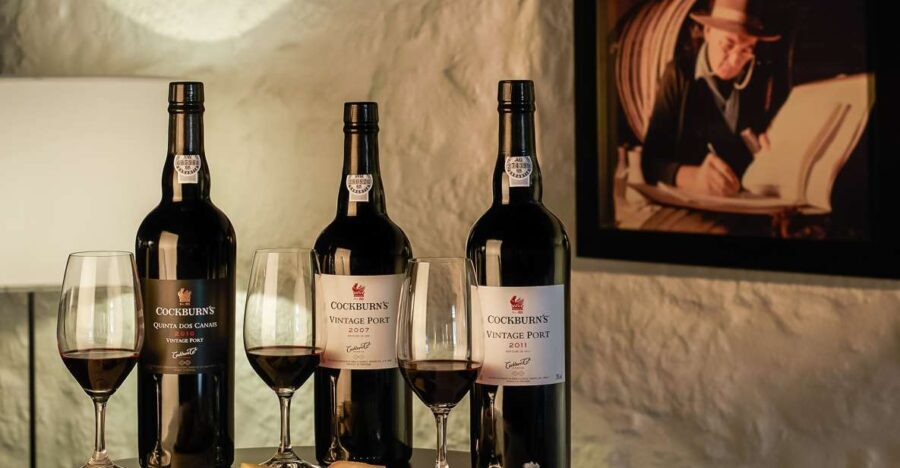
This is the version most travellers book and the one I’d send anyone on first. Ninety minutes, four ports, and the cooperage walk-through is included rather than upsold. Our full review of this tour covers the museum room and pairing snacks in more detail. The only real complaint is that it ends just as you’re getting comfortable.
2. Visit to Cockburn’s Cellars — $31
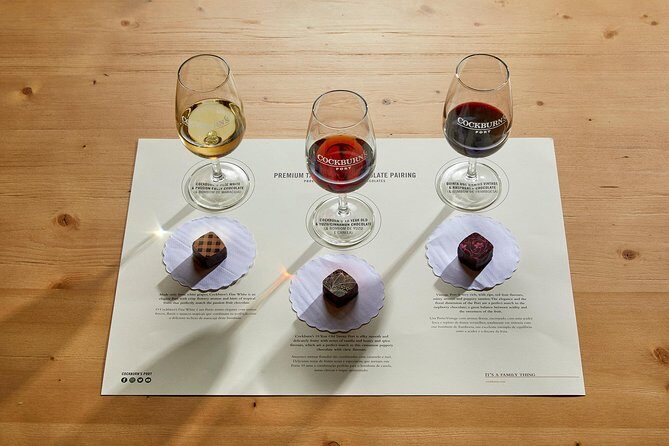
Slightly cheaper, slightly shorter, and a chocolate pairing instead of food snacks — this version suits anyone who wants the cellar tour without committing the full ninety minutes. Same guides, same warehouse route. The trade-off is fewer ports tasted at the end. Be ready for a slight uphill walk to the entrance from the riverfront — guides repeatedly mention it because tourists keep getting caught out.
3. Port Wine Lodges Tour with 7 Tastings — $63
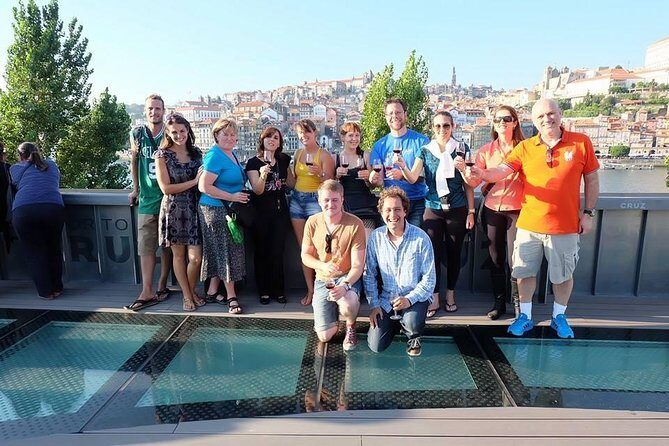
If you want Cockburn’s plus two of its neighbours in one afternoon, this is the one. The route hits three different houses, includes a wine interpretation centre, and you actually finish able to tell a Vintage from a Late-Bottled Vintage. The guides from Porto Walkers run it — same crew that operates the city’s main walking tour — and our full review goes into the lodge selection. Three and a half hours is a long stretch with seven tastings, so eat first.
Booking practicalities
Tickets aren’t sold at the door at Cockburn’s. You book a slot online, you get a confirmation email, you turn up. Walk-ins occasionally get squeezed onto a half-empty tour, but in summer or on weekends you’ll be told politely to come back tomorrow. Booking 48 hours in advance is the safe minimum; for July, August, or any Saturday, give yourself a week.
The booking page lists times in 30-minute or hourly slots. English tours run hourly throughout the day, and Portuguese, Spanish, French, and German slots run a few times daily. The English slots fill fastest. If you’re flexible on language, the Portuguese slot at 11am is often the last one open — and the guides switch into English on request if there are non-Portuguese speakers in the group.
Two practical things to know:
- Confirm what’s included. The standard tour and the premium tasting are different bookings. Make sure your confirmation says “premium tasting” if that’s what you want — the entry-level tasting is two ports versus four.
- The lodge is uphill. About 400 metres from the Gaia waterfront, gentle but steady incline. Maybe 7 minutes in cool weather, longer in summer when you’re carrying water bottles. The bus to Gaia drops at the riverfront and you walk up from there.
Getting there from Porto
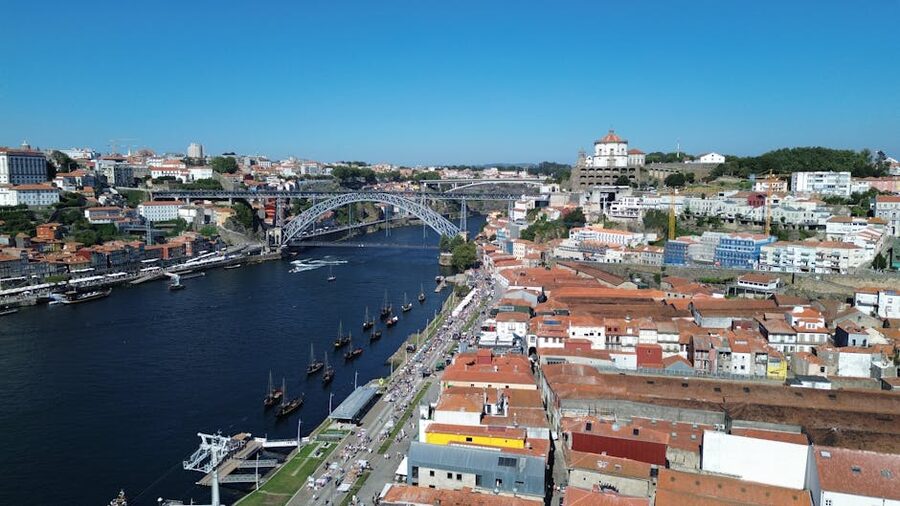
Three options, depending on how scenic you want the trip in.
Walking from Ribeira. Cross the Dom Luís Bridge on the lower deck — about 12 minutes from Ribeira to the Cockburn’s lodge entrance. This is the route I’d take. You get the bridge views, then a slow climb past the other port houses. If you’ve got a Porto Card, none of that matters anyway since walking is free, but the card does get you discounts on a couple of the other lodges if you decide to make a day of it.
Metro to Jardim do Morro. The yellow line drops you at the top of the Gaia hill. From there it’s a downhill walk past Cockburn’s, which is actually a strong move — you arrive at the lodge having already worked up an appetite for port, and the post-tasting walk is downhill back to the river. Total time: 10 minutes from São Bento.
Tuk-tuk or Uber. Faster but less interesting. A tuk-tuk tour that includes a port lodge stop is a different proposition — you’re paying for the city tour, not the cellar. If you just want point-to-point, a regular taxi from central Porto is about 5–8 euros.
The history that shapes the bottle
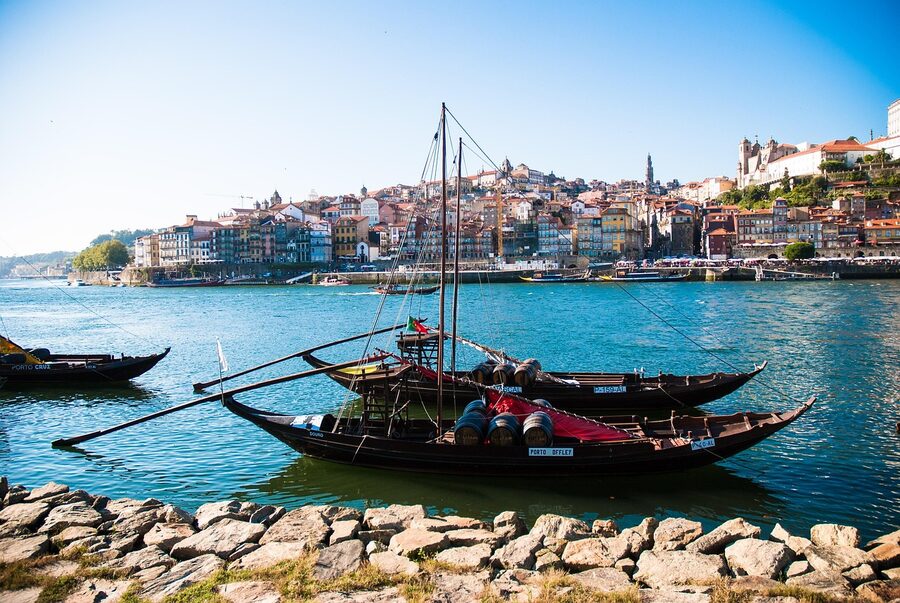
Cockburn’s was founded by Robert Cockburn, a Scottish merchant who arrived in Porto in 1815. That date matters because it puts the house in the second wave of British port shippers — Sandeman had set up in 1790, Taylor’s earlier still, but Cockburn’s caught the boom that followed the Peninsular War, when British demand for fortified Portuguese wine had become a properly industrial business.
The Scottish part is worth holding onto. A lot of the old port houses sound English by default — Graham, Cockburn, Croft, Warre, Taylor — but the merchants behind them were a mix of Scots and English, mostly working out of London but with families settled in Porto for generations. Cockburn’s stayed family-run for over a century, and the cellars still carry the names of long-dead Cockburn brothers stencilled onto vat doors.
.jpg)
The house’s signature is a particular style of dry tawny — ports aged for ten, twenty, or more years in oak rather than bottle, the alcohol mellowed and the colour browning in the cask. The flagship is Cockburn’s Special Reserve, which most British supermarkets stocked for decades and which people of a certain generation in the UK still associate with Christmas pudding. The high-end tawnies and a handful of vintage releases are the bottles you’d actually buy in the lodge shop after the tour.
The Symington family — also Scottish-Portuguese, also old port aristocracy — bought Cockburn’s outright in 2010, which was a big deal in the trade. Symington already owned Graham’s, Dow’s, and Warre’s. Adding Cockburn’s gave them what’s now the largest port producer in Portugal, and is part of why the cellars look the way they do. There’s been heavy investment in the visitor side under Symington ownership, particularly the cooperage walk-through, which used to be staff-only.
What you’ll actually drink
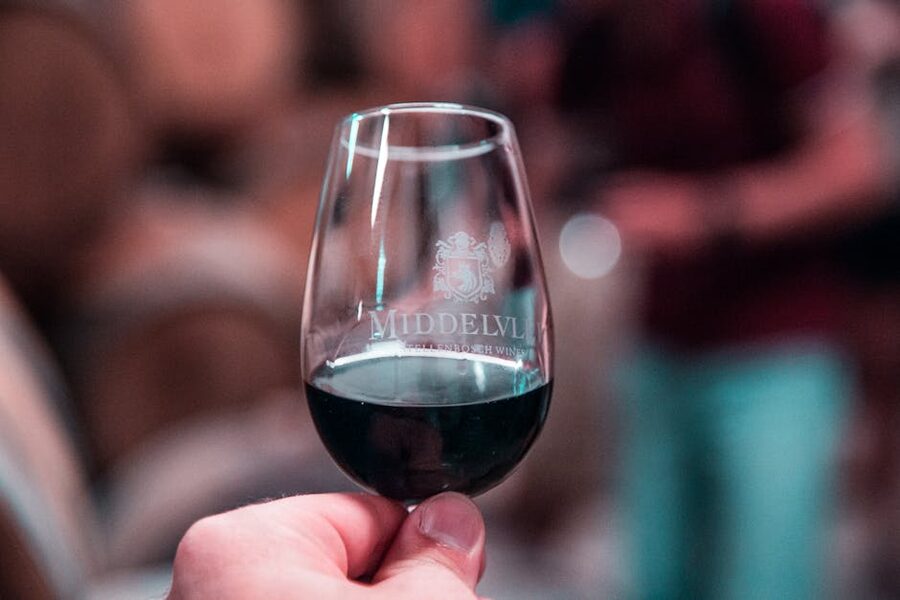
The standard premium flight at Cockburn’s runs four ports. Order varies but usually goes:
- White port. Often skipped by tourists, which is a mistake. Drink it cold with tonic and lime in summer — a Portuguese thing, and a much better aperitif than gin and tonic.
- Ruby reserve. The young, fruit-forward style. Bright, sweet, easy. This is what most people picture when they think “port.”
- 10-year tawny. The opposite of ruby — aged in oak, browned, drier, raisin and walnut notes. Cockburn’s tawnies are well-regarded; this is the glass to slow down on.
- Vintage or LBV. A single-year release, bottled young and aged in the bottle. Heavier and more structured. Often served with a square of dark chocolate.
The guides are good about asking what you’ve already tasted and adjusting commentary. If you’ve been doing the port lodge crawl route through Gaia, mention it — they’ll tweak the tasting to fill in styles you haven’t tried yet.
.jpg)
How long the tour actually takes
Listed as 1.5 hours. In practice it’s closer to 75 minutes, including the tasting at the end. Walk-and-talk through the cellars takes around 35 minutes, the cooperage stop maybe 10, the museum room 10, and the tasting flight closes the visit out — which is the bit that runs short or long depending on how chatty your group is.
If you want to linger, the lodge has an on-site shop and bar where you can buy bottles and order more glasses by the glass after the tour ends. They don’t push it; you have to ask. A second 10-year tawny in the bar afterwards is one of the better port-shop experiences in Gaia and not something most tour-takers know to do.
Best time to go
Lodge tours run year-round, but the experience varies a lot by season:
April to early June — best window. The Douro Valley is in full leaf, walking from Ribeira is comfortable, and the lodges aren’t yet at peak booking. Light rain is possible.
July and August — busy. Tour times sell out three to four weeks ahead and the walk up from the river in 35°C heat is genuinely unpleasant. The air-conditioned cellars are a bonus, but the queue at the entrance can stretch outside in the sun.
Late September to October — in many ways the most interesting time. This is harvest season in the Douro. New wine is being shipped down to Gaia and the lodges are slightly more chaotic, in a good way. Combine the lodge visit with a day trip up to the Douro Valley and you’ll see both ends of the production chain.
November to March — quietest. Tours run, prices are lower in town, and the cellars are warmer than the streets. The downside is that walking around Porto in winter rain is grim, and the rooftop terraces at the lodges across the road won’t be open.
What to do before and after
Cockburn’s takes about 90 minutes door to door. That leaves a lot of afternoon to fill, and Gaia and Porto give you plenty.
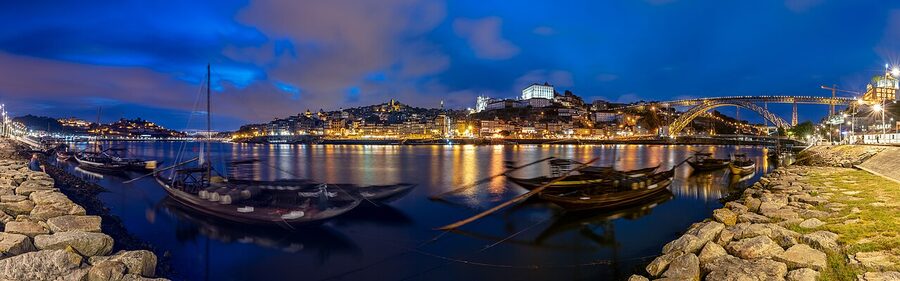
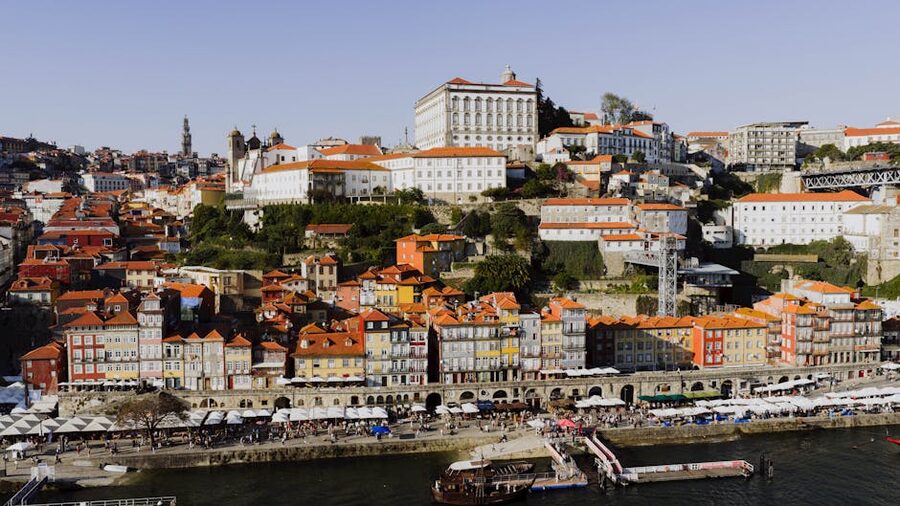
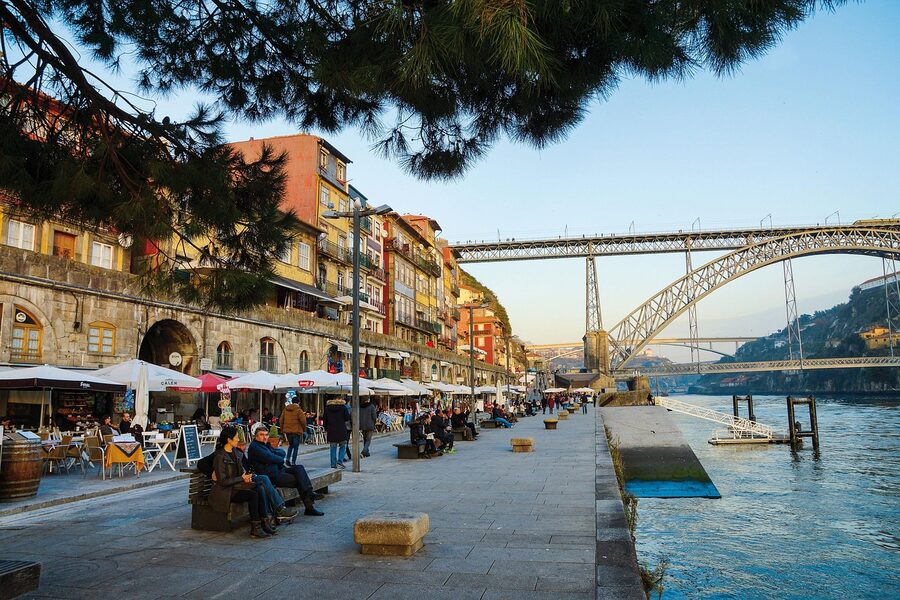
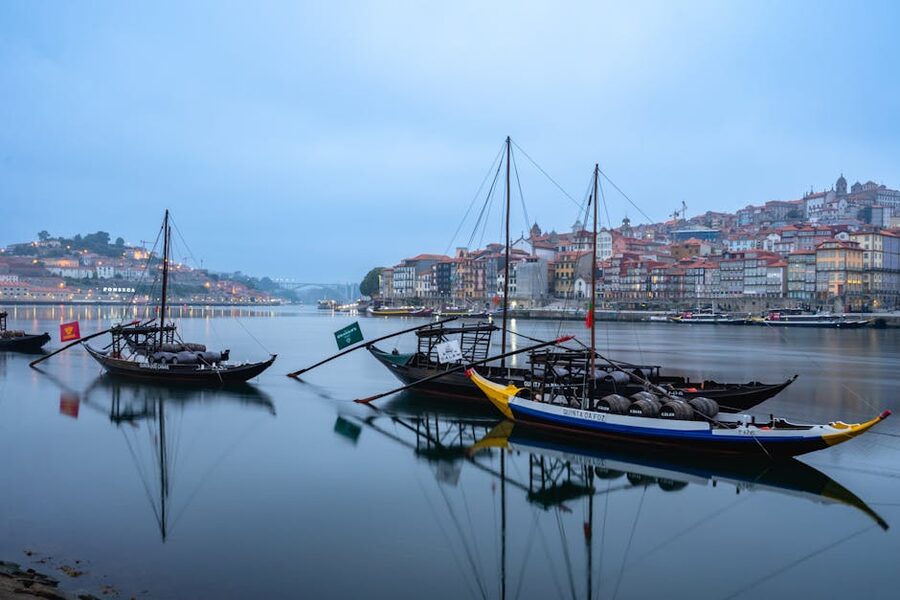
The single best move post-tasting is to walk along the Gaia waterfront for a while before crossing back over the river. The lodges run in a line — Sandeman, Calem, Ramos Pinto — and most have small bars or terraces open to the public. You can sit out with a glass of port and watch the rabelo boats on the Douro. Cheap entertainment.
If you want a full afternoon out, two options chain naturally with a Cockburn’s morning:
- The Six Bridges river cruise leaves from both sides of the Douro and takes about 50 minutes. Doable post-port if you don’t fall asleep.
- The Porto bike tour is the inverse — pre-tour, when you’ve got energy. The route covers Ribeira, the bridges, and the riverfront before dumping you near the bridge to walk over for lunch and a lodge visit.
For lunch beforehand, the Ribeira side has plenty of average tourist places and a couple of good ones. Or save lunch for after — there’s a string of restaurants on the Gaia side around Cais de Gaia that locals rate higher than the Porto-side equivalents. Salt cod, grilled sardines, the usual.
Common things people get wrong
Booking the same product twice. Cockburn’s sells through both GetYourGuide and Viator, and the standard tour shows up on both with slightly different titles. Check what your confirmation actually includes — the GYG “premium tasting” version and the Viator “standard” version are the same physical tour with different tasting flights at the end.
Trying to do five lodges in a day. Two is the realistic ceiling. Each tour is 60–90 minutes and the tastings hit harder than people expect. Three is possible but you’ll be sliding off bar stools by the third. Pick Cockburn’s for the cooperage, then one other for variety — Cálem if you want the museum-led version, Taylor’s if you want the upscale garden setting.
Assuming you need to know about wine. You don’t. Half the people on these tours have never tasted port before, and the guides pitch the commentary that way. If anything, knowing too much is the trap — you spend the tasting comparing notes against your home cellar instead of just drinking what’s in front of you.
Not eating first. Port is 19–20 percent alcohol. Four small glasses on an empty stomach hits like a stiff cocktail. Have a proper lunch first, particularly if you’re booked on the morning slot and planning anything else for the afternoon.
Combining Cockburn’s with other Porto guides
If you’re putting together a wider Porto trip, the lodge visit slots in well as a half-day. Plenty of guides on this site cover the rest. The old town walking tour covers Ribeira, São Bento station, and the Clérigos area — pair it with the lodge for a perfect first day. The food tour is the better second-day option since you don’t want a full meal sequence on top of port. For evening plans, the fado show goes well with a port-tasting day — fado music is at its best with a glass of tawny in hand.
Cards-wise, the Porto Card doesn’t get you free Cockburn’s entry, but it does cover transport across the city if you’re chaining lodge visits. The hop-on hop-off bus stops on the Gaia side near Sandeman, which is close enough to walk to Cockburn’s from. For the full Porto-and-Douro picture, do the lodge first, then book the Douro river cruise the next day to see the working part of the wine industry from the water.
Specific landmarks that pair naturally with a Gaia afternoon: Clérigos Tower (across the river, 15-minute walk from Ribeira), Livraria Lello (book ahead, the queue is real), and World of Discoveries if you’ve got kids and want a family-friendly afternoon between adult activities.
Worth it?
Yes — but only if you book one of the cooperage-included slots. The basic tasting at any of the Vila Nova de Gaia houses delivers more or less the same experience: a cellar walk, a guide telling you what tawny means, a glass at the end. Cockburn’s only earns its place on a busy Porto itinerary if you go for the version with the working cooperage. That’s the part you can’t see anywhere else, and it’s what turns the visit from “port tasting #2 of the trip” into the lodge people actually remember.
Book the GYG premium tasting if you can — it’s the version with the cooperage walk-through baked in and the four-port flight. If that’s sold out, the Viator standard tour gets you the cellars and a shorter tasting for less money. Skip the tour entirely if you’re already doing two other lodges; you’ll hit port-tasting fatigue and the cooperage will feel like a footnote rather than the main event.
Affiliate disclosure: links to GetYourGuide and Viator are affiliate links. If you book a tour through them, we get a small commission at no extra cost to you. We’ve stayed at Cockburn’s-adjacent lodges across multiple Porto trips and book the same way readers do.