Kintsugi makes a break part of a pot’s story instead of something to hide. In this Osaka workshop, you’ll mend pottery with synthetic lacquer, resin, and golden powder, guided through each step in an artisan’s studio. I like that the class welcomes beginners and that you leave with a repaired piece of your own.
I also like the care behind the process: it pairs hands-on work with the idea that repair can add meaning, not just restore a shape. One practical catch is that the finished piece is not safe for serving food, and it cannot go in a microwave or dishwasher.
- What to know before you book
- Kintsugi turns a repair into the main event
- A working studio near Kyobashi
- What happens during the class
- What you’ll bring home, and what you won’t
- The people and pace matter
- Is 7.20 good value?
- Who will enjoy this workshop most
- Booking and arrival tips
- Should you book it?
- FAQ
- How long does the workshop take?
- Where is the workshop held?
- How do I get to the workshop?
- What time should I arrive?
- Is the workshop suitable for beginners?
- What age can take part?
- What materials are used to repair the pottery?
- Can I use the repaired piece for food?
- Do I take home the piece I repair?
- Is transport included in the price?
- The Best Of Osaka!
- More Workshops & Classes in Osaka
- More Tours in Osaka
- More Tour Reviews in Osaka
What to know before you book
 1 / 10
 2 / 10
 3 / 10
 4 / 10
 5 / 10
 6 / 10
 7 / 10
 8 / 10
 9 / 10
 10 / 10
- The repair is yours to take home: You’ll work on pottery and leave with your own restored piece.
- The materials are modern: The class uses synthetic lacquer, resin for missing fragments, and a silver-based powder that gives the repair a golden look.
- Beginners are welcome: No previous pottery or repair experience is required, and tools and materials are provided.
- The instruction is in English: An English-speaking guide is included, alongside instruction from a kintsugi master.
- Plan for a 15:00 start: The stated return time is 17:30, though the activity duration is described in two different ways.
- Treat the pottery as decorative: The repaired piece cannot be used for serving food, microwaved, or washed in a dishwasher.
👉 See our pick of the The Top 15 Workshops & Classes In Osaka
Kintsugi turns a repair into the main event
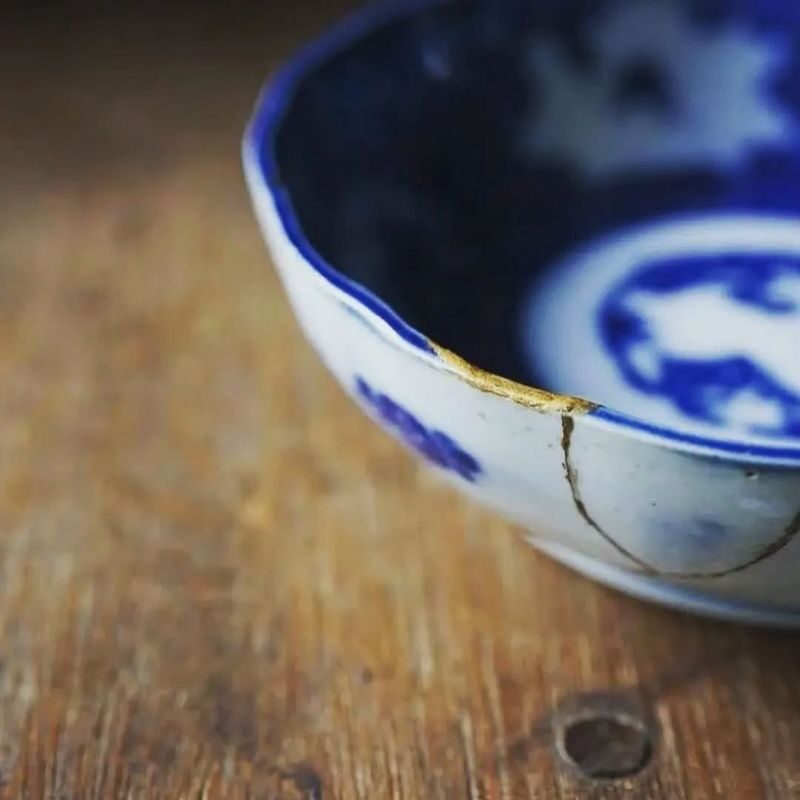
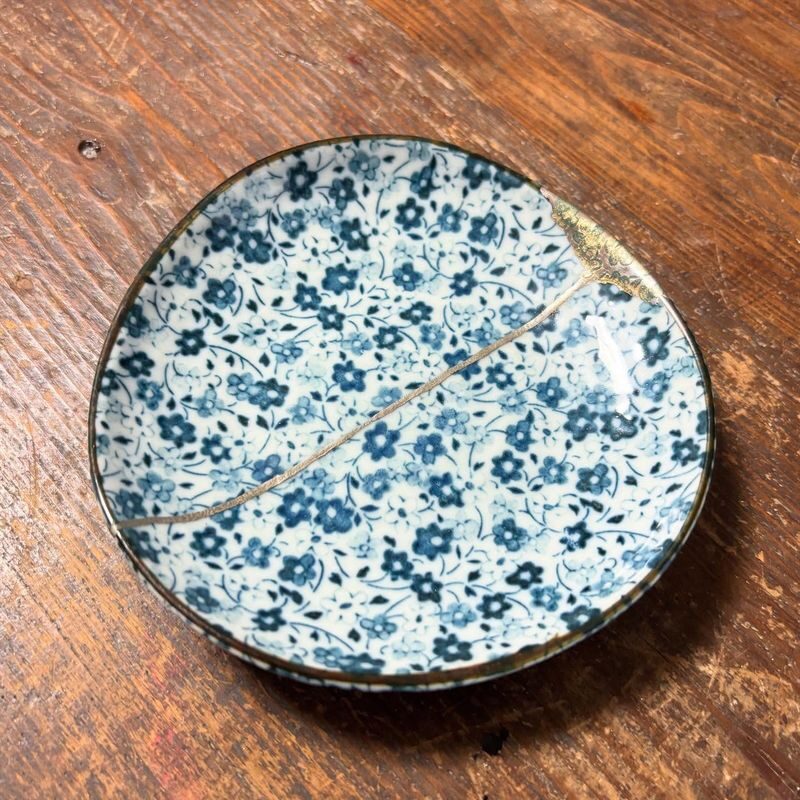
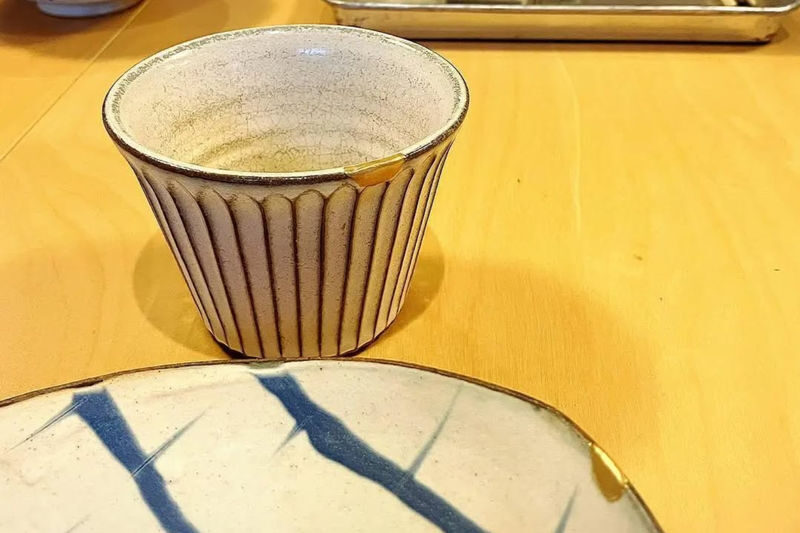
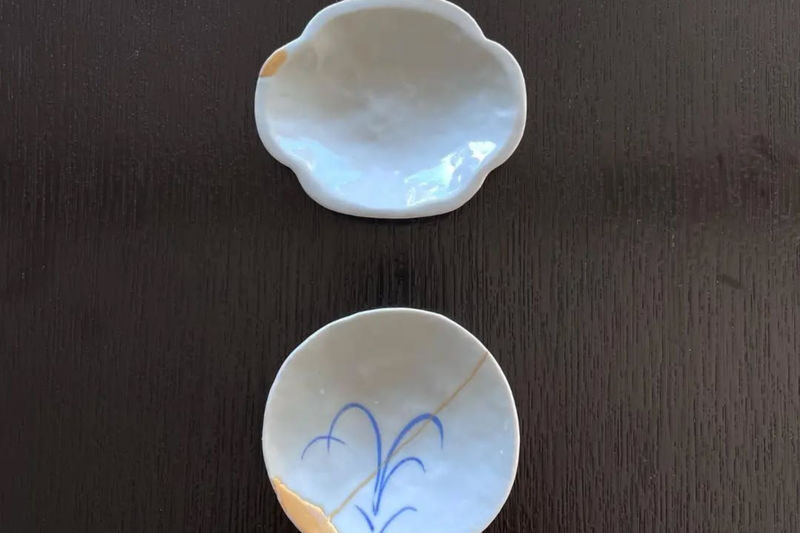
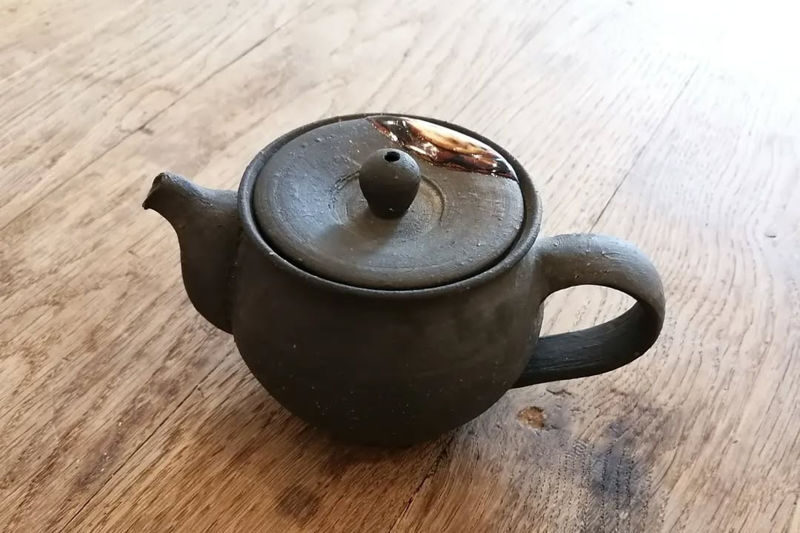
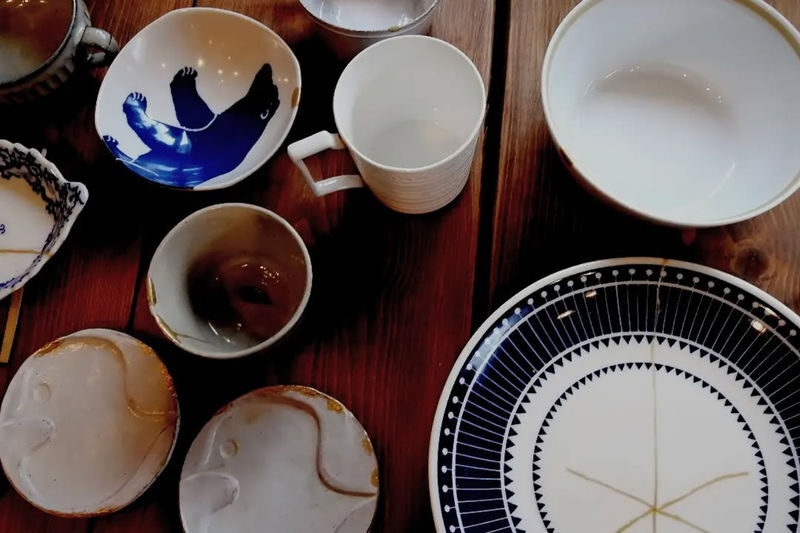
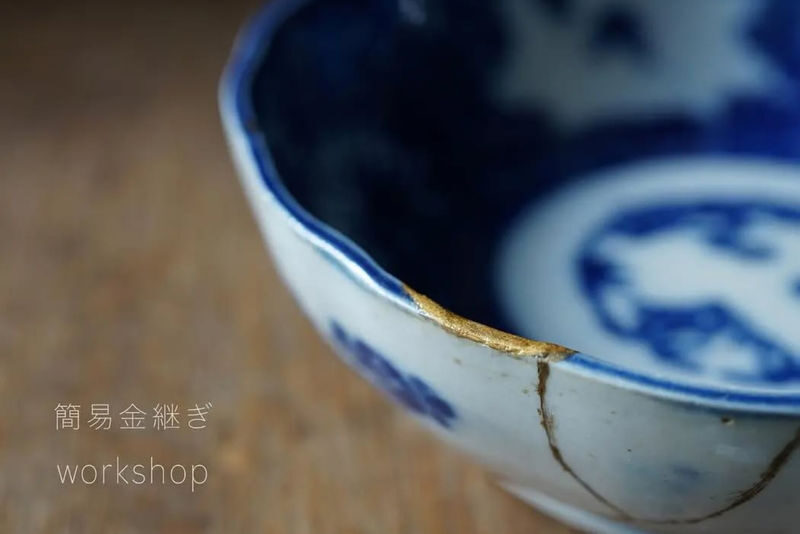
Kintsugi is the Japanese art of repairing broken ceramics so the repair becomes visible. Instead of trying to disguise a crack, the technique draws attention to it with lacquer and a bright powder finish. The idea is appealing even if you’ve never held a pottery tool: a broken object can have a next chapter, and its marks can become part of what makes it worth keeping.
This class gives you a hands-on way to explore that idea. You don’t just hear about kintsugi or watch a demonstration. You work through the repair yourself, bonding broken pottery, filling gaps with resin, and applying powder to finish the repaired areas.
The workshop describes its powder as silver-based and golden in appearance. That distinction matters if you’re expecting a repair made with solid gold. This is a practical, beginner-friendly activity using modern materials, not a lesson in traditional food-safe restoration.
You can also read our reviews of more tours and experiences in Osaka



A working studio near Kyobashi
The class takes place at comecoLABO, in Room 103 of the Tsurumi Printing Factory at 1-4-18 Shigikitashimi, Joto-ku, Osaka. The meeting details also give a nearby Shigita-Higashi address, so use the workshop address and map on your booking confirmation rather than relying on a street name alone.
The studio is a five-minute walk from the South Exit of JR Kyobashi Station on the Loop Line. That makes the final approach manageable, though you’ll need to arrange your own transport to Kyobashi. Transport is not included in the workshop price.
Arrive five minutes before the selected start time and meet in front of the workshop. The listed departure option is 15:00, with a stated return time of 17:30. Since you leave directly from the workshop, there is no separate return journey with the activity.
What happens during the class
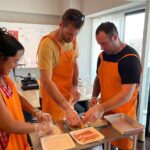
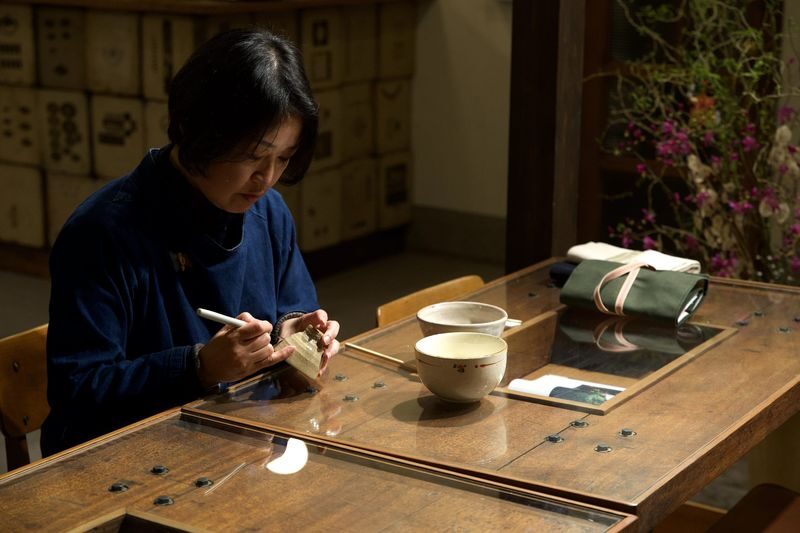
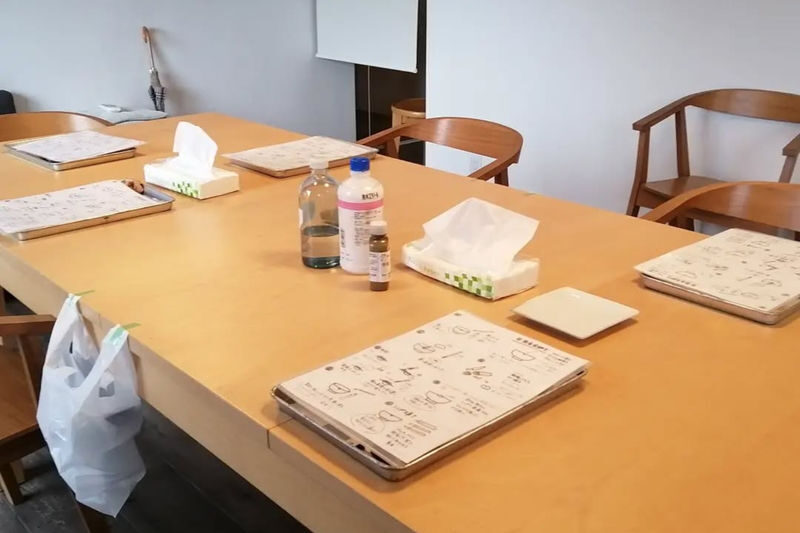
The itinerary describes a departure, a guided kintsugi workshop, and a return from the studio. In practice, the heart of the experience is the repair session itself. You’ll get instruction from a kintsugi master, with an English-speaking guide included, and the tools and materials are ready for you.
The workshop description lays out three main tasks. First, you bond broken pottery with synthetic lacquer. Next, you fill any missing fragments with resin. Finally, you dust the repair with a silver-based golden powder. It’s a hands-on sequence, so you can expect to focus on your own piece rather than simply watch a craft demonstration.
The class is intended for beginners. That’s a real advantage if the word artisan makes you picture a room full of specialists and intimidating tools. You don’t need to arrive with experience, materials, or a piece of pottery to repair. The workshop supplies what you need and guides you through the work.
There is a small timing wrinkle worth sorting out before you set your afternoon plans. The experience is advertised as two hours in its summary, while the itinerary describes a two-and-a-half-hour guided workshop and lists 15:00 to 17:30. Treat the longer window as the safer allowance, and check the confirmed schedule for your date.
What you’ll bring home, and what you won’t
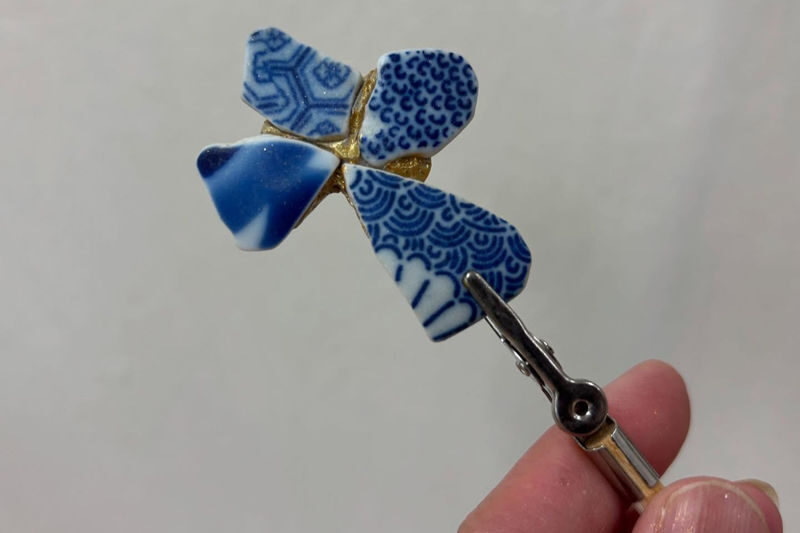
The finished object is the tangible reward: a piece repaired by your own hands, with its cracks or gaps marked out rather than hidden. That makes this a more personal souvenir than something bought off a shelf. You’ll also have a reminder of the process and the idea behind it, which can make a small object feel more significant once you’re back home.
There is an important limit. The materials used in this workshop mean the repaired pottery cannot be used for serving food under Japanese standards. It is also not suitable for a microwave or dishwasher. Think of the result as a display piece or keepsake, not a bowl for breakfast or a cup for tea.
That restriction does not make the workshop pointless, but it should shape your expectations. If you want a traditional, food-safe repair for a treasured household dish, this class is not presented as that service. If you want to learn the basic process and create a decorative object with a story, the limitation is easier to accept.
The people and pace matter
The instruction is one of the strongest reasons to consider this class. The instructor is described as a kintsugi master, and the experience includes an English-speaking guide. No instructor names are provided, so there’s no need to book around a particular teacher. The useful point is that you should be able to follow the lesson in English.
The instruction also sounds suited to a careful, hands-on activity. The people leading the class are described as kind, patient, and clear, with helpful explanations. That is especially valuable here: bonding small broken pieces and working with gaps takes attention, and a calm explanation can make the difference between a satisfying project and a frustrating one.
Photos have also been taken during at least one session, allowing participants to concentrate on their work. That’s a thoughtful touch, but it is not listed as a standard inclusion, so don’t count on photography being available every time. If photos matter to you, ask the provider before booking.



Is $107.20 good value?
The standard workshop starts at $107.20 per person. That is a substantial price for a two-to-two-and-a-half-hour activity, particularly because transport and personal expenses are not included. You’re paying for guided instruction, prepared materials and tools, time in an artisan’s studio, and a finished object you make yourself.
The value depends on what you want from an Osaka activity. If you’re looking for a quick, low-cost craft class, this may feel expensive. If you want a focused cultural activity that gives you a practical introduction to a Japanese repair art and sends you home with a personal keepsake, the price is easier to justify.
There’s no group size listed, so don’t assume this is a private lesson or a small class. The provider, Pinpoint Traveler, Incorporated, has a 94 percent good-review rate across 275 reviews, while this particular workshop has four five-star ratings. That is encouraging, but four ratings are still a small sample. I’d weigh the clear beginner-friendly format and the material limitations more heavily than the score alone.
Who will enjoy this workshop most
This is a good fit if you like making things, want a quieter activity between Osaka’s bigger sights, or are curious about craft traditions beyond museums and shops. It should also suit a solo participant: the focus is on your own project, and no companion or prior skill is stated as necessary.
The minimum age is 15, so this is not an option for younger children. It may appeal to older teens who enjoy careful, creative work, but the class is not described as a family activity. Keep in mind that the repaired item is decorative rather than suitable for daily kitchen use.
You may prefer another activity if you want a traditional repair using food-safe materials, a short demonstration with little hands-on work, or an outing that includes transport. None of those is promised here. The appeal is the chance to try the steps yourself, with instruction, and take away a piece that carries the trace of its repair.
Booking and arrival tips
Choose the 15:00 departure option when booking and arrive five minutes early. The voucher is mobile, and the activity is valid only on the date and time specified in your booking. Confirmation should arrive within minutes; if it does not, contact customer support.
Because transport is excluded, build your own route to JR Kyobashi Station and allow time to find the South Exit and walk to the studio. The stated five-minute walk is helpful, but the meeting information gives more than one nearby address. Check the map and workshop address in your confirmation before setting out.
You can cancel for a full refund if you do so at least 24 hours before the activity date, using Osaka local time. That gives you some flexibility, but the voucher itself is not open-ended: it is valid only for the booked date and, where applicable, time.
Should you book it?
Book this workshop if you want more than a souvenir and are happy to spend a careful afternoon making one. The combination of English-language instruction, beginner-friendly steps, and a take-home repair makes the experience easy to understand and appealing to curious makers.
Skip it if you need a food-safe vessel, expect transport to be included, or are uncomfortable with the price for a short activity. Also leave room in your schedule for the 17:30 return time, since the stated duration varies between two and two-and-a-half hours. For the right person, the strongest part is simple: you learn a practical craft while turning a break into the most noticeable part of the finished piece.
Kintsugi Workshop: Beauty in Brokenness
“Very nice time. Really enjoyed the class. Location was pretty far but no complaints. Good and patient teachers!”
FAQ
How long does the workshop take?
The experience summary gives a duration of two hours, while the itinerary describes a two-and-a-half-hour workshop. The listed schedule runs from 15:00 to 17:30, so allow for the longer time.
Where is the workshop held?
It is held at comecoLABO, Room 103, Tsurumi Printing Factory, 1-4-18 Shigikitashimi, Joto-ku, Osaka.
How do I get to the workshop?
The studio is a five-minute walk from the South Exit of JR Kyobashi Station on the Loop Line. Transport is not included.
What time should I arrive?
The listed start time is 15:00. Arrive five minutes before the time selected when you book.
Is the workshop suitable for beginners?
Yes. No experience is needed, and the tools and materials are provided.
What age can take part?
Participants must be at least 15 years old.
What materials are used to repair the pottery?
The workshop uses synthetic lacquer to bond pieces, resin to fill missing fragments, and silver-based powder with a golden appearance for the finish.
Can I use the repaired piece for food?
No. The repaired pottery cannot be used for serving food under Japanese standards. It also cannot go in a microwave or dishwasher.
Do I take home the piece I repair?
Yes. You leave with the piece you restored during the workshop.
Is transport included in the price?
No. Transport and other personal expenses are not included.